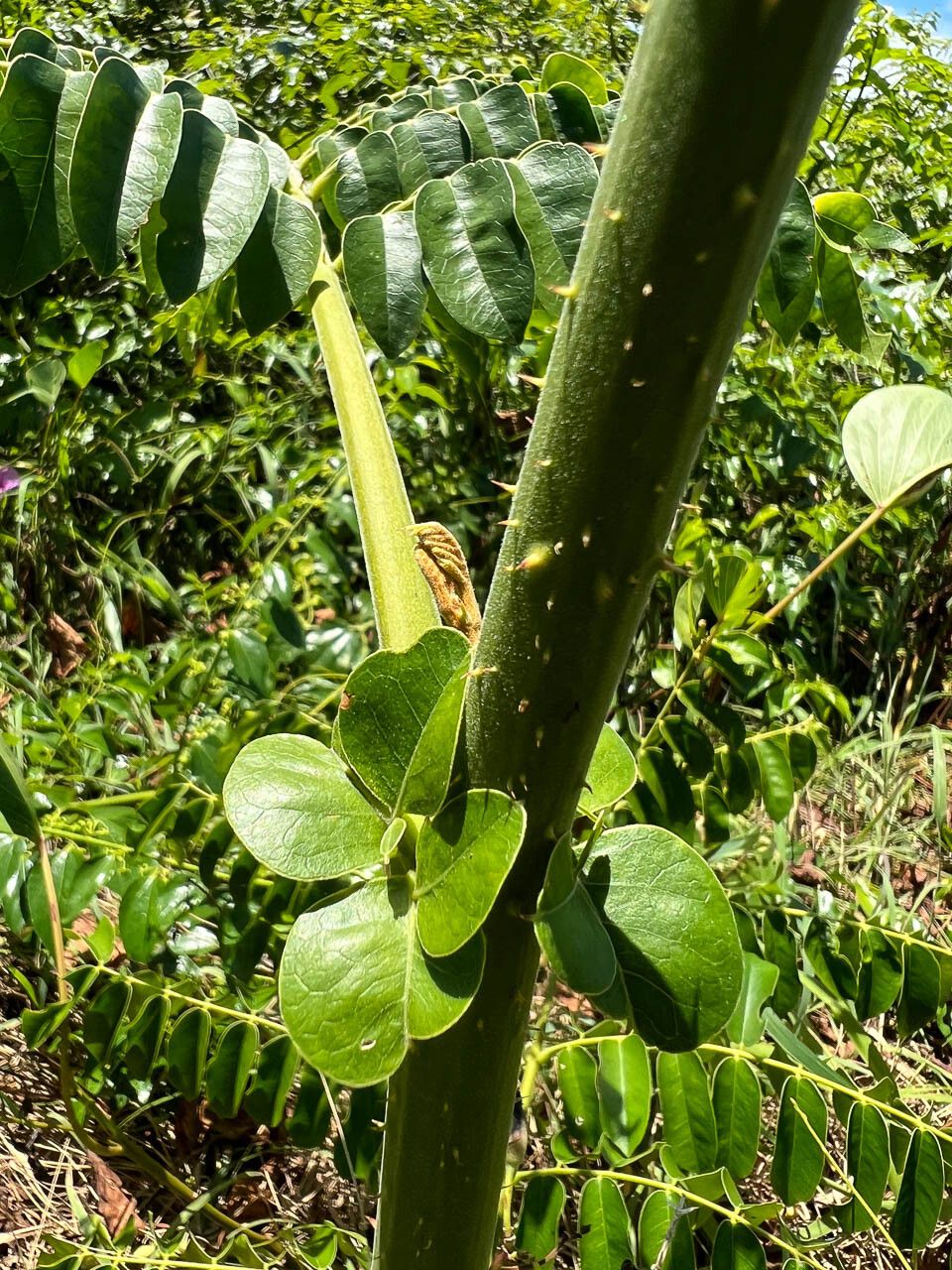
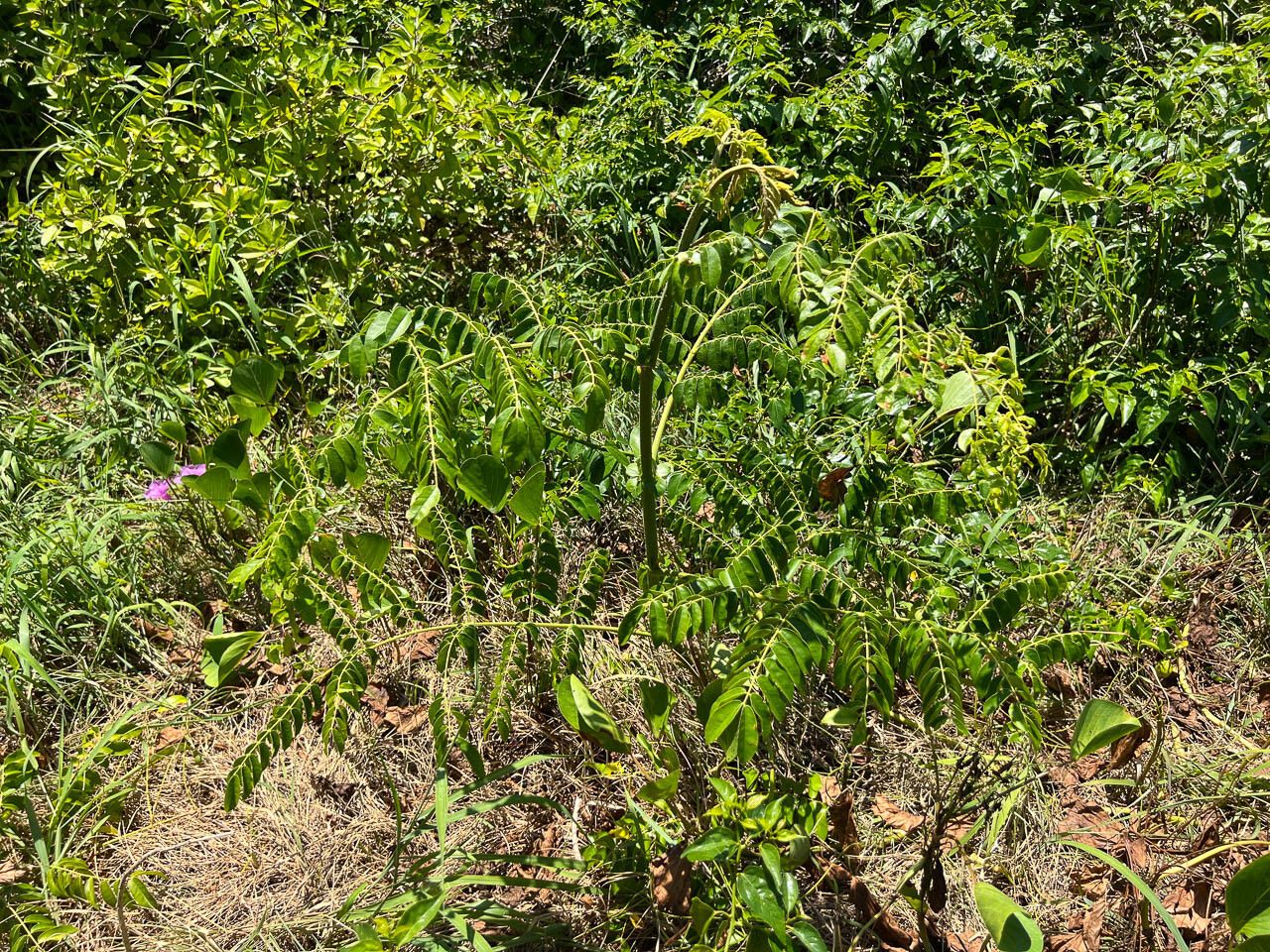
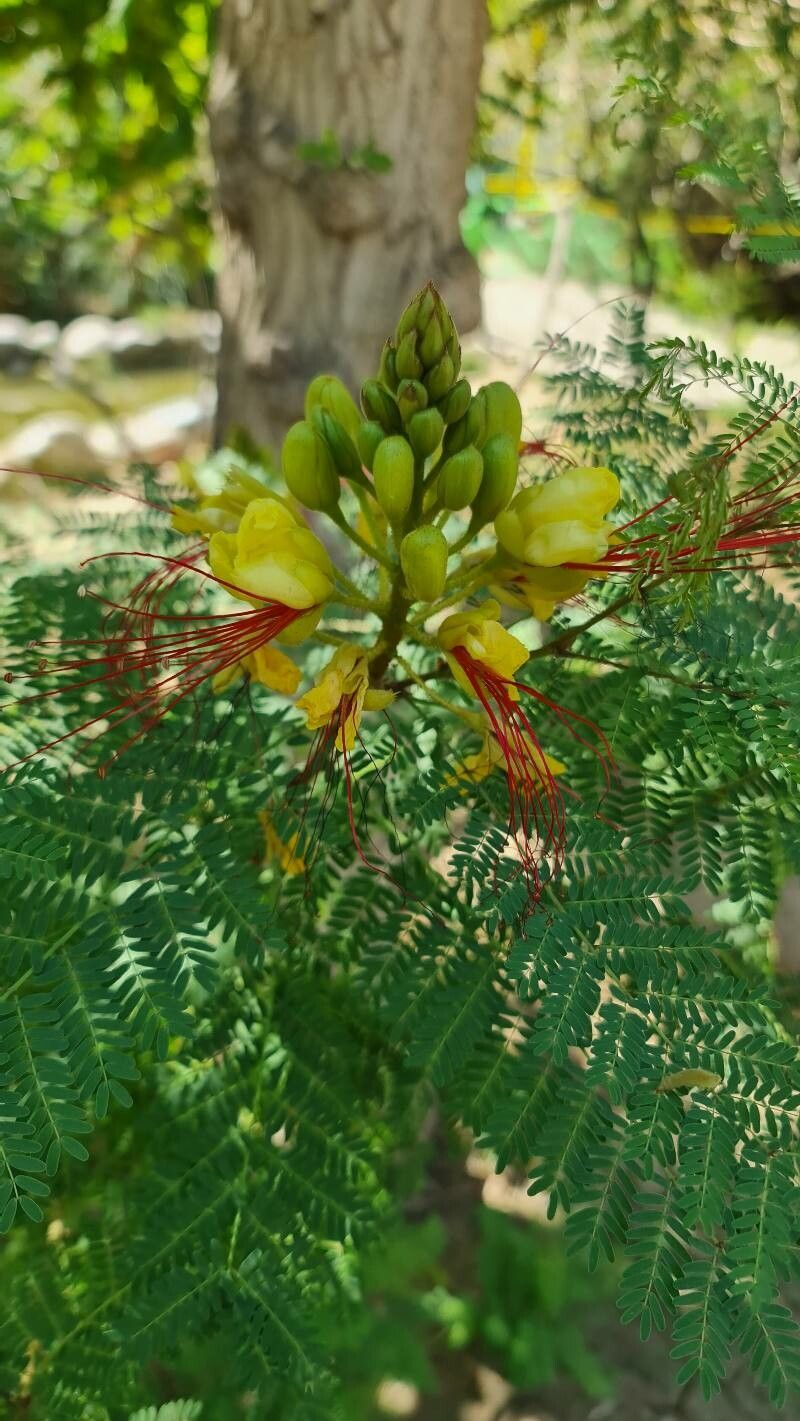
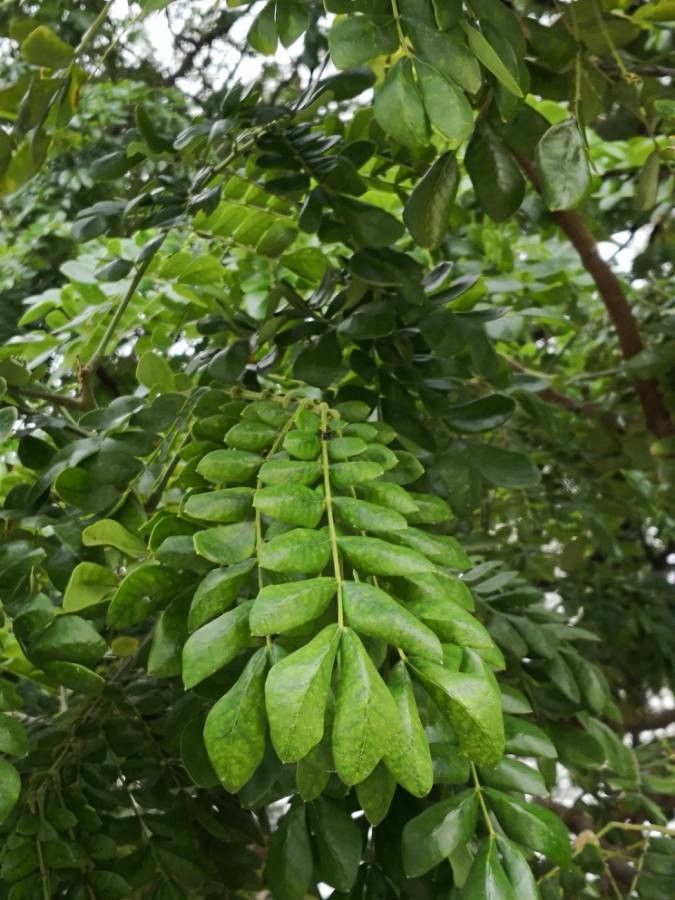
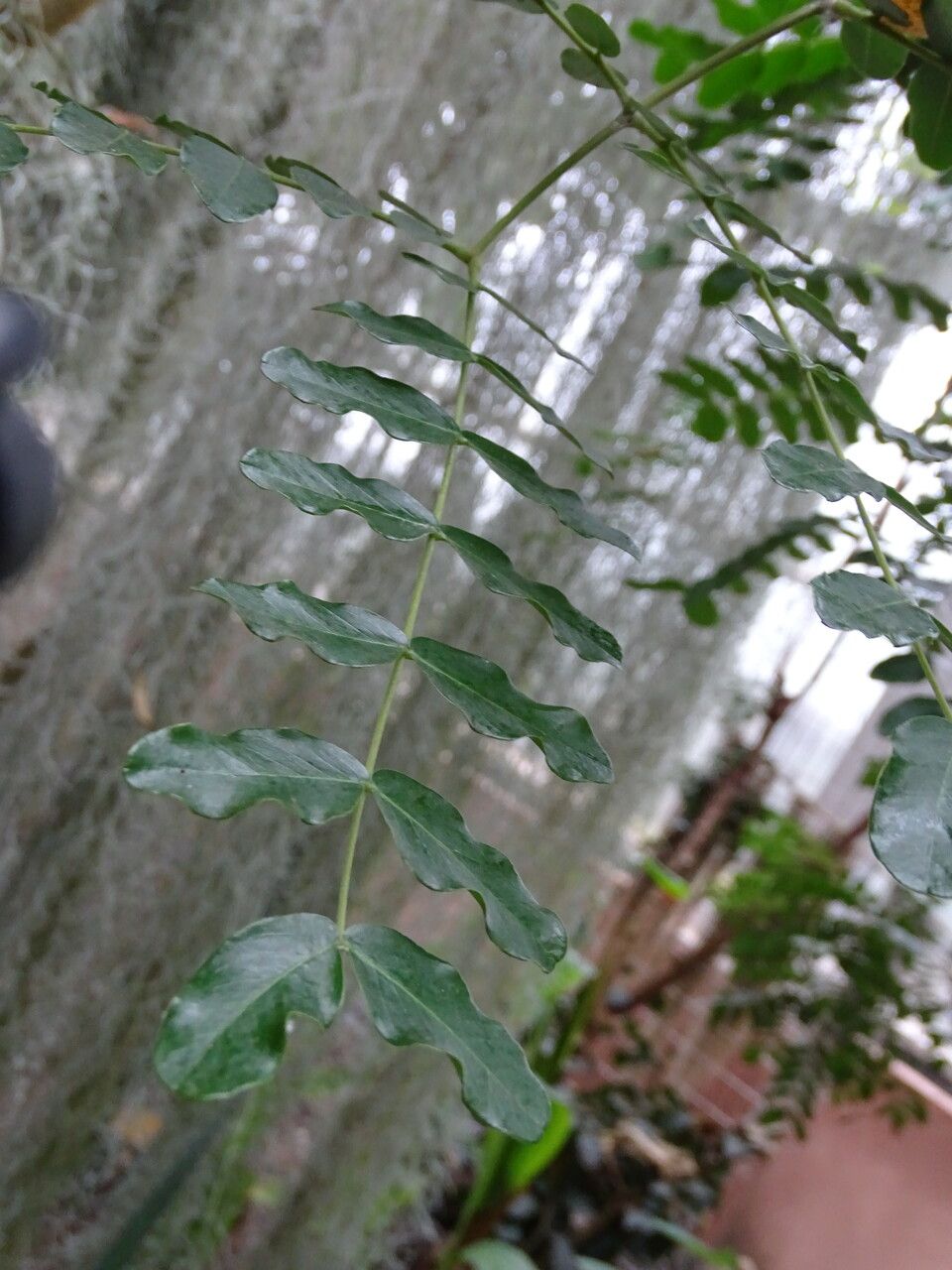
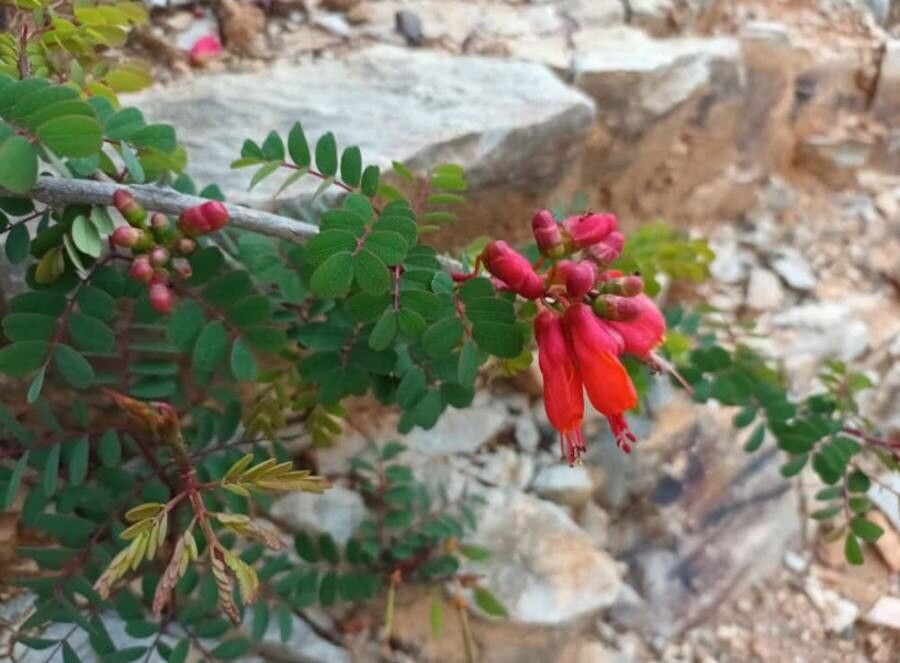
Gray nicker resists disease well and is generally not susceptible to illnesses. As for care, this plant is fairly low-maintenance. Outdoors it needs little watering, and larger plants usually do not need pruning. Smaller plants, however, should be pruned after they finish blooming. Gray nickert is appropriate for anyone with an outdoor area, such as a garden or deck, and does not require much gardening experience.
How to keep Caesalpinia Crista.
Light
Gray nicker is native to open habitats, such as sunny meadows and forest edges, which offer ample light. It flourishes in Full Sun but can also tolerate Partial Sun, adjusting well to various light conditions.
Water
Gray nicker originates from tropical coastal regions and thrives in environments with high humidity and regular rainfall, needing to be watered twice a week. It is resilient to short dry spells, as its growth cycle is closely tied to water availability, which affects both its vegetative and reproductive phases.
Temperature
Gray nicker flourishes in temperatures ranging from 68 to 105.8 °F (20 to 41 ℃). The plant is native to warmer climates. In seasons with drastic temperature shifts, consider supplying additional warmth to support its growth.
Fertilizer
The best time to fertilize a Gray nicker is in early spring, when it comes out of dormancy. This encourages overall growth and the development of flowers. Fertilizing benefits the foliage, stems, and branches, and promotes flowers that are large, vibrant, and long-lasting. It also helps transport nutrients from the roots to the blooms and improves the plant’s health and resistance to disease.
Pruning
Gray nicker is a plant known for its thorny branches and vibrant yellow flowers. To promote its health and improve its appearance, it's best to prune it in early spring. When pruning, consider the following techniques: remove any dead branches, thin out the plant to improve air circulation, and shape its growth to achieve the desired appearance. Remember to wear protective gear to guard against the thorns, and make sure your cuts are clean to prevent the spread of disease.
Botanical profile.
- Plant Type
- Vine, Shrub
- Life Cycle
- Perennial
- Genus
- Caesalpinia
- Family
- Leguminosae
- Hardiness Zone
- 10-13
- Mature Height
- 10.06 m
- Mature Spread
- 3.05 m to 6.1 m
- Leaf Color
- Green
- Leaf Type
- Deciduous
- Flower Color
- Yellow
- Flower Size
- 10.16 cm to 20.32 cm
- Bloom Time
- Summer, Early fall, Mid fall
- Planting Time
- Spring, Summer, Autumn
- Harvest Time
- Fall, Early winter, Mid winter
Other names.
Reader questions.
What are the sunlight requirements for Gray nicker?
The Gray nicker (Caesalpinia crista) thrives under specific sunlight conditions to ensure healthy growth. It requires 'full sun,' which means the plant needs to be exposed to more than 6 hours of sunlight daily. Alternatively, it can grow under 'partial sun' conditions, receiving about 3 to 6 hours of sunlight each day. It's important to observe the way sunlight moves through your garden to identify areas that offer an optimal balance of light and shade, ensuring the plants are happy and healthy.
What temperatures are ideal for growing Gray nicker?
Gray nicker, also known by its botanical name, Caesalpinia crista, thrives in temperatures ranging from 68°F to 105.8°F (20°C to 41°C). Originating from climates with warmer temperatures, it's important to provide additional warmth during seasons of drastic temperature shifts to support its growth.