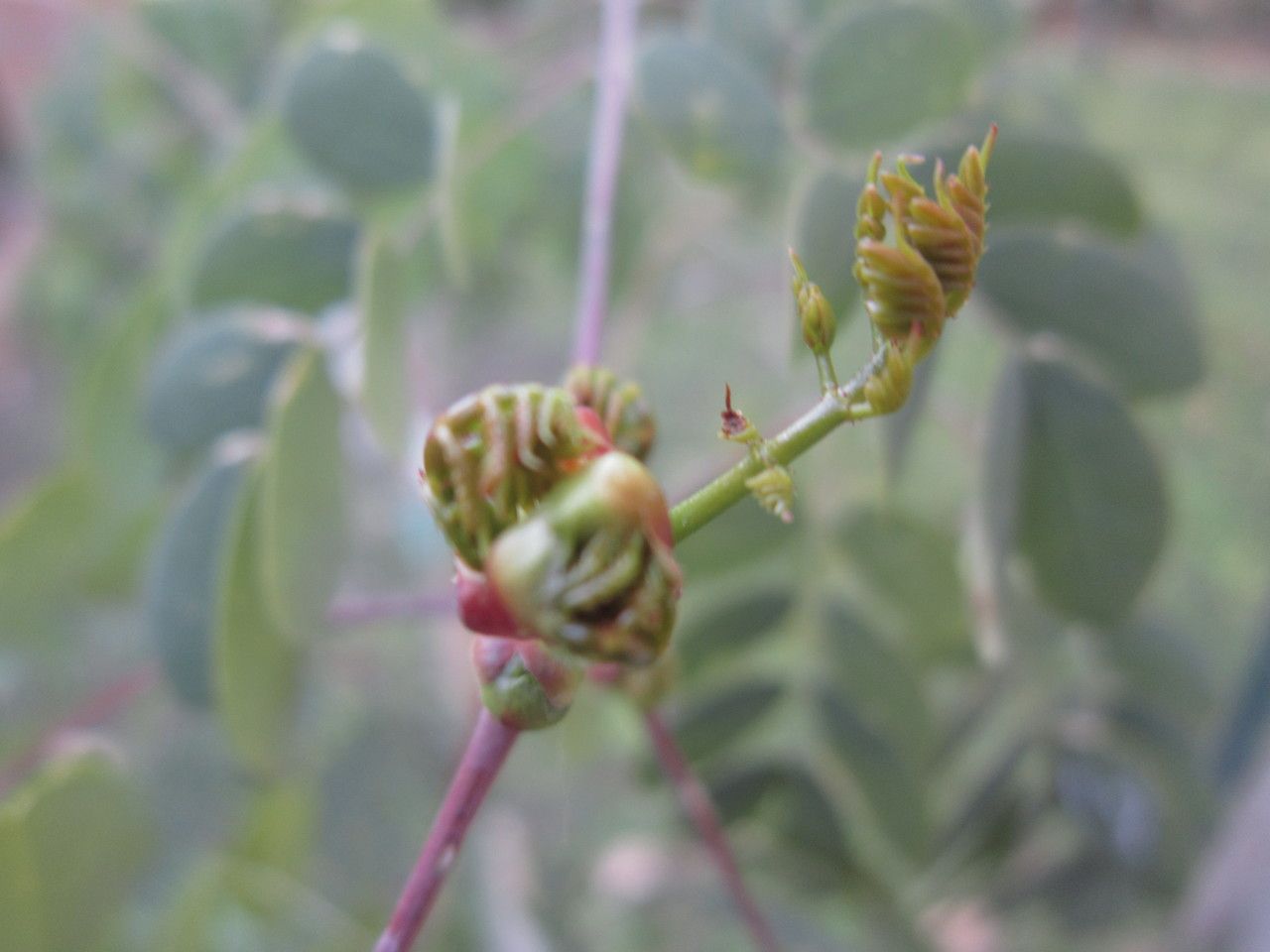
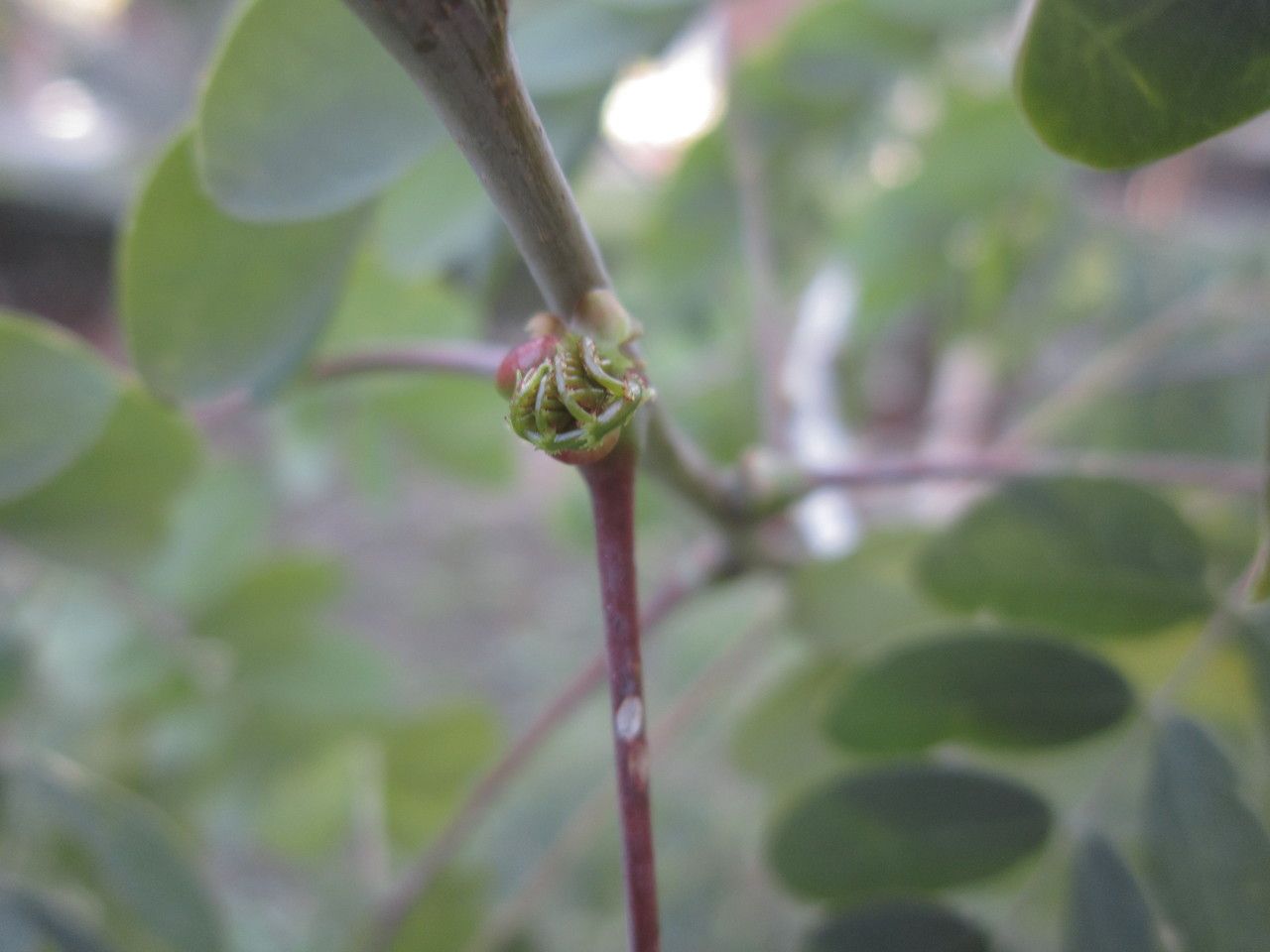
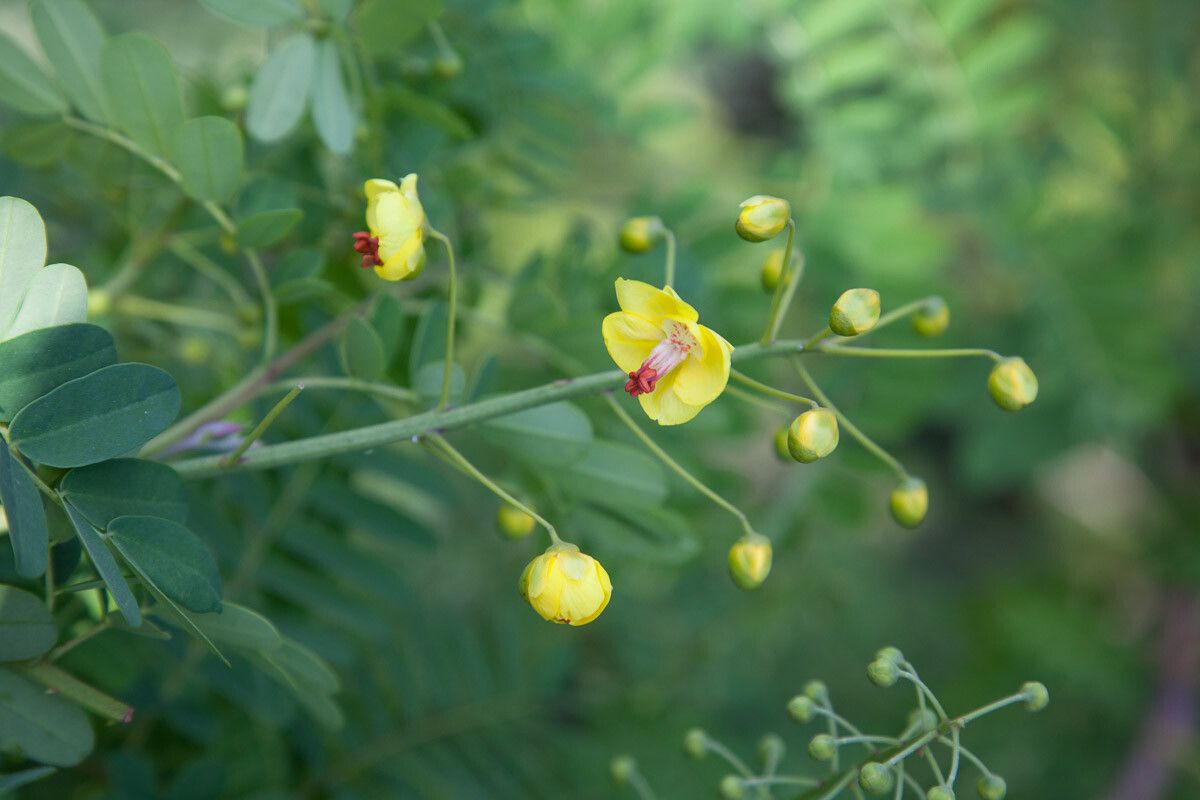
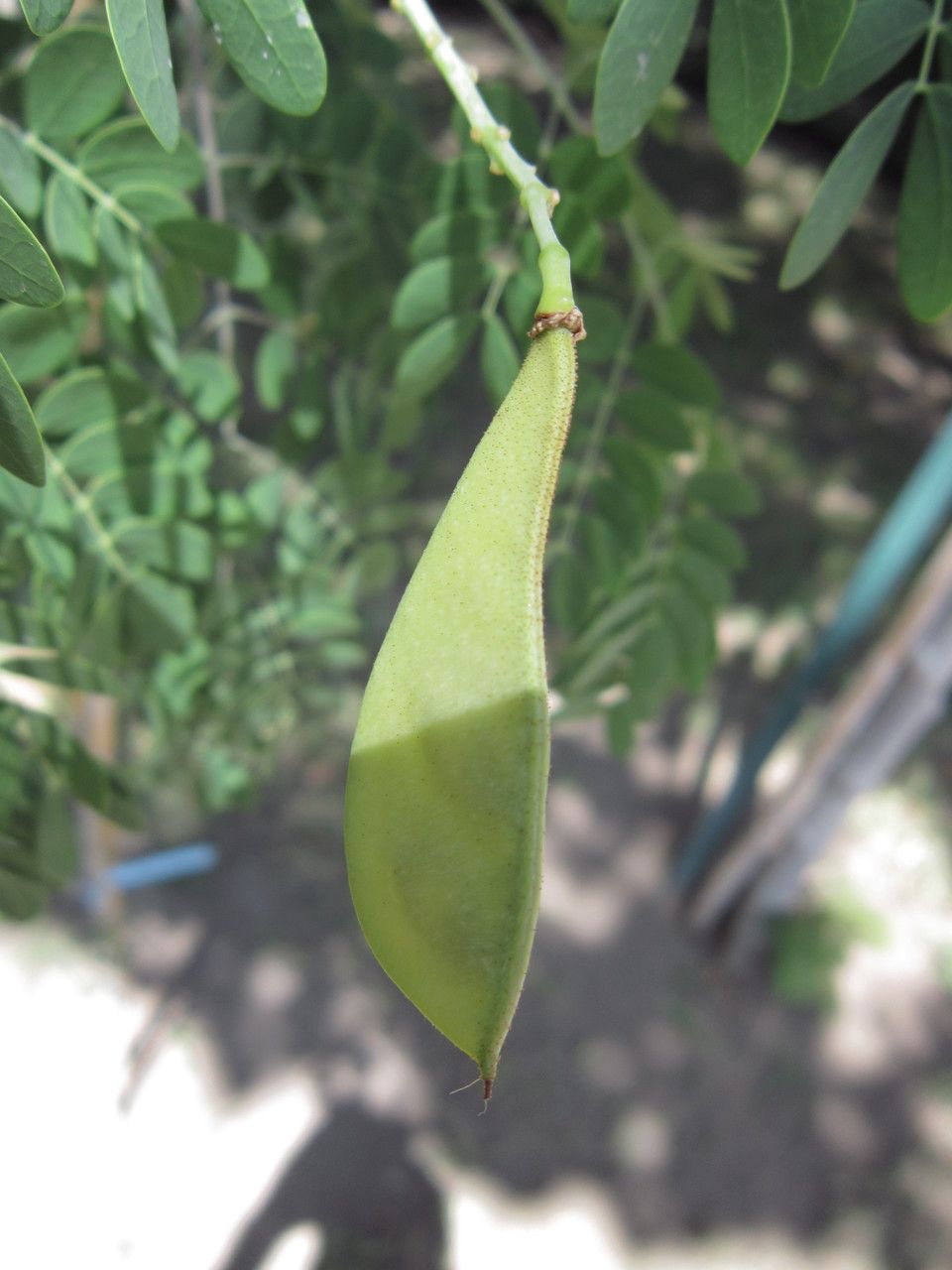
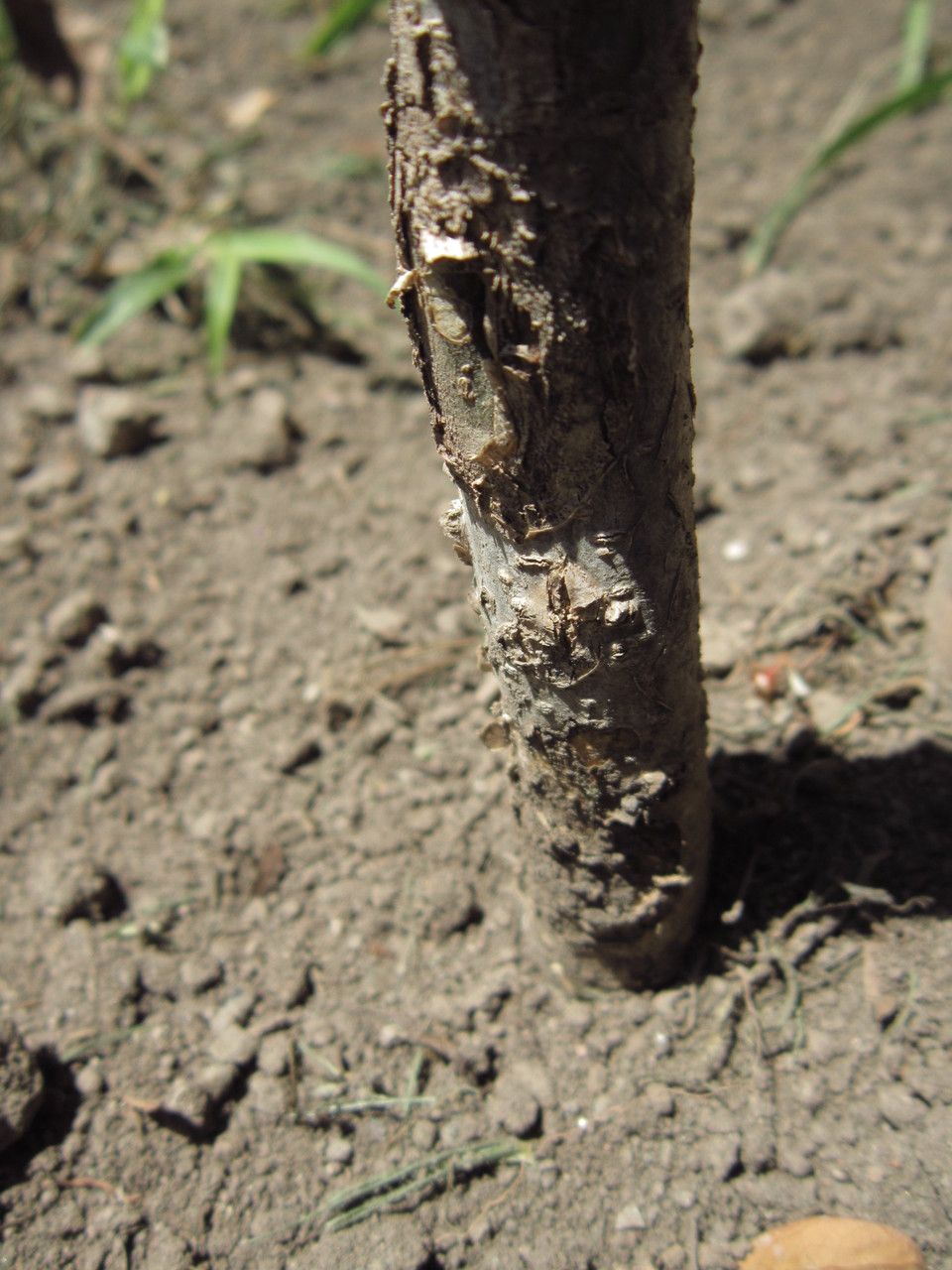
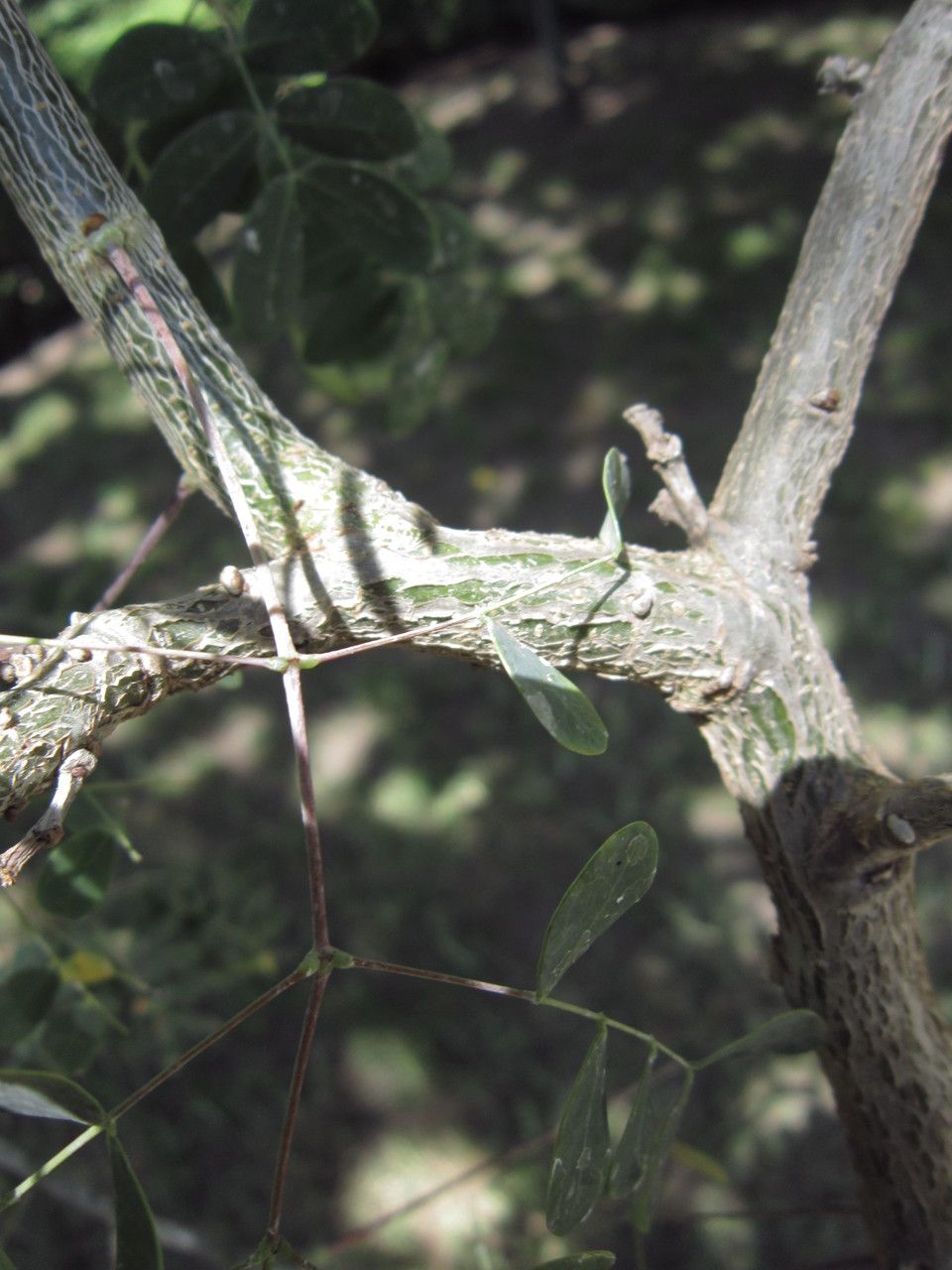
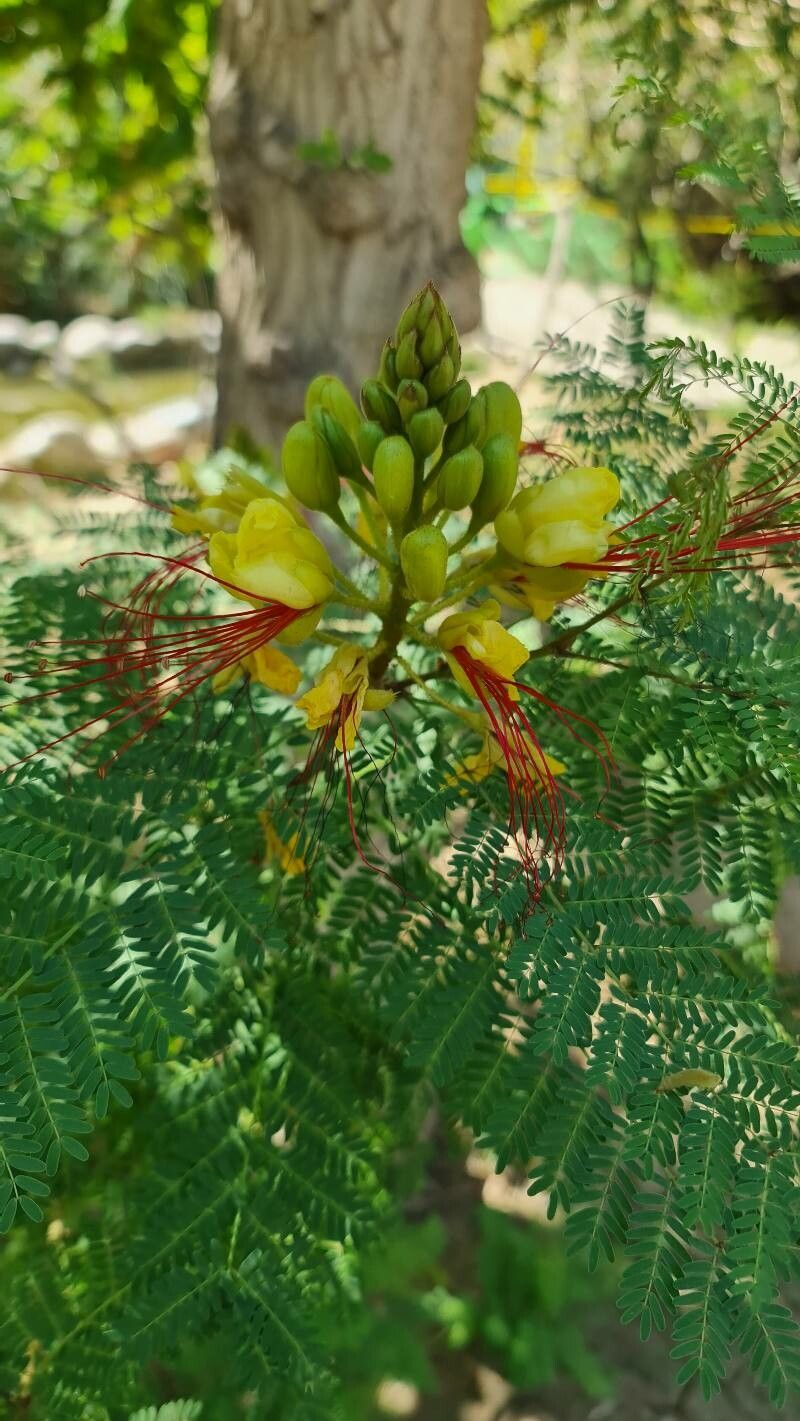
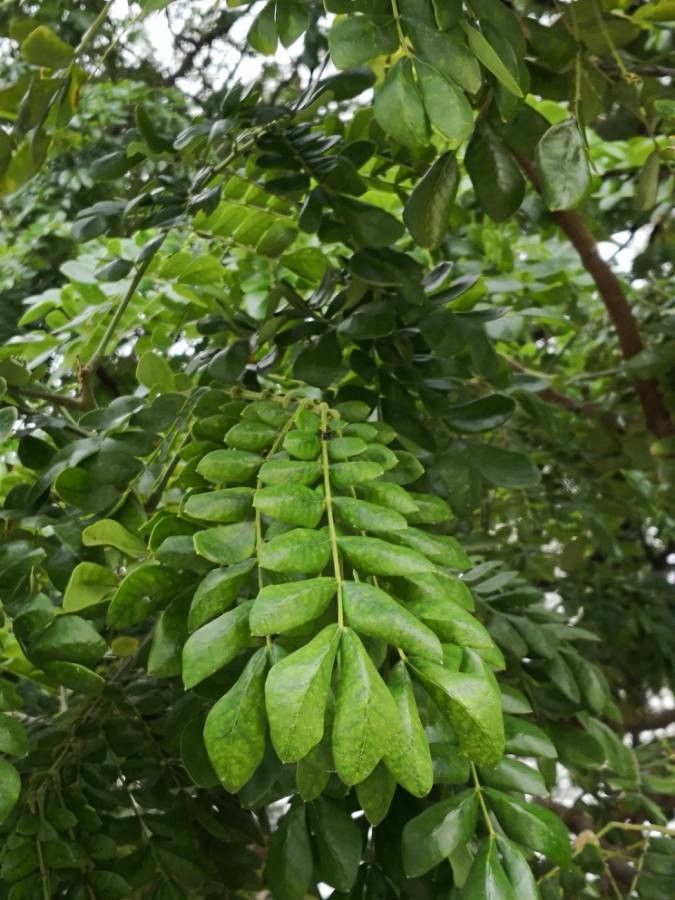
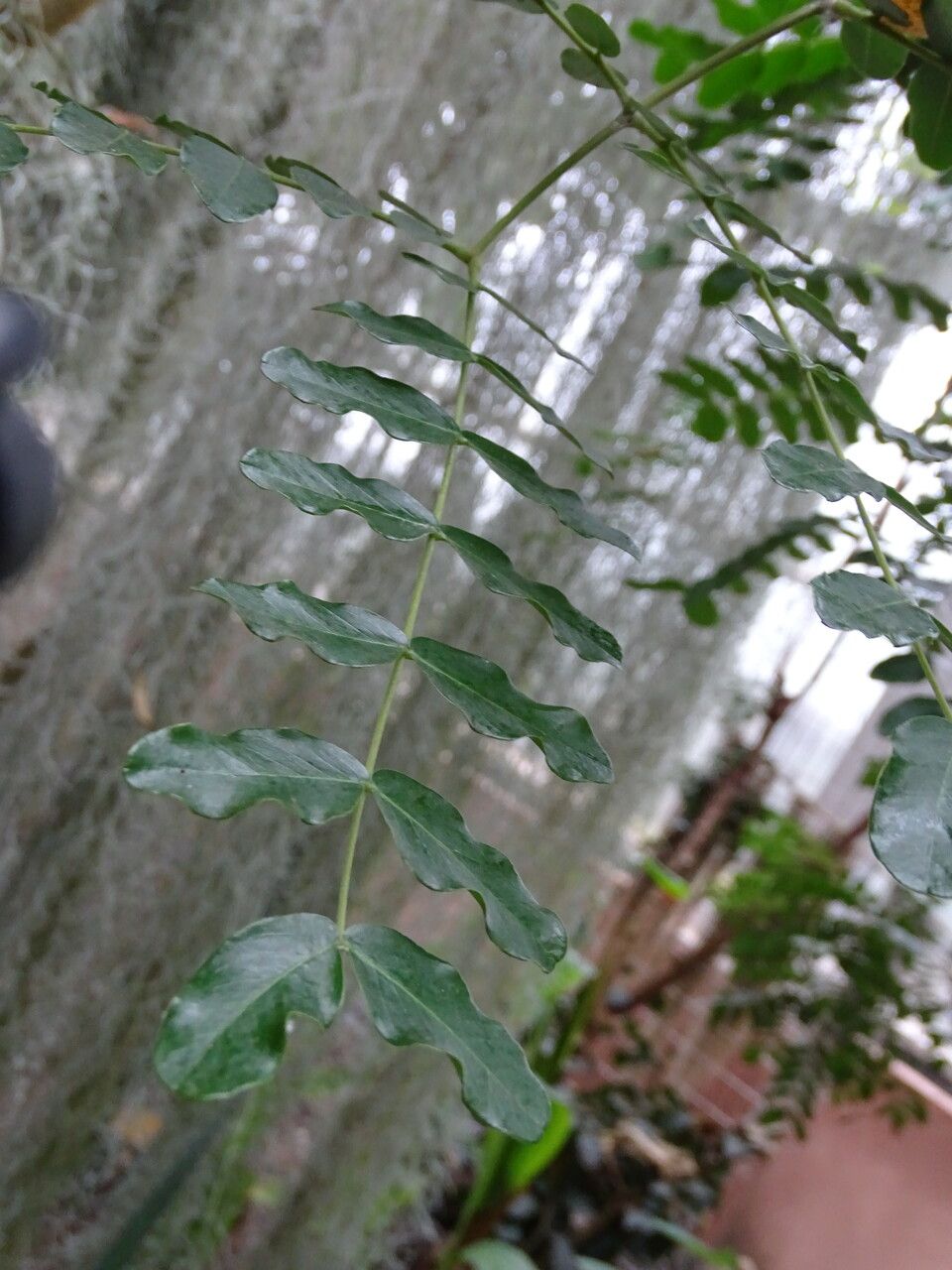
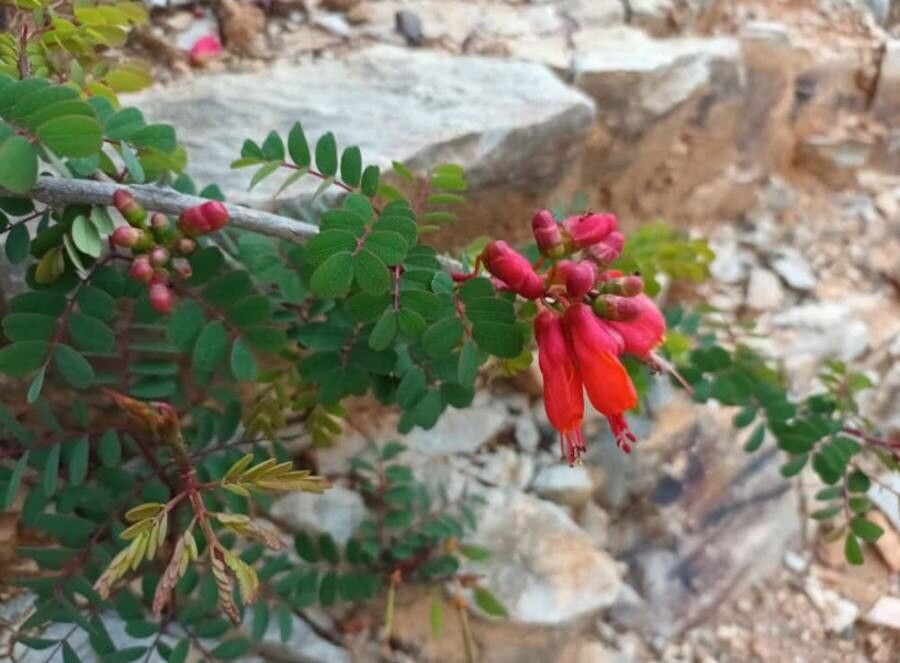
Caesalpinia mexicana, commonly known as the Mexican bird of paradise, is a flowering plant native to Mexico and Central America. Belonging to the Fabaceae family, it is a small tree or shrub that can grow up to 6 meters in height. The plant features attractive, fern-like foliage with small leaflets arranged in pairs along the stem.
The flowers of Caesalpinia mexicana are stunningly bright yellow with long red stamens, resembling the shape of a bird's head. Blooming from late spring through summer, these flowers attract various pollinators, including bees, butterflies, and hummingbirds.
The plant thrives in full sun but can tolerate partial shade in hotter climates. It requires well-draining soil and moderate watering during its growing season, yet it can endure periods of drought once established.
Caesalpinia mexicana also has several medicinal uses. Its leaves or bark extracts are traditionally used to treat fever, diarrhea, dysentery, and skin infections, among other ailments. Additionally, the seeds are known for their anti-inflammatory properties.
In summary, Caesalpinia mexicana is an attractive ornamental plant that adds vibrant color to any garden, and it offers medicinal benefits for those who use it in traditional medicine practices.
Mexican holdback is resistant to diseases and is generally not likely to suffer from them. In terms of upkeep, this plant is fairly low maintenance. When grown outside it needs only minimal watering, and larger specimens typically do not require pruning. Smaller plants, however, should be pruned after they have finished blooming. Mexican holdbackt is appropriate for anyone with an outdoor area, such as a garden or deck, and does not demand extensive care experience.
How to keep Caesalpinia Mexicana.
Light
Mexican holdback needs a considerable amount of sunlight to develop healthily. However, it can still do well in areas where light is partially shaded. Its native environments generally accommodate varied lighting conditions. Nonetheless, insufficient sun can reduce its vigor, while excessive exposure can be harmful.
Water
The Mexican holdback plant thrives in semi-arid conditions, as it is well-adapted to tolerate periods of drought with occasional rain. It should be watered every two weeks, ensuring that the soil has good drainage to prevent waterlogging. This plant is best suited for outdoor cultivation, as it benefits from natural rainfall during its growing season.
Temperature
Mexican holdback is native to habitats where temperatures range from 68 to 100 ℉ (20 to 38 ℃). Its ideal conditions fall within that span. Seasonal adjustments are recommended to better emulate those conditions. Its ability to tolerate colder climates is low.
Fertilizer
The best time to fertilize a Mexican holdback is in early spring when it comes out of dormancy. Doing this encourages overall growth and flower development. Fertilization improves the foliage, stems, and branches, while encouraging flowers that are large, vibrant, and long-lasting. It also helps move nutrients from the roots to the flowers and enhances the plant's health and resistance to disease.
Pruning
The Mexican holdback is a vibrant shrub known for its bright yellow flowers and lush foliage. To maintain its health and appearance, it's best to prune the plant in late spring, after it has finished flowering. Focus on removing any damaged branches and thinning out overcrowded areas. Regular pruning encourages more blooms and helps prevent the shrub from becoming overgrown. Be sure to use clean, sharp tools when pruning to minimize stress on the plant and reduce the risk of disease.
Botanical profile.
- Plant Type
- Shrub
- Life Cycle
- Perennial
- Genus
- Caesalpinia
- Family
- Leguminosae
- Hardiness Zone
- 10-12
- Mature Height
- 3.05 m to 4.57 m
- Mature Spread
- 1.83 m to 3.05 m
- Leaf Color
- Green
- Leaf Type
- Evergreen
- Flower Color
- Yellow
- Flower Size
- 2.54 cm to 5.08 cm
- Bloom Time
- Late spring, Early summer, Mid summer
- Planting Time
- Spring, Autumn
- Harvest Time
- Mid summer
Other names.
Reader questions.
What are the requirements for sunlight exposure for Mexican holdback?
Mexican holdback requires adequate sunlight exposure to ensure healthy growth, thriving well in both full sun (above 6 hours of sunlight) and partial sun (about 3-6 hours of sunlight). It's important to monitor the movement of sunlight through your garden, choosing locations that offer a balance of light and shade suitable for the plant. In its native habitats, Mexican holdback is adaptable to various light conditions, although too little sunlight may hinder its vitality, and too much direct exposure could be detrimental.
What is the optimal temperature range for Mexican holdback?
Mexican holdback thrives in environments where temperatures range from 68 to 100°F (20 to 38°C), which is considered its optimal condition. This plant is extremely heat-loving, and lower temperatures can cause significant harm. It is crucial to adjust the environment according to the season to closely mimic these optimal conditions. During the colder months, it's recommended to maintain temperatures above 20°C and be cautious of temperatures nearing 5°C, as these are detrimental to the plant.
Is artificial lighting beneficial for Mexican holdback, and if so, how should it be used?
Artificial lighting is beneficial for indoor Mexican holdback plants, especially when natural sunlight is insufficient, such as during winter or in less sunny spaces. Optimal growth can be achieved by incorporating artificial lights, which simulate natural sunlight conditions. LED lights are recommended due to their ability to provide specific wavelengths needed by plants. For full sun plants, 30-50W/sq ft is ideal; partial sun plants require 20-30W/sq ft, and full shade plants need 10-20W/sq ft. The light source should be placed 12-36 inches above the plant, and the duration should mirror natural daylight hours, typically 8-12 hours per day.
How should I care for my Mexican holdback during the winter?
In the autumn and throughout the winter, it's advisable to bring any outdoor Mexican holdback plants indoors to protect them from cold temperatures. Positioning the plant near a bright window will ensure it receives enough light; however, it should be kept at a distance from heaters to prevent any damage from excessive dryness. The aim is to maintain an environment with temperatures above 20°C, making sure it never drops to 5°C or lower to ensure the health and growth of the Mexican holdback during the colder months.
What are the key symptoms of insufficient or excessive sunlight exposure in Mexican holdback?
Symptoms of insufficient sunlight in Mexican holdback include small, new leaves, leggy or sparse growth, faster leaf drop, slower or halted new growth, paler new leaves, and excessive sunlight can cause chlorosis, sunscald, leaf curling, wilting, and leaf scorching. Chlorosis refers to leaves turning yellow due to a breakdown of chlorophyll. Sunscald appears as pale, bleached areas on plant tissue. Leaf curling minimizes water loss, while wilting and leaf scorching indicate severe moisture and tissue damage from overexposure to sunlight.
What are the signs of low temperature damage in Mexican holdback?
When Mexican holdback is exposed to temperatures below its tolerance (20°C), the first signs of distress manifest as a lightening of the leaves' color. Exposure to temperatures below 1°C can cause frost damage, indicated by a gradual color change of the leaves to brown or black, accompanied by wilting and drooping. It's a clear sign that the plant is not in its ideal temperature range and needs immediate attention to prevent further damage.
How can I address sunlight-related issues in my Mexican holdback?
To address sunlight-related issues in Mexican holdback, for indoor plants, gradually increase sunlight exposure to at least 6 hours daily by moving the plant closer to a south-facing window or use artificial light for at least 8 hours daily. For outdoor plants, move them to progressively sunnier spots weekly to avoid sunburn. If sunlight obstruction is a problem, trim obstructing branches or relocate smaller plants to sunnier areas with good drainage. Note that parts of the plant that suffered from insufficient light may not recover, but new growth should be healthy with improved light conditions.
How do I treat Mexican holdback after frost damage?
After experiencing frost damage, the affected parts of the Mexican holdback should be trimmed off to prevent the spread of damage. The plant should then be moved indoors to a warm environment for protection against the cold. Positioning it near a south-facing window is ideal to ensure it receives ample sunlight for recovery. Additionally, avoid placing the plant near heat sources like heaters or air conditioning vents as the excessive dry air can exacerbate the problem.
What are the symptoms and solutions for high temperature effects on Mexican holdback?
During summer, when temperatures exceed its comfort zone, the Mexican holdback shows signs of stress if the temperature goes above 38°C. Symptoms include the lightening of leaf color and increased susceptibility to sunburn if temperatures exceed 43°C. To counteract the damage, trim away sunburned and dried parts of the plant. Moving it to a shaded location, especially during the peak sun of midday and afternoon, can help. Additionally, watering the plant in the morning and evening to keep the soil moist will support its health through high temperatures.
What is the botanical name for Mexican holdback?
The botanical name for Mexican holdback is 'Caesalpinia mexicana.' This name is used in scientific and horticultural contexts to avoid confusion with common names which can vary widely.