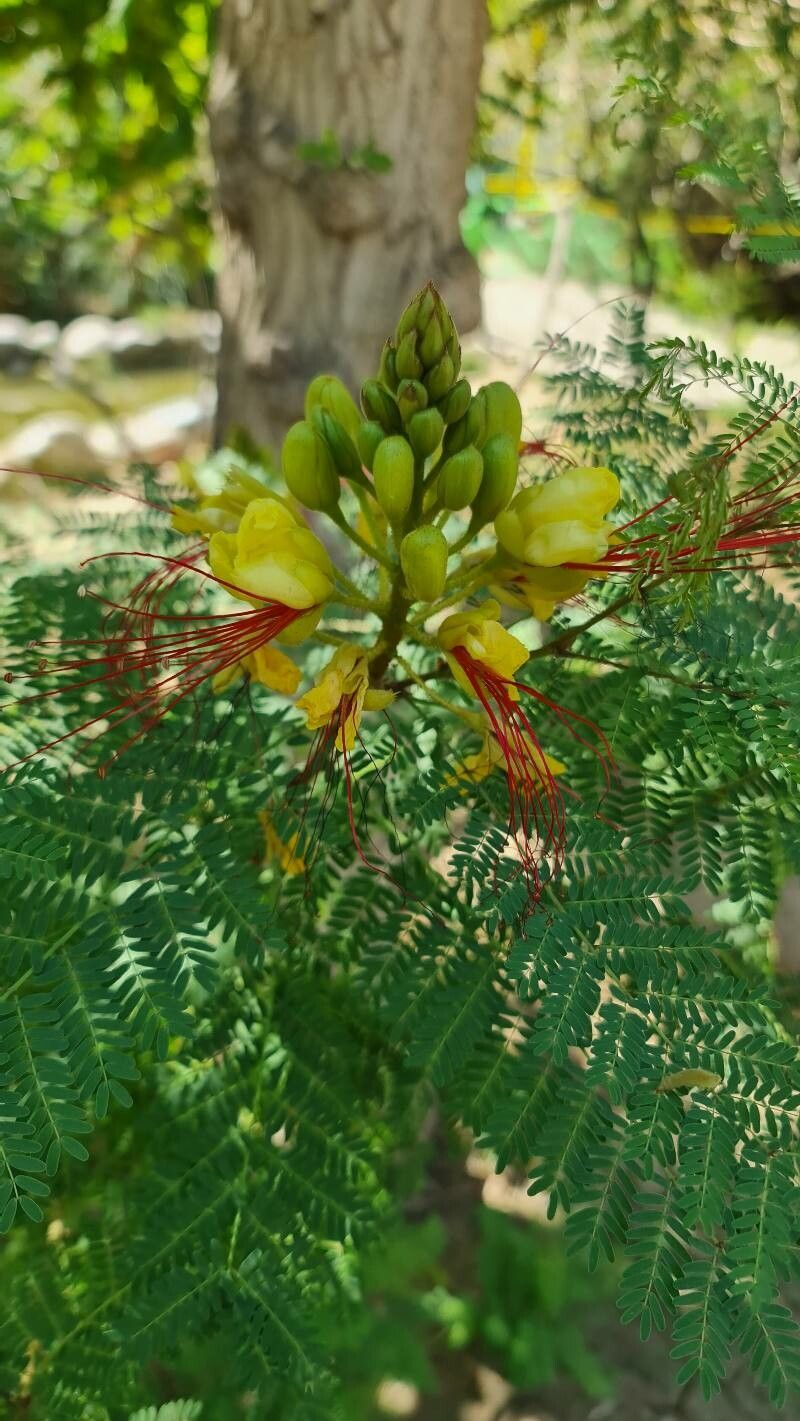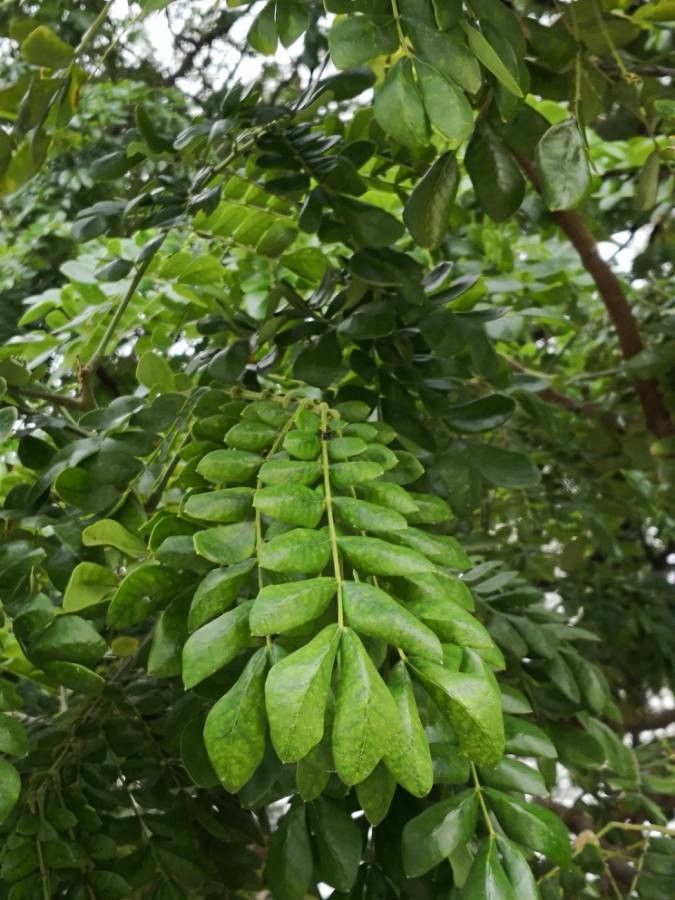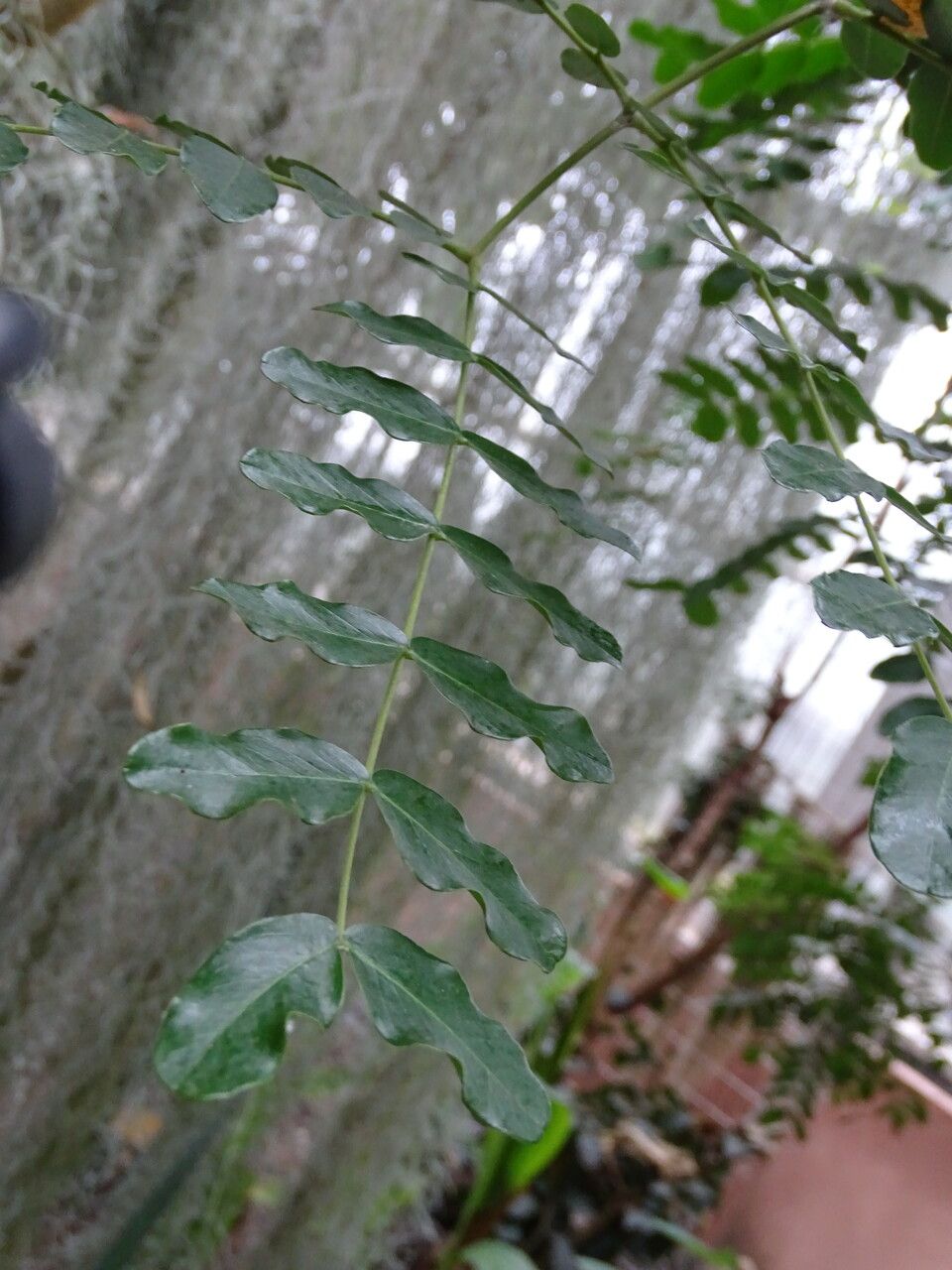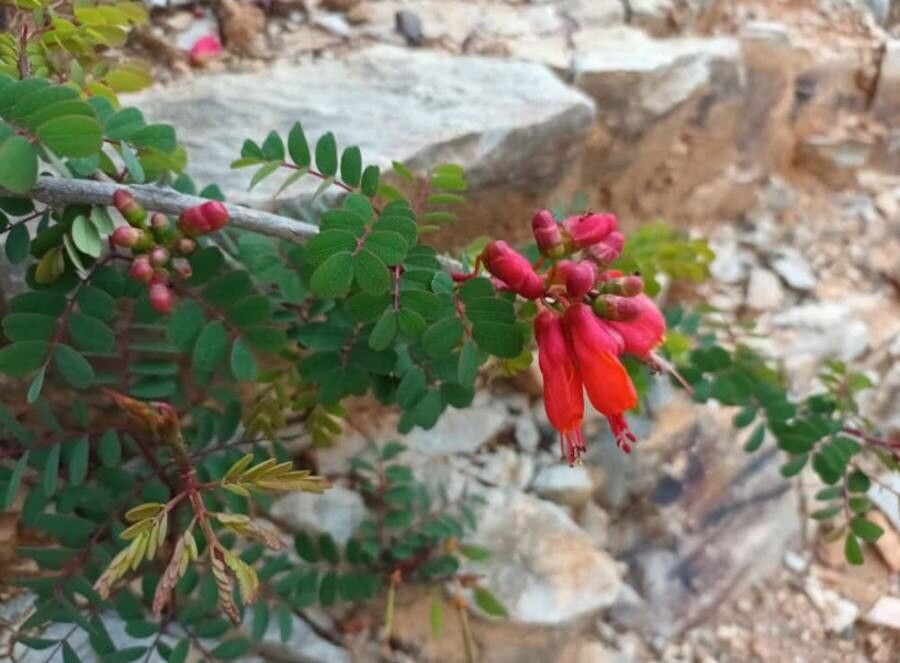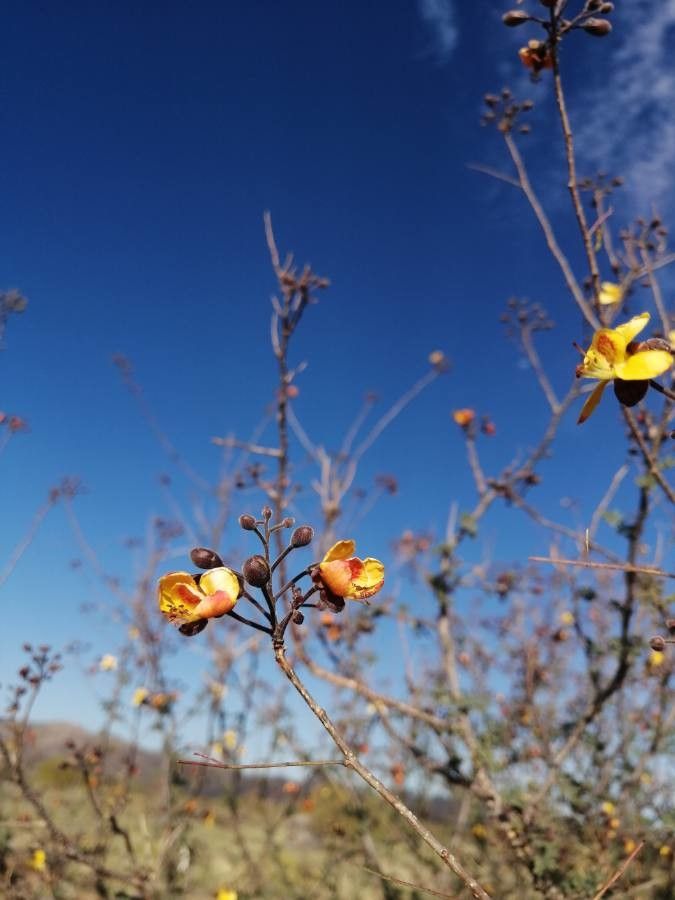
Caesalpinia palmeri is resistant to disease and, in general, is not susceptible to illnesses. In terms of care, this plant is fairly low-maintenance. When grown outdoors it needs little watering, and larger specimens usually do not require pruning. Smaller plants, however, should be pruned after they have finished blooming. Caesalpinia palmerit is appropriate for anyone with an outdoor area, such as a garden or a deck, and does not demand extensive experience in plant care.
How to keep Caesalpinia Palmeri.
Light
Caesalpinia palmeri is native to well-lit environments such as sunny fields and forest borders, where there is plenty of sunlight. It flourishes in conditions of full sun, yet it can also withstand partial sun, demonstrating a good adaptability to differing levels of sunlight.
Temperature
Caesalpinia palmeri is native to tropical environments, where the weather is usually hot and damp. Hence, it is highly acclimatized to warm and moist climates. It is not receptive to rapid changes in temperature and prefers consistency in its ambient climate. Therefore, it's crucial to avoid any abrupt temperature shifts when keeping it indoors. This plant typically struggles in colder conditions and needs higher temperatures for healthy growth. If the surrounding temperature falls significantly, it might halt its growth or potentially perish.
Fertilizer
The best time to fertilize a Caesalpinia palmeri is at the onset of spring when it is waking up from its dormant state. This stimulates general growth and the development of blooms. Fertilization strengthens the plant's leaves, stems and branches, while encouraging the growth of big, lively and enduring flowers. It helps to distribute nutrients from the roots to the flowers and increases the plant's overall health and ability to resist diseases.
Pruning
Caesalpinia palmeri is known for its vibrant flowers and distinctive leaves. To encourage growth and blooming, it's best to prune the plant in early spring. Start by removing any dead branches, and thin out the foliage to improve air circulation. Regular pruning helps enhance the plant's resistance to pests and boosts its overall vitality. Be sure to use clean, sharp tools to provide the best care for your plant.
Botanical profile.
- Plant Type
- Shrub
- Life Cycle
- Perennial
- Genus
- Caesalpinia
- Family
- Leguminosae
- Hardiness Zone
- 9-11
- Mature Height
- 3.05 m to 4.88 m
- Mature Spread
- 2.13 m to 3.96 m
- Leaf Color
- Green, Dark Green
- Leaf Type
- Deciduous
- Flower Color
- Yellow
- Flower Size
- 2.03 cm to 3.05 cm
- Bloom Time
- Late spring, Summer
- Planting Time
- Spring, Summer, Autumn
- Harvest Time
- Late summer, Fall
Reader questions.
What are the sunlight requirements for Caesalpinia palmeri?
Caesalpinia palmeri requires full sun, meaning it should receive above 6 hours of sunlight daily. However, it can also thrive in partial sun, which is about 3-6 hours of sunlight a day. It's important to observe the movement of sunlight through your garden to find the ideal spots that offer a perfect balance of light and shade. This careful placement ensures the plants' happiness and healthy growth.
What is the botanical name of Caesalpinia palmeri?
The botanical name of Caesalpinia palmeri is also 'Caesalpinia palmeri'.