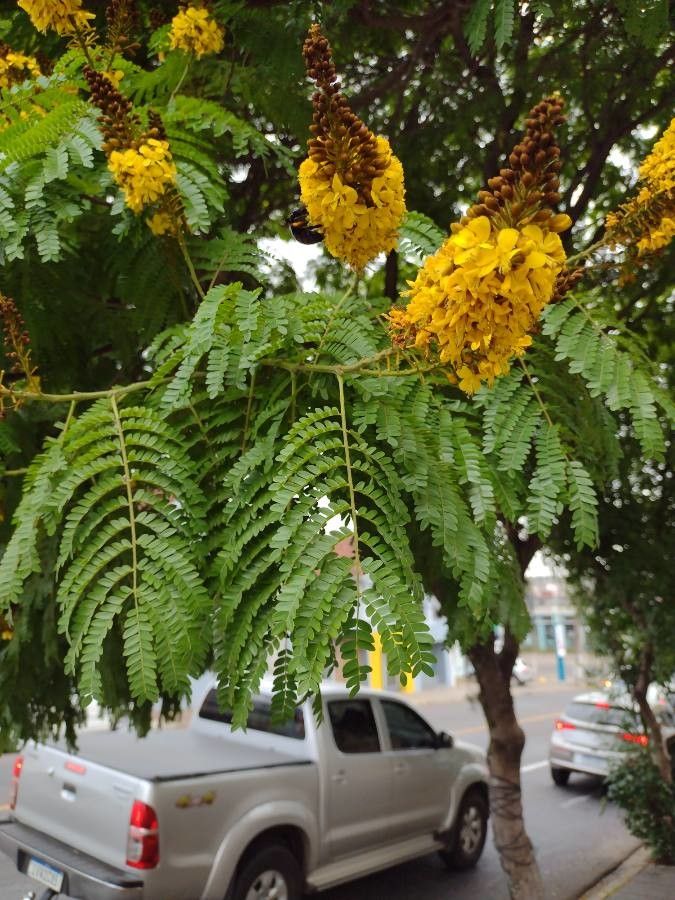
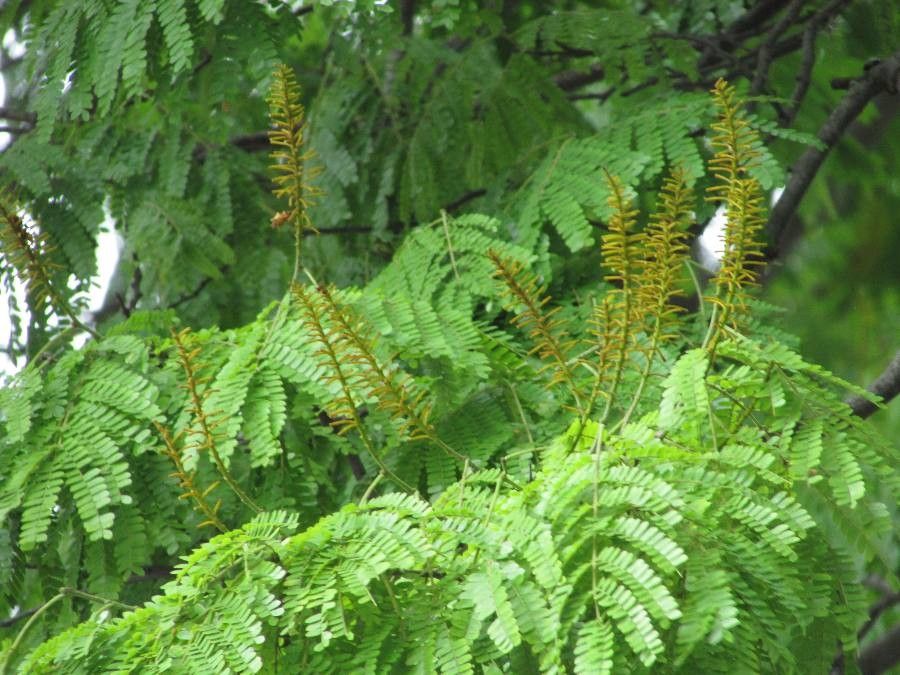
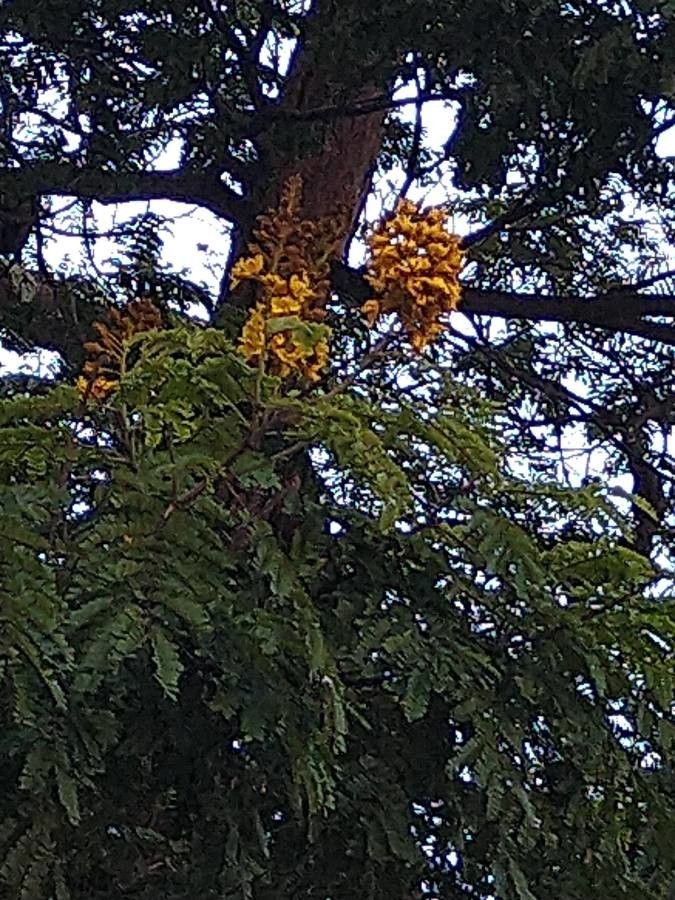
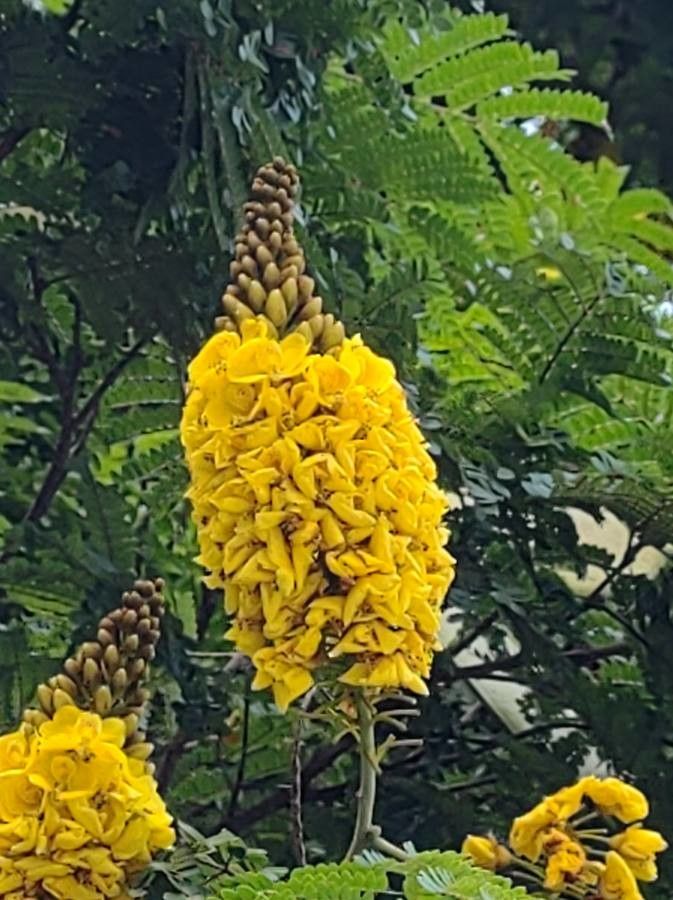
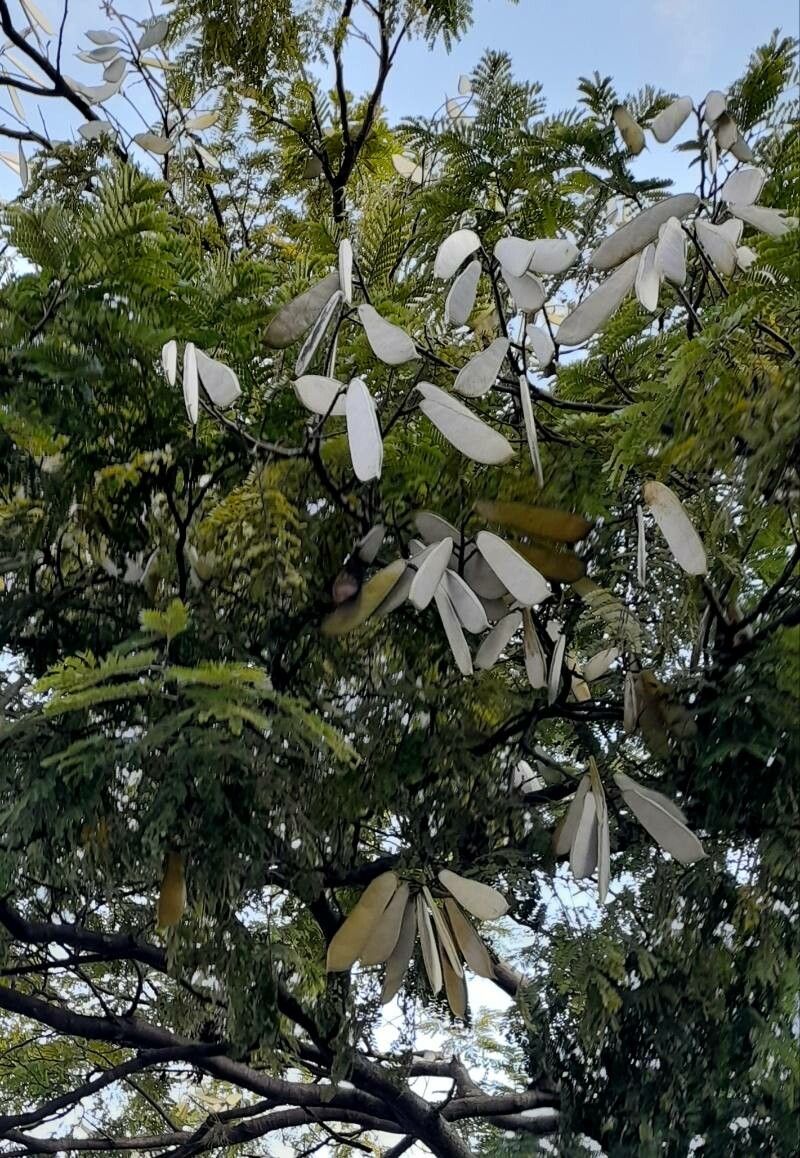
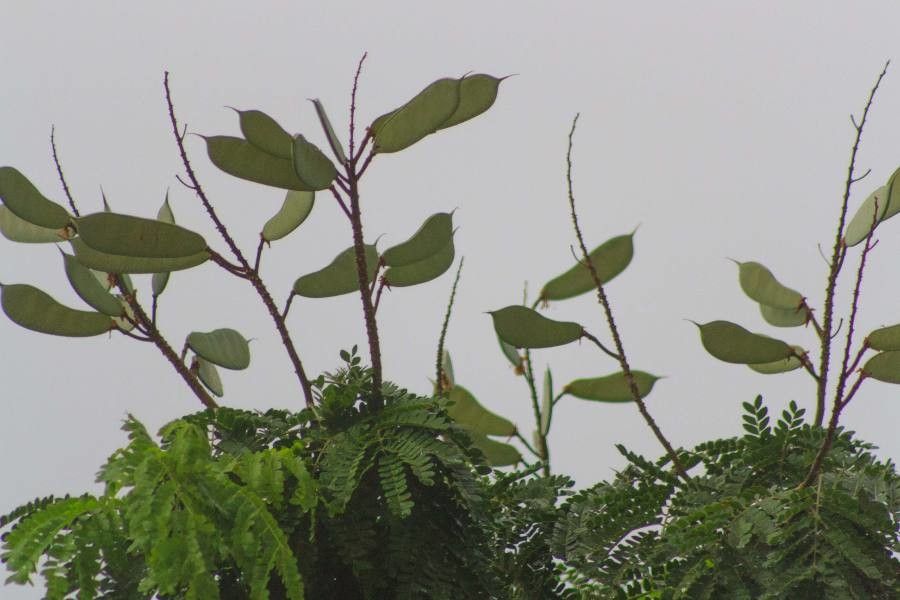
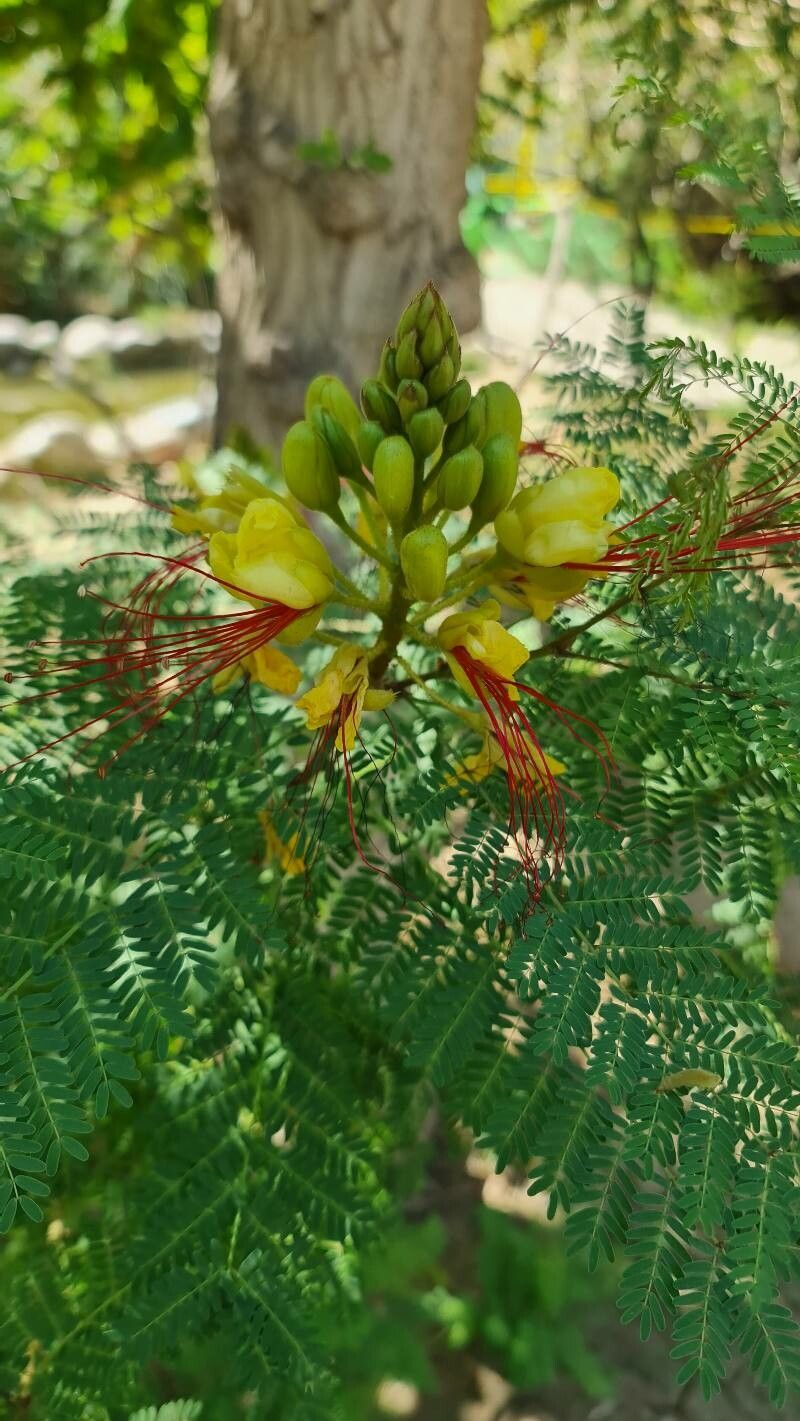
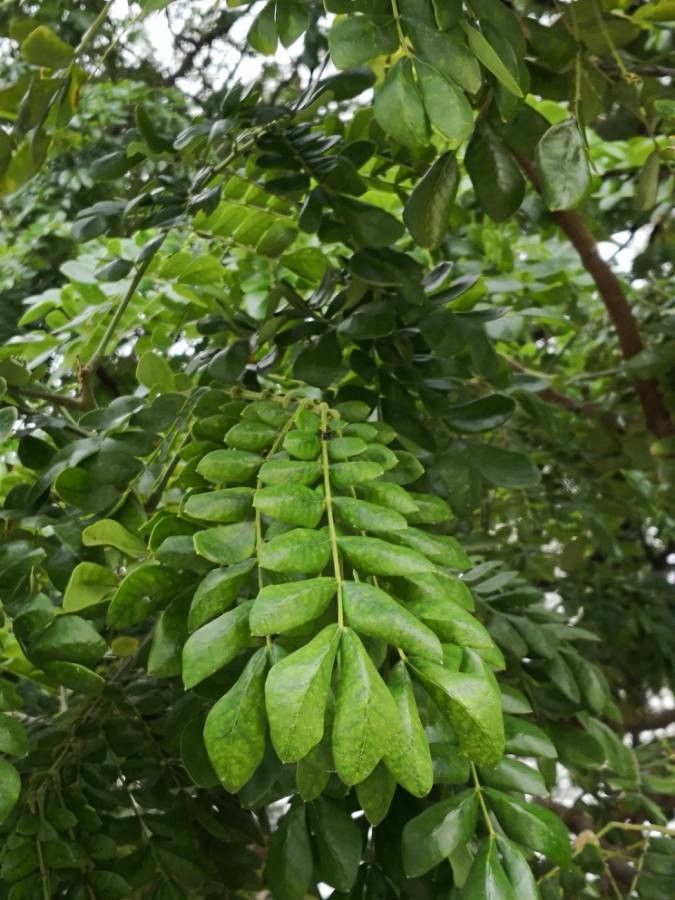
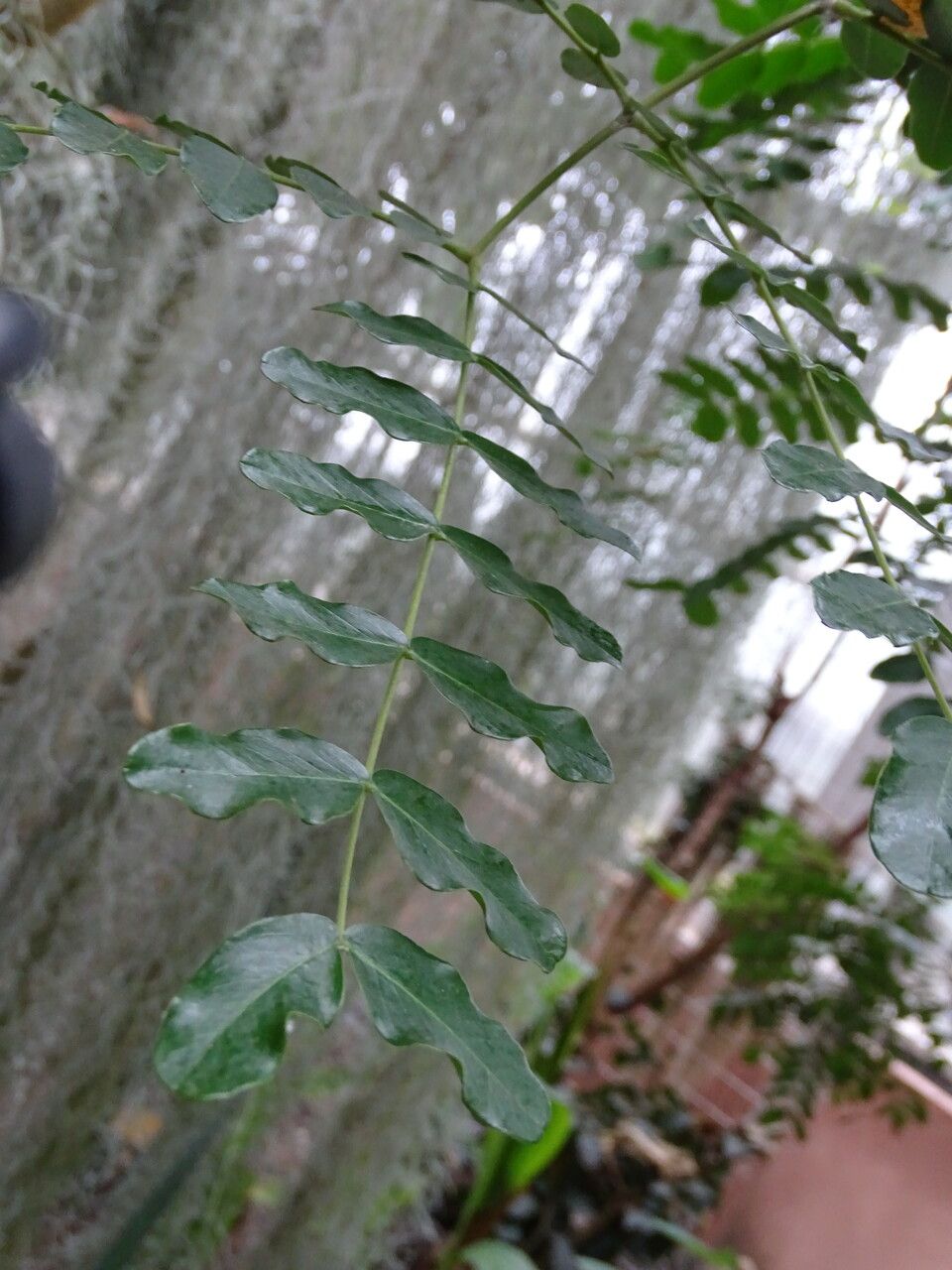
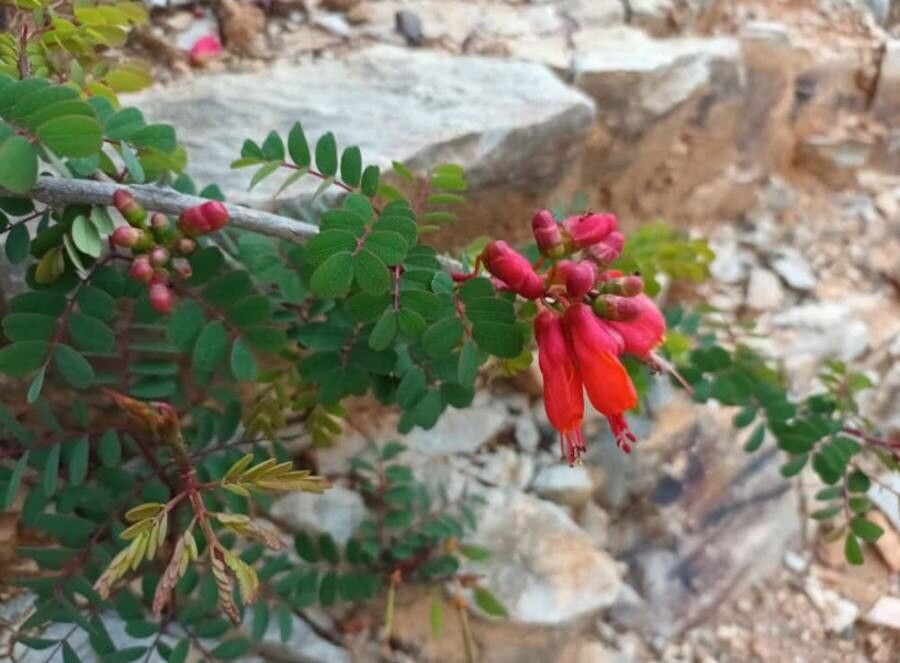
Caesalpinia pluviosa has strong resistance to disease and is generally unlikely to be affected by illnesses. With respect to care, this plant is fairly low-maintenance. When grown outdoors it needs only light watering, and larger plants usually do not require pruning. Smaller plants, however, should be pruned after they finish blooming. Caesalpinia pluviosat is suitable for anyone who has an outdoor area, such as a garden or deck, and does not demand extensive plant-care experience.
How to keep Caesalpinia Pluviosa.
Light
Caesalpinia pluviosa is found in open habitats, such as sunlit meadows and forest margins, where light is plentiful. It performs best in Full Sun but can also tolerate Partial Sun, showing good adaptability to different light conditions.
Water
Native to tropical regions, Caesalpinia pluviosa thrives in environments with abundant moisture and consistent humidity, although it can withstand short periods of drought. To keep the plant well-hydrated, it should be watered weekly. Rainwater is especially beneficial, as it contains essential nutrients that support the plant's growth cycle.
Temperature
Caesalpinia pluviosa comes from tropical areas, where the climate is generally warm and humid. Consequently, it is adapted to high temperatures and humidity. It does not tolerate abrupt temperature changes and prefers a stable thermal environment, so avoiding temperature fluctuations indoors is important. It usually cannot withstand cold and requires warmer conditions to grow. If the surrounding temperature falls too low, the plant may stop growing or even die.
Fertilizer
The optimal time to fertilize a Caesalpinia pluviosa is in early spring as it comes out of dormancy. This encourages overall growth and the development of flowers. Fertilization improves the foliage, stems, and branches, while encouraging large, vibrant, and long-lasting blooms. It helps move nutrients from the roots to the flowers and enhances the plant's health and resistance to disease.
Pruning
Caesalpinia pluviosa boasts vibrant foliage and decorative flowers. To keep the plant healthy and looking its best, pruning should be done in early spring. Focus on removing dead branches and shaping the plant to encourage new growth. This improves air circulation, reduces pests, and promotes vigorous health. Be sure to follow reputable advice to maintain the best practices for care.
Botanical profile.
- Plant Type
- Tree
- Life Cycle
- Perennial
- Genus
- Caesalpinia
- Family
- Leguminosae
- Hardiness Zone
- 9-11
- Mature Height
- 7.92 m to 14.94 m
- Mature Spread
- 6.1 m to 11.89 m
- Leaf Color
- Light Green, Forest Green
- Leaf Type
- Deciduous
- Flower Color
- Yellow
- Flower Size
- 1.02 cm to 2.03 cm
- Bloom Time
- Spring, Summer, Early fall, Mid fall
- Planting Time
- Spring, Summer, Autumn
- Harvest Time
- Summer, Fall, Early winter
Other names.
Reader questions.
What are the sunlight requirements for Caesalpinia pluviosa?
Caesalpinia pluviosa requires specific conditions of sunlight to thrive. For full sun exposure, it needs above 6 hours of sunlight daily. If the plant is in partial sun, it should receive about 3-6 hours of sunlight each day. It's important to observe how sunlight moves through your garden throughout the day. This will help you find the perfect spots that offer a balance of light and shade, ensuring the plants grow healthy and happy.