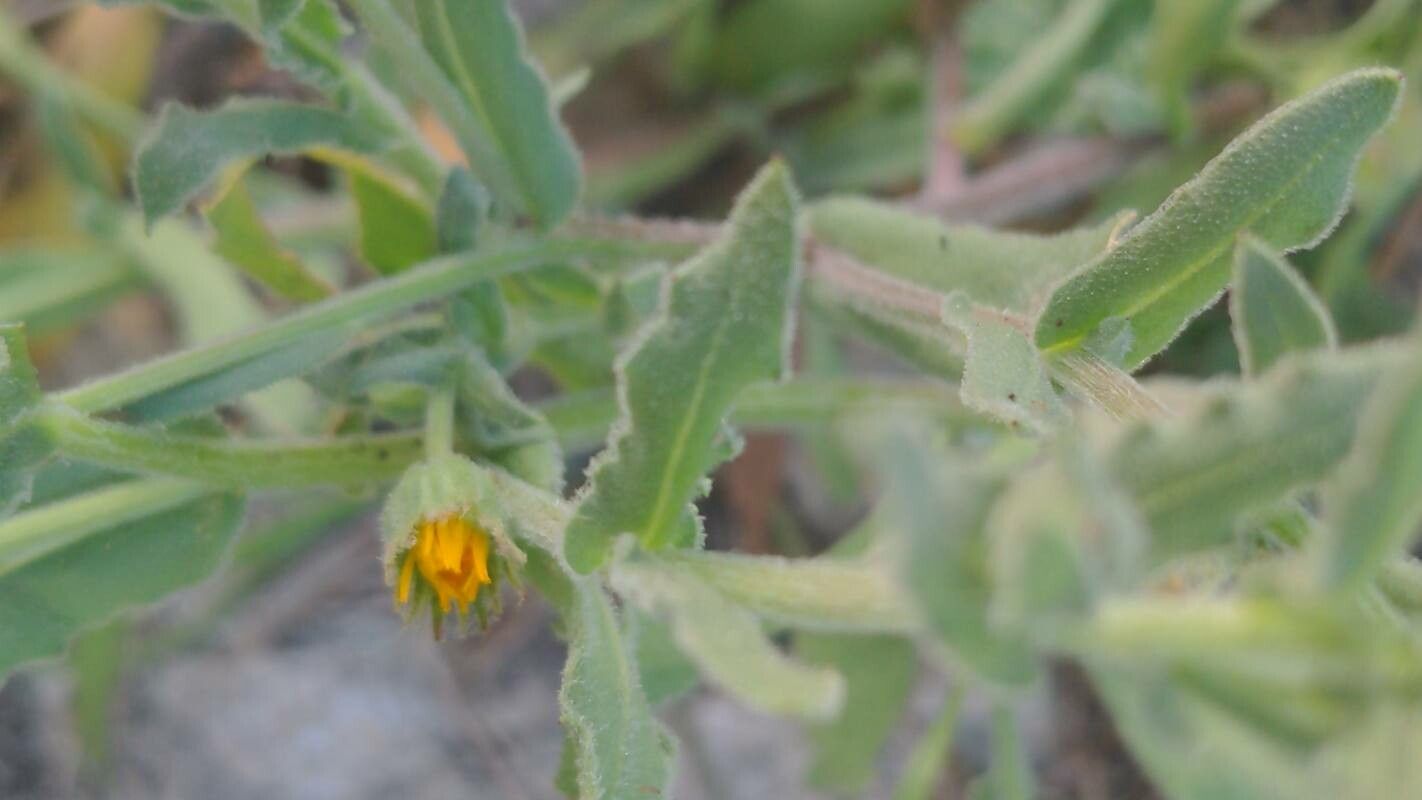
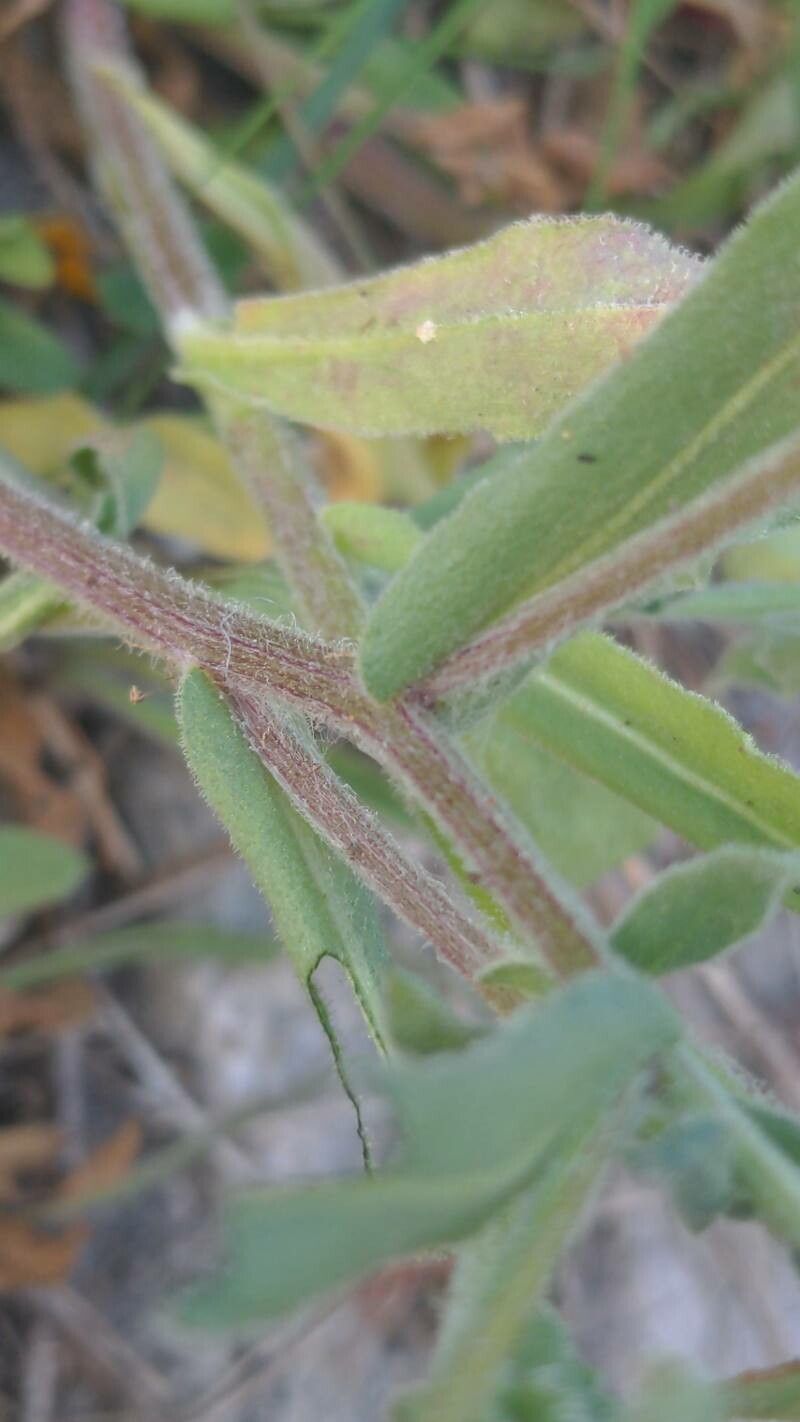
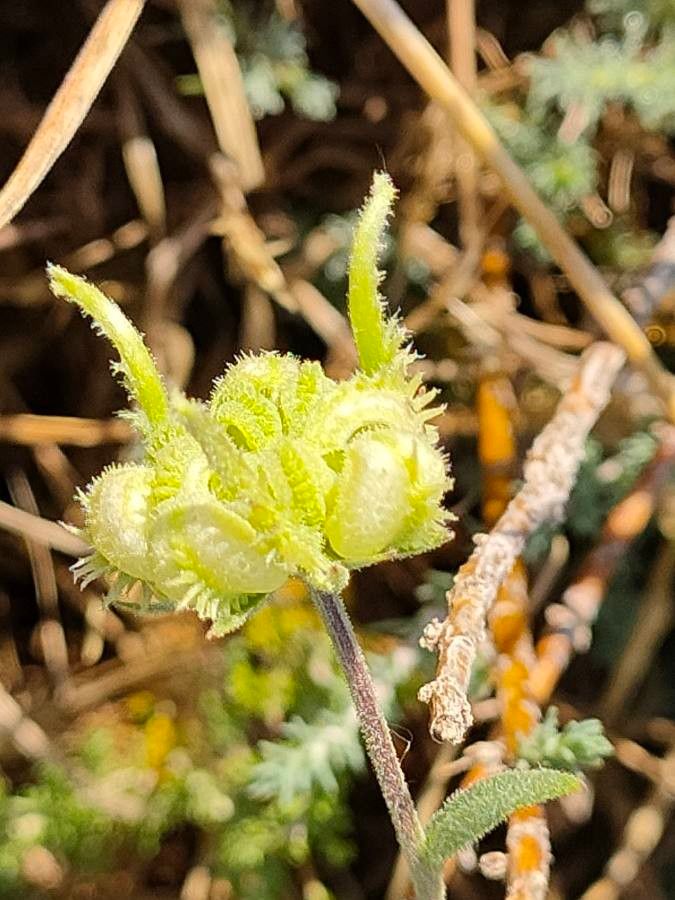
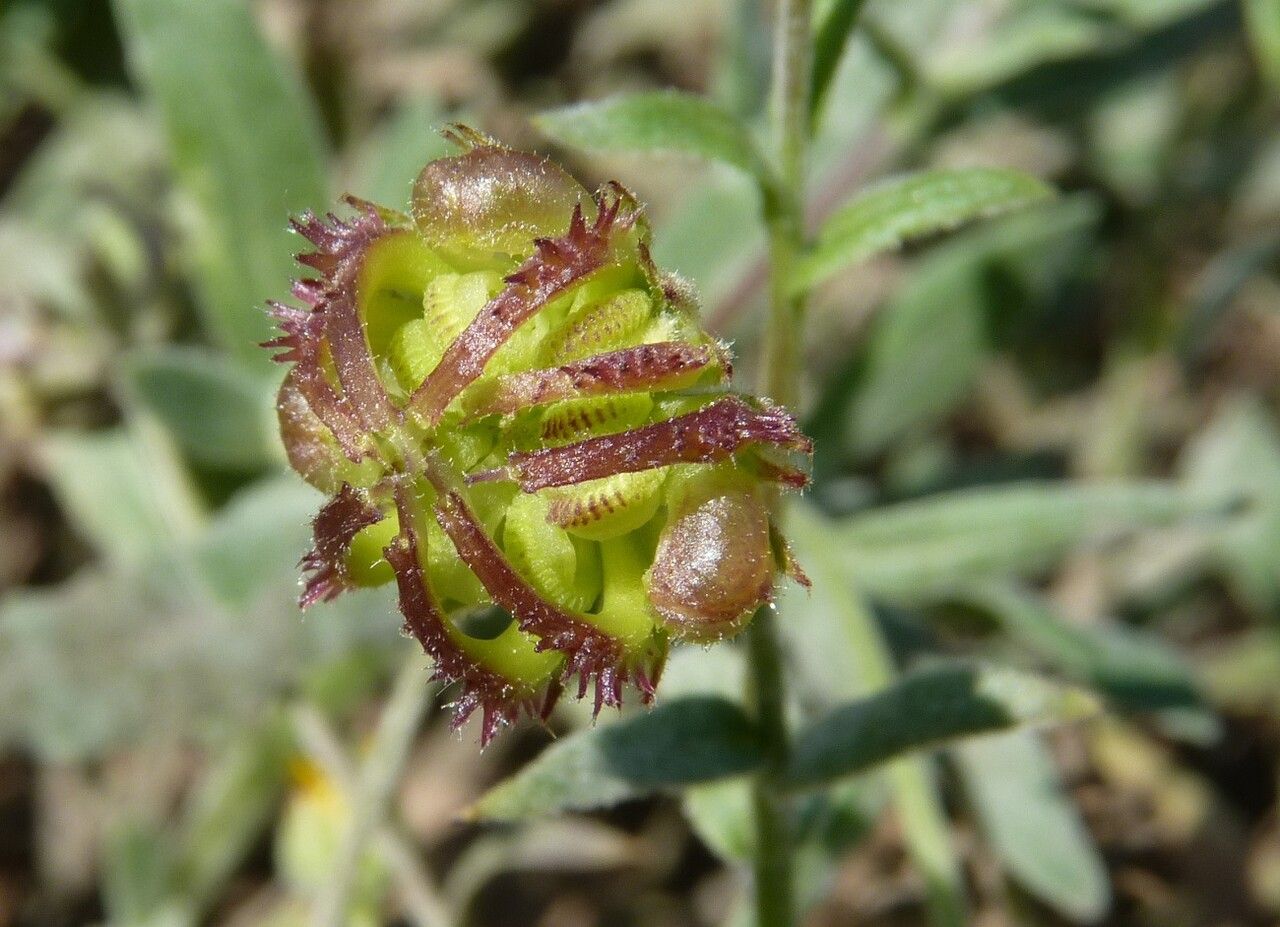
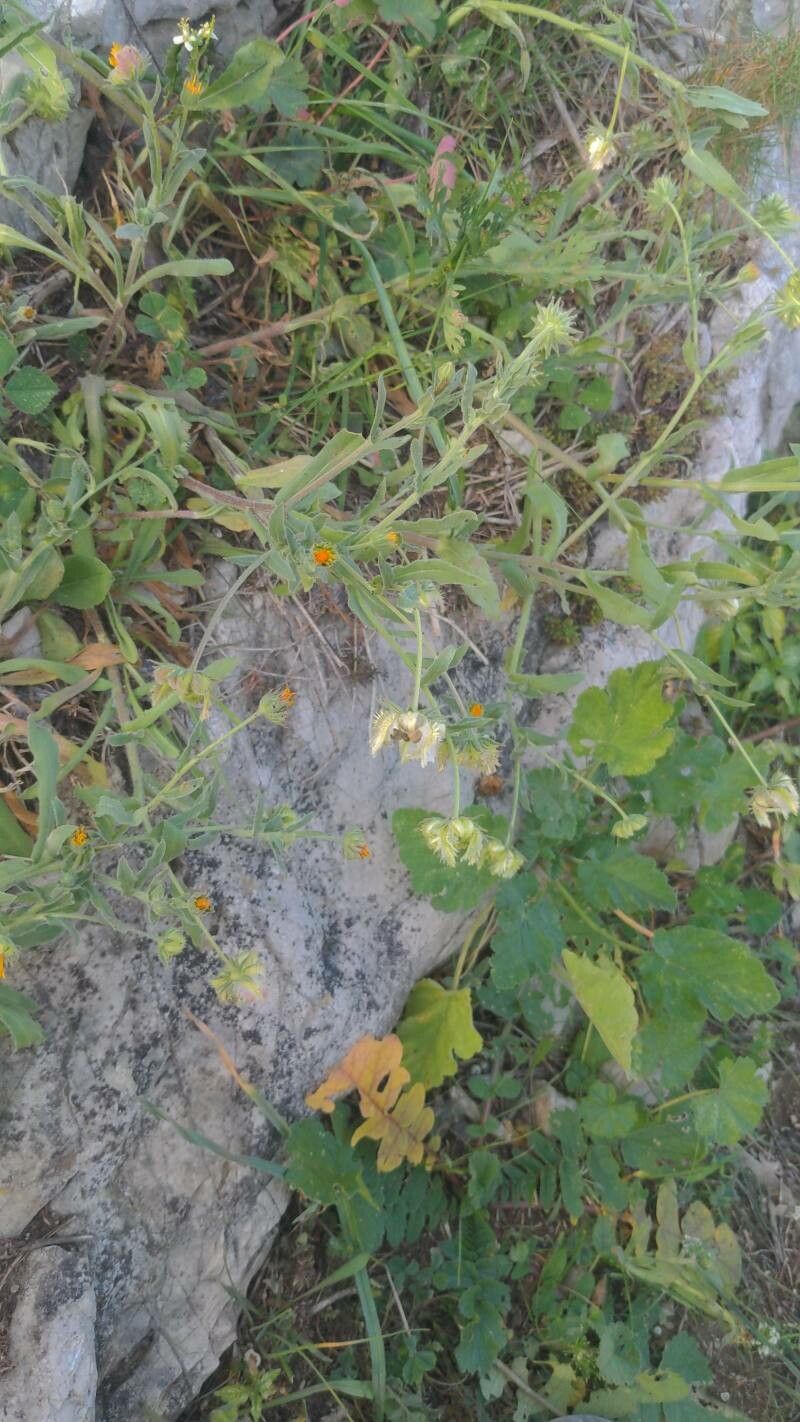
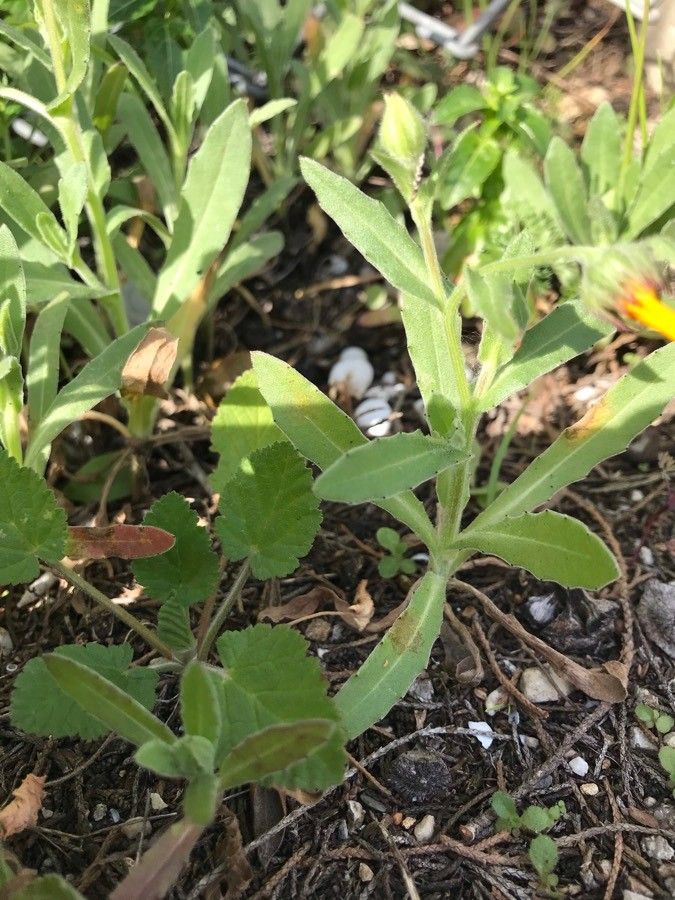
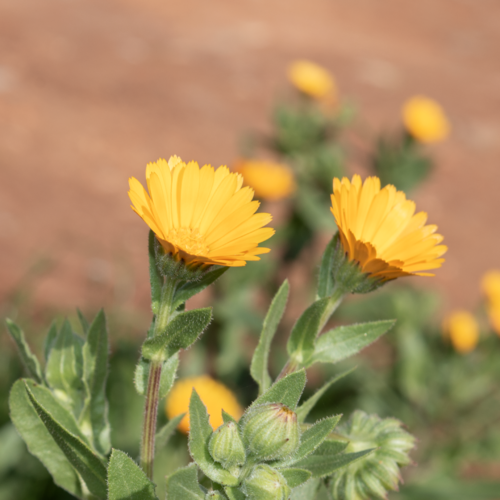
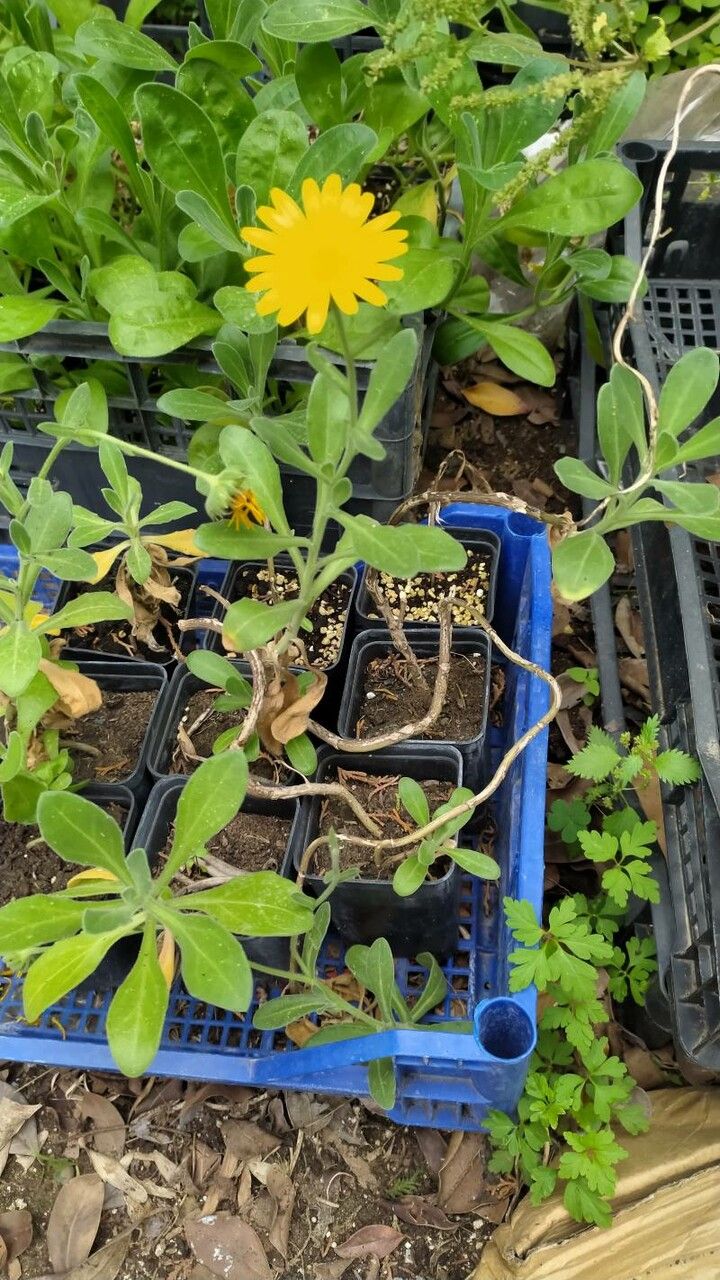
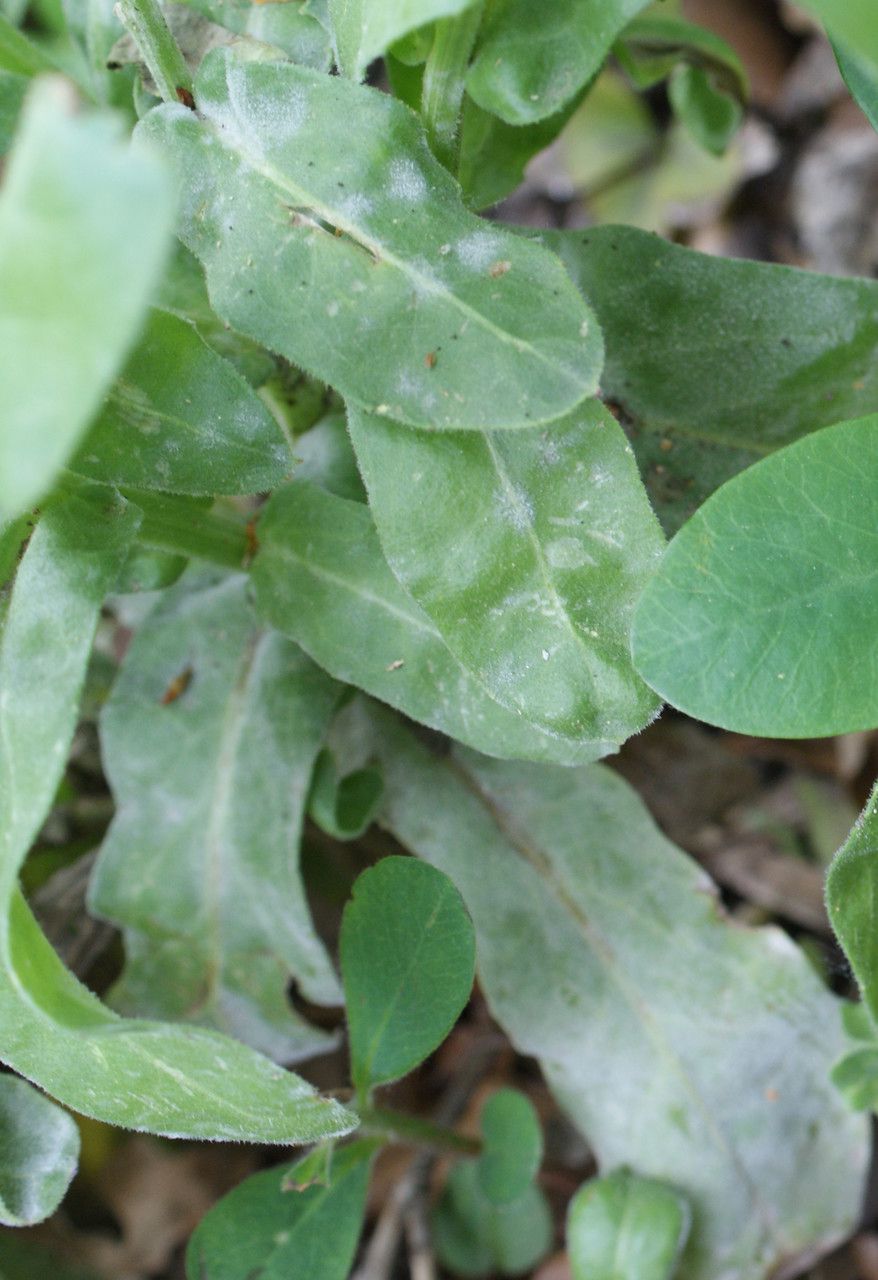
Calendula tripterocarpa is a species of flowering plant in the marigold genus Calendula, family Asteraceae. It is native to Spain, the Canary Islands, North Africa, and the Middle East as far as Iran. It is a therophyte.
Calendula tripterocarpa is fairly disease-resistant and generally does not readily develop illnesses. It can, however, be affected by pests and diseases present in its surroundings. These problems are usually minor. Regarding care, this plant requires moderate maintenance. Regular pruning is needed to keep a neat appearance and support healthy growth. Fertilizing can also help encourage flowering. Calendula tripterocarpa is well suited to anyone with an outdoor area, such as a garden or patio, and does not demand extensive care experience. It may need more attention when grown indoors.
How to keep Calendula Tripterocarpa.
Light
Calendula tripterocarpa is native to bright, open habitats and thrives in full sun. It can tolerate partial sun but favors direct sunlight for best growth. This plant, which can be annual or biennial, is noted for its sun-loving character.
Water
Calendula tripterocarpa thrives best when given the right amount of water. While the plant is getting established, ensure the soil remains consistently moist. Once established, water it weekly, supplying about 1 inch (2.5 cm) of water. Be careful not to overwater—let the top 1-2 inches (2.5-5 cm) of soil dry out between waterings to prevent root diseases.
Temperature
Calendula tripterocarpa can tolerate a wide range of temperatures, but its distribution may still be restricted by particular combinations of moisture and heat. It grows best in warm summer climates with sufficient rainfall or watering. Extended periods of cloudy, rainy weather or prolonged high temperatures can raise the chance of Calendula tripterocarpa dying. In winter, adequate protection from cold can increase the plant's likelihood of survival.
Fertilizer
When most of the blooms of Calendula tripterocarpa have opened to full size, resume fertilizing. Around the period of peak bloom production, apply fertilizer every three to four weeks, weather permitting. After Calendula tripterocarpa begins producing fewer new blooms, stop fertilizing; there is no need to feed it when it can no longer produce additional flowers.
Pruning
Calendula tripterocarpa thrives with minimal pruning. Pinching off the tops promotes fuller growth. Regularly deadhead spent flowers to encourage new blooms. During the blooming season, use sharp, disinfected pruners to reduce the risk of spreading disease.
Botanical profile.
- Plant Type
- Herb
- Life Cycle
- Annual
- Genus
- Calendula
- Family
- Asteraceae
- Hardiness Zone
- 8-11
- Mature Height
- 20 cm to 40 cm
- Mature Spread
- 15 cm to 30 cm
- Leaf Color
- Green, Dark Green
- Leaf Type
- Deciduous
- Flower Color
- Yellow, Orange
- Flower Size
- 2.03 cm to 3.05 cm
- Bloom Time
- Spring
- Planting Time
- Spring
- Harvest Time
- Late spring, Early summer, Mid summer
- Native Area
- Saudi Arabia, Libya, Iraq, Syria, Tunisia, Egypt, Spain, Iran, Algeria, Qatar, Morocco