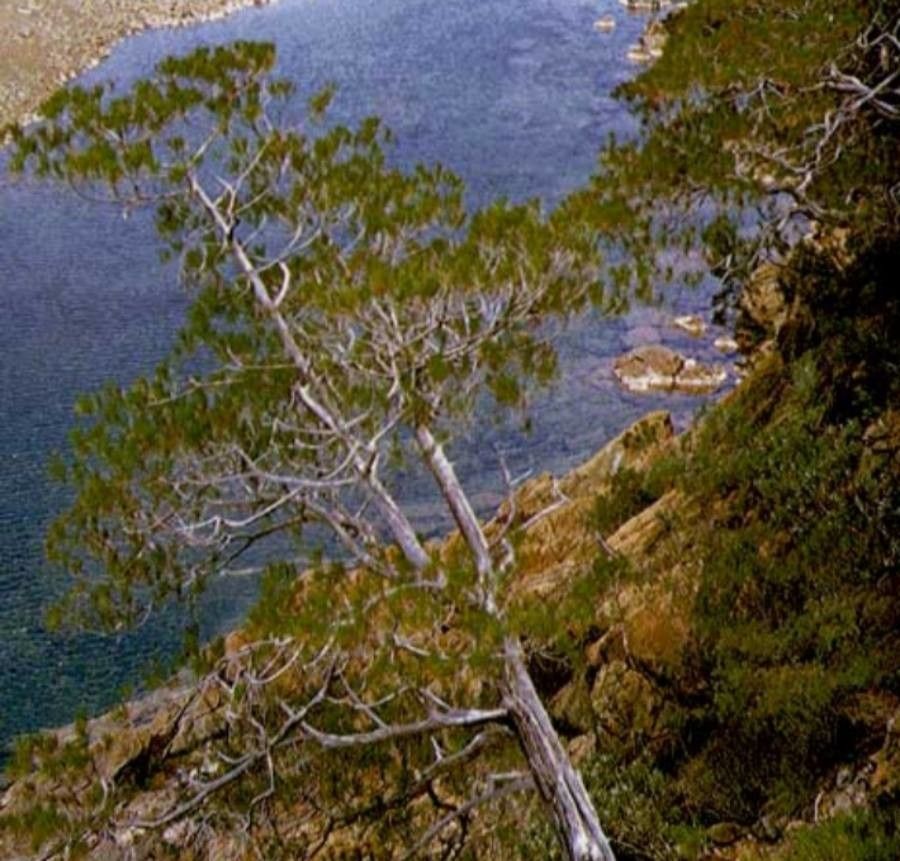
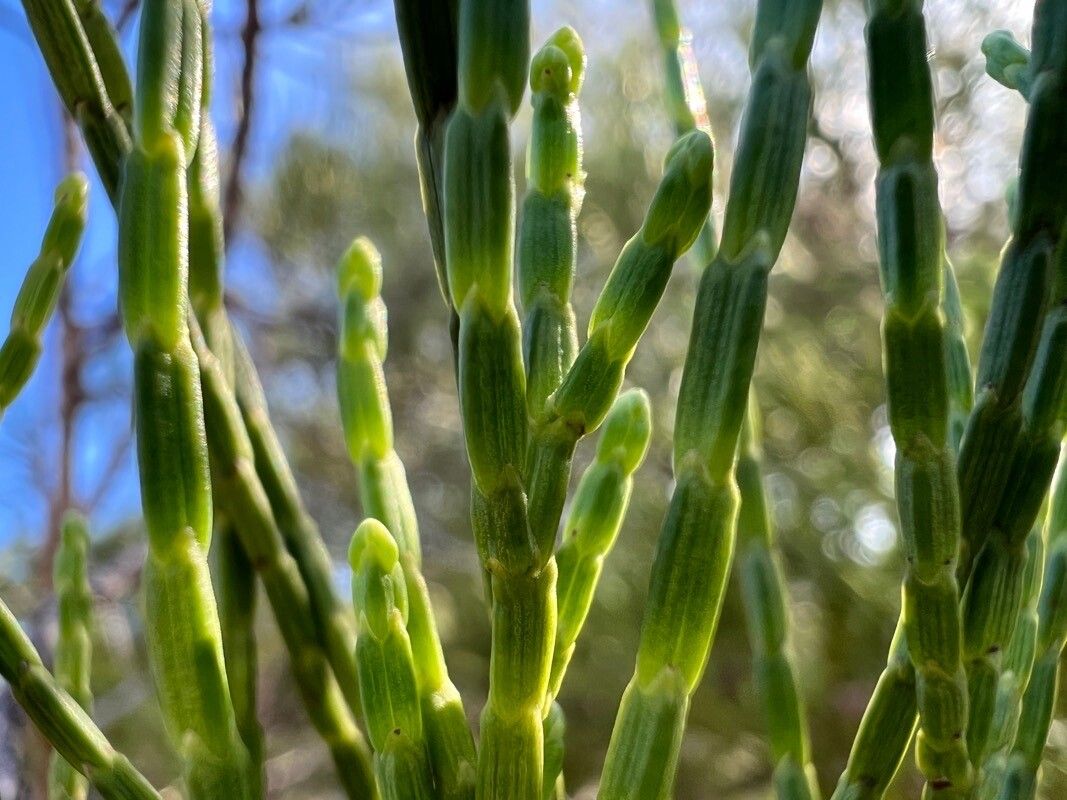
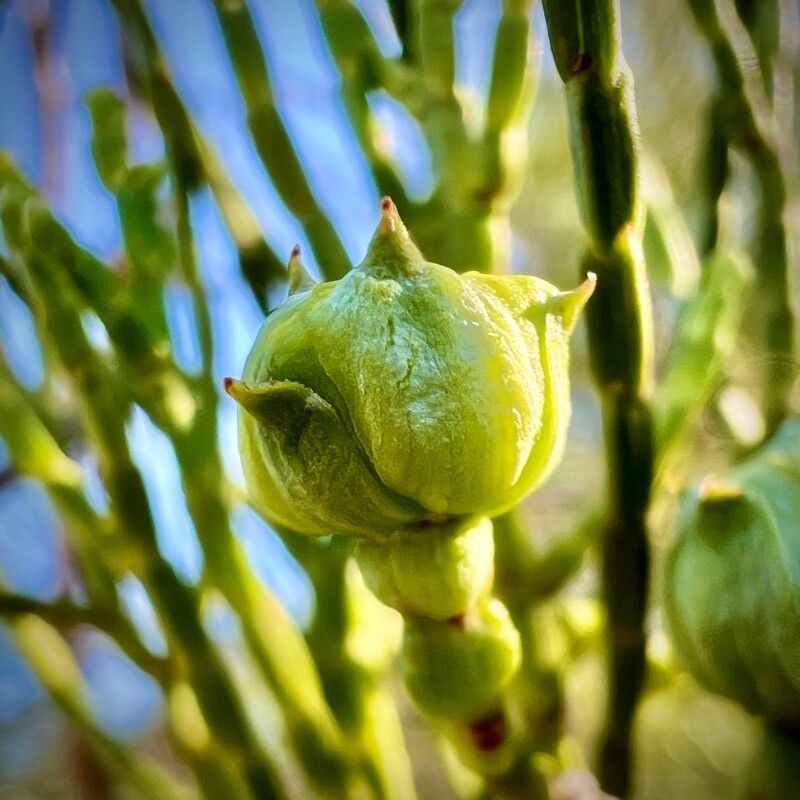
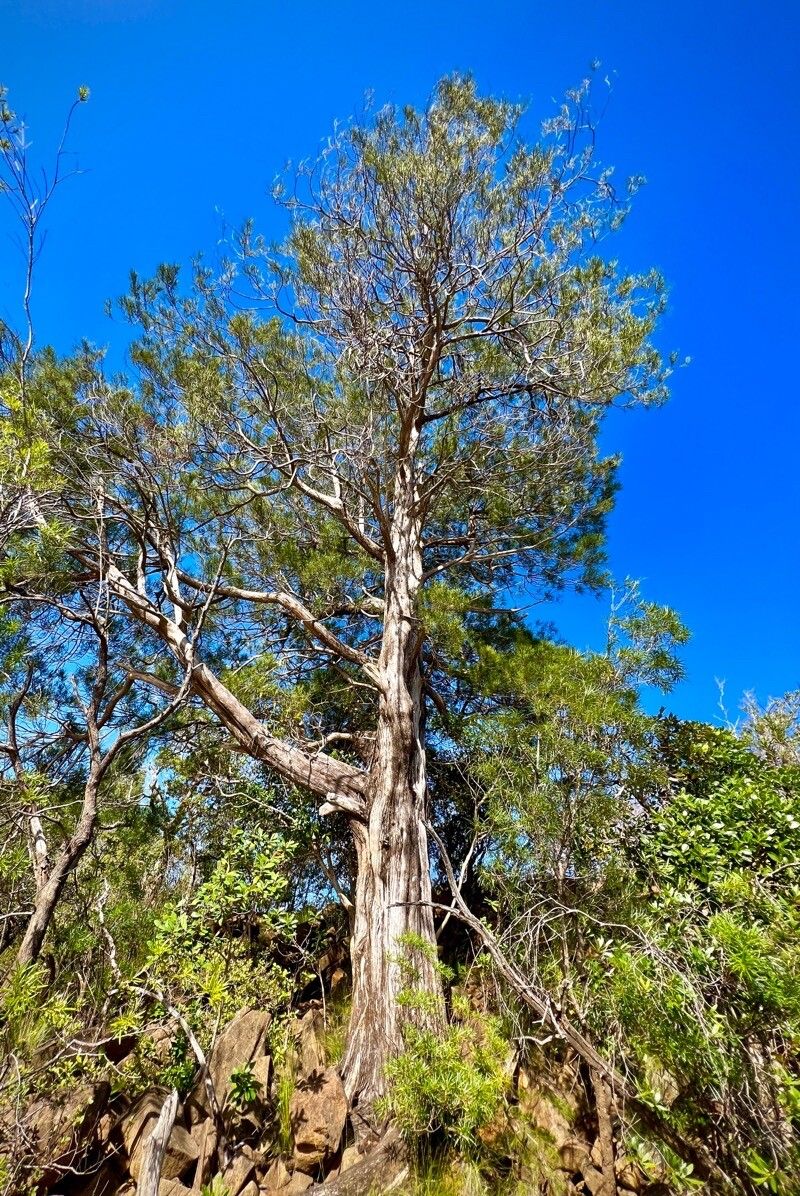
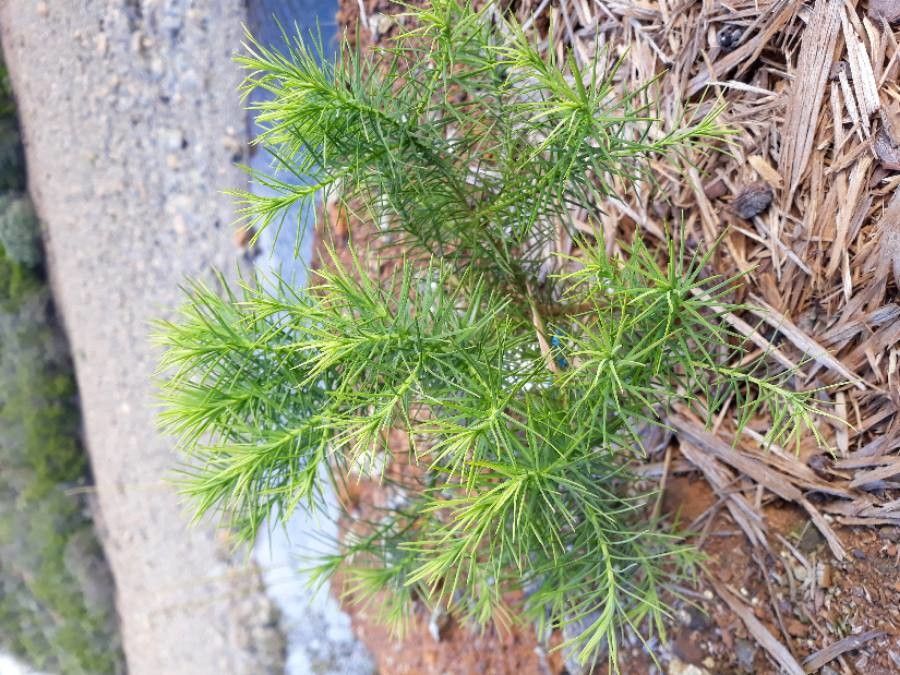
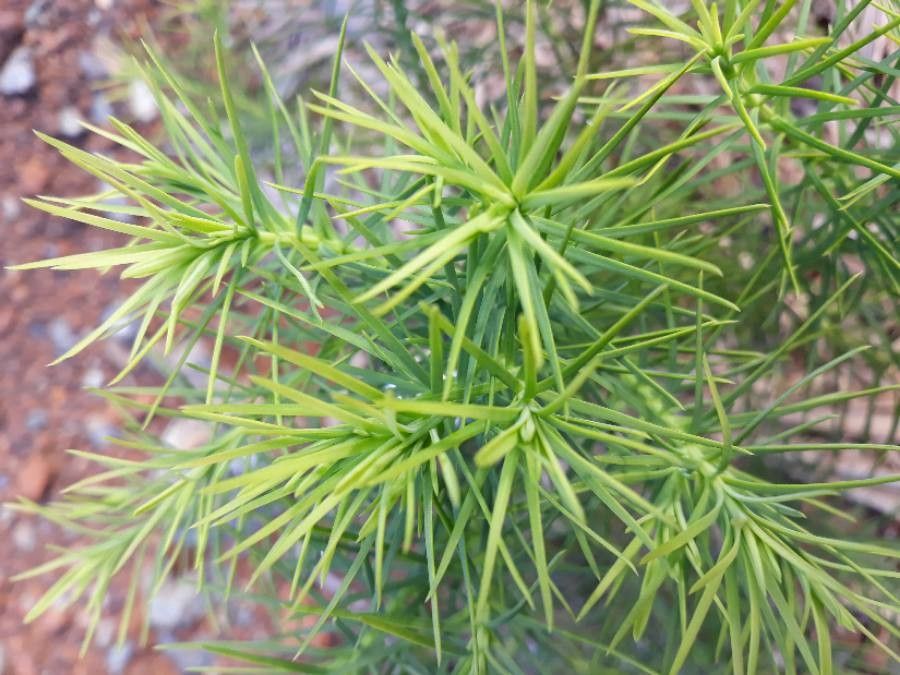
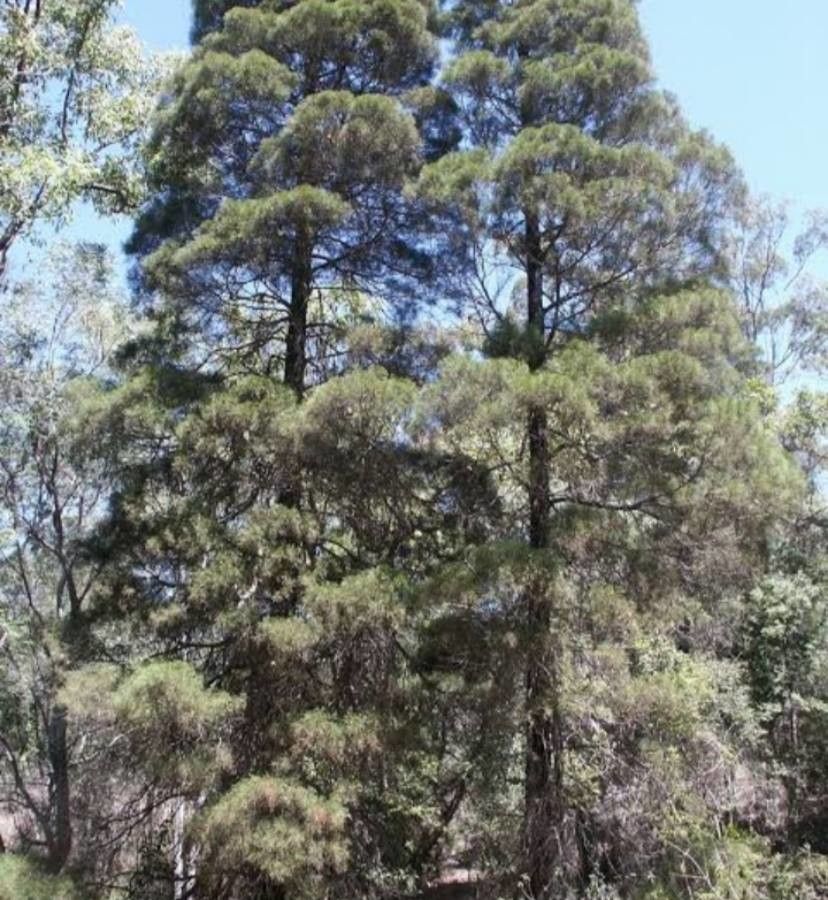
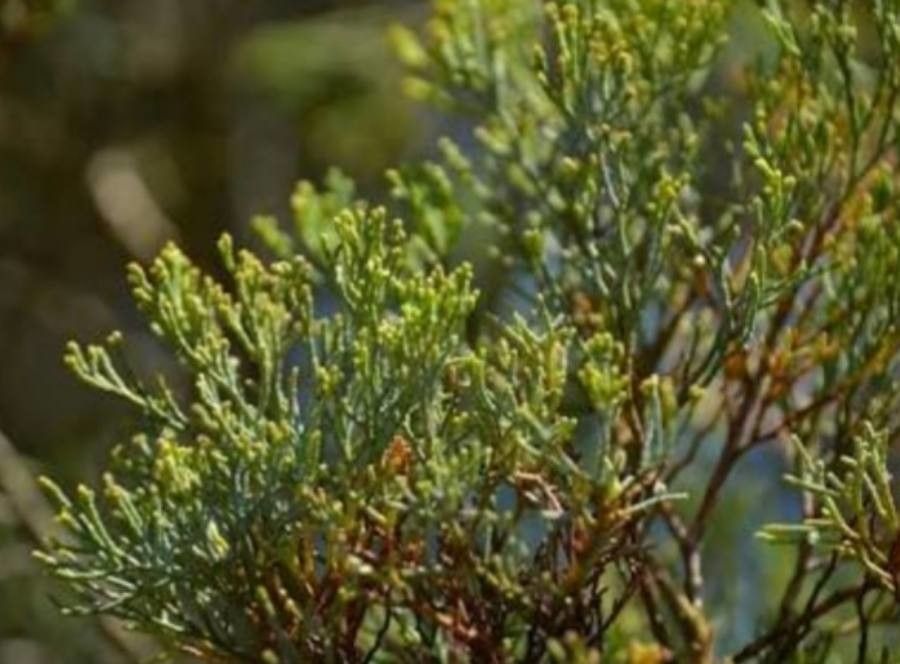
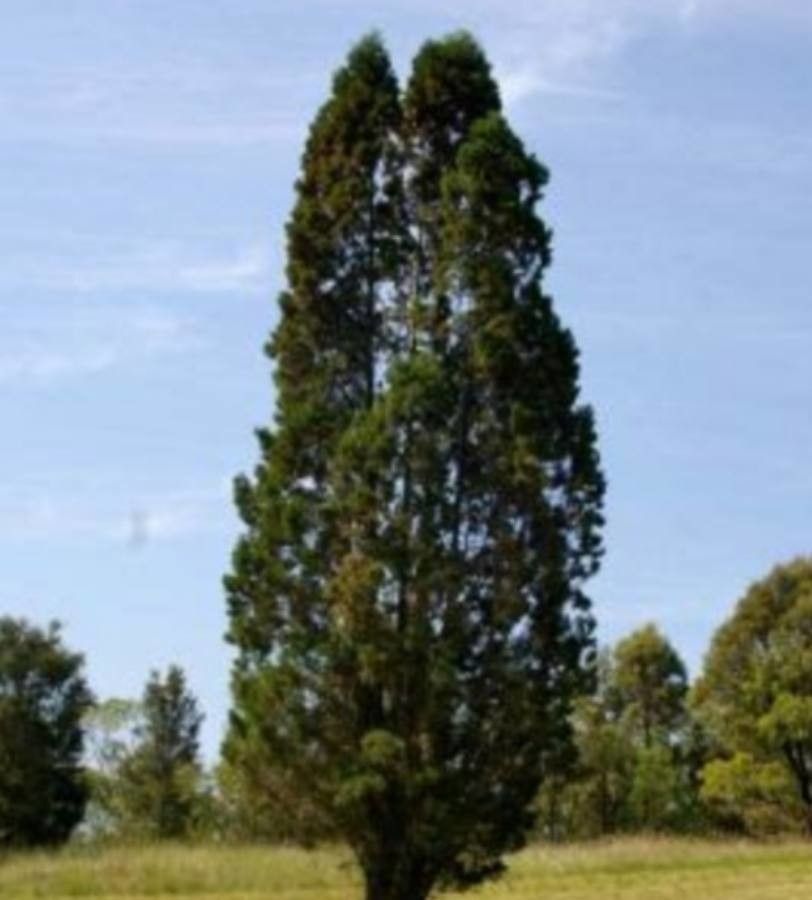
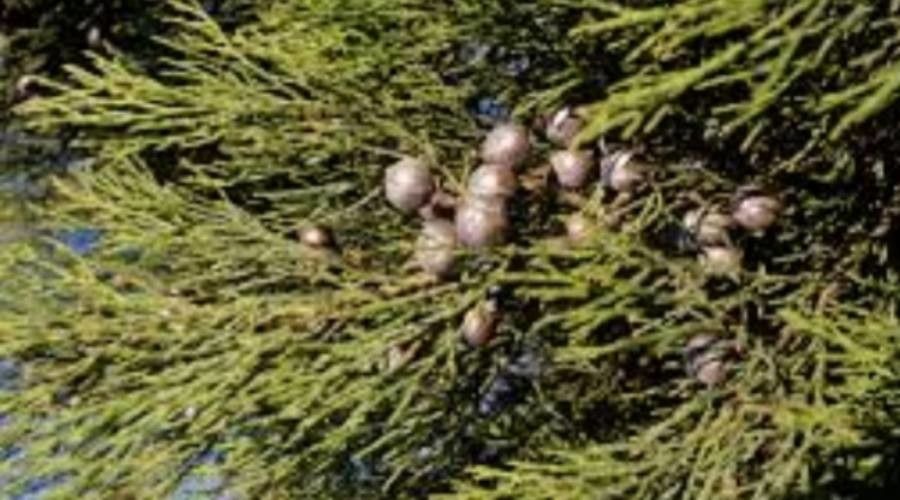
Callitris sulcata is a species of conifer in the cypress family, Cupressaceae. Its common name is Sapin de Comboui. It is endemic to New Caledonia, where it grows only in three forested river valleys. It is an endangered species with a global population of no more than 2500 individuals.
The Camboui cypress-pine is resistant to disease and is generally not susceptible to illnesses. In terms of care, this plant is fairly low maintenance. When grown outdoors it needs little watering, and larger plants typically do not require pruning. Smaller plants, however, should be pruned after they finish blooming. The Camboui cypress-pine is suitable for anyone with an outdoor area, such as a garden or a deck, and does not require extensive gardening experience.
How to keep Callitris Sulcata.
Light
Camboui cypress-pine comes from open habitats, like sunny meadows and forest edges, which provide plenty of light. It does best in Full Sun but can also tolerate Partial Sun, adjusting well to different light levels.
Temperature
Camboui cypress-pine is fairly adaptable to temperature, capable of withstanding higher heat and considerable temperature fluctuations. In hot weather, attention should be paid to watering and providing appropriate shade to avoid sunburn. Conversely, Camboui cypress-pine has limited tolerance for low temperatures. While it can endure some cold, overly cold conditions can cause frost damage.
Fertilizer
The Camboui cypress-pine has specific nutrient needs and does not require excessive fertilization. Spring is the best time to fertilize for optimal growth. Supplying nutrients improves its health, increases its resistance to pests and diseases, and supports its long lifespan.
Botanical profile.
- Plant Type
- Tree
- Life Cycle
- Perennial
- Genus
- Callitris
- Family
- Cupressaceae
- Hardiness Zone
- 9-11
- Mature Height
- 14.94 m to 20.12 m
- Mature Spread
- 4.88 m to 7.92 m
- Leaf Color
- Dark Green
- Leaf Type
- Evergreen
- Bloom Time
- Mid spring, Late spring
- Planting Time
- Spring, Summer, Autumn
- Harvest Time
- Late summer, Early fall, Mid fall