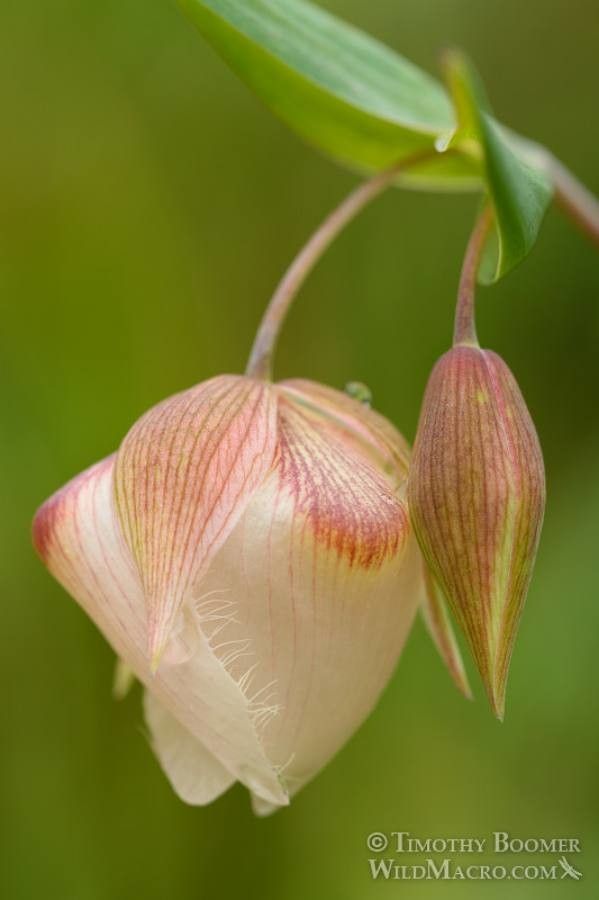
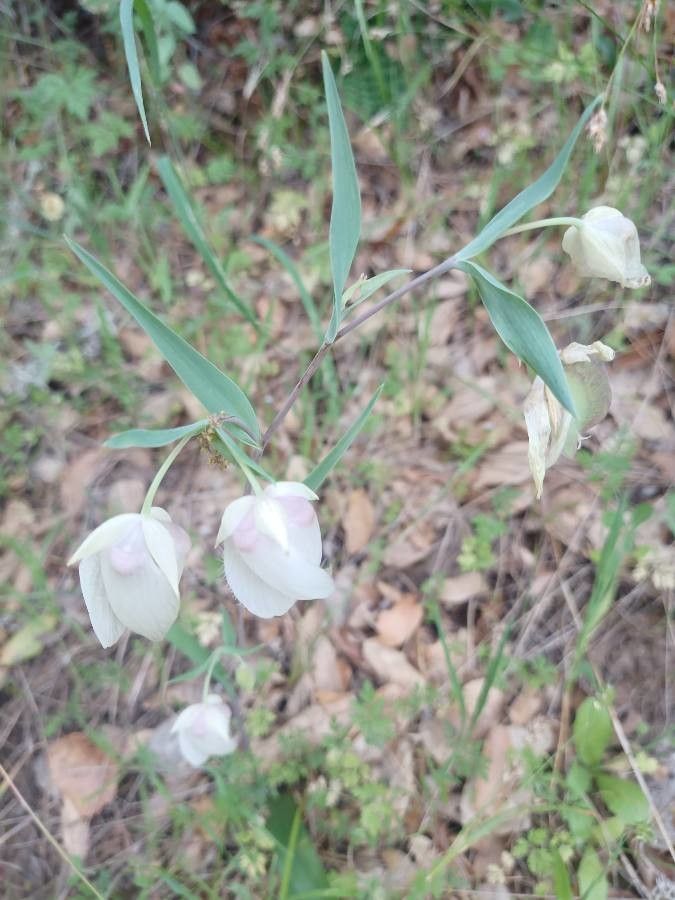
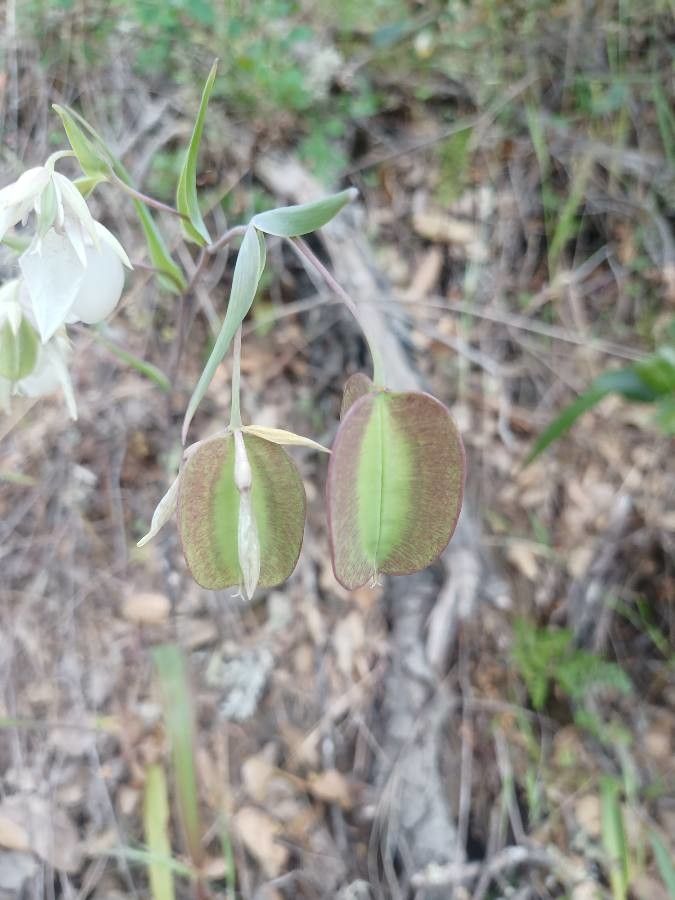
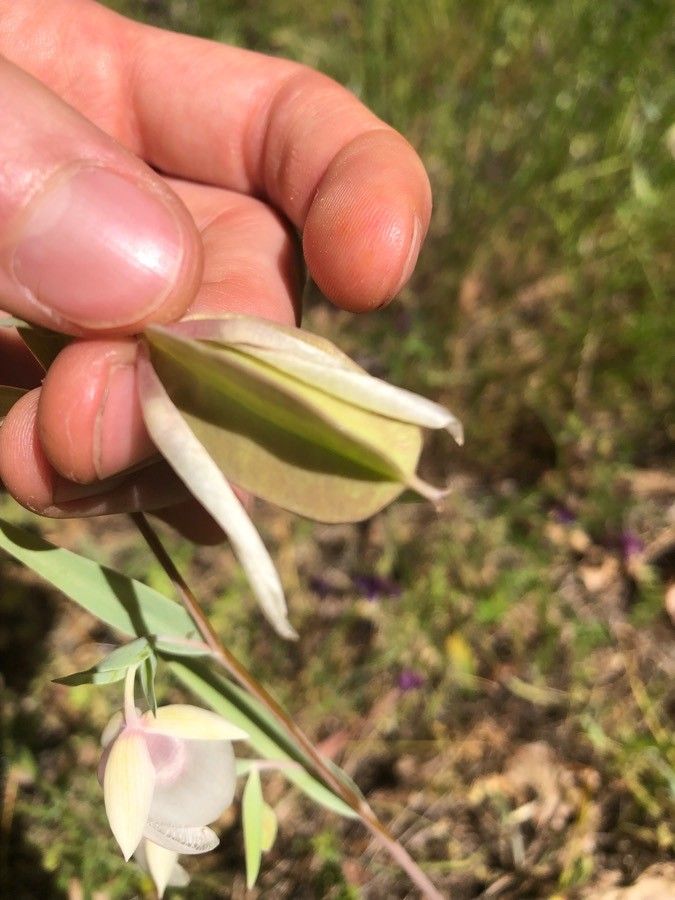
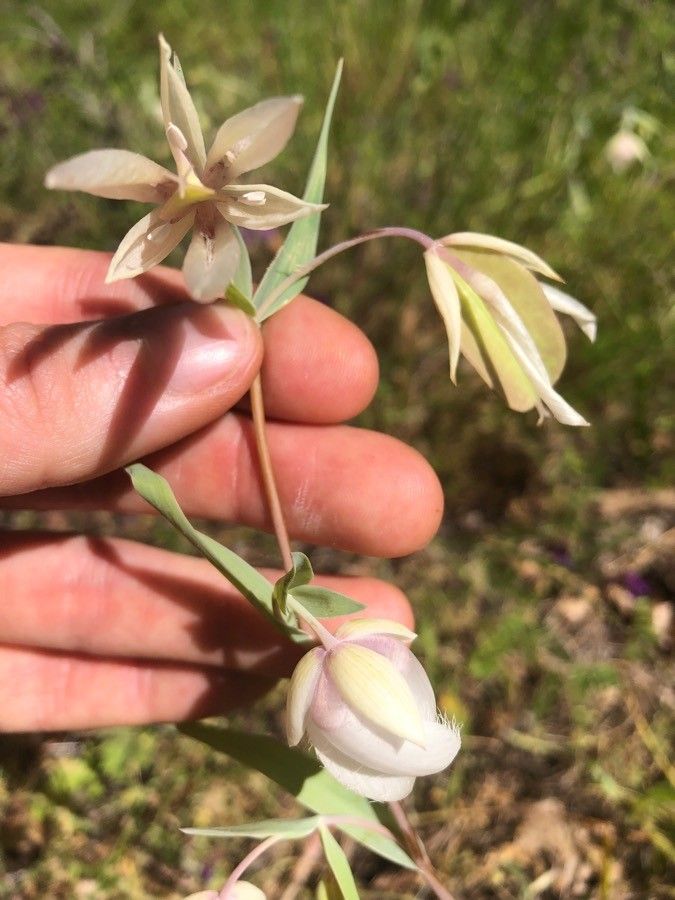
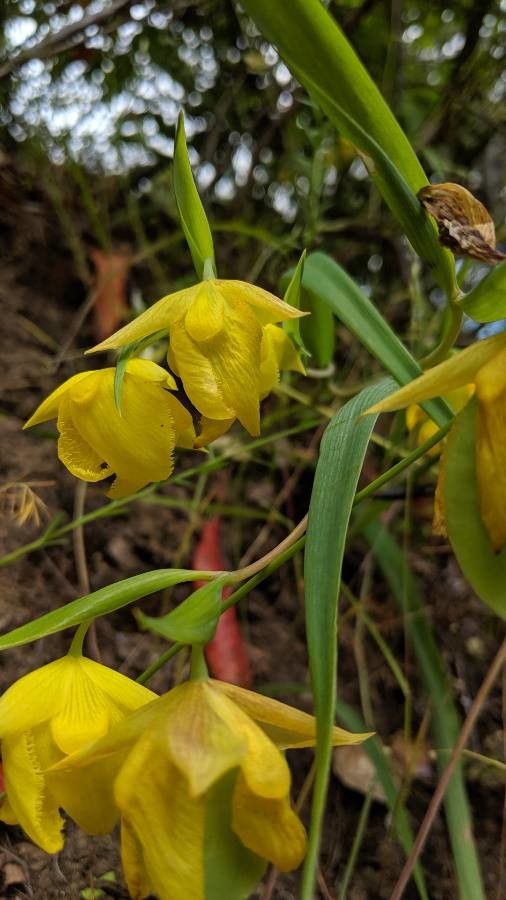
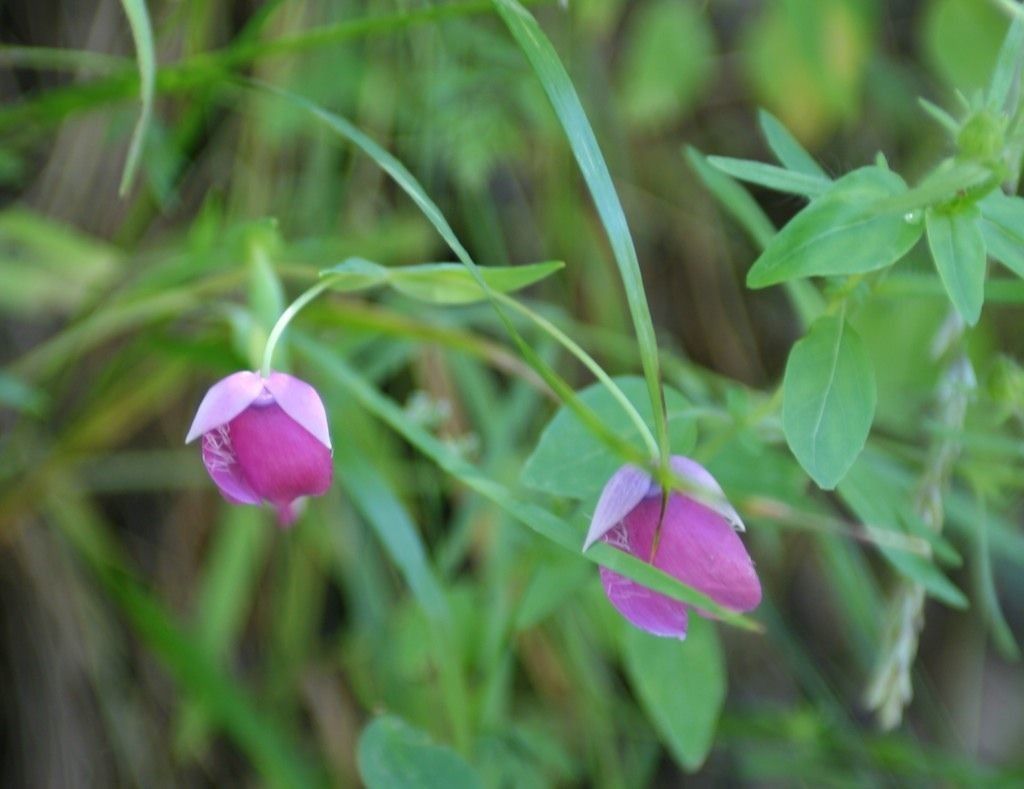
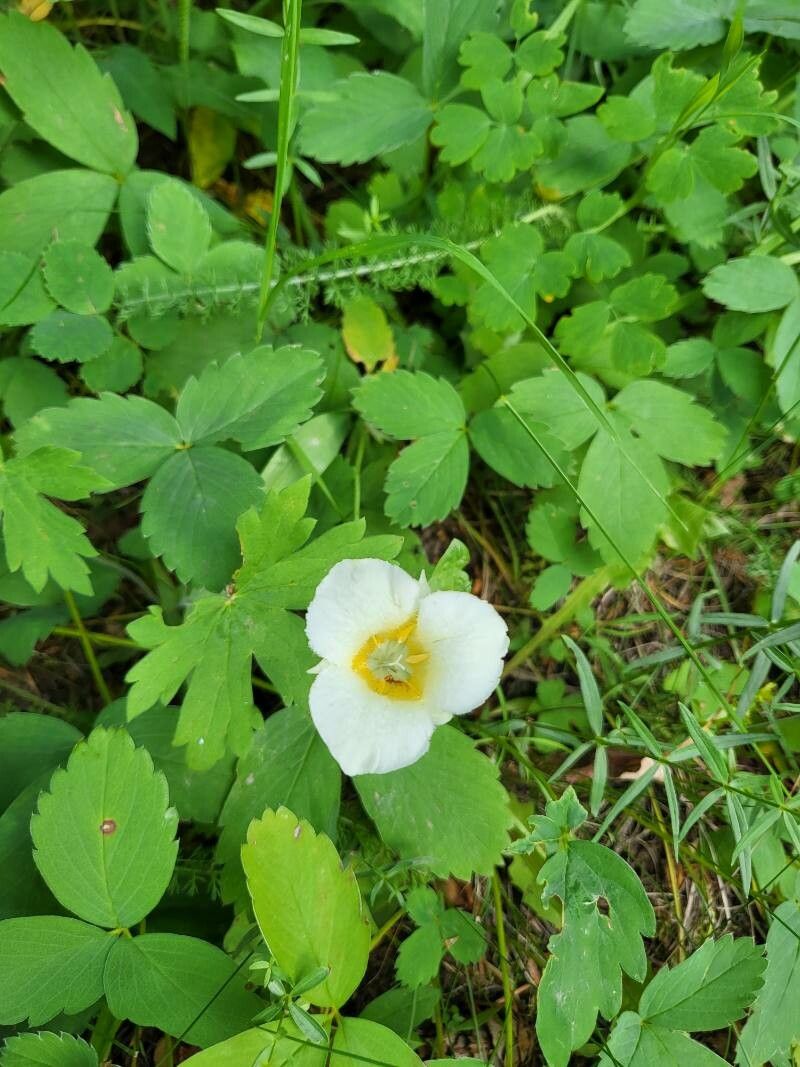
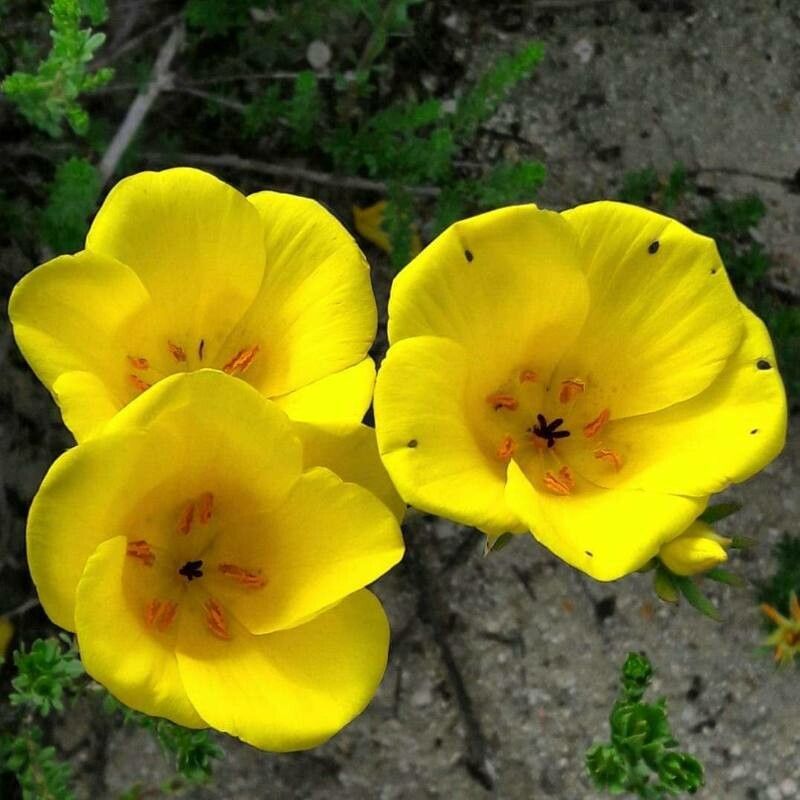
Calochortus albus is a species in the genus Calochortus in the family Liliaceae. It is also known by the common names fairy lantern, white fairy lantern, pink fairy lantern, lantern of the fairies, globe lily, white globe lily, white globe-tulip, alabaster tulip, Indian bells, satin bells, snowy lily-bell, and snow drops.
White globe lily is quite disease-resistant and typically not prone to illnesses. Nonetheless, it can be affected by pests and diseases present in its environment, although such problems are generally mild. Regarding care, this plant needs a moderate amount of attention. It should be pruned regularly to preserve a tidy appearance and support healthy growth. Fertilizing can also encourage flowering. White globe lily is appropriate for anyone with an outdoor area, like a garden or patio, and does not demand extensive care experience. It may need more attention when grown indoors.
How to keep Calochortus Albus.
Light
The white globe lily needs plenty of sunlight to thrive. In its native range it is commonly found in sunny sites, though it can tolerate somewhat shadier conditions, making it adaptable. Still, avoid too much or too little light, as either can harm the plant’s health.
Water
The white globe lily, native to the Mediterranean region, is moderately drought-tolerant and thrives in well-draining soil that receives occasional moisture. When cultivated, it does best with weekly watering to keep the soil moist but not waterlogged. Although typically grown outdoors, the white globe lily benefits from the natural rain patterns in its native habitat, especially during its summer dormancy period.
Humidity
This plant will thrive in moderate humidity, which is probably the level in your home. However, misting it a few times a week can be very beneficial. Make sure the room has good ventilation.
Temperature
White globe lily occurs naturally in areas with moderate temperatures, generally from 68 to 95 °F (20 to 35 ℃). If grown in climates outside that range, careful seasonal adjustments may be needed to meet its specific temperature requirements.
Fertilizer
For White globe lily, the primary time to apply fertilizer is in early spring when the flowers are forming. The proper fertilizer promotes better blooms and helps the White globe lily produce attractive flowers. Fertilizing in early spring ensures strong flowering during the season and supplies energy for dormant growth phases.
Pruning
The white globe lily flourishes with minimal pruning. To care for it effectively, focus on a few key practices: remove spent flowers and damaged leaves, prune in early spring, and avoid excessive cutting to preserve the bulb's energy. Regular deadheading not only improves the plant's appearance but also boosts its resistance to disease, ensuring abundant flower production while maintaining its natural shape.
Botanical profile.
- Plant Type
- Herb
- Life Cycle
- Perennial
- Genus
- Calochortus
- Family
- Liliaceae
- Hardiness Zone
- 9-10
- Mature Height
- 20 cm to 76 cm
- Mature Spread
- 10 cm
- Leaf Color
- Green, Gray, Silver
- Leaf Type
- Evergreen, Deciduous
- Flower Color
- White
- Flower Size
- 2.03 cm to 3.05 cm
- Bloom Time
- Mid spring, Late spring
- Planting Time
- Spring, Summer, Autumn
- Harvest Time
- Early summer, Mid summer
Other names.
Reader questions.
What are the sunlight requirements for the White Globe Lily?
The White Globe Lily thrives with full sun exposure, which means it needs above 6 hours of sunlight daily. It can also grow in partial sun, receiving about 3-6 hours of sunlight. It's important to watch how sunlight moves through your garden, choosing spots that offer a good balance of light and shade to ensure the plant's health. Although native to areas abundant in sun, this plant can adapt to less sunny spots; however, both too much and too little sunlight may negatively impact its vitality.
What is the ideal temperature range for growing a White globe lily?
The White globe lily thrives in environments with moderate temperatures, typically between 68 to 95 °F (20 to 35 °C). It is indigenous to climates within this temperature range, and if you plan to grow it outside these conditions, you might need to make specific seasonal adjustments to meet its temperature requirements. The plant possesses some cold tolerance and usually does not require extra cold protection measures if the temperature remains above 0°C. However, in regions where temperatures are expected to fall below 0°C, temporary protective actions, such as wrapping the plant with materials like plastic film or fabric, are essential for its safety. This protection should be removed when temperatures rise to ensure the plant's health.
How can artificial lighting be used for indoor White Globe Lily plants?
Indoor White Globe Lily plants may require artificial lighting to ensure optimal growth, particularly when natural sunlight is insufficient, such as during winter or in less sunny spaces. LED lights are a popular choice for plant lighting as they can be customized to provide specific wavelengths needed by the plants. Full sun plants need 30-50W/sq ft, partial sun plants require 20-30W/sq ft, and full shade plants need 10-20W/sq ft of artificial light. The light source should be placed 12-36 inches above the plant to mimic natural sunlight and should be on for 8-12 hours per day to mimic natural daylight hours.
How does low temperature affect the White globe lily, and what are the solutions?
White globe lily has a moderate tolerance to low temperatures and prefers to be kept in conditions where the temperature is above 20°C. In winter, it's crucial to maintain a temperature above 0°C for the plant's well-being. Should the temperature dip below -5°C, you may notice the plant's leaves starting to droop. In mild cases, these droopy leaves can recover, but in severe conditions, the leaves will wilt and eventually fall off. To address frost damage, you should trim off the affected parts. Before the arrival of low temperatures again, wrapping the plant with non-woven fabric or cloth and creating a wind barrier can help protect it from the cold.
What are the common symptoms of light deficiency in White Globe Lily, and how can they be addressed?
Symptoms of light deficiency in White Globe Lily include small leaves, leggy or sparse growth, faster leaf drop, slower or no new growth, lighter-colored new leaves, and signs of chlorosis, sunscald, leaf curling, wilting, and leaf scorching. Solutions involve moving plants gradually to sunnier locations to receive at least 6 hours of direct sunlight daily, utilizing artificial light if necessary, and transplanting or reducing obstructions outdoors to improve sunlight exposure. It is crucial to make these changes gradually to prevent sunburn, and note that parts of the plant affected by insufficient sunlight may not recover, but new growth should be healthy.
How does high temperature affect the White globe lily, and what are the solutions?
During the hotter months, it's advisable to keep the White globe lily's environment below 35°C to prevent heat stress. When temperatures soar above 41°C, the plant might exhibit signs of distress such as lighter leaf color, dry and withered leaf tips, curling leaves, and increased susceptibility to sunburn. To mitigate damage from high temperatures, trim away the sunburned and dried-up parts of the plant. Moving the plant to a shaded area during midday and afternoon hours or employing a shade cloth can provide much-needed relief. Additionally, watering the plant in the morning and evening will help keep the soil sufficiently moist, reducing heat stress.