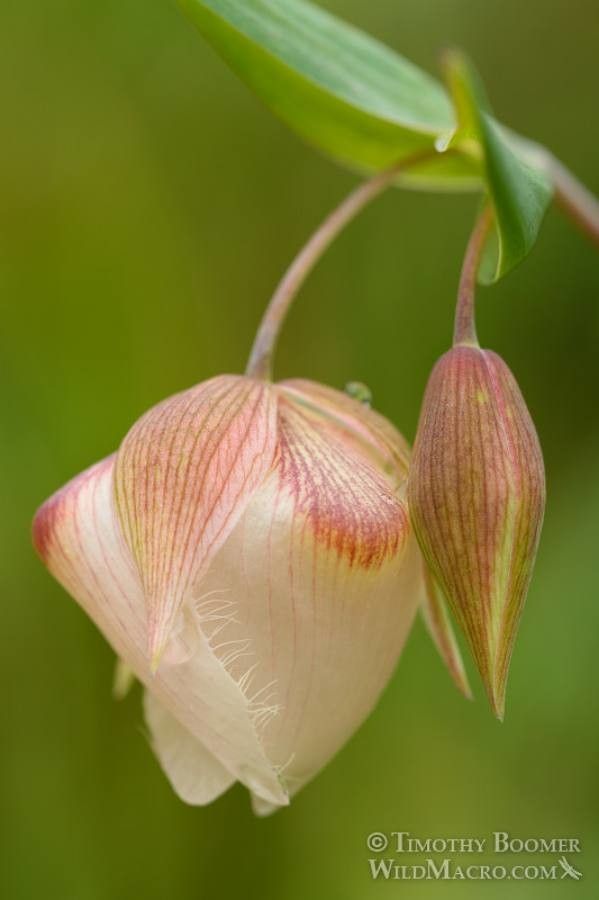
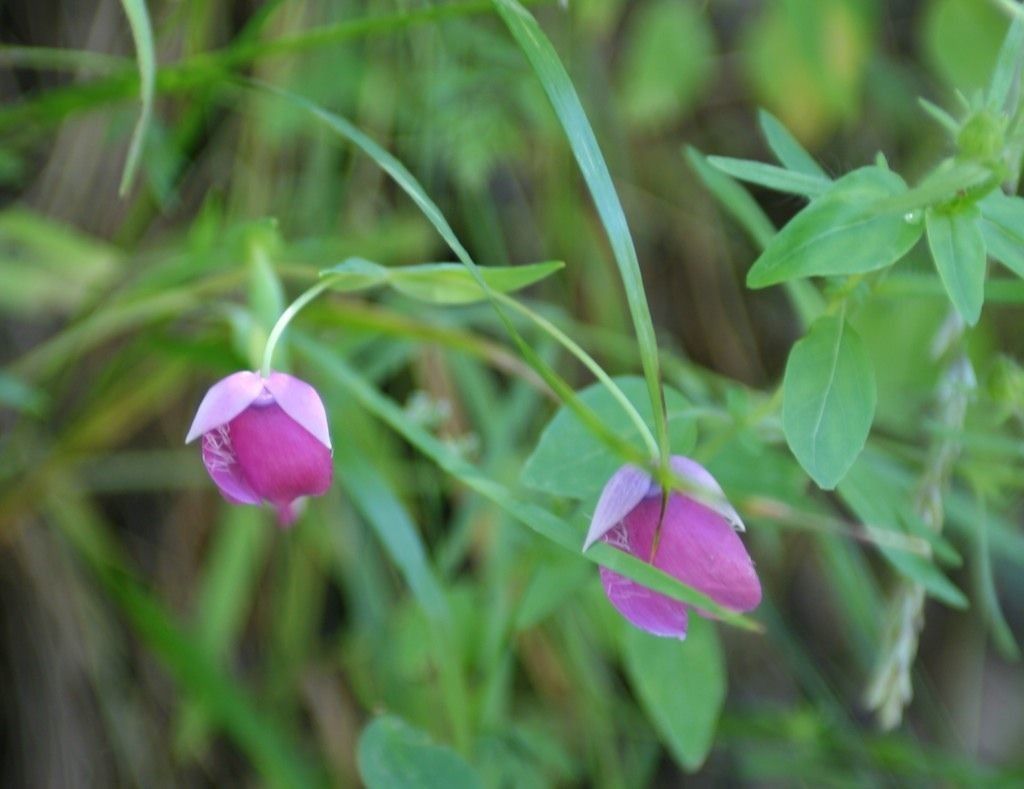
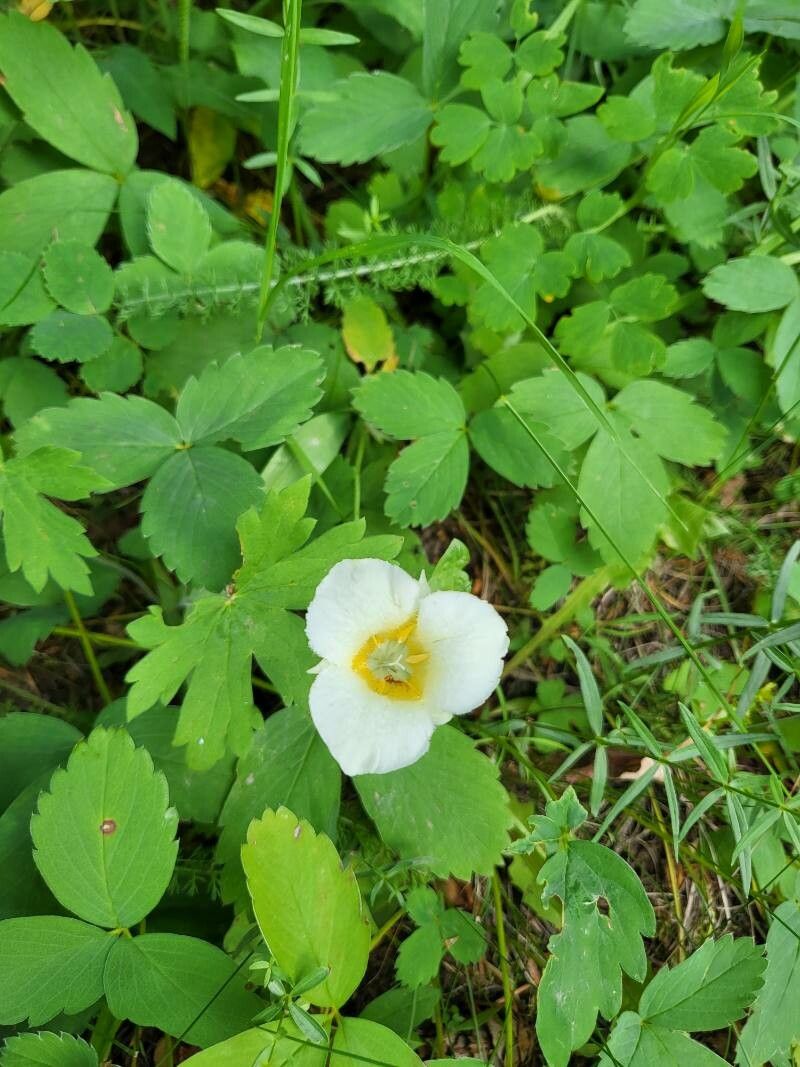
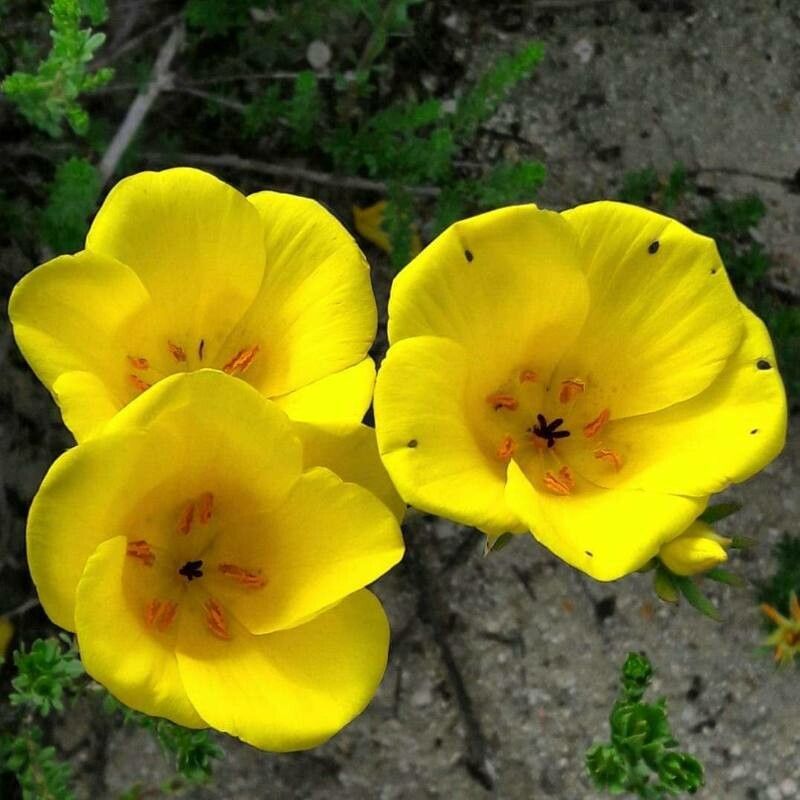
Calochortus amabilis, commonly known as the lovely mariposa lily, is a perennial plant species belonging to the family Liliaceae. Native to California, it thrives in various habitats, including grasslands, chaparral, and oak woodlands. The plant typically grows up to 30 cm tall and features one or more flowers that measure 5-7 cm in diameter. These flowers are usually pink or lavender with darker markings on the petals and possess a distinctive cup-shaped structure with three backward-curving petals. The leaves of Calochortus amabilis are narrow and grass-like. The lovely mariposa lily blooms from April to June each year, attracting pollinators such as bees and butterflies with its vibrant colors and sweet fragrance. After pollination, the plant produces capsules containing numerous seeds that can be dispersed by wind or animals. Native American tribes have used Calochortus amabilis for medicinal purposes, including treating headaches, stomachaches, and feverish conditions. The lovely mariposa lily is also an attractive ornamental plant for gardens due to its showy flowers, but it requires well-drained soil for optimal growth. While it needs full sun exposure, it can tolerate some shade during hot summer months. Overall, Calochortus amabilis is an important species both ecologically for its role in supporting pollinators and culturally for its medicinal uses. Its ornamental value adds to efforts in conserving California's diverse flora and biodiversity.
Short lily is fairly disease-resistant and generally not easily affected by illnesses. However, it can be vulnerable to pests and diseases present in its surroundings. These infections are typically not severe. For care, this plant needs moderate maintenance. Regular pruning is required to keep a good appearance and encourage healthy growth. Fertilizing can also help stimulate flowering. Short lily is appropriate for anyone with outdoor space, such as a garden or patio, and does not demand much care experience. It may need more attention when grown indoors.
How to keep Calochortus Amabilis.
Light
The short lily prospers in places that get abundant sunlight throughout the day, though it can tolerate moderate exposure. Its origin suggests it is commonly associated with strongly sunlit habitats. Both too little and too much light can impede its healthy growth, so a proper balance of sunlight is essential.
Water
The short lily thrives in moderate climates with well-drained soil that retains some humidity. It does best with consistent moisture and needs to be watered weekly. Although it is moderately drought-tolerant, the short lily benefits from natural rainfall, especially during peak growing seasons, which helps reduce the need for extra watering.
Temperature
Short lily is adapted to temperate climates and thrives best at temperatures of 59 to 95 °F (15 to 35 ℃). In its native growth environment it shows resilience to temperature fluctuations. Seasonal adjustments may be required to maintain optimal temperatures.
Fertilizer
For Short lily, the primary time to fertilize is early spring when the flowers are beginning to form. The correct fertilizer promotes better blooms and helps Short lily produce lovely flowers. Fertilizing in early spring guarantees excellent flowers during the season and supplies energy for dormant growth phases.
Pruning
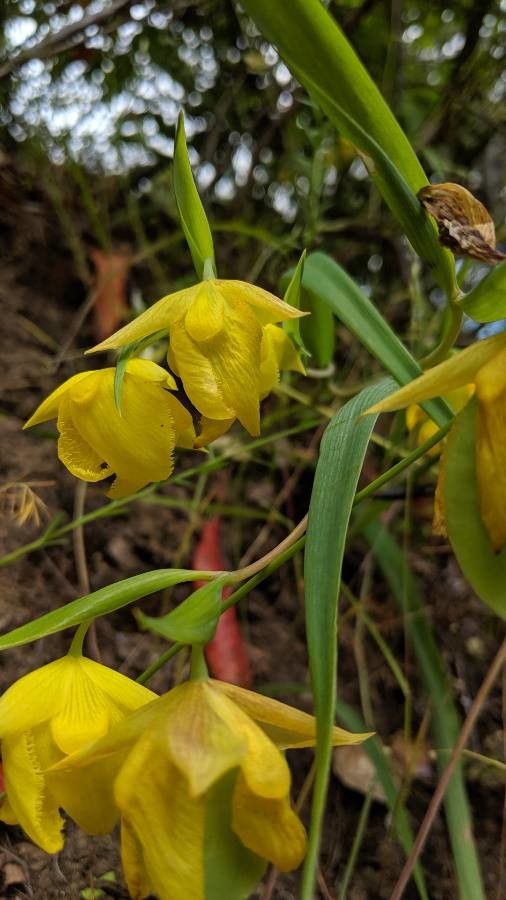
The Short Lily is characterized by its vibrant yellow flowers and grass-like leaves. To ensure it thrives, it's important to prune it carefully from early to late spring, right after it has bloomed. Remove any spent flowers and damaged leaves to promote healthy growth, but be cautious not to prune too heavily, as this plant is sensitive. Regular, light maintenance helps encourage blooming and prevents disease.
Botanical profile.
- Plant Type
- Herb
- Life Cycle
- Perennial
- Genus
- Calochortus
- Family
- Liliaceae
- Hardiness Zone
- 8-9
- Mature Height
- 40 cm to 52 cm
- Mature Spread
- 5 cm to 20 cm
- Leaf Color
- Green
- Leaf Type
- Deciduous
- Flower Color
- Yellow, Gold
- Flower Size
- 2.54 cm to 4.06 cm
- Bloom Time
- Mid spring, Late spring
- Planting Time
- Spring, Summer
- Harvest Time
- Early summer, Mid summer
Other names.
Reader questions.
How should I water my Short lily plant?
To properly care for the Short lily, here are some guidelines to follow. It is recommended to use filtered water that is at room temperature when watering this plant. Filtered water is preferred because tap water may contain harmful particles. Additionally, it's important to use water that is at room temperature or slightly warmer because the Short lily is accustomed to a warm climate, and cold water may shock the plant. Instead of watering from above, it is best to apply the filtered room temperature water directly to the soil until it is fully soaked. This method benefits the plant by moisturizing the roots and allowing them to spread and absorb the necessary nutrients from the soil.
What are the sunlight requirements for a Short lily?
Short lily requires a specific amount of sunlight to thrive. It can grow in full sun, which is characterized by above 6 hours of sunlight a day, or partial sun, involving about 3-6 hours of sunlight. It's vital to observe the movement of sunlight in your garden to find spots that offer an ideal mix of light and shade, ensuring your plants grow healthily. Insufficient or excessive sunlight may impede the plant's growth, making it crucial to maintain an optimal sunlight balance for the Short lily.
What climates are best for growing Short lily?
Short lily, or Calochortus amabilis, is adapted to temperate climates and thrives in temperatures ranging from 59 to 95 °F (15 to 35 °C). It shows resilience to temperature fluctuations in its natural growth environment. While the Short lily has some cold tolerance and generally manages well in temperatures above -5°C, special care is needed to protect it from temperatures dropping below -5°C, such as using protective coverings like plastic film or fabric. These measures should be removed once temperatures rise to avoid any negative impact.
What should I do if I give my Short lily plant too much water or too little water?
Overwatering is a common issue for Short lilies and can cause wilting, yellowing leaves, and diseases like root rot, mold, and mildew. Underwatering is less common, but can still lead to brittle, brown leaves. It is important to recognize the signs of overwatering early and adjust your watering schedule accordingly. If you notice overwatering, reduce watering and consider improving the soil drainage. If you spot signs of underwatering, simply increase the frequency of watering until the signs disappear.
Can Short lily grow with artificial lighting?
Yes, Short lily can grow with artificial lighting, especially when natural sunlight is insufficient, like in winter or less sunny spaces. Artificial lights can be a critical solution, encouraging faster and healthier growth. It's recommended to use 30-50W/sq ft of artificial light for full sun plants, 20-30W/sq ft for partial sun plants, and 10-20W/sq ft for full shade plants. The right type of light, such as LED lights, should be chosen for its ability to provide specific wavelengths needed by plants. The light source should be placed 12-36 inches above the plant and kept on for 8-12 hours a day to mimic natural daylight conditions.
How does Short lily react to low temperatures and how can it be protected?
Short lily has a moderate tolerance to low temperatures, preferring conditions above 15°C for optimal growth. However, it can survive temperatures down to -5°C. Exposure to temperatures below -10°C may cause the leaves to droop, and in severe cases, leaves will wilt and fall off. To protect Short lily in cold weather, frost-damaged parts should be trimmed off, and the plant should be wrapped with non-woven fabric or similar materials. Additionally, constructing a wind barrier can help shield the plant from cold winds.
How frequently should I water my Short lily?
If your Short lily is in a pot, the most precise way to determine if it needs water is by checking the moisture level of the soil. Insert your finger into the soil and if the top two to three inches feel dry, it's time to water the plant. For Short lilies grown outdoors in the ground, you can use a similar method to test the soil. Once the top few inches of soil have dried out, it's time to add water. Typically, during spring and early fall, watering once a week will suffice. However, during extremely hot weather, you may need to increase watering to twice a week or more. It's worth noting that mature and well-established Short lilies have a remarkable ability to withstand drought.
What are the symptoms of light deficiency in Short lily?
When Short lily doesn't receive adequate light, it may exhibit several symptoms. These include smaller new leaves, leggy or sparse growth, faster leaf drop, slower or halted growth, pale new leaves indicating a lack of chlorophyll, and chlorosis, where leaves turn yellow due to chlorophyll breakdown. Sunscald, leaf curling, wilting, and leaf scorching can also occur either from too much sunlight exposure or as a result of light inadequacy, each affecting the plant's health in various ways.
What should be done if Short lily is exposed to high temperatures?
During the summer months, it is crucial to ensure that Short lily is not exposed to temperatures above 35°C to prevent stress and damage. Symptoms of heat stress include lighter leaf color, dry and withered leaf tips, curling leaves, and increased susceptibility to sunburn. If the plant suffers from these symptoms, sunburned and dried parts should be trimmed away. Relocating the plant to shaded areas or using shade cloths can protect it from direct sunlight, especially during peak sun hours. Additionally, watering the plant in the morning and evening will help keep the soil adequately moist.
How much water does my Short lily plant need?
To water your Short lily effectively, don't hesitate to give it a good amount of water. Make sure the first two to three inches of soil are dry before watering. It's best to thoroughly and deeply water the plant, ensuring that the soil is entirely soaked. You'll know you've added enough water when you see excess water flowing out of the drainage holes at the bottom of the pot. If there's no excess water draining, you've probably not given enough water. However, be cautious not to let the water accumulate in the soil, as this can be harmful to the plant. On the other hand, if water isn't draining through the pot, it may indicate poorly draining soil, which is detrimental to the plant's health. Avoid this situation. If the plant is outside, receiving about 1 inch of rain per week will be adequate.
How to provide optimal sunlight for indoor Short lily plants?
To ensure optimal growth for indoor Short lily plants, gradually increase their exposure to sunlight by moving them each week until they receive at least 6 hours of direct sunlight daily. Utilize a south-facing window and keep curtains open during daylight for maximum exposure. If the plant is too large or immovable, consider additional light sources like keeping a desk or ceiling lamp on for at least 8 hours a day or investing in professional grow lights for sufficient light exposure.
How do I water my Short lily at different stages of growth?
The water needs of the Short lily can vary throughout its growth stages. When the plant is young or has recently been transplanted, it requires more water. During this time, the Short lily focuses on developing new roots that will support its future growth. These roots need extra moisture to thrive. As the plant matures, it will require less water. Additionally, during the bloom period, the Short lily may need more water as flower development consumes a significant amount of moisture.