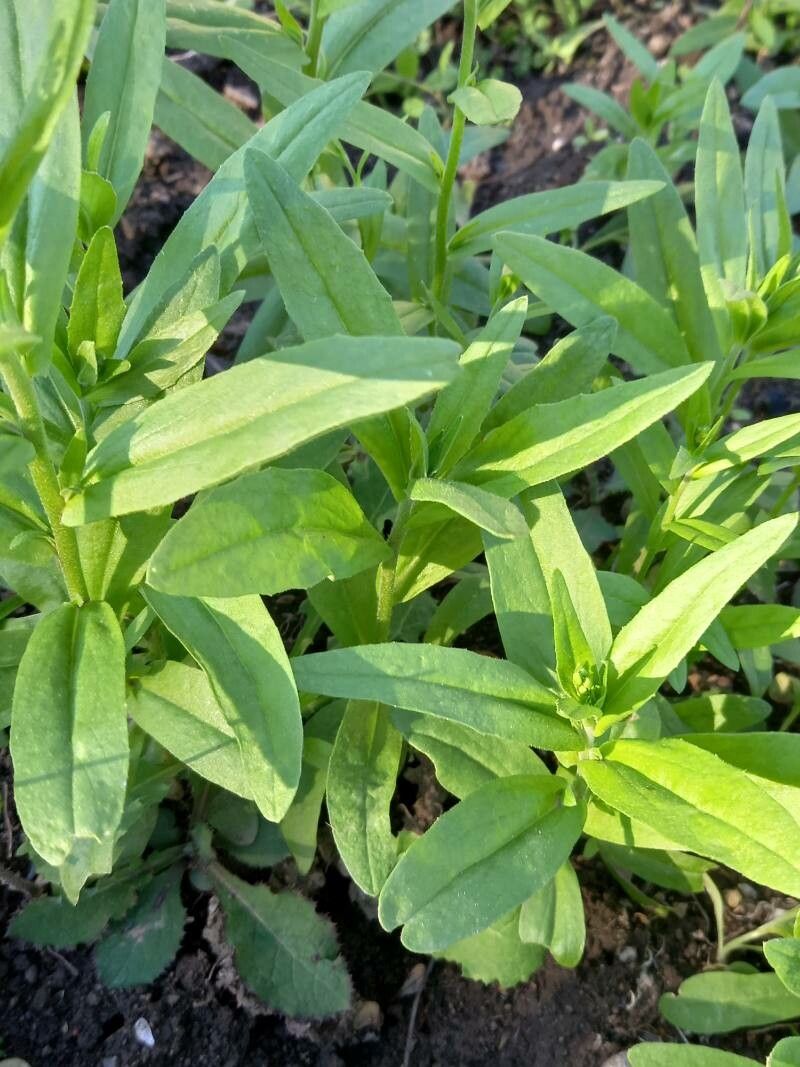
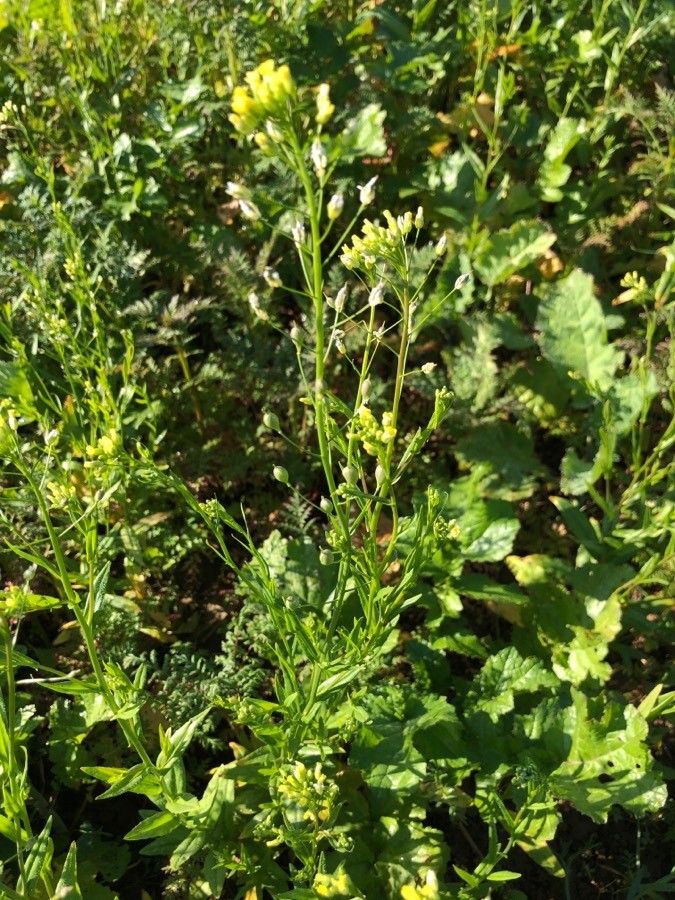
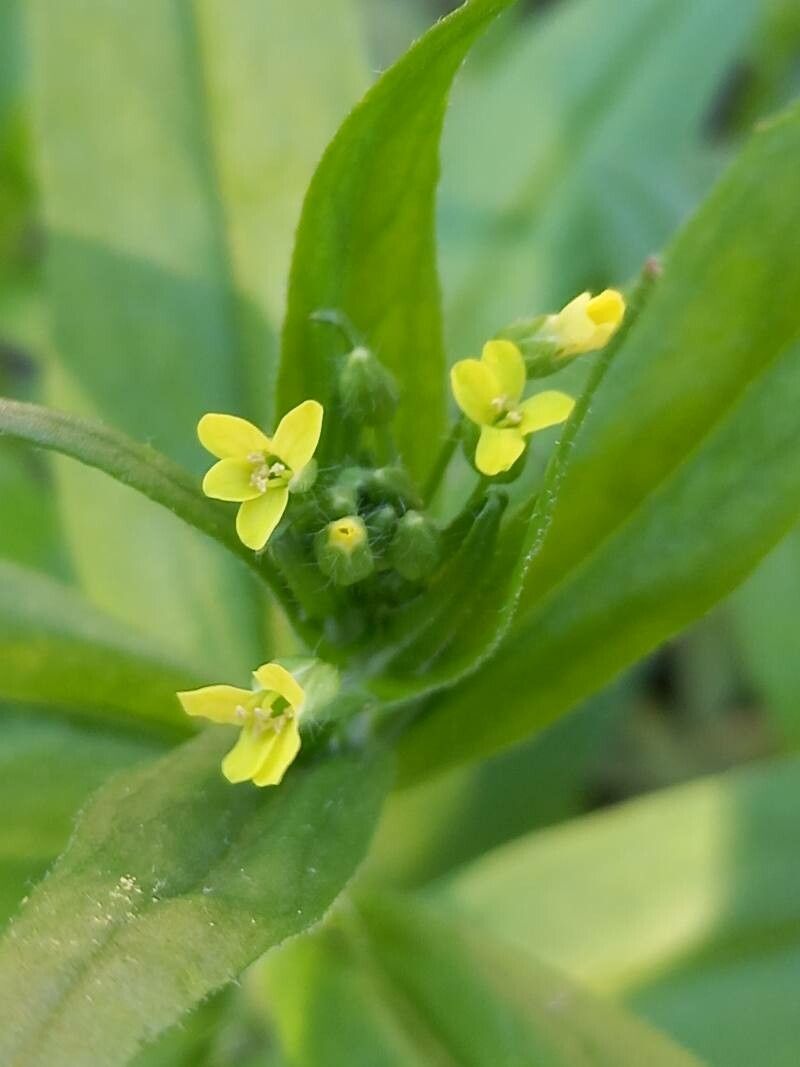
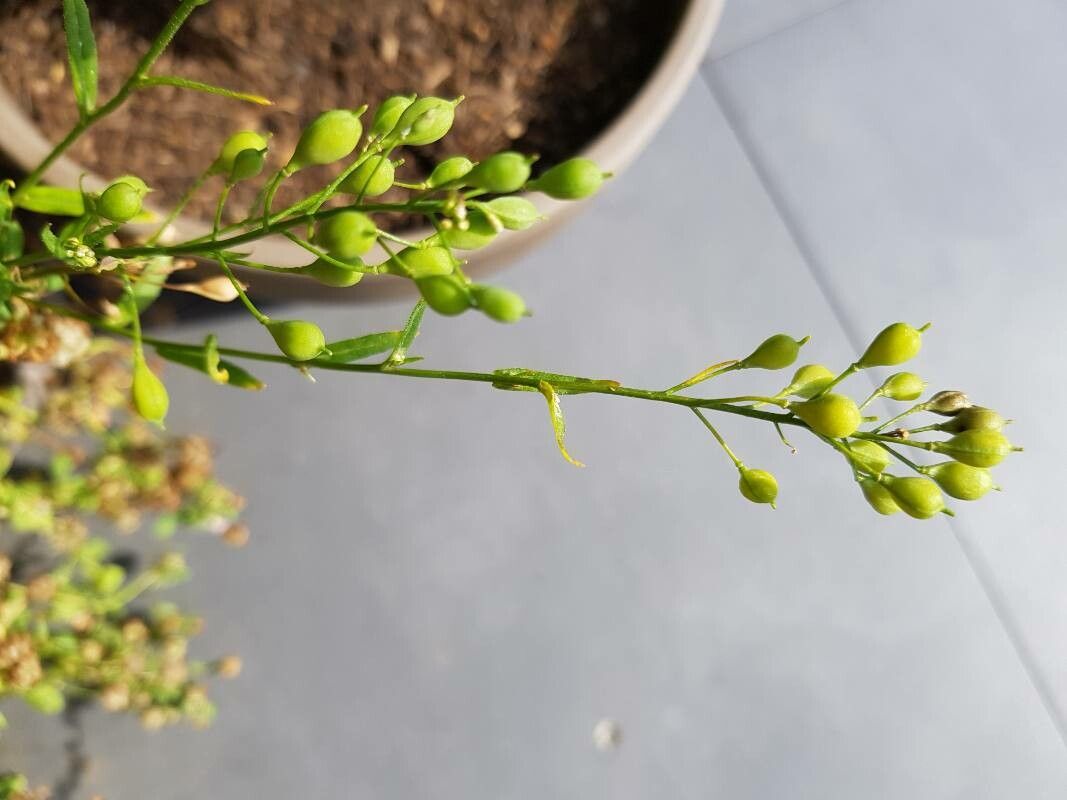
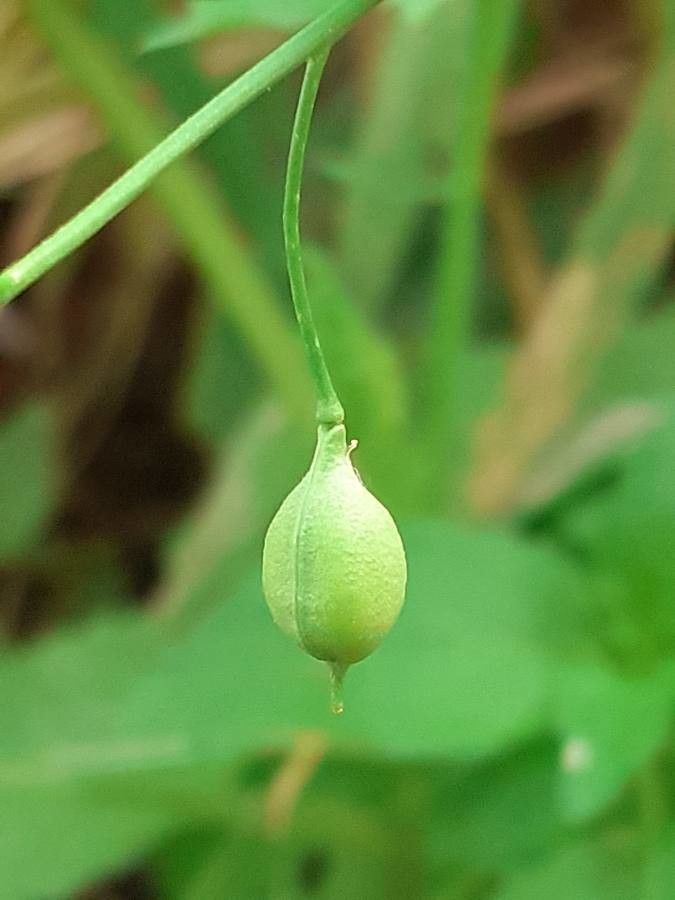
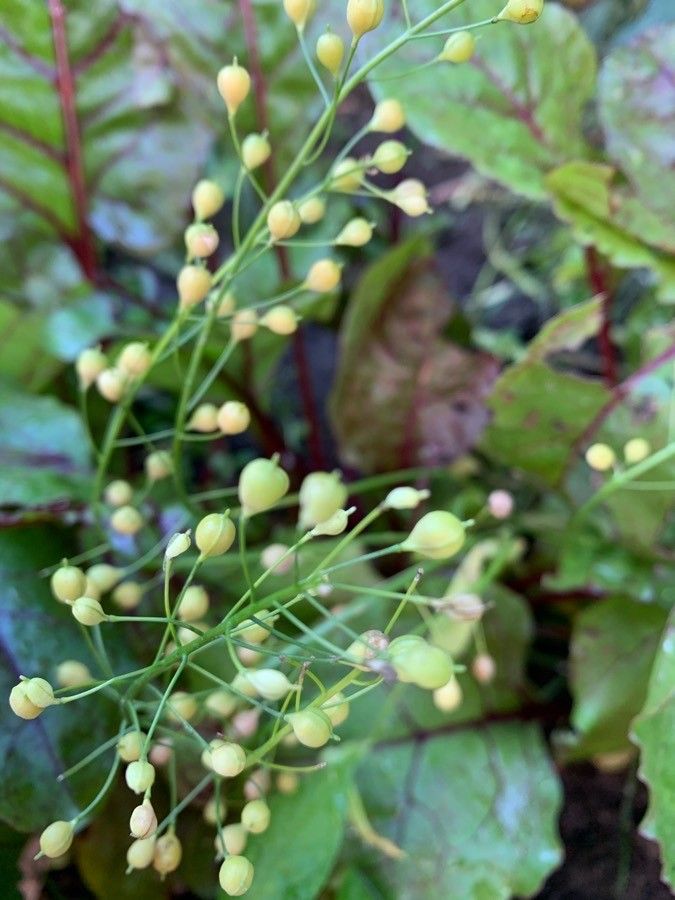
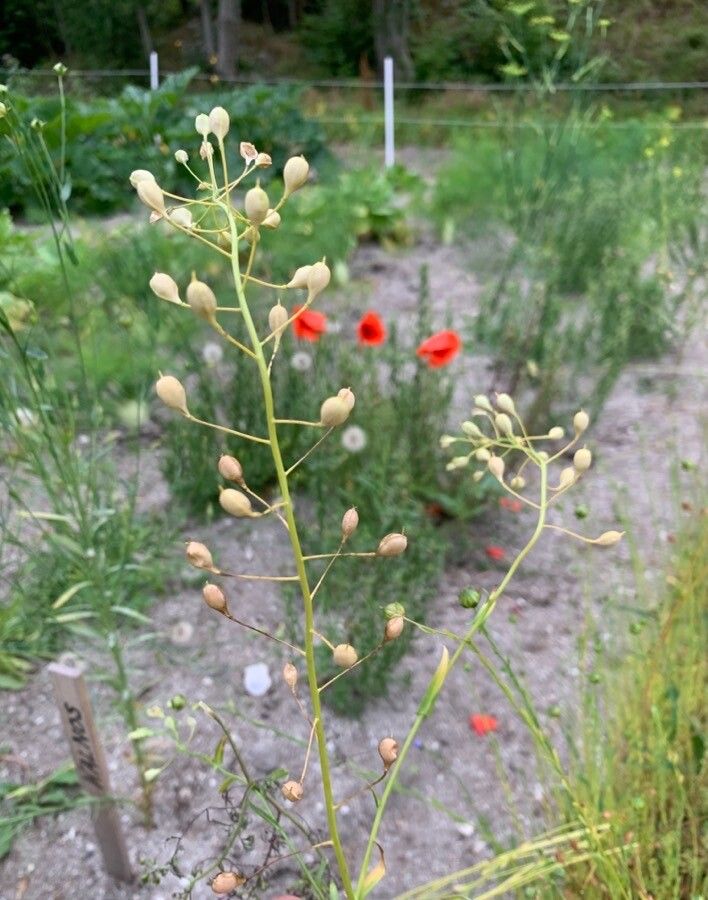
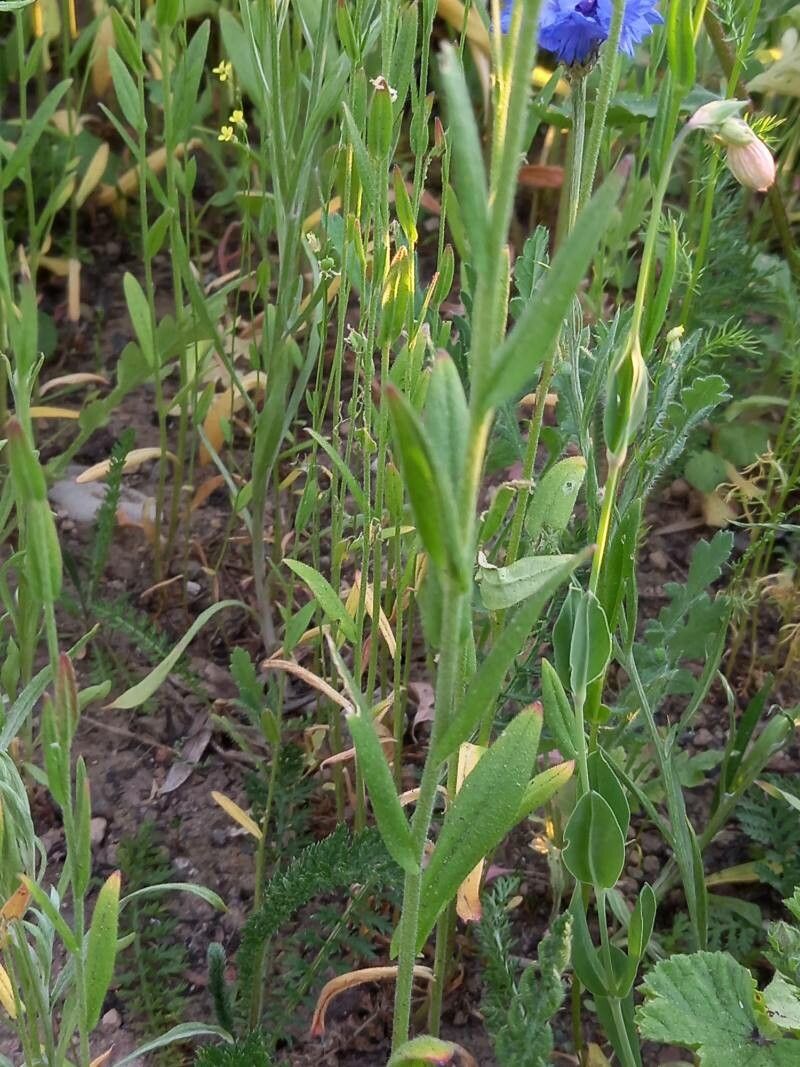
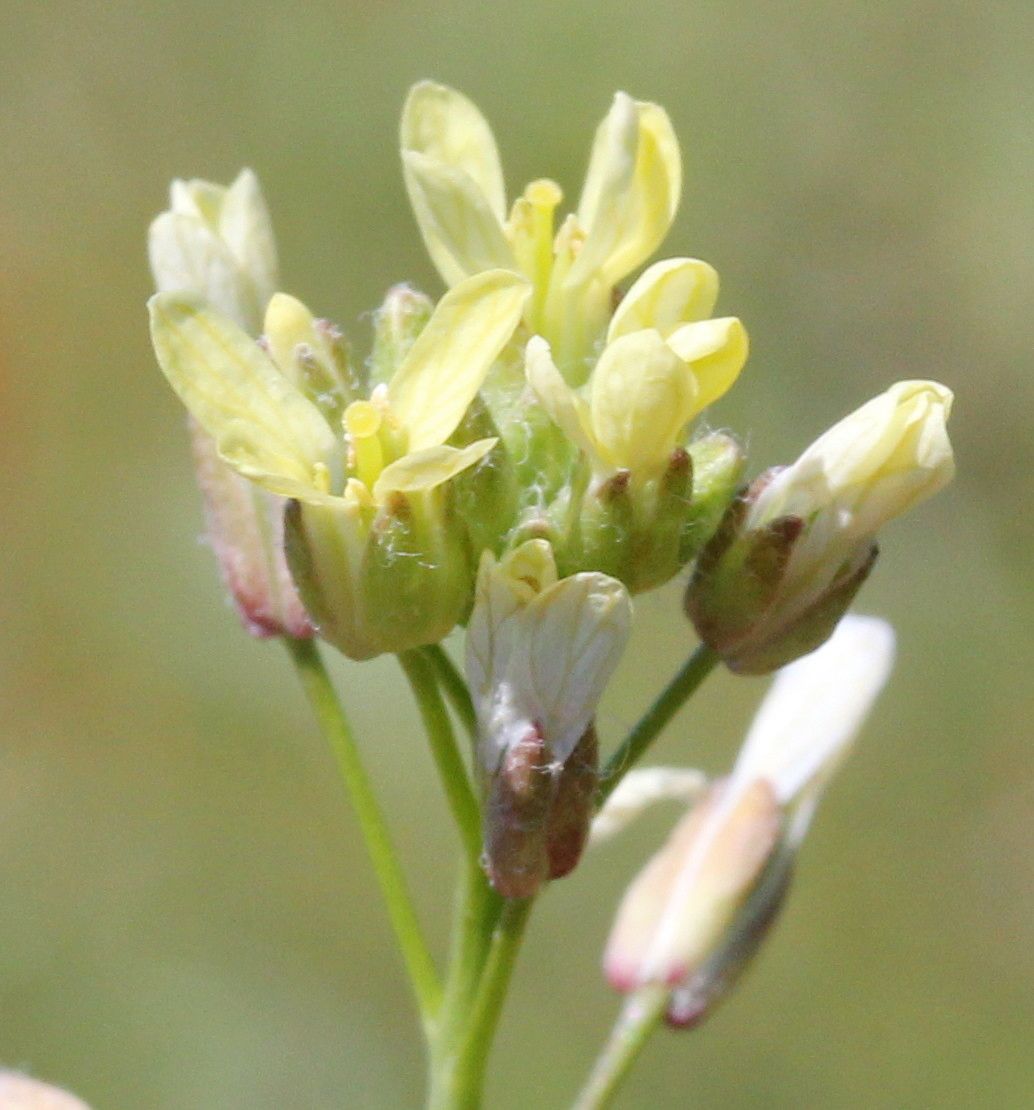
Camelina sativa is a flowering plant in the family Brassicaceae and is usually known in English as camelina, gold-of-pleasure, or false flax, also occasionally wild flax, linseed dodder, German sesame, and Siberian oilseed. It is native to Europe and to Central Asian areas. This plant is cultivated as an oilseed crop mainly in Europe and in North America.
Gold of pleasure is fairly resistant to disease and is usually not prone to illnesses. However, it can be affected by pests and diseases present in its environment, and these problems are generally not serious. Regarding care, this plant requires a moderate level of maintenance. It should be pruned regularly to maintain a neat appearance and healthy growth. Fertilizing can also help encourage flowering. Gold of pleasure is well suited for anyone with outdoor space, such as a garden or patio, and does not need much experience in plant care. It may need more attention if grown indoors.
How to keep Camelina Sativa.
Light
Gold of pleasure comes from sunny, open habitats and does best in full sun. It will tolerate partial shade but prefers direct sunlight for optimal growth. This plant, which can be annual or biennial, is known for its sun-loving habit.
Water
Native to temperate regions, gold-of-pleasure thrives with moderate watering, ideally once a week. While it prefers consistent moisture, it can tolerate short dry spells. When grown outdoors, gold-of-pleasure develops deep root systems, allowing it to access subsurface water and requiring less frequent irrigation during the growing season.
Temperature
Gold of pleasure can tolerate a wide range of temperatures, but its distribution may still be constrained by different combinations of moisture and heat. It does best in warm summer climates with sufficient rainfall or watering. Extended periods of cloudy, rainy weather, as well as prolonged high temperatures, can raise the chance of Gold of pleasure dying. In winter, adequate protection from cold can increase the plant's survival rate.
Fertilizer
For best development, Gold of pleasure requires three fertilizer applications: one before planting, another one month after seedlings emerge, and a final application 1 to 1.5 months after the second. Some Gold of pleasure varieties also benefit from extra fertilizer applied at planting to encourage rapid growth.
Pruning
To ensure the optimal growth and health of Gold of Pleasure plants, it is important to prune them regularly from early to late spring. Pruning involves removing dead branches, thinning out overcrowded areas, and improving airflow. This process promotes healthy growth and increases yield. Regular pruning also enhances the plant's resistance to pests and boosts its overall vitality, in accordance with horticultural guidelines for best care practices.
Botanical profile.
- Plant Type
- Herb
- Life Cycle
- Annual, Biennial
- Genus
- Camelina
- Family
- Brassicaceae
- Hardiness Zone
- 4-8
- Mature Height
- 0.3 m to 1.07 m
- Mature Spread
- 20 cm to 40 cm
- Leaf Color
- Green
- Leaf Type
- Semi-evergreen
- Flower Color
- Yellow
- Flower Size
- 0.51 cm to 0.51 cm
- Bloom Time
- Mid spring, Late spring, Early summer
- Planting Time
- Spring, Summer
- Harvest Time
- Summer
- Native Area
- Turkey, Austria, Sweden, Slovakia, Montenegro, Croatia, Slovenia, Belarus, Russia, Germany, Koppen, Romania, Belgium, France, Netherlands, Tajikistan, Czech Republic, Bulgaria, Armenia, Poland, Greece, Ukraine, Serbia, China, Norway, Italy, Kazakhstan, Spain, Switzerland, Denmark, Mongolia, Finland, Iran, Azerbaijan, United Kingdom, Hungary
Other names.