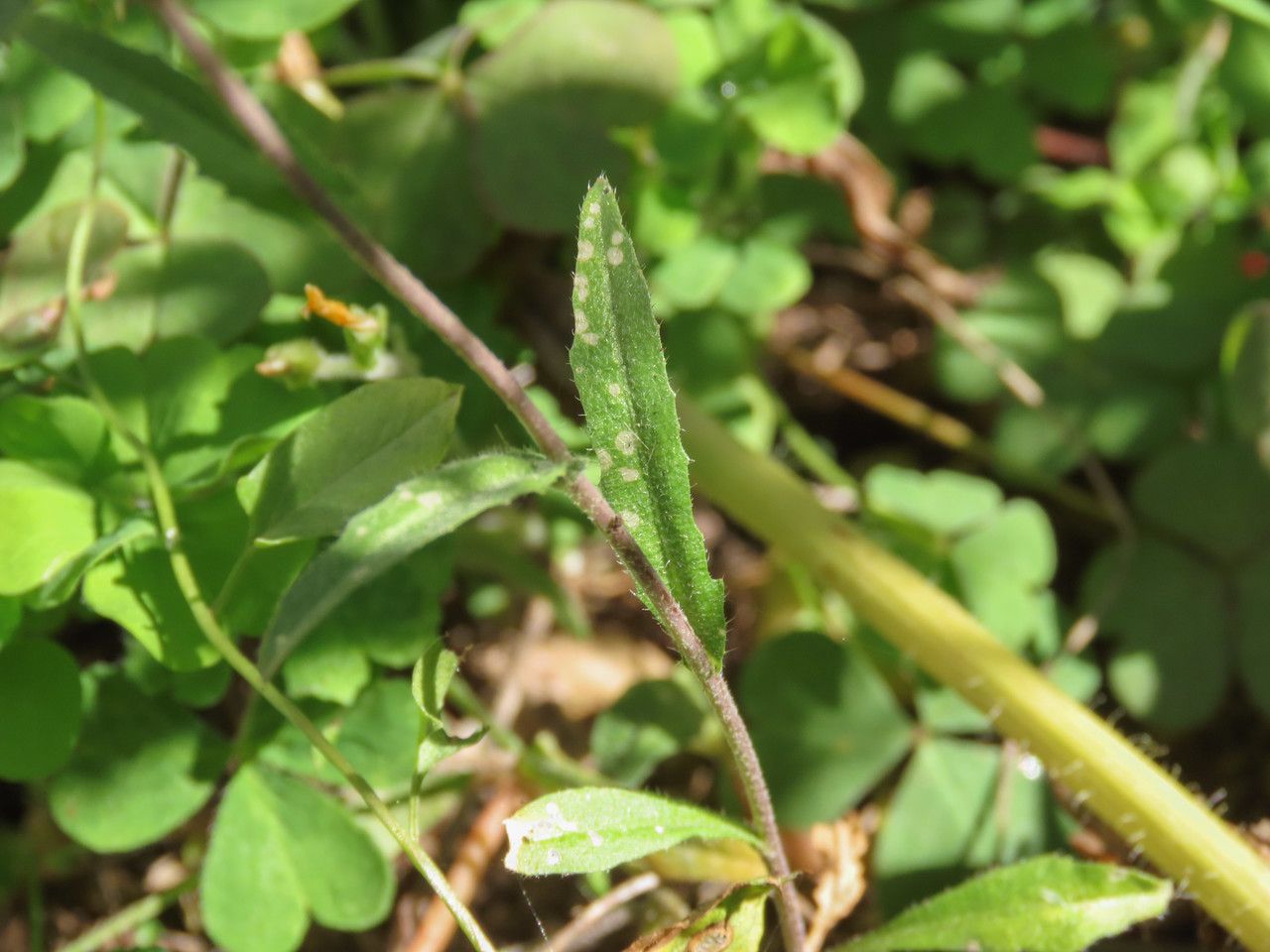
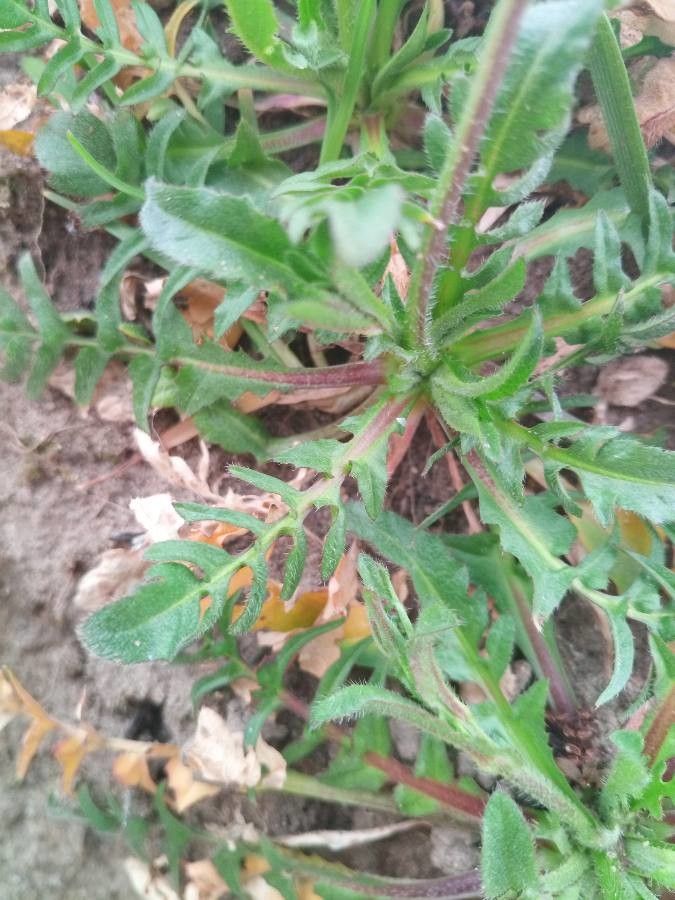
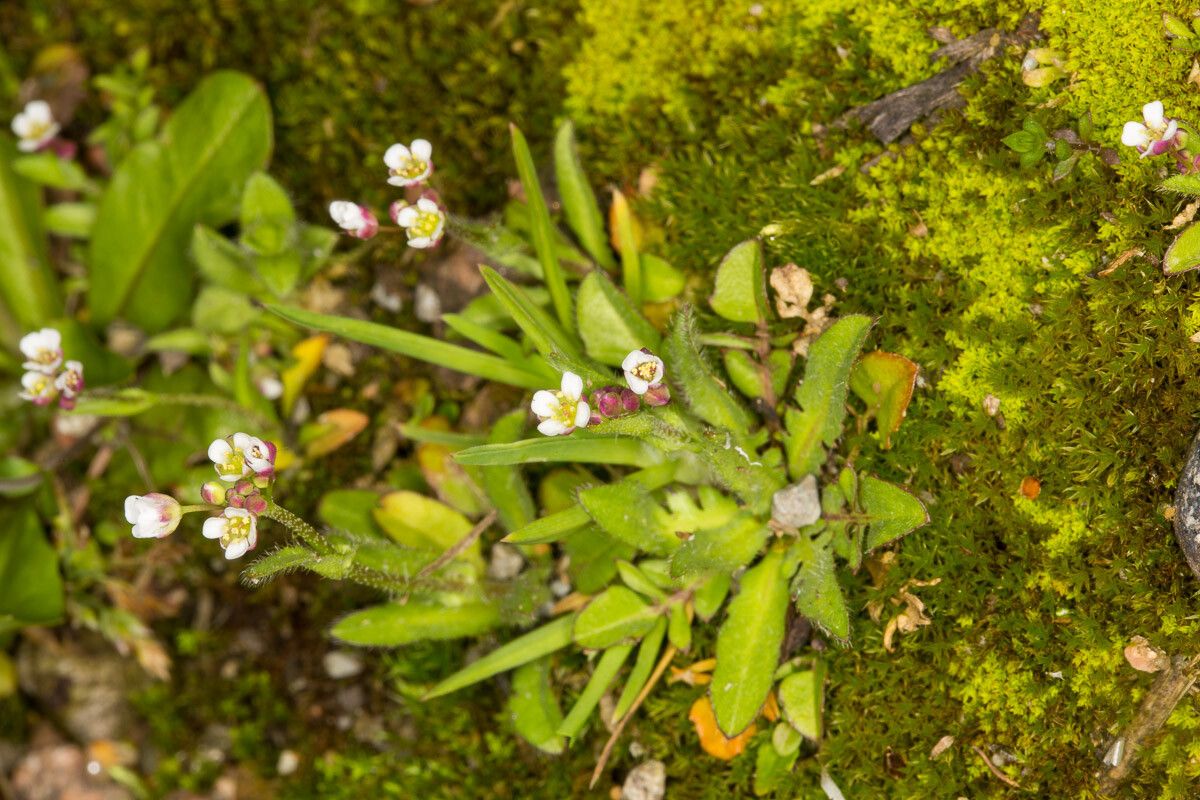
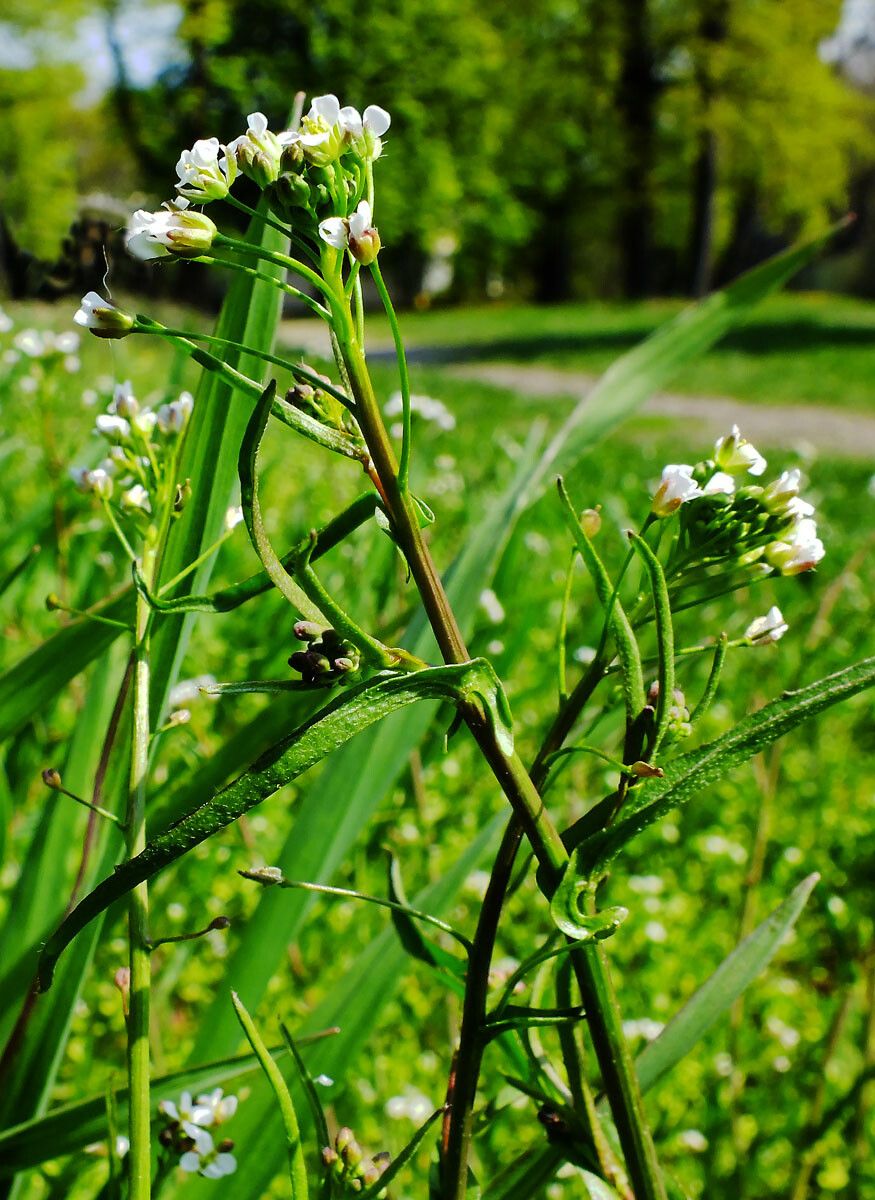
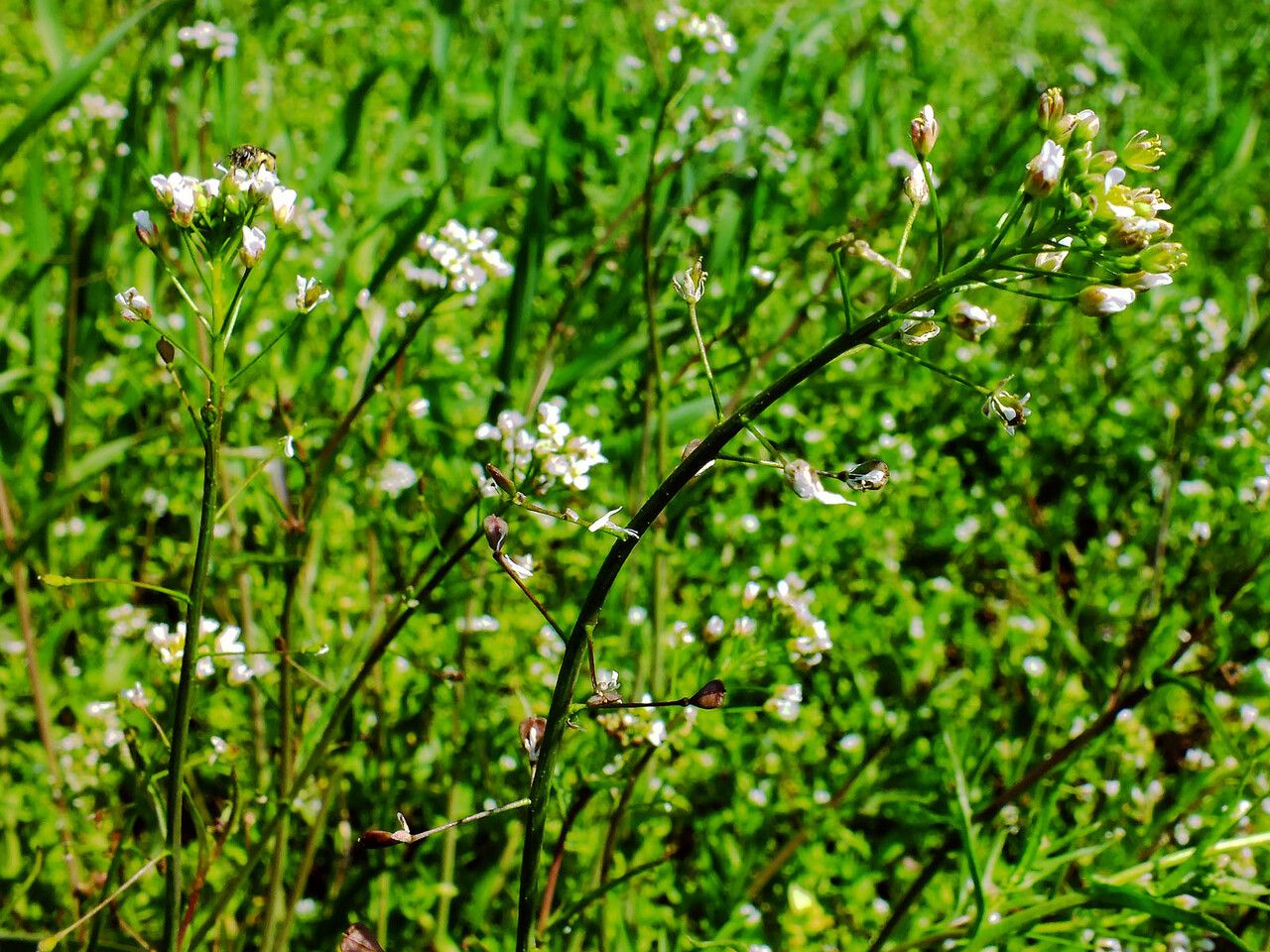
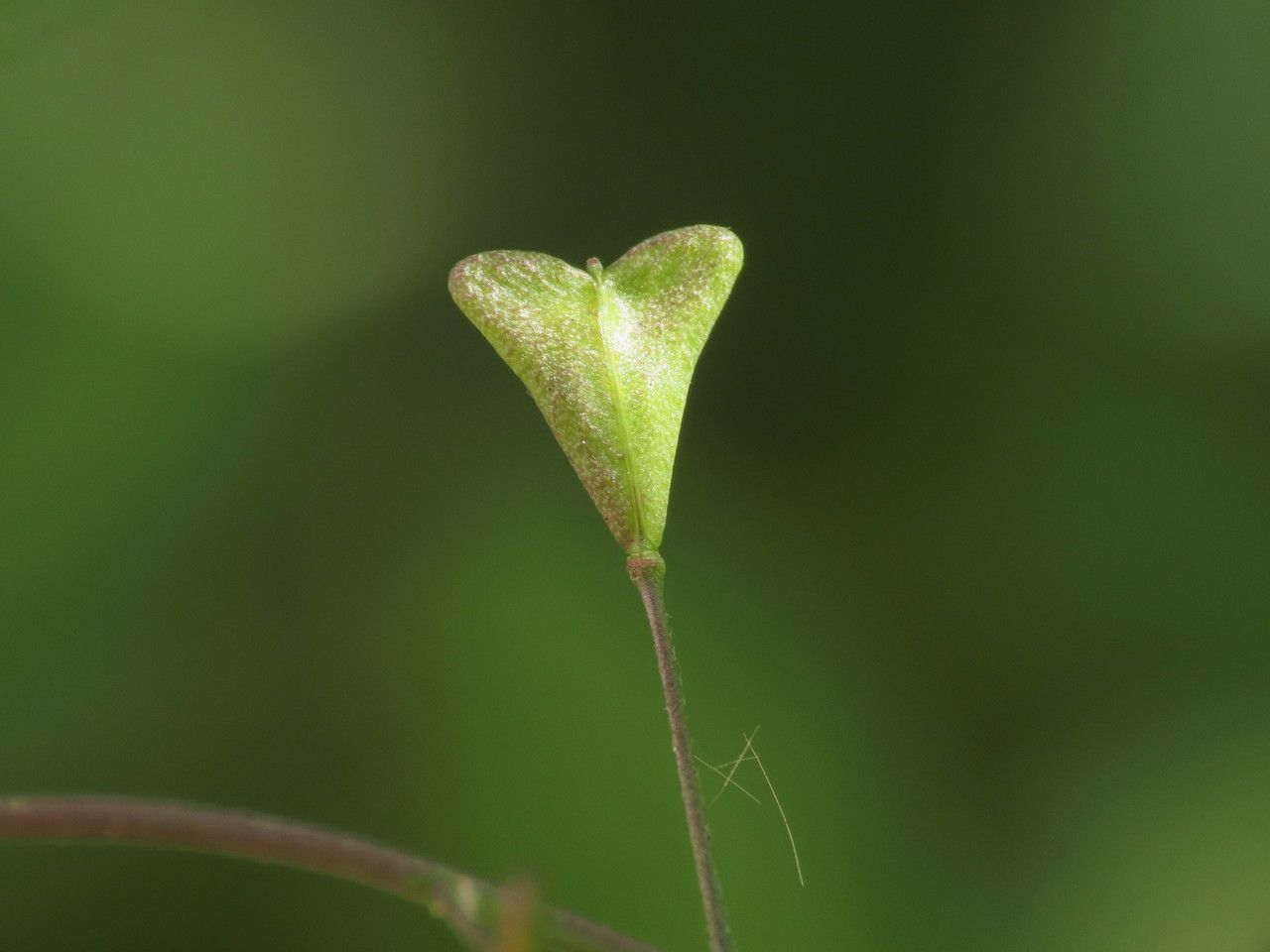
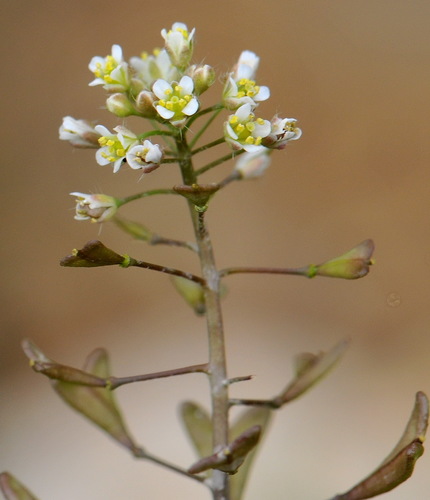
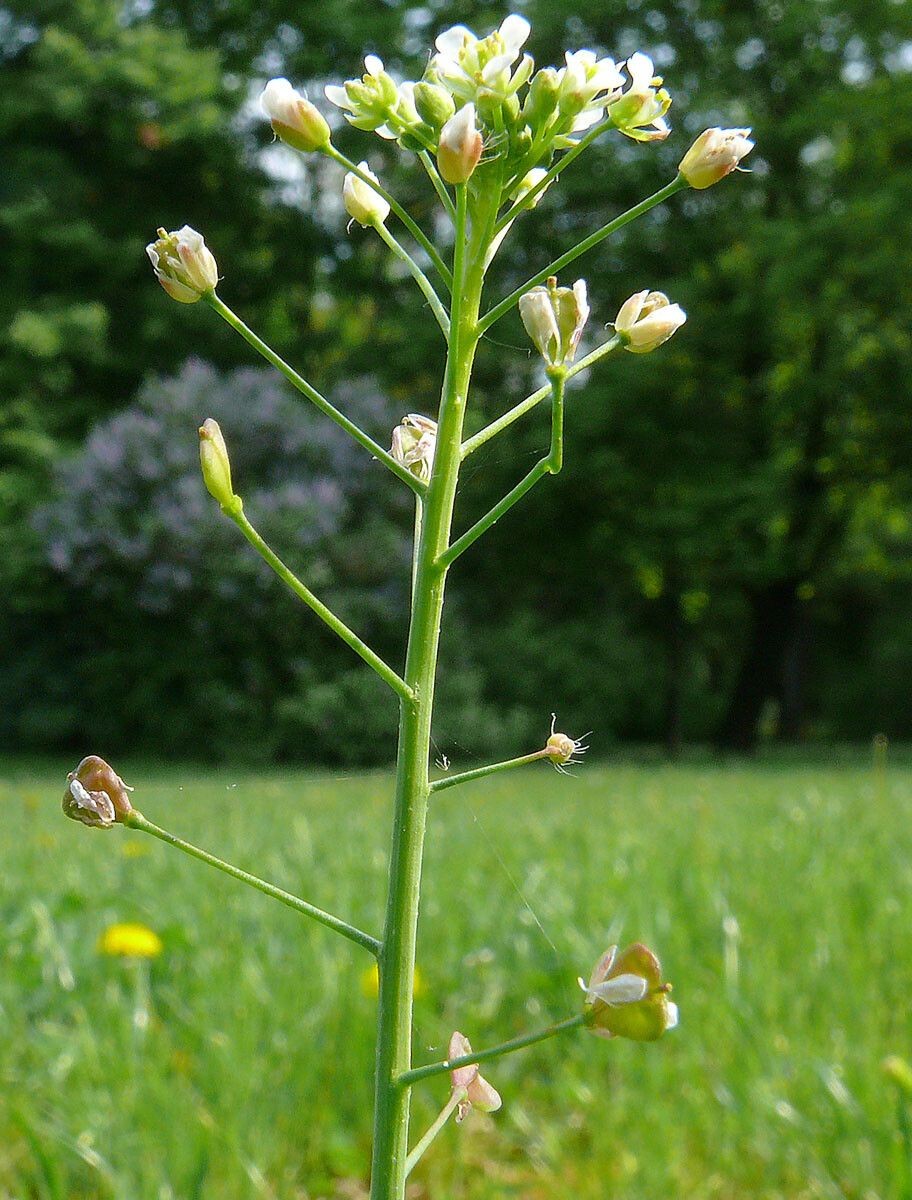
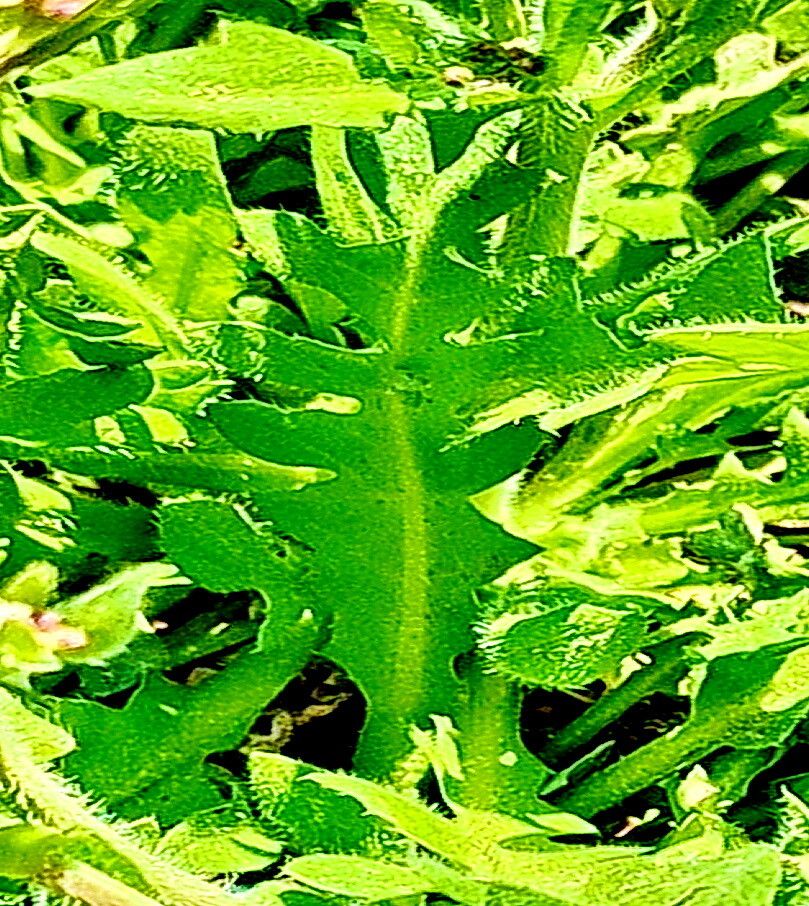
Capsella rubella, the pink shepherd's-purse, is a plant species in the genus Capsella, a very close relative of Arabidopsis thaliana and a member of the mustard family, Brassicaceae. It has a very similar appearance to Capsella bursa-pastoris, but C. rubella has a diploid genome, whereas C. bursa-pastoris is tetraploid. Capsella rubella is used as a model plant to study the evolution of self-incompatibility into self-compatibility in plant reproduction. The species is found mostly in Mediterranean region. Separation of this species from its closest ancestor is predicted to have happened around 30,000 to 50,000 years ago.
Pink shepherd's purse is fairly resistant to disease and generally not prone to illnesses. However, it can be vulnerable to pests and diseases present in its surroundings. These infections are usually mild. For care, this plant requires moderate maintenance. It should be pruned regularly to preserve a neat appearance and support healthy growth. Fertilizing can also help encourage flowering. Pink shepherd's purse is suitable for anyone with outdoor space, such as a garden or patio, and does not demand extensive care experience. It may need more attention when grown indoors.
How to keep Capsella Rubella.
Light
Pink shepherd's purse comes from bright, open habitats where it flourishes in full sun. It can tolerate partial sun but favors direct sunlight for the best growth. This annual and biennial plant is recognized for its sun-loving habit.
Water
Pink shepherd's purse flourishes in moist environments and needs regular hydration, ideally with a watering schedule of twice a week. When grown indoors, maintaining higher humidity levels helps recreate its natural habitat, encouraging lush foliage and overall health.
Temperature
Pink shepherd's purse can adjust to a wide range of temperatures, but its distribution may still be constrained by particular combinations of moisture and heat. It performs best in warm summer conditions with sufficient rainfall or watering. Extended periods of cloudy, rainy weather or prolonged high temperatures increase the likelihood of the plant dying. In winter, appropriate protection from cold can improve its chances of survival.
Fertilizer
Pink shepherd's purse benefits from regular, light applications of fertilizer to encourage healthy leaf development. Fertilize Pink shepherd's purse about once a month during the summer. Nitrogen is important for foliage, and providing nitrogen-rich sources helps Pink shepherd's purse thrive.
Pruning
The pink shepherd's purse is characterized by a rosette of basal leaves and small white flowers. To encourage healthy growth and more blooms, prune the plant from early to late spring. Regularly removing spent flowers helps maintain its appearance and control its spread. For optimal results, align these actions with the plant's active growth phases.
Botanical profile.
- Plant Type
- Herb
- Life Cycle
- Annual
- Genus
- Capsella
- Family
- Brassicaceae
- Hardiness Zone
- 5-9
- Mature Height
- 20 cm to 40 cm
- Mature Spread
- 10 cm to 20 cm
- Leaf Color
- Green, Dark Green
- Leaf Type
- Semi-evergreen
- Flower Color
- White
- Flower Size
- 0.20 cm to 0.25 cm
- Bloom Time
- All year round
- Planting Time
- Spring
- Harvest Time
- All year round
- Native Area
- Libya, Turkey, Tunisia, Cyprus, Croatia, Slovenia, Morocco, Ukraine, Lebanon, Russia, Serbia, Syria, Italy, Spain, Switzerland, France, Albania, Ethiopia, United Kingdom, Hungary, Algeria, Portugal
Other names.