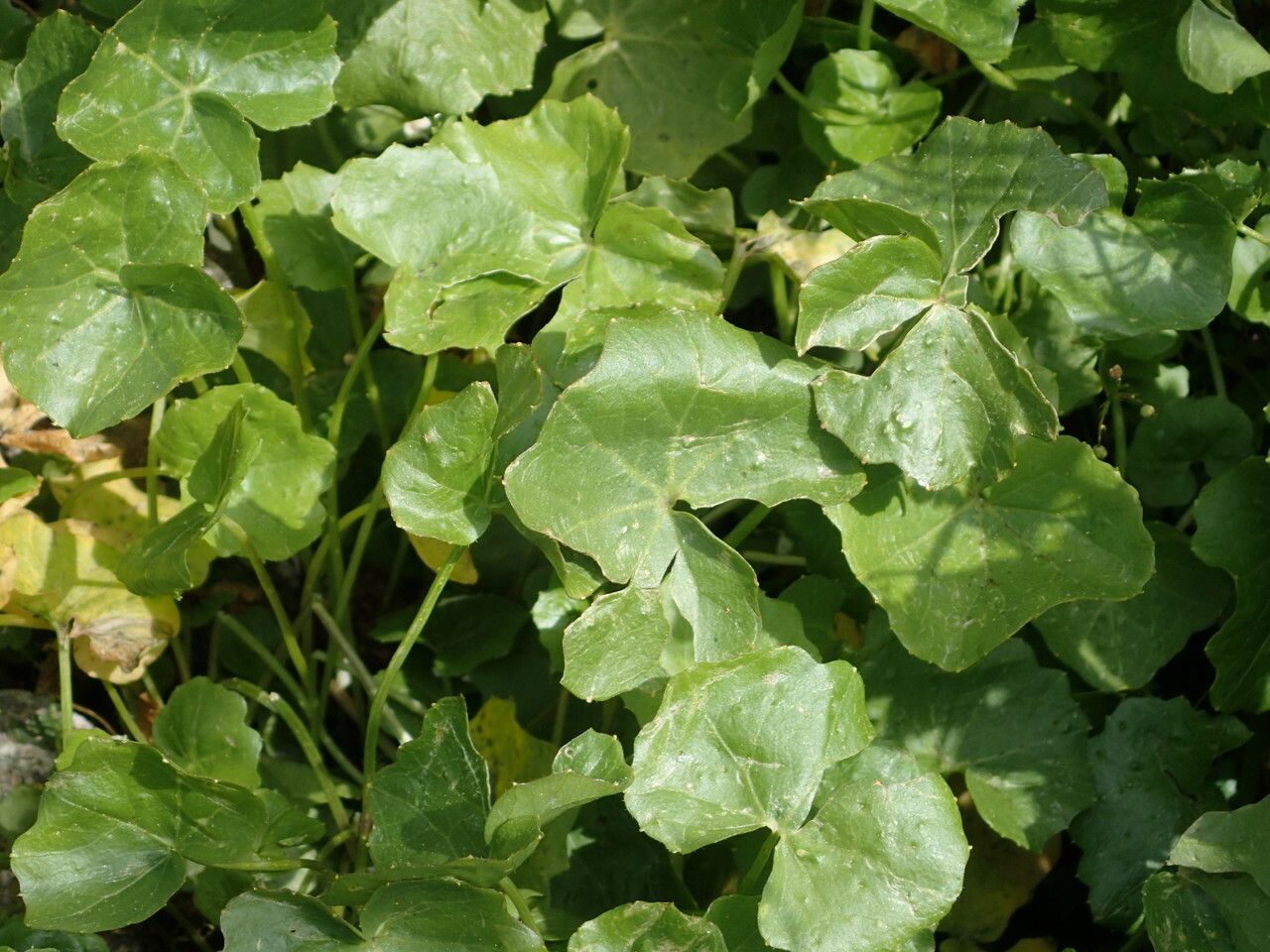
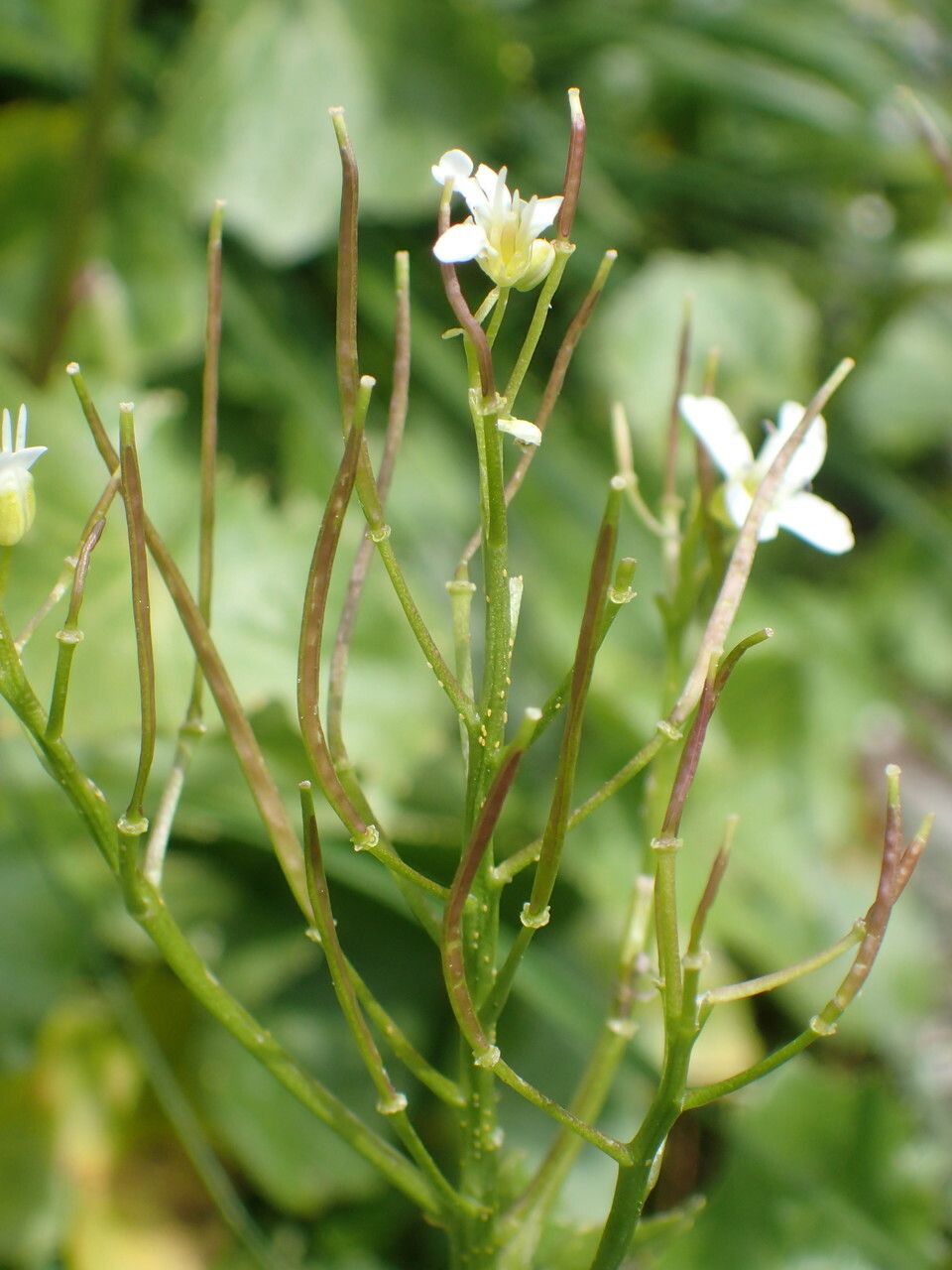
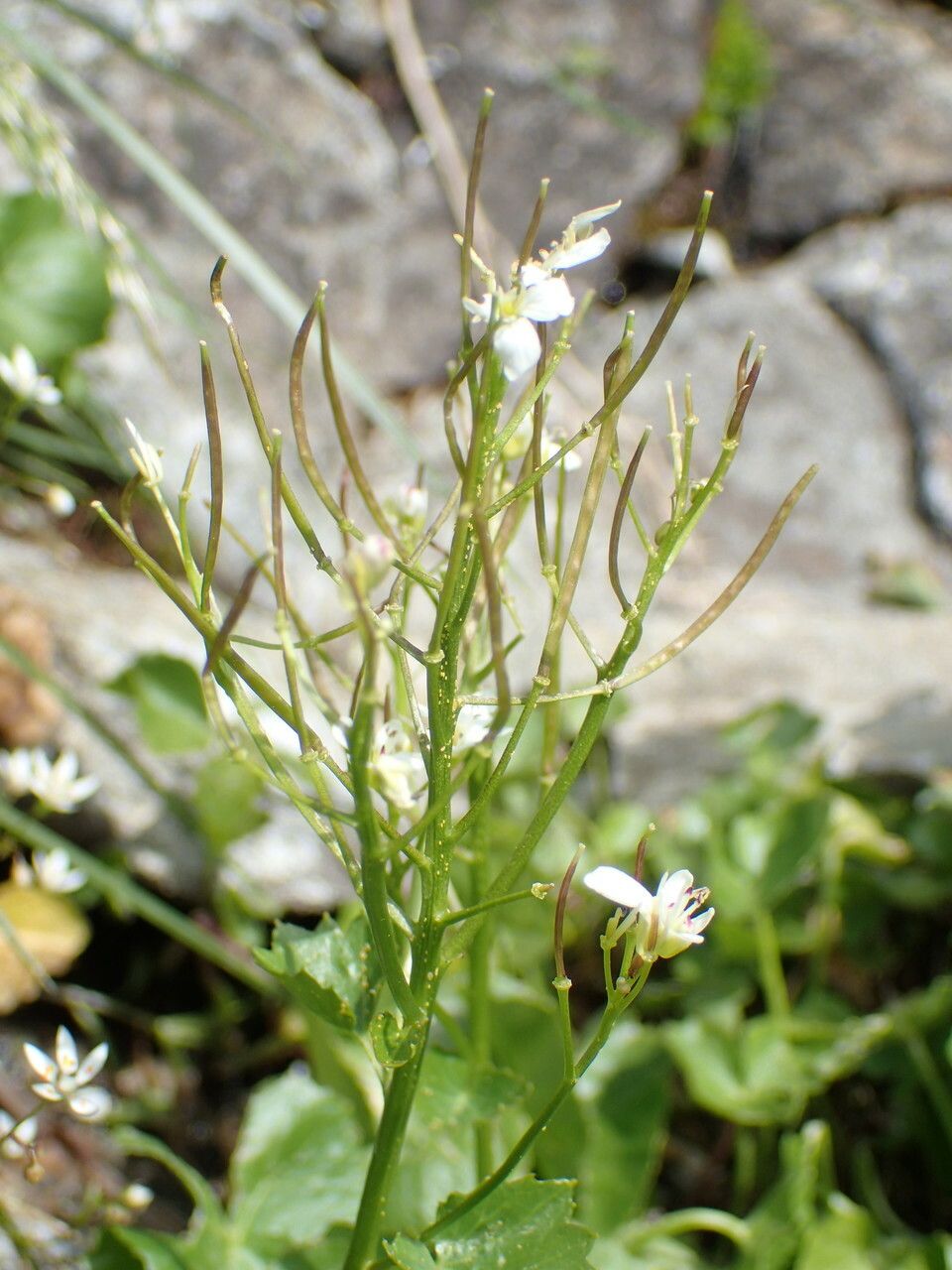
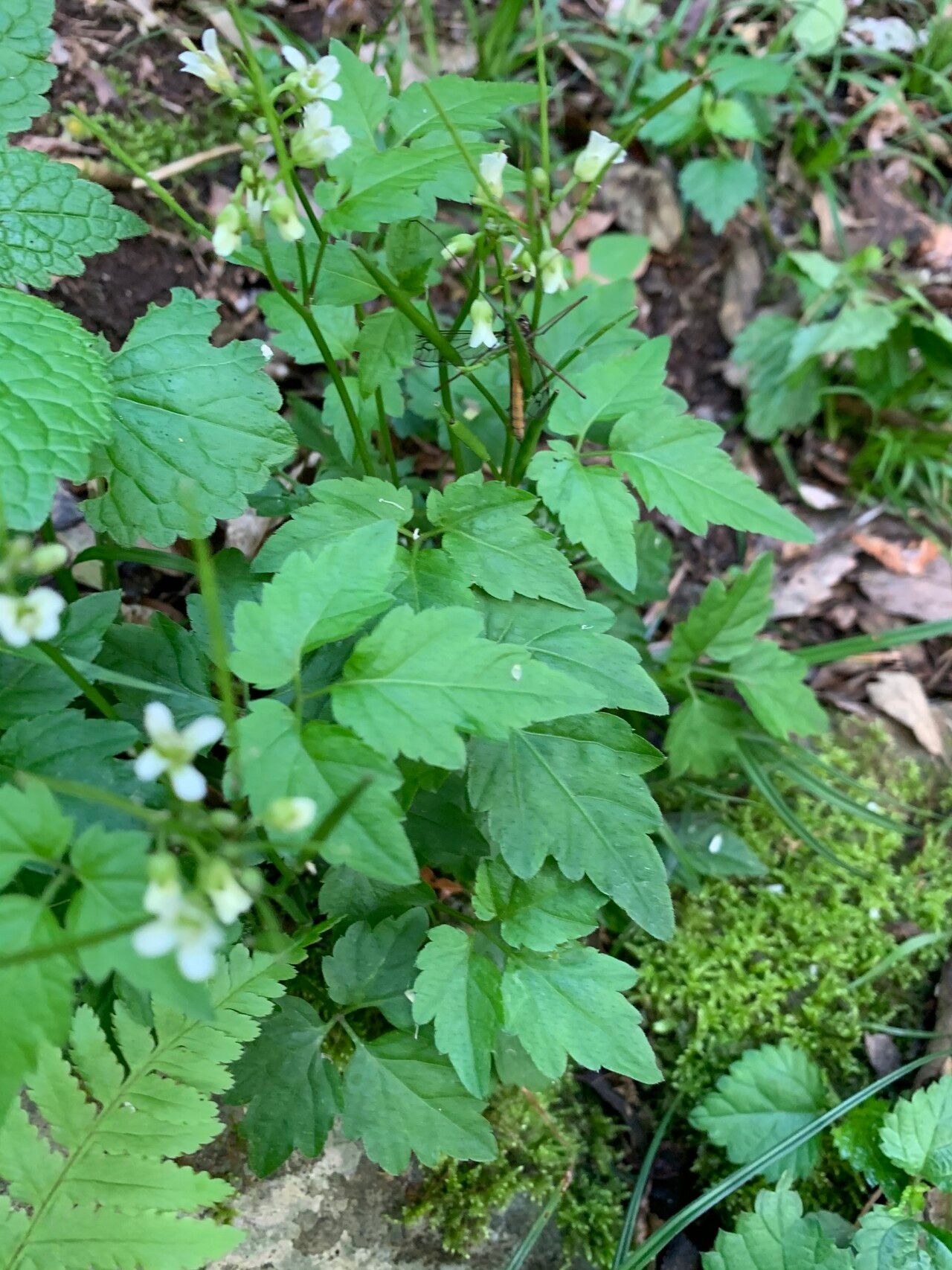
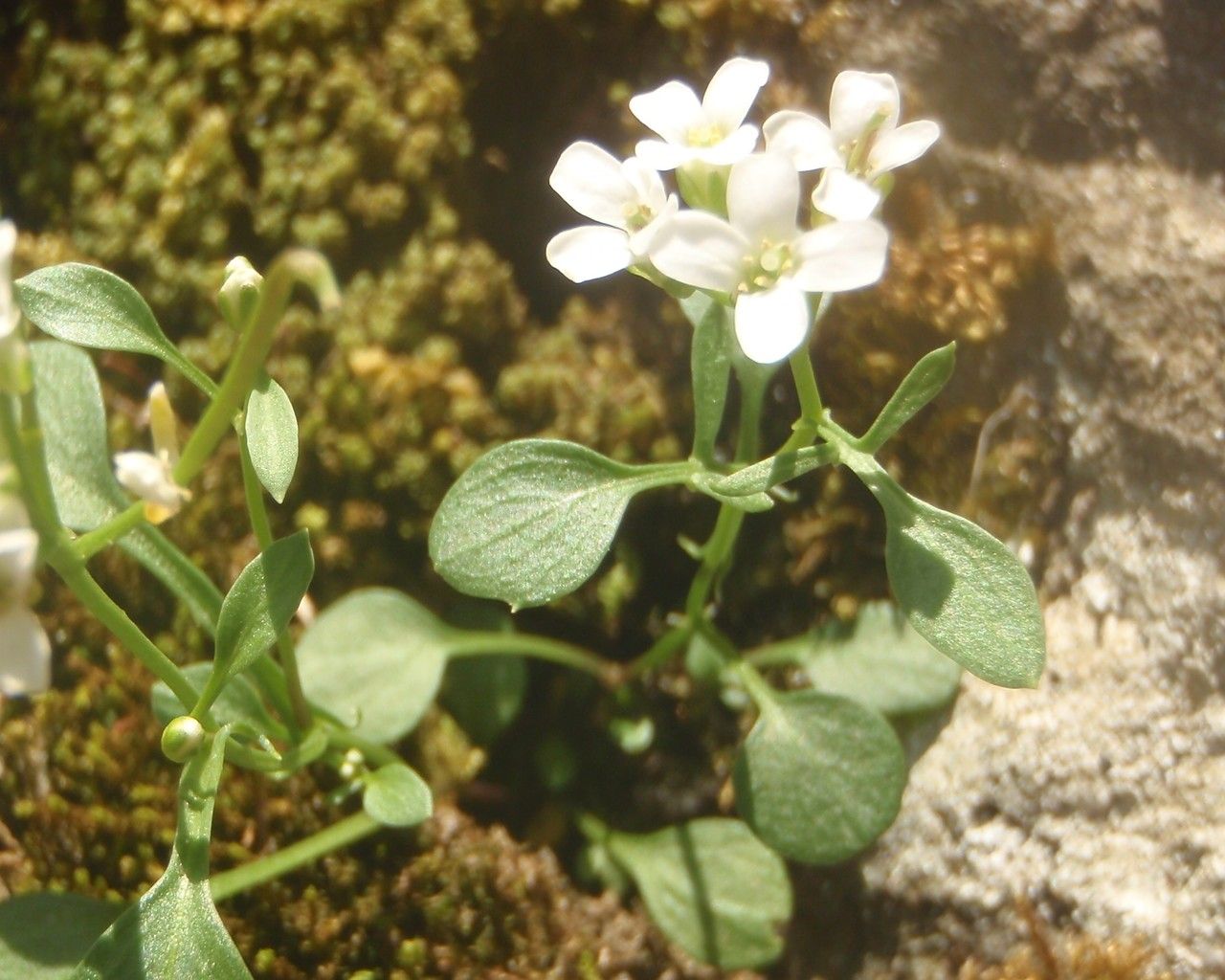
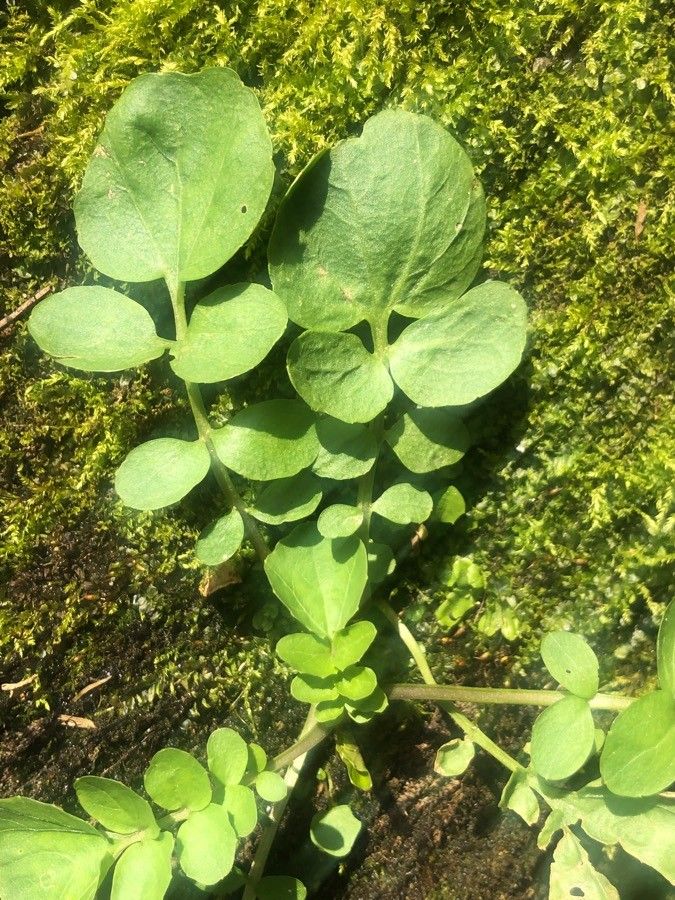
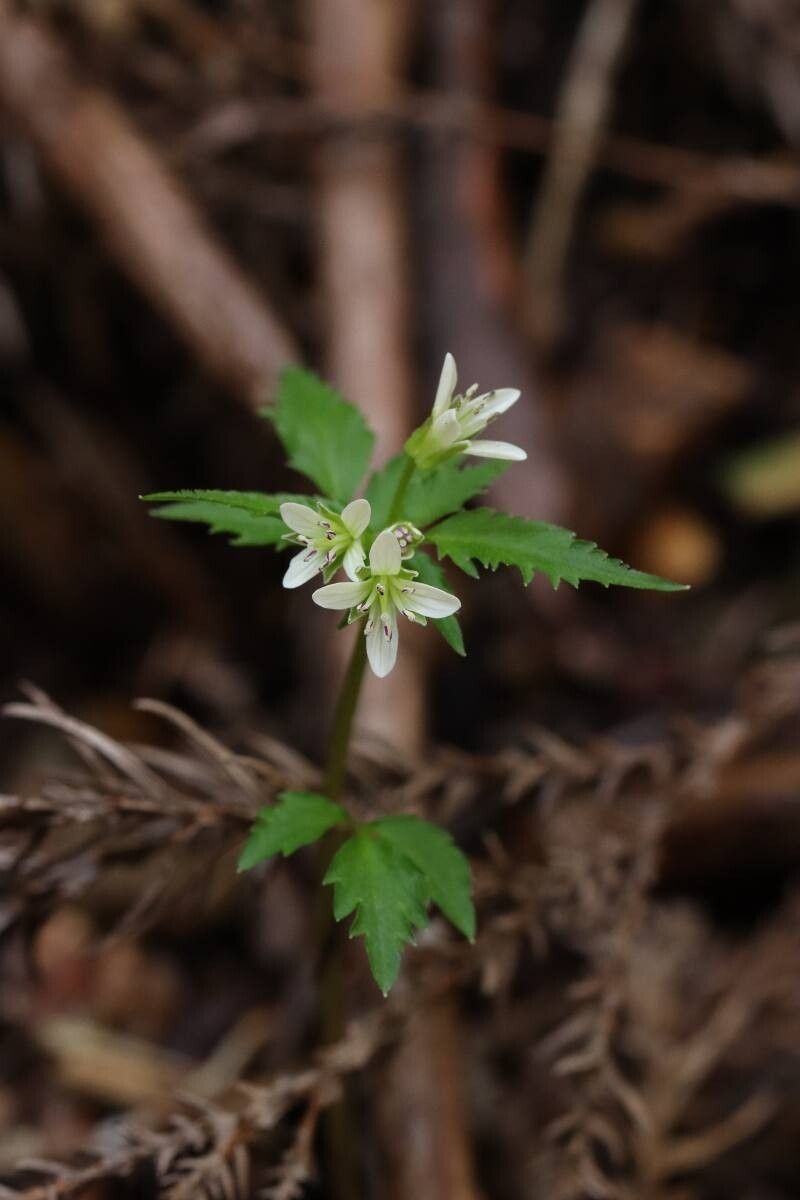
Asarum-leaved bittercress has good disease resistance and is generally not prone to diseases. However, it can be vulnerable to pests and diseases present in its environment. These infections are typically mild. Regarding care, this plant needs moderate maintenance. It should be pruned regularly to preserve a tidy appearance and promote healthy growth. Applying fertilizer can also encourage flowering. Asarum-leaved bittercress is well suited to anyone with outdoor space, such as a garden or patio, and does not demand extensive plant-care experience. It may need more attention if grown indoors.
How to keep Cardamine Asarifolia.
Light
Asarum-leaved bittercress naturally occurs in habitats like forest understories and rocky areas, which are typically shaded. It prefers partial sun but can tolerate full sun or full shade, showing its versatility and hardiness.
Water
Asarum-leaved bittercress, native to shaded forest floors, thrives in environments with consistently moist conditions. It prefers soil that is evenly moist and benefits from high humidity, needing a weekly watering schedule. It's important to avoid letting the plant dry out or become oversaturated. When cultivated outdoors, mulching can help retain moisture to better mimic the conditions of its natural habitat.
Temperature
Asarum-leaved bittercress can tolerate a wide range of temperatures, but its distribution may still be restricted by different combinations of moisture and heat. It performs best in warm summer conditions with sufficient rainfall or watering. Long stretches of cloudy, rainy weather or prolonged high temperatures increase the chance of Asarum-leaved bittercress dying. In winter, adequate protection from the cold can boost the plant's survival rate.
Fertilizer
Typically, a single fertilizer application in spring is enough for Asarum-leaved bittercress, although repeated feedings can boost growth to its fullest. Apply fertilizer about every one to one and a half months. Fertilizing improves the leaves’ appearance and function, helping maintain uniform color and a healthy texture. It also promotes root development and nutrient uptake for sustained plant health.
Pruning
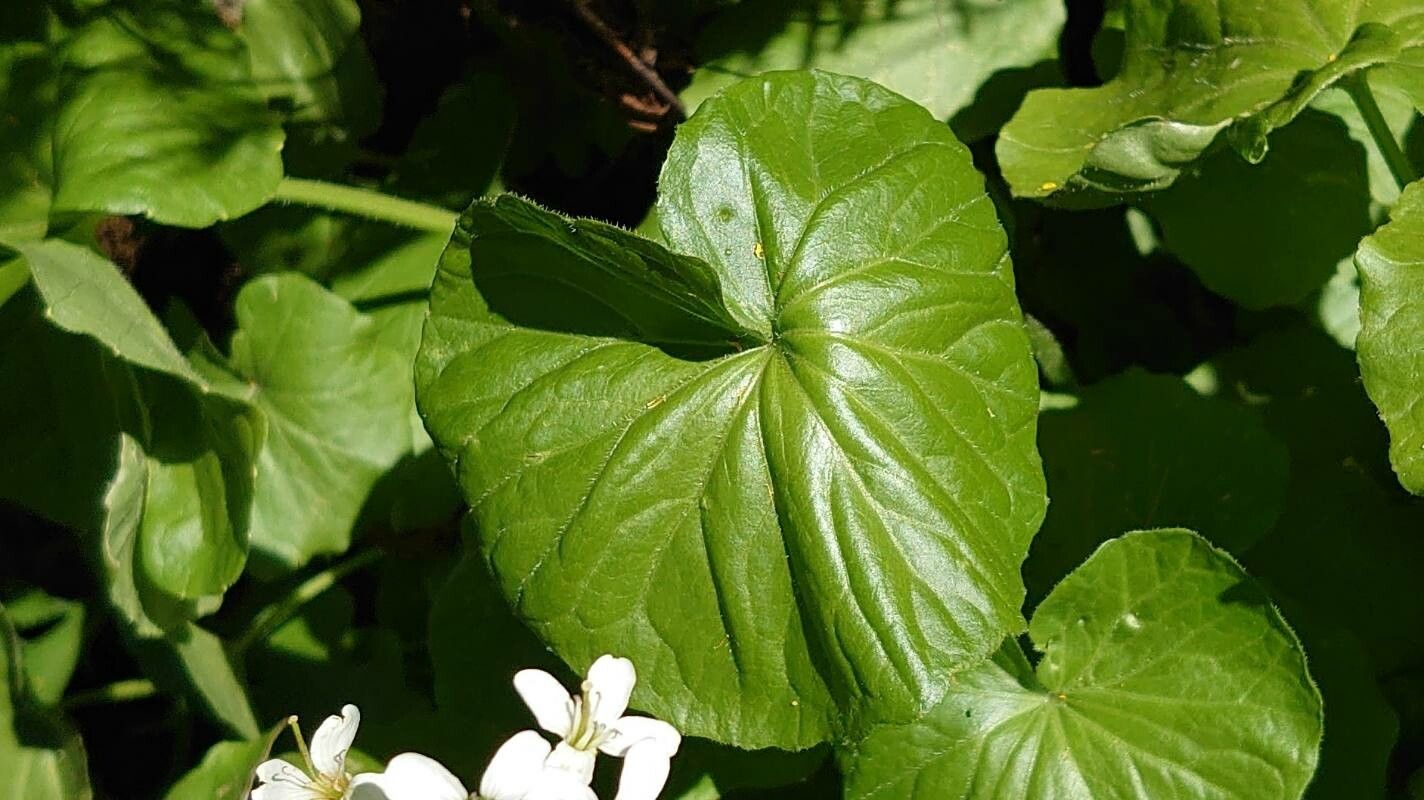
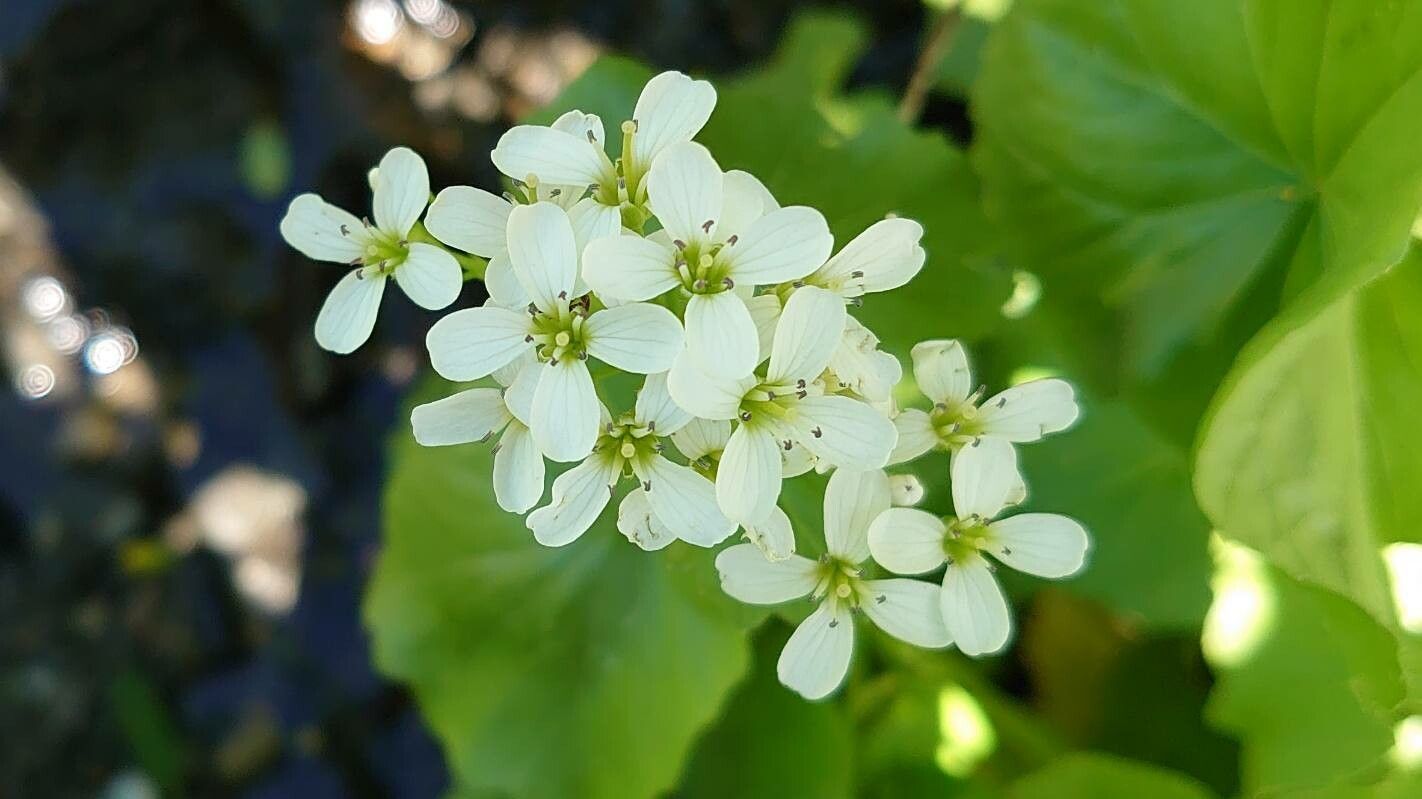
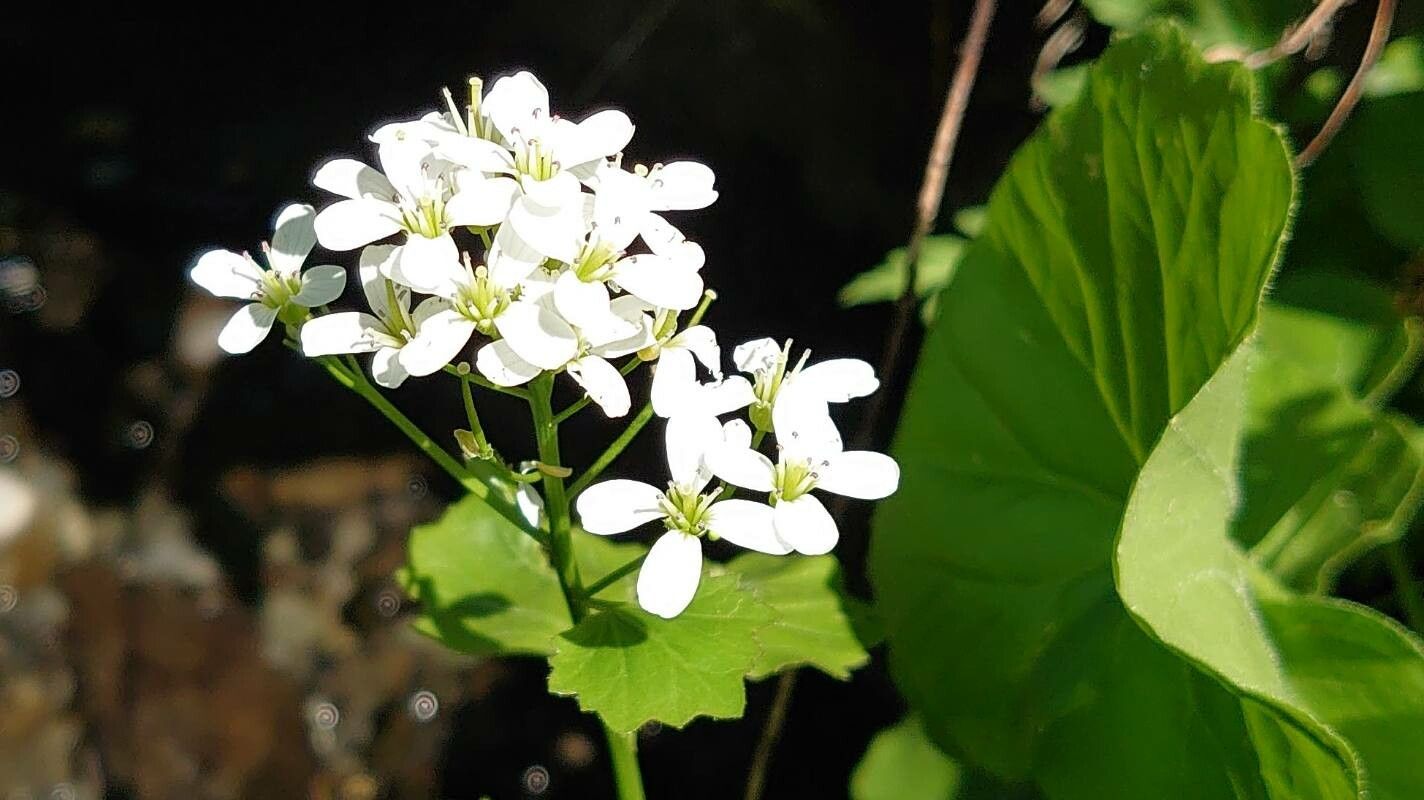
Asarum-leaved bittercress features heart-shaped leaves and delicate white flowers. Prune it from early to late spring to remove dead growth, shape the plant, and encourage blooming. Thinning the plant improves airflow, which helps prevent fungal issues. Timely pruning also promotes a tidy appearance and encourages vigorous growth.
Botanical profile.
- Plant Type
- Herb
- Life Cycle
- Perennial
- Genus
- Cardamine
- Family
- Brassicaceae
- Hardiness Zone
- 5-8
- Mature Height
- 20 cm to 40 cm
- Mature Spread
- 15 cm to 30 cm
- Leaf Color
- Dark Green
- Leaf Type
- Semi-evergreen
- Flower Color
- White
- Flower Size
- 1.02 cm to 1.52 cm
- Bloom Time
- Late spring, Early summer, Mid summer
- Planting Time
- Spring, Summer
- Harvest Time
- Mid summer, Late summer, Early fall
- Native Area
- Italy, Switzerland, France
Other names.