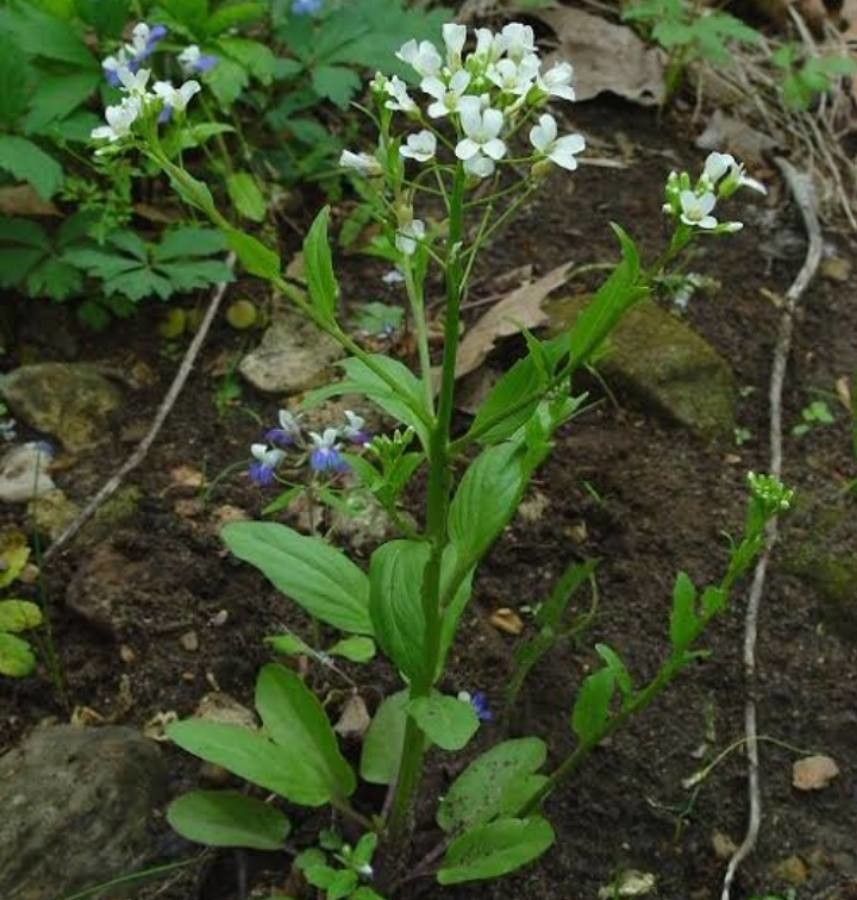
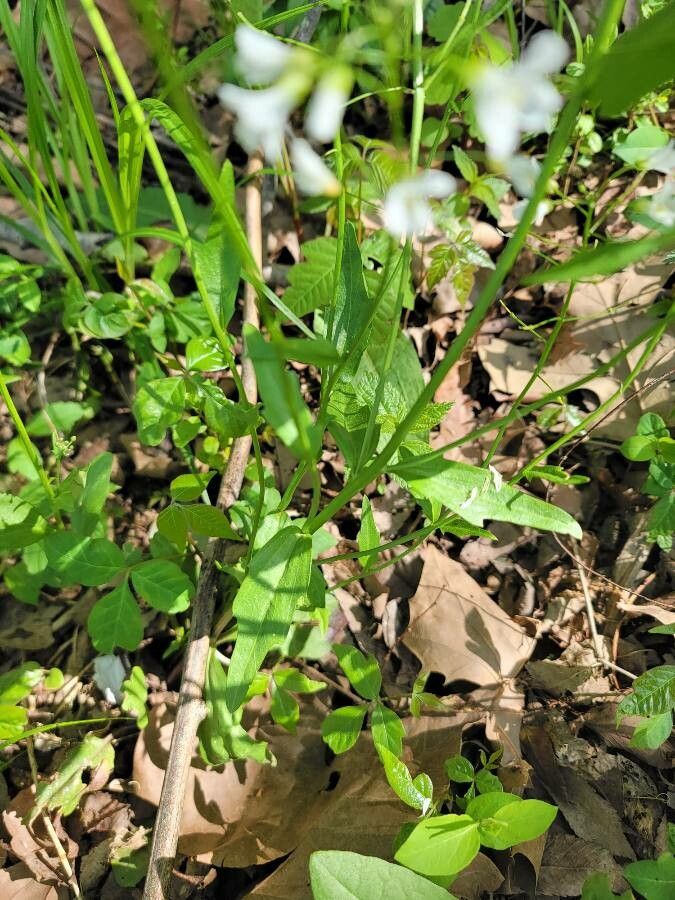
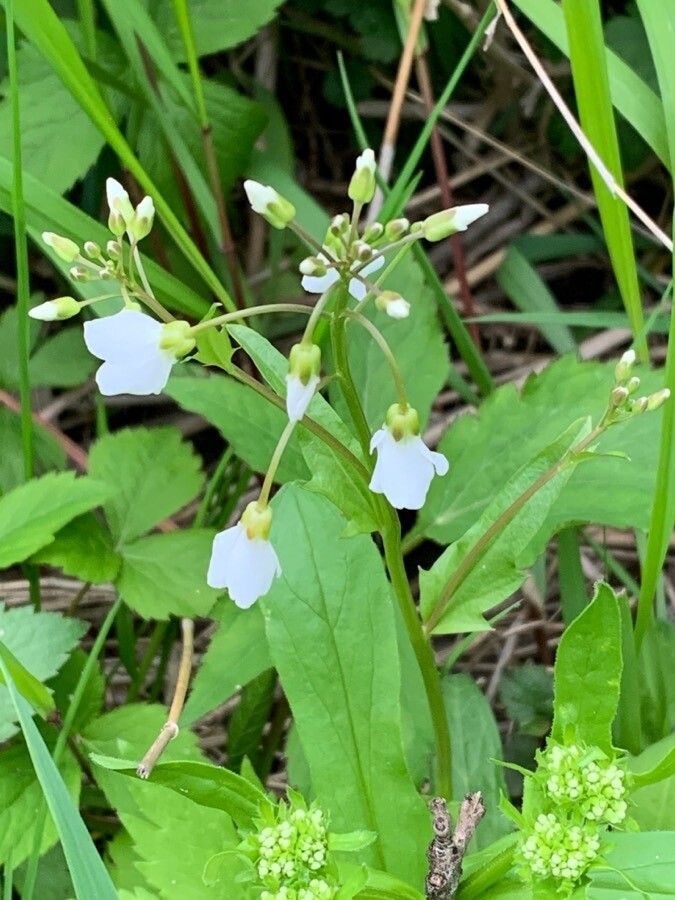
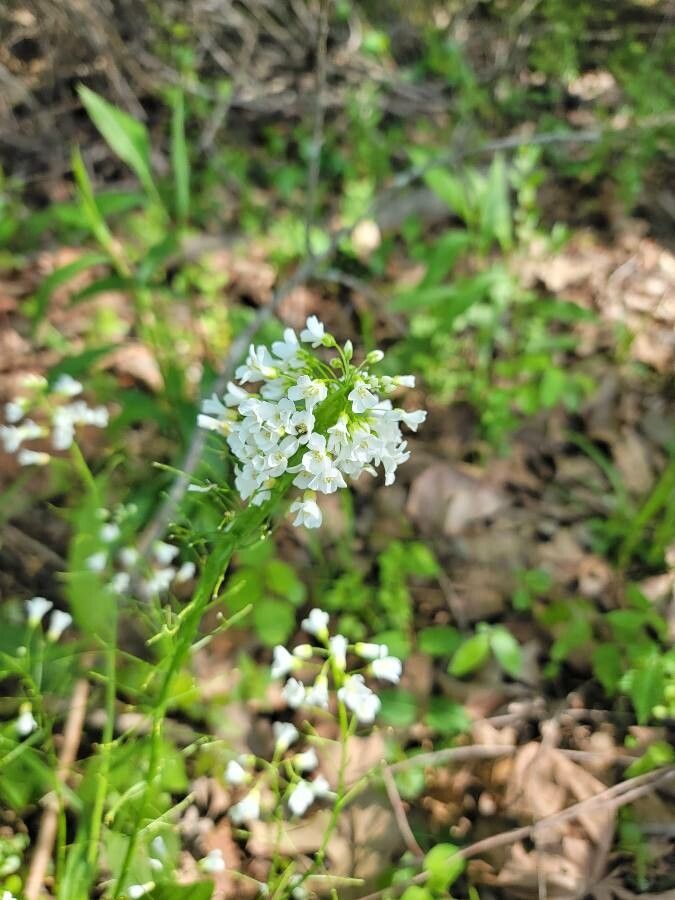
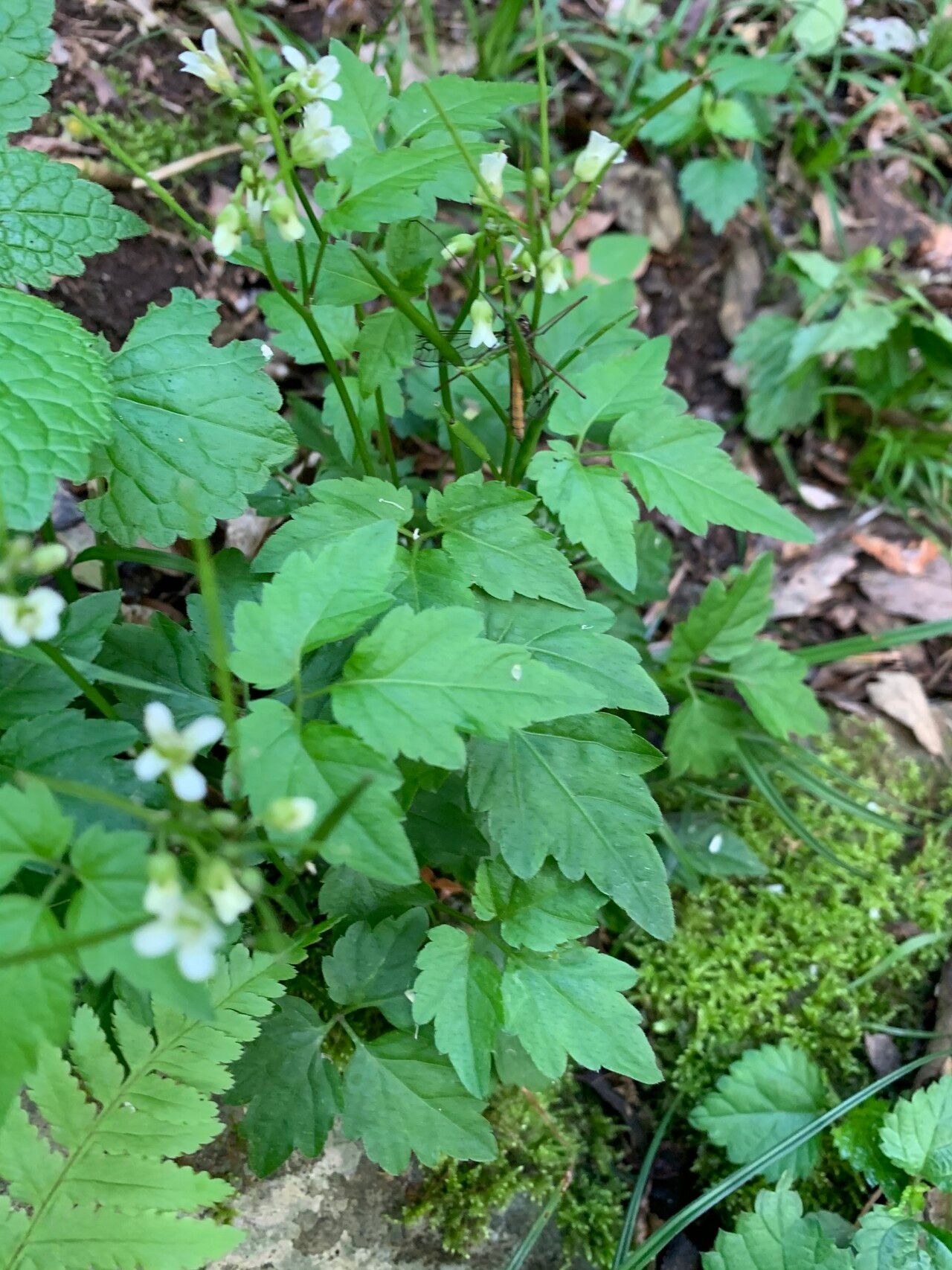
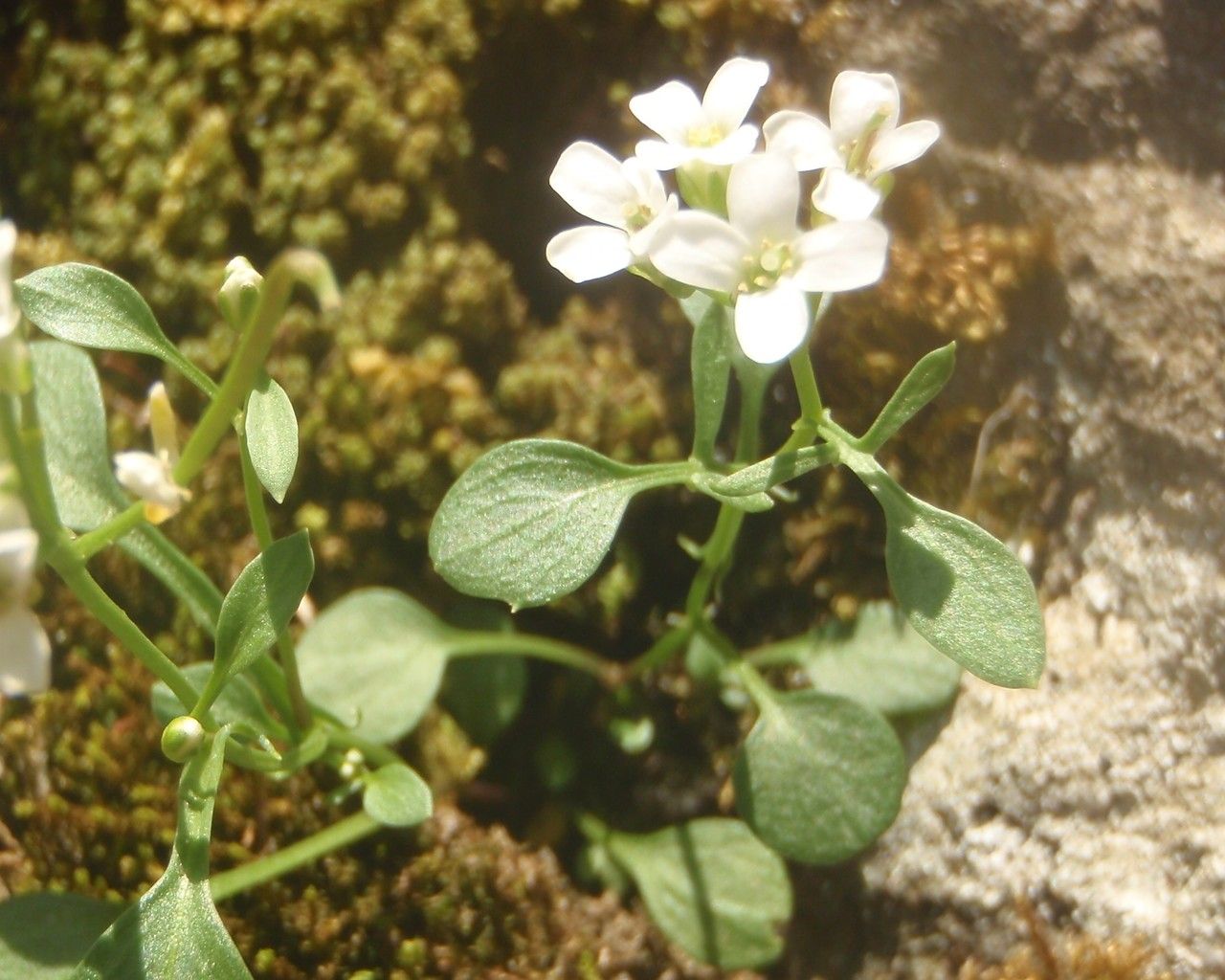
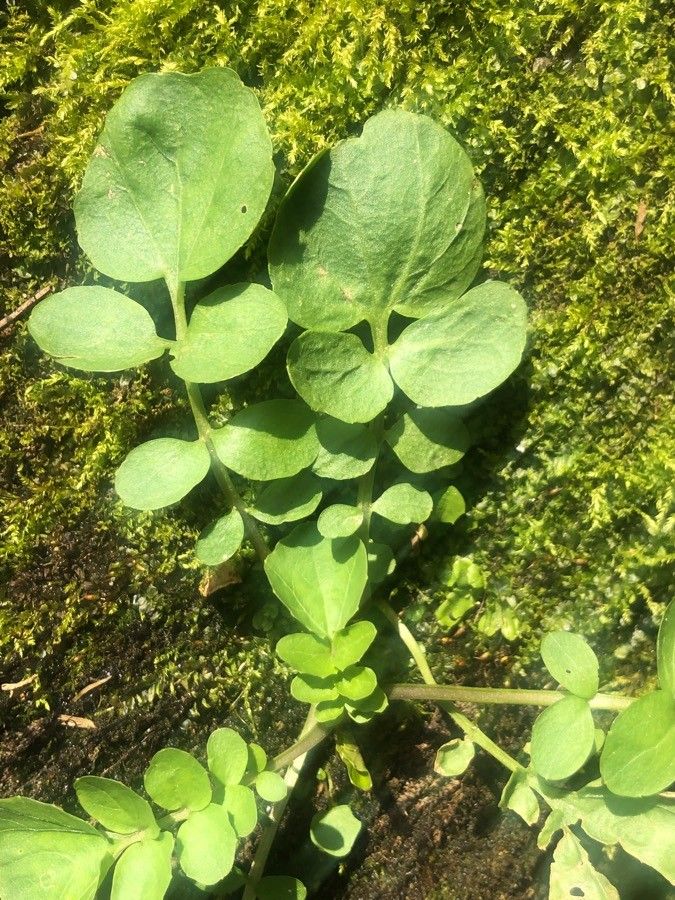
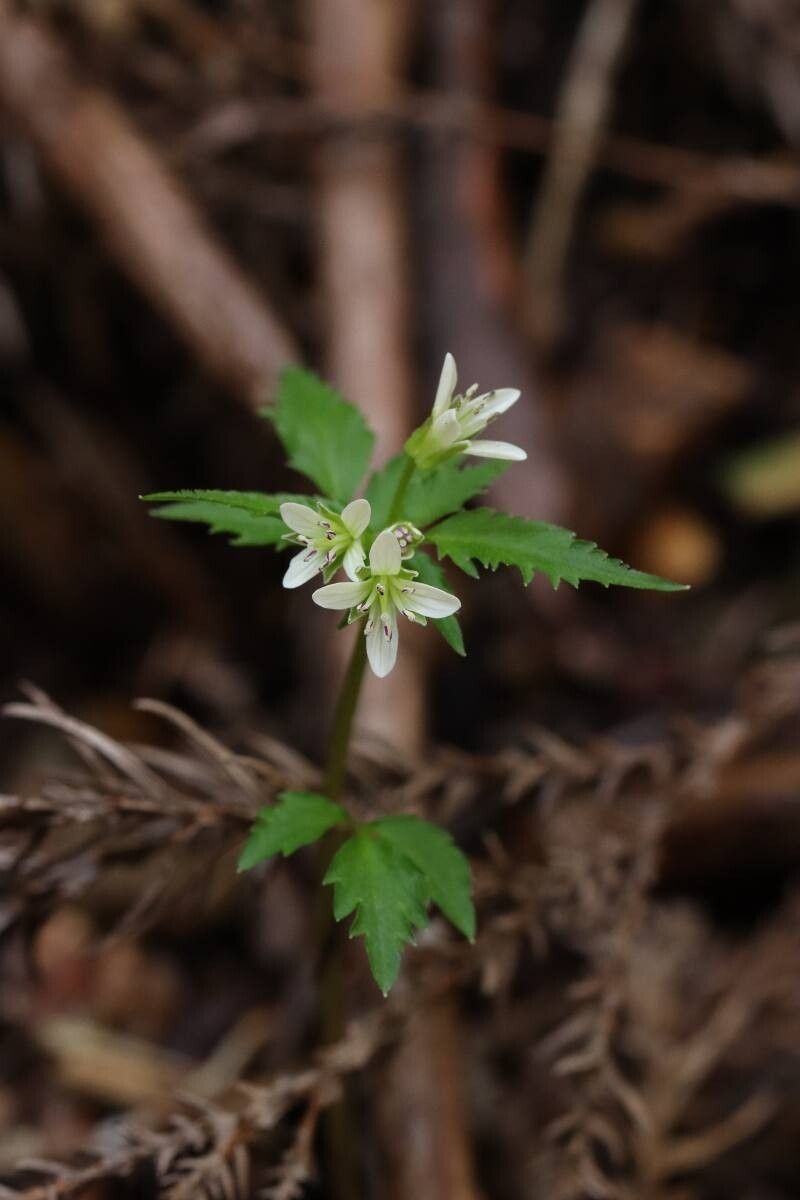
Cardamine bulbosa, commonly called bulbous bittercress or spring cress, is a perennial plant in the mustard family. It is native to a widespread area of eastern North America, in both Canada and the United States. Its natural habitat is moist soils of bottomland forests and swamps, often in calcareous areas.In late spring and early summer, white flowers are produced well above the foliage. Its leaves are edible, and have a peppery taste.
Bulbous bittercress has good resistance to disease and is generally not prone to illnesses. Still, it can be affected by pests and diseases present in its environment. Such infections are typically mild. Regarding care, this plant needs moderate maintenance. It should be pruned regularly to preserve a tidy appearance and encourage healthy growth. Applying fertilizer can also encourage flowering. Bulbous bittercress is suitable for anyone with outdoor space, like a garden or patio, and does not demand extensive plant-care experience. It may need more attention when grown indoors.
How to keep Cardamine Bulbosa.
Light
Bulbous bittercress thrives when it gets unfiltered, full-strength sun for most of the day, though it can tolerate periods of milder light. Native to open habitats, it favors bright illumination for optimal growth. Both excessive and insufficient sun can harm its health, resulting in poor performance or stunted growth.
Water
Bulbous bittercress flourishes in moist woodland environments where the soil is consistently damp, though not waterlogged. To maintain the stable moisture it needs, this plant should be watered weekly, which makes it better suited for outdoor cultivation. Regular watering during the growing season is crucial for promoting its lush foliage and vibrant flowers.
Temperature
Bulbous bittercress is usually found in areas with temperatures between 41 and 89.6 °F (5 to 32 ℃). It does best in mild climates, so if temperatures fall or rise substantially, providing some type of protection is advisable.
Fertilizer
One fertilizer application in spring is generally enough for Bulbous bittercress, though multiple feedings can boost growth. Apply fertilizer every one to one and a half months. Fertilization improves leaf appearance and function, helping maintain even color and a healthy texture. It also encourages root development and increases nutrient uptake for long-term plant health.
Pruning
Bulbous bittercress is a perennial herb known for its delicate white flowers and preference for wet habitats. To manage its shape and promote healthy growth, prune the plant in early spring. Be sure to cut back older stems and remove any damaged foliage. Providing good air circulation will help prevent mildew, which in turn enhances the plant's growth and flowering. With proper care, bulbous bittercress can also contribute to natural water filtration.
Botanical profile.
- Plant Type
- Herb
- Life Cycle
- Perennial
- Genus
- Cardamine
- Family
- Brassicaceae
- Hardiness Zone
- 4-8
- Mature Height
- 20 cm to 61 cm
- Mature Spread
- 20 cm to 30 cm
- Leaf Color
- Green, Dark Green
- Leaf Type
- Deciduous
- Flower Color
- White
- Flower Size
- 2.54 cm
- Bloom Time
- Early spring, Mid spring
- Planting Time
- Spring, Autumn
- Harvest Time
- Late spring, Early summer
Other names.
Reader questions.
What are the sunlight requirements for Bulbous bittercress?
Bulbous bittercress requires full sun, meaning it thrives in conditions where it can enjoy more than 6 hours of sunlight daily. However, it can also grow in partial sun, which is about 3-6 hours of sunlight. This plant originated in open habitats and favors strong luminosity for its optimal growth. Observing how sunlight moves through your garden and choosing the right spots can ensure your Bulbous bittercress's happy growth. It is crucial to find the perfect balance between light and shade.
What temperatures can Bulbous bittercress tolerate, and how does it react to different temperature ranges?
Bulbous bittercress thrives in temperatures ranging from 41 to 89.6 °F (5 to 32 °C) and is best suited for mild climates. It demonstrates strong cold resistance, implying that special frost protection measures are typically unnecessary. However, in regions where winter temperatures might plummet below -30°C, it is crucial to bolster cold defense through insulating materials like soil or straw. For preemptive winter care, watering the plant abundantly before the first freeze helps maintain soil moisture through the colder months, aiding in the prevention of drought and water scarcity during winter and early spring. If the temperature drops below -30°C, there might not be visible changes during winter, but there could be decreased or no sprouting in the spring. In contrast, during summers with temperatures crossing 35°C, the plant's leaves may lighten, curl, become sunburned, or in severe cases, the plant might wilt and dry out.
How does artificial lighting benefit indoor Bulbous bittercress plants?
Indoor Bulbous bittercress plants require adequate lighting to grow optimally, especially when natural sunlight is insufficient, like in winter or less sunny spaces. Artificial lights, particularly LED lights, can provide the specific wavelengths of light that the plants need. For full sun plants, 30-50W/sq ft of artificial light is recommended, while partial sun plants need 20-30W/sq ft, and full shade plants require 10-20W/sq ft. The light source should be placed 12-36 inches above the plant to mimic natural sunlight, and the duration should mimic the length of natural daylight hours, typically 8-12 hours per day.
What are the ideal steps to take if Bulbous bittercress experiences extreme temperatures?
For cold conditions where winter temperatures dip below -30°C without noticeable immediate effects yet leading to potential poor sprouting in spring, removing the parts that fail to sprout is advised as recovery action. On the flip side, when faced with temperatures exceeding 35°C resulting in symptoms like lighter leaf color, curling, susceptibility to sunburn, or overall wilting and drying, it is recommended to trim away the damaged parts of the plant. Additionally, relocating the plant to a shaded spot or employing a shade cloth for protection against the harsh midday and afternoon sun is beneficial. Ensuring the soil stays moist by watering in the cooler times of the morning and evening is also paramount in countering the stress from high temperatures.
What are the signs of inadequate lighting for Bulbous bittercress?
Symptoms of inadequate lighting in Bulbous bittercress include small, new leaves that may grow smaller than previous ones; leggy or sparse growth, characterized by longer spaces between leaves or stems; faster leaf drop as the plant conserves resources; slower or no new growth indicating survival mode; lighter-colored or irregularly patterned new leaves due to lack of chlorophyll; chlorosis, or yellowing of leaves, from excessive sunlight affecting photosynthesis; sunscald, resulting from intense sunlight exposure; leaf curling as a defense mechanism against excessive sunlight; wilting due to loss of turgor pressure from overexposure to sunlight; and leaf scorching - brown, dry, and crispy leaf edges caused by excessive sunlight.
What solutions can address Bulbous bittercress's light issues?
To address light issues for Bulbous bittercress, gradually increasing sunlight exposure is key. For indoor plants, move them to a sunnier location each week until receiving at least 6 hours of direct sunlight daily, utilize a south-facing window, and consider artificial lights if the plant is large or not easily movable, keeping them on for at least 8 hours daily. For outdoor plants, ensure a gradual transition to sunnier spots to avoid sunburn. If sunlight is obstructed, consider pruning or transplanting to minimize obstructions and improve sunlight access. Remember, parts of the plant damaged by insufficient light may not recover, but new growth will be healthy following these adjustments.