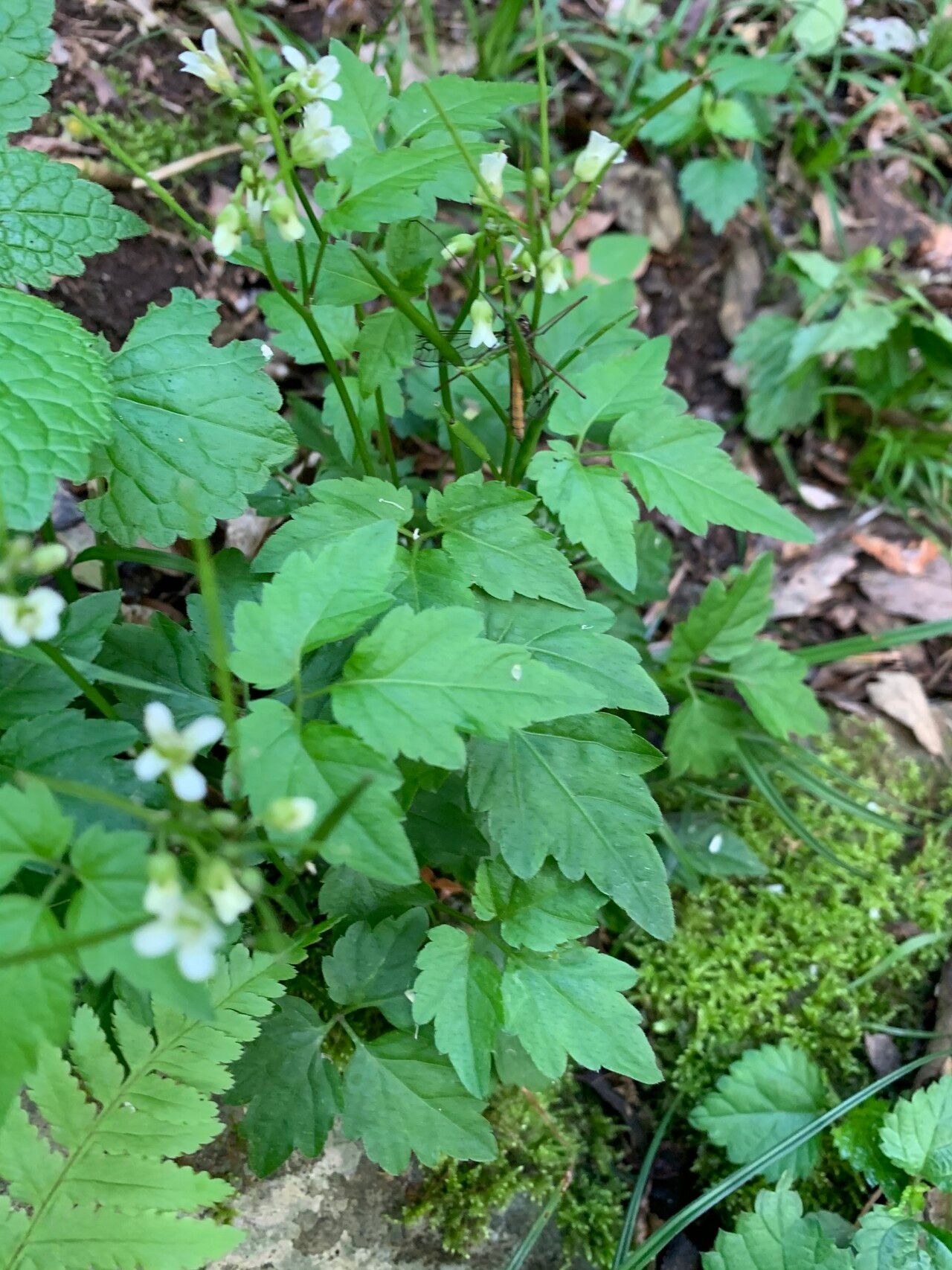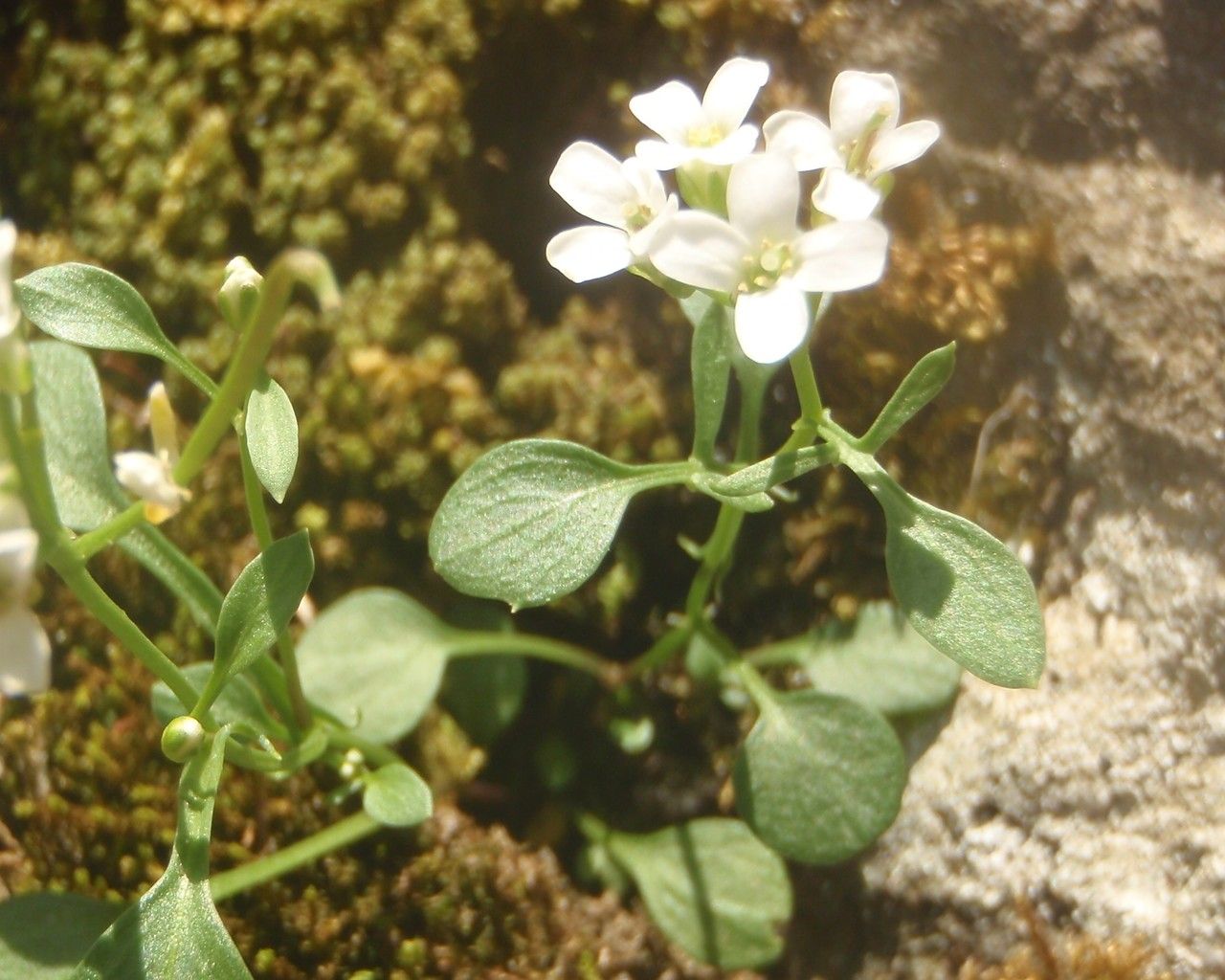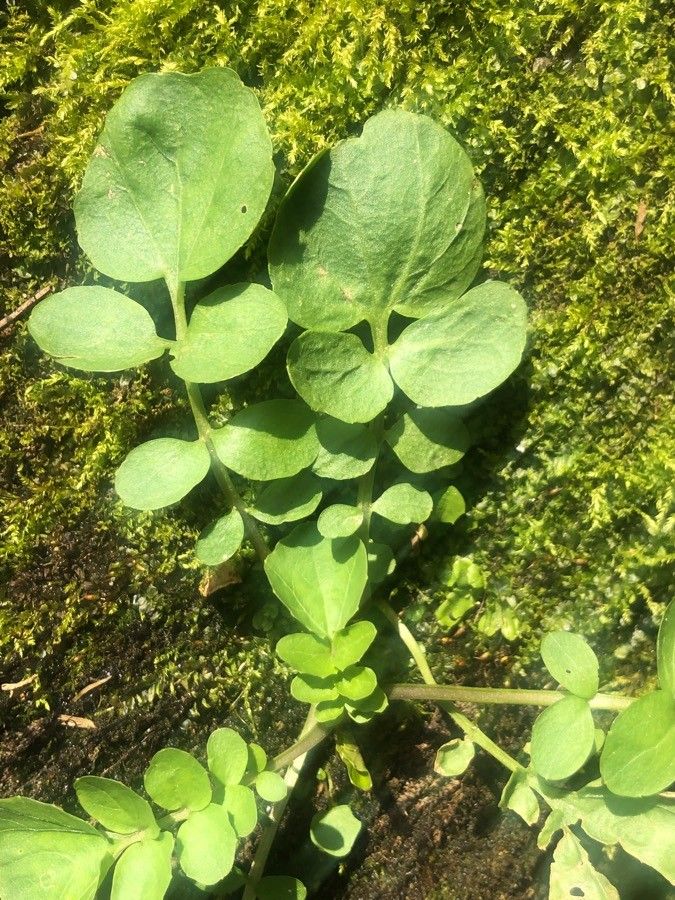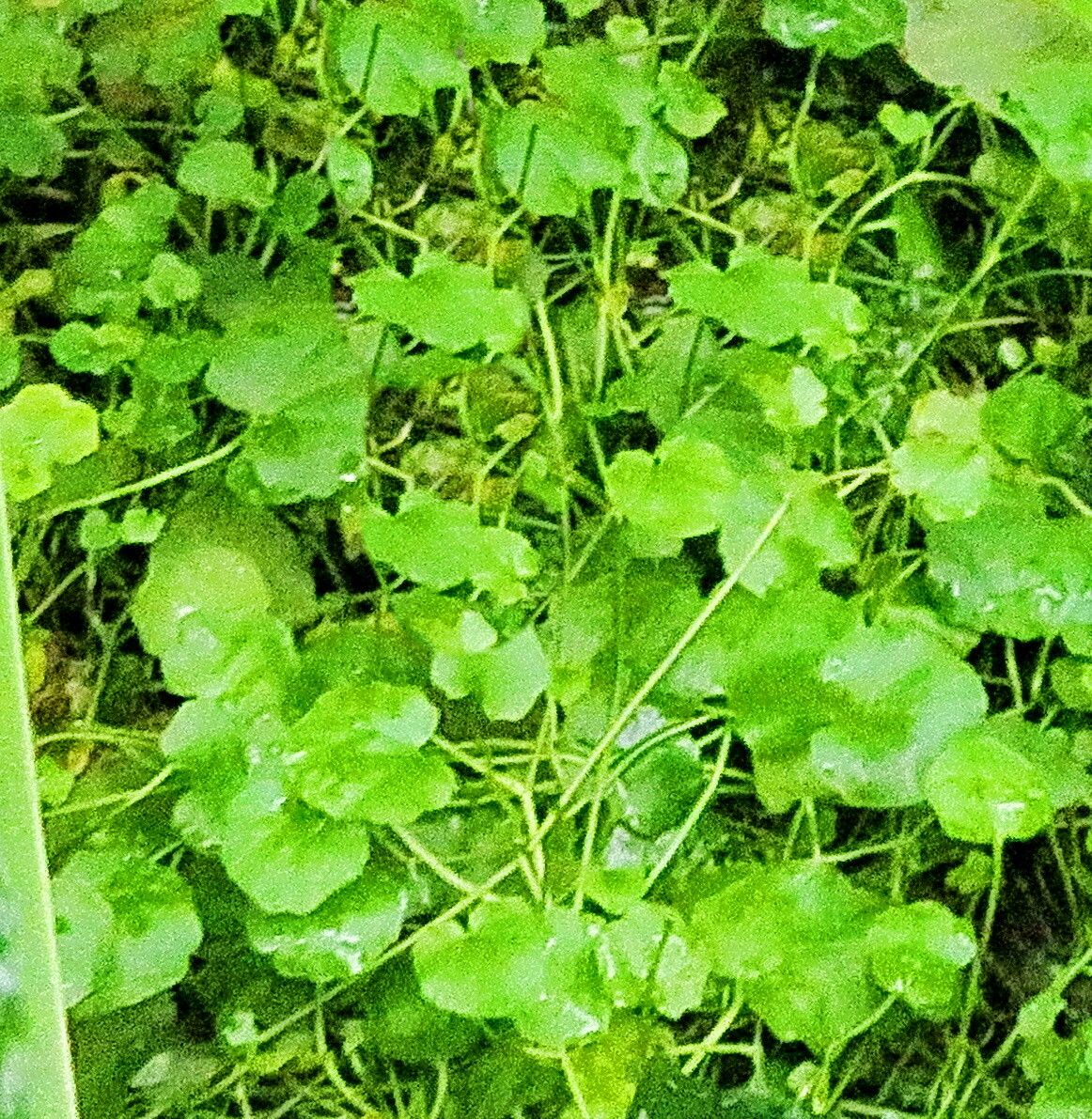
Cardamine lyrata, known commonly as Japanese cress and Chinese ivy, is a species of aquatic plant in the mustard family. It is native to the marshes of eastern China and Siberia, as well as Korea and Japan. It flowers from May to June in the wild, with seeds ripening through September. The flowers are bisexual and are pollinated by insects, but are also self-fertile.
Chinese ivy is relatively resistant to disease and, in general, does not easily contract illnesses. Still, it can be vulnerable to pests and diseases present in its surroundings. Such infections tend to be mild. For care, this plant requires moderate maintenance. It should be pruned regularly to preserve a tidy appearance and encourage healthy growth. Fertilizing can also aid in promoting flowering. Chinese ivy is well suited for anyone with outdoor space like a garden or patio and does not demand much prior care experience. It may need more attention when kept indoors.
How to keep Cardamine Lyrata.
Water
Chinese ivy thrives in consistently moist environments with high humidity. To encourage growth, it should be watered weekly. As an aquatic plant, it requires soft, slightly acidic water to maintain its health, reflecting its natural wetland origins.
Temperature
Chinese ivy can tolerate a wide range of temperatures, but its distribution may still be constrained by different combinations of moisture and heat. It grows best in warm summers with sufficient rainfall or watering. Extended periods of cloudy, rainy weather or prolonged high temperatures can increase the chance of Chinese ivy dying. In winter, adequate protection from cold can improve the plant's survival rate.
Pruning
Chinese ivy is known for its delicate leaves and creeping growth pattern. To keep it healthy and thriving, it's best to prune the plant from early to late spring. This helps remove any damaged stems and encourages denser growth. Regular pruning also improves air circulation, reduces the risk of disease, and stimulates new growth. For the best pruning techniques, consult trusted horticultural resources.
Botanical profile.
- Plant Type
- Herb
- Life Cycle
- Perennial
- Genus
- Cardamine
- Family
- Brassicaceae
- Hardiness Zone
- 6-9
- Mature Height
- 61 cm
- Mature Spread
- 15 cm to 30 cm
- Leaf Color
- Green
- Leaf Type
- Evergreen
- Flower Color
- White
- Flower Size
- 0.51 cm to 1.02 cm
- Bloom Time
- Mid spring, Late spring, Early summer
- Planting Time
- Spring, Summer, Autumn
- Harvest Time
- Summer
- Native Area
- Koppen, Japan, South Korea, China