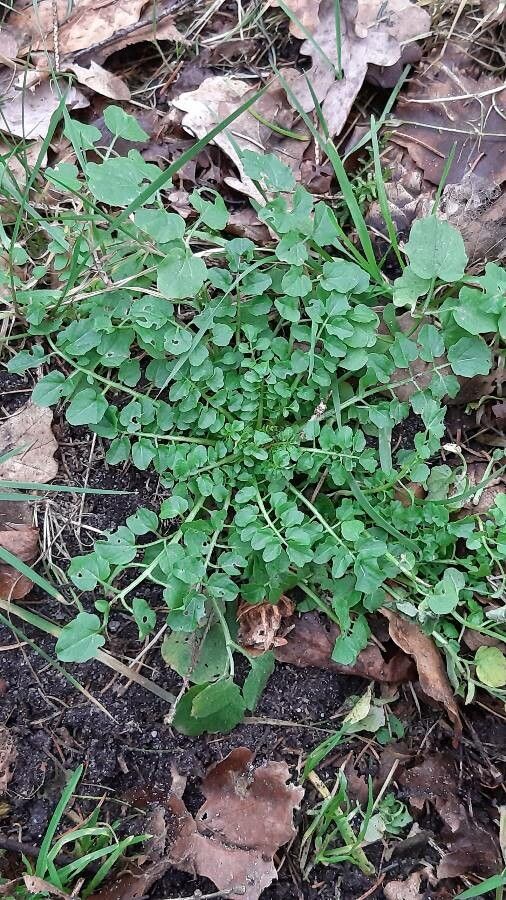
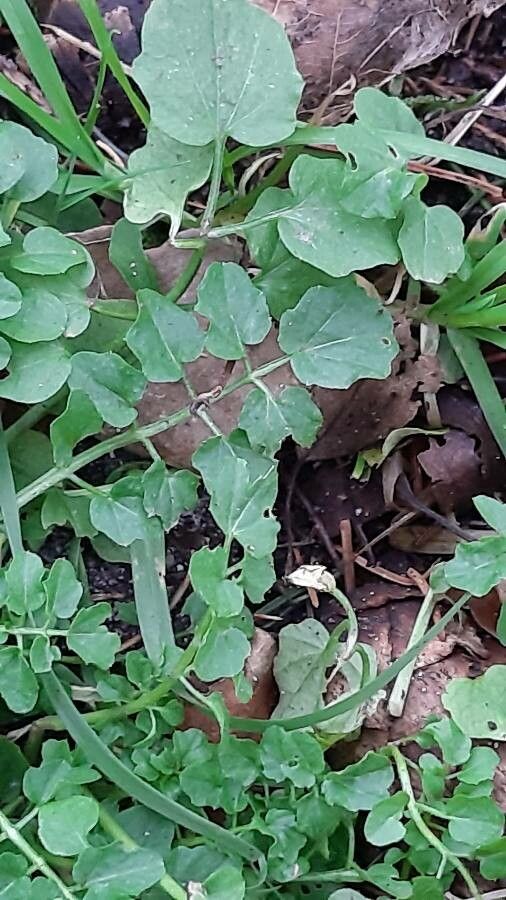
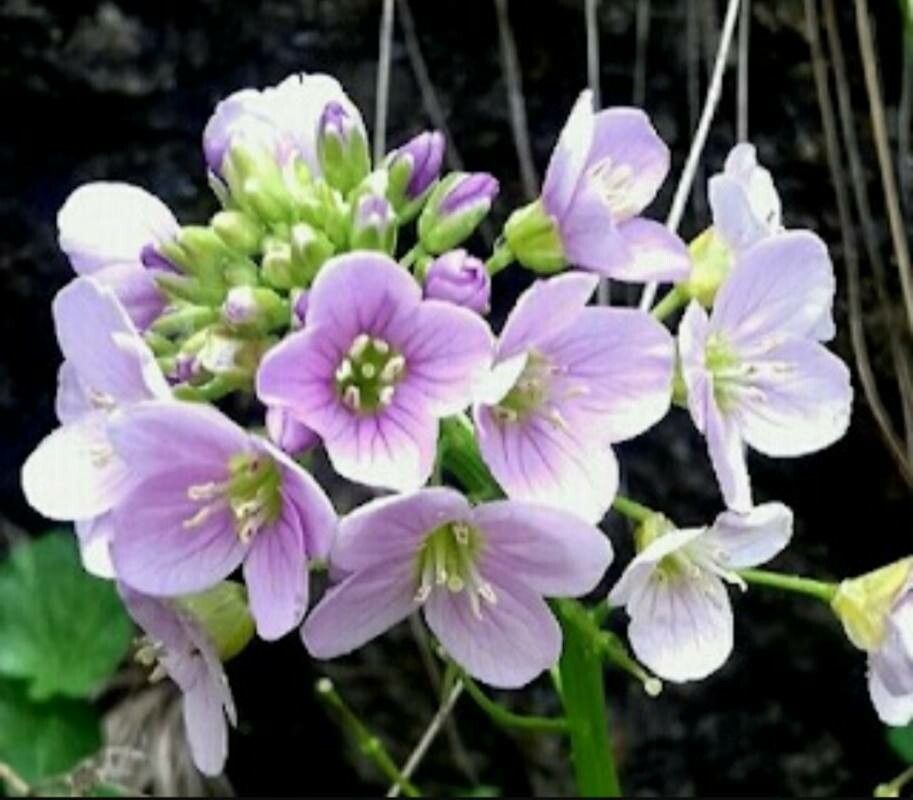
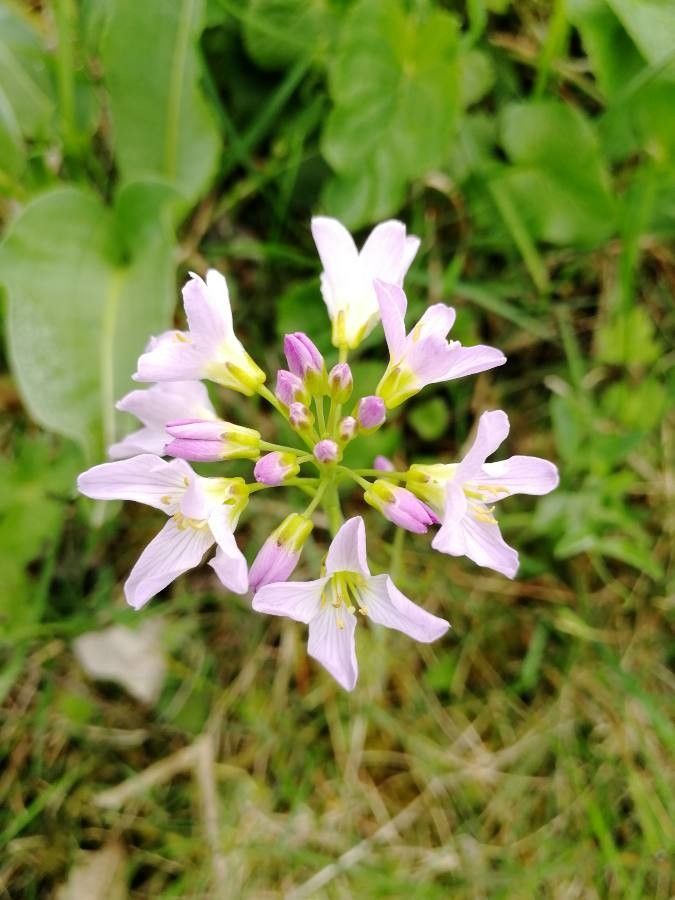
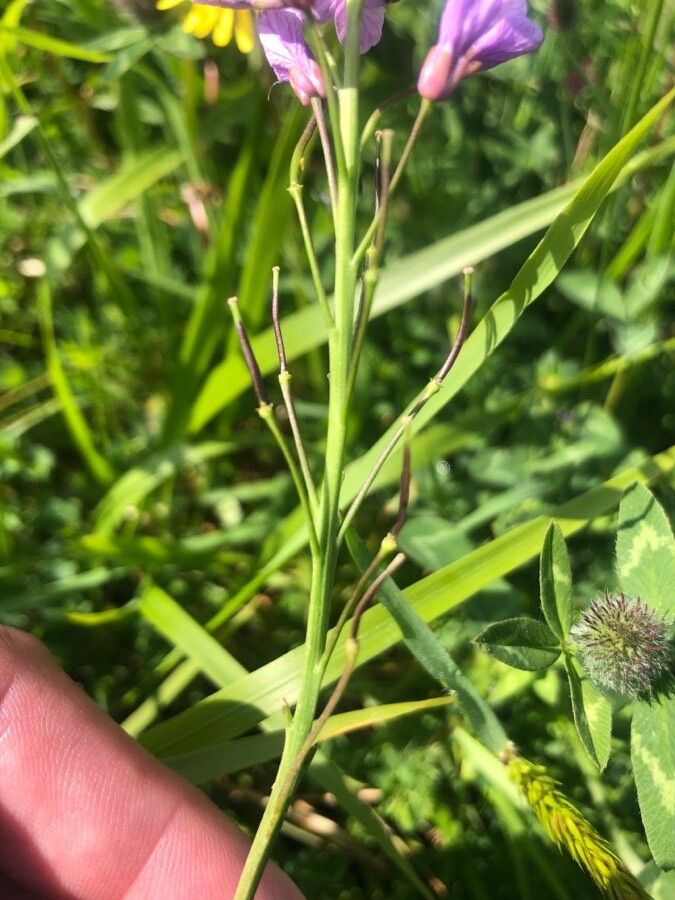
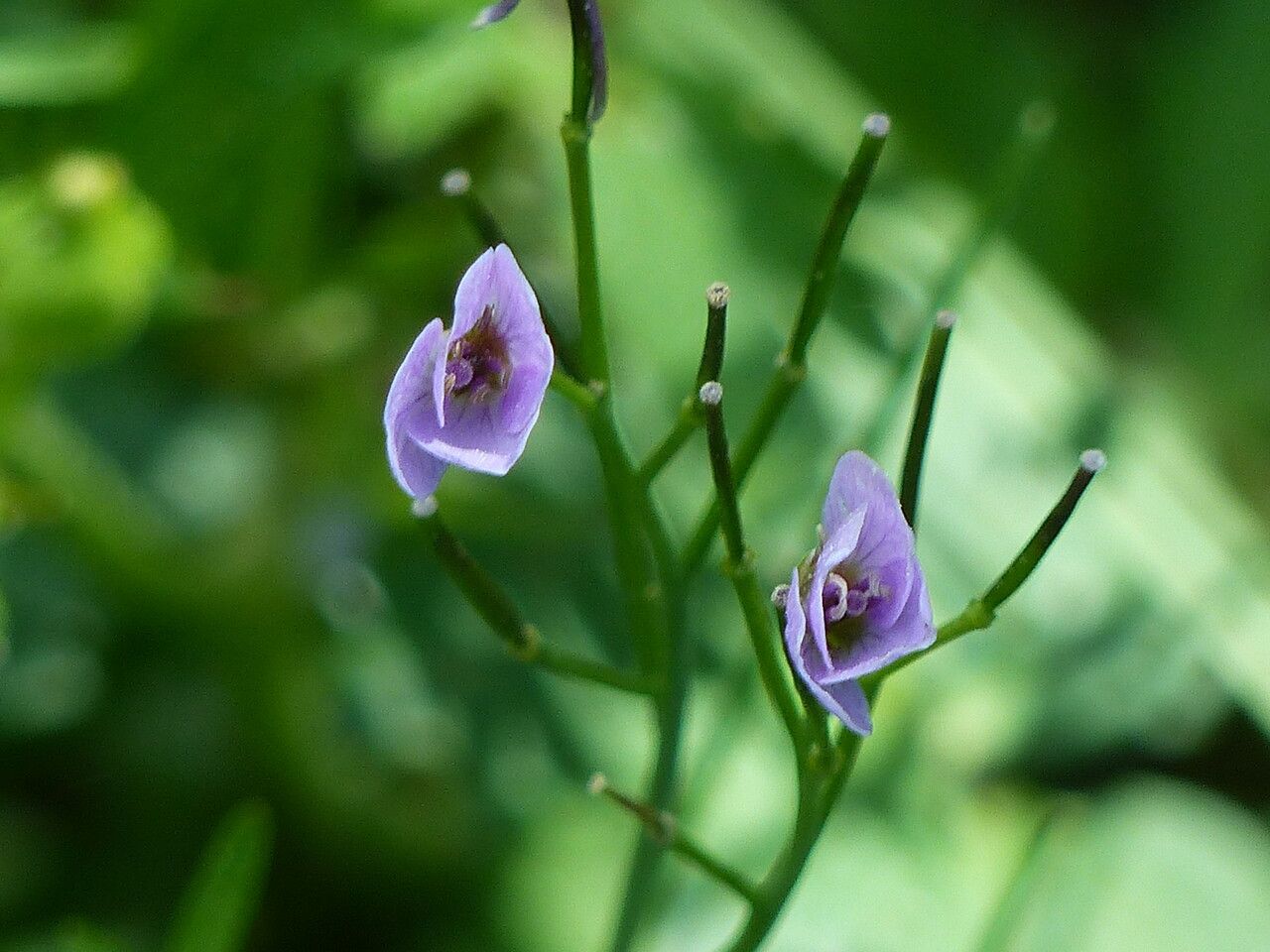
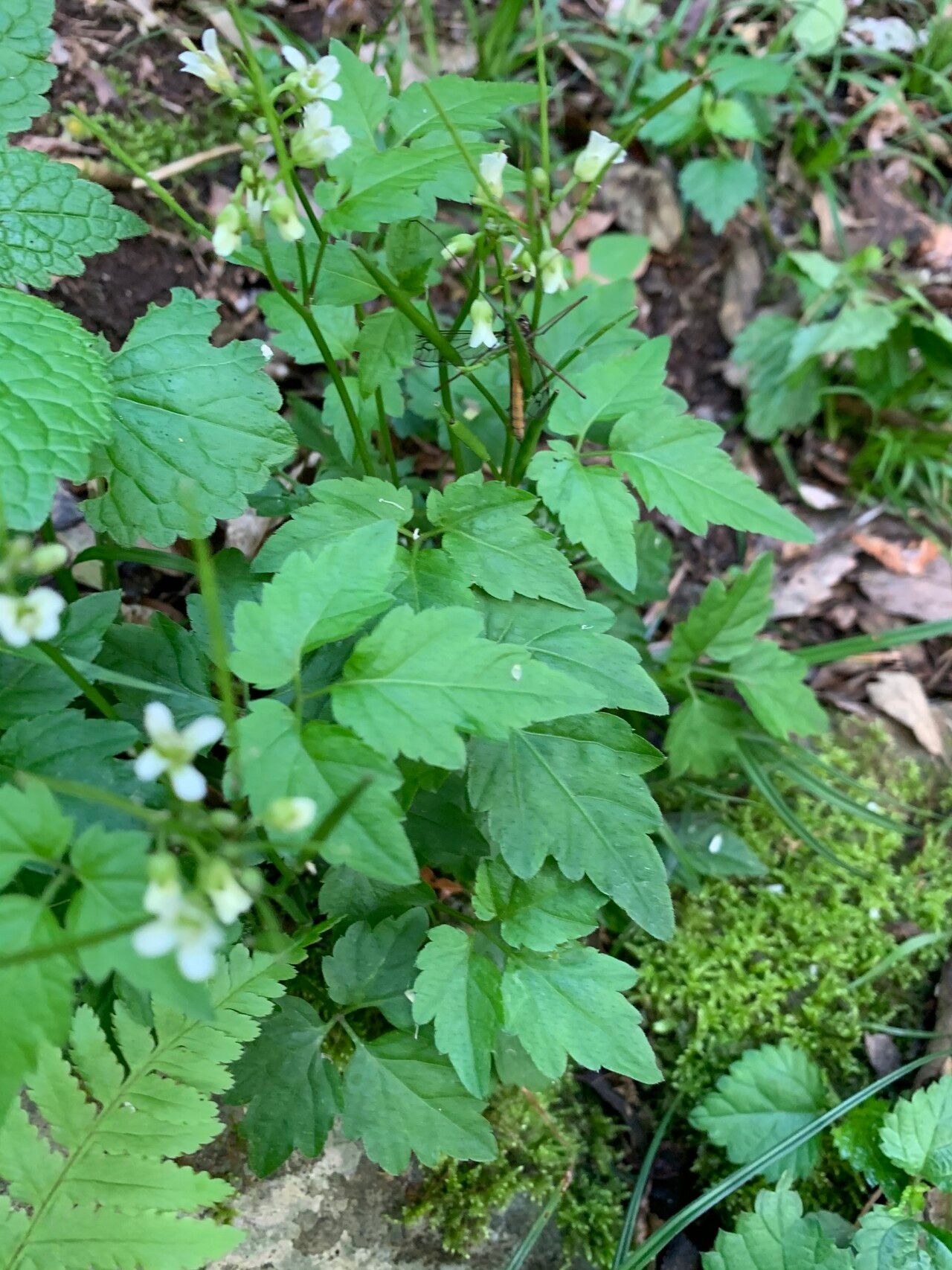
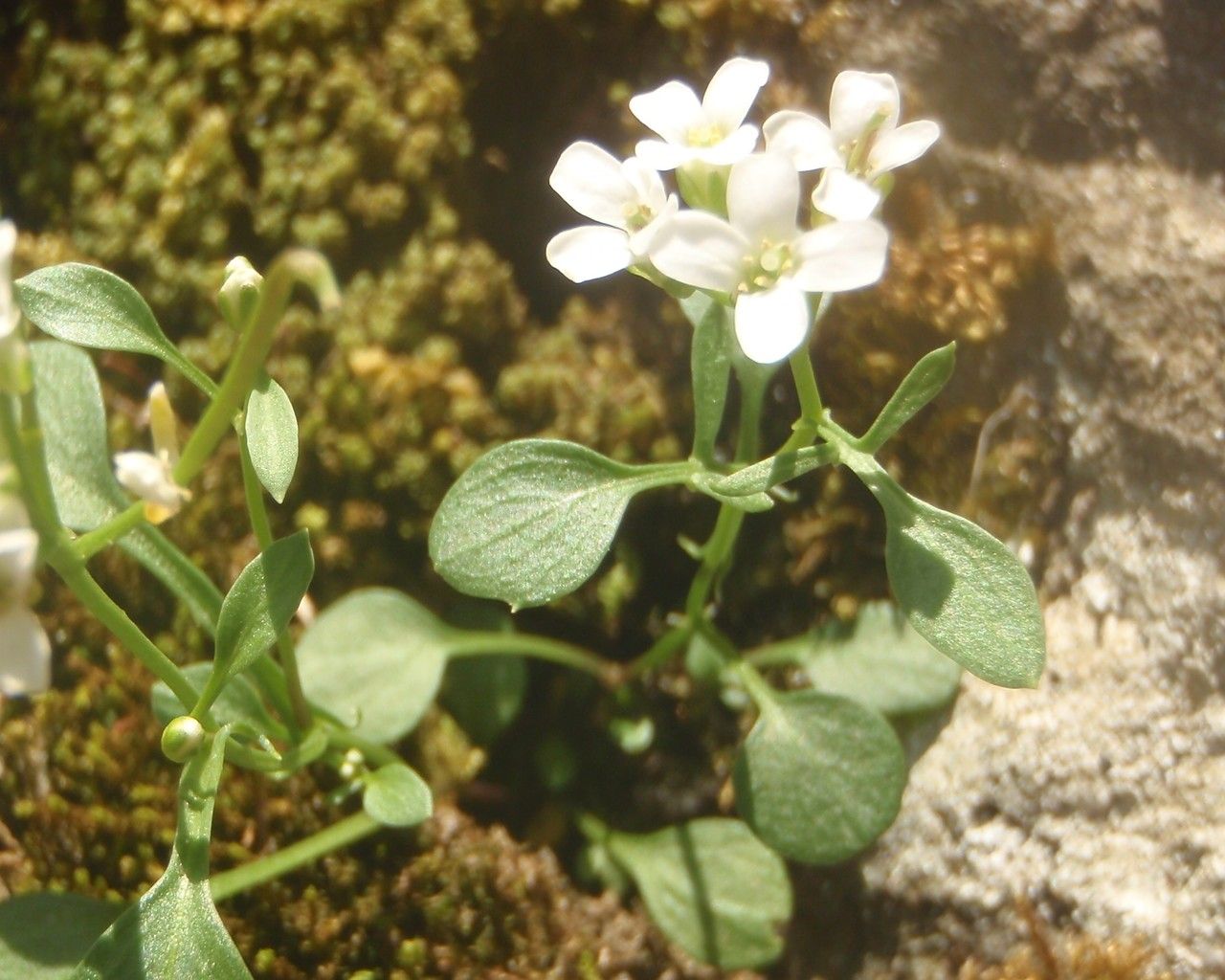
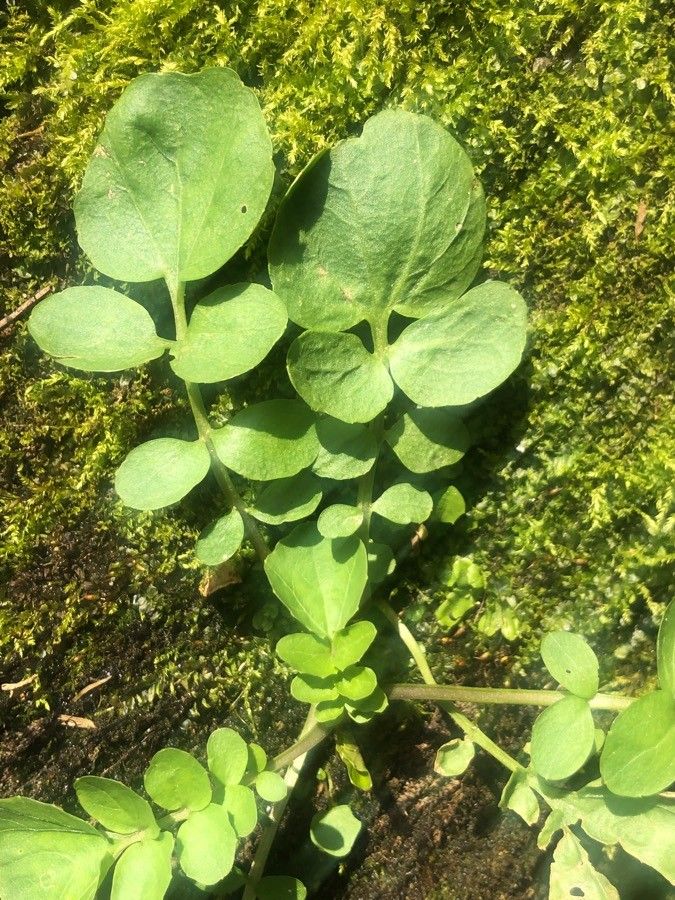
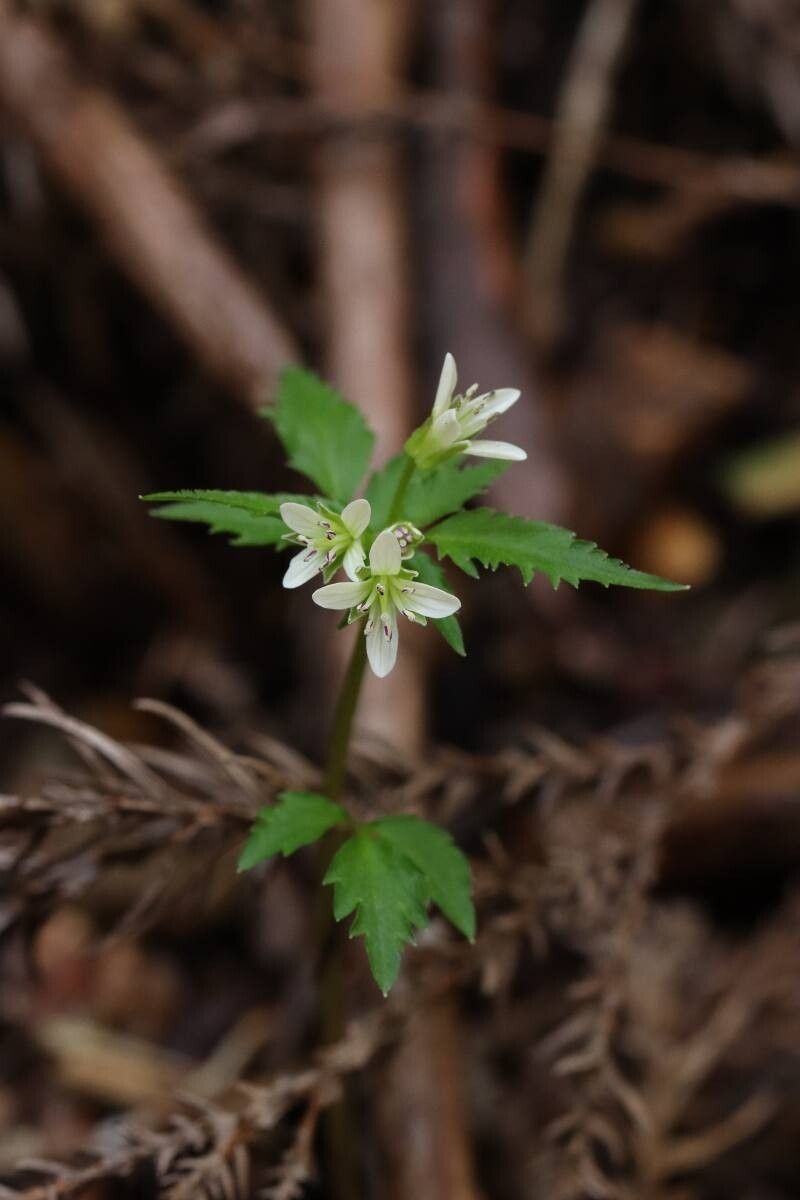
Cardamine raphanifolia, commonly known as giant toothwort, is a perennial herbaceous plant in the Brassicaceae family. Native to Europe and Asia, it thrives in damp woodlands, meadows, and along streams. The plant can grow up to 1 meter tall and features large, deeply lobed leaves. Its flowers are white or pinkish-purple, each with four petals arranged in a cross shape.
Giant toothwort blooms from April to June and produces long pods containing numerous small seeds. It is an important food source for bees and other pollinators.
Historically, indigenous peoples have used this plant for its anti-inflammatory properties. However, excessive consumption may cause gastrointestinal distress.
Overall, Cardamine raphanifolia is a fascinating perennial with striking flowers that brighten damp woodlands in spring. Additionally, it provides valuable ecological benefits as a food source for pollinators.
Botanical profile.
- Plant Type
- Herb
- Life Cycle
- Perennial
- Genus
- Cardamine
- Family
- Brassicaceae
- Hardiness Zone
- 5-8
- Mature Height
- 30 cm
- Mature Spread
- 61 cm
- Leaf Color
- Green
- Leaf Type
- Deciduous
- Flower Color
- White
- Flower Size
- 1.02 cm to 1.52 cm
- Bloom Time
- Mid spring, Late spring, Early summer
- Planting Time
- Spring, Summer, Autumn
- Harvest Time
- Summer
Other names.