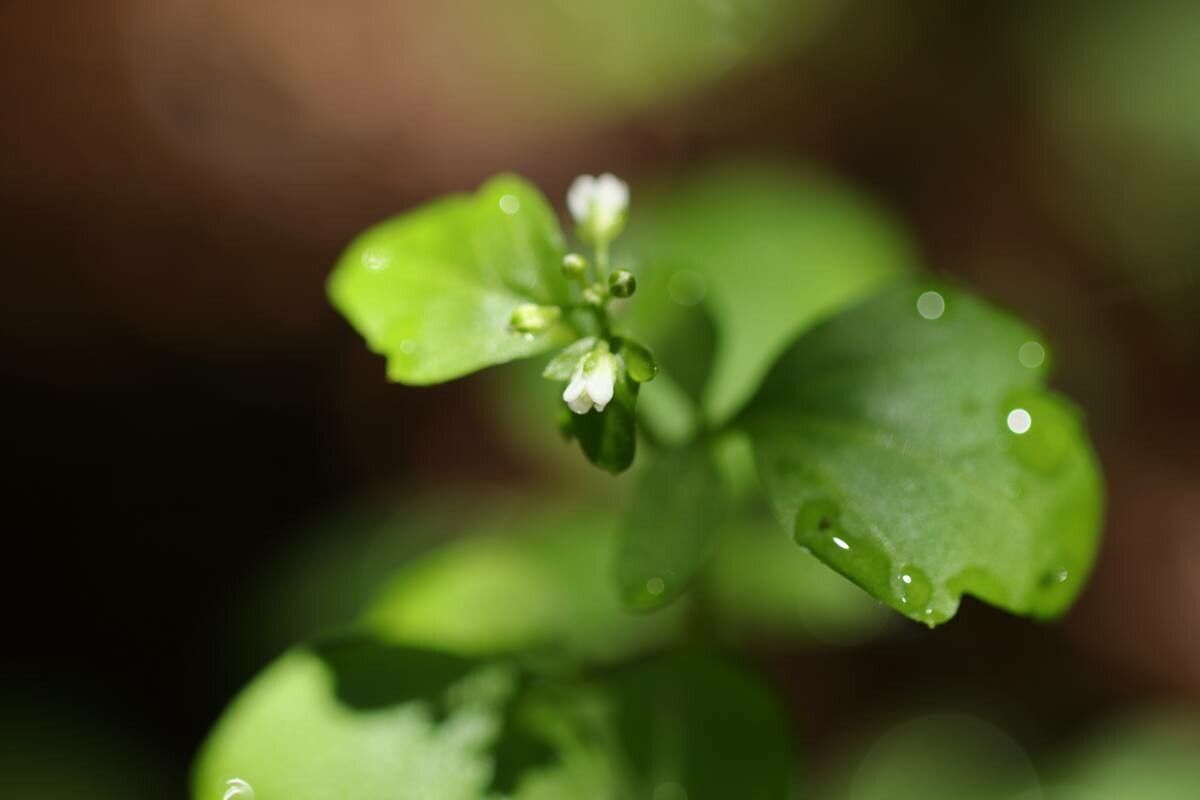
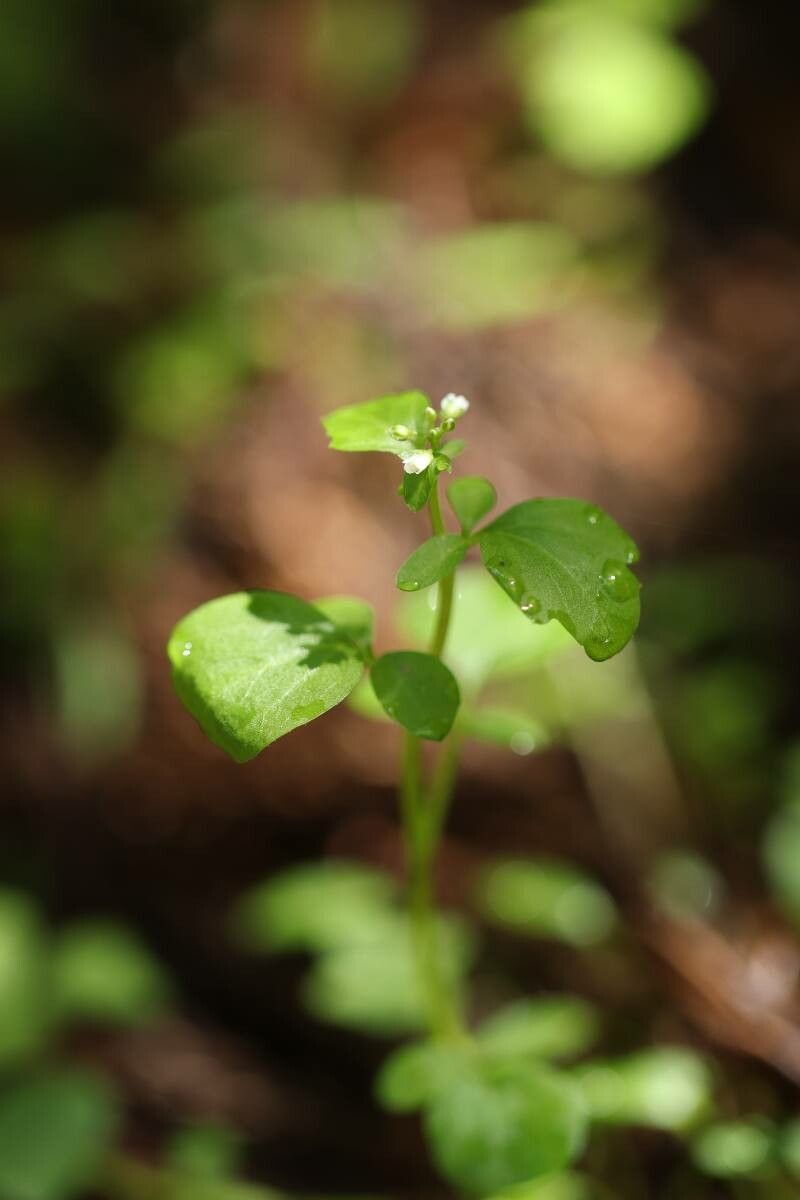
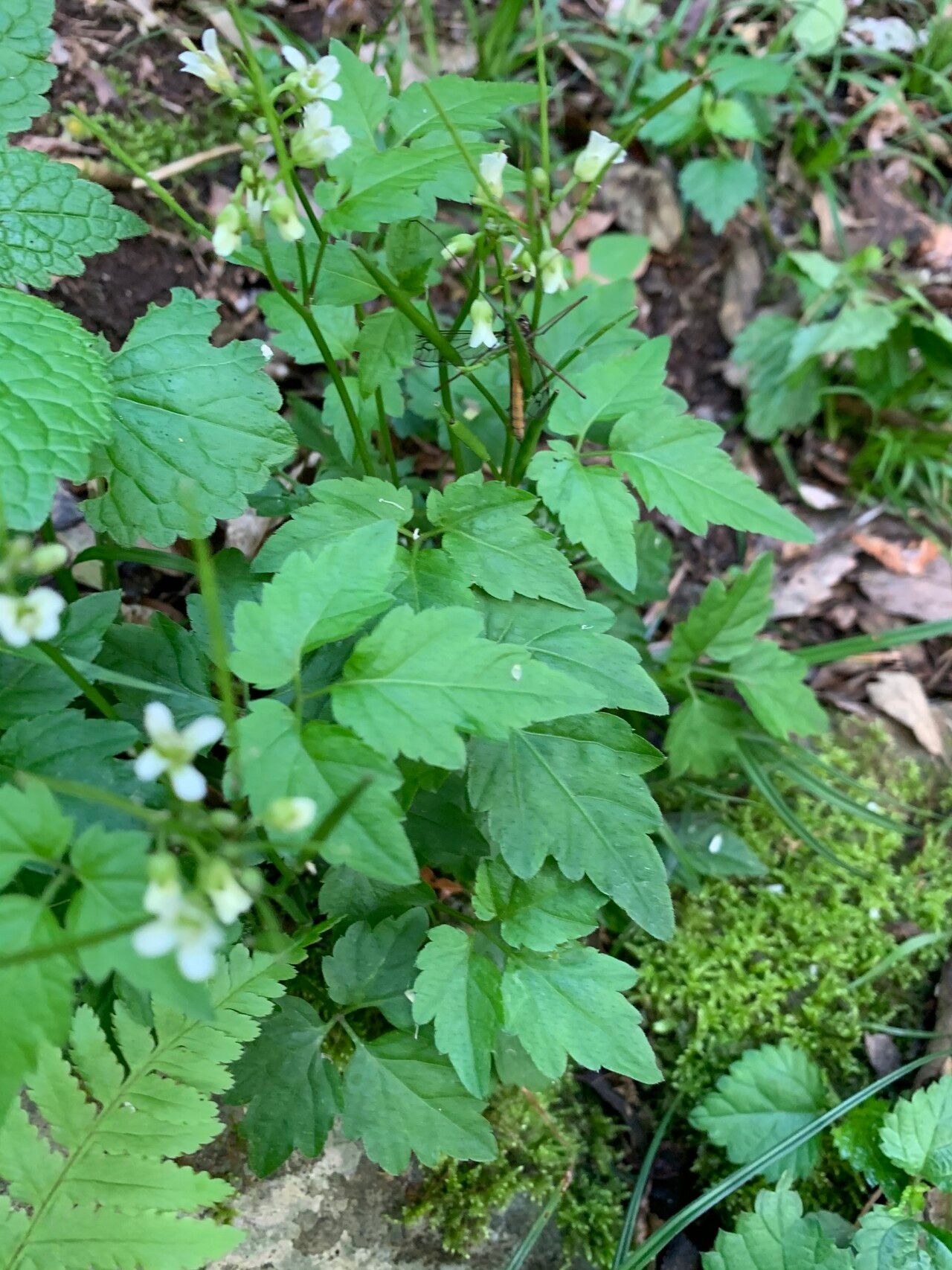
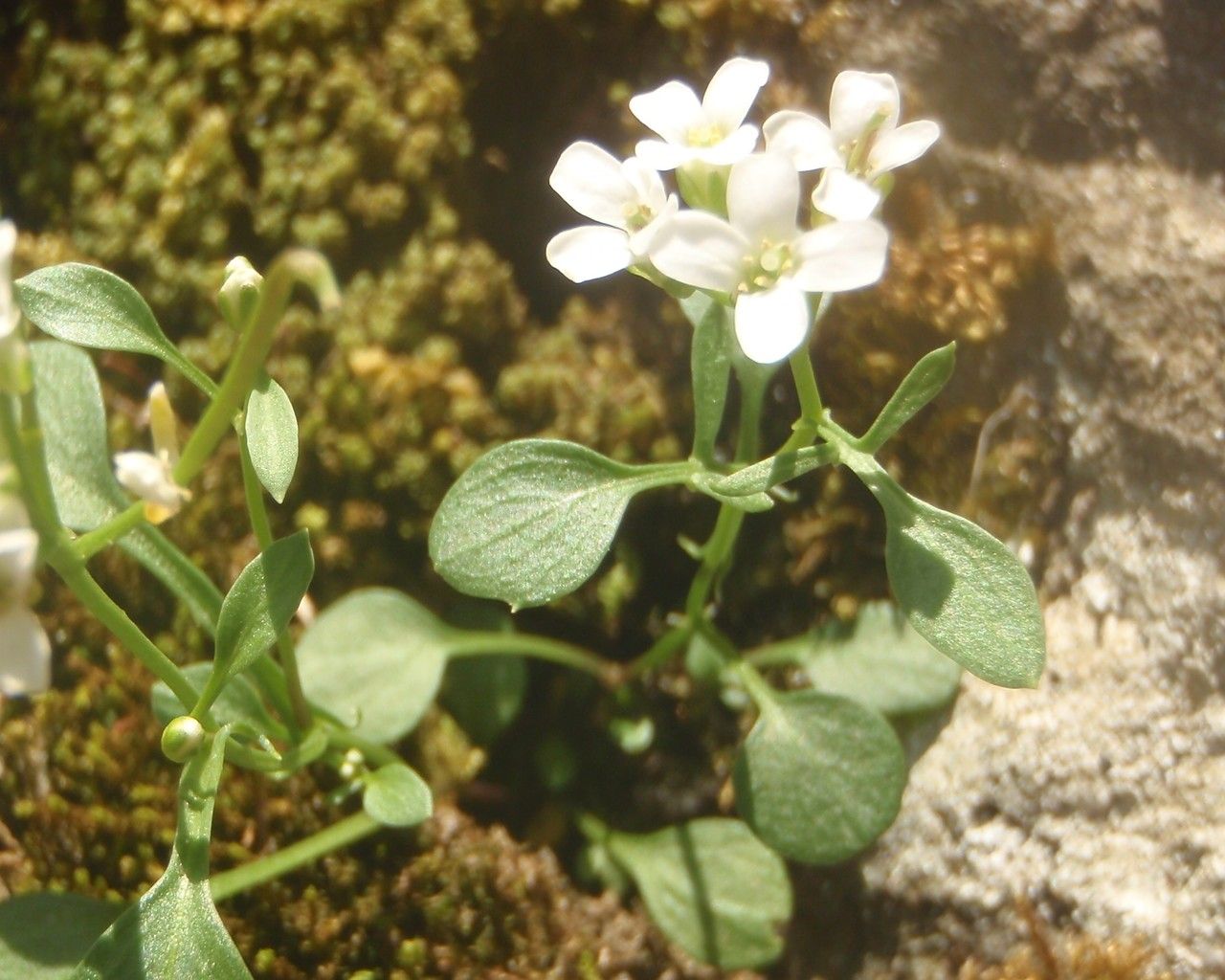
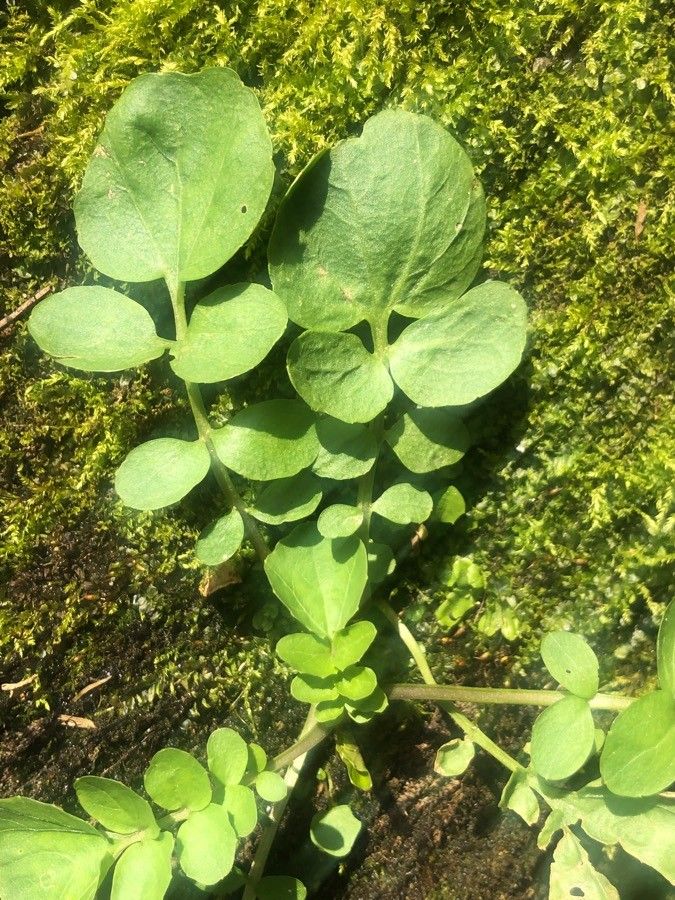
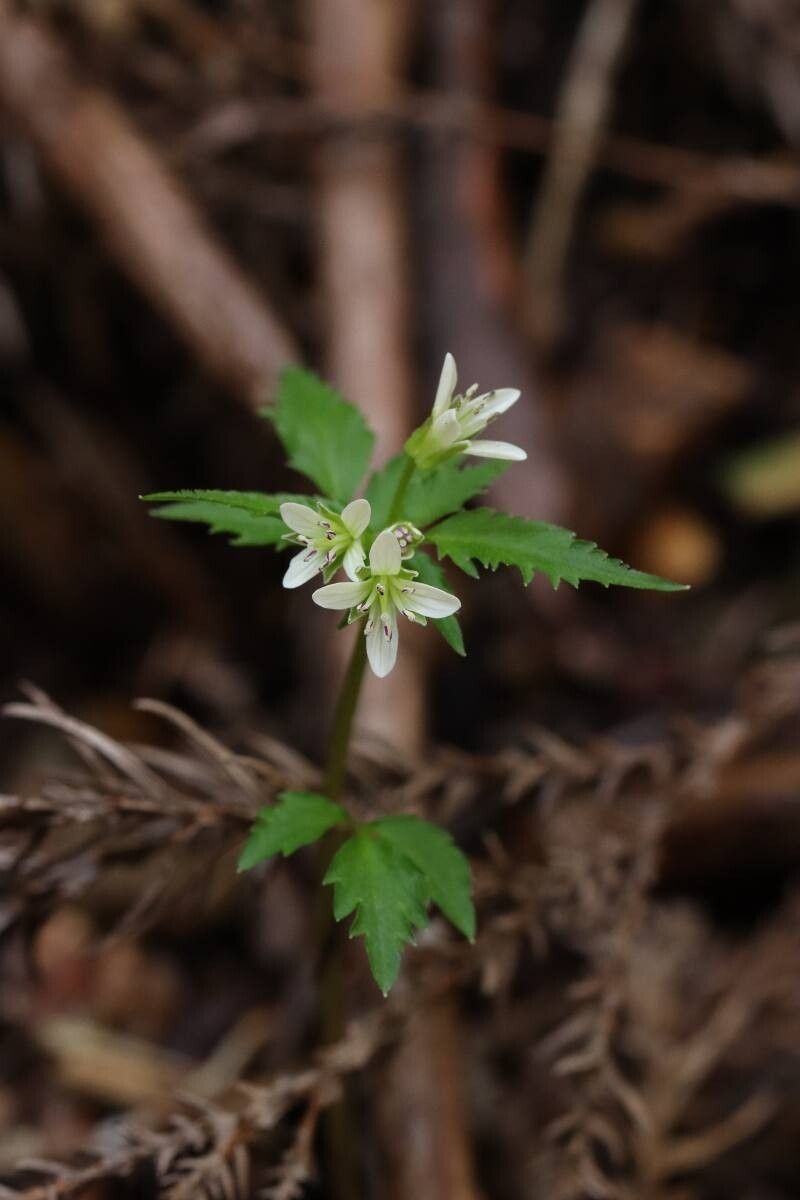
Big-flower bittercress shows strong resistance to disease and typically does not suffer from illnesses. Still, it can be vulnerable to pests and pathogens found nearby. When infections occur, they are generally mild. Regarding care, the plant needs a moderate level of attention. It should be trimmed regularly to preserve its appearance and encourage healthy growth. Applying fertilizer can also aid in enhancing its blooms. Big-flower bittercress is appropriate for anyone who has outdoor areas like a garden or patio and does not demand extensive gardening experience. When cultivated indoors, it might need more intensive care.
How to keep Cardamine Scutata.
Light
The big-flower bittercress naturally occurs in habitats with speckled sunlight, like under the canopy of forests or stony regions that offer inherent shade. It flourishes in semi-sunlight but is also capable of adjusting to fully sunny settings.
Water
Big-flower bittercress thrives in moist environments and has an excellent ability to retain water. It prefers consistent moisture and needs to be watered twice a week. This plant is best grown outdoors, where it can flourish in evenly moist soil throughout its active growing season. Maintaining this moisture level helps support its lush foliage and vibrant blooms.
Temperature
The Big-flower bittercress is capable of adjusting to various temperature conditions, yet its spread may still be constrained by distinct mixtures of heat and water conditions. It flourishes optimally in warm weather during the summer, provided there is a sufficient supply of rain or water. Extended durations of overcast and rainy weather, along with an extended period of extreme temperatures, can raise the chances of the Big-flower bittercress perishing. During the winter, offering appropriate protection from the cold can enhance the plant's chances of survival.
Fertilizer
Providing Big-flower bittercress with regular, mild amounts of fertilizer can encourage the development of robust foliage. Monthly fertilization of Big-flower bittercress is recommended throughout the summer season. Nitrogen is a vital element for leaf growth, and utilizing sources rich in nitrogen aids the flourishing of Big-flower bittercress.
Pruning
Big-flower bittercress thrives in moist, shady environments and is known for its large flowers. For healthy growth, it's best to prune in early to mid-spring, concentrating on removing dead stems and spent blooms. Regular, light pruning helps to maintain the plant's shape, improves air circulation, and reduces the risk of disease. Always use clean tools to ensure the plant recovers optimally.
Botanical profile.
- Plant Type
- Herb
- Life Cycle
- Annual, Biennial
- Genus
- Cardamine
- Family
- Brassicaceae
- Hardiness Zone
- 5-9
- Mature Height
- 30 cm
- Mature Spread
- 15 cm to 30 cm
- Leaf Color
- Green, Dark Green
- Leaf Type
- Deciduous
- Flower Color
- White
- Flower Size
- 0.51 cm to 1.02 cm
- Bloom Time
- Spring
- Planting Time
- Spring, Autumn
- Harvest Time
- Late spring, Early summer, Mid summer
- Native Area
- Russia, South Korea, Japan, China
Other names.