Carlowrightia arizonica, commonly known as Arizona carlowrightia or desert plumbago, is a flowering plant species that belongs to the family Acanthaceae. It is native to the southwestern United States, particularly in Arizona, New Mexico, and Texas.
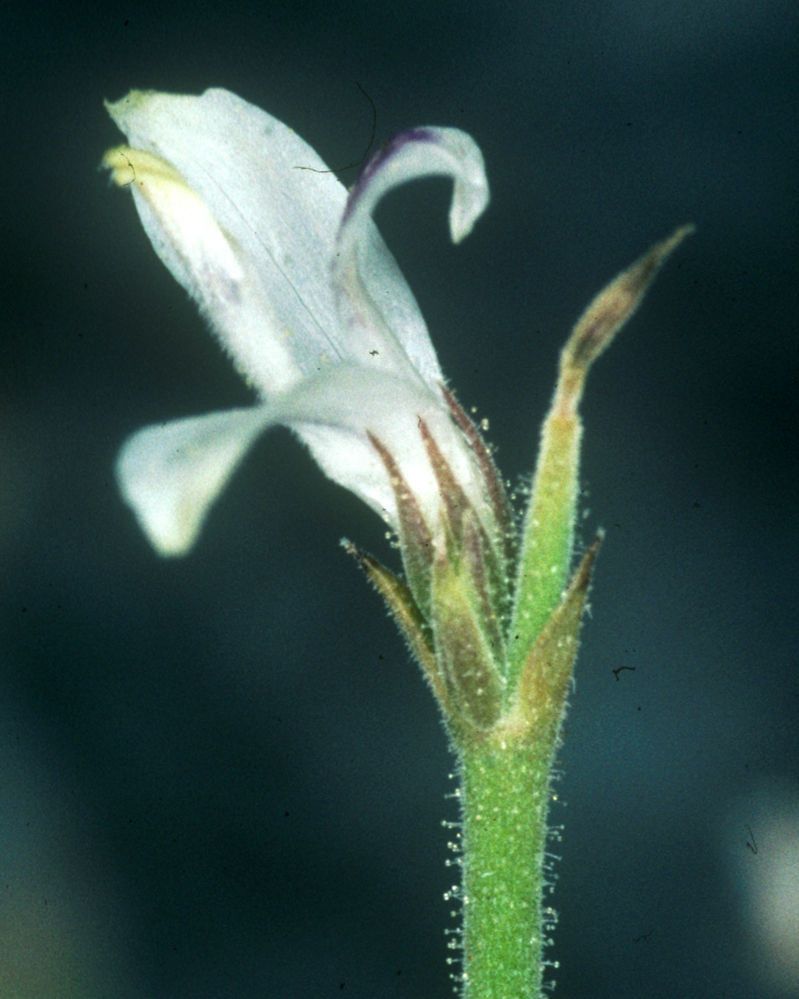
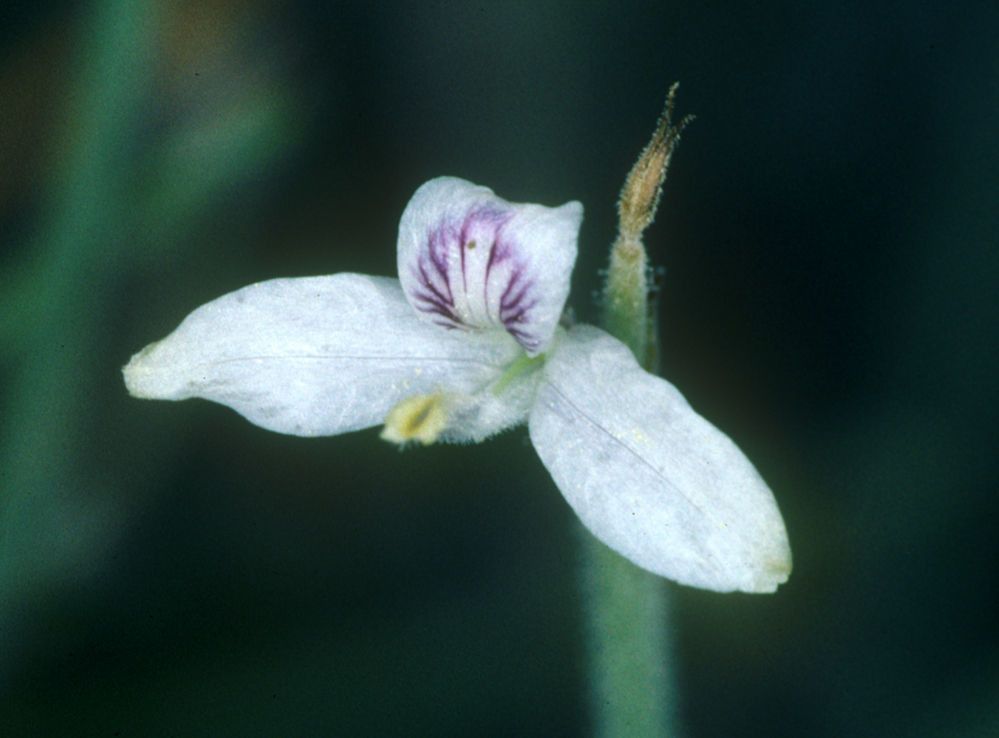
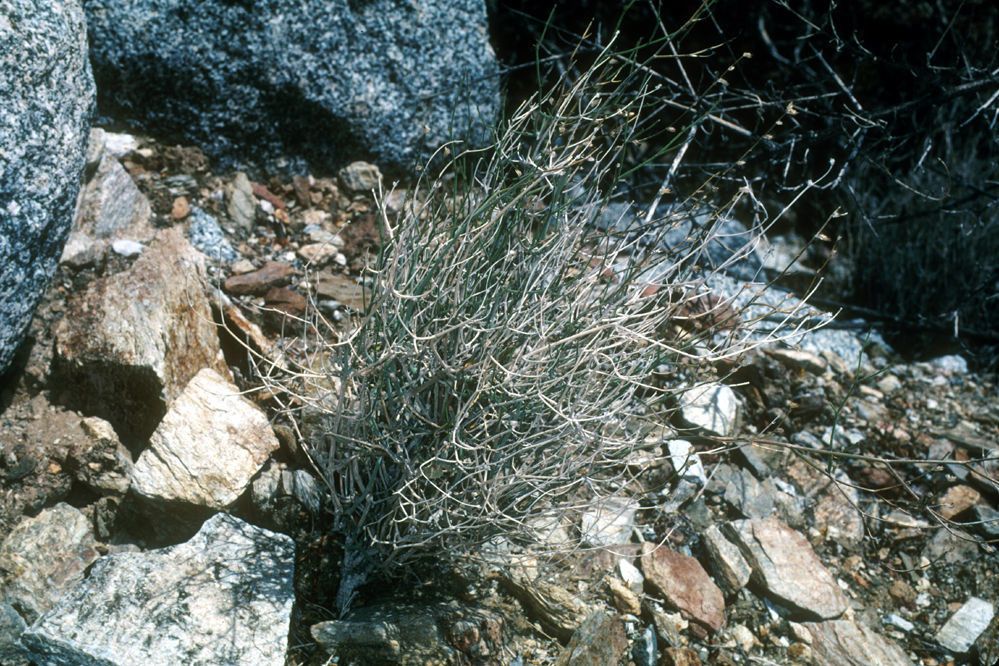
This plant typically grows up to 3 feet tall and features narrow leaves about 2 inches long. Its small, tubular flowers are pale lavender and bloom in clusters at the ends of its branches from late spring through fall.
Carlowrightia arizonica prefers well-drained soils with full sun exposure but can also tolerate partial shade. It can be propagated through seeds or stem cuttings.
Historically, Native American tribes have used this plant for medicinal purposes to treat various ailments such as fever, coughs, colds, and stomach problems. The leaves have also been used as a natural dye for textiles.
Overall, Carlowrightia arizonica is an attractive ornamental plant with delicate flowers that add color to any garden or landscape design. Additionally, it holds cultural significance in the traditional medicinal practices of Native American communities.
Arizona carlowrightia is fairly disease-resistant and typically does not develop diseases. As for care, this plant is fairly low-maintenance. When grown outdoors it needs only light watering, and larger plants usually do not require pruning. Smaller plants, however, should be trimmed after they finish blooming. Arizona carlowrightiat is appropriate for anyone with an outdoor area, such as a garden or deck, and does not call for extensive plant-care experience.
How to keep Carlowrightia Arizonica.
Light
Arizona carlowrightia is native to open habitats, such as sunlit meadows and forest margins, which supply abundant light. It thrives in Full Sun but can also tolerate Partial Sun, showing good adaptability to different sunlight conditions.
Water
The Arizona carlowrightia plant demonstrates remarkable drought tolerance, flourishing in arid conditions. It should be watered every 2 to 3 weeks, allowing the soil to dry out completely between waterings. This plant prefers well-draining soil and stores moisture in its foliage or roots, which helps it endure periods of dryness with resilience.
Temperature
Arizona carlowrightia comes from tropical areas, where the climate is usually warm and humid. As a result, it is adapted to high temperatures and humidity. It does not tolerate sudden temperature changes and prefers a stable temperature environment, so avoiding indoor temperature fluctuations is important. It typically cannot withstand cold and requires warmer conditions to grow. If the environmental temperature falls too low, the plant may stop growing or even die.
Fertilizer
The best time to fertilize an Arizona carlowrightia is in early spring, when it comes out of dormancy. Doing so promotes overall growth and flower development. Fertilization improves the foliage, stems, and branches, and encourages flowers that are large, vibrant, and long-lasting. It also helps move nutrients from the roots to the flowers and enhances the plant's health and resistance to disease.
Pruning
Arizona carlowrightia benefits from early spring pruning, which encourages healthy growth and enhances its visual appeal. By trimming away dead stems and crossing branches, you can improve air circulation and align maintenance with the plant's natural growth cycle, minimizing stress. Regular pruning also helps manage the plant's size and shape, maintaining its desired form.
Botanical profile.
- Plant Type
- Shrub
- Life Cycle
- Perennial
- Genus
- Carlowrightia
- Family
- Acanthaceae
- Hardiness Zone
- 8-11
- Mature Height
- 30 cm to 61 cm
- Mature Spread
- 30 cm to 49 cm
- Leaf Color
- Green, Dark Green
- Leaf Type
- Deciduous
- Flower Color
- Lavender
- Flower Size
- 2.03 cm to 3.05 cm
- Bloom Time
- Mid spring, Late spring, Early summer
- Planting Time
- Spring, Summer, Autumn
- Harvest Time
- Summer
- Native Area
- Honduras, Mexico, Guatemala, El Salvador, Nicaragua, Costa Rica
Other names.
Reader questions.
What are the sunlight requirements for Arizona carlowrightia?
Arizona carlowrightia thrives in environments that mimic its natural habitat of sunny meadows and forest edges. It does well in full sun, which means it requires more than 6 hours of sunlight daily, but it can also tolerate partial sun, approximately 3-6 hours of sunlight. It's crucial to observe how sunlight moves through your garden to find locations that offer the right balance of light and shade to meet the needs of your plants and ensure their growth and happiness.
How can artificial lighting be used for plant growth?
When natural sunlight isn't enough, especially during winter or in less sunny spaces, artificial lighting becomes essential for the growth of indoor plants. Choosing the correct type of artificial light is critical, with LED lights being a popular option as they can provide specific wavelengths needed by plants. Full sun plants require 30-50W/sq ft of artificial light, partial sun plants 20-30W/sq ft, and full shade plants 10-20W/sq ft. The light source should be placed 12-36 inches above the plant to imitate the sun, and the lighting should last 8-12 hours per day to mimic natural daylight hours, promoting faster and healthier plant growth.
What are the common symptoms of light deficiency in Arizona carlowrightia?
When Arizona carlowrightia doesn't receive adequate sunlight, it may show symptoms like smaller new leaves, leggy or sparse growth due to long distances between leaves or stems, early leaf drop to conserve resources, slower or halted new growth, and leaves that are pale in color or develop irregular patterns, indicating a lack of chlorophyll and essential nutrients.
What issues can excessive sunlight cause for Arizona carlowrightia?
Excessive sunlight can harm Arizona carlowrightia, leading to conditions like chlorosis, where leaves lose their green color and turn yellow; sunscald, which damages leaves and stems with intense light exposure; leaf curling as a defense mechanism to minimize water loss; wilting due to increased water loss through transpiration; and leaf scorching, characterized by brown, dry edges on leaves. These symptoms indicate excessive light exposure, which can reduce the plant's ability to photosynthesize and overall health.
How can one improve light conditions for Arizona carlowrightia?
Improving light conditions for Arizona carlowrightia involves gradual adjustments to increase sunlight exposure. For indoor plants, gradually relocating them to sunnier spots, like near a south-facing window, and using artificial lighting if necessary, for at least 8 hours a day, can help. Outdoor plants should be moved to sunnier locations gradually to prevent sunburn. Reducing obstructions like tree branches can also increase sunlight. Transplanting smaller plants during their dormant period to locations with better light and drainage can improve growth. It's important to note that while parts of the plant affected by insufficient light may not recover, new growth will be healthy after light conditions are improved.