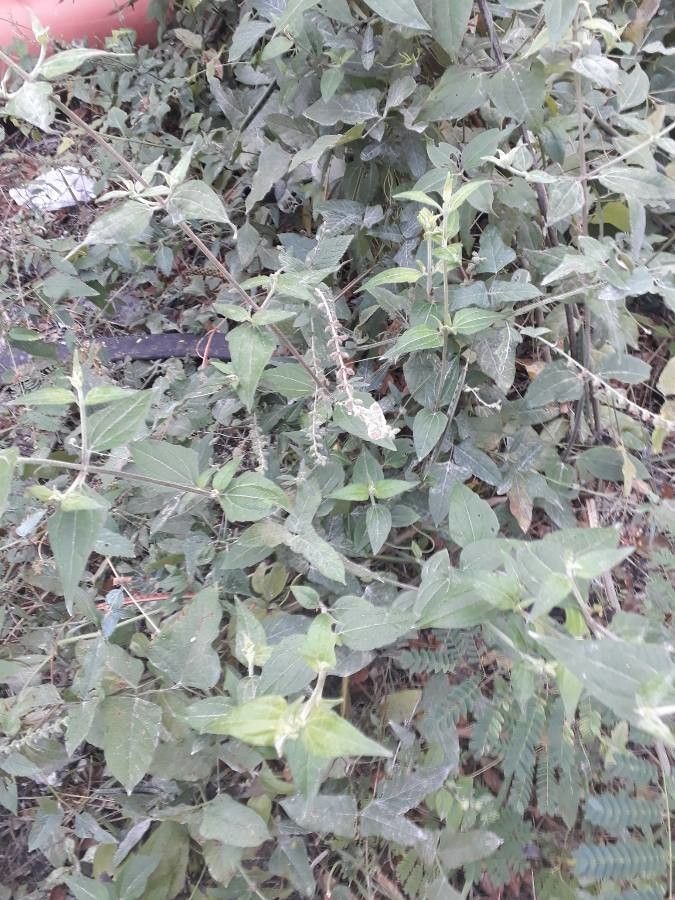
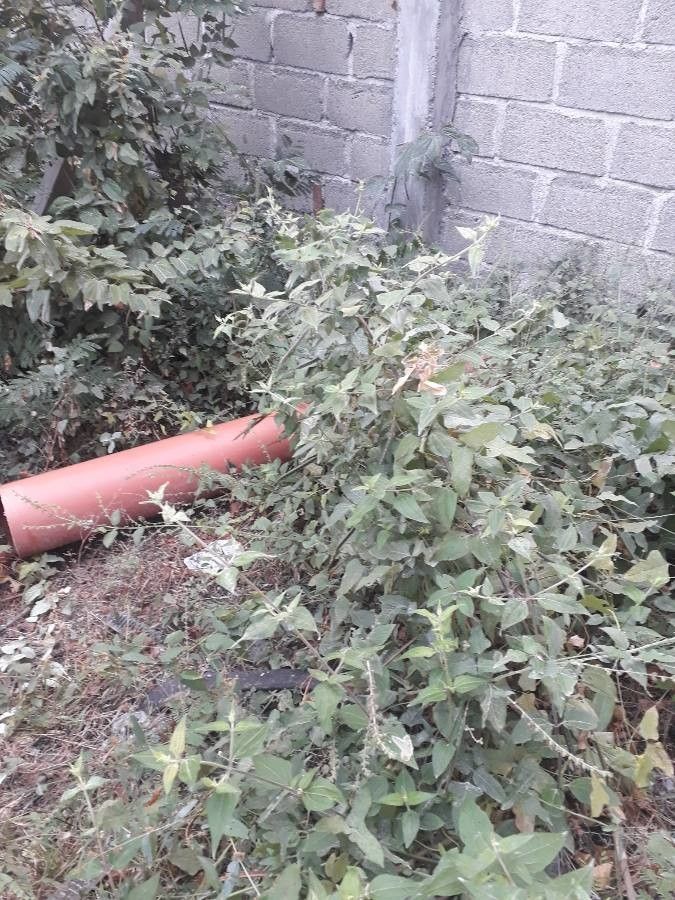
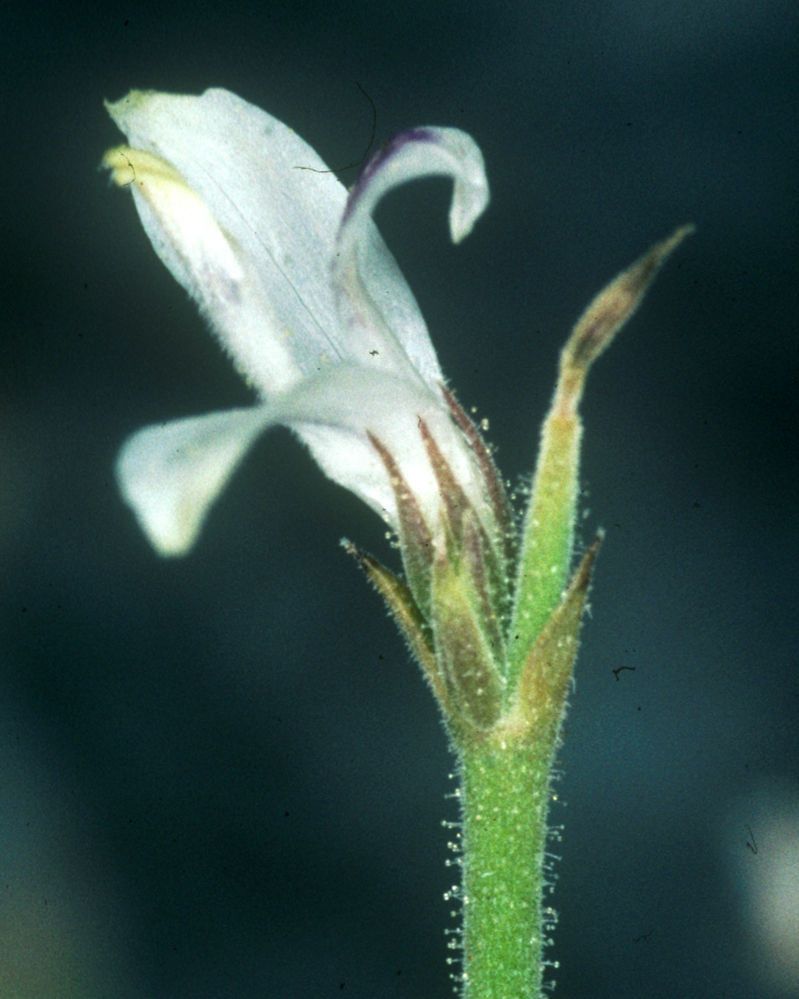
Carlowrightia parviflora is a small, evergreen shrub native to the southwestern United States and northern Mexico. Typically reaching a height of 1 to 3 feet, it boasts narrow, lance-shaped leaves that are gray-green in color. The plant produces small, tubular flowers that are either white or lavender, blooming from late spring through early fall. Carlowrightia parviflora thrives in well-drained soils and prefers full sun to partial shade.
Often used as an ornamental plant in xeriscapes or rock gardens, this shrub is valued for its drought tolerance and low maintenance requirements. Additionally, Carlowrightia parviflora has medicinal properties, containing compounds with anti-inflammatory effects. For centuries, Native Americans have used the plant traditionally to treat various ailments such as fever, coughs, colds, and arthritis.
How to keep Carlowrightia Parviflora.
Pruning
Trim small-flower wrightwort in early spring before new growth begins. Focus on the outer branches to shape the plant and remove any dead wood. Be careful not to over-prune, as this can stress the plant. This approach encourages healthy blooming and improves both the plant's health and its appearance.
Botanical profile.
- Plant Type
- Shrub
- Genus
- Carlowrightia
- Family
- Acanthaceae
Other names.