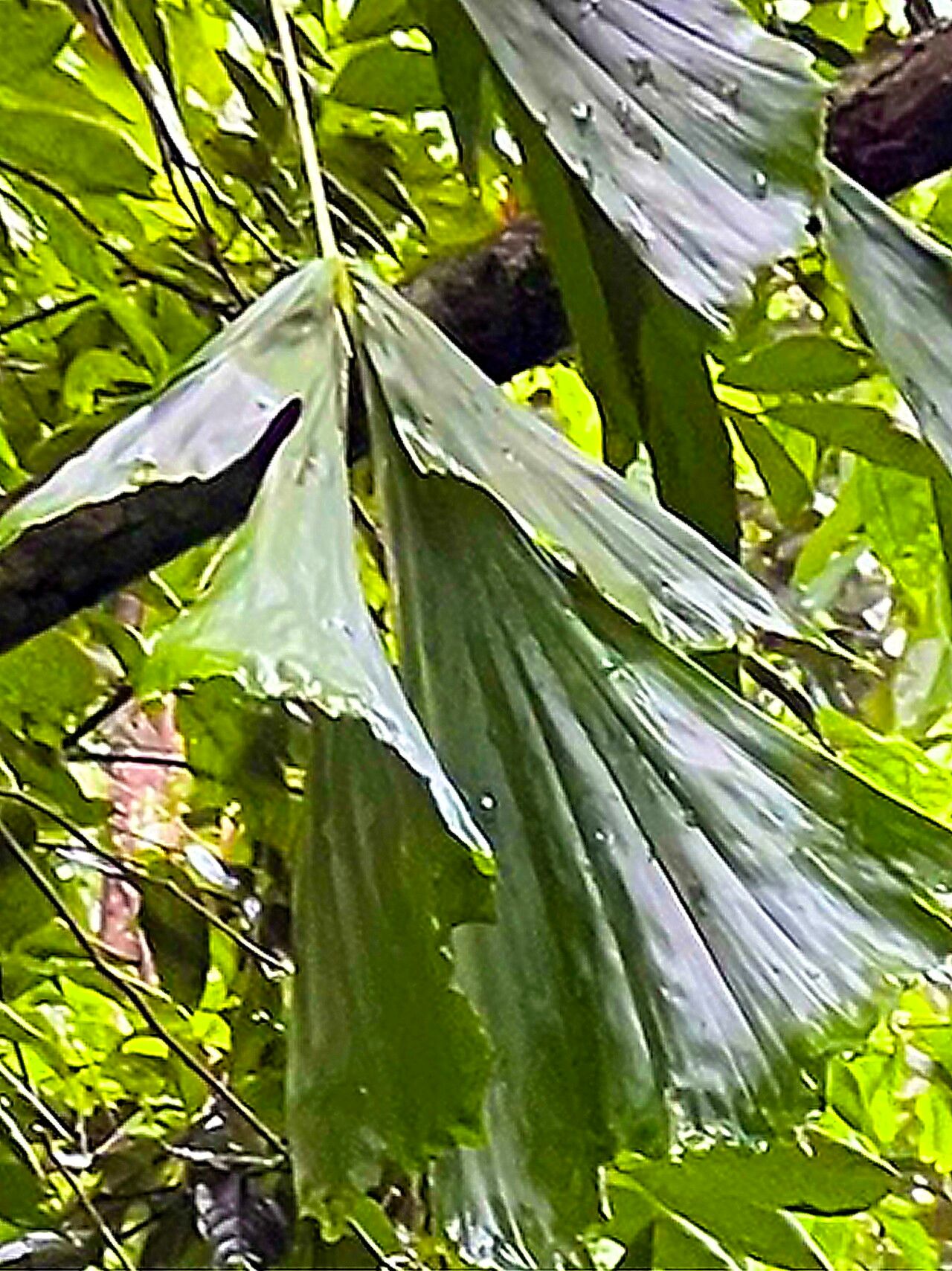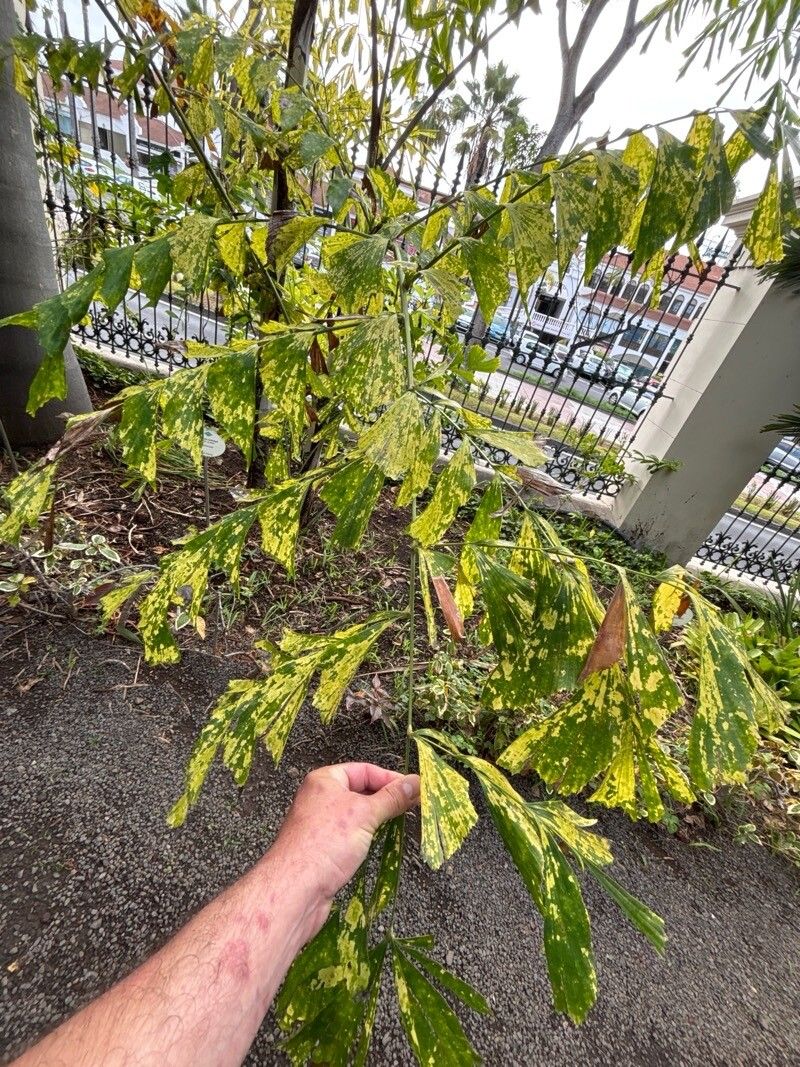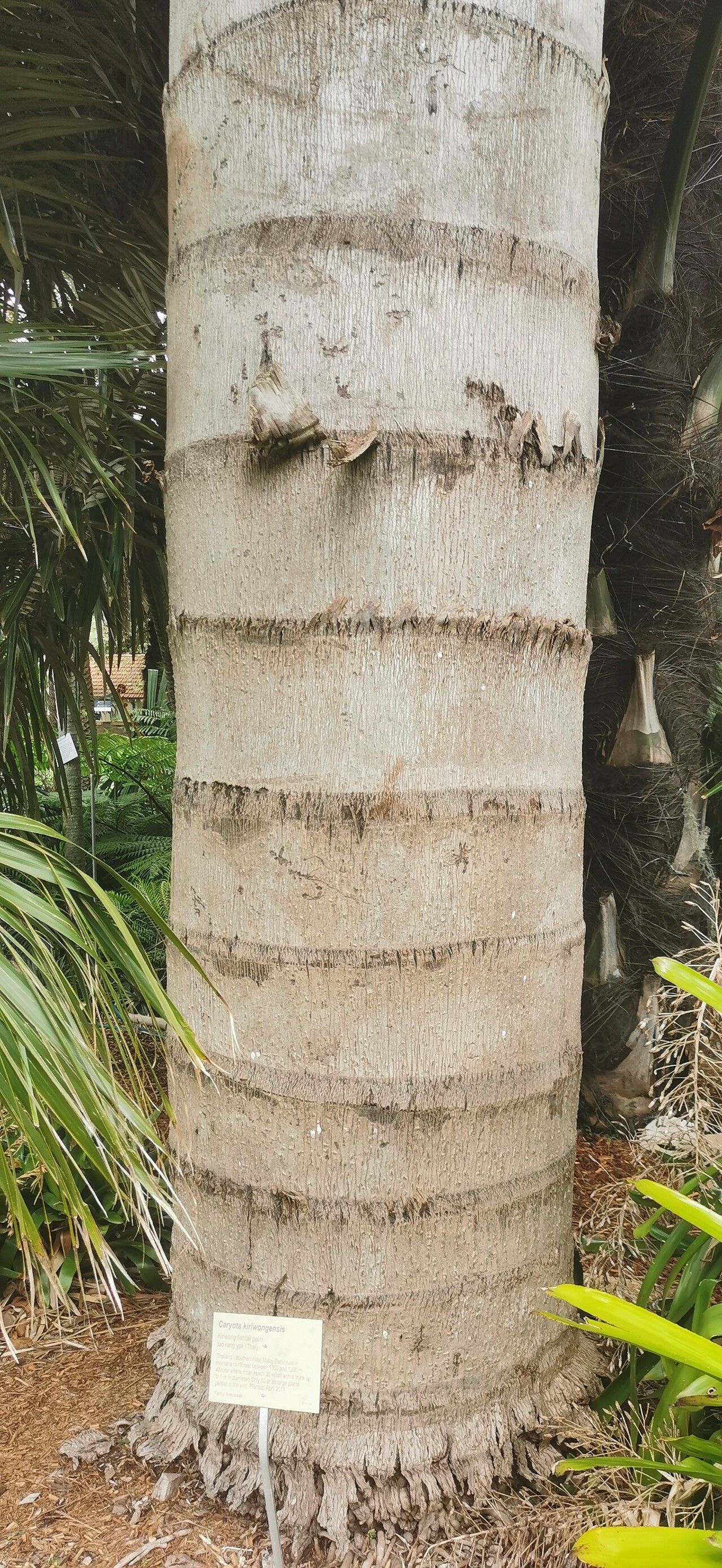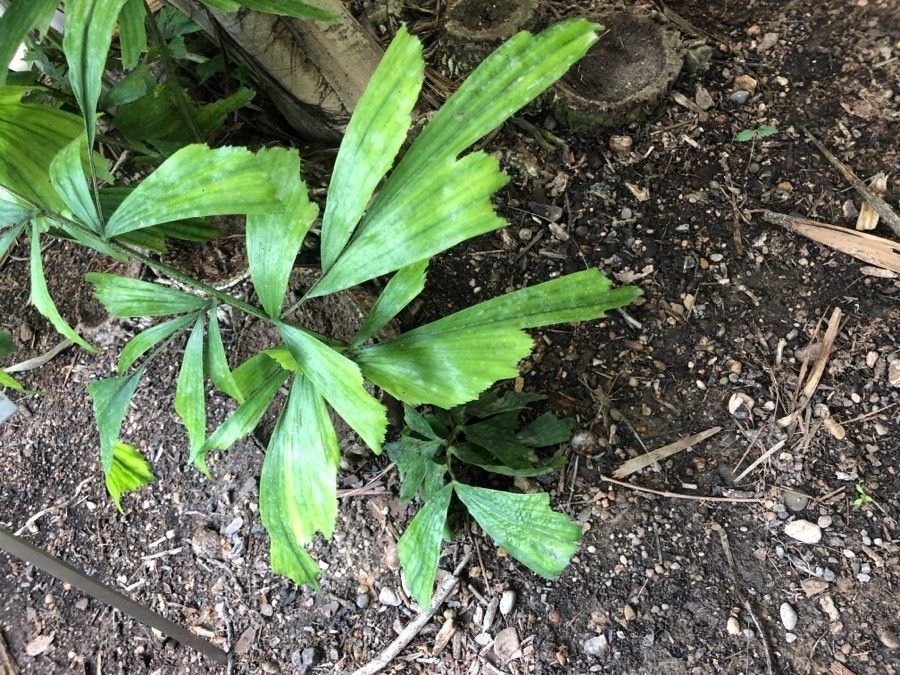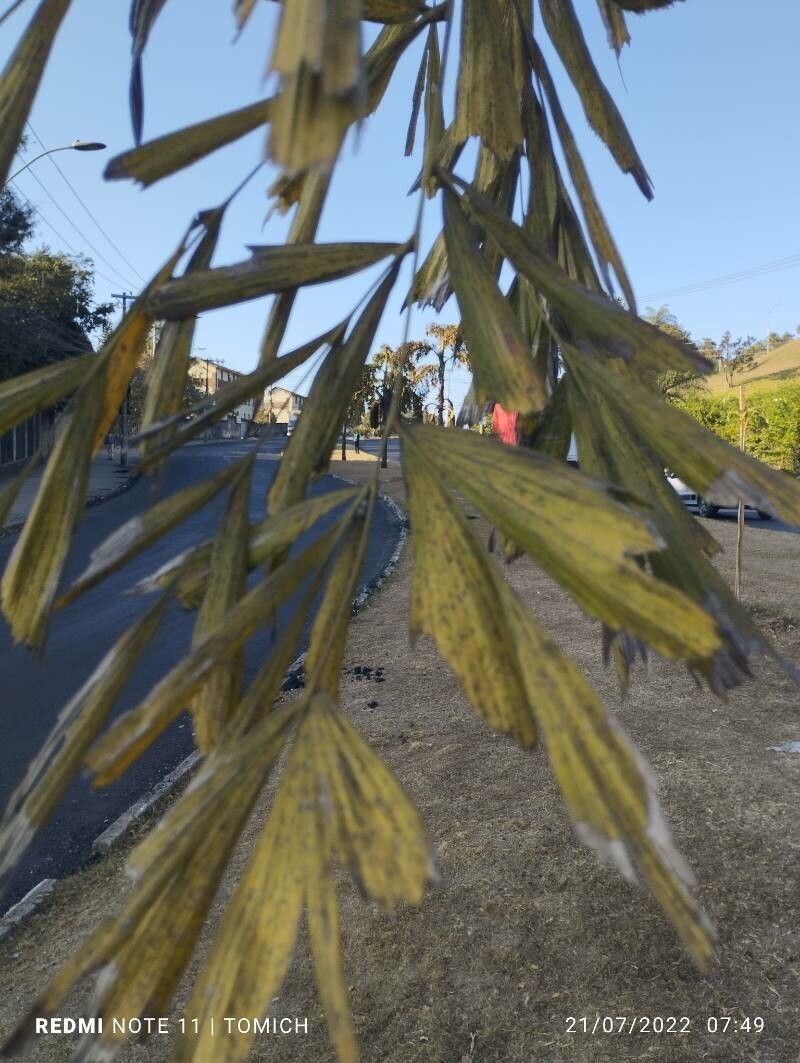
Caryota is a palm tree commonly referred to as fishtail palms. This clumping palm features unique deep greed fronds that fan out like the tail of a fish. It is commonly used as interiorscape plants but other common species grow in tall clumps reaching 20 feet tall, ideal for outdoor use. Fishtail palms are slow-growing and last for a long time.
The Himalayan Fishtail Palm has good resistance to disease and is typically not susceptible to illnesses. In terms of care, this plant is fairly low-maintenance. When grown outdoors it needs little watering, and larger specimens generally do not require pruning. Smaller specimens, however, should be pruned after they have finished blooming. The Himalayan Fishtail Palm is suitable for anyone with an outdoor area, such as a garden or deck, and does not demand extensive care experience.
How to keep Caryota Maxima.
Light
The Himalayan Fishtail Palm grows best with plenty of light throughout the day, though it can tolerate somewhat shaded spots. It naturally occurs in very sunny settings, which explains its need for ample light to grow well. However, both excessive light and too little light can harm the plant's health.
Water
Fishtail palm trees need a consistent supply of moisture. Once the ground dries out slightly, provide a gentle but steady stream.
Temperature
The Himalayan Fishtail Palm originates from the Himalayas and grows well in temperatures between 59 and 90°F (15 to 32°C). In winter, maintain temperatures above 59°F (15°C). In summer heatwaves, offer shade to keep it from overheating.
Fertilizer
The timing of fertilizing the Himalayan Fishtail Palm is important. Apply fertilizer in early spring and continue monthly through early summer. Fertilizer encourages attractive blooms and supplies energy during both dormant and active growth periods.
Pruning
The Himalayan Fishtail Palm is known for its unique fronds that resemble a fishtail. It thrives best in tropical or subtropical climates. To maintain its health and vibrant appearance, prune this plant in early spring. Make cuts close to the trunk to encourage growth, improve air circulation, and prevent pests.
Toxicity
Fishtail palm trees contain calcium oxalate crystals, needle-like crystals that can injure when ingested or touched. You might experience itching, a burning sensation, and dermatitis upon contact. If you eat it, you may experience that same burning sensation in your mouth and throat.
Further reading →
The toxicity and danger assessments provided are for reference only. We do not assure their accuracy, so it's crucial not to depend on them. Seek professional advice when necessary for accurate guidance.
Botanical profile.
- Plant Type
- Tree
- Life Cycle
- Perennial
- Genus
- Caryota
- Family
- Arecaceae
- Hardiness Zone
- 8
- Mature Height
- 9.14 m to 10.67 m
- Mature Spread
- 4.88 m
- Leaf Color
- Green, Blue
- Leaf Type
- Evergreen
- Flower Color
- Yellow, Green
- Flower Size
- 0.20 cm to 0.25 cm
- Bloom Time
- All year round
- Planting Time
- Summer, Autumn
- Harvest Time
- All year round
- Native Area
- Malaysia, Indonesia, Cambodia, Vietnam, Myanmar, Philippines, Laos, Thailand, China
Other names.
Reader questions.
How should I water my Himalayan Fishtail Palm?
Watering your Himalayan Fishtail Palm is easy, as you can use any common watering tool, such as watering cans, hoses, or cups. It is important to water the plant directly on the soil, making sure to evenly moisten all areas to provide water to the entire root system. Using filtered water is recommended, as tap water may contain harmful particles. It is also ideal to use water at or slightly above room temperature, as extremely hot or cold water can shock the plant. However, the palm usually responds well to any water it receives.
Why is it necessary to add fertilizer to my Himalayan Fishtail Palm?
If you own a Himalayan Fishtail Palm, regular fertilization can help you grow a healthy plant. Giving it the right nutrients will promote stronger growth and improve its ability to withstand tough conditions and fight off diseases and pests. To maintain its attractive foliage, stick to a specific fertilization schedule for your palm. This will result in vibrant, lush leaves.
How many hours of sunlight does a Himalayan Fishtail Palm need each day to grow well?
To promote healthy growth, it's important to give the Himalayan Fishtail Palm a minimum of 3-6 hours of sunlight per day. Most plants that can tolerate partial sunlight can also thrive in full sunlight. However, since they need less light for photosynthesis, these plants are more adaptable than those that need either full sunlight or partial shade.
What temperature is best for Himalayan Fishtail Palm?
The optimal temperature range for the Himalayan Fishtail Palm to thrive is between 65-80℉ (18-27℃). During the main growing phase, it can tolerate a maximum temperature of 95℉ (35℃) and a minimum temperature of 15℉ (-10℃). This species can withstand colder temperatures and survive freezing winters. The recommended temperature ranges are as follows: Perfect: 65-80℉ (18-27℃), Highest: 85-95℉ (30-35℃), and Lowest: -5~15℉ (-20~-10℃) or below.
What should I do if I give my Himalayan Fishtail Palm too much water or too little water?
If you have outdoor plants, especially newly planted ones or plant seedlings, they can be prone to not getting enough water. Make sure to water them regularly for the first few months, even if they are small or just planted. Once the roots are established, the Himalayan Fishtail Palm can rely on rain most of the time. However, if you have the plant in pots, overwatering is more likely to happen. If you accidentally overwater your Himalayan Fishtail Palm, stop watering it immediately to minimize the damage. Then, take it out of the pot and check its roots. If there is no sign of root rot, you can put it back in the container. But if there is root rot, trim affected roots and consider using a fungicide. Finally, repot the plant in well-draining soil. On the other hand, if your Himalayan Fishtail Palm is underwatered, simply water it more frequently. It's easy to fix, as the leaves will droop and dry out, but they will bounce back after sufficient watering. Adjust your watering frequency as soon as you notice underwatering.
When should I fertilize my Himalayan Fishtail Palm plant?
To keep your Himalayan Fishtail Palm healthy and promote growth, fertilize it for the first time in late winter or early spring. This will provide the necessary nutrients for the upcoming warm season. In warm climate regions, it is beneficial to give an additional fertilizer feeding during early fall. This not only adds nutrients for the following growing season, but also helps the palm withstand the winter cold without foliage damage. Fertilizing early also allows new branches to grow and become more resilient to the cold.
What kind of sunlight does the Himalayan Fishtail Palm require?
The Himalayan Fishtail Palm thrives when it is exposed to full or partial sun. It flourishes with direct morning light, but during summer it requires some shielding from the intense afternoon sun. In temperate regions, excessive hot afternoon sun has the potential to scorch the leaves, leading to negative effects on the plant's overall health and appearance.
Do I need to change the temperature for Himalayan Fishtail Palm as it grows?
According to research, the Himalayan Fishtail Palm tends to show stunted growth when exposed to prolonged periods of high temperatures, especially during the development of new buds and the growth of main shoots. To promote healthy growth after germination or transplanting, it's important to maintain consistent and cooler temperatures, ideally around 65℉ (18℃).
How much water does my Himalayan Fishtail Palm need?
If you live in an area with regular rainfall, most outdoor plants can grow naturally without additional watering. However, if your area lacks rainfall, you should water your plants every 2 weeks in the spring and fall, and more frequently during the summer. In the winter, when plants need less water, you should water them sparingly, and you may not need to water them at all. If you have a young or newly planted Himalayan Fishtail Palm, you should water it more frequently to help it establish and grow. For potted plants, there are two main ways to determine how often to water your Himalayan Fishtail Palm. One way is to follow a predetermined watering schedule, such as once a week or once every other week. However, this approach may not always be suitable for your specific growing environment. Another option is to check the soil moisture before watering. It's best to wait until the top two to four inches of soil have completely dried out before giving more water. Keep in mind that during summer, when the plant's water needs are highest, a predetermined watering schedule may not be enough.
When is the best time to not add fertilizer to my Himalayan Fishtail Palm plant?
There are a few times throughout the year when you should avoid fertilizing your Himalayan Fishtail Palm. The first time is during the early and mid-winter months when the plant is dormant and doesn't require any feeding. It is also not recommended to fertilize this plant during the late spring and summer, when the weather is hotter and drier. These conditions can have a negative impact on the palm if it is fertilized. To prevent any issues, it's best to stick to a fertilization schedule that only involves feeding in early spring and early fall.
Can the sun harm the Himalayan Fishtail Palm? How can I shield the Himalayan Fishtail Palm from sun and heat damage?
When moving a Himalayan Fishtail Palm from indoors to outdoors, it is important to protect it from direct sunlight to prevent damage. One way to do this is by gradually moving the pots from a shaded area to a brighter spot. However, it's worth noting that even plants acclimated to the sun can still be harmed by extreme heat. During a heatwave, it is crucial to keep the soil consistently moist to help the plants withstand the excessive heat. To provide extra protection during extreme weather events, consider moving container plants to areas with afternoon shade or using a shade cloth to shield the sensitive Himalayan Fishtail Palm.
How do I keep a Himalayan Fishtail Palm warm when it's cold outside?
The Himalayan Fishtail Palm can survive freezing temperatures when planted directly in the ground, as long as the temperature doesn't drop below 15℉ (-10℃) during winter. However, if the palm is planted in pots or containers, extra care is needed to protect the roots from the cold. To do this, you can wrap the container with a blanket or bring it indoors where it will be shielded from the elements.