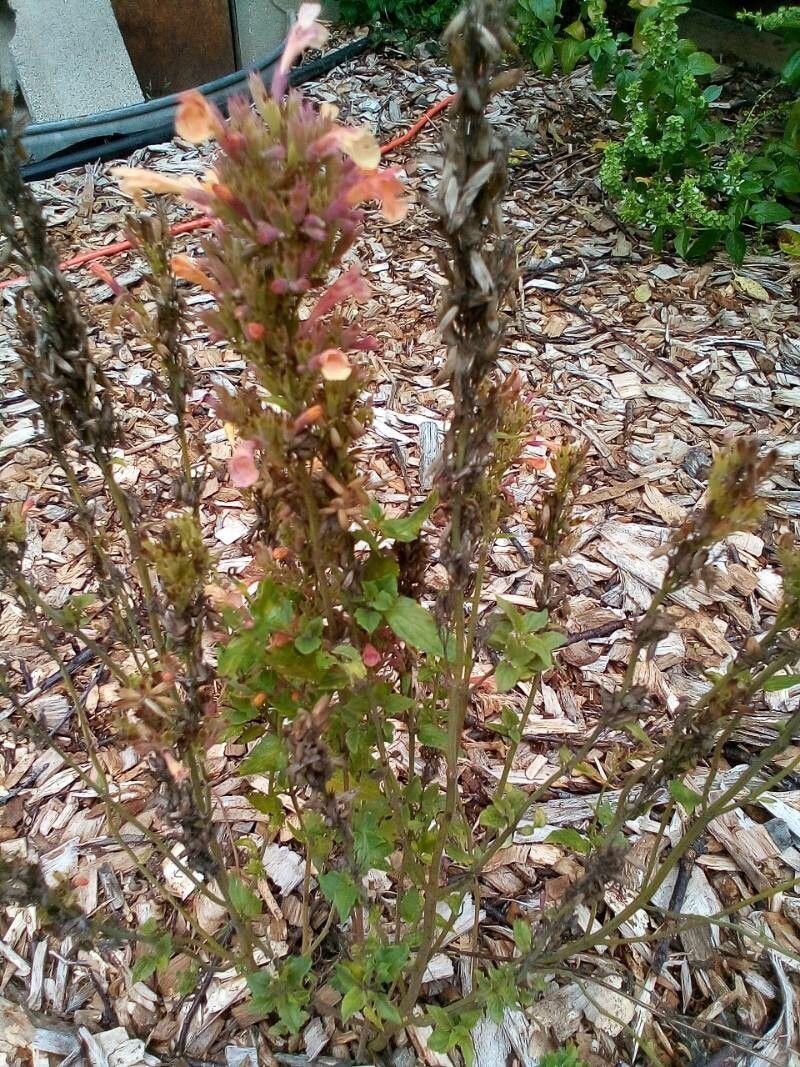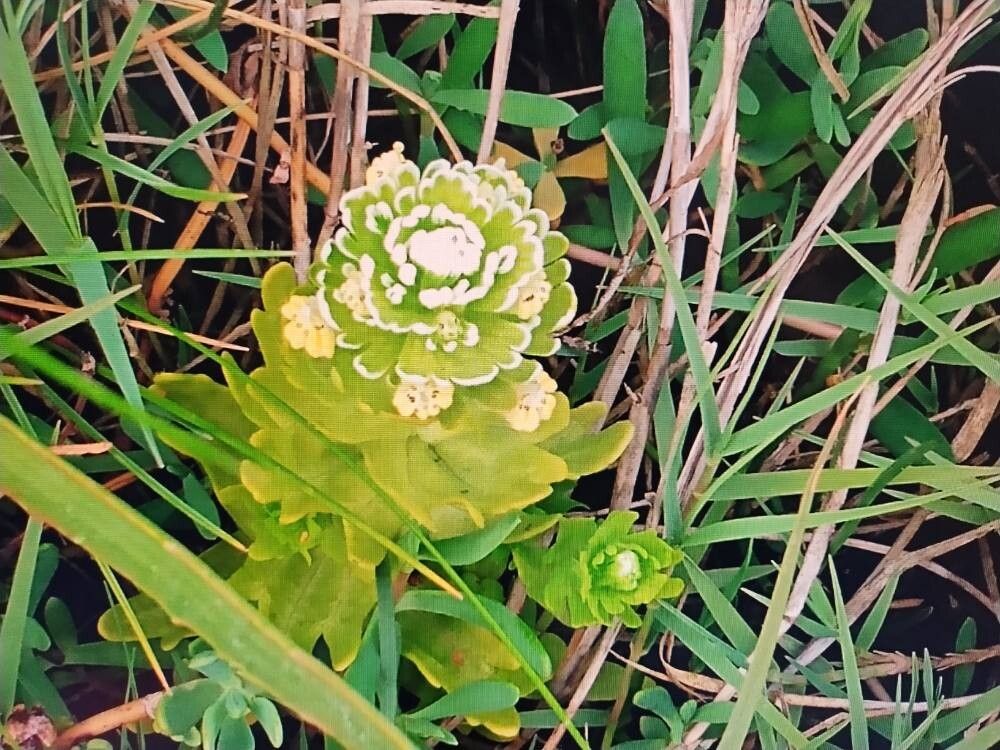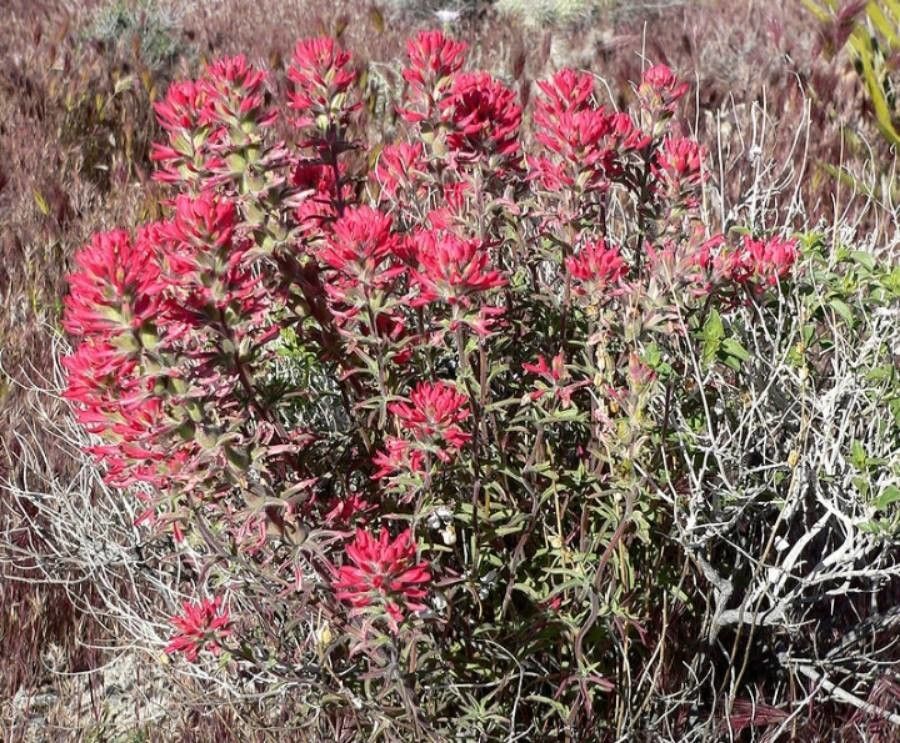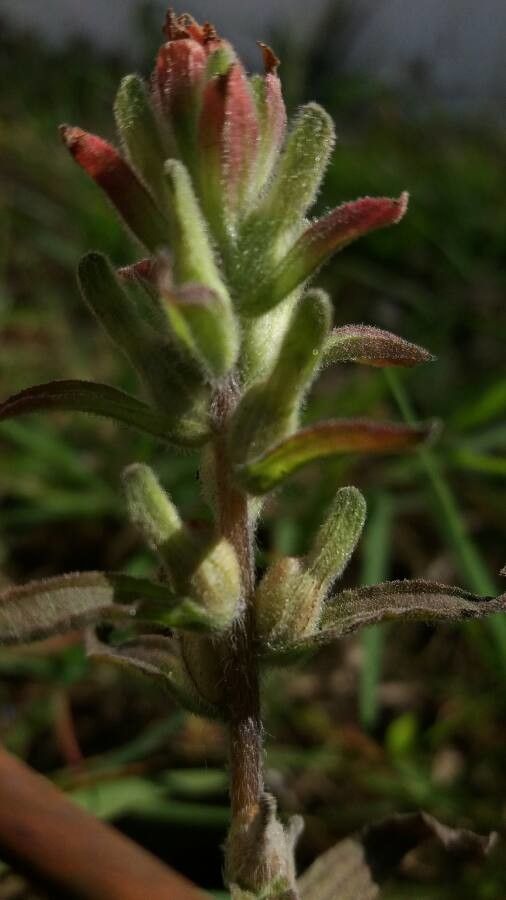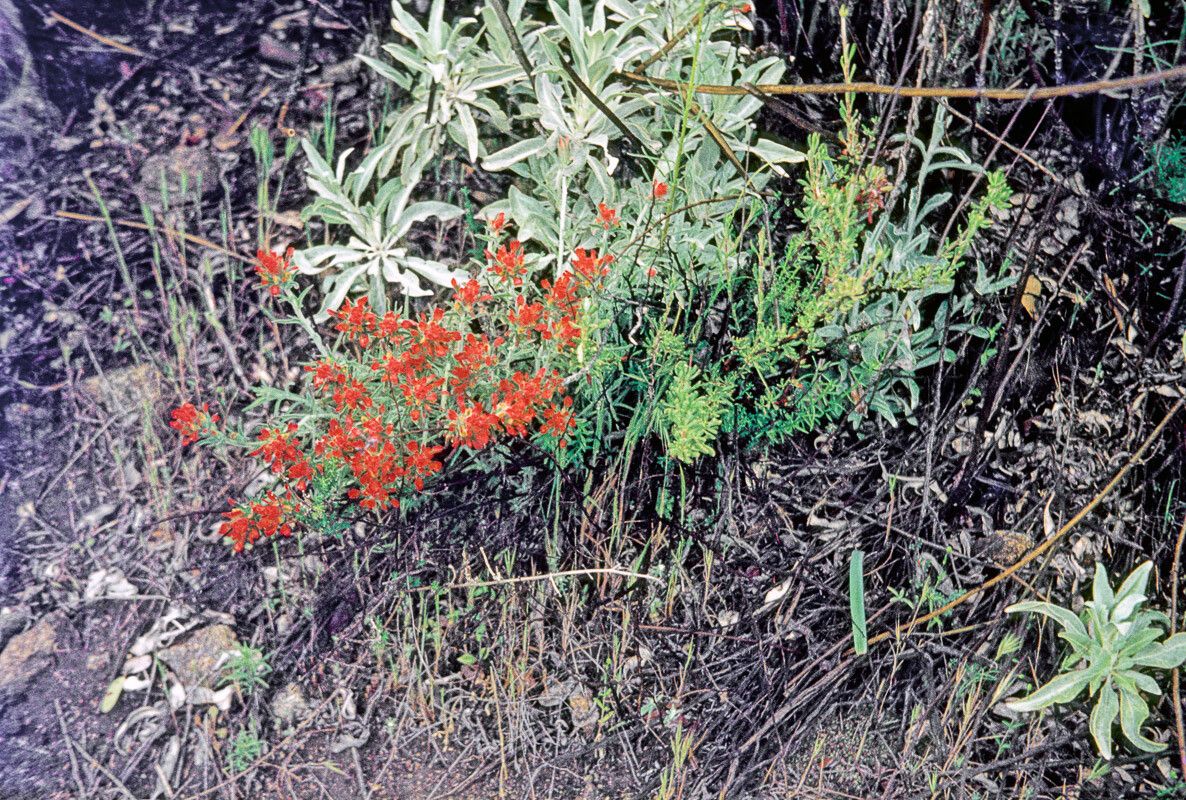
Castilleja foliolosa is a species of Indian paintbrush, known by the common names woolly Indian paintbrush and Texas Indian paintbrush. It is native to California and northern Baja California, where it grows in chaparral and rocky desert and mountain slopes. Despite its common name, it does not occur in Texas.
Woolly indian paintbrush has good disease resistance and is generally not susceptible to illnesses. However, it can be vulnerable to pests and diseases found in its surroundings. These issues are usually mild. In terms of care, this plant requires moderate maintenance. It needs regular pruning to keep a pleasing appearance and healthy growth. Fertilizing can also help encourage flowering. Woolly indian paintbrush is suitable for anyone with outdoor areas like a garden or patio and does not demand extensive care experience. It may need more attention when grown indoors.
How to keep Castilleja Foliolosa.
Light
Woolly indian paintbrush is a sun-loving, herbaceous perennial native to open habitats and commonly found in meadows and grasslands. It prefers full sun but can also tolerate partial sun.
Water
The Woolly Indian Paintbrush flourishes in moderate climates and prefers consistent watering, although it can withstand occasional drought conditions. It's best to water this plant once a week. Adapted for outdoor use in well-draining soils, this plant effectively absorbs water, making it an excellent choice for xeriscaping or gardens that experience drought.
Temperature
Woolly indian paintbrush grows best in its native habitat where temperatures range from 59 to 95°F (15 to 35℃). It favors moderately warm conditions. In particularly cold winters or very hot summers, keep temperatures near the midpoint of that range for optimal health.
Fertilizer
The ideal time to fertilize a Woolly indian paintbrush is in early spring, when it is coming out of dormancy and beginning active growth. Fertilization supplies key nutrients needed for healthy development. Although Woolly indian paintbrush has relatively low fertilization needs, an annual application can improve its survival and encourage better, longer-lasting flowers.
Pruning
The woolly Indian paintbrush is characterized by its woolly, grey-green leaves and vibrant flowers. For optimal health, it is best to perform selective pruning from early to late spring. Focus on removing any dead or overlapping growth to improve airflow and maintain the plant's shape. This practice encourages vigorous blooming and reduces the risk of disease, ultimately enhancing the plant's overall health and appearance.
Botanical profile.
- Plant Type
- Herb, Shrub
- Life Cycle
- Perennial
- Genus
- Castilleja
- Family
- Orobanchaceae
- Hardiness Zone
- 7-10
- Mature Height
- 61 cm
- Mature Spread
- 61 cm
- Leaf Color
- Green, Blue
- Leaf Type
- Deciduous
- Flower Color
- Red
- Flower Size
- 1.78 cm to 2.54 cm
- Bloom Time
- Spring, Early summer
- Planting Time
- Spring, Summer
- Harvest Time
- Summer
- Native Area
- Mexico
Other names.
Reader questions.
What are the sunlight requirements for Woolly Indian Paintbrush?
Woolly Indian Paintbrush requires full sun, defined as over 6 hours of sunlight, or can also thrive in partial sun, which is about 3-6 hours of sunlight. Observing how sunlight moves through your garden will help in choosing the best spots that offer the right balance of light and shade, ensuring the plants' well-being.
What are the optimal temperature conditions for Woolly Indian Paintbrush?
Woolly Indian Paintbrush (Castilleja foliolosa) thrives optimally between 59 to 95°F (15 to 35°C), preferring moderately warm conditions. It has strong cold resistance, so special frost protection measures aren't generally necessary. However, during extreme winters, if temperatures are expected to drop below -15°C, it's important to provide cold protection by covering the plant with soil or straw. Additionally, before the first freeze in autumn, the plant should be watered abundantly to ensure the soil remains moist and enters a frozen state, helping to prevent drought and water scarcity during winter and early spring.
What essentials should I know about growing Woolly Indian Paintbrush?
The Woolly Indian Paintbrush is a sun-loving perennial herbaceous plant that flourishes in open habitats like meadows and grasslands. It prefers full sun but can tolerate partial sun conditions. For indoor plants, adequate lighting is crucial for optimal growth, especially when natural sunlight is insufficient. Artificial lighting, such as LED lights, can be an effective solution, providing the necessary light frequencies. The recommended artificial lighting intensity varies by plant type: 30-50W/sq ft for full sun plants, 20-30W/sq ft for partial sun plants, and 10-20W/sq ft for full shade plants. Positioning the light source 12-36 inches above the plant and mimicking natural daylight hours (usually 8-12 hours) are important guidelines to follow.
How does low temperature affect Woolly Indian Paintbrush, and what are the solutions?
Woolly Indian Paintbrush is cold-tolerant and best kept above 15°C during winter, but should not drop below -10°C. Temperatures falling below -15°C might not show noticeable changes during winter, but there might be a decrease in sprouting or even no sprouting in the spring. The solution for spring is to remove any parts of the plant that have failed to sprout, ensuring the plant can recover from the winter's cold.
What are the symptoms of light deficiency in Woolly Indian Paintbrush?
Symptoms of light deficiency in Woolly Indian Paintbrush can include smaller new leaves, leggy or sparse growth, early leaf drop to conserve resources, delayed growth or halting of new leaf production, pale or irregularly colored new leaves due to a lack of chlorophyll, and conditions such as chlorosis or sunscald, which affect the plant's health and appearance. Leaf curling, wilting, and leaf scorching are also signs of stress from excessive sunlight or insufficient light exposure.
What should be done if Woolly Indian Paintbrush is exposed to high temperatures?
During summer, it's crucial to keep Woolly Indian Paintbrush below 35°C. Exposure to temperatures exceeding 41°C may cause the leaves to become lighter in color, prone to curling, and susceptible to sunburn, which in severe cases can lead to the entire plant wilting and becoming dry. To mitigate this, trim the sunburned and dried-up parts, move the plant to a location that provides shade during the midday and afternoon sun, or use a shade cloth. Finally, water the plant in the morning and evening to keep the soil moist and protect it from the high temperatures.
How can I address light deficiency issues in Woolly Indian Paintbrush?
To combat light deficiency in Woolly Indian Paintbrush, gradually acclimate the plant to receive more sunlight, aiming for at least 6 hours of direct sunlight daily. For indoor plants, consider moving them closer to a south-facing window or using artificial grow lights for at least 8 hours a day. For outdoor plants, transition them to sunnier spots gradually to prevent sunburn. Pruning nearby trees or transplanting smaller plants to sunnier locations can reduce obstructions. It's important to note that parts of the plant that have been damaged due to insufficient light may not recover, but new growth should be healthy once proper light levels are restored.