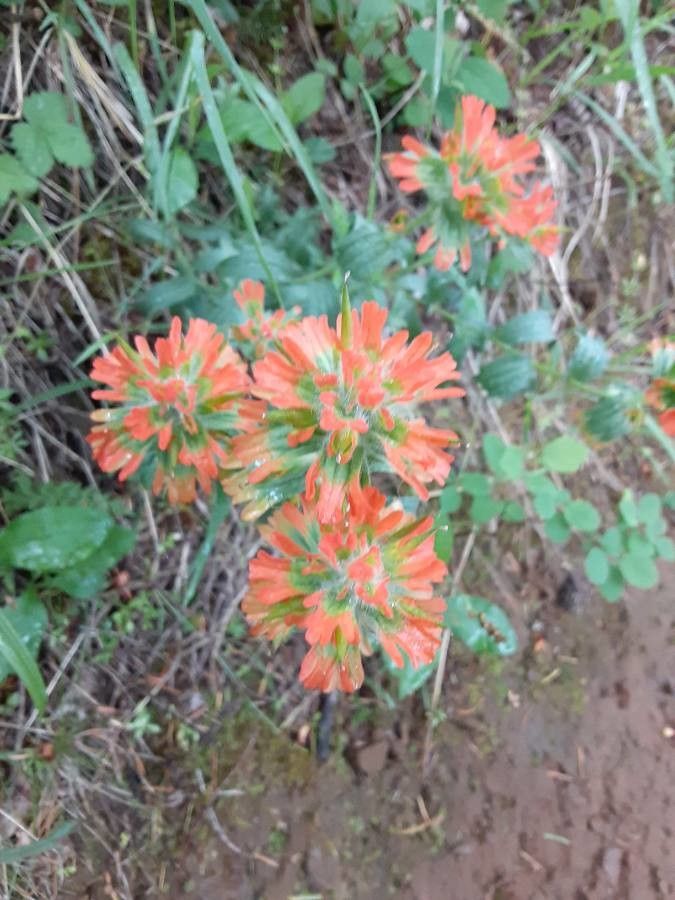
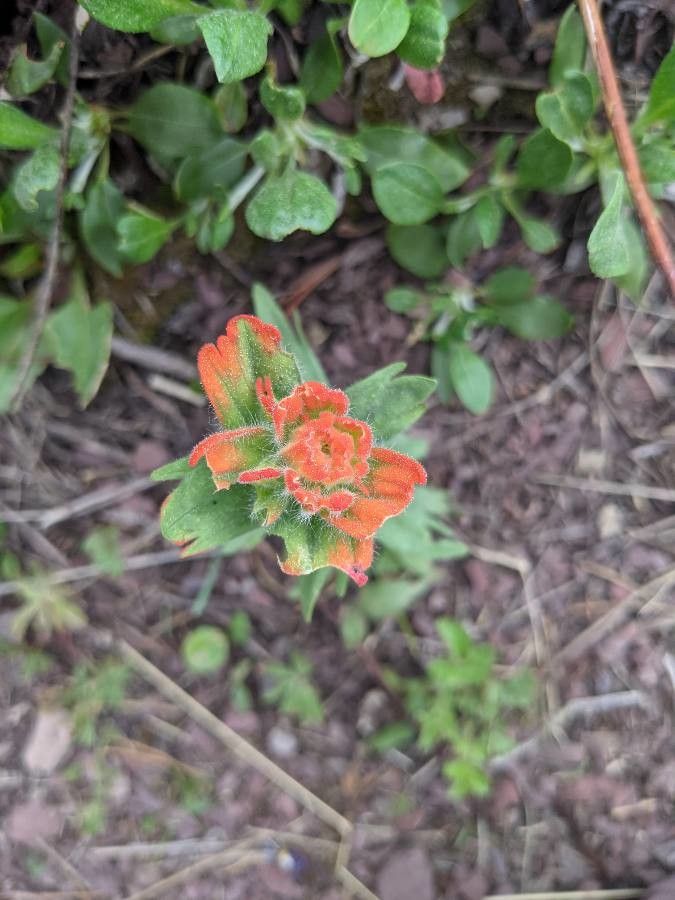
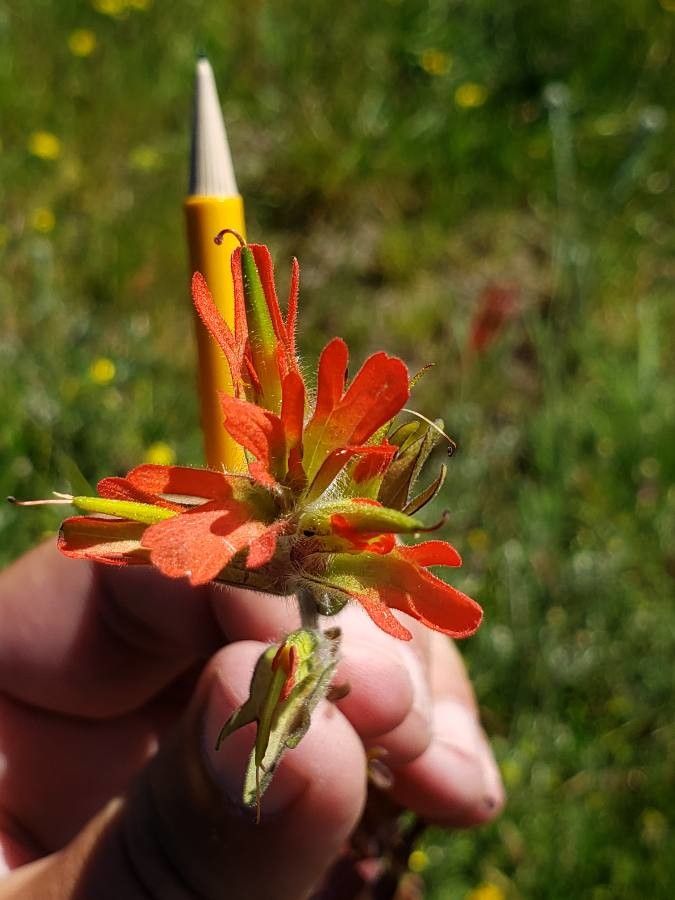
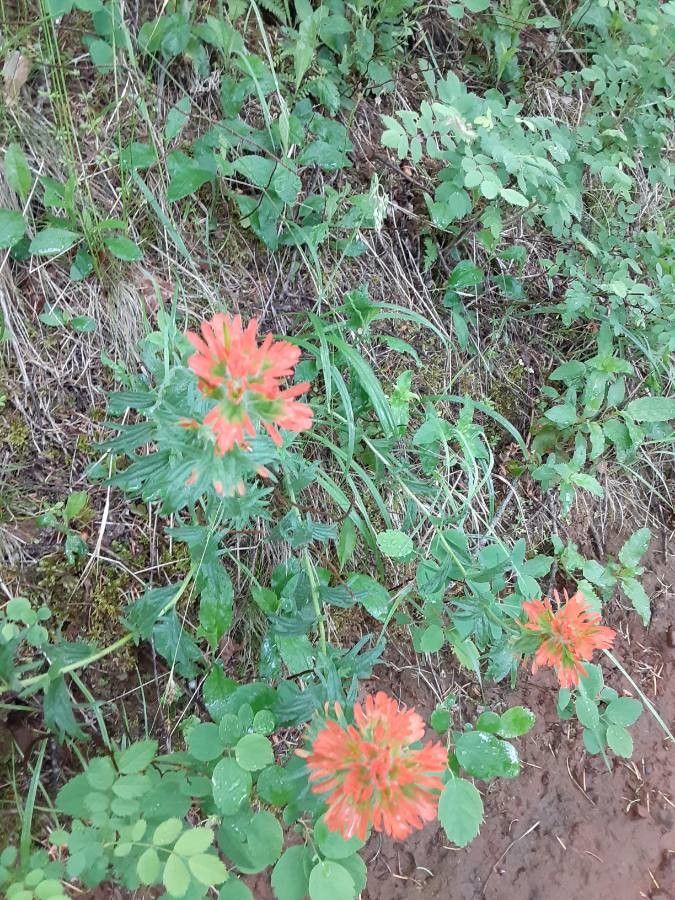
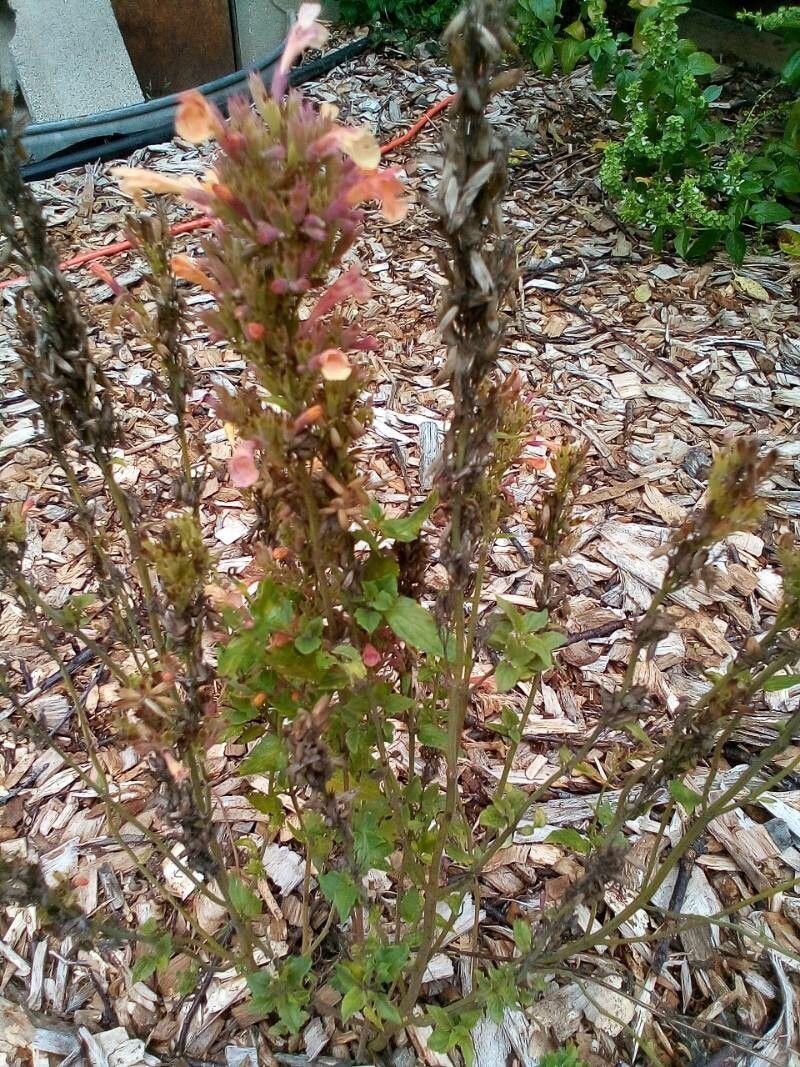
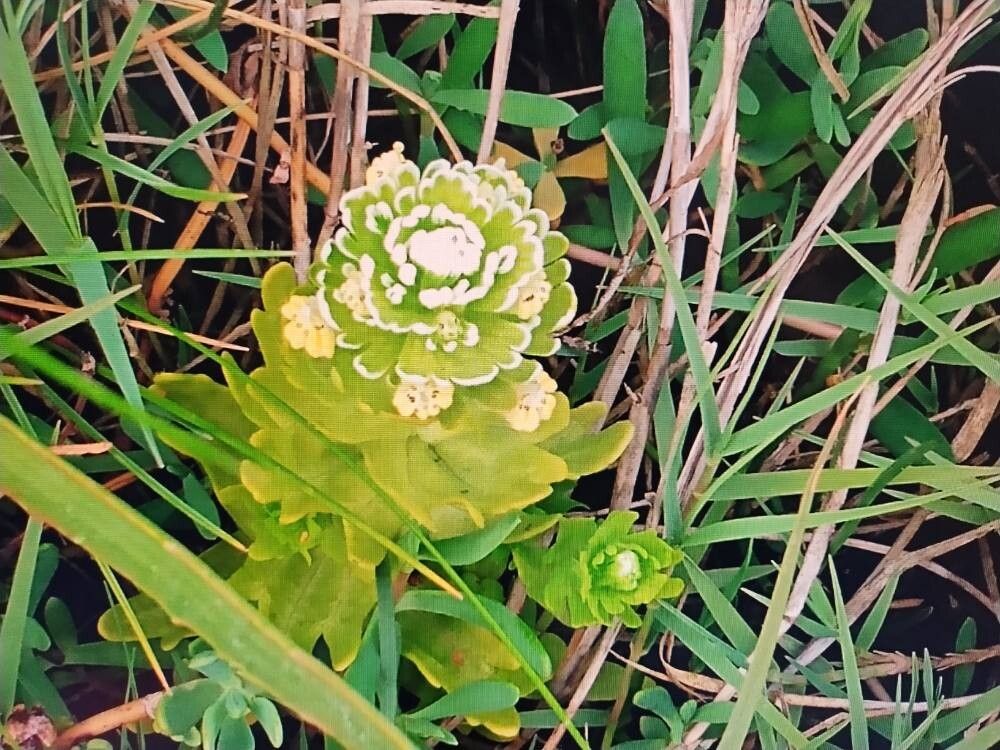
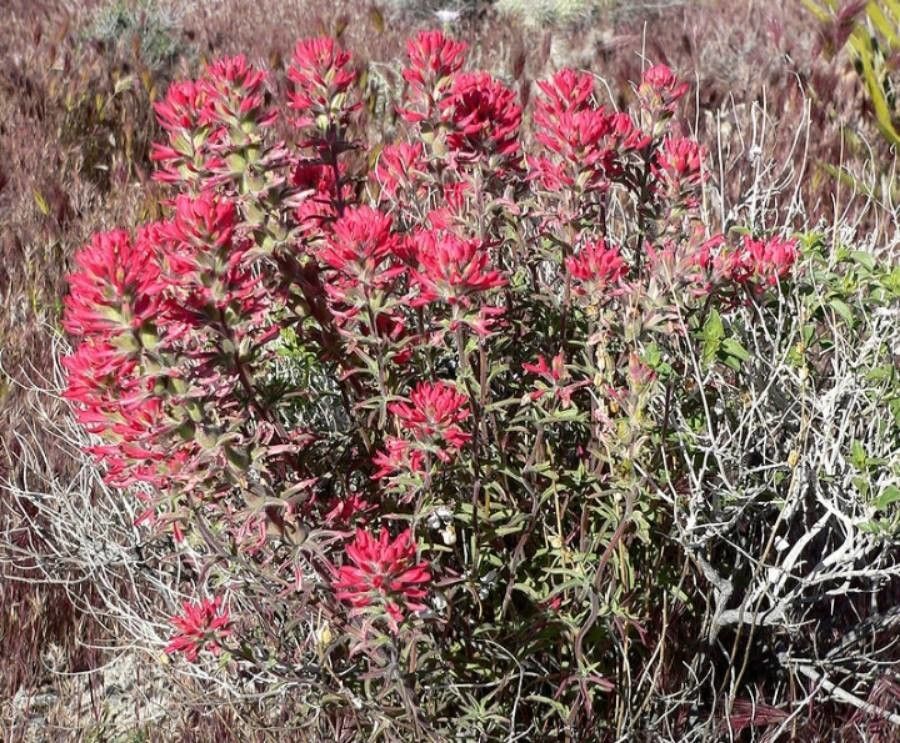
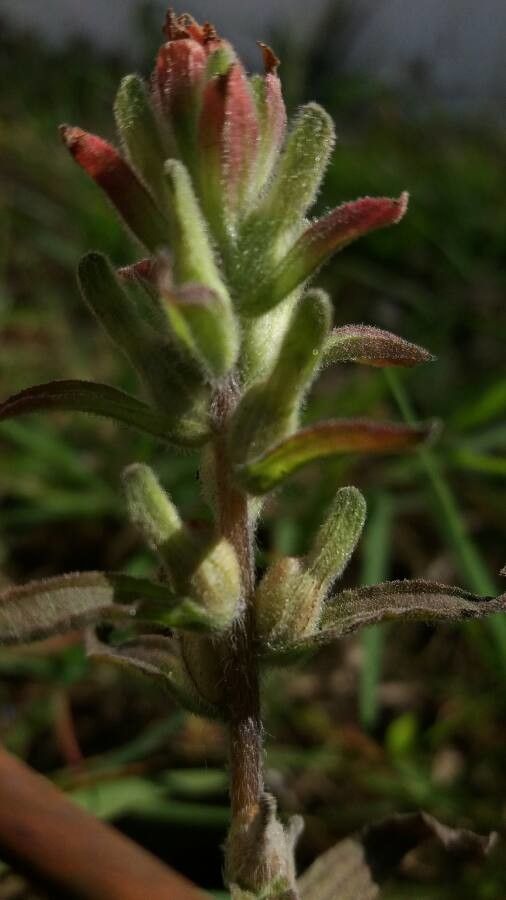
Castilleja hispida is a species of flowering plant in the family Orobanchaceae, also known by the common name harsh paintbrush, or harsh Indian paintbrush. It is native to British Columbia, Alberta, Washington, Idaho, Montana, and Oregon.
Acute indian paintbrush is fairly disease-resistant and generally not prone to illnesses. However, it can be vulnerable to pests and diseases present in its surroundings. These problems are typically mild. For care, this plant requires moderate maintenance. It should be pruned regularly to preserve a neat appearance and support healthy growth. Applying fertilizer can also help encourage flowering. Acute indian paintbrush is suitable for anyone with outdoor space, such as a garden or patio, and does not demand extensive care experience. It may need more attention when grown indoors.
How to keep Castilleja Hispida.
Light
Acute indian paintbrush is a sun-loving, perennial herbaceous plant that comes from open habitats and is commonly found in meadows and grasslands. It prefers full sun but can also tolerate partial sun.
Water
The acute Indian paintbrush flourishes in environments with moderate moisture. It requires consistent watering but is also adaptable to different water conditions. Watering it weekly helps support its growth, and when planted outdoors, natural rainfall can further enhance a robust growing season.
Temperature
Acute indian paintbrush is native to regions where temperatures usually range from 32 to 95 °F (0 to 35 ℃). It prefers cooler conditions. In very hot or very cold weather, adjusting the plant's exposure to heat or cold may be necessary to keep it thriving.
Fertilizer
The best time to fertilize a Acute indian paintbrush is in early spring, as it comes out of dormancy and starts active growth. Fertilizing supplies essential nutrients needed for healthy development. While Acute indian paintbrush has relatively low fertilizer requirements, applying fertilizer annually can improve its survival and encourage better, longer-lasting flowers.
Pruning
The acute Indian paintbrush is a colorful, hemiparasitic perennial plant. To promote growth and blooming, prune it lightly from early to late spring. Focus on removing dead stems and reducing overcrowding to improve airflow. Avoid heavy pruning, as it can hinder photosynthesis and harm the plant’s health, even while trying to maintain a compact shape.
Botanical profile.
- Plant Type
- Herb, Shrub
- Life Cycle
- Perennial
- Genus
- Castilleja
- Family
- Orobanchaceae
- Hardiness Zone
- 3-9
- Mature Height
- 20 cm to 61 cm
- Mature Spread
- 15 cm to 37 cm
- Leaf Color
- Green, Dark Green
- Leaf Type
- Semi-evergreen
- Flower Color
- Red
- Flower Size
- 4.06 cm to 7.62 cm
- Bloom Time
- Mid spring, Late spring, Early summer
- Planting Time
- Spring, Summer, Autumn
- Harvest Time
- Summer
Other names.
Reader questions.
What are the sunlight requirements for Acute Indian Paintbrush?
Acute Indian Paintbrush is a sun-loving perennial herbaceous plant that thrives in full sun conditions, which means it requires above 6 hours of sunlight daily. However, it can also tolerate partial sun, approximately 3-6 hours of sunlight. Understanding how sunlight moves through your garden can help you select spots that ensure your plants receive the optimal balance of light and shade they need to flourish.
What is the ideal temperature range for Acute Indian Paintbrush?
Acute Indian Paintbrush is indigenous to regions where temperatures typically range from 32 to 95 °F (0 to 35 °C). It prefers cooler environments. To ensure the plant thrives, it may be necessary to adjust its exposure to heat or cold in extremely hot or chilly weather conditions.
Can Acute Indian Paintbrush grow with artificial lighting, and if so, how?
Yes, Acute Indian Paintbrush can grow under artificial lighting, which is particularly beneficial when natural sunlight is insufficient. For optimal growth, indoor plants should be provided with adequate artificial light, especially during winter or in less sunny spaces. LED lights are recommended due to their ability to offer specific wavelengths needed by plants. Full sun plants should receive 30-50W/sq ft, partial sun plants 20-30W/sq ft, and full shade plants 10-20W/sq ft of artificial light. The light source should be placed 12-36 inches above the plant, mimicking the natural sunlight conditions. Most plants will require 8-12 hours of artificial light per day.
Does Acute Indian Paintbrush require any special frost protection measures during winter?
Acute Indian Paintbrush possesses strong cold resistance, and special frost protection measures are usually not necessary during winter. However, if temperatures are expected to drop below -35°C, cold protection should be provided by covering the plant with materials such as soil or straw. To help prevent drought and water scarcity during winter and early spring, it's recommended to water the plant abundantly before the first freeze in autumn, ensuring the soil is moist and enters a frozen state.
What are the common symptoms of light deficiency in Acute Indian Paintbrush?
When Acute Indian Paintbrush does not receive sufficient light, it may exhibit several symptoms indicating a need for better lighting conditions. These symptoms include smaller new leaves, leggy or sparse growth, faster leaf drop, slowed or halted growth, paler new leaves indicating a lack of chlorophyll, and chlorosis where leaves lose their green color and turn yellow. Additionally, plants can suffer from sunscald, which damages leaves or stems due to intense sunlight, leaf curling as a defense against sun exposure, wilting from excessive transpiration, and leaf scorching where leaves develop brown, dry, or crispy edges.
How does Acute Indian Paintbrush respond to low temperatures?
Acute Indian Paintbrush is cold-tolerant and thrives best when temperatures are above 0°C. During winter, it should be kept above -30°C. If temperatures fall below -35°C, there might not be any noticeable changes during winter. However, there may be a decrease in sprouting or even no sprouting during springtime. To address this, in spring, remove any parts of the plant that have failed to sprout.
How can I remedy light deficiency symptoms in Acute Indian Paintbrush?
To address light deficiency symptoms in Acute Indian Paintbrush, consider gradually moving the plant to a location with more sunlight, aiming for at least 6 hours of direct sunlight daily when possible. Utilize a south-facing window and keep curtains open during the day for maximum exposure. For larger plants or those not easily moved, artificial lighting such as desk lamps or professional grow lights can supplement light for at least 8 hours daily. For outdoor plants, find the optimal sunlight spot and acclimate them by gradually increasing exposure to prevent sunburn. If the plant's current location is too shaded, consider pruning nearby trees or transplanting the plant during its dormant period to a sunnier spot with better drainage. Note that parts of the plant affected by light deficiency may not recover, but the new growth should be healthy with improved light conditions.
What should I do if the Acute Indian Paintbrush experiences high temperatures?
During summer, it is important to keep the Acute Indian Paintbrush below 35°C. If temperatures exceed 38°C, the plant's leaves may become lighter in color, prone to curling, susceptible to sunburn, and in severe cases, the entire plant may wilt and dry. To mitigate these effects, trim away sunburned and dried-up parts. Move the plant to provide shade from the midday and afternoon sun, or use a shade cloth. Additionally, water the plant in the morning and evening to keep the soil moist.
What is the botanical name of Acute Indian Paintbrush?
The botanical name of Acute Indian Paintbrush is Castilleja hispida.