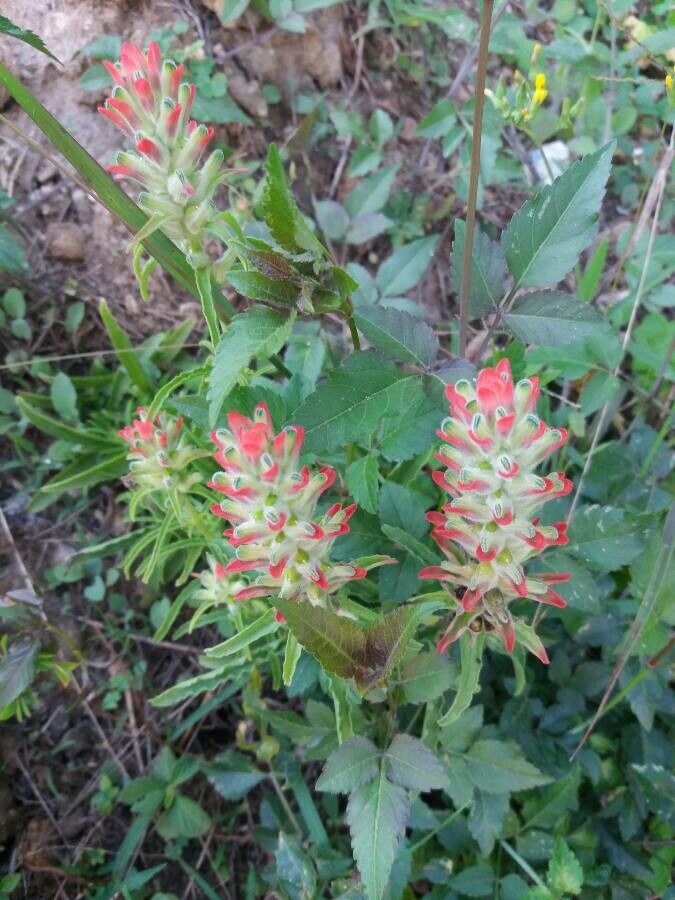
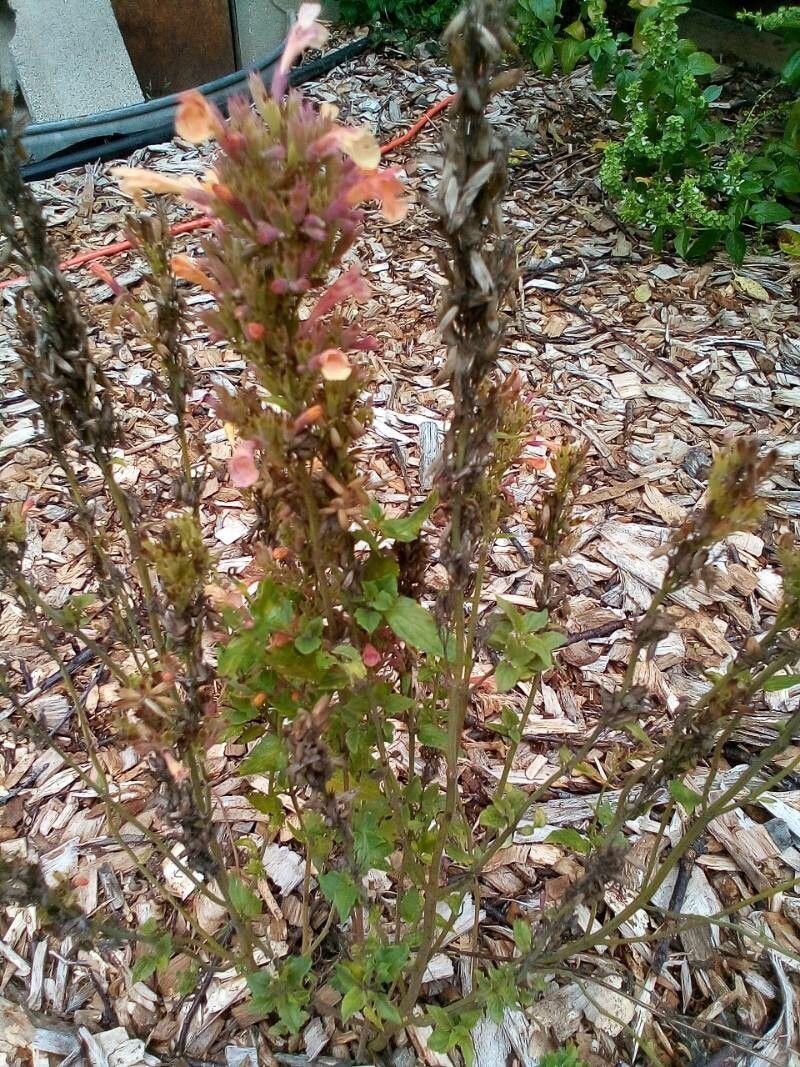
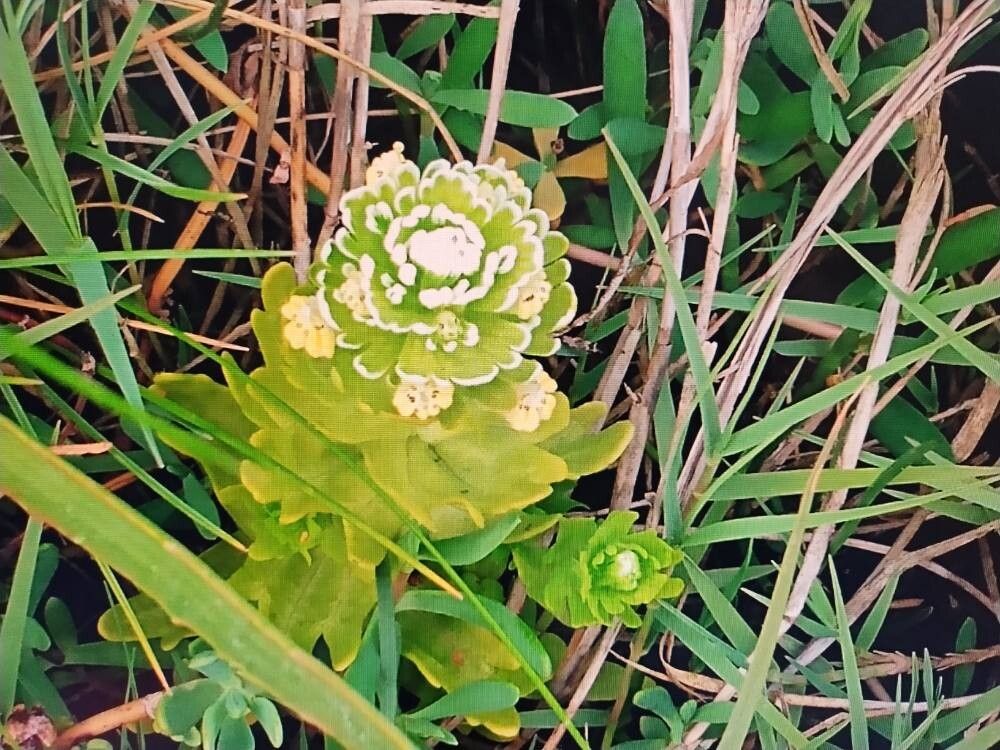
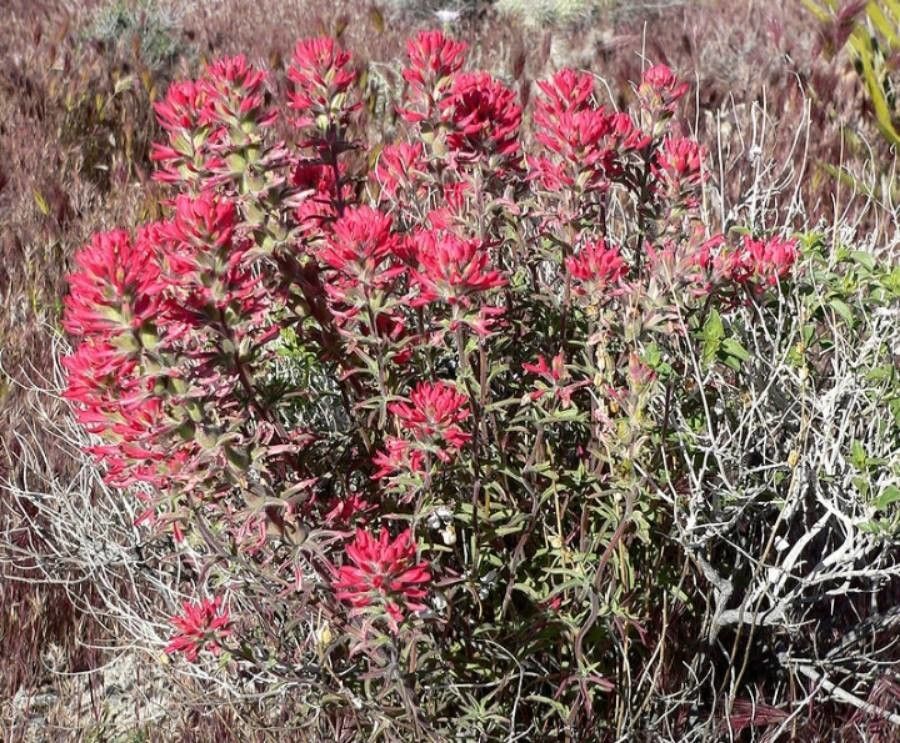
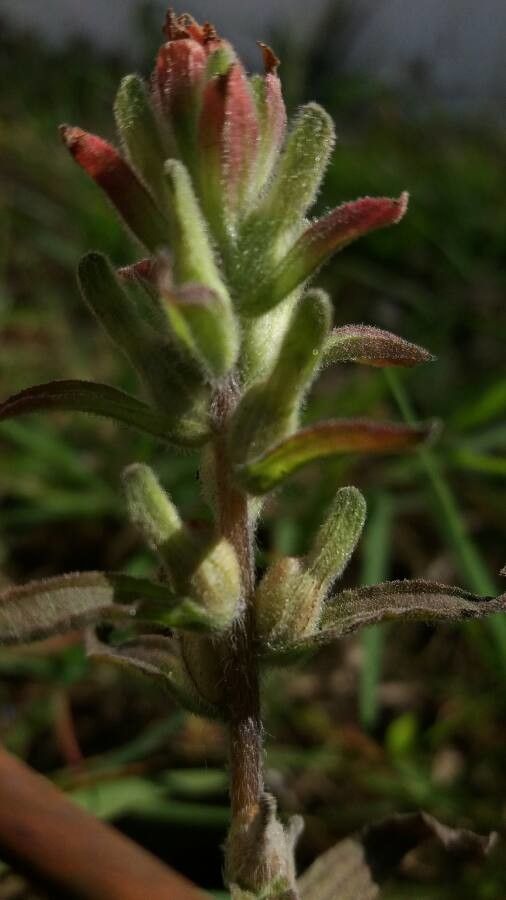
Castilleja nervata, commonly known as the Nevada Indian paintbrush, is a perennial herbaceous plant in the Orobanchaceae family. Native to western North America, it thrives in various habitats including meadows, sagebrush flats, and rocky slopes.
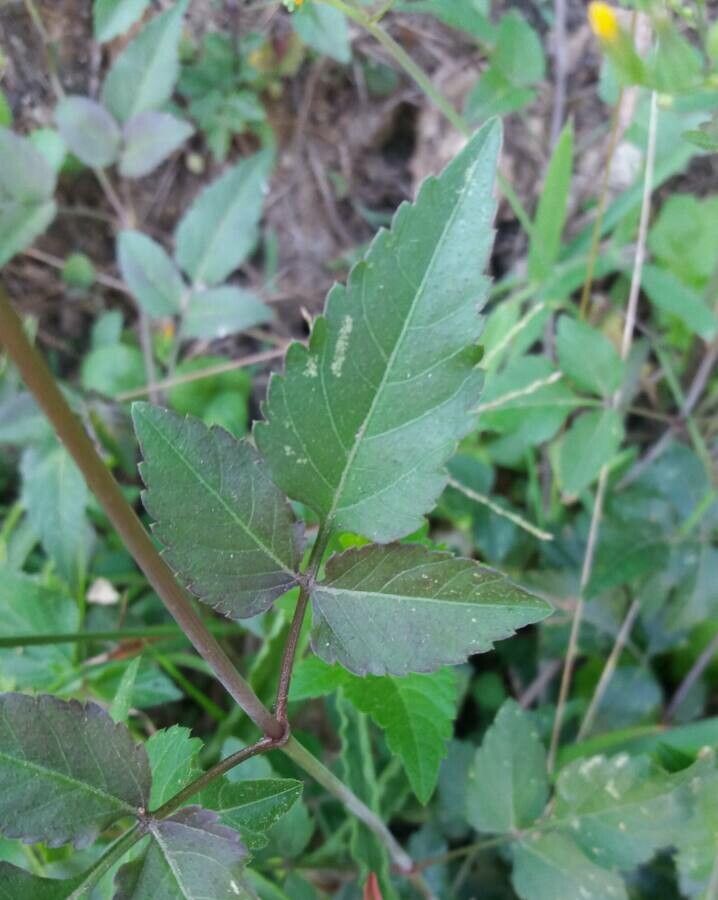
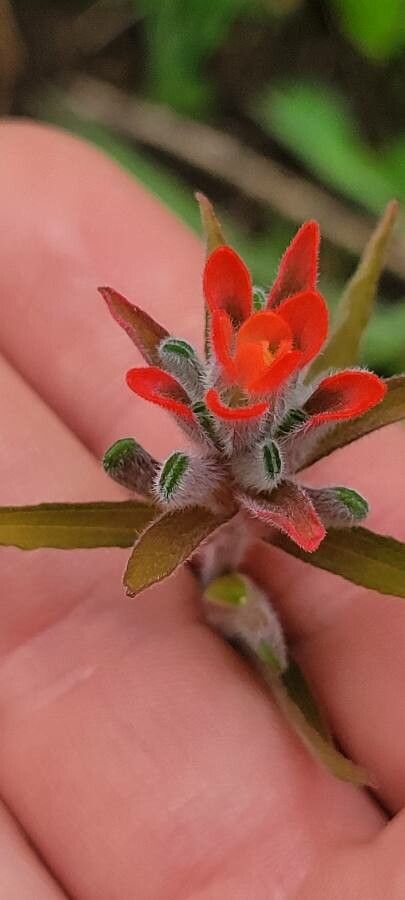
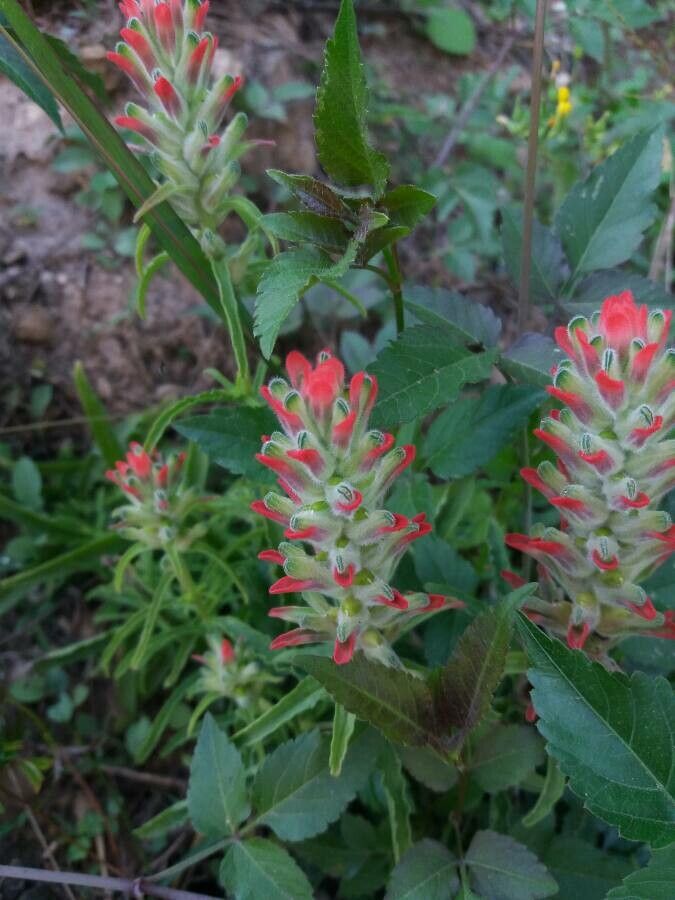
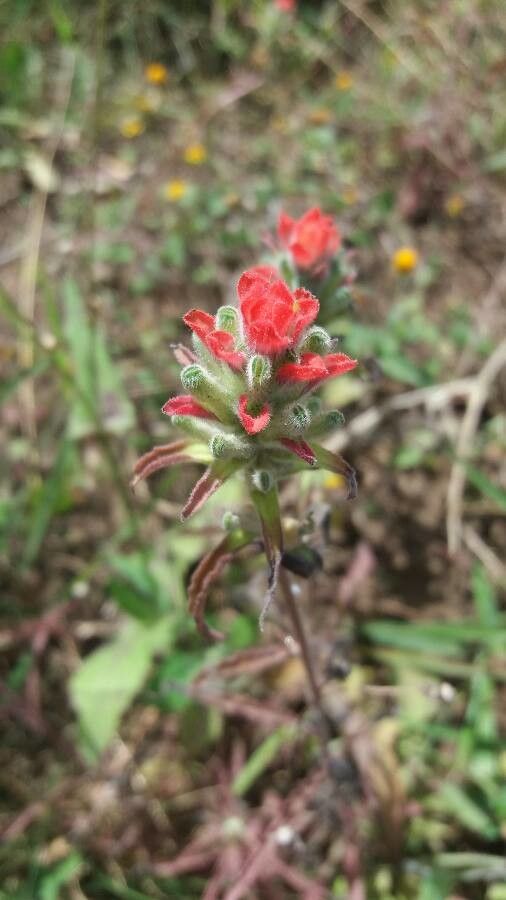
The plant reaches up to 30 cm in height and features a woody base with several fine-haired stems. Its leaves are narrow, lance-shaped, and end in pointed tips. The striking flowers of Castilleja nervata range from bright red-orange to yellow-orange, complemented by green bracts that resemble paintbrushes.
The Nevada Indian paintbrush is vital for pollinators such as bees and hummingbirds, thanks to its nectar-rich flowers. It also holds cultural significance for Native American tribes who have used it for medicinal purposes.
For optimal growth, Castilleja nervata requires well-drained soil and conditions of full sun or partial shade. It can be propagated through seeds or cuttings, but its seeds need cold stratification to germinate.
Overall, Castilleja nervata is a beautiful plant species that plays a crucial role in its ecosystem and holds cultural importance for various communities across western North America.
Trans-pecos indian paintbrush has strong resistance to disease and is generally not vulnerable to illnesses. Still, it can be affected by pests and diseases present in its environment, though such infections are typically mild. Regarding upkeep, this plant needs a moderate level of maintenance. It should be pruned on a regular basis to preserve an attractive appearance and healthy growth. Applying fertilizer can also encourage more flowering. Trans-pecos indian paintbrush is appropriate for anyone with outdoor areas like a garden or patio and does not demand extensive caretaking experience. It may need more attention when cultivated indoors.
How to keep Castilleja Nervata.
Light
Trans-pecos indian paintbrush occurs naturally in settings like forest understories and rocky locations, where it receives natural shade. It favors partial sun but can tolerate both full sun and full shade, illustrating its hardy, adaptable nature.
Temperature
Trans-pecos indian paintbrush can tolerate a wide range of temperatures, but its distribution may still be restricted by particular combinations of moisture and heat. It does best in warm summer environments with sufficient rainfall or supplemental watering. Extended periods of cloudy, rainy conditions or prolonged extreme heat can increase the chance that Trans-pecos indian paintbrush will die. In winter, protecting the plant from cold can help improve its survival.
Fertilizer
The ideal time to fertilize a Trans-pecos indian paintbrush is in early spring, as it comes out of dormancy and begins active growth. Fertilizing supplies the essential nutrients required for healthy growth. Although the Trans-pecos indian paintbrush has relatively low fertilizer needs, an annual application can improve its survival and encourage better, longer-lasting flowers.
Pruning
For healthy growth and abundant blooms, prune your Trans-Pecos Indian Paintbrush in early spring. Focus on removing dead or diseased stems and any overgrown branches. This will improve air circulation and enhance the plant's appearance. Be careful not to cut too much, as excessive pruning can stress the plant. Regular, moderate pruning will ensure vigorous growth and a vibrant display of bracts.
Botanical profile.
- Plant Type
- Herb
- Life Cycle
- Perennial
- Genus
- Castilleja
- Family
- Orobanchaceae
- Hardiness Zone
- 4-8
- Mature Height
- 20 cm to 40 cm
- Mature Spread
- 15 cm to 25 cm
- Leaf Color
- Green, Dark Green
- Leaf Type
- Deciduous
- Flower Size
- 2.03 cm to 3.05 cm
- Bloom Time
- Early summer, Mid summer
- Planting Time
- Spring, Summer, Autumn
- Harvest Time
- Late summer, Early fall
- Native Area
- Mexico
Other names.