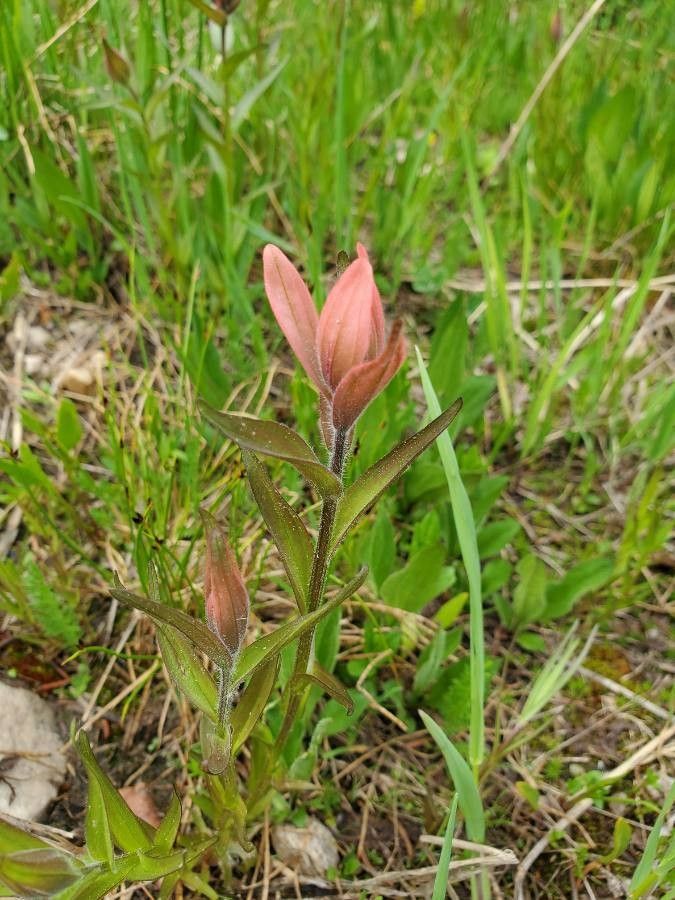
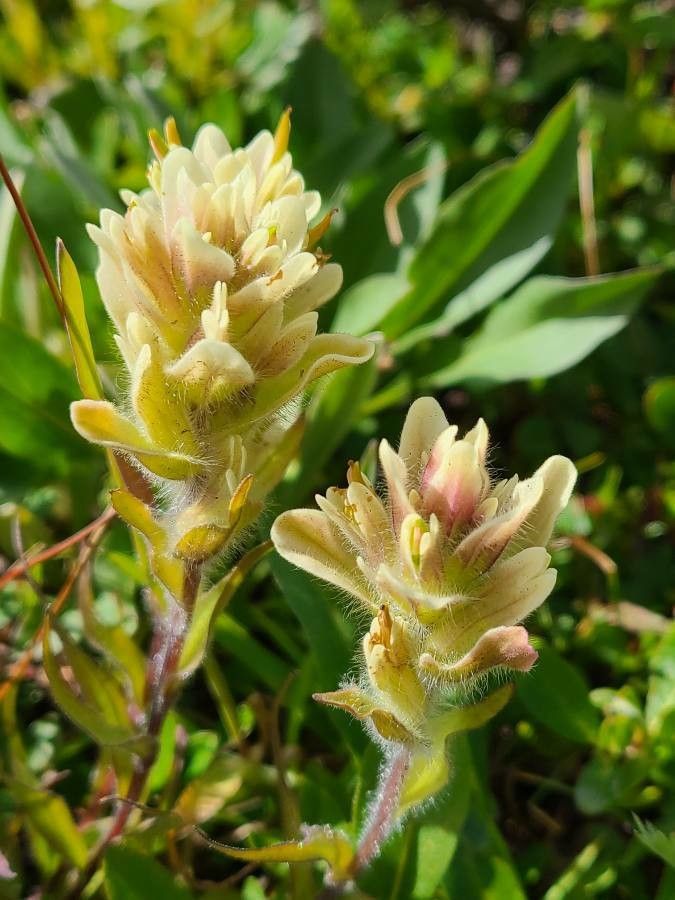
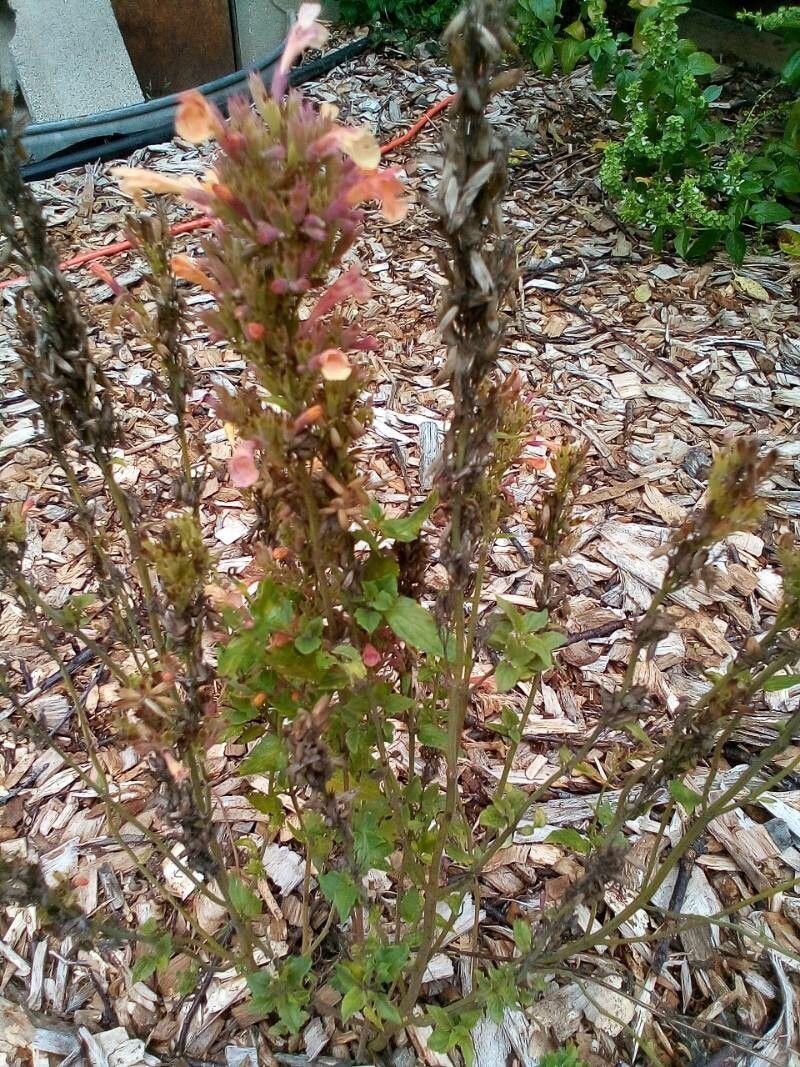
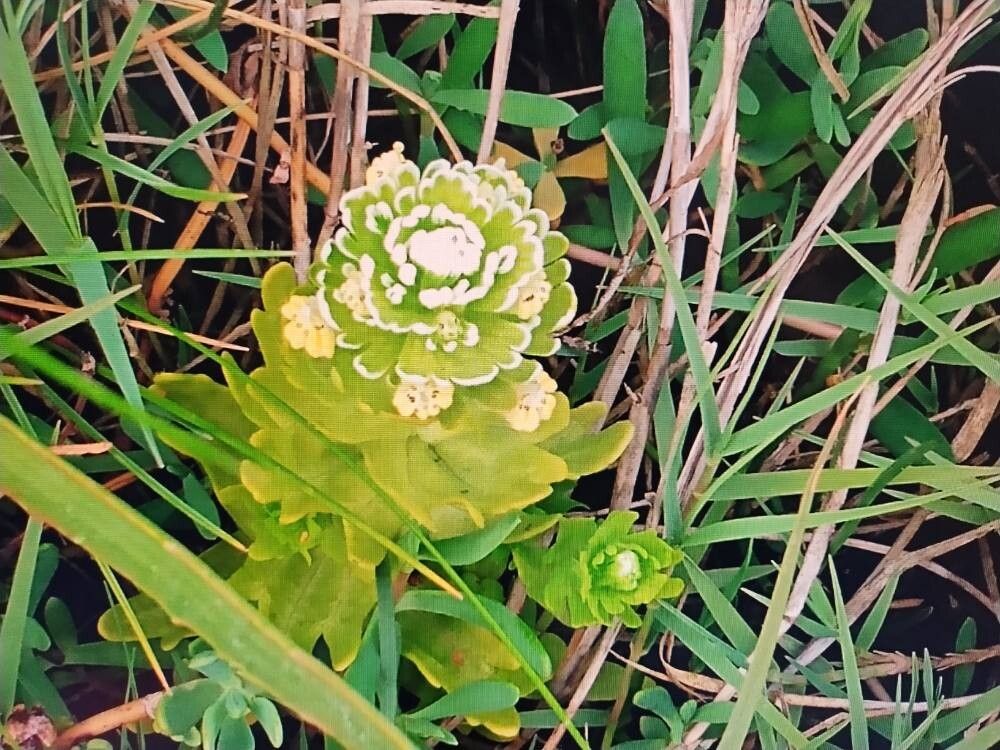
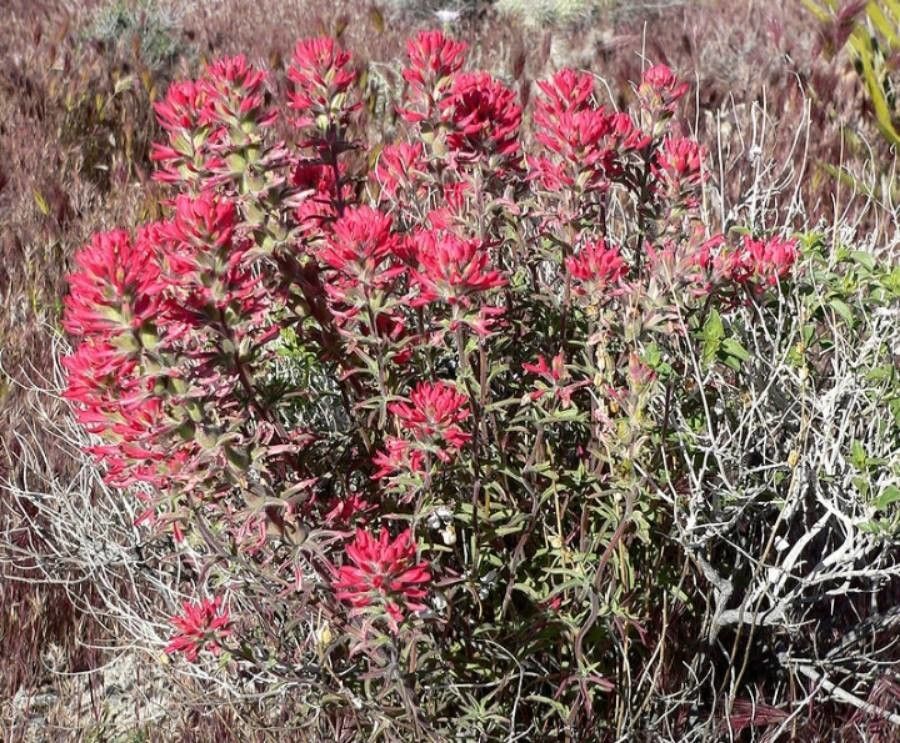
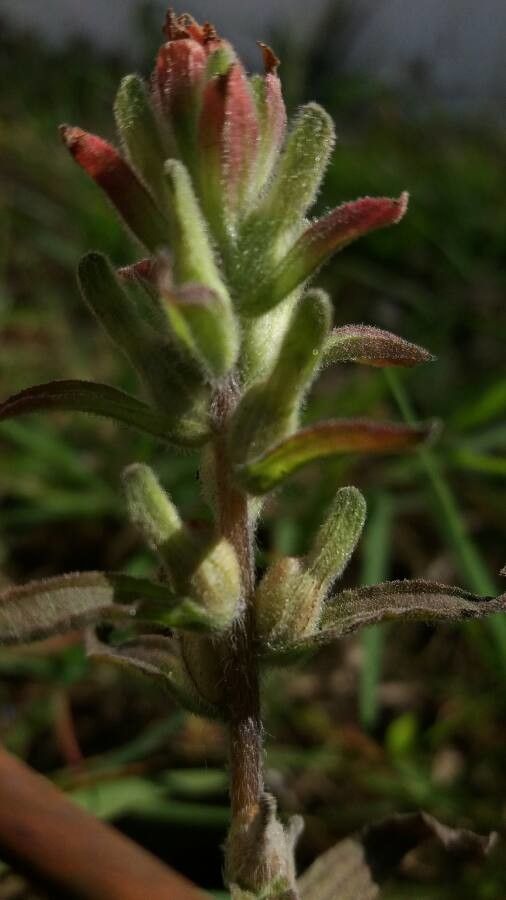
Castilleja occidentalis, commonly known as western Indian paintbrush, is a perennial herbaceous plant belonging to the family Orobanchaceae. It is native to western North America and thrives in various habitats, including meadows, grasslands, and open forests.
Typically, the plant grows up to 60 cm tall and features lance-shaped green leaves. Its most distinctive characteristic is its bright red-orange or yellow-orange flowers, complemented by green bracts that resemble paintbrushes dipped in paint.
The flowers bloom from late spring through early summer, attracting pollinators such as hummingbirds and butterflies. The seeds of Castilleja occidentalis require specific soil fungi for germination, making it challenging for the species to establish itself outside its natural range.
Native American tribes have used Castilleja occidentalis for medicinal purposes, including treating respiratory ailments, fever, headaches, and stomach problems. However, it is important to note that consuming any part of the plant can be toxic if ingested in large quantities.
Overall, Castilleja occidentalis is an important species both ecologically and culturally. Its striking appearance makes it a popular ornamental garden choice for those living within its natural range.
Western Indian paintbrush is fairly disease-resistant and usually does not suffer from many illnesses. However, it can be vulnerable to pests and diseases present in its environment. Those infections are typically mild. In terms of care, this plant needs moderate maintenance. It should be pruned regularly to preserve a neat appearance and encourage healthy growth. Fertilizing can also help stimulate flowering. Western Indian paintbrush is well suited for anyone with an outdoor area, such as a garden or patio, and does not demand a lot of care experience. It may need more attention when grown indoors.
How to keep Castilleja Occidentalis.
Light
Western indian paintbrush is a sun-loving perennial herbaceous plant that comes from open habitats, commonly flourishing in meadows and grasslands. It prefers full sun but can also tolerate partial sun.
Water
The western Indian paintbrush thrives in environments with consistent moisture, making weekly watering essential for its health. It prefers moderate humidity but can withstand short dry spells. Typically grown outdoors, this plant benefits from the natural variations in rainfall, which support its growth cycles and enhance its seasonal vitality.
Temperature
Western indian paintbrush is native to habitats with a moderate temperature range of 50 to 77 °F (10 to 25 ℃). The plant flourishes in these conditions and is less well adapted to extreme temperatures.
Fertilizer
The best time to fertilize a Western indian paintbrush is in early spring, when it is coming out of dormancy and starting active growth. Fertilizing supplies essential nutrients needed for healthy development. Although Western indian paintbrush has fairly low fertilizer requirements, giving it fertilizer once a year can improve its survival and encourage stronger, longer-lasting blooms.
Pruning
The Western Indian paintbrush is known for its vibrant flowers and benefits greatly from pruning in early to late spring. To ensure healthy growth, remove only the mature stems and any dead ones, taking care to avoid damaging the plant. Pruning improves air circulation, helps prevent disease, and promotes strong growth. For optimal recovery, make your cuts just above the leaf nodes.
Botanical profile.
- Plant Type
- Herb, Shrub
- Life Cycle
- Perennial
- Genus
- Castilleja
- Family
- Orobanchaceae
- Hardiness Zone
- 6
- Mature Height
- 10 cm to 25 cm
- Mature Spread
- 10 cm to 20 cm
- Leaf Color
- Green, Yellow Green
- Leaf Type
- Semi-evergreen
- Flower Color
- Yellow, Green
- Flower Size
- 2.03 cm to 2.54 cm
- Bloom Time
- Summer
- Planting Time
- Spring, Summer
- Harvest Time
- Late summer, Early fall, Mid fall
Other names.
Reader questions.
What is the native climate for the Western Indian Paintbrush?
The Western Indian Paintbrush, also known by its botanical name Castilleja occidentalis, is native to environments that favor a moderate temperature range, specifically between 50 to 77 °F (10 to 25 °C). This plant prospers in such climates and is not well-adapted to extreme temperature variations. It is highly tolerant of cold conditions and does not require additional protection against frost during the winter months. However, to ensure the soil remains moist and enters winter in a frozen state, it is recommended to water the plant generously before the first freeze of autumn. This precaution helps to avert drought and water scarcity for the plant during the colder months and early spring.
How does the Western Indian Paintbrush react to low temperatures?
The Western Indian Paintbrush is remarkably tolerant of cold temperatures, capable of withstanding winter climates as low as -25°C. Despite this resilience, if temperatures fall below this threshold, the plant may not exhibit immediate visible stress during the winter. However, there might be a noticeable decline in sprouting or even a complete lack of sprouting in the subsequent spring. To manage this, it's advisable to remove any parts of the plant that have failed to sprout in the spring, ensuring healthier growth for the remaining sections.
What should be done if the Western Indian Paintbrush experiences high temperatures?
The Western Indian Paintbrush exhibits a low tolerance for high temperatures; growth comes to a halt if temperatures exceed 25°C, making the plant more prone to rotting. In such cases, the recommended course of action includes trimming away parts of the plant that have been sunburned or dried out. The plant should be moved to a shaded location or covered with shade cloth to protect it from the intense midday and afternoon sun. Additionally, watering the plant during cooler times of the day, such as morning and evening, helps keep the soil adequately moist.