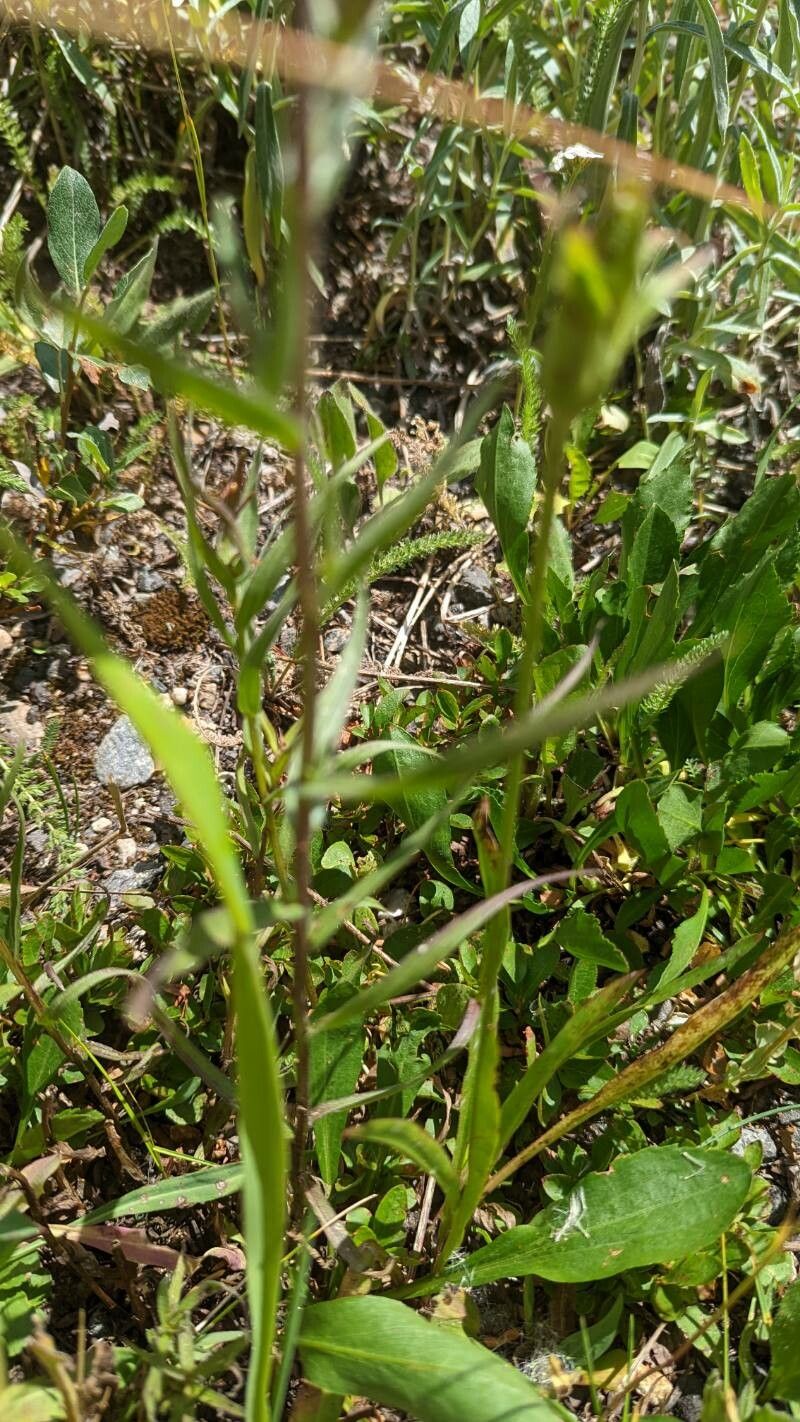
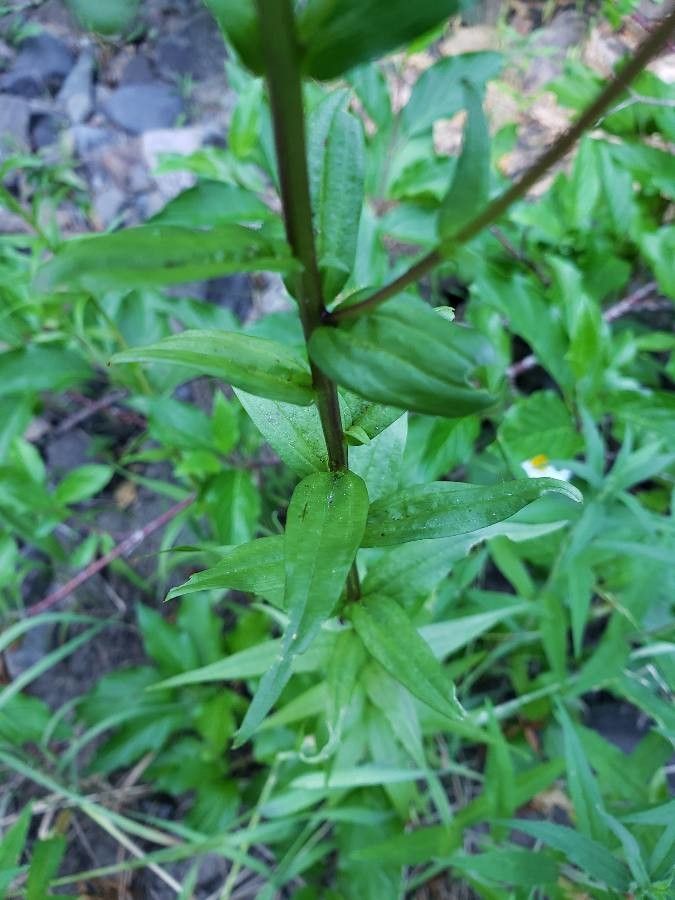
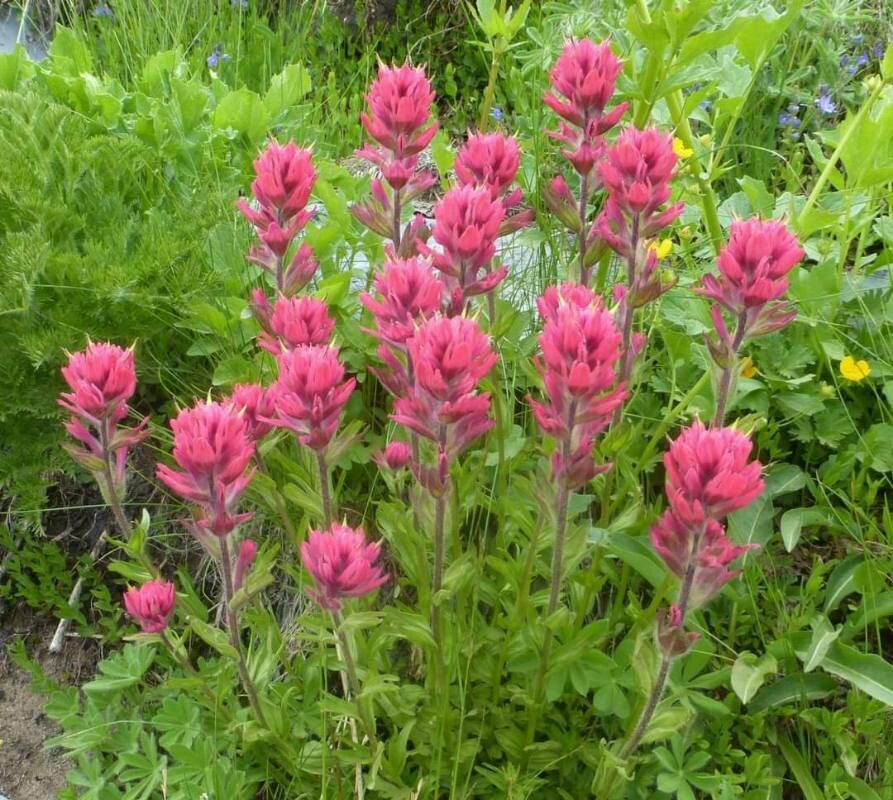
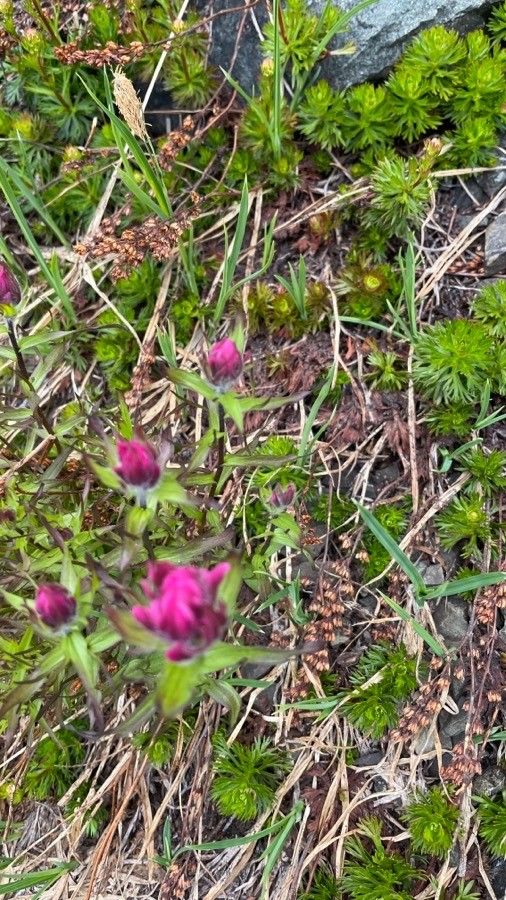
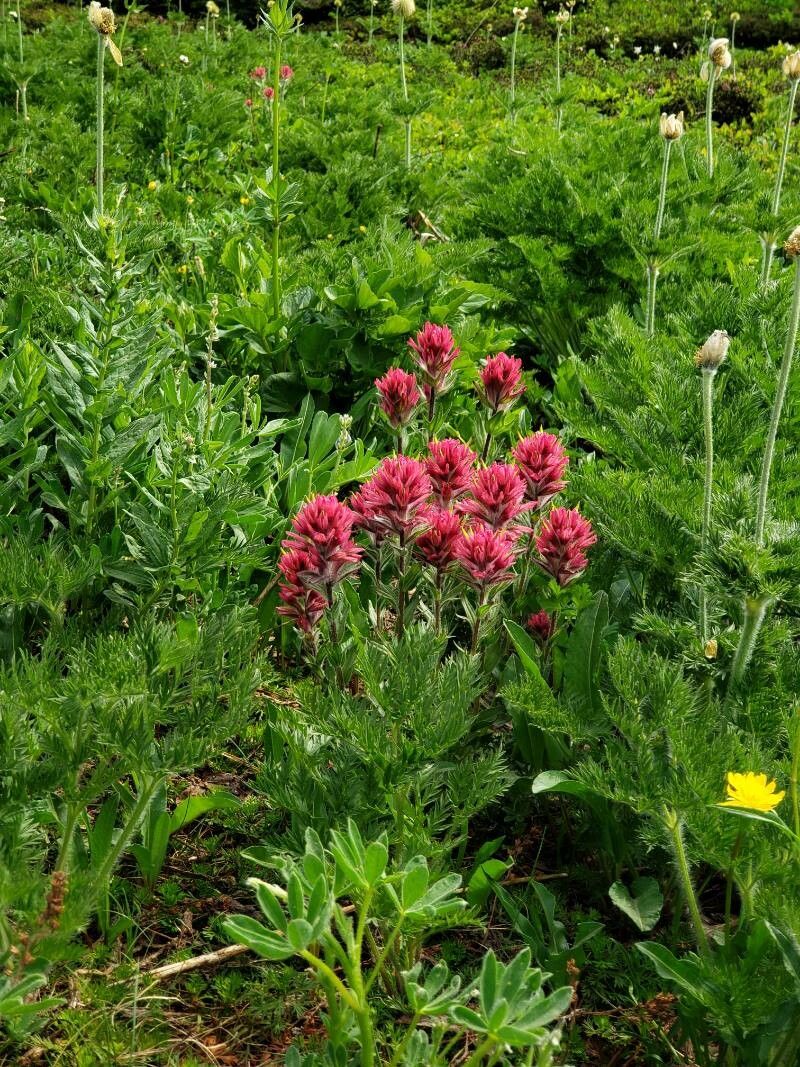
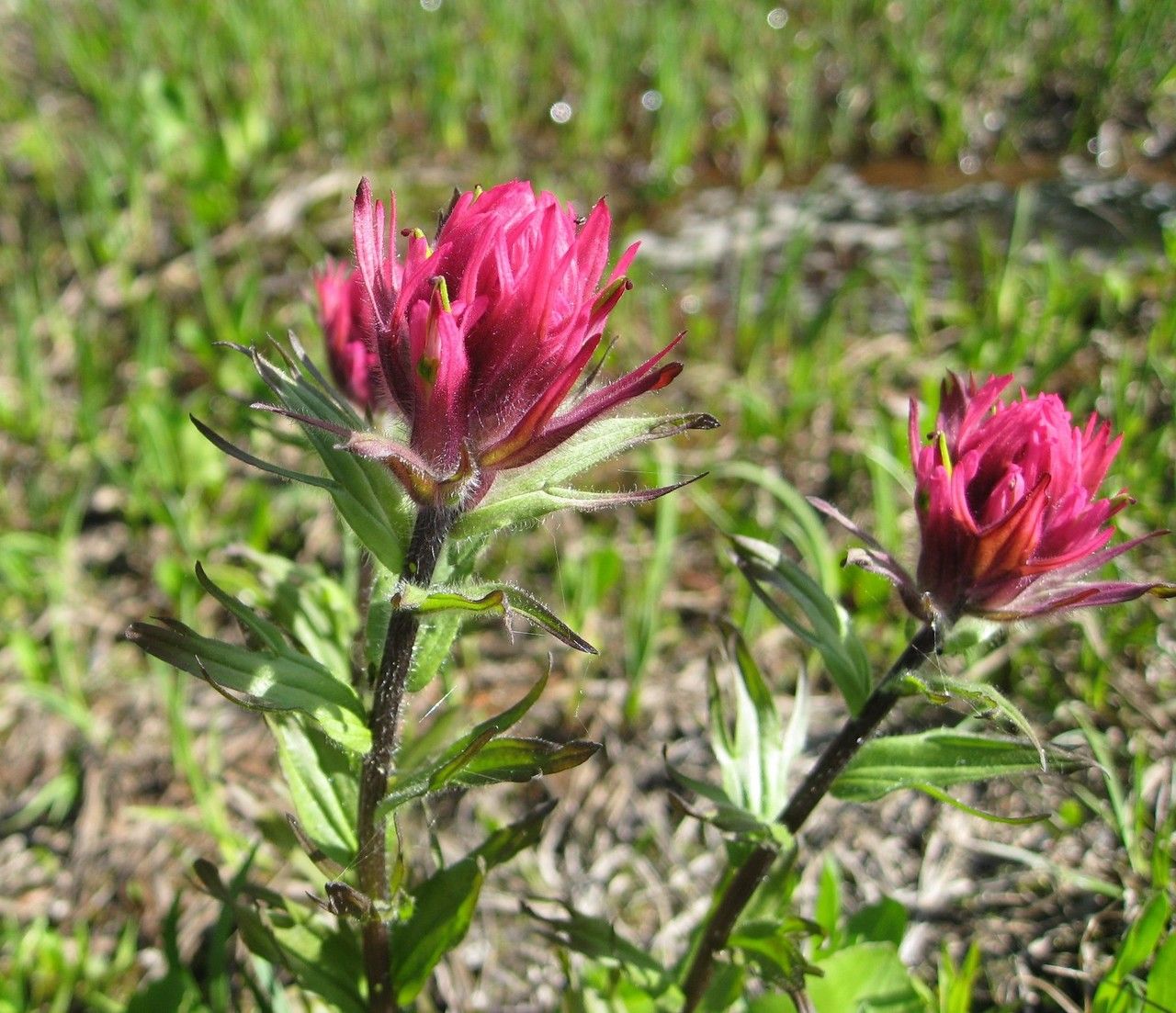
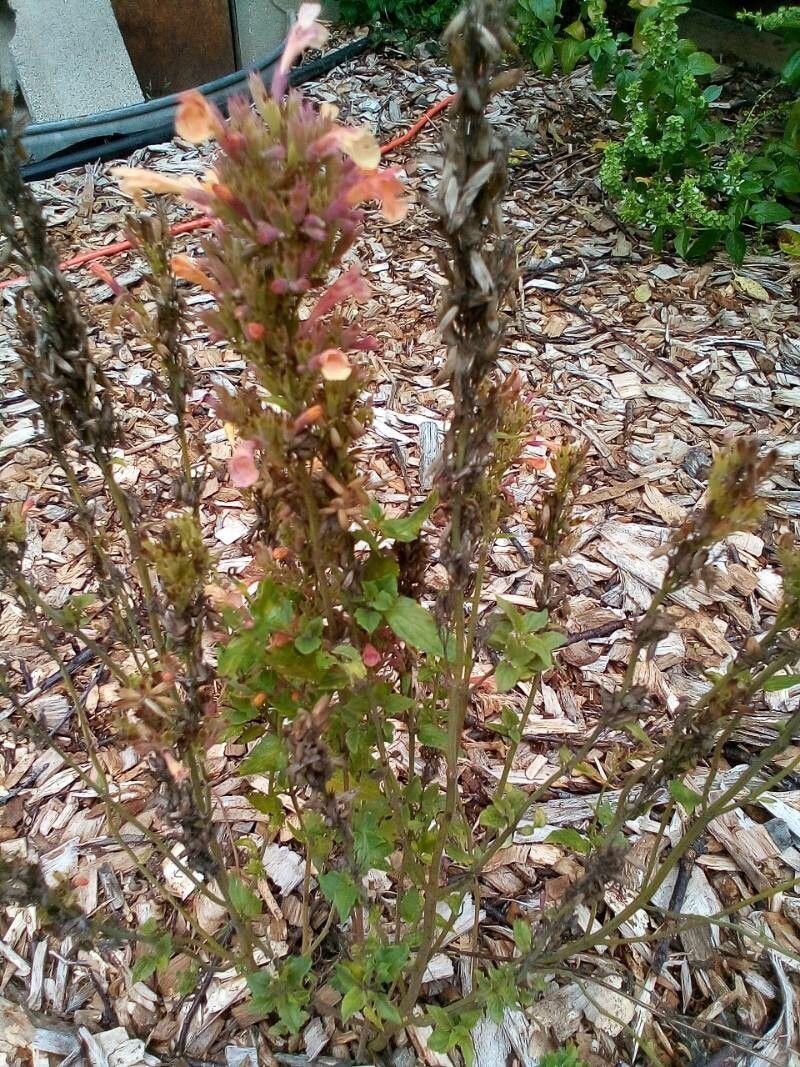
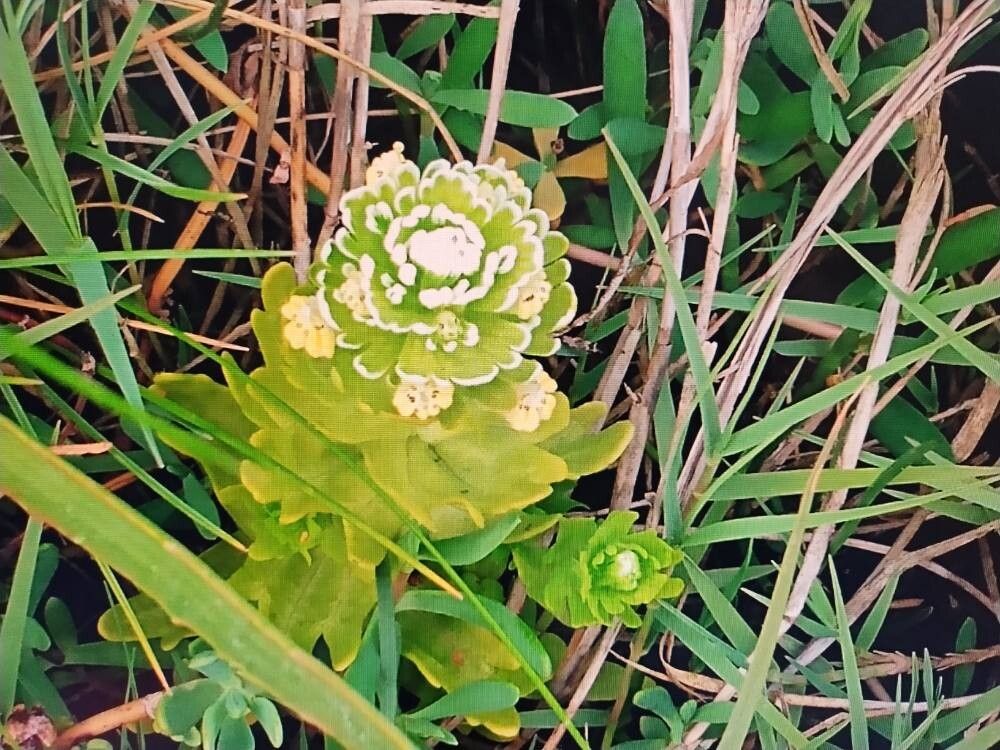
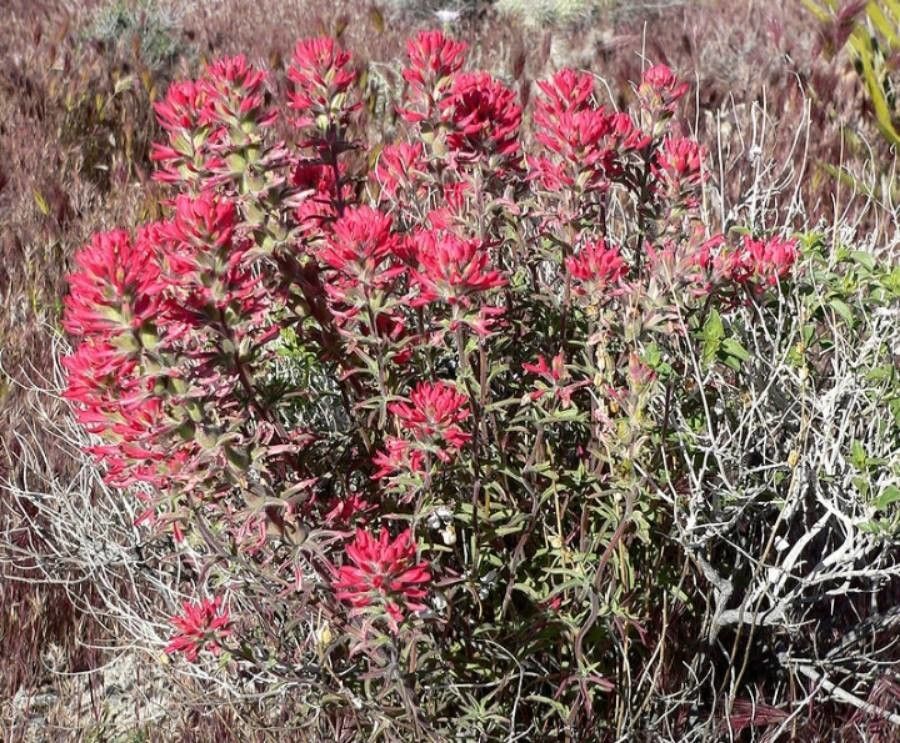
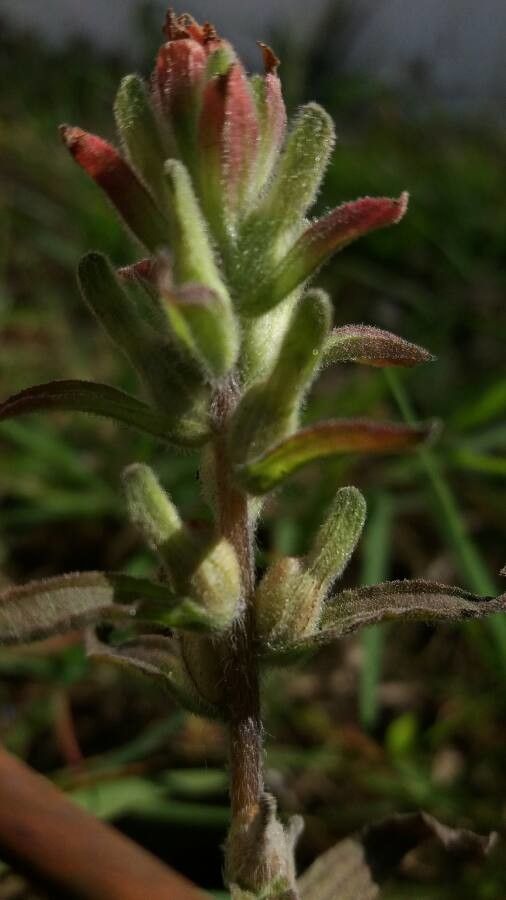
Castilleja parviflora is a species of Indian paintbrush known by the common name mountain Indian paintbrush. It is native to western North America from Alaska to California, where it grows in high mountain habitat, including areas of alpine climate.
Mountain indian paintbrush is fairly disease-resistant and typically not prone to illnesses. Still, it can be affected by pests and diseases present in its environment. Such infections are usually not serious. For care, this plant needs moderate maintenance. It should be pruned regularly to maintain a tidy appearance and encourage healthy growth. Fertilizing can also help promote flowering. Mountain indian paintbrush is suitable for anyone with an outdoor area, like a garden or patio, and does not require extensive care experience. It may need more attention if grown indoors.
How to keep Castilleja Parviflora.
Light
The mountain Indian paintbrush is a perennial herb that loves the sun and originates from open environments, often thriving in meadows and grasslands. It prefers full sunlight, but can also tolerate conditions of partial sunlight.
Water
Native to high-humidity mountainous regions, the mountain Indian paintbrush can withstand moderate drought but thrives best with consistent moisture, as long as the soil is not waterlogged. For optimal health, it's ideal to water the plant weekly, especially during its active growing season in cool, wet climates. In these conditions, maintaining adequate soil moisture is crucial for the plant's well-being.
Humidity
This plant needs special care because it loves high humidity levels of 60-80% or more. The best way to achieve this is by placing a humidifier near the plant. Daily misting is also essential! Make sure the room has good ventilation.
Temperature
Mountain indian paintbrush is native to environments that usually have temperatures ranging from 59 to 89.6 °F (15 to 32 ℃). This range of temperatures is optimal for its growth. During cooler times, supplemental heating is recommended. To regulate temperature in hotter periods, shading should be provided.
Fertilizer
The optimal period to provide nutrients to a Mountain Indian paintbrush is in the onset of spring. This is when it transitions from dormancy to an active growth phase. Fertilization delivers crucial nutrients necessary for robust growth. While the Mountain Indian paintbrush doesn't require a great deal of fertilization, carrying out this process yearly can improve its longevity and foster more durable, long-lasting blooms.
Pruning
Mountain Indian paintbrush is known for its vibrant, brush-like flower spikes. To encourage healthy growth, prune it early in the spring by removing any dead stems. Minimal pruning will help the plant become bushier and produce more blooms. Always use clean tools during pruning to prevent disease. Light pruning will also help maintain the plant's shape and vigor, resulting in a stunning display during the blooming season.
Toxicity
The Indian paintbrush plant is known to contain high amounts of selenium, which can be toxic if ingested in large amounts. Symptoms include nausea, vomiting, and fatigue. High amounts of selenium can be fatal in horses.
Further reading →
The toxicity and danger assessments provided are for reference only. We do not assure their accuracy, so it's crucial not to depend on them. Seek professional advice when necessary for accurate guidance.
Botanical profile.
- Plant Type
- Herb, Shrub
- Life Cycle
- Perennial
- Genus
- Castilleja
- Family
- Orobanchaceae
- Hardiness Zone
- 7
- Mature Height
- 15 cm to 40 cm
- Mature Spread
- 15 cm to 25 cm
- Leaf Color
- Green, Dark Green
- Leaf Type
- Deciduous
- Flower Color
- Red, Pink
- Flower Size
- 1.02 cm to 3.56 cm
- Bloom Time
- Mid spring, Late spring, Early summer
- Planting Time
- Spring
- Harvest Time
- Summer
- Native Area
- North America
Other names.
Reader questions.
How should I water my Mountain indian paintbrush plant?
To successfully water the Mountain Indian Paintbrush, it is important to follow a few guidelines. First, use filtered water at room temperature or slightly warmer. Tap water may contain harmful particles that can affect its health. Secondly, avoid overhead watering as it can cause problems with the plant's foliage. Instead, focus on soaking the soil entirely by applying the filtered room temperature water directly to the soil. This helps moisten the plant's roots, enabling them to spread and collect nutrients effectively.
What are the sun requirements for Mountain Indian Paintbrush?
Mountain Indian Paintbrush requires full sun, meaning it needs more than 6 hours of sunlight, but it can also tolerate partial sun conditions, which is about 3-6 hours of sunlight. When planning where to place your plant, either in a garden or indoors, observe how sunlight moves through the area to ensure the plant receives the appropriate balance of light. This careful placement will ensure the plant's happiness and optimal growth.
What is the ideal temperature range for Mountain Indian Paintbrush?
The Mountain Indian Paintbrush, or Castilleja parviflora, thrives in climates with temperatures ranging from 59°F to 89.6°F (15°C to 32°C). This range is essential for its optimal growth. During the colder months, additional heat should be provided to maintain warmth, while in the warmer seasons, it's important to offer shade to keep the temperatures within this ideal range. Despite its strong resistance to cold, protecting the plant from temperatures below -15°C during winter is advisable by covering it with soil or straw and ensuring the soil is moist before the first freeze to prevent drought and water scarcity.
What should I do if I give too much or too little water to my Mountain indian paintbrush?
Overwatering is a more common issue than underwatering for the health of your Mountain indian paintbrush. When overwatered, the stems and leaves may wilt and turn yellow, and it can also lead to diseases like root rot, mold, and mildew which can kill the plant. Underwatering is less common, but can cause brittle and brown leaves. It's important to notice the signs of overwatering early, as some diseases may not be fixable if left too long. If you see signs of overwatering, reduce watering and check soil drainage. If underwatering is the issue, simply water more regularly until signs improve.
How can artificial lighting benefit indoor Mountain Indian Paintbrush plants?
When natural sunlight is insufficient, especially during winter or in less sunny indoor spaces, artificial lighting can be a vital solution for the growth of indoor Mountain Indian Paintbrush plants. LED lights are a popular choice for indoor plant lighting as they can provide the specific wavelengths of light that plants need. For full sun plants, 30-50W/sq ft of artificial light is recommended, for partial sun plants 20-30W/sq ft, and for full shade plants 10-20W/sq ft. The light source should be placed 12-36 inches above the plant, mimicking natural sunlight as closely as possible, and most plants will benefit from 8-12 hours of light per day.
How does Mountain Indian Paintbrush react to low temperatures?
Mountain Indian Paintbrush has a notable tolerance to cold. Ideally, it should be maintained at temperatures above 15°C to thrive. In winters, keeping the temperature above -10°C is recommended. However, exposure to temperatures below -15°C might not show immediate damage during the winter but could lead to decreased sprouting or failure to sprout in spring. To manage such situations, it's advised to remove any parts of the plant that have not sprouted in the spring.
How often should I give water to my Mountain indian paintbrush?
If your Mountain Indian paintbrush is in a pot, the best way to determine if it needs water is by checking the moisture level of the soil. Stick your finger into the soil and if the top two to three inches are dry, it's time to water it. The same method applies if you're growing it in the ground outdoors. Check the top few inches of soil and if they've dried out, water the plant. Generally, during spring and early fall, you'll need to water it about once a week. However, during extremely hot weather, you may need to increase watering to twice or more per week. Nevertheless, mature and well-established Mountain Indian paintbrush plants can withstand drought quite well.
What are the signs of inadequate lighting for Mountain Indian Paintbrush?
Signs of inadequate lighting in Mountain Indian Paintbrush include smaller new leaves, leggy or sparse growth, faster leaf drop, slower or no new growth, lighter-colored new leaves, chlorosis (leaves turning yellow due to the breakdown of chlorophyll), sunscald (damage from intense sunlight exposure), leaf curling (a defense mechanism to reduce surface area exposed to sunlight), wilting (loss of turgor pressure causing droopiness), and leaf scorching (brown, dry edges on leaves). These symptoms may not be immediately apparent but are important indicators of the plant's health.
What should I do if Mountain Indian Paintbrush is exposed to high temperatures?
During the summer months, it's crucial to ensure the Mountain Indian Paintbrush doesn't get exposed to temperatures above 32°C. Should the temperatures rise above 35°C, you might notice the leaves becoming lighter, curling up, and even getting sunburnt, which can lead to the plant wilting or drying out entirely. To combat this, trim away any sunburned or dried parts of the plant, relocate it to a shadier location, or use a shade cloth to protect it from the midday and afternoon sun. Also, watering the plant in the morning and evening can help keep the soil adequately moist.
How much water does my Mountain indian paintbrush plant need?
To properly water your Mountain indian paintbrush, make sure to be generous with the amount of water you provide. Wait until the top two to three inches of soil are dry, and then give the plant a thorough watering. The goal is to saturate the soil completely, so use enough water that it drains out through the bottom of the pot. If you don't see any excess water draining, it means you haven't given enough water. On the other hand, be careful not to let the water accumulate and create waterlogging, as that can harm the plant. Poor drainage of the soil can also be problematic, so ensure that the pot has good drainage. If the plant is outside, around 1 inch of rain per week should be enough.
How can I address lighting issues for my Mountain Indian Paintbrush?
To address lighting issues, consider moving your plant gradually to a location with at least 6 hours of direct sunlight daily, especially if indoors. Use a south-facing window and keep curtains open during the day for maximum sunlight. If the plant is large or not easily movable, supplement with artificial lighting for at least 8 hours daily. Outdoors, move plants gradually to avoid sunburn. For obstructions like trees, pruning may be necessary. If the plant is small enough, consider transplanting during its dormant period in late winter or early spring to a location with better sunlight and drainage. Note that parts of the plant already damaged by insufficient sunlight may not recover, but new growth should be healthy with improved lighting conditions.
How do I water my Mountain indian paintbrush as it grows?
The water needs of the Mountain indian paintbrush can vary depending on its growth stages. In the early years or after transplanting, it requires more water to support root growth. As it matures, it requires less water. Additionally, during the bloom period, extra water may be needed to support flower development.