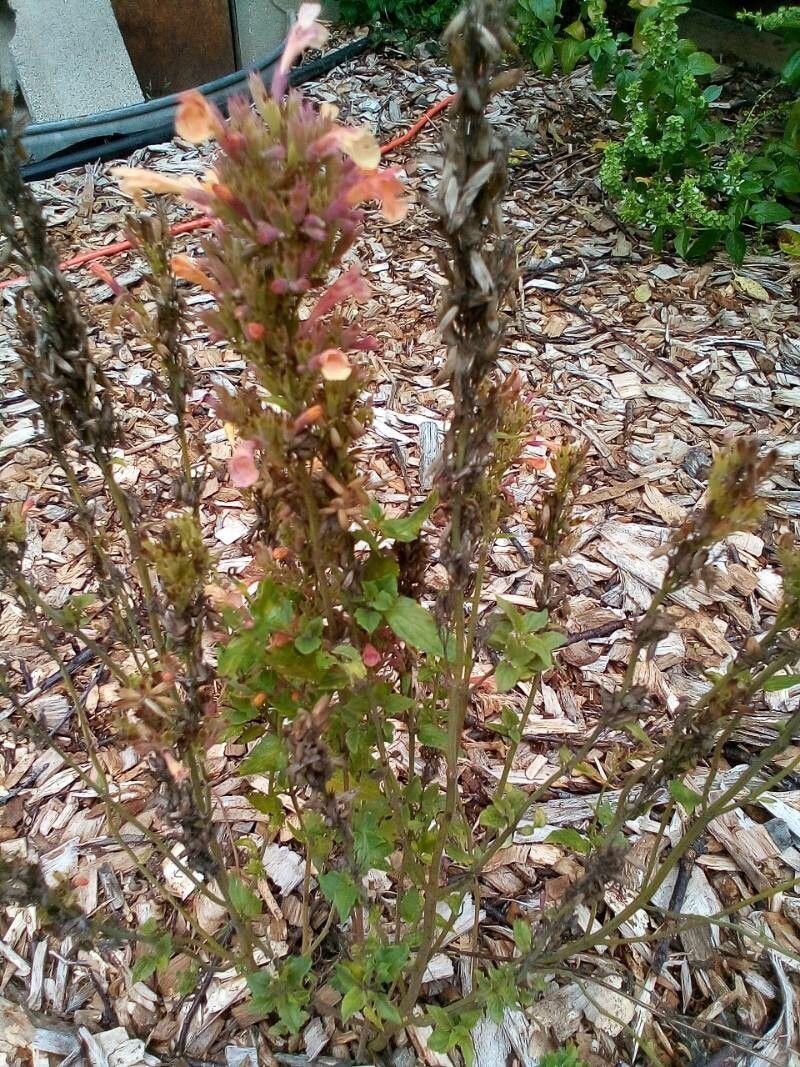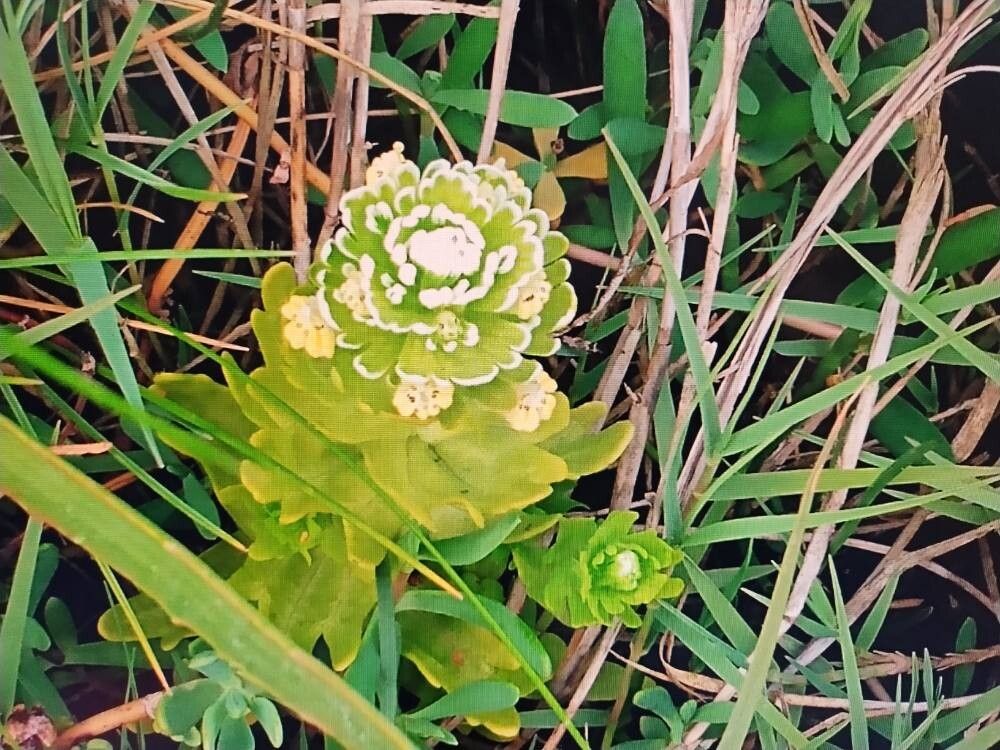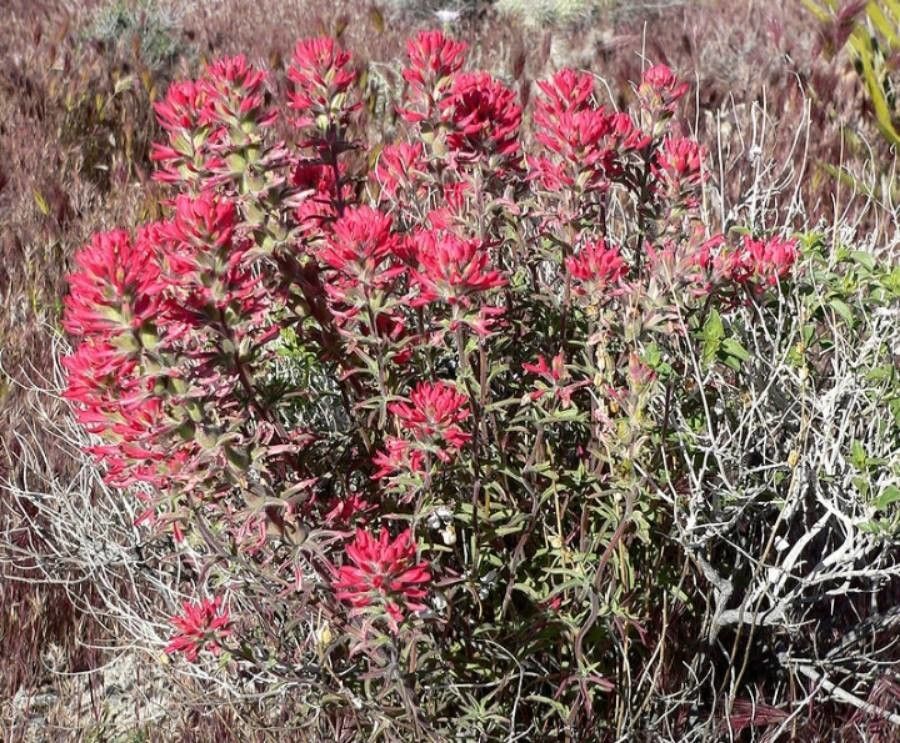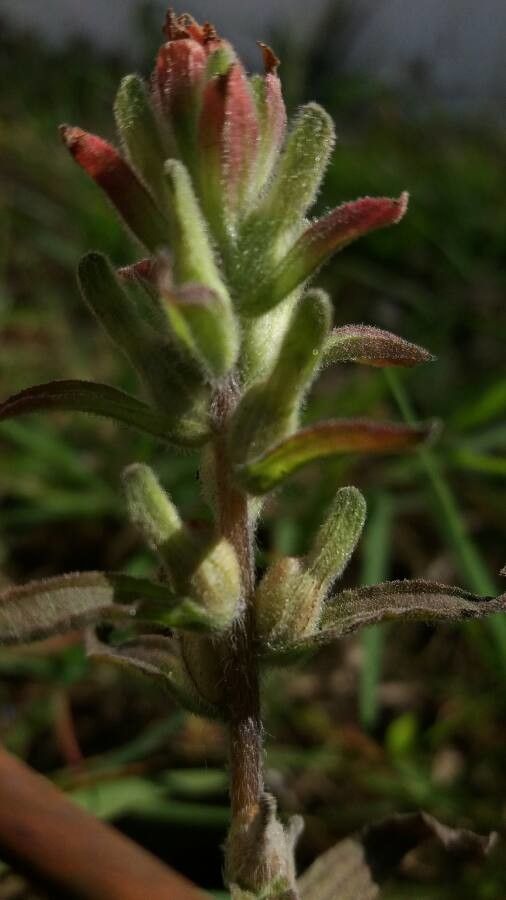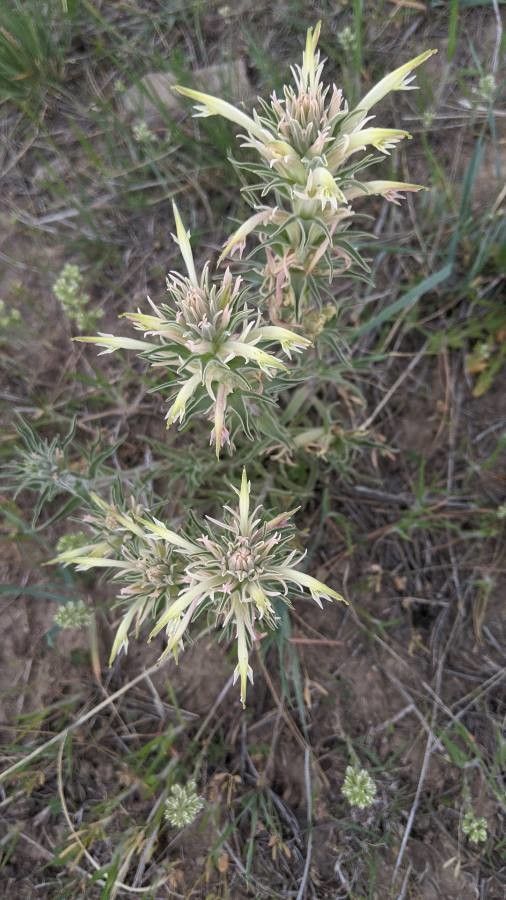
Castilleja sessiliflora is a species of flowering plant in the family Orobanchaceae known by the common names downy Indian paintbrush and downy paintedcup. It is native to the Great Plains of North America from southern Canada, through the central United States, to northern Mexico. It occurs as far west as the eastern slopes of the Rocky Mountains.
Downy paintedcup has strong resistance to diseases and is generally not prone to them. Nevertheless, it can be affected by pests and diseases present in its environment. These problems are typically not serious. Care-wise, this plant needs moderate maintenance. It should be pruned regularly to preserve a neat appearance and encourage healthy growth. Fertilizing can also help stimulate flowering. Downy paintedcup is appropriate for anyone with outdoor space, such as a garden or patio, and does not demand extensive gardening experience. It may need more attention when cultivated indoors.
How to keep Castilleja Sessiliflora.
Light
Downy paintedcup requires full exposure to sunlight for optimal development. Native to open, sun-drenched habitats, it needs a continuous supply of light during all stages of growth. Insufficient sunlight can restrict its growth, while very intense exposure causes no harm.
Temperature
Downy paintedcup grows best in a temperate climate, with average temperatures from 32 to 90°F (0 to 32℃). This native plant tolerates cooler conditions and light frosts, making it highly adaptable to seasonal variation. Modifications may be needed in cases of extreme heat or cold.
Fertilizer
The best time to fertilize Downy paintedcup is early spring, when the flowers are developing. Using the right fertilizer promotes stronger blooms and helps Downy paintedcup produce attractive flowers. Fertilizing in early spring ensures good flowers throughout the season and supplies energy for its dormant growth phases.
Pruning
The Downy Paintedcup is known for its striking, fluffy flowers. To ensure healthy growth and vibrant blooms, prune the plant from early to late spring to remove any dead stems. Use clean, sharp tools to avoid spreading disease. Proper pruning not only improves the plant's appearance but also enhances its overall vigor.
Botanical profile.
- Plant Type
- Herb
- Life Cycle
- Perennial
- Genus
- Castilleja
- Family
- Orobanchaceae
- Hardiness Zone
- 3-8
- Mature Height
- 0 cm to 30 cm
- Mature Spread
- 25 cm
- Leaf Color
- Green, Olive Drab
- Leaf Type
- Deciduous
- Flower Color
- Yellow
- Flower Size
- 2.54 cm
- Bloom Time
- Mid spring, Late spring, Early summer
- Planting Time
- Spring, Summer, Autumn
- Harvest Time
- Summer
- Native Area
- Mexico
Other names.
Reader questions.
What are the sunlight requirements for Downy paintedcup?
Downy paintedcup requires comprehensive exposure to the sun's rays for optimal development, typically above 6 hours of sunlight per day. It originates from environments with an abundant dose of solar energy, necessitating this sustained light supply throughout all growth phases. Inadequate solar exposure may impede its growth, whereas it shows resilience against extreme sunlight exposure. It's vital to observe how sunlight moves through your garden and select locations that offer a balance of light and shade to ensure the well-being of your plants.
What is the ideal climate for Downy paintedcup?
Downy paintedcup, or Castilleja sessiliflora, thrives best in a temperate climate, with average temperatures ranging between 32 to 90°F (0 to 32°C). It is a very adaptable native plant that can withstand cooler temperatures and slight frosts without special frost protection measures. However, adjustments might be necessary to protect the plant in conditions of extreme heat or cold.
How can artificial lighting be used for indoor plants?
Indoor plants, including Downy paintedcup, may require artificial lighting for optimal growth, especially in conditions where natural sunlight is insufficient, such as in winter or less sunny spaces. LED lights are recommended for their ability to provide specific wavelengths needed by plants. Full sun plants need 30-50W/sq ft of artificial light, partial sun plants require 20-30W/sq ft, and full shade plants need 10-20W/sq ft. The light source should be placed 12-36 inches above the plant to mimic natural sunlight and provided for 8-12 hours per day to simulate natural daylight hours.
How does Downy paintedcup handle cold weather?
Downy paintedcup has strong cold resistance, making it well-suited to withstand cooler temperatures without the need for special frost protection measures during winter. If winter temperatures are anticipated to drop below -35°C, it is important to provide cold protection by covering the plant with soil or straw. To aid in winter survival, it's recommended to water the plant abundantly before the first freeze in autumn to ensure the soil remains moist into the frozen state, helping to prevent drought and water scarcity for the plant during winter and early spring.
What are the symptoms of inadequate lighting for Downy paintedcup?
Symptoms of inadequate sunlight in Downy paintedcup include smaller new leaves compared to older ones, leggy or sparse growth, faster leaf drop, slower or no new growth, and lighter-colored new leaves. These signs indicate that the plant isn't receiving enough light to maintain healthy growth and chlorophyll production. Conversely, symptoms such as chlorosis, sunscald, leaf curling, wilting, and leaf scorching point towards excessive sunlight exposure, which can damage the plant's ability to photosynthesize efficiently.
What happens if Downy paintedcup is exposed to temperatures below its cold tolerance?
If Downy paintedcup is exposed to temperatures below its cold tolerance, specifically below -35°C, there may not be any noticeable changes during the winter. However, there can be a decrease in sprouting or even no sprouting at all during springtime. In spring, it's advised to remove any parts of the plant that have failed to sprout to help the plant recover.
What are some solutions for insufficient sunlight exposure for Downy paintedcup?
To address insufficient sunlight for indoor Downy paintedcup, gradually move the plant to a sunnier location, ensuring it receives at least 6 hours of direct sunlight daily, preferably through a south-facing window. Artificial lighting, such as desk or ceiling lamps or professional grow lights, can supplement natural light for at least 8 hours daily. For outdoor plants, gradually acclimate them to sunnier spots to prevent sunburn. Pruning obstructive branches and transplanting to brighter locations can also enhance sunlight exposure. Remember, while parts of the plant affected by insufficient light may not recover, new growth should be healthy with improved light conditions.
How does Downy paintedcup respond to high temperatures?
During summer, it's essential to keep the Downy paintedcup's temperature below 32°C. Exposure to temperatures exceeding 35°C can cause the leaves to become lighter in color, prone to curling, susceptible to sunburn, and, in severe cases, lead to wilting and drying of the entire plant. To mitigate these effects, trim away any sunburned and dried-up parts of the plant, move it to a location with shade during the midday and afternoon sun or use a shade cloth, and water the plant in the morning and evening to keep the soil moist.