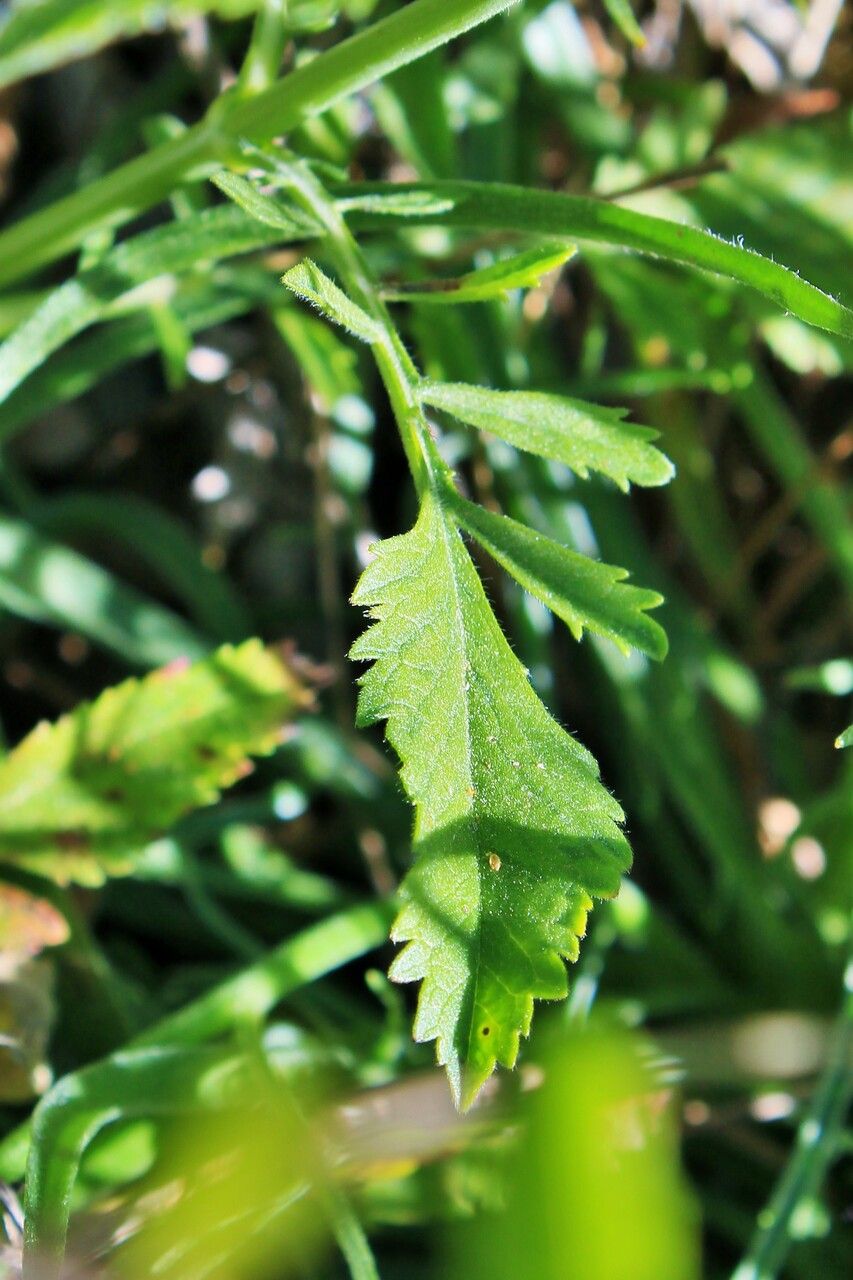
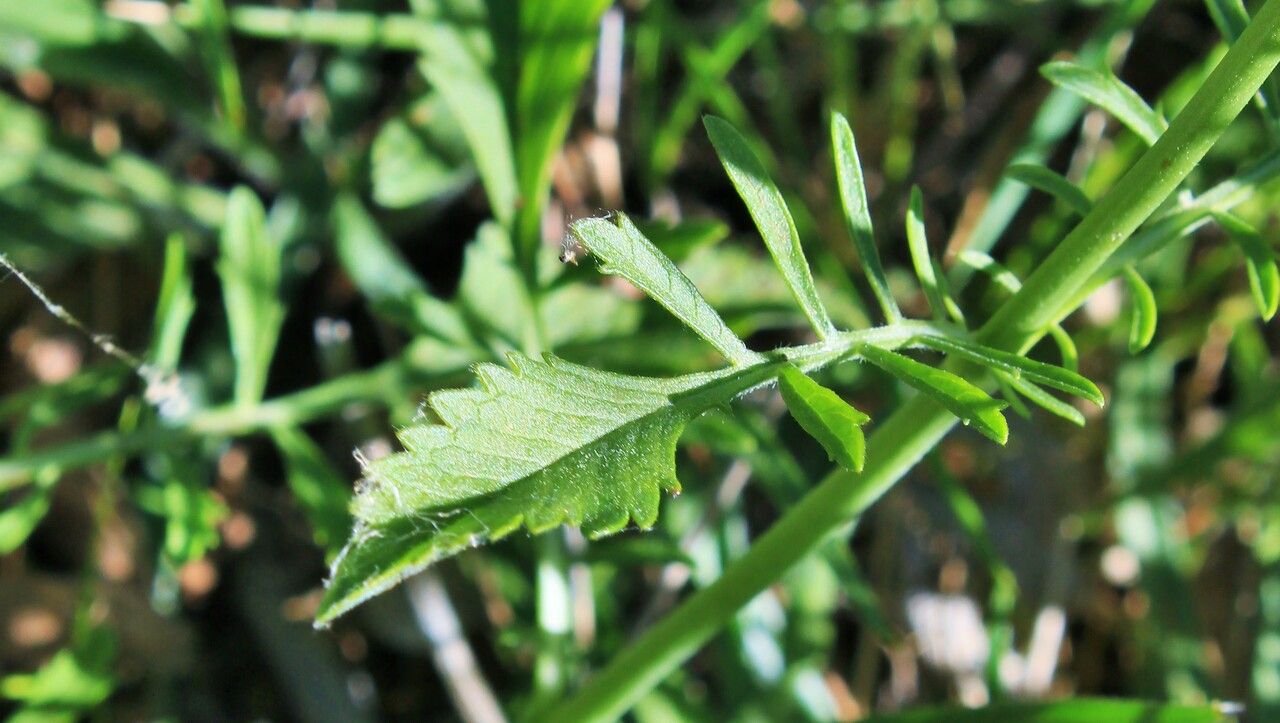
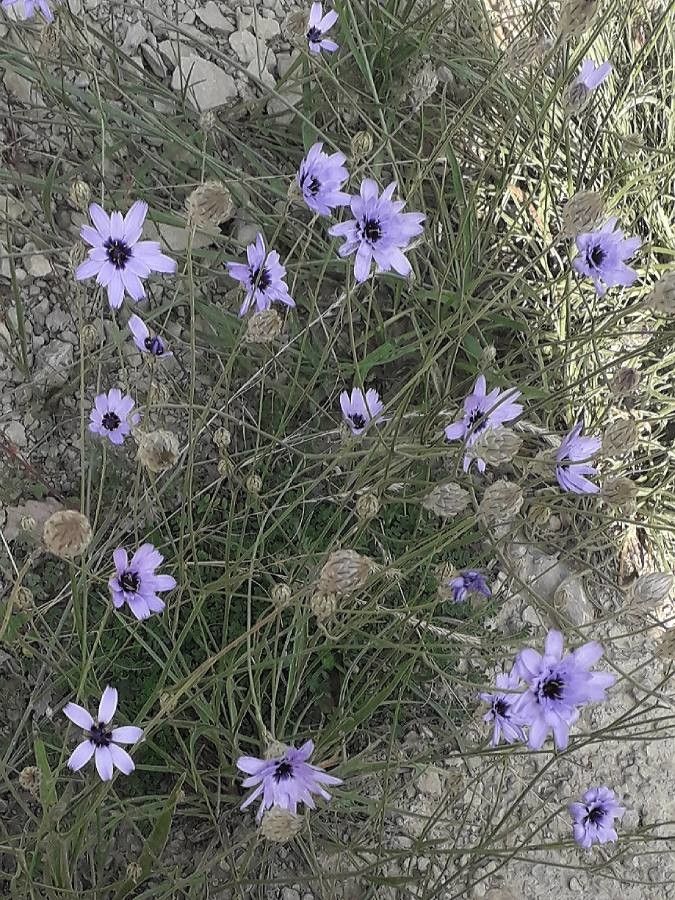
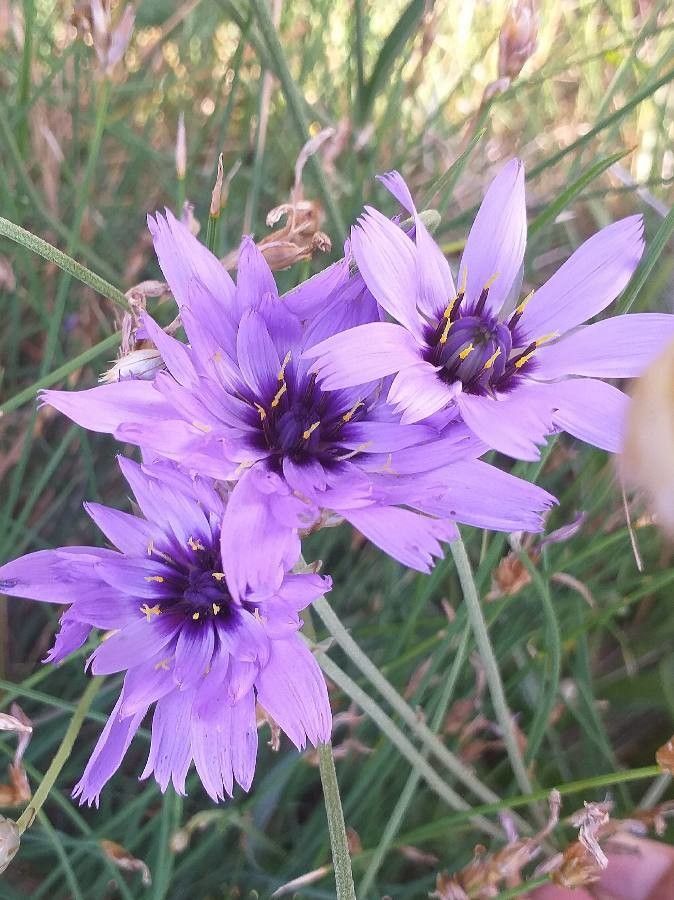
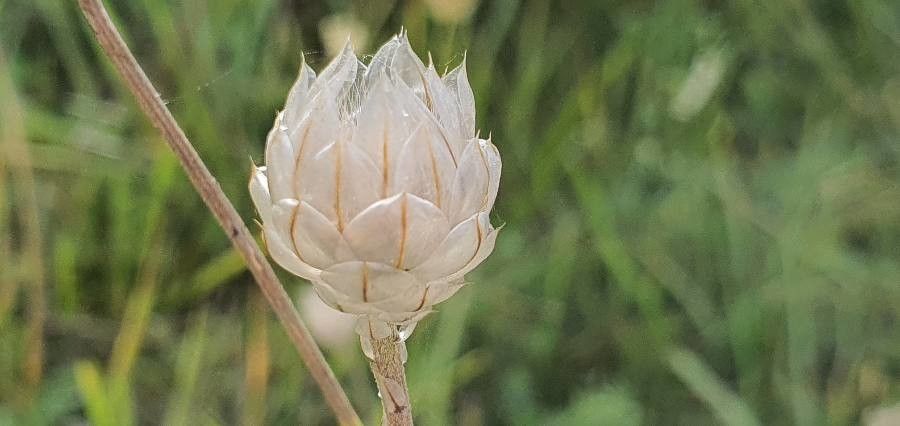
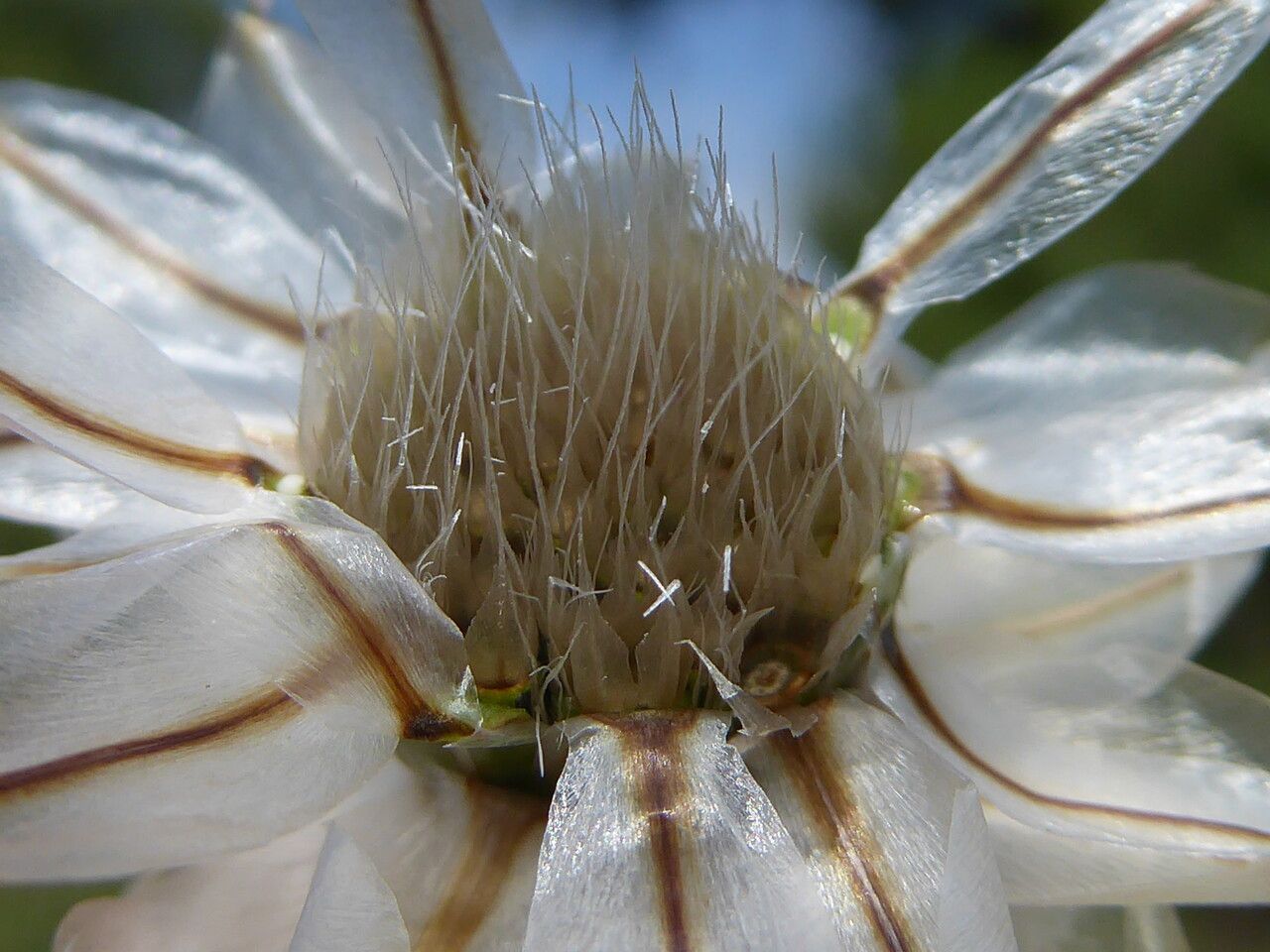
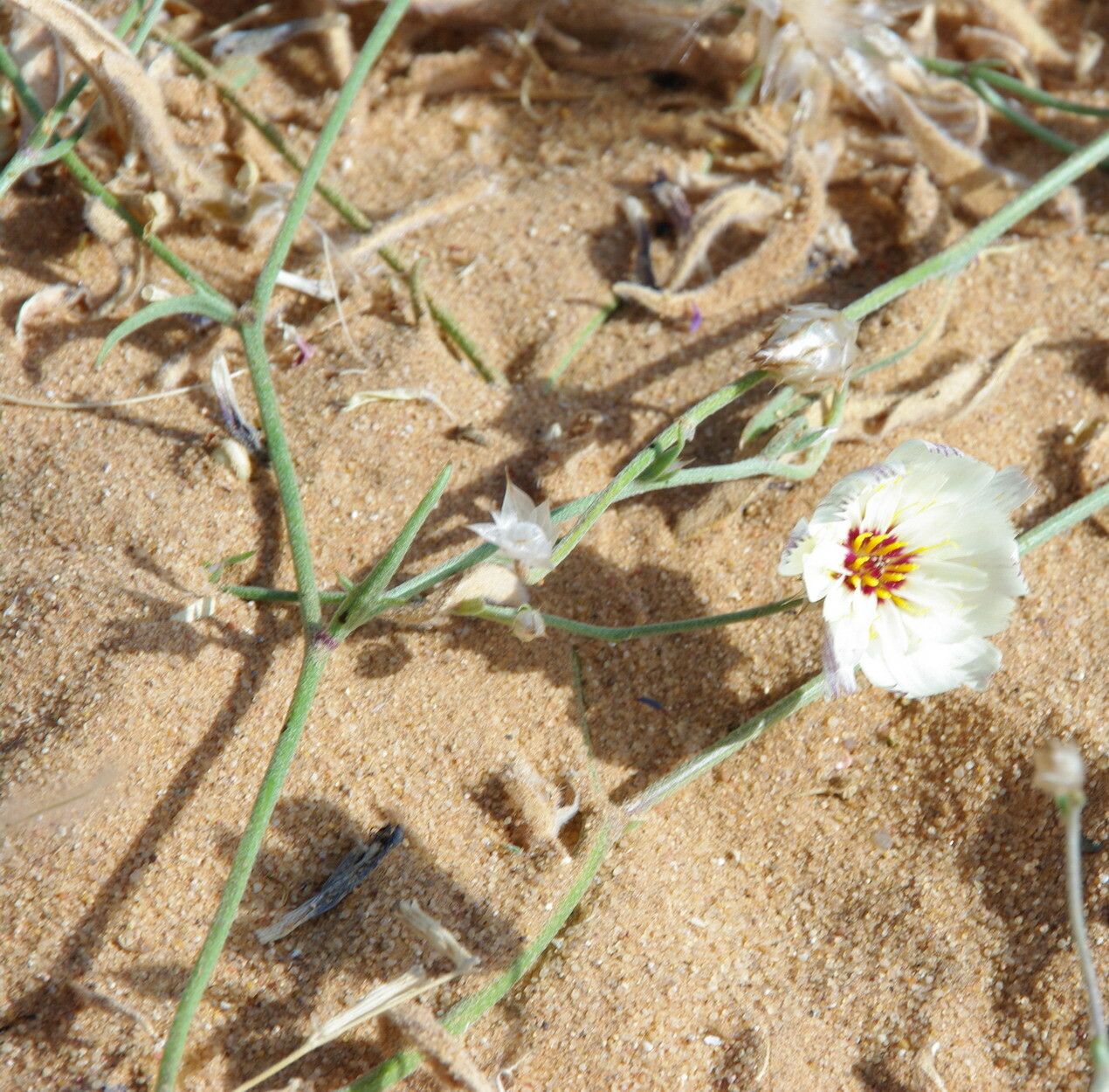
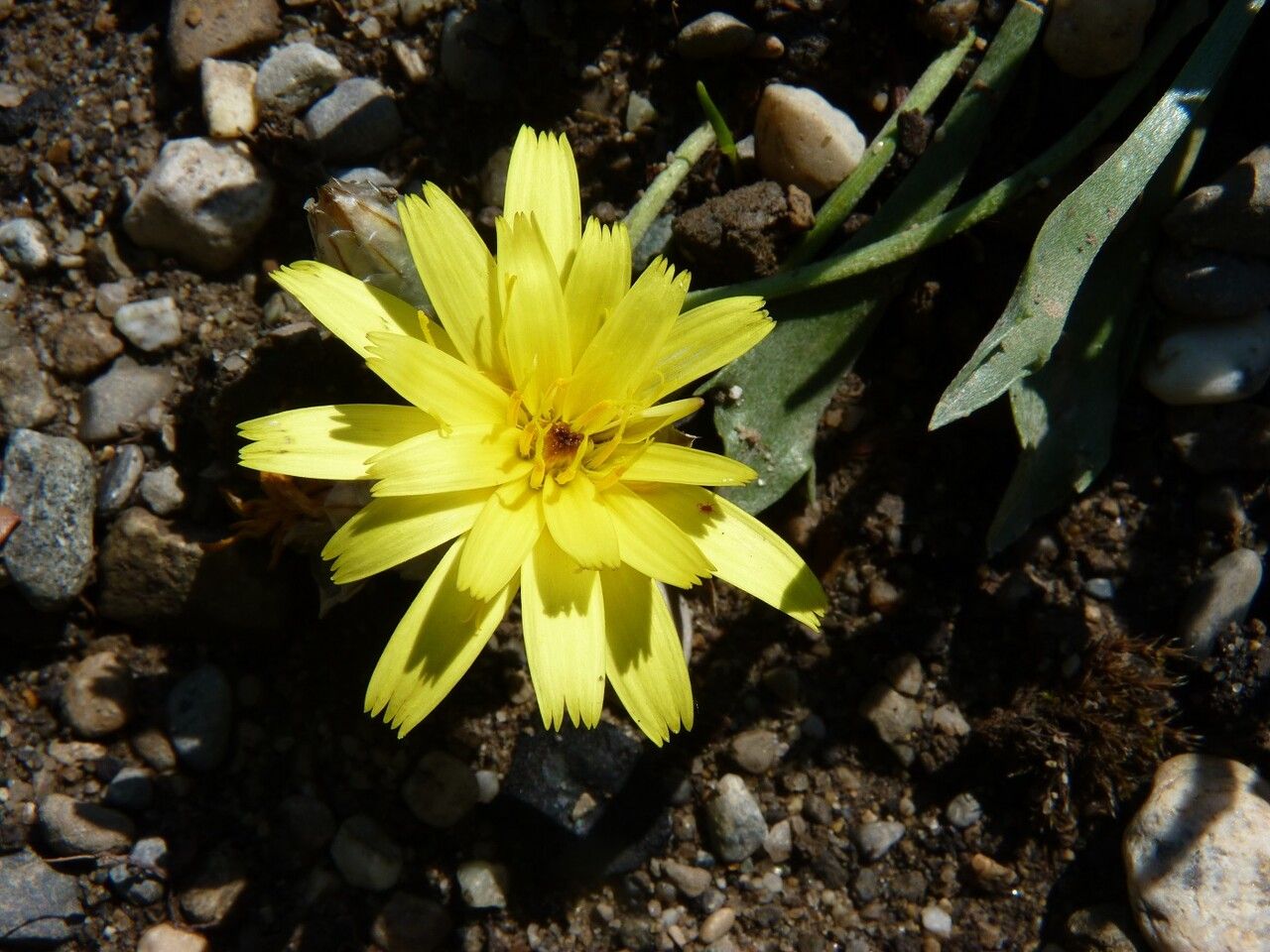
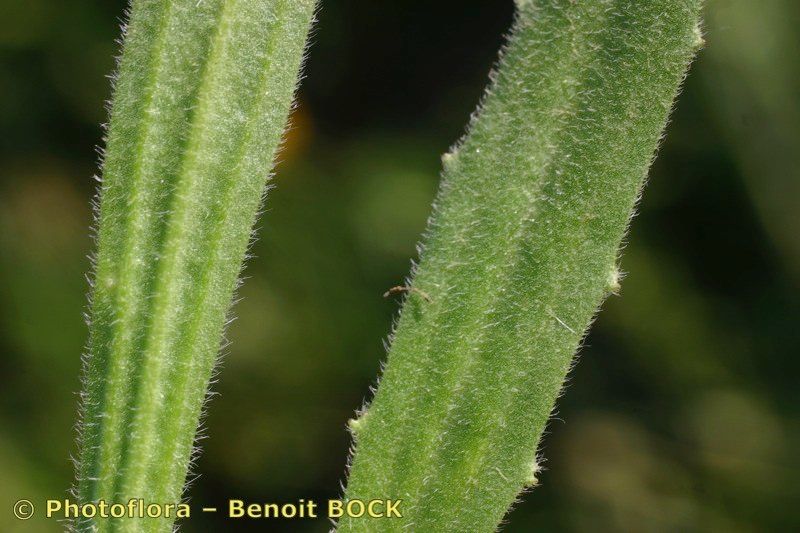
Catananche caerulea, or Cupid's dart, is a greyish green perennial herbaceous plant with a basal leaf rosette and conspicuous blue-purple or sometimes white flowerheads, belonging to the daisy family. It is a popular garden plant and is often used in dried flower arrangements.It is native to the Mediterranean region. The flower was supposedly used by the ancient Greeks as a key ingredient in a love potion, hence the common name "Cupid's dart".
Blue cupidone has strong resistance to disease and is generally not very susceptible to illnesses. Still, it can be vulnerable to pests and diseases that exist in its environment. Such infections tend to be mild. Regarding upkeep, this plant needs a moderate level of care. It should be pruned on a regular basis to preserve a neat appearance and encourage healthy growth. Applying fertilizer can also aid in boosting bloom production. Blue cupidone is well-suited for anyone with outdoor areas like a garden or patio and does not demand extensive gardening experience. It may need more attention if cultivated indoors.
How to keep Catananche Caerulea.
Light
The blue cupidone does best with continuous exposure to sunlight, as in its native habitat where abundant sun was important. A plentiful amount of light supports its optimal growth. However, a sudden or large drop in sunlight can negatively affect the plant's development, while too much light may scorch the leaves.
Water
Blue cupidone is native to dry Mediterranean areas and thrives in arid conditions. It has a low tolerance for overwatering, so it's important to plant it in well-draining soil and water it only once a week. Typically, blue cupidone is grown outdoors, where it benefits from full sun exposure. This sunlight helps the plant optimize water uptake during the growing season, resulting in vibrant flowers.
Humidity
This plant will thrive in moderate humidity, which is probably the level in your home. However, misting it a few times a week can be very beneficial. Make sure the room has good ventilation.
Temperature
Native to temperate climates, blue cupidone thrives at temperatures of 68 to 95 °F (20 to 35 ℃). Cooler conditions in spring and fall support optimal growth. Increase warmth during summer, but shield it from excessive heat. Keep winter temperatures mild.
Fertilizer
The best time to fertilize a Blue cupidone is in early spring, when it is coming out of dormancy and beginning active growth. Fertilization supplies essential nutrients needed for healthy development. Although Blue cupidone has fairly low fertilizer requirements, feeding it once a year can improve its survival and encourage healthier, longer-lasting flowers.
Pruning
Pruning blue cupidone is essential for enhancing its vibrant blue flowers and overall health. The main techniques include deadheading and light trimming, best performed from early to late spring. Using sharp, clean tools to make precise cuts improves air circulation, reduces the risk of disease, and ensures extended flowering.
Botanical profile.
- Plant Type
- Herb
- Life Cycle
- Perennial, Annual, Biennial
- Genus
- Catananche
- Family
- Asteraceae
- Hardiness Zone
- 4-9
- Mature Height
- 91 cm
- Mature Spread
- 49 cm
- Leaf Color
- Green, Gray
- Leaf Type
- Deciduous
- Flower Color
- Blue, Lavender
- Flower Size
- 2.54 cm to 5.08 cm
- Bloom Time
- Summer
- Planting Time
- Spring, Summer
- Harvest Time
- Late summer, Early fall, Mid fall
- Native Area
- Libya, Tunisia, Portugal, Italy, Spain, Algeria, Morocco, France
Other names.
Reader questions.
How should I water my Blue cupidone plant?
To properly water the Blue cupidone, it is best to use filtered water at room temperature. Tap water may harm the plant due to potential harmful particles. Since the Blue cupidone is accustomed to warm environments, it is important to avoid cold water as it can be a shock to the plant. Additionally, overhead watering should be avoided to prevent foliage issues. Instead, apply filtered room temperature water directly to the soil until it is completely soaked. This method benefits the plant by moistening the roots and aiding in the spread and nutrient absorption through the soil.
Why should I put fertilizer on my Blue cupidone?
Fertilization is important for the Blue cupidone and other plants because it provides essential nutrients for growth above and below ground. While the Blue cupidone can survive without fertilization, annual fertilization can greatly benefit the plant. It helps keep the plant healthy and may even improve flower quality and longevity. Therefore, those who want their Blue cupidone to thrive should maintain annual fertilization.
What are the sunlight requirements for Blue Cupidone?
Blue Cupidone (Catananche caerulea) thrives in a location that offers full sun, necessitating more than 6 hours of sunlight daily for optimal growth. It's crucial to observe how sunlight moves through your garden to ensure that the chosen spots provide a balance of light and shade, conducive to the plant's well-being. This native plant has evolved in environments where it benefited from extensive interactions with sunlight, which fuels its growth and flourishing. Insufficient sunlight can hamper its development, while too much can cause leaf burning.
What is the optimal temperature range for Blue Cupidone?
Blue Cupidone, scientifically known as Catananche caerulea, is native to temperate climates and thrives in a temperature range of 68 to 95 °F (20 to 35 °C). Milder temperatures during the spring and fall seasons promote its optimal growth. While it can tolerate increased warmth during summer months, it is critical to protect it from excessive heat. In winter, the temperatures should remain mild, benefiting from the plant's strong cold resistance.
What should I do if I give my Blue cupidone plant too much or too little water?
Overwatering is more common and harmful to the health of your Blue cupidone plant. When this happens, the stems and leaves may wilt and turn yellow. It can also lead to diseases like root rot, mold, and mildew, which can kill the plant. Underwatering is less common, but still possible. In this case, the leaves become brittle and brown. It's important to notice signs of overwatering early and take action. Some diseases caused by overwatering may be irreversible if left untreated. Reduce watering if you see early signs and check the soil drainage. Replace the soil if it drains poorly. If signs of underwatering are present, simply water the plant more regularly until the signs subside.
When should I fertilize my Blue cupidone?
The best time to fertilize a Blue cupidone is in the late winter to early spring when it is coming out of dormancy and starting to grow actively. Fertilizing during this time will promote healthy growth and set the plant up for a great season. Fertilizing in the fall is also okay, but avoid fertilizing in the summer and winter.
How can artificial lighting benefit indoor Blue Cupidone plants?
Indoor Blue Cupidone plants require adequate lighting, especially when natural sunlight is scarce, such as during winter or in less sunny spaces. Artificial lighting serves as an essential solution, promoting faster and healthier growth. LED lights are recommended for their ability to provide customizable light wavelengths tailored to the plant's needs. Full sun plants need 30-50W/sq ft, partial sun plants 20-30W/sq ft, and shade plants 10-20W/sq ft of artificial light. The light source should be positioned 12-36 inches above the plant to mimic natural sunlight, with the duration matching the natural daylight hours required by the species, typically 8-12 hours per day.
How should Blue Cupidone be cared for in winter?
During winter, special frost protection measures are not typically necessary for Blue Cupidone due to its strong cold resistance. However, if winter temperatures are expected to plummet below -30°C, it becomes important to provide cold protection. This can be done by covering the plant with soil or straw. Additionally, watering the plant abundantly before the first freeze of autumn is recommended to ensure the soil remains moist and enters a frozen state. This preparation helps prevent drought and water scarcity for the plant during the colder months.
How frequently should I water my Blue cupidone?
If your Blue cupidone plant is in a pot, the most precise way to determine if it needs water is by feeling the soil with your finger. If you find that the top two to three inches of soil are dry, it's time to water it. If you have your Blue cupidone plant planted outdoors in the ground, you can use a similar method to test the soil. Once again, if you feel that the top few inches of soil have dried out, it's time to water it. In the spring and early fall, following this method will usually result in watering the plant about once a week. However, during extremely hot weather, watering frequency may need to increase to twice or more per week. It's important to note that mature, well-established Blue cupidone plants have a remarkable ability to tolerate drought.
When should I not fertilize my Blue cupidone?
To properly care for your Blue cupidone, it is important to only fertilize it during late winter and early spring. This plant has low fertilization requirements, so one feeding each year is sufficient. Overfertilization can be a problem if you continue to fertilize throughout the spring, summer, and fall. However, if you forgot to fertilize in the spring, it is acceptable to feed the plant in the fall. It is also unnecessary to fertilize the Blue cupidone during the winter. During this time, the plant is in a dormant growth phase and does not produce new growth. Therefore, it is best to avoid fertilizing during most of the winter.
What symptoms indicate insufficient lighting for Blue Cupidone?
Symptoms of light deficiency in Blue Cupidone include smaller new leaves, leggy or sparse growth, faster leaf drop, slower or halted new growth, lighter-colored new leaves, and specific conditions like chlorosis, sunscald, leaf curling, wilting, and leaf scorching. These symptoms arise when the plant does not receive adequate light, affecting its growth, health, and ability to photosynthesize properly.
What should be done if Blue Cupidone is exposed to low temperatures?
Blue Cupidone is quite tolerant to cold and performs best when temperatures stay above 20°C. Should it be kept above 0°C during the winter. In the event that temperatures fall below -30°C, there may not be noticeable changes immediately; however, a decrease in sprouting, or even a complete lack of sprouting, might occur by springtime. The solution in such cases is to remove any parts of the plant that have failed to sprout come spring.