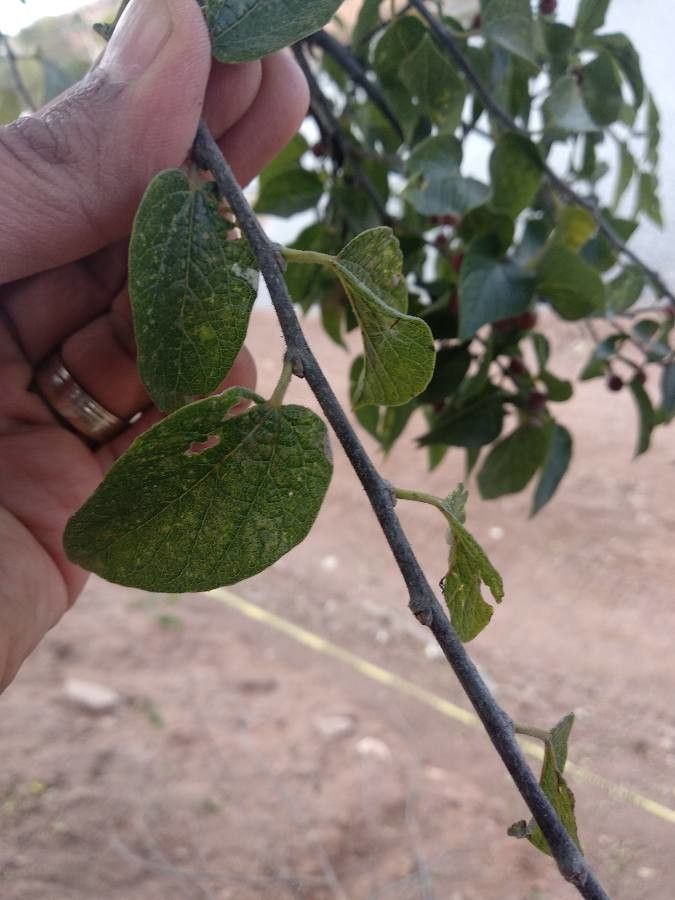
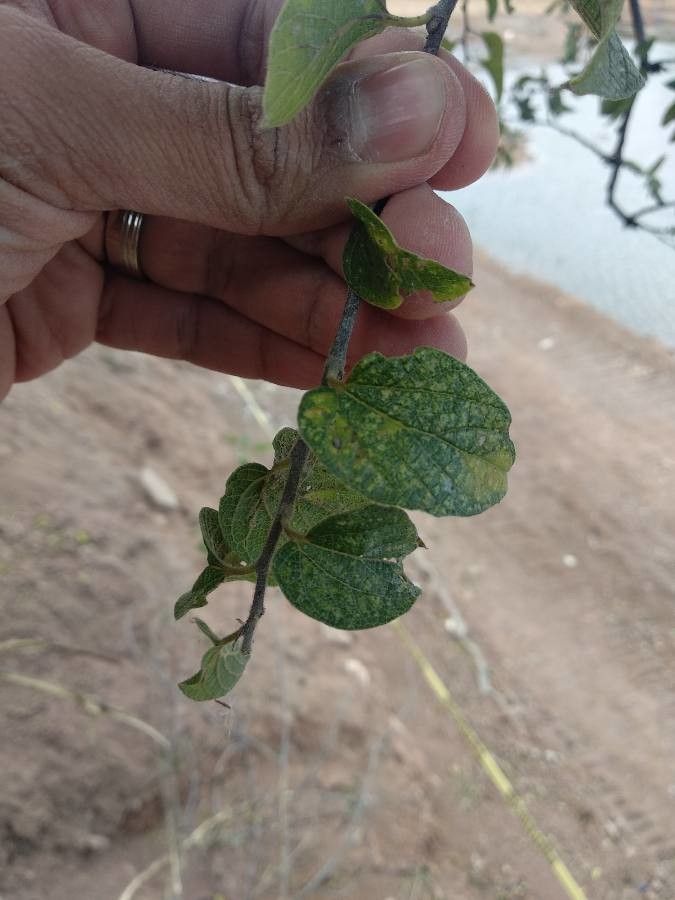
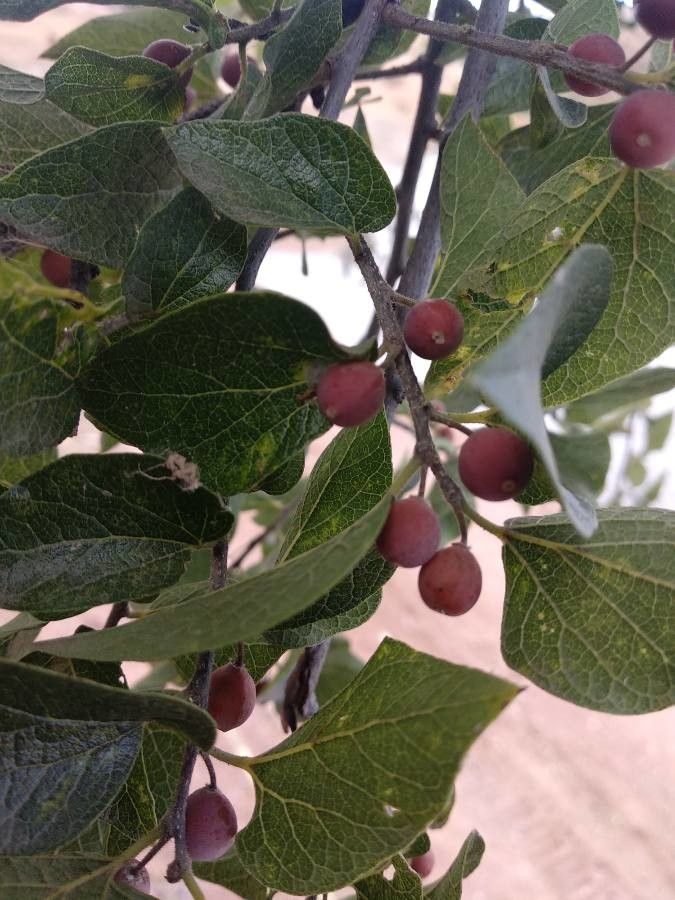
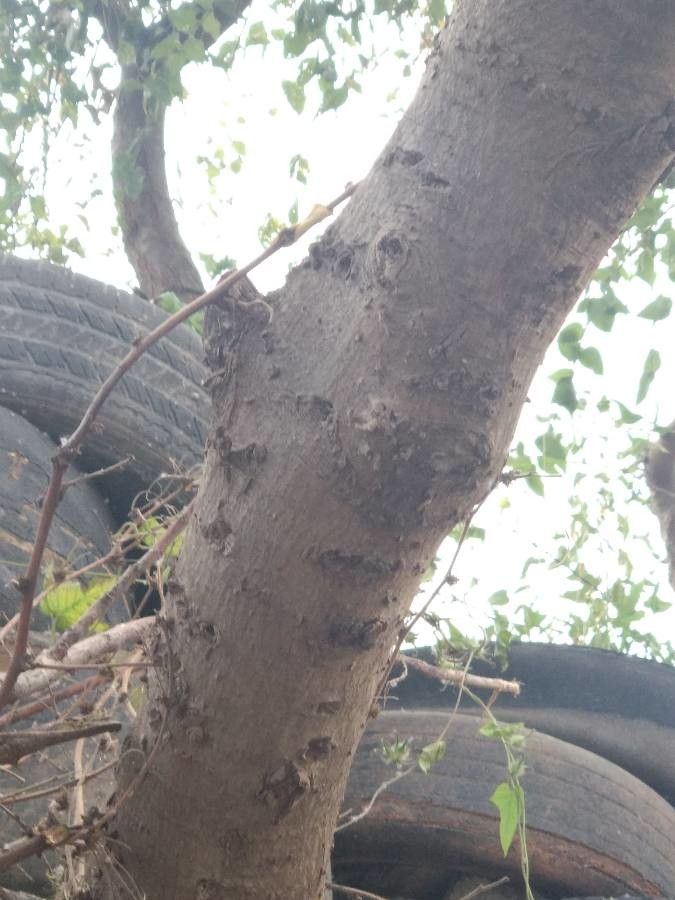
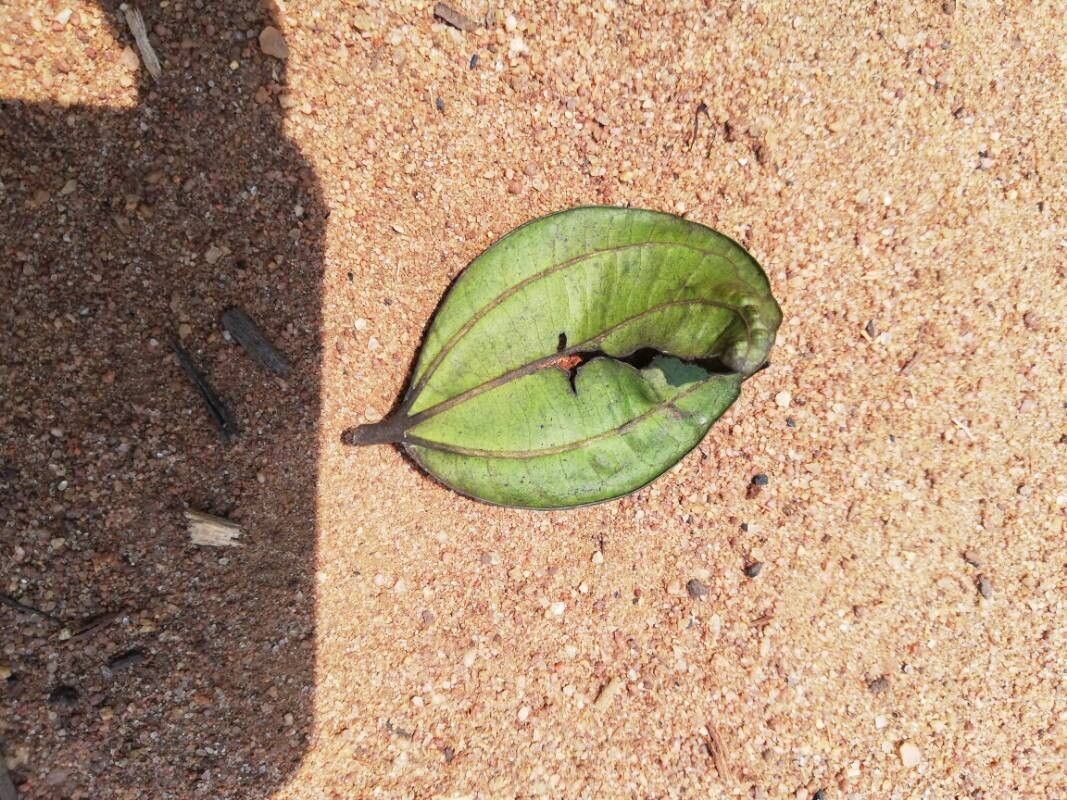
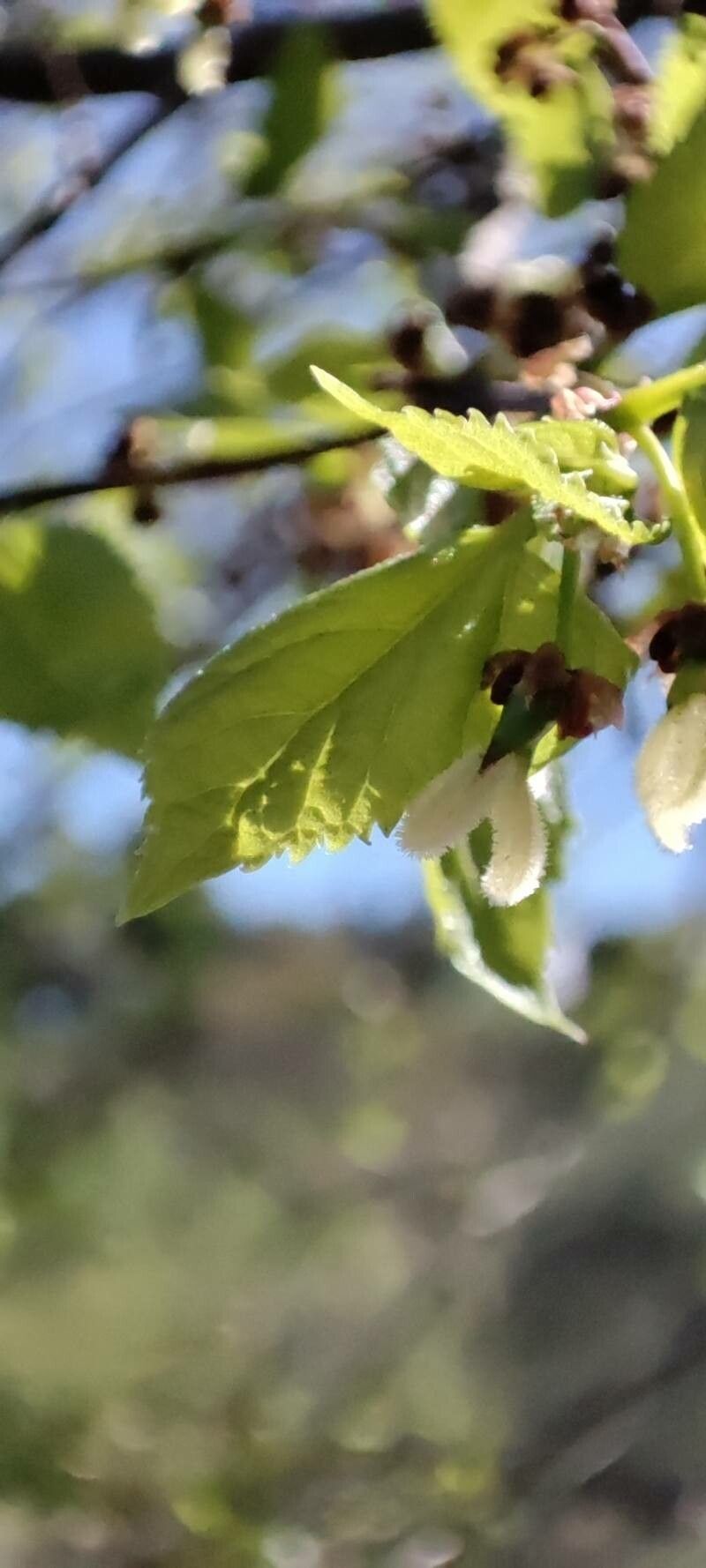
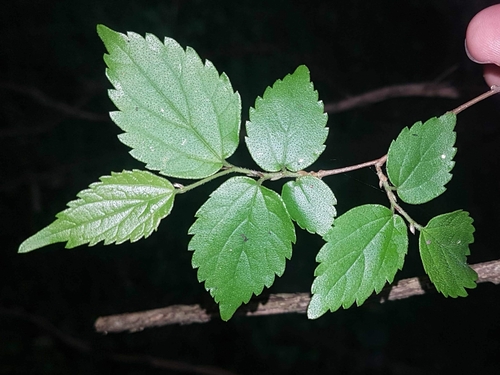
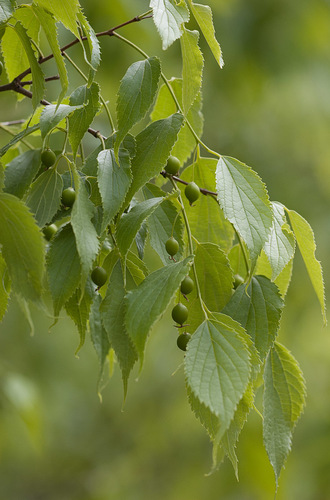
Prunus pogonostyla is well resistant to disease and generally does not tend to get sick. Regarding care, this plant is fairly low-maintenance. When grown outside it needs little watering, and larger specimens typically do not require pruning. Smaller plants, however, should be pruned after they have finished flowering. Prunus pogonostylat is appropriate for anyone with an outdoor space, like a garden or deck, and does not require extensive experience in plant care.
How to keep Celtis Caudata.
Light
Prunus pogonostyla comes from open habitats, such as sunny meadows and forest margins, which offer abundant light. It performs best in full sun but can also tolerate partial sun, adjusting well to different light conditions.
Temperature
Prunus pogonostyla comes from tropical areas, which have characteristically warm, humid climates. Consequently, it is adapted to elevated heat and moisture levels. It does not tolerate rapid temperature shifts and favors a steady thermal environment, so preventing temperature swings indoors is important. It generally cannot withstand cold and needs warmer conditions to grow. If the surrounding temperature falls too far, the plant can stop growing or may die.
Fertilizer
The best time to fertilize a Prunus pogonostyla is in early spring as it breaks dormancy. This encourages overall growth and flower development. Fertilizing improves foliage, stems, and branches, while encouraging large, vibrant, long-lasting blooms. It helps transfer nutrients from the roots to the flowers and enhances the plant's health and resistance to disease.
Botanical profile.
- Plant Type
- Tree, Shrub
- Life Cycle
- Perennial
- Genus
- Celtis
- Family
- Cannabaceae
- Hardiness Zone
- 9-11
- Mature Height
- 1.52 m
- Mature Spread
- 2.13 m to 3.05 m
- Leaf Color
- Forest Green, Dark Green
- Leaf Type
- Deciduous
- Flower Color
- White, Pink
- Flower Size
- 1.02 cm to 2.03 cm
- Bloom Time
- Early spring, Mid spring
- Planting Time
- Spring, Summer
- Harvest Time
- Early summer, Mid summer
- Native Area
- China