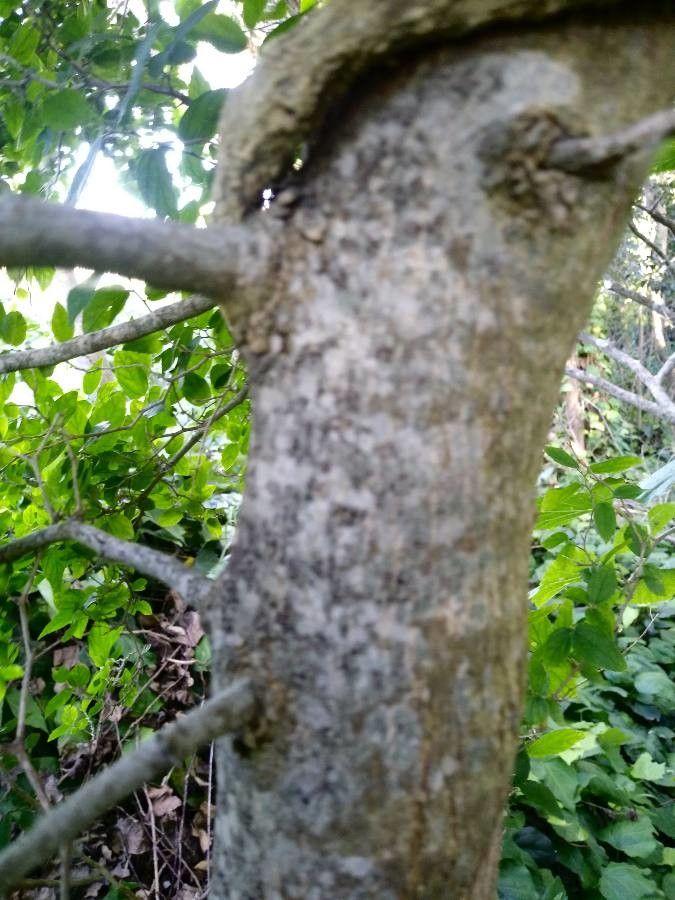
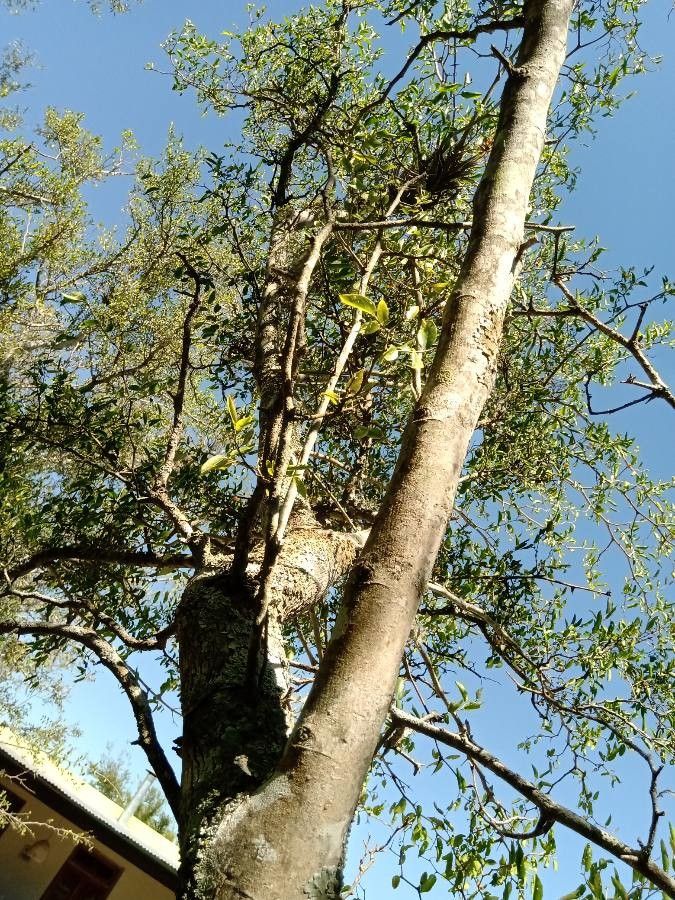
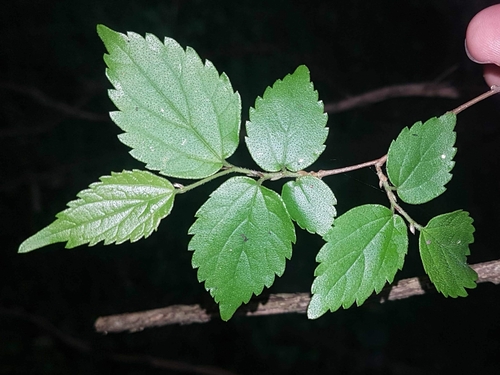
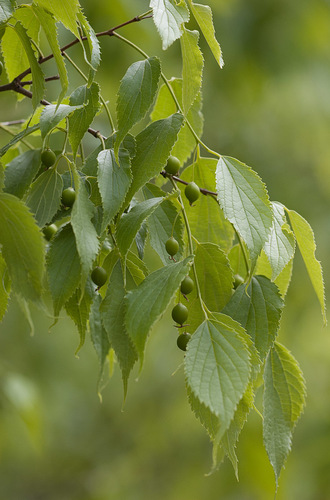
Celtis tala, also known as the Indian hackberry, is a deciduous tree belonging to the Ulmaceae family. Native to India, it can also be found in various parts of Asia. This tree can grow up to 20 meters tall and has a broad crown with a spread of up to 15 meters.
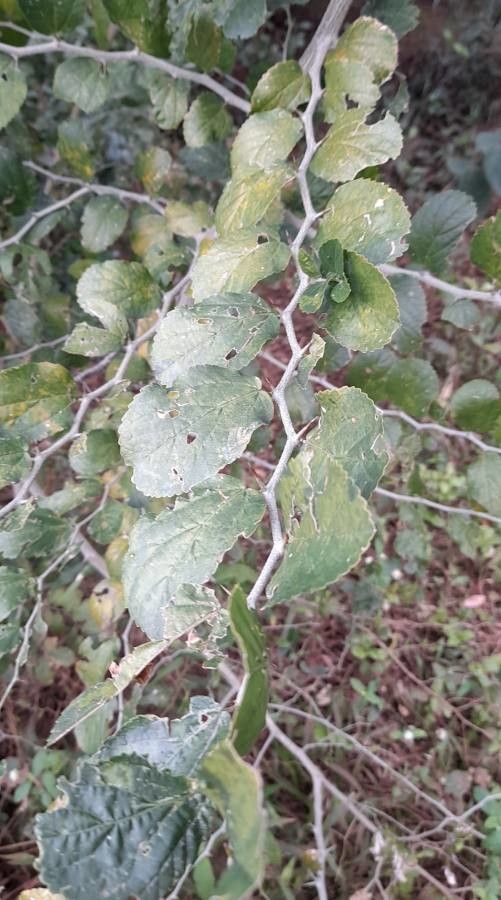
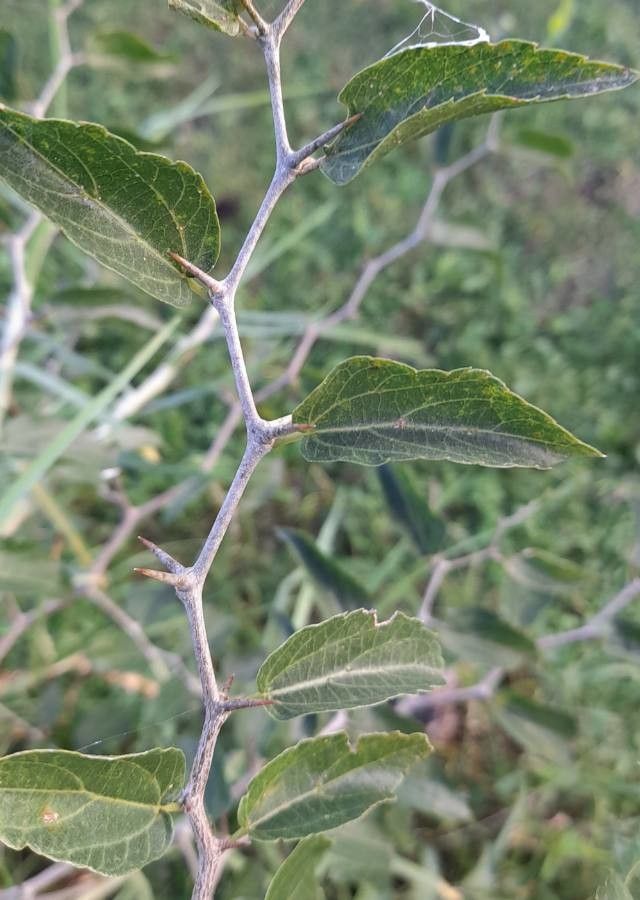
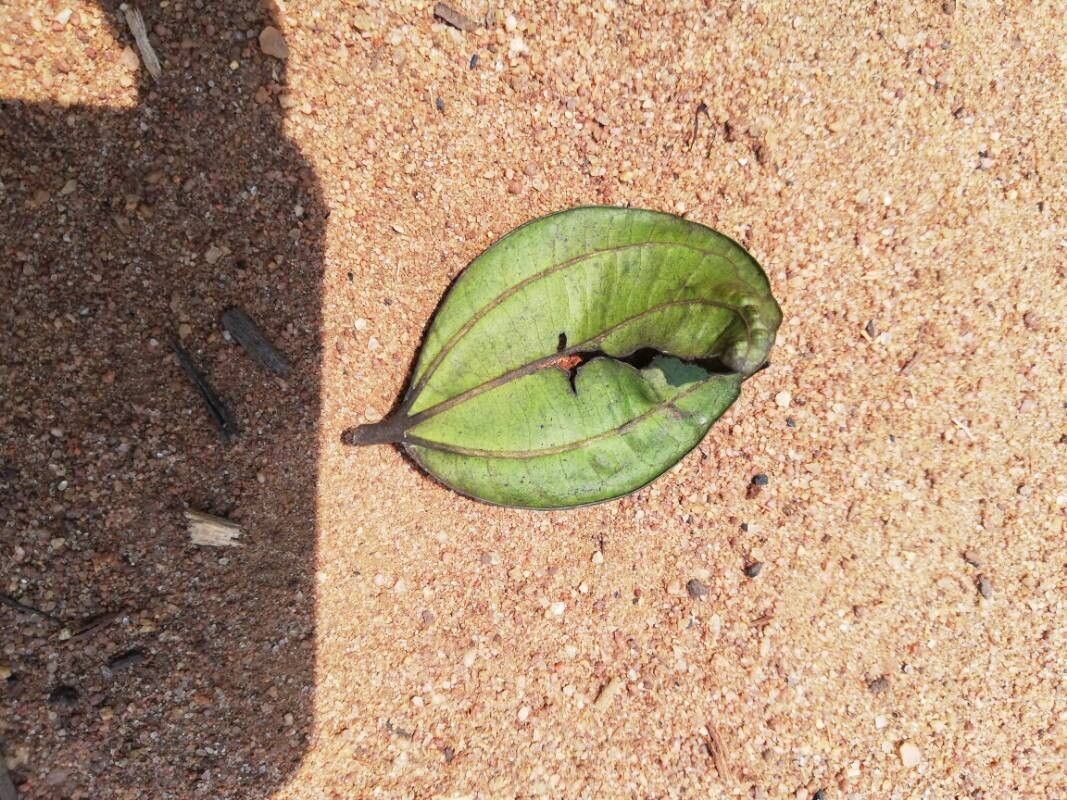
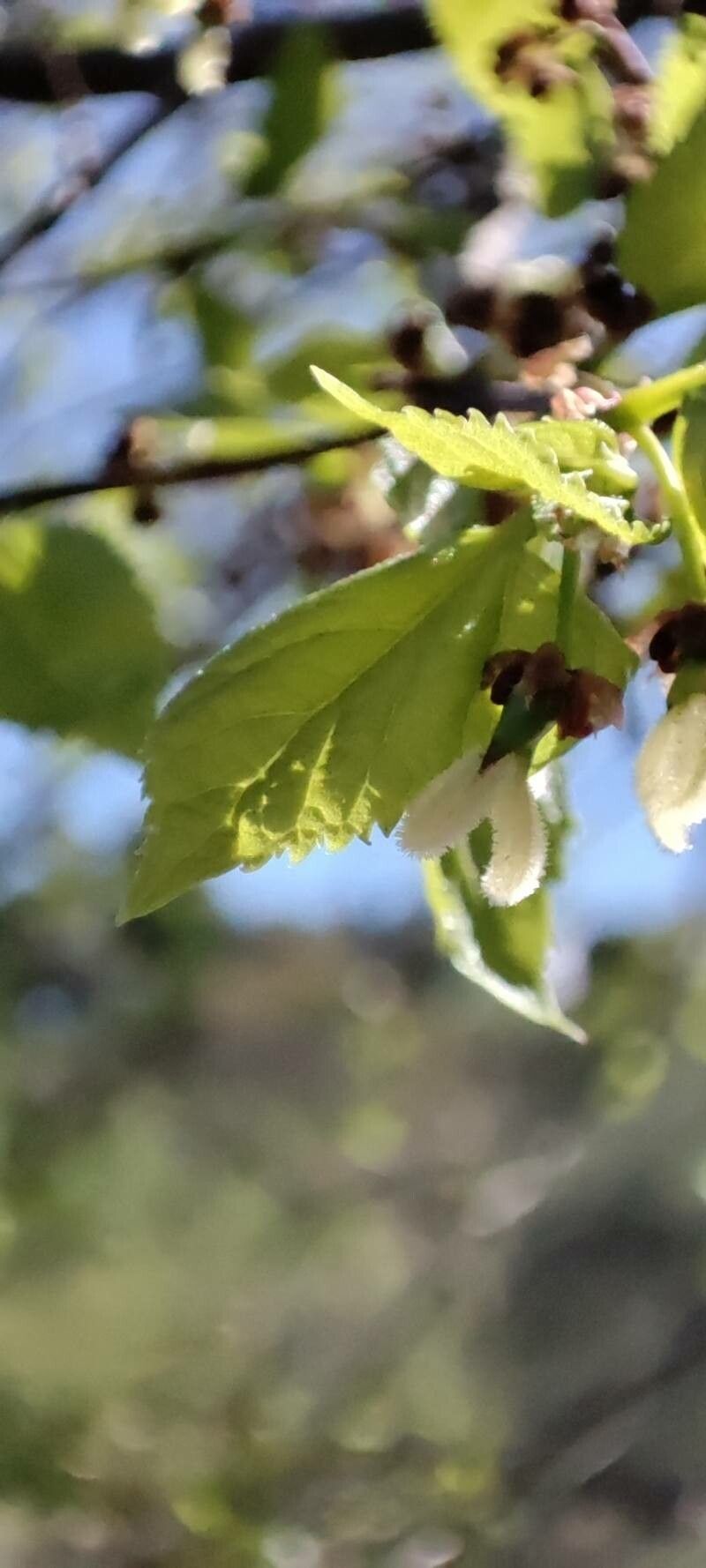
The leaves of Celtis tala are simple, alternate, and ovate with serrated edges. They are dark green and have a glossy texture. The flowers, which are small and greenish-yellow, typically appear in the spring season.
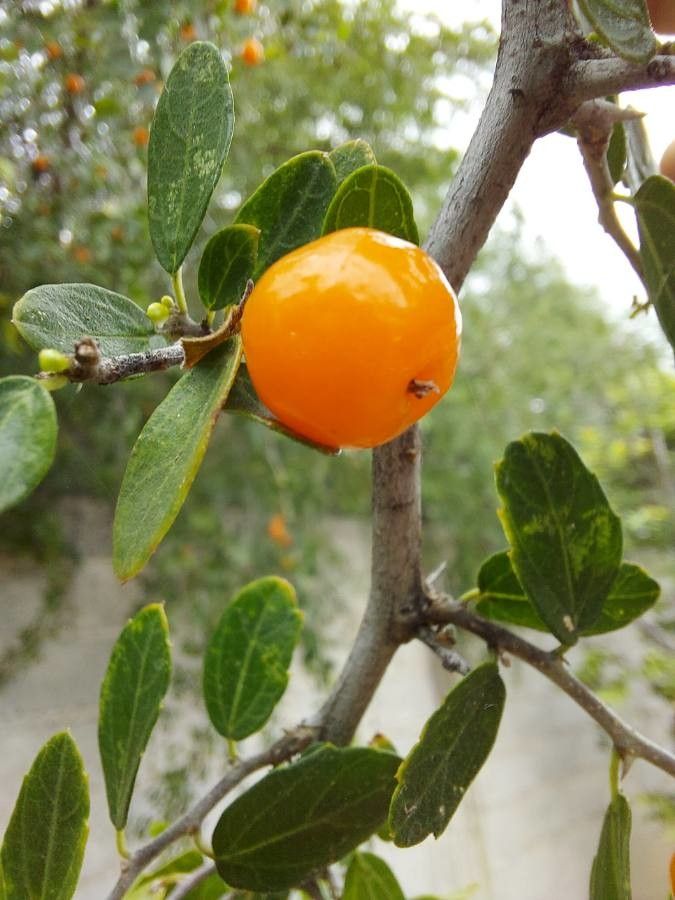
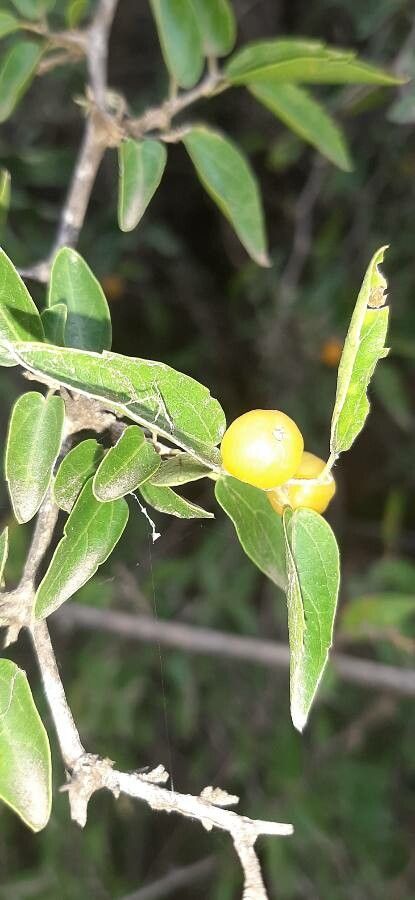
The fruit of Celtis tala is an edible drupe that resembles a small berry. It turns orange-red when ripe and contains a single seed.
Celtis tala is well-regarded for its medicinal properties, as it contains various compounds such as flavonoids, alkaloids, and saponins, which have anti-inflammatory properties. These compounds help treat various ailments, including fever, coughs, and colds.
In addition to its medicinal uses, Celtis tala is also valued for timber production due to its hard wood, making it ideal for furniture making and construction purposes.
Overall, the Celtis tala plant holds great significance due to its multiple benefits, making it an important species both ecologically and economically.
Spiny Hackberry shows strong resistance to disease and is generally not prone to illnesses. In terms of care, this plant is fairly low-maintenance. When grown outdoors it needs little watering, and larger plants typically do not require pruning. Smaller plants, however, should be pruned after they finish flowering. Spiny Hackberryt is suitable for anyone with an outdoor area, such as a garden or deck, and does not require much experience in plant care.
How to keep Celtis Tala.
Light
Spiny Hackberry is native to open habitats, such as sunlit meadows and forest edges, which provide abundant light. It performs best in Full Sun but will also tolerate Partial Sun, adapting well to a range of sunlight conditions.
Temperature
Spiny Hackberry is native to regions with moderate temperatures because it prefers 15 to 35 ℃ (59 to 95 °F). Its adaptation can be promoted by imitating those temperature ranges in the appropriate seasons.
Fertilizer
Apply fertilizer to your Spiny Hackberry in early spring to promote healthy growth. Regular fertilizing boosts overall health, producing vigorous growth, increased tolerance of harsh conditions, and enhanced resistance to diseases and pests. Follow a specific fertilization schedule for your Spiny Hackberry to maintain foliage that is vibrant, richly colored, and lush in appearance.
Botanical profile.
- Plant Type
- Shrub
- Life Cycle
- Perennial
- Genus
- Celtis
- Family
- Cannabaceae
- Hardiness Zone
- 7-9
- Mature Height
- 3.05 m
- Mature Spread
- 2.44 m to 3.05 m
- Leaf Color
- Green, Blue
- Leaf Type
- Deciduous
- Flower Color
- Yellow, Green
- Flower Size
- 0.25 cm
- Bloom Time
- Early spring, Mid spring
- Planting Time
- Spring, Summer, Autumn
- Harvest Time
- Late summer, Early fall, Mid fall
- Native Area
- Brazil, Mexico, Bolivia
Other names.