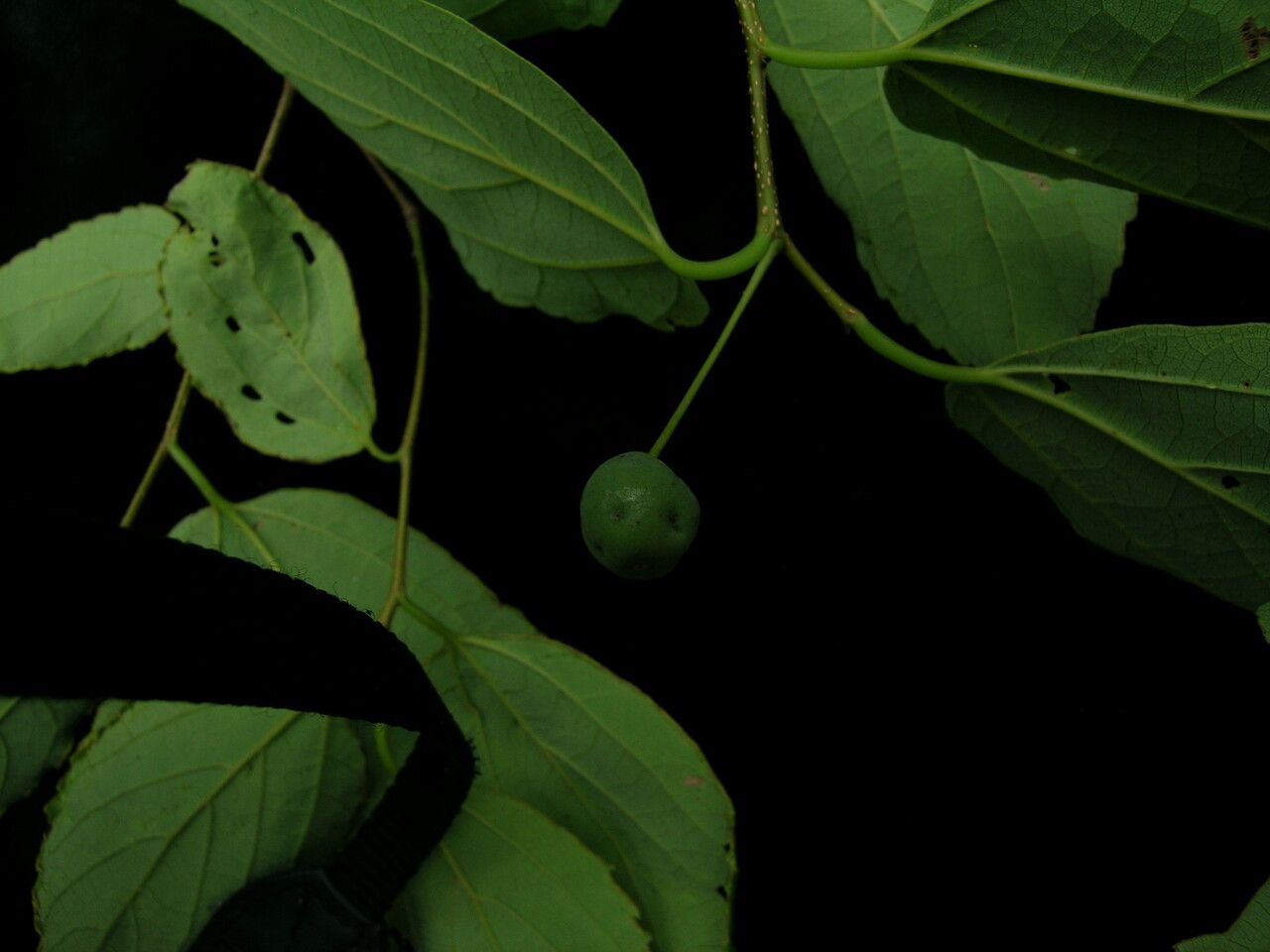
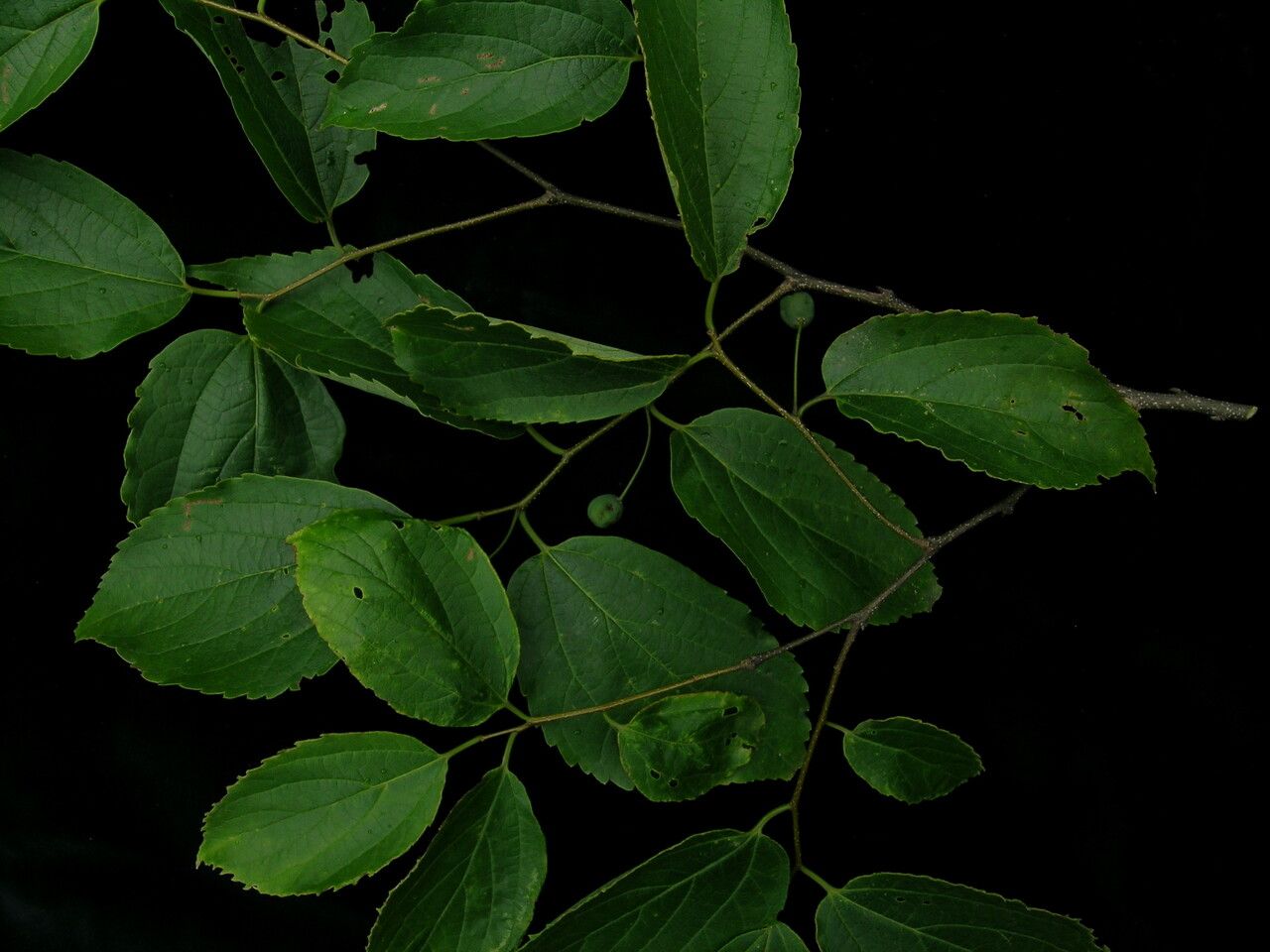
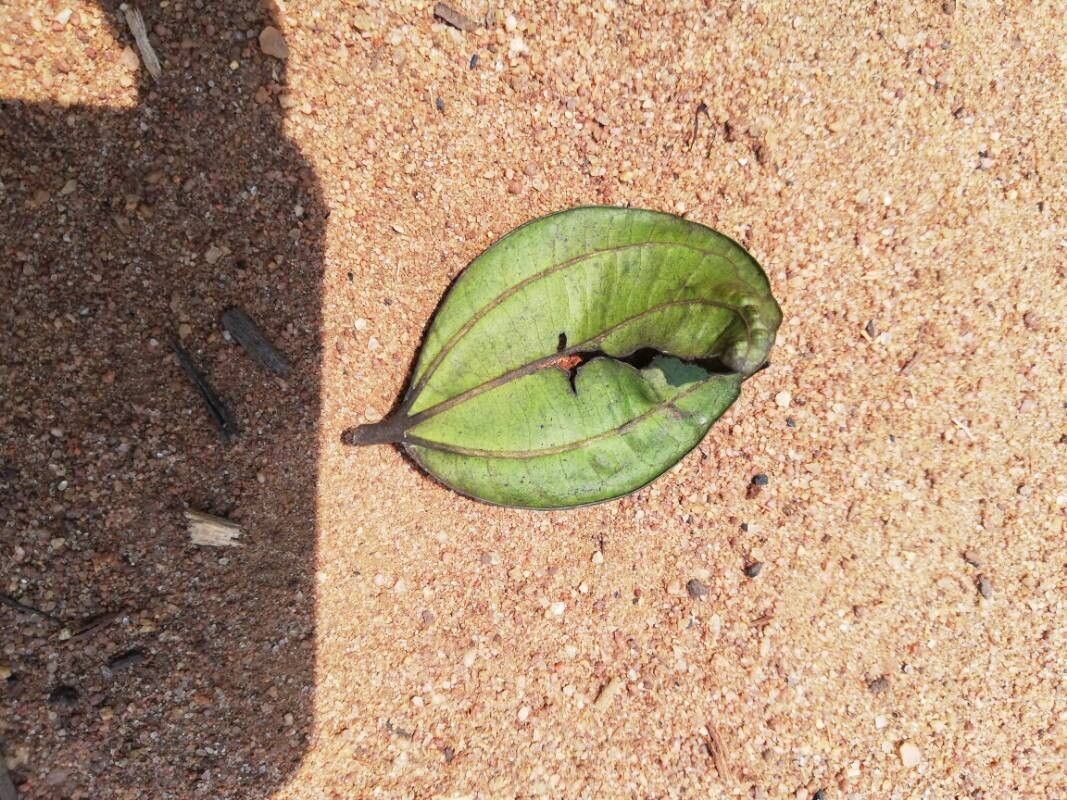
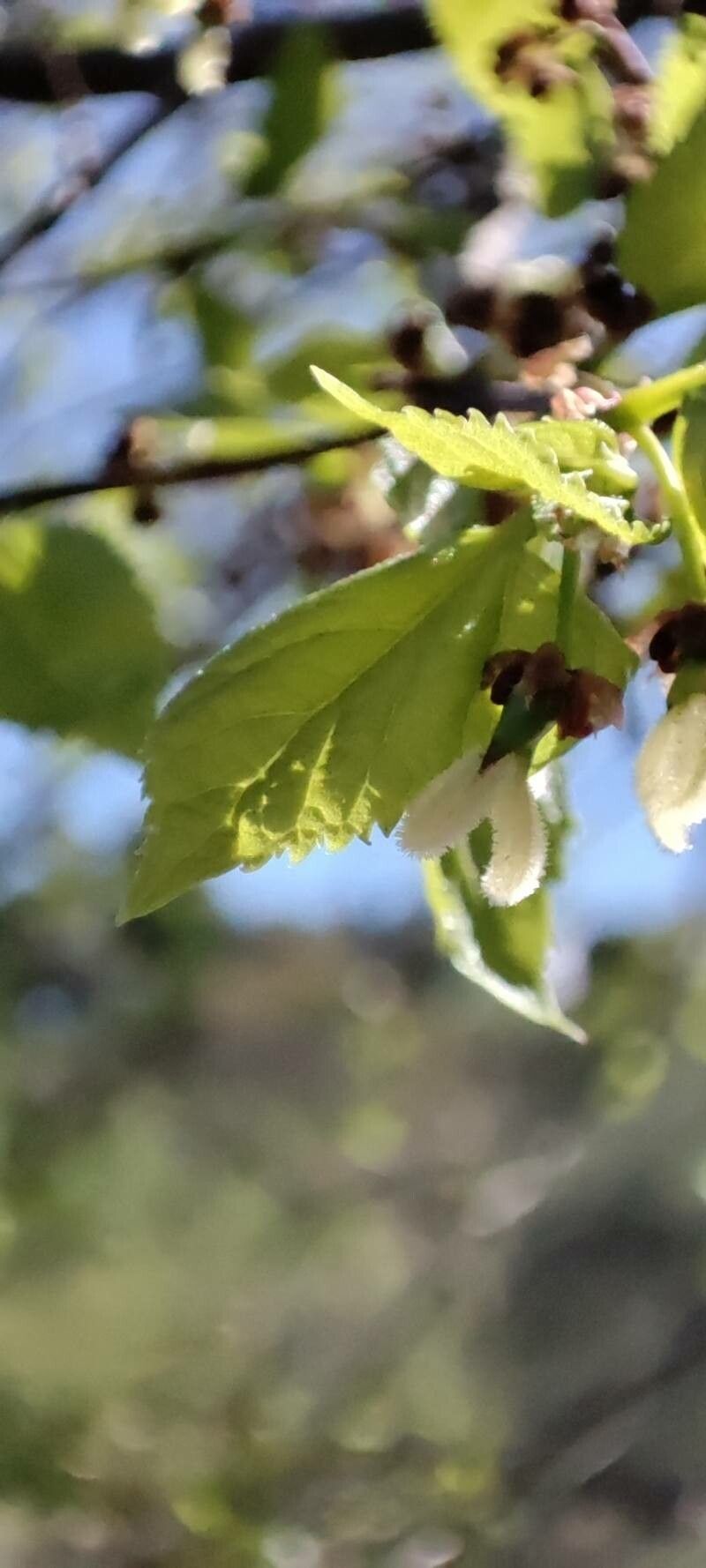
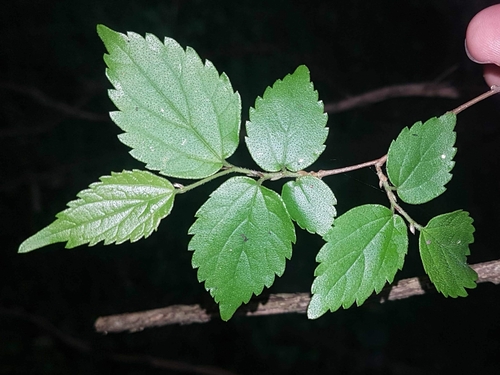
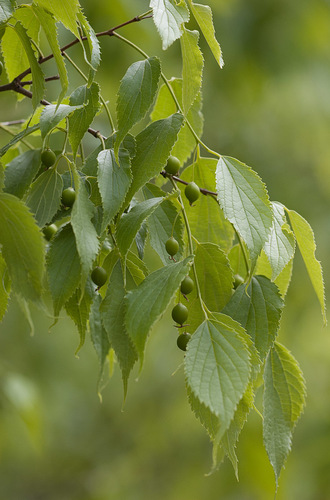
Celtis tetrandra, called the Nilgiri elm, is a species of flowering plant in the hackberry genus Celtis, family Cannabaceae. It is widely distributed across the Indian Subcontinent, southern China, Southeast Asia, and western Indonesia. It is occasionally available commercially.
Club beak is resistant to disease and generally not prone to illness. In terms of care, this plant is relatively low-maintenance. When grown outdoors it needs minimal watering, and larger plants typically do not require pruning. Smaller plants, however, should be pruned after they finish blooming. Club beakt is suitable for anyone with an outdoor area, such as a garden or deck, and does not demand much experience in plant care.
How to keep Celtis Tetrandra.
Light
Club beak is native to open areas like sunny fields and the fringes of forests, where there is plenty of light. It flourishes in full sunlight but can also withstand partially sunny conditions, demonstrating a good adaptability to different levels of sunlight.
Water
Club beak thrives in semi-arid conditions with minimal irrigation and low humidity, demonstrating excellent drought tolerance. An ideal watering schedule is every 2-3 weeks, allowing the soil to dry out between waterings. This plant is often grown outdoors to take advantage of natural rainfall, and its water requirements decrease during dormancy.
Temperature
Club beak is native to tropical zones where the weather is generally hot and moist, hence it's proficient in acclimatizing to high heat and humidity. It dislikes abrupt fluctuations in temperature, preferring constant thermal conditions, thus it's crucial to circumvent varying temperatures indoors. Typically, it cannot endure cool climates and demands elevated temperatures for its development. Should the ambient temperature fall excessively, the plant may halt growing or possibly perish.
Fertilizer
Club beak's maintenance necessitates proper fertilization. Consistent nourishment throughout the growth period facilitates vitality for vibrant foliage and bolsters general development. Fertilization negligence can lead to poor leaf health, reduced decorative allure, and frail growth susceptible to damage.
Pruning
Early spring pruning is vital for the health and growth of club beak plants. Essential techniques include removing dead or diseased wood, thinning branches to improve airflow, and shaping the plant for balance. These practices encourage new shoots and help reduce the risks of pests and diseases, resulting in a vibrant and well-maintained plant.
Botanical profile.
- Plant Type
- Tree
- Life Cycle
- Perennial
- Genus
- Celtis
- Family
- Cannabaceae
- Hardiness Zone
- 7-8
- Mature Height
- 29.87 m
- Mature Spread
- 91 cm
- Leaf Color
- Forest Green, Dark Green
- Leaf Type
- Deciduous
- Flower Color
- White, Yellow
- Flower Size
- 0.20 cm to 0.25 cm
- Bloom Time
- Early spring, Mid spring
- Planting Time
- Spring, Summer, Autumn
- Harvest Time
- Late summer, Early fall, Mid fall
- Native Area
- Nepal, India, Malaysia, Indonesia, Vietnam, Myanmar, Bhutan, Bangladesh, Pakistan, Laos, Thailand, China
Other names.
Reader questions.
What is Club beak?
Club beak, known scientifically as Celtis tetrandra, doesn't have a detailed description provided. Information on its essentials, such as specifics on care, ideal environments, or any additional attributes, as well as symptoms related to plant health issues, is currently not available.