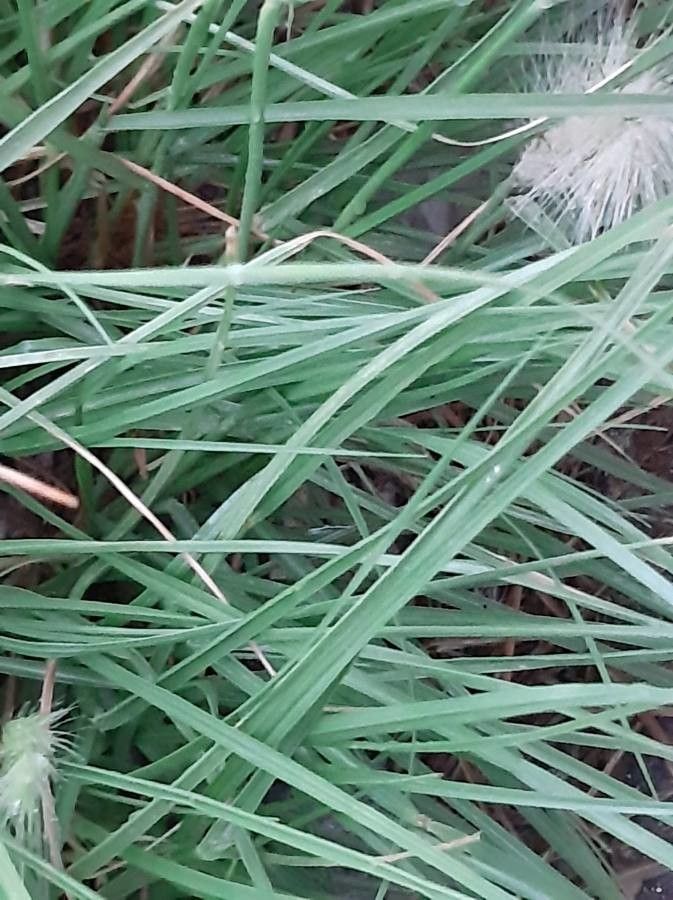
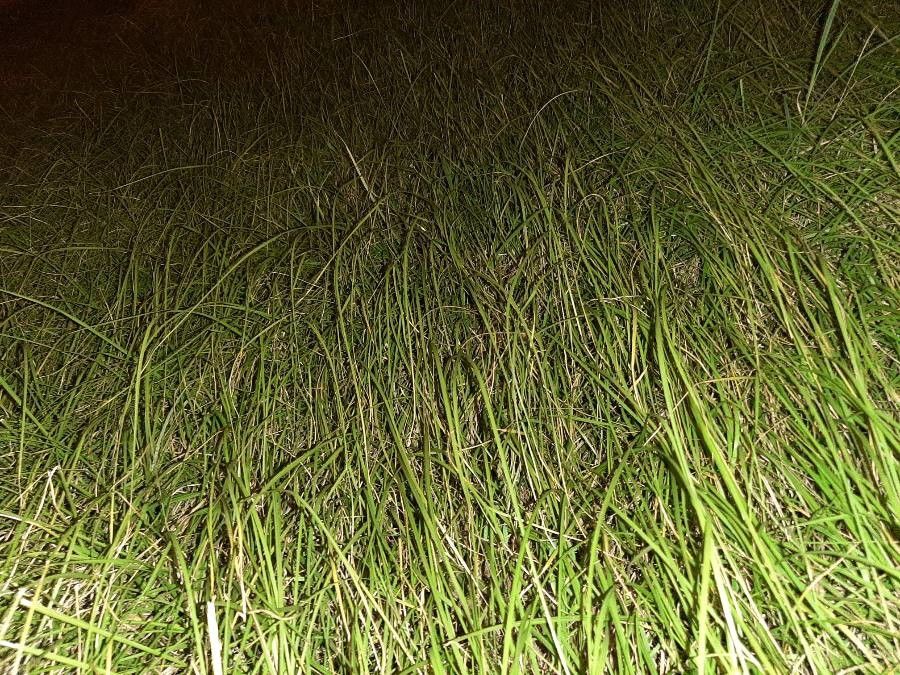
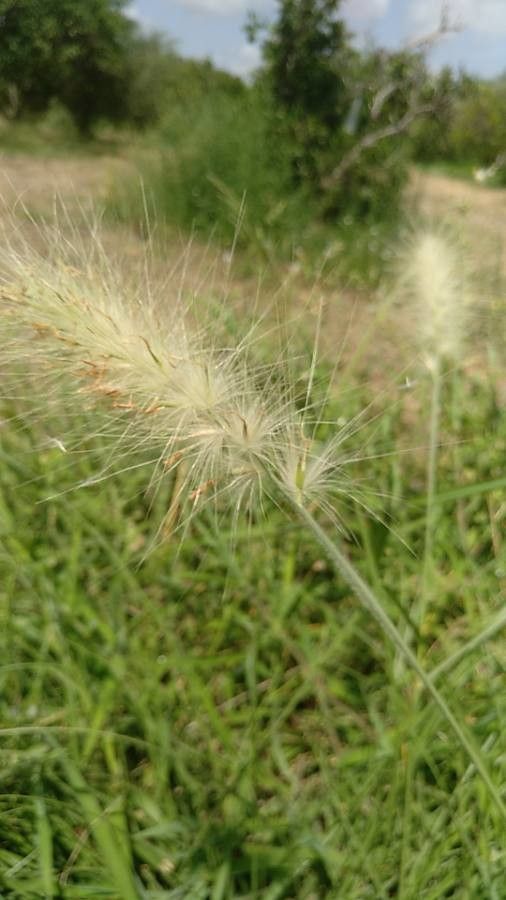
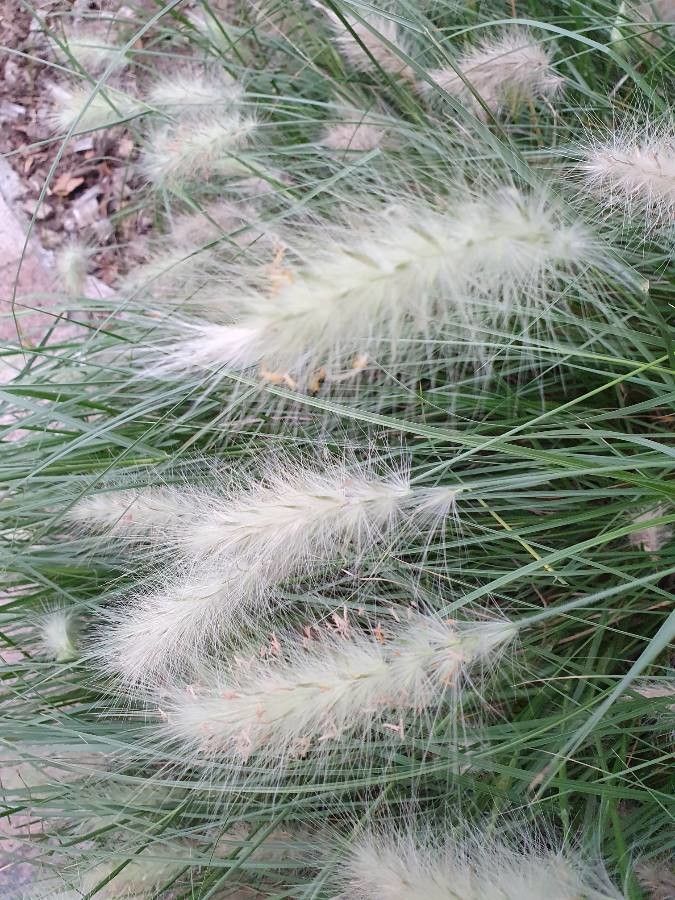
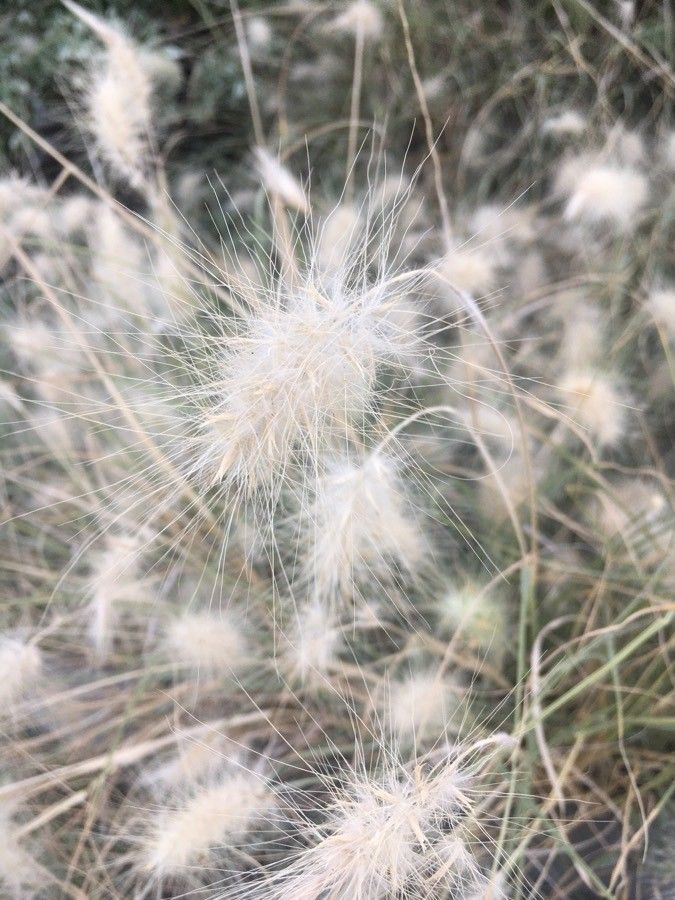
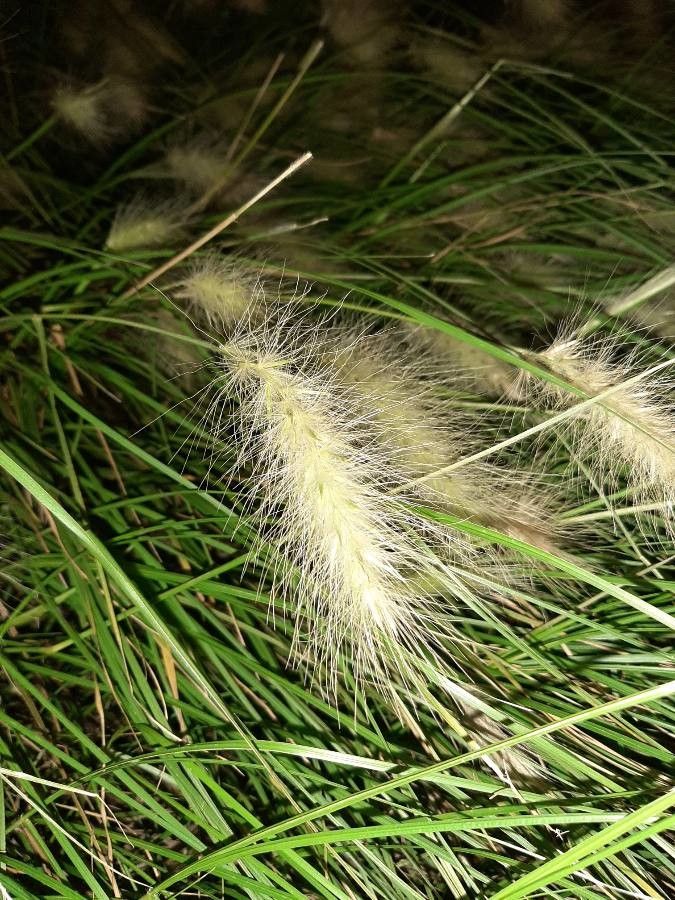
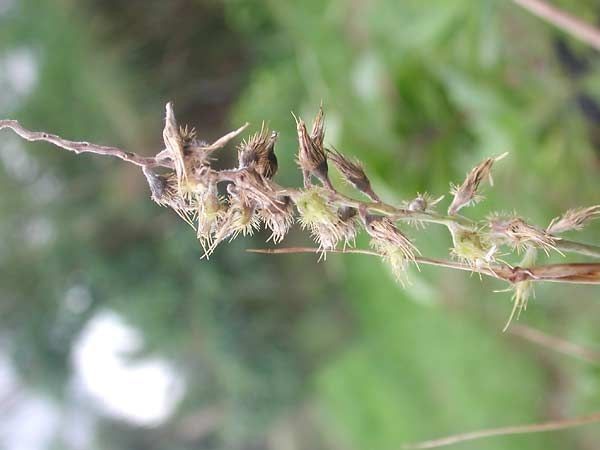
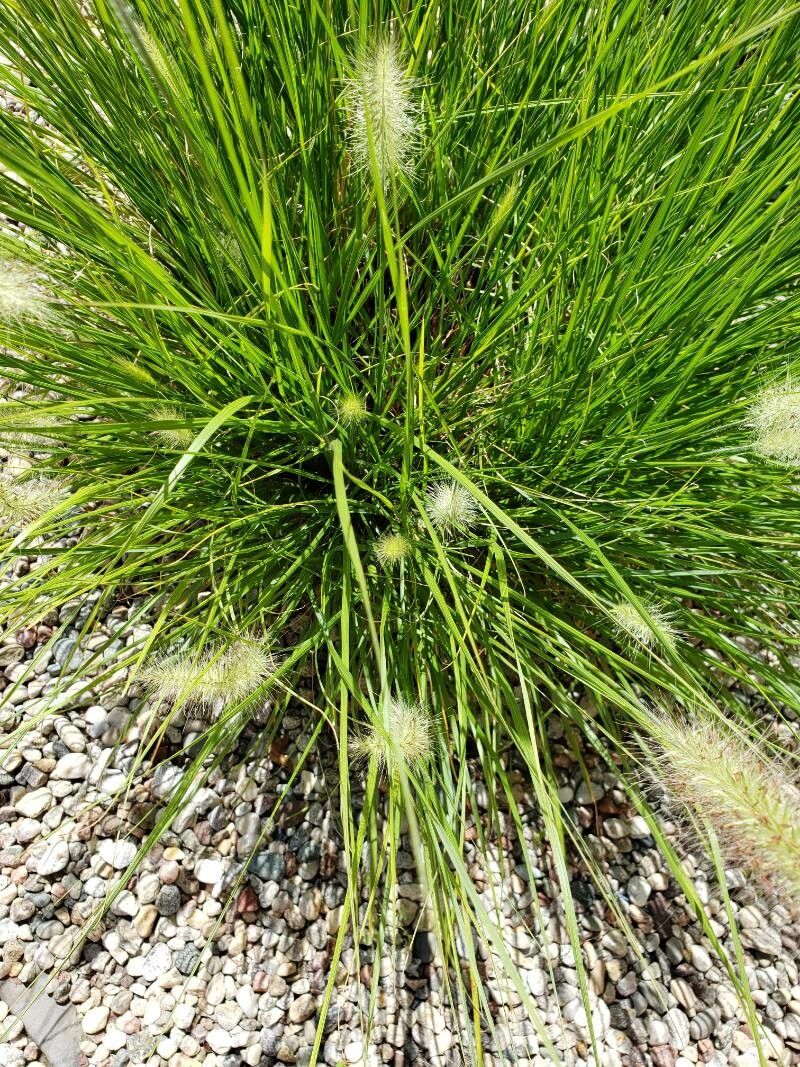
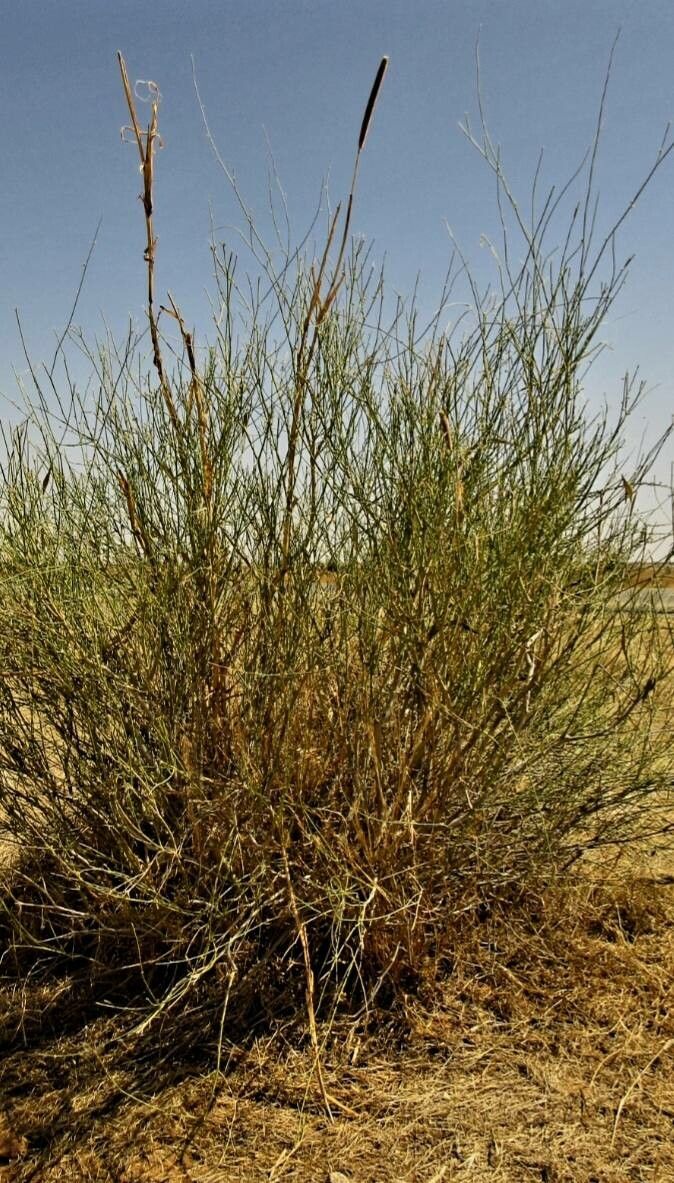
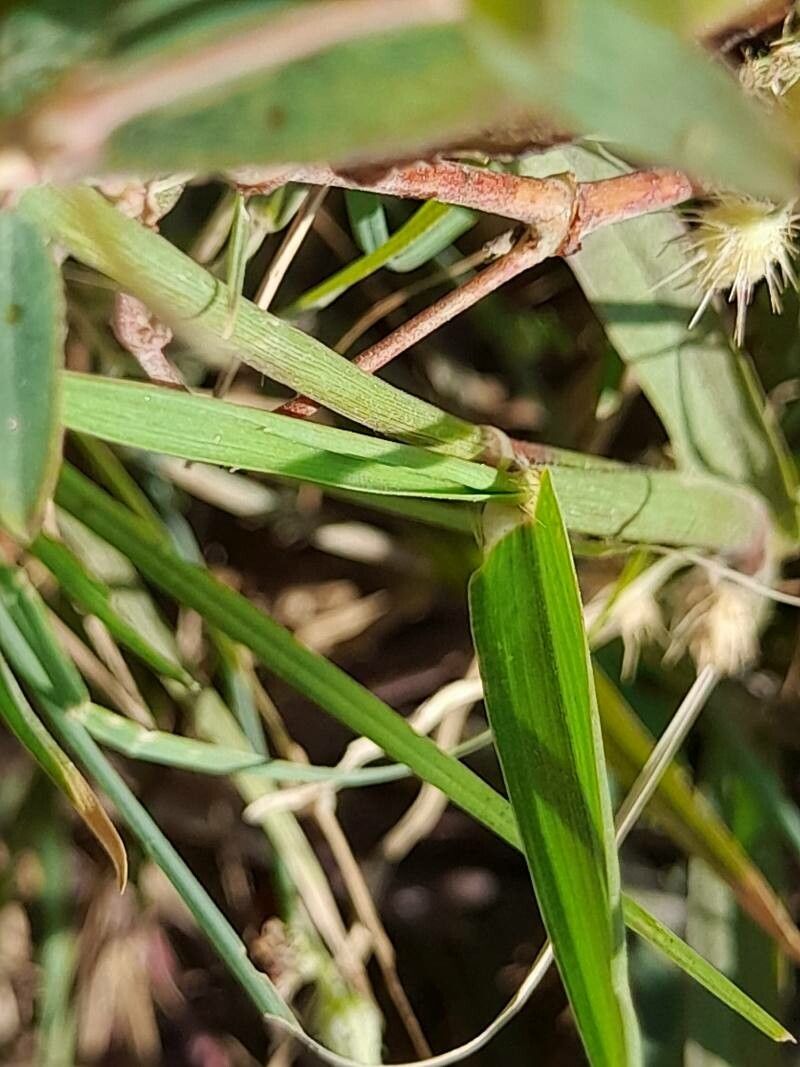
Cenchrus longisetus, previously Pennisetum villosum, is a species of flowering plant in the family Poaceae, known by the common name feathertop grass or just feathertop. It is native to northeastern Africa and parts of the Arabian Peninsula, and it is grown elsewhere as an ornamental plant. It can sometimes be found growing wild where it has escaped cultivation. This is a perennial grass growing in rhizomatous clumps, producing erect stems up to about 75 centimeters tall. The inflorescence is a panicle of clustered spikelets surrounded by a cloudlike mass of plumose white bristles up to 5 centimeters long.
Feathertop shows good resistance to disease and is generally not prone to illness. However, it can be vulnerable to pests and diseases present in its environment. These issues are typically not severe. For care, this plant requires moderate maintenance. It should be pruned regularly to keep a good appearance and support healthy growth. Fertilizing can also help encourage flowering. Feathertop is appropriate for anyone with outdoor areas like a garden or patio and does not demand a lot of experience in plant care. It may need more attention when kept indoors.
How to keep Cenchrus Longisetus.
Light
Feathertop does best with abundant sunlight. Getting plenty of sun greatly supports its growth and increases its vigor. Since it comes from sun-rich habitats, any substantial reduction in light can impair its normal growth and health.
Water
Feathertop is well-suited for grasslands, demonstrating a moderate tolerance to drought. To keep the plant in optimal health, it should be watered weekly, taking care not to oversaturate the soil. When grown outdoors, feathertop benefits from natural rainfall, making it a resilient option for a variety of climate zones.
Temperature
Feathertop is indigenous to areas where temperatures typically range from 68 to 95 °F (20 to 35 ℃). It prefers warm conditions and can tolerate seasonal temperature fluctuations within that range.
Fertilizer
Usually one spring application of fertilizer is adequate for Feathertop, though repeated feedings can maximize growth. Apply fertilizer about every month to six weeks. Fertilization improves the leaves' appearance and function, helping maintain uniform color and a healthy texture. It also promotes root development and nutrient uptake for long-term plant health.
Pruning
Feathertop is known for its bushy appearance and ornamental value. To maintain its beauty and health, it's important to prune the plant effectively. Start by removing dead stems, thinning out crowded branches, and shaping the plant, ideally in early spring. This practice improves air circulation, reduces the risk of diseases, and encourages robust growth. Be sure to use sharp, clean tools for precise cuts.
Pot & Repot
When repotting Feathertop, select a container that is 1-2 inches (2.5–5.1 cm) larger and offers ample drainage. Use a well-draining potting mix. Repot in spring or fall, making sure the root ball sits slightly lower than the rim of the flower pot. Water thoroughly after repotting and place it in a warm spot with indirect sunlight.
Botanical profile.
- Plant Type
- Herb
- Life Cycle
- Perennial
- Genus
- Cenchrus
- Family
- Poaceae
- Hardiness Zone
- 9
- Mature Height
- 30 cm to 40 cm
- Mature Spread
- 61 cm
- Leaf Color
- Green, Light Green
- Leaf Type
- Semi-evergreen
- Flower Color
- Yellow, Green, Brown
- Flower Size
- 2.03 cm
- Bloom Time
- Summer, Early fall, Mid fall
- Planting Time
- Spring, Summer, Autumn
- Harvest Time
- Late summer, Fall, Early winter
Other names.
Reader questions.
How should I water my Feathertop plant?
To properly care for the Feathertop plant, it is important to use filtered water at room temperature. Tap water may contain harmful particles. The plant prefers warmer water as it is used to a warm environment. Cold water can be a shock to its system. Additionally, avoid overhead watering to prevent foliage issues. Instead, soak the soil with your filtered room temperature water until it is completely wet. This promotes root moisture and nutrient absorption.
What are the sunlight requirements for Feathertop?
Feathertop requires full sun, meaning it thrives under conditions where it receives more than 6 hours of sunlight daily. However, it can also grow in partial sun, where it gets about 3-6 hours of sunlight. Watching how sunlight moves through your garden helps in choosing spots that provide a perfect balance of light and shade, ensuring the plants' happiness. Feathertop is notably sun-loving, originating from environments dominated by the sun. Sufficient exposure enhances its growth and vitality, while a lack of it may hinder its normal development.
What is the ideal temperature range for growing Feathertop?
Feathertop thrives in environments where the temperature usually falls within the 68 to 95 °F (20 to 35 °C) range. It is a warm-loving plant that can adjust to seasonal temperature changes, so long as they remain within this preferred range. This adaptation makes Feathertop a versatile plant capable of flourishing under various warm climate conditions.
What do I do if I give my Feathertop plant too little or too much water?
Overwatering is a more common issue and can be harmful to your Feathertop plant. When this happens, the stems and leaves may wilt and turn yellow. Over time, overwatering can lead to root rot, mold, and mildew, which can be fatal for the plant. On the other hand, underwatering is less common but still possible. In this case, the Feathertop's leaves may become brittle and brown. It's important to recognize the signs of overwatering early on. Some diseases caused by overwatering, like root rot, cannot be fixed if left too long. Reduce your watering schedule if you notice early signs of overwatering and consider using well-draining soil. If your Feathertop shows signs of needing more water, simply increase your watering frequency until the signs improve.
How essential is sunlight for the growth of Feathertop?
Sunlight is crucial for the growth and vitality of Feathertop, aiding significantly in its development. The plant thrives most significantly under copious exposure to the sun, with its origins in sun-dominant environments indicating a natural preference for ample sunlight. When natural sunlight is insufficient, especially in winter or less sunny spaces, artificial lighting serves as a vital solution. Adequate lighting, mimicking the plant's natural conditions, can promote faster and healthier growth with the right type of artificial light and duration of exposure.
How does Feathertop react to temperatures below 0°C, and how should it be protected?
Feathertop has some degree of cold tolerance and typically doesn't require any special care when temperatures are above 0°C. However, if temperatures are expected to drop below freezing, temporary protection measures should be taken to shield the plant from cold damage. This can include wrapping the plant with plastic film, fabric, or other suitable materials to keep it warm. Once temperatures rise again, it's important to remove these protective materials promptly to ensure the plant's health.
How frequently should I water my Feathertop?
If your Feathertop plant is in a pot, you can use a precise method to determine if it needs water. Simply stick your finger in the soil and if the top two to three inches feel dry, it's time to water. The same method can be used if you're growing Feathertop outdoors in the ground. Once again, if the top few inches of soil are dry, it's time to give it some water. Typically, watering once a week during spring and early fall is sufficient, but during hot weather, you may need to water twice or more per week. It's important to note that mature, well-established Feathertop plants can tolerate drought well.
What are the symptoms of light deficiency in Feathertop?
Light deficiency in Feathertop can be identified through several symptoms including smaller new leaves, leggy or sparse growth, faster leaf drop, slower or no new growth, lighter-colored new leaves, chlorosis, sunscald, leaf curling, wilting, and leaf scorching. These symptoms indicate the plant is not receiving sufficient light, affecting its ability to grow healthy and maintain its normal functions. Measures should be taken to gradually increase exposure to sunlight or employ artificial light solutions to address these issues.
What are the symptoms of cold damage in Feathertop, and how can they be mitigated?
When exposed to low temperatures, specifically below -5°C, Feathertop may exhibit symptoms like drooping leaves, which can recover in mild cases. In more severe scenarios, leaves may wilt and eventually fall off, indicating significant cold damage. To mitigate these effects, it's recommended to trim off the frost-damaged parts of the plant. Additionally, before the onset of low temperatures, the plant should be wrapped with non-woven fabric or cloth and protected from cold winds with a wind barrier to minimize future damage.
How much water does my Feathertop plant need?
When watering your Feathertop plant, don't be afraid to give it plenty of water. Make sure the first two to three inches of soil are dry before watering, and then water thoroughly until the soil is completely soaked. You should add enough water to see excess water flowing out of the pot's drainage holes. If you don't see any water draining out, you may be underwatering the plant. However, be careful not to let water accumulate in the soil, as this can be harmful to the plant. On the other hand, if water is not draining properly, it could mean that the soil is not well-draining, which is not good for the plant's health. If the plant is outside, it generally needs about 1 inch of rain per week.
What solutions are available for light deficiency in Feathertop?
To address light deficiency in Feathertop, gradually moving the plant to sunnier locations each week until it receives at least 6 hours of direct sunlight daily is recommended. Using a south-facing window and keeping curtains open during the day maximizes sunlight exposure. If the plant is large or not easily movable, consider using artificial light for at least 8 hours daily or investing in professional plant grow lights. For outdoor plants, avoiding sudden changes in light intensity is crucial to prevent sunburn. Minimizing obstructions, pruning branches, or even transplanting to a location with ample sunlight can also be effective solutions to ensure the plant receives adequate light.
How does Feathertop respond to high temperatures, and what steps can be taken to protect it?
During the summer, it's crucial to keep Feathertop's temperature below 35°C to prevent heat stress. Should the temperature rise above 38°C, the plant may suffer from symptoms such as lighter leaf color, dry and withered leaf tips, curling leaves, and increased susceptibility to sunburn. To protect the plant from these issues, trim away any sunburned or dried parts. Relocate the plant to a shaded area away from strong midday and afternoon sun or utilize shade cloth. Also, ensure the soil remains moist by watering the plant in the morning and evening.