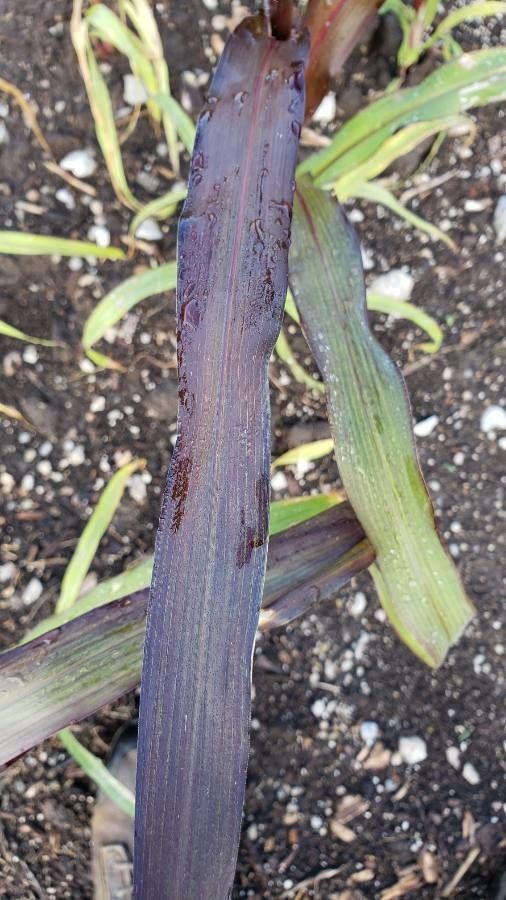
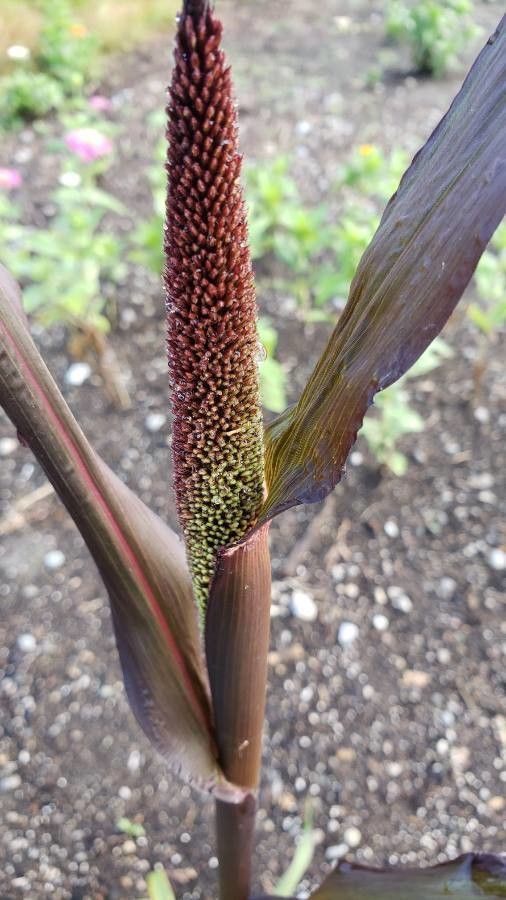
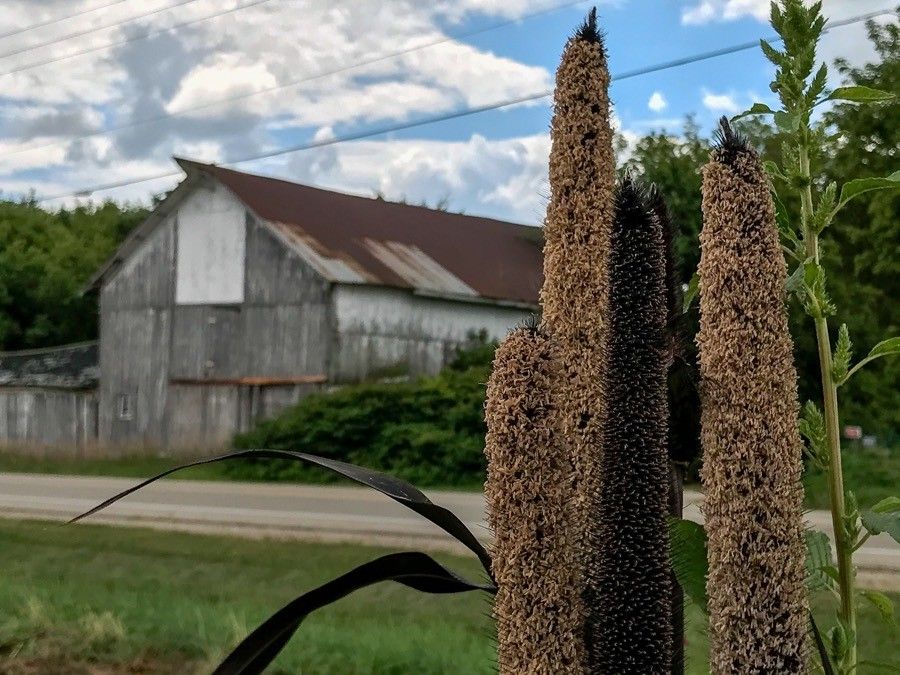
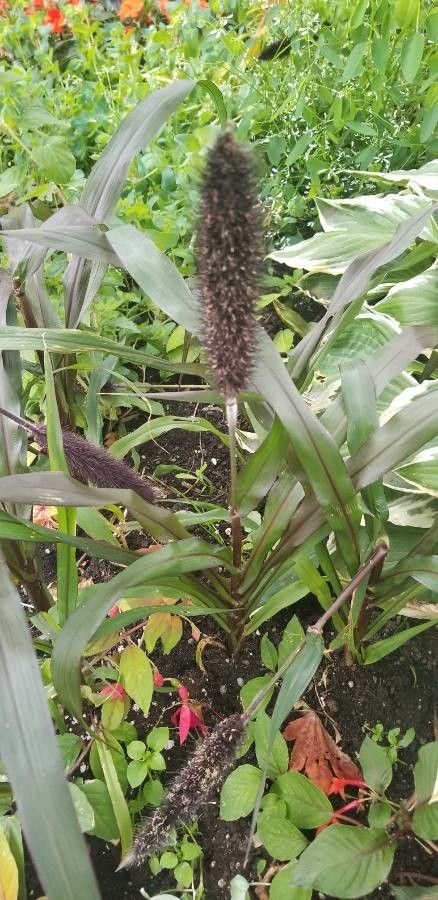
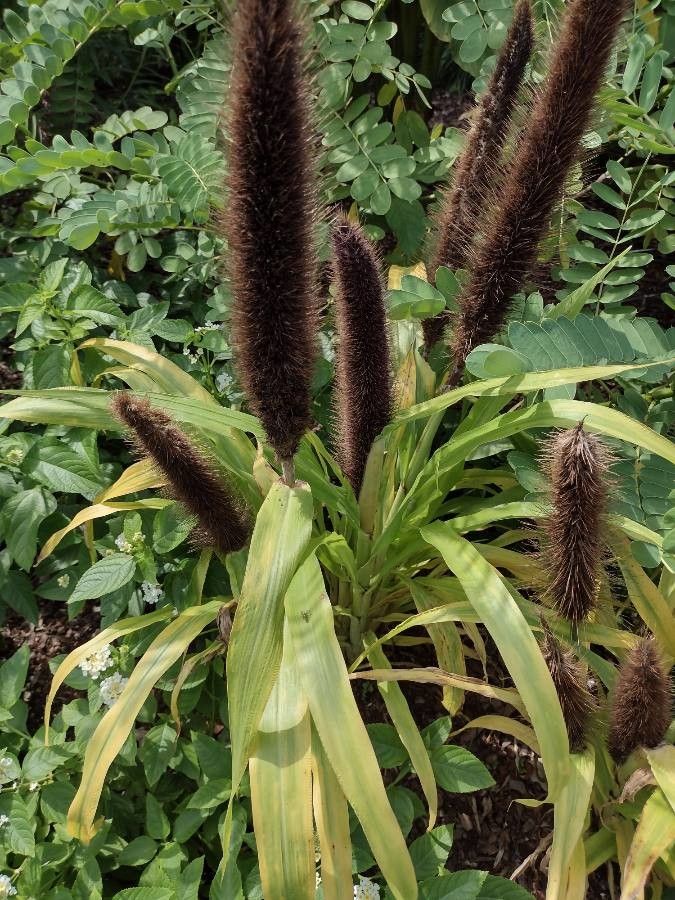
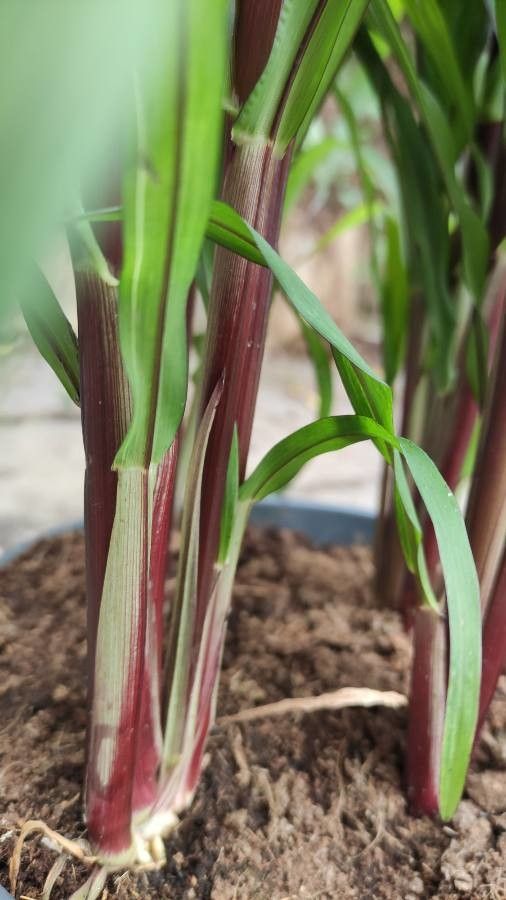
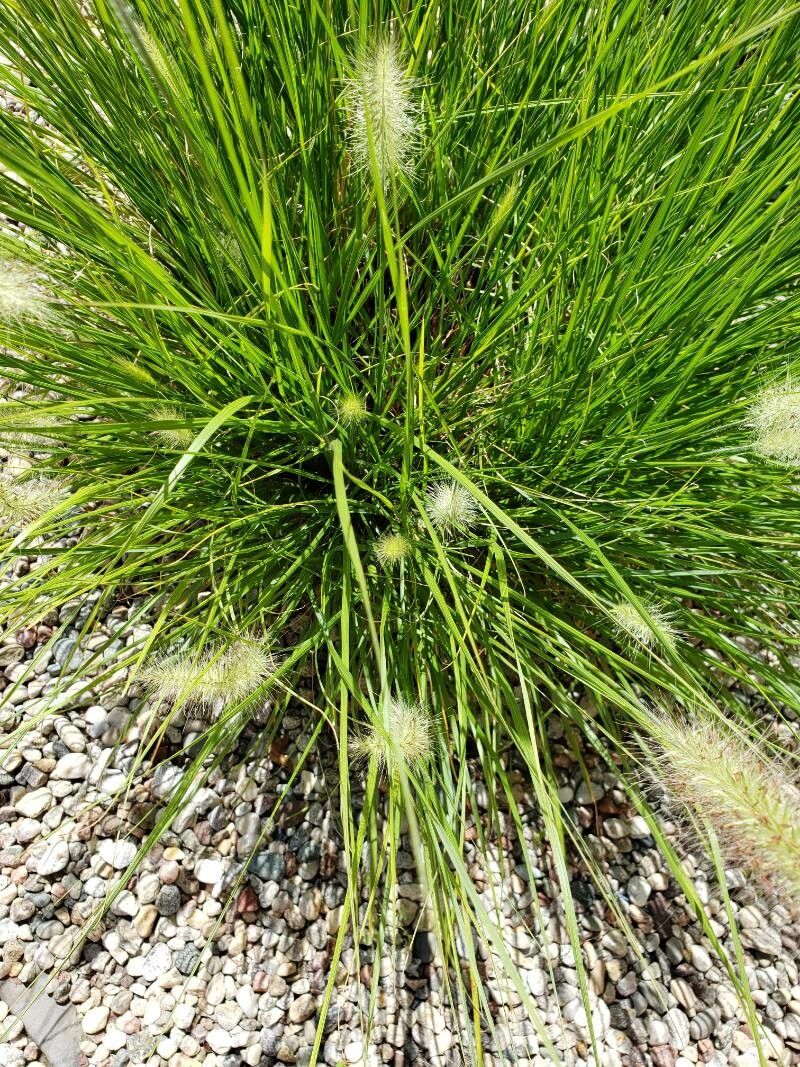
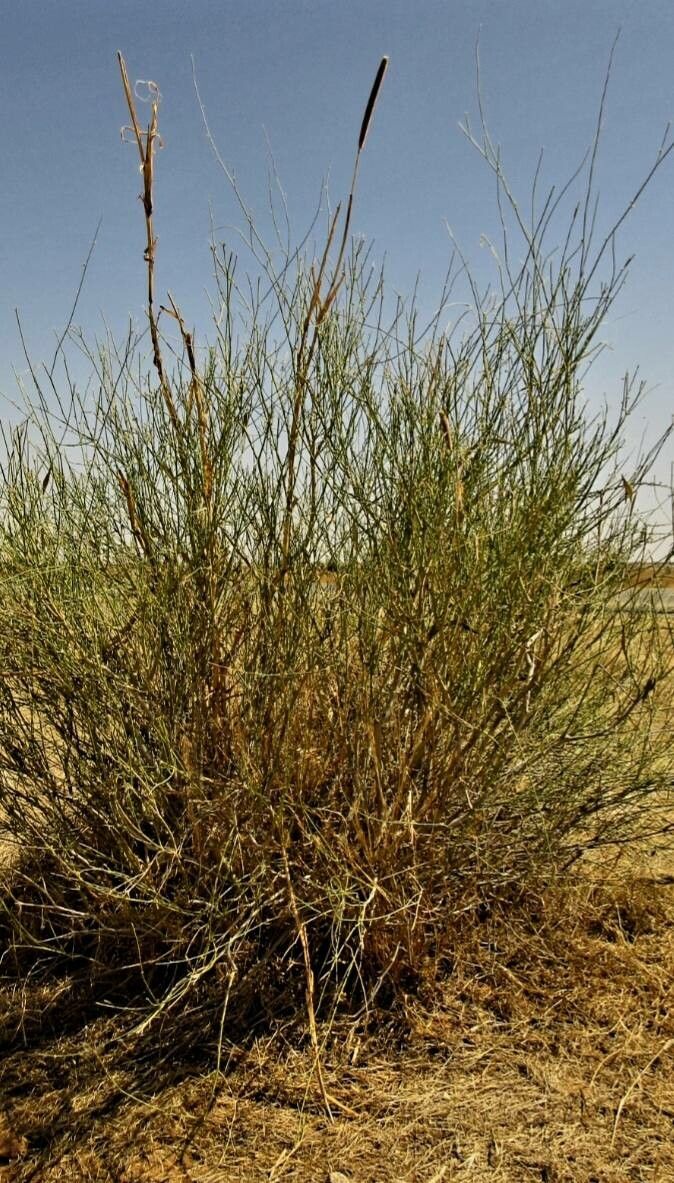
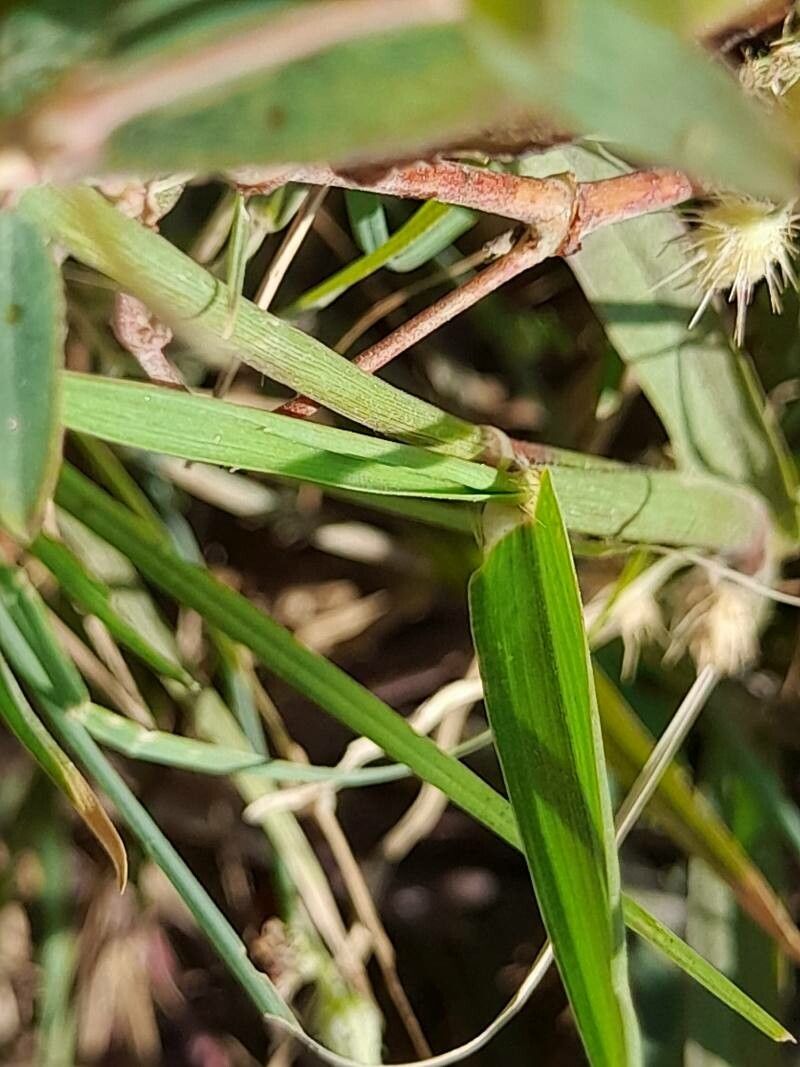
Cenchrus spicatus, commonly known as sandbur or burgrass, is a grass species native to tropical and subtropical regions of the Americas. It is a warm-season plant that can be either annual or perennial, growing up to 60 cm tall with a deep root system. The leaves are narrow, pointed, and have sharp edges that can cause irritation upon contact.
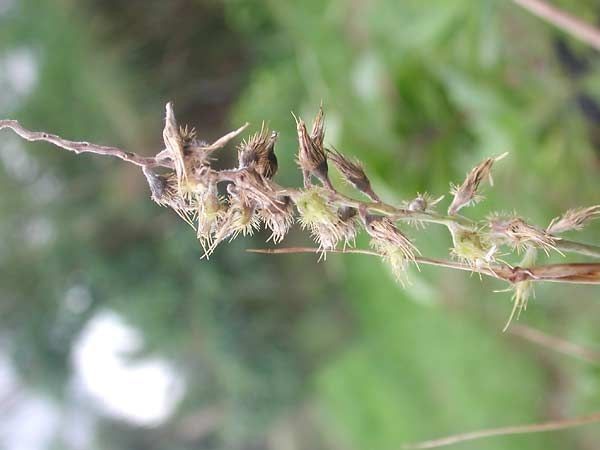
The most distinctive feature of Cenchrus spicatus is the burrs or seed heads it produces. These small, round structures are covered in sharp spines that easily attach to clothing or animal fur. Each burr contains one seed, which can remain viable in the soil for several years.
Cenchrus spicatus thrives in sandy soils with low fertility and high salinity levels. It is commonly found on beaches, sand dunes, and disturbed areas such as roadsides and abandoned fields.
Despite its prickly nature, Cenchrus spicatus has some practical uses. It is employed for erosion control on sandy soils due to its deep root system, which helps stabilize soil particles. Additionally, its ability to tolerate harsh environmental conditions, such as droughts, makes it valuable for this purpose.
Overall, Cenchrus spicatus plays an important role in maintaining ecological balance by preventing soil erosion on sandy soils. Furthermore, it provides habitat for wildlife, such as birds, which feed on its seeds during winter months when food sources are scarce due to harsh weather conditions. Thus, Cenchrus spicatus is an important component of our ecosystem.
Pearl millet is fairly disease-resistant and typically not prone to illnesses. However, it can be affected by pests and diseases present in its environment. These problems are usually mild. In terms of care, the plant requires moderate maintenance. Regular pruning is necessary to keep it looking good and to support healthy growth. Fertilizing can also help encourage flowering. Pearl millet is suitable for anyone with outdoor space, such as a garden or patio, and does not demand extensive care experience. It may need more attention if grown indoors.
How to keep Cenchrus Spicatus.
Light
Pearl millet does best when fully exposed to sunlight. An environment that provides plentiful light supports its healthy development. Adequate light benefits every stage of its growth. However, either excessive or insufficient light can harm the plant's vigor.
Temperature
Pearl millet is native to areas whose climates range from 68 to 100 °F (20 to 38 ℃). It favors warm temperate regions and needs to acclimate to lower temperatures during cooler seasons to achieve optimal growth.
Fertilizer
For best growth, Pearl millet needs three fertilizer applications: one before planting, another one month after the seedlings emerge, and a final application 1 to 1.5 months after the second. Some Pearl millet varieties also benefit from extra fertilizer at planting to promote rapid growth.
Botanical profile.
- Plant Type
- Herb
- Life Cycle
- Annual, Perennial
- Genus
- Cenchrus
- Family
- Poaceae
- Hardiness Zone
- 7-11
- Mature Height
- 91 cm
- Mature Spread
- 91 cm
- Leaf Color
- Green, Red, Brown
- Leaf Type
- Semi-evergreen
- Flower Color
- Yellow, Purple, Brown, Black
- Flower Size
- 15.24 cm to 25.40 cm
- Bloom Time
- Early summer, Mid summer
- Planting Time
- Spring
- Harvest Time
- Mid summer
- Native Area
- Nepal, Sri Lanka, Saudi Arabia, Egypt, Turkey, Malaysia, India, Cyprus, Bangladesh, Pakistan, Yemen, Fiji, Lebanon, Russia, Iraq, Syria, Indonesia, Myanmar, Mongolia, Japan, Oman, Iran, Kuwait, Thailand
Other names.