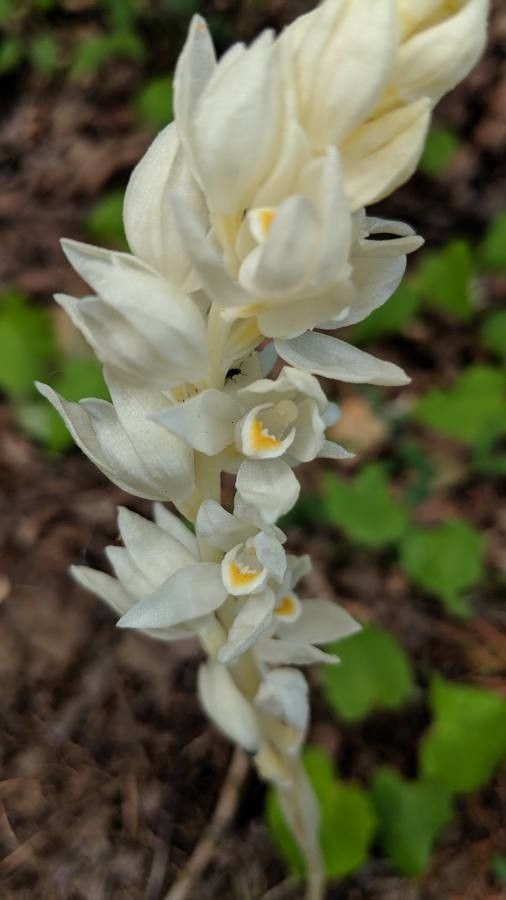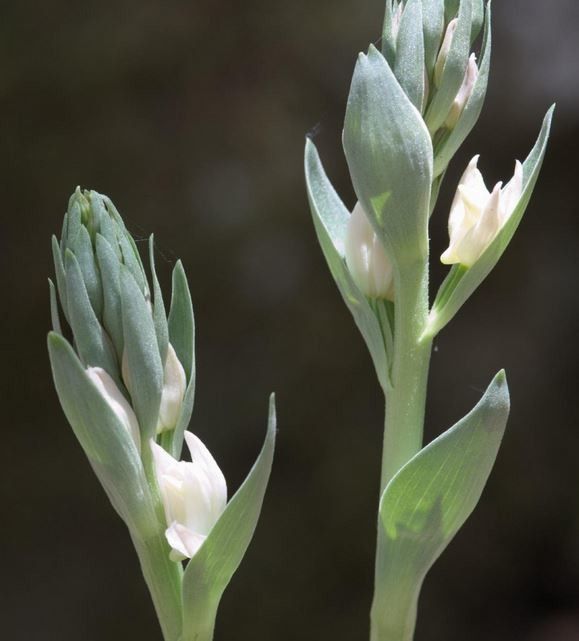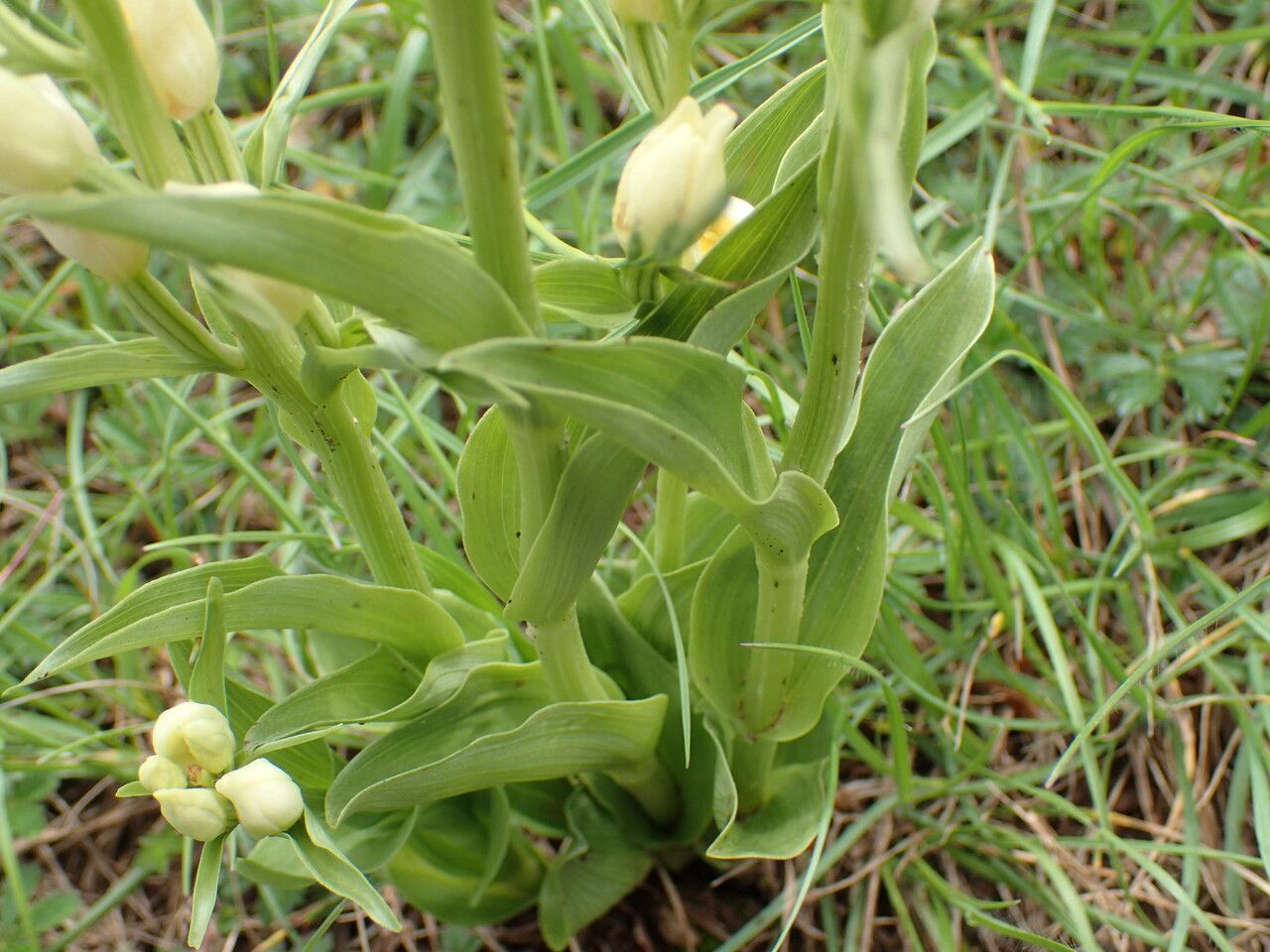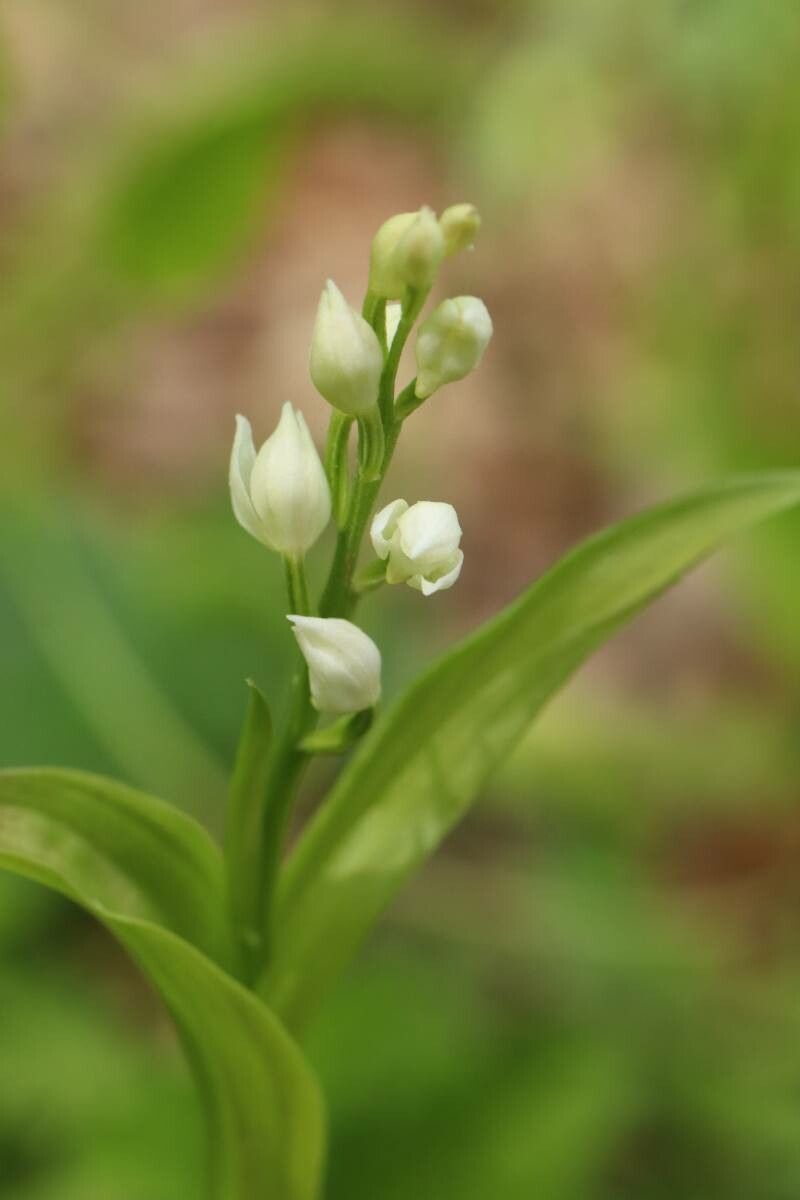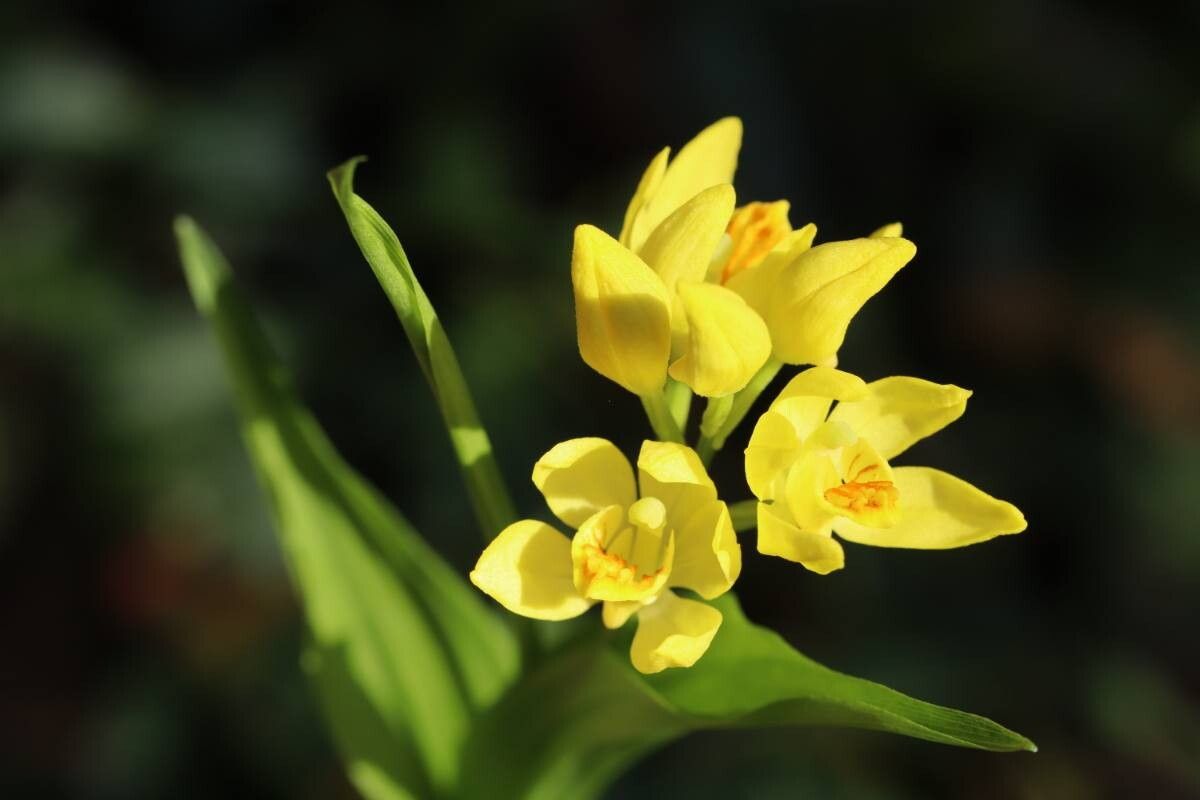
Cephalanthera falcata, the golden orchid, is a species of orchid. It is native to Japan, Korea, and China.
Golden orchid typically shows strong disease resistance and faces relatively few insect pests. Its care is considered difficult because it needs a highly humid yet well-ventilated setting with minimal harmful pathogens. Too much watering can cause root rot. Although anyone can grow Golden orchid, keeping it healthy and encouraging it to bloom again requires more cultivation experience.
How to keep Cephalanthera Falcata.
Light
Golden orchid, indigenous to settings like forest understories or rocky terrains where it naturally benefits from shade, prefers a partial sunlit environment. However, it is flexible enough to acclimatize to either full sunlight or complete shade, evidencing its adaptable and robust characteristics.
Water
The Golden Orchid flourishes in moderate humidity and requires consistent moisture for optimal health, necessitating weekly watering. It is best grown indoors, where the temperature and humidity can be controlled. Thanks to its bulbous roots, it can store water, giving it a slight tolerance to drought.
Temperature
The Golden orchid can acclimate to varying temperature conditions, but divergent mixes of heat and water circumstances might still constrain its spread. This plant flourishes optimally in hot climates with sufficient summer rain or hydration. Extended episodes of overcast and rainy conditions, coupled with sustained high temperatures, can raise the probability of the Golden orchid's demise. During winter, appropriate protection from the cold can enhance the survivability of this plant.
Fertilizer
The ideal time to feed Golden orchid is at the start of spring when the flowers begin to form. Proper fertilization can stimulate enhanced blooming and assist the Golden orchid in generating beautiful flowers. Fertilization in the early parts of spring guarantees superior flowers throughout the season and supplies energy for periods of inactive growth.
Pruning
The Golden Orchid showcases vibrant yellow flowers and requires minimal pruning. The best time for pruning is from early to late spring, after the plant has finished blooming. Remove any damaged stems to improve growth, air circulation, and light penetration. Use clean, sharp tools to trim long stems for shaping, thereby promoting robust flowering and enhancing the plant's visual appeal.
Botanical profile.
- Plant Type
- Herb
- Life Cycle
- Perennial
- Genus
- Cephalanthera
- Family
- Orchidaceae
- Hardiness Zone
- 8
- Mature Height
- 20 cm to 49 cm
- Mature Spread
- 20 cm to 30 cm
- Leaf Color
- Green
- Leaf Type
- Deciduous
- Flower Color
- Yellow
- Flower Size
- 3.05 cm to 7.62 cm
- Bloom Time
- Mid spring, Late spring
- Planting Time
- Spring, Summer
- Harvest Time
- Early summer, Mid summer
- Native Area
- South Korea, Japan, China