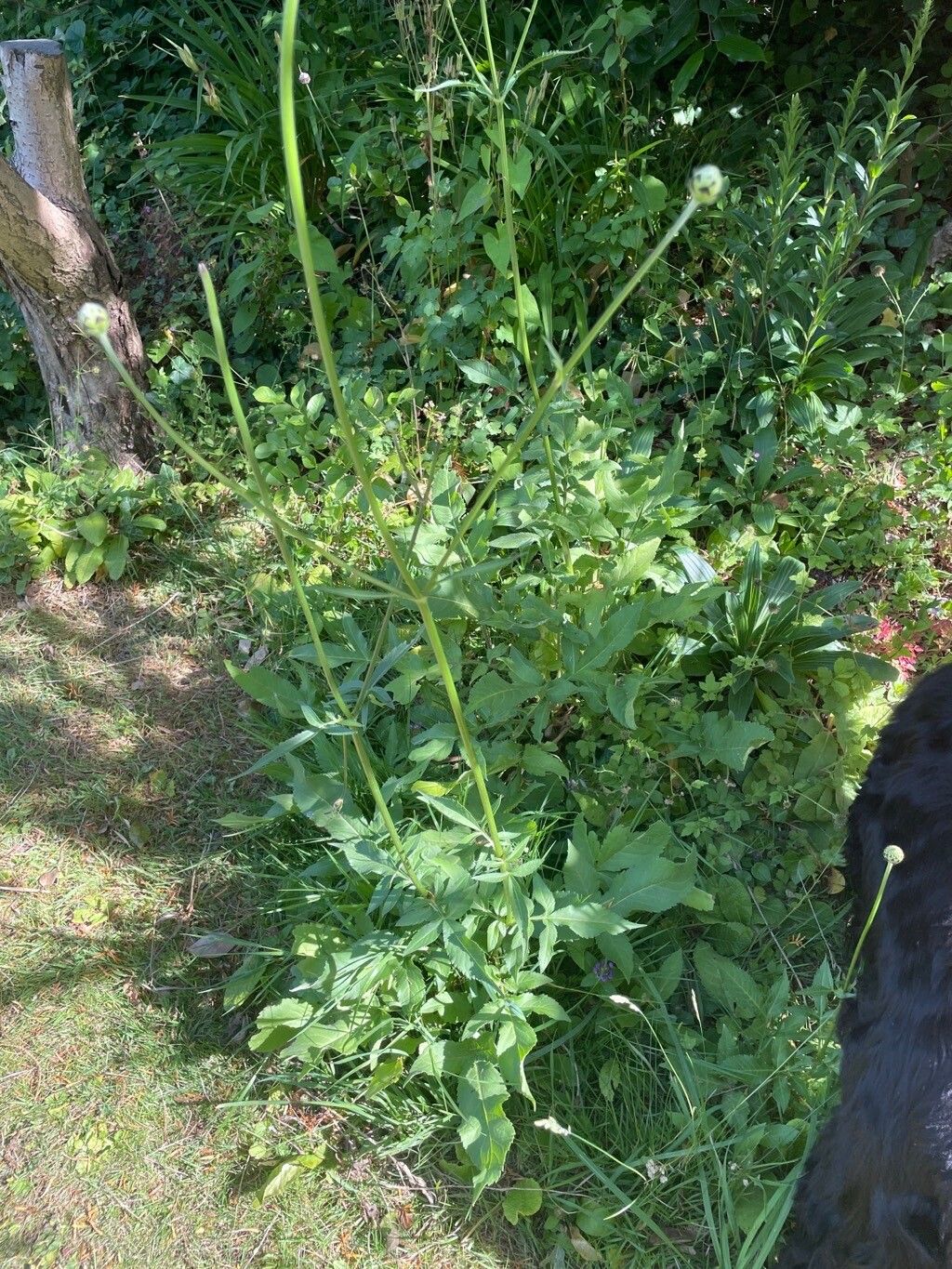
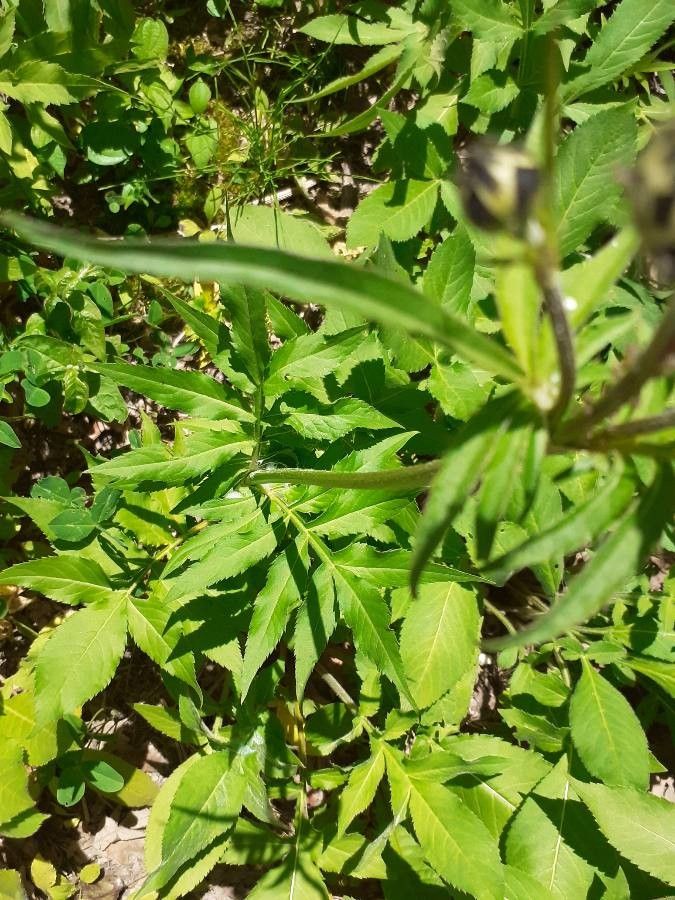
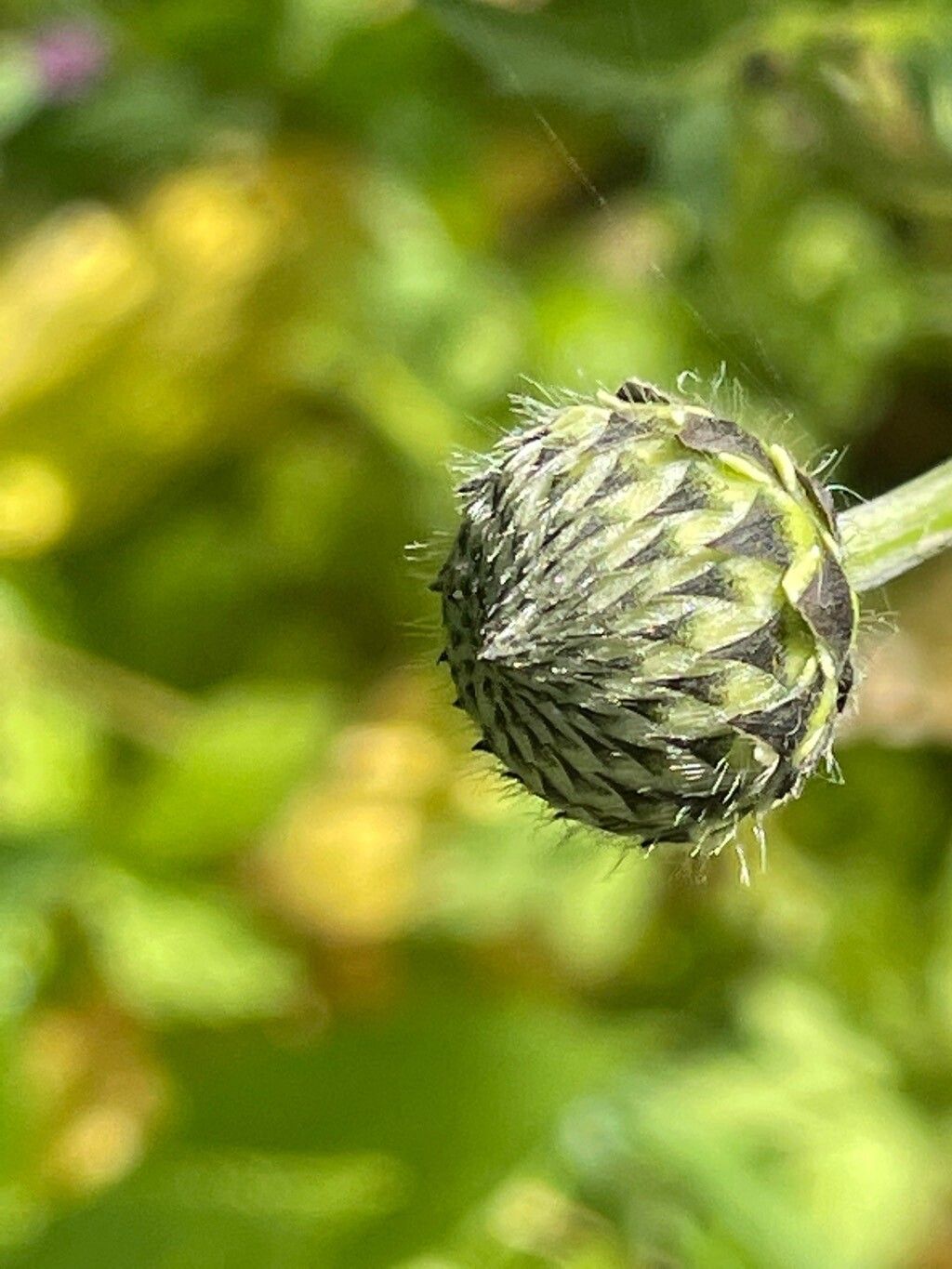
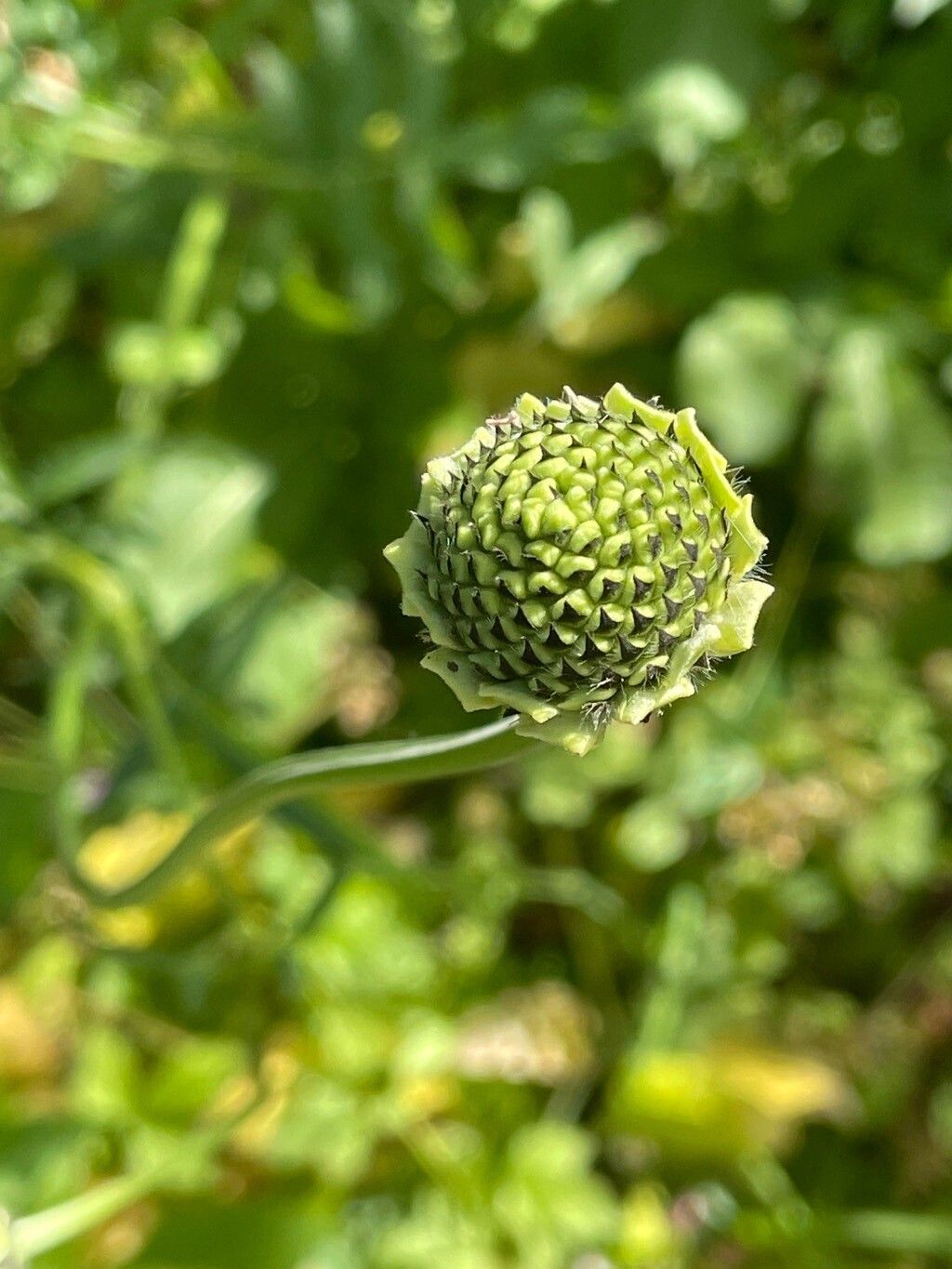
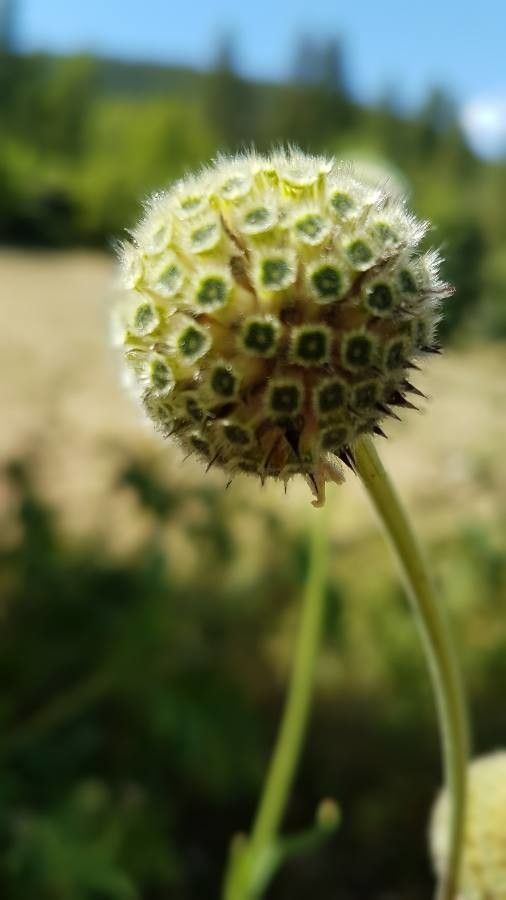
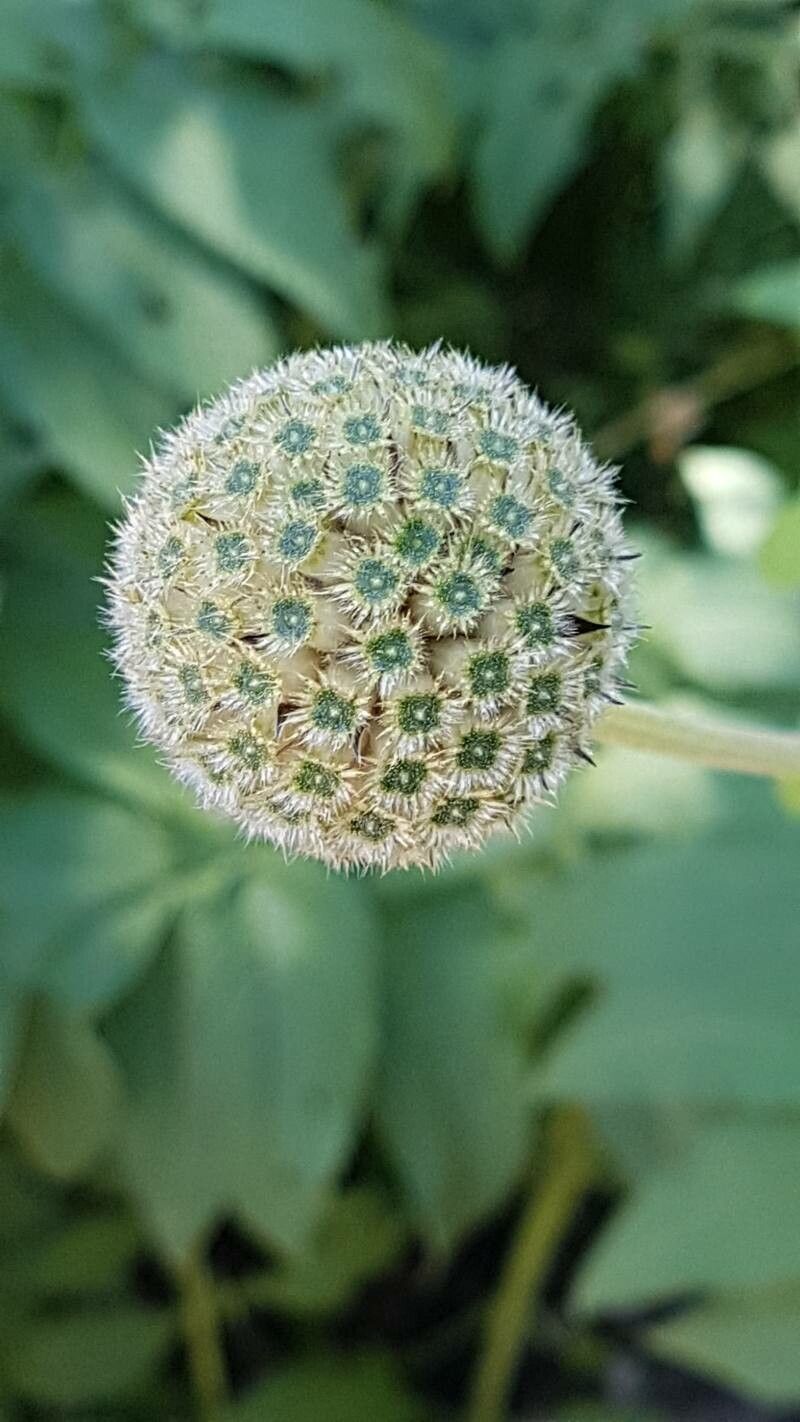
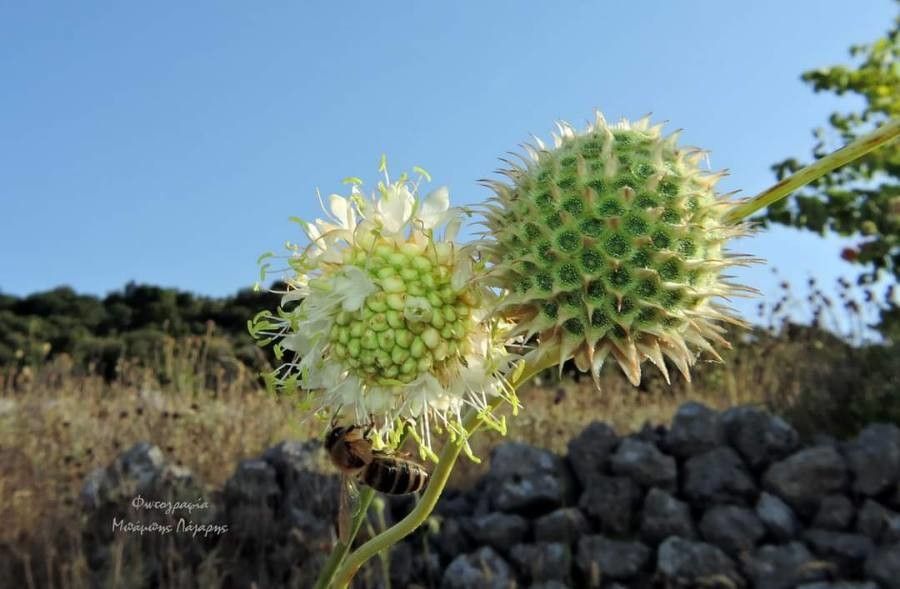
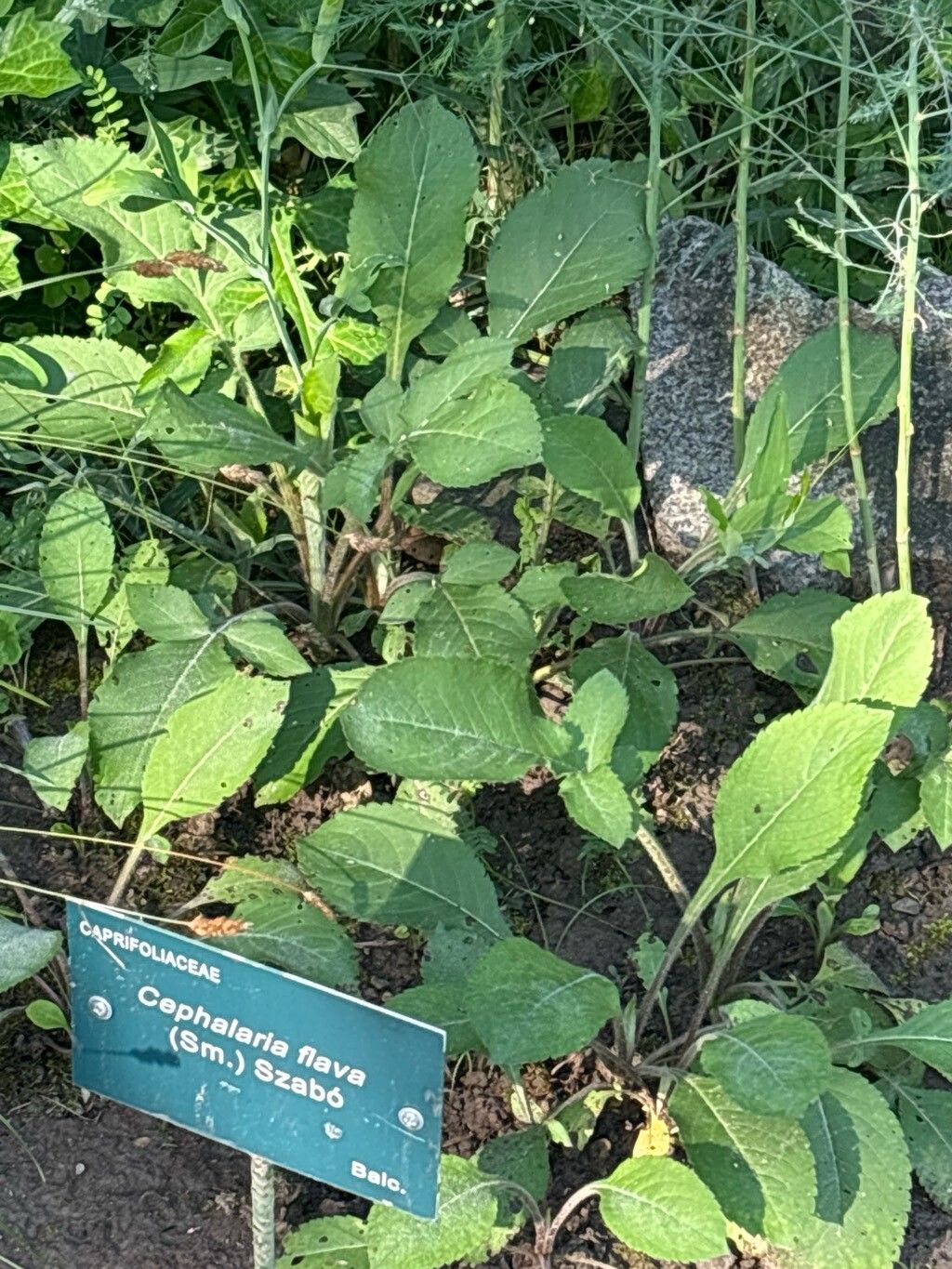
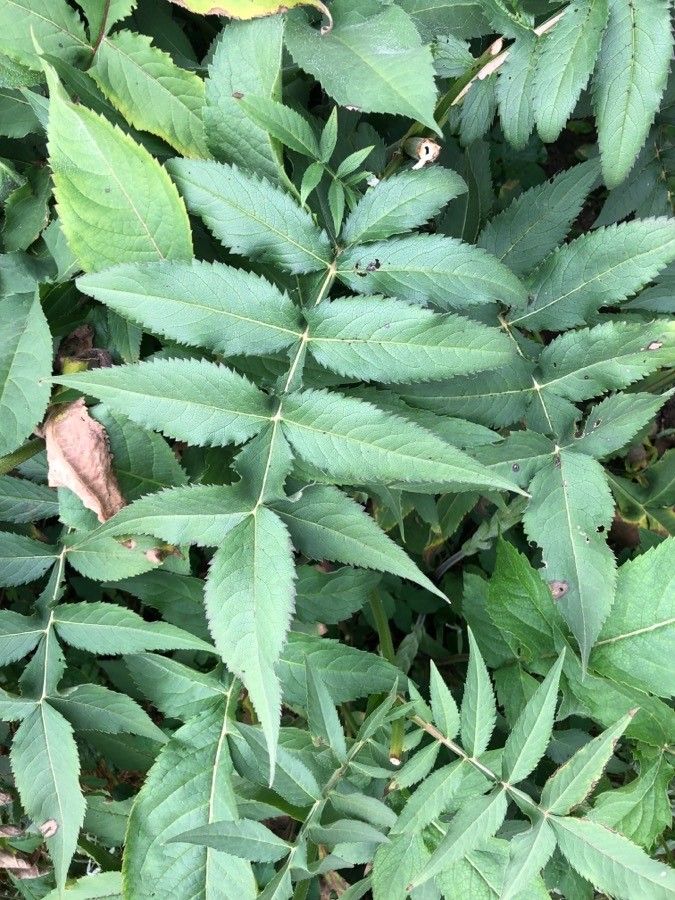
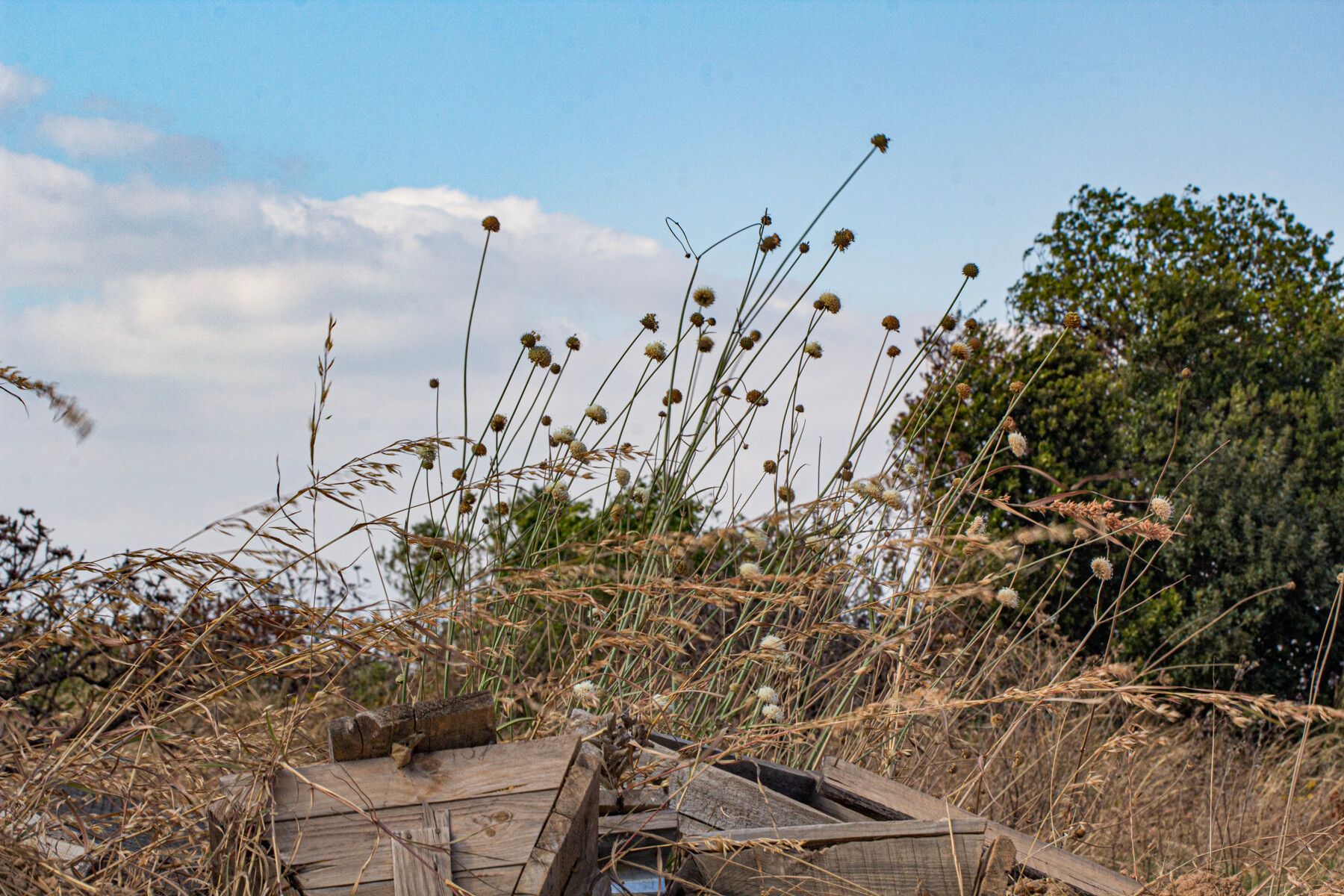
Cephalaria alpina, commonly known as the yellow cephalaria, alpine scabious or yellow scabious, is a species of flowering plant in the family Caprifoliaceae native to the Alps in Europe.
Alpine scabious is generally resistant to disease and not often affected by illnesses. However, it can be vulnerable to pests and diseases present in its surroundings, and these problems are usually mild. In terms of care, the plant needs a moderate amount of maintenance. It should be pruned regularly to preserve a neat appearance and support healthy growth. Fertilizing can also help encourage flowering. Alpine scabious is suitable for people with outdoor areas, such as a garden or patio, and does not require extensive experience in plant care. It may demand more attention if grown indoors.
How to keep Cephalaria Alpina.
Light
Alpine scabious is a sun-loving, perennial herbaceous plant native to open habitats and commonly found in meadows and grasslands. It prefers full sun but can also tolerate partial sun conditions.
Water
Alpine scabious, a plant native to mountain regions, thrives with weekly watering but also tolerates drought well. It effectively balances its need for moisture with its resilience, adapting to changing weather conditions. During its active growing season, it makes efficient use of rainfall, ensuring its health even when water availability is inconsistent.
Fertilizer
Usually a single fertilizer application in spring suffices for Alpine scabious, though repeated feedings can maximize growth. Apply every month to a month and a half. Fertilizing improves the appearance and function of the leaves, encouraging even color and a healthy texture. It also promotes root development and nutrient uptake for the plant’s long-term health.
Pruning
To keep your Alpine scabious healthy and thriving, it's important to regularly prune it between early and late spring. By removing dead stems, you can encourage new growth and shape the plant. After the flowers have bloomed, cutting back the plant helps control its size and improves air circulation, which promotes both health and vigorous blooms, while maintaining overall vitality.
Botanical profile.
- Plant Type
- Herb
- Life Cycle
- Perennial
- Genus
- Cephalaria
- Family
- Caprifoliaceae
- Hardiness Zone
- 4-8
- Mature Height
- 1.83 m
- Mature Spread
- 49 cm
- Leaf Color
- Dark Green
- Leaf Type
- Deciduous
- Flower Color
- Yellow
- Flower Size
- 2.03 cm to 3.05 cm
- Bloom Time
- Summer
- Planting Time
- Autumn, Winter
- Harvest Time
- Late summer, Early fall, Mid fall
- Native Area
- Switzerland, Slovakia, Austria, France
Other names.