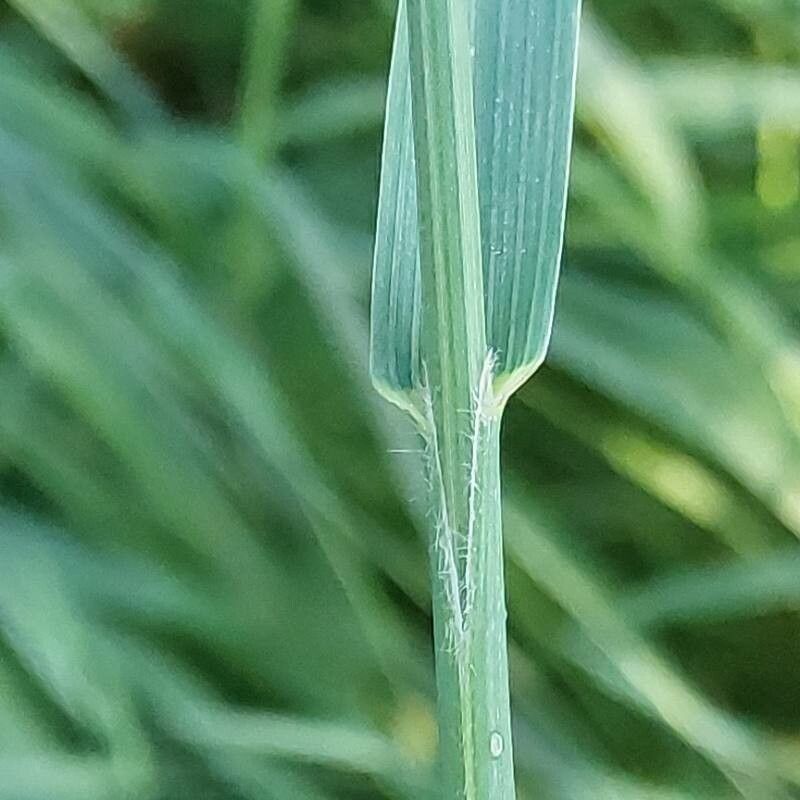
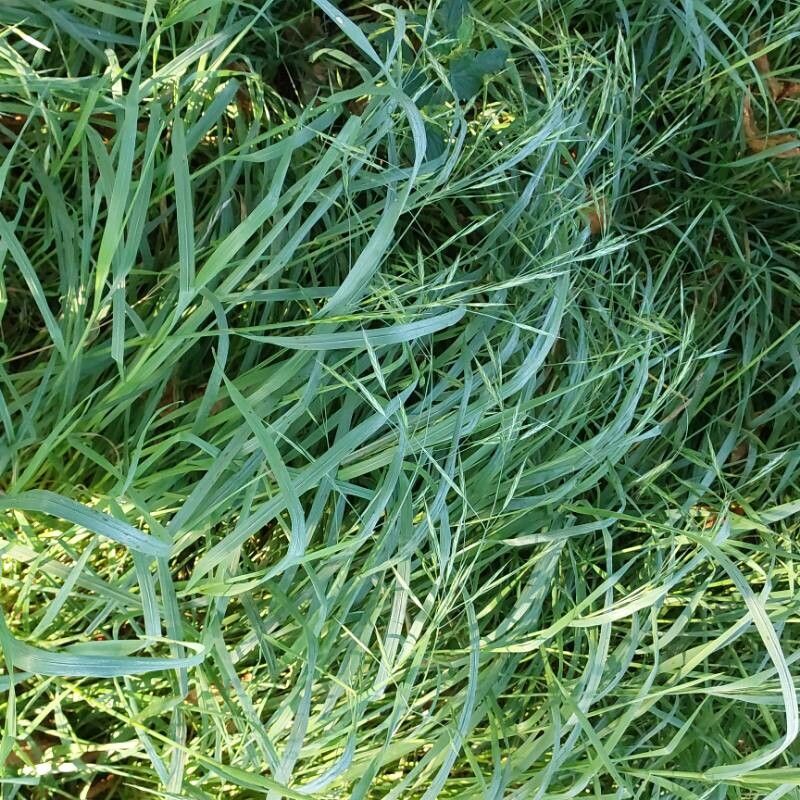
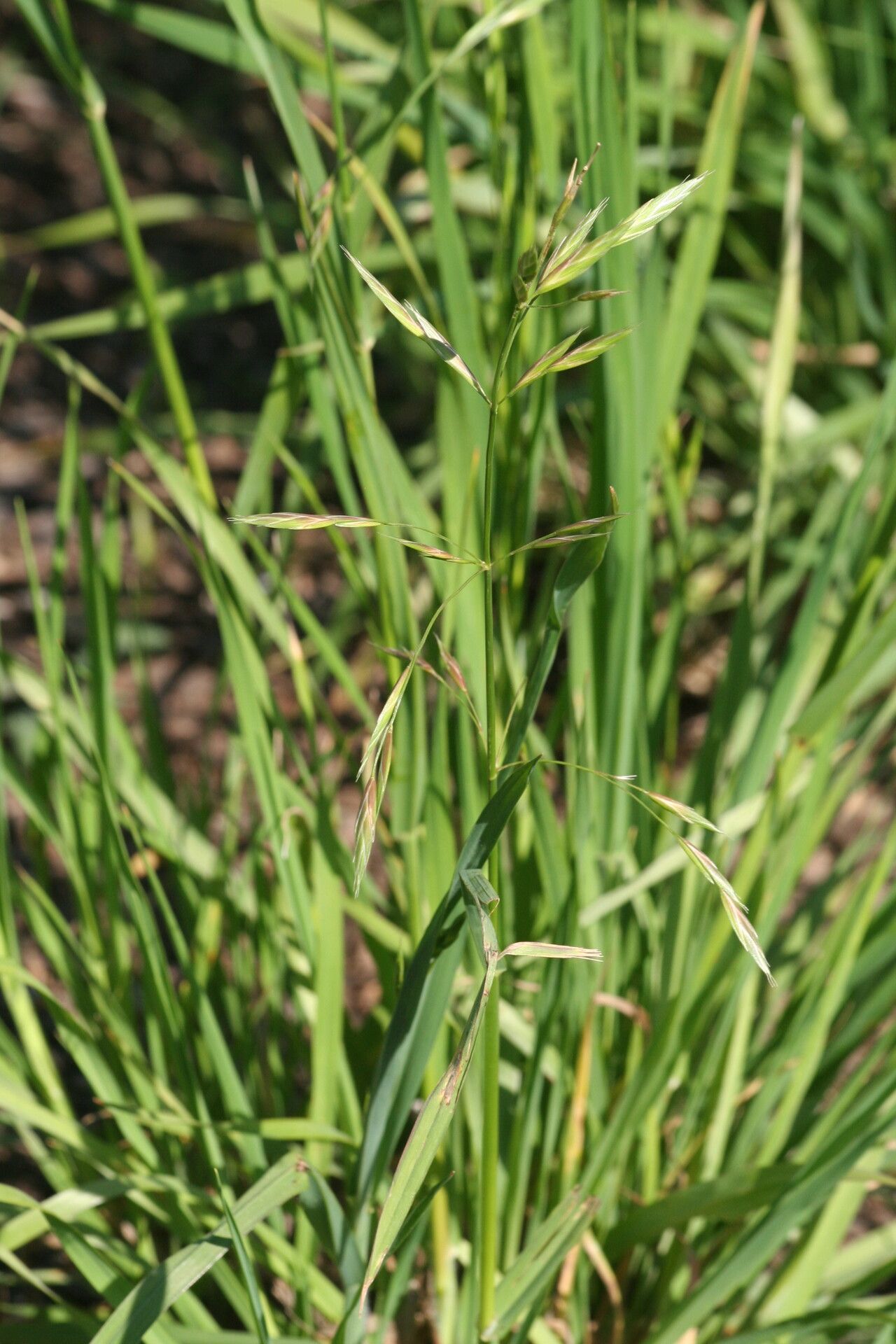
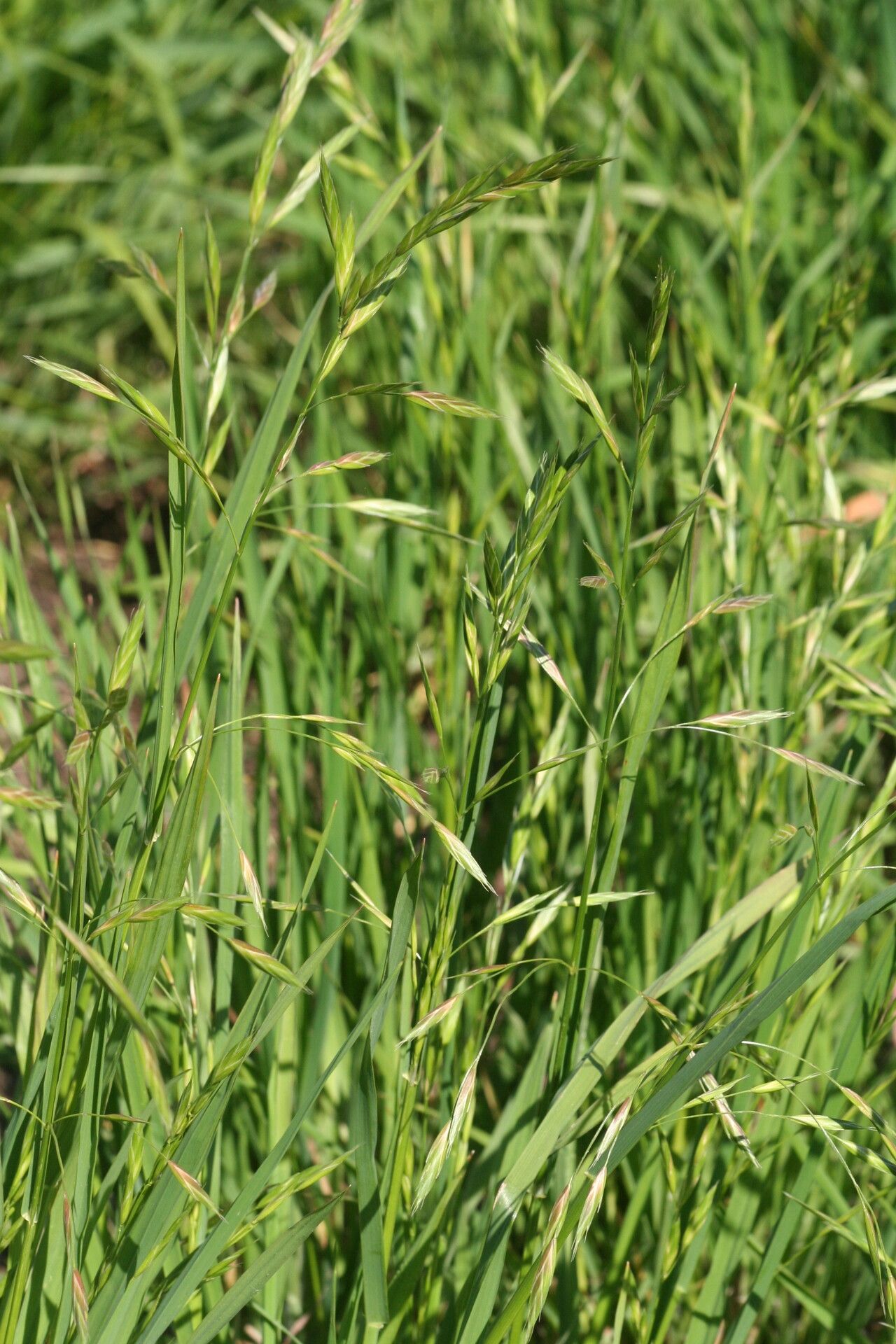
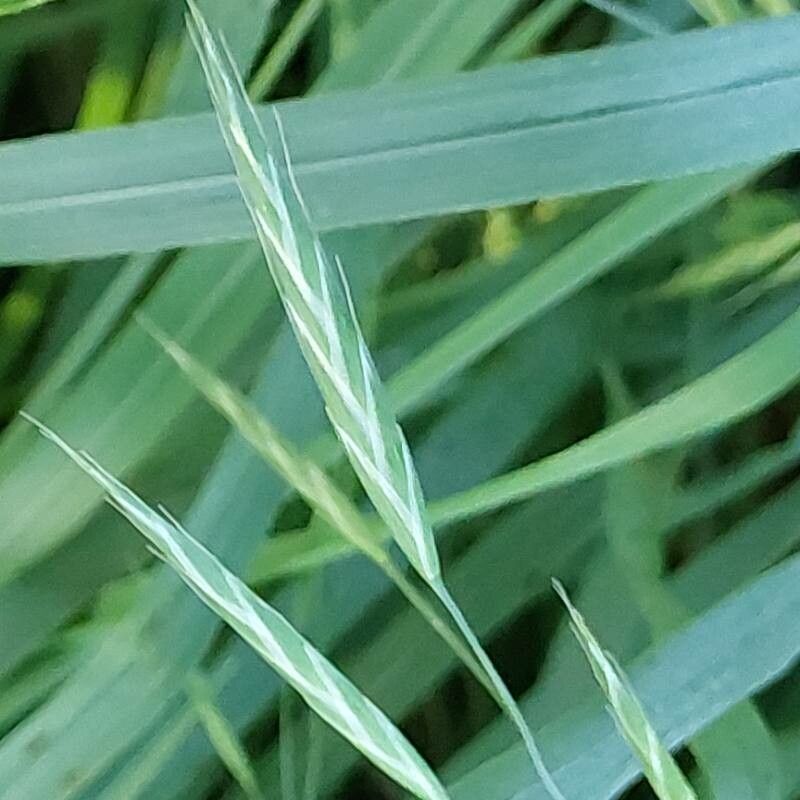
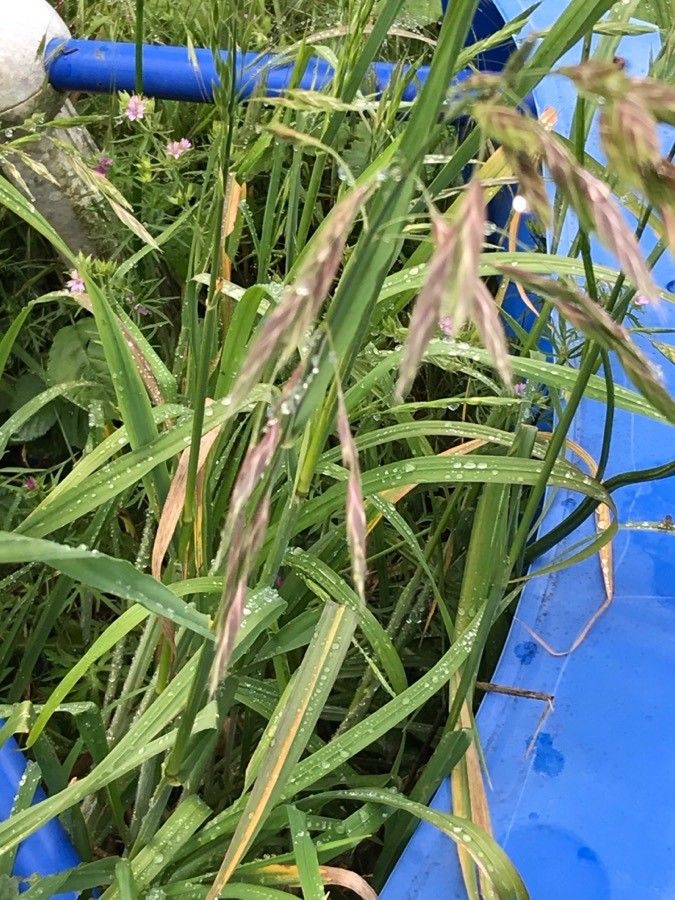
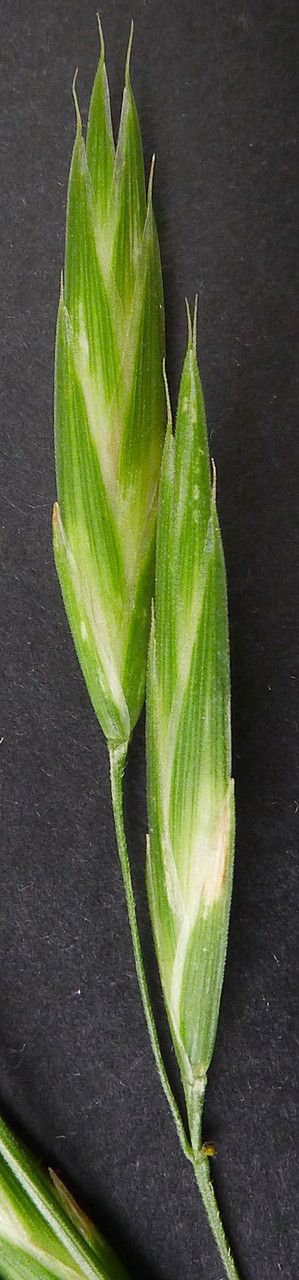
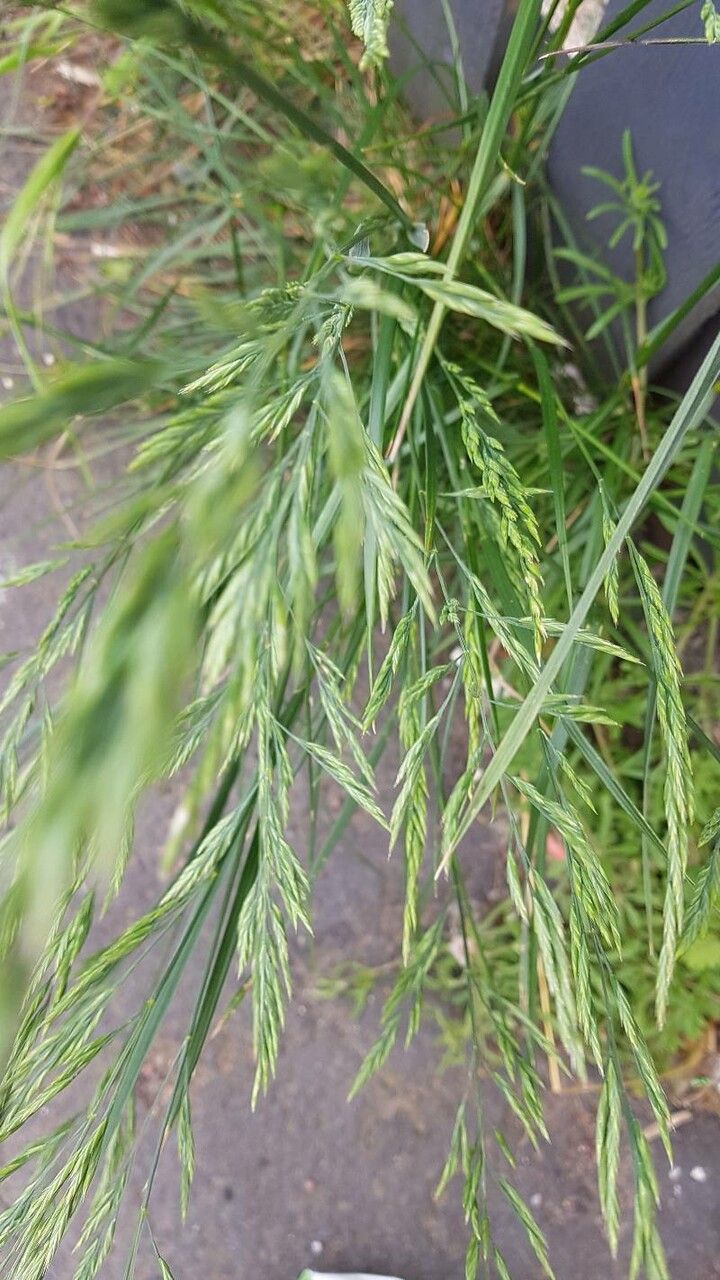
Bromus carinatus is a species of brome grass known by the common names California brome and mountain brome.
California brome exhibits good resistance to disease and is generally not prone to illnesses. Regarding care, this plant is relatively low maintenance. When grown outdoors it needs minimal watering, and larger plants typically do not need pruning. Smaller plants, however, should be pruned after they have bloomed. California bromet is suitable for anyone with outdoor space, such as a garden or deck, and does not require a lot of care experience.
How to keep Ceratochloa Carinata.
Light
California brome does well with continuous exposure to sunlight, although it can tolerate moderate shade. In both its native range and in planted landscapes, it performs best with abundant sunlight. When subjected to too much shade, the plant's vigor can decline, showing a clear preference for sunny sites.
Temperature
California brome originates from regions with temperate climates, where temperatures commonly fall between 68 to 95 °F (20 to 35 ℃). During summer, providing shade may be necessary to reduce excessive heat. In winter, protection from frost might be needed.
Fertilizer
California brome needs extra nutrients to encourage healthy new growth. In spring, applying some compost around the base of the plant can supply the nutrition it requires. Fertilizing helps support vigorous growth and improves the plant’s resistance to diseases and pests.
Botanical profile.
- Plant Type
- Grass
- Life Cycle
- Perennial, Annual, Biennial
- Genus
- Ceratochloa
- Family
- Poaceae
- Hardiness Zone
- 4-8
- Mature Height
- 40 cm to 49 cm
- Mature Spread
- 30 cm
- Leaf Color
- Green
- Leaf Type
- Semi-evergreen
- Flower Color
- Yellow, Green, Purple, Brown
- Flower Size
- 1.52 cm to 3.05 cm
- Bloom Time
- Mid spring, Late spring, Early summer
- Planting Time
- Spring
- Harvest Time
- Summer
- Native Area
- Honduras, Mexico, Guatemala, Venezuela, Peru, El Salvador, Costa Rica
Other names.