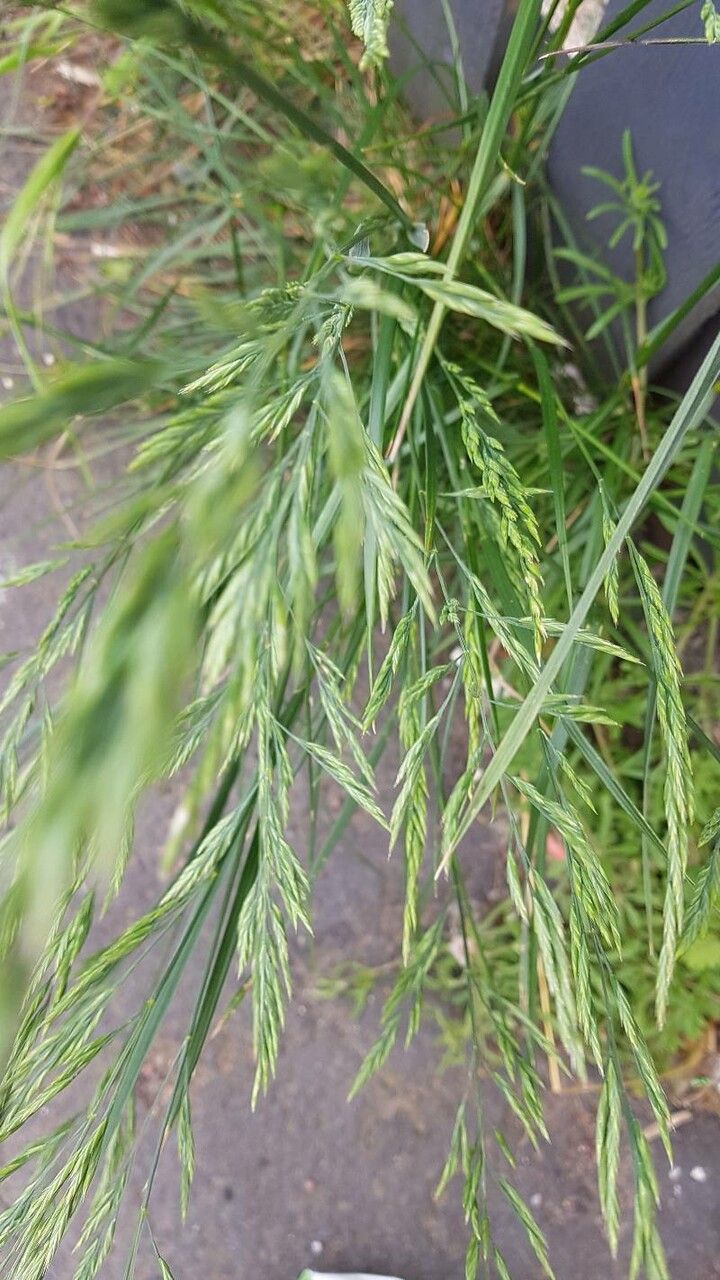
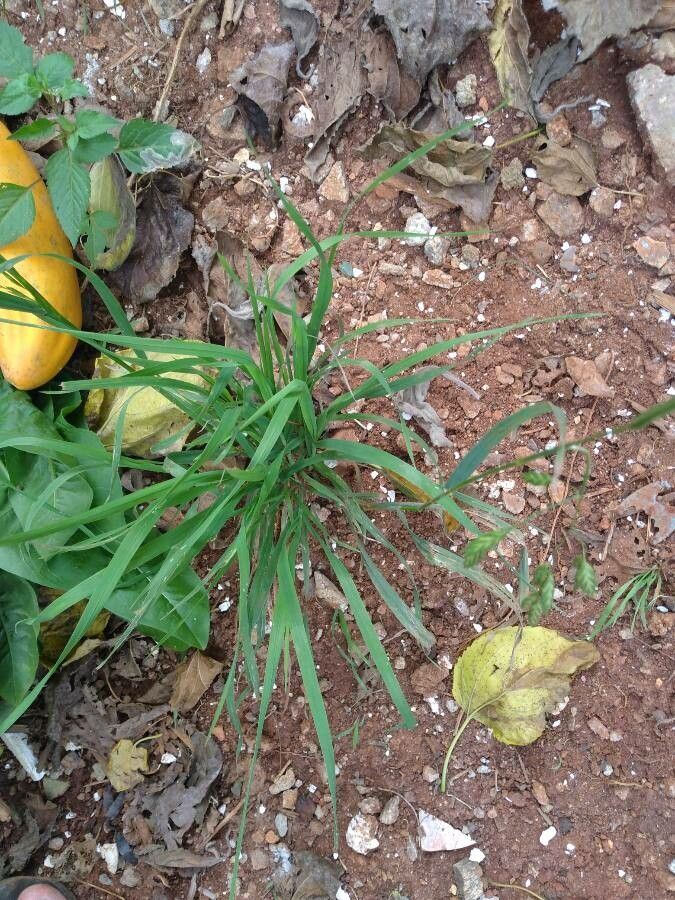
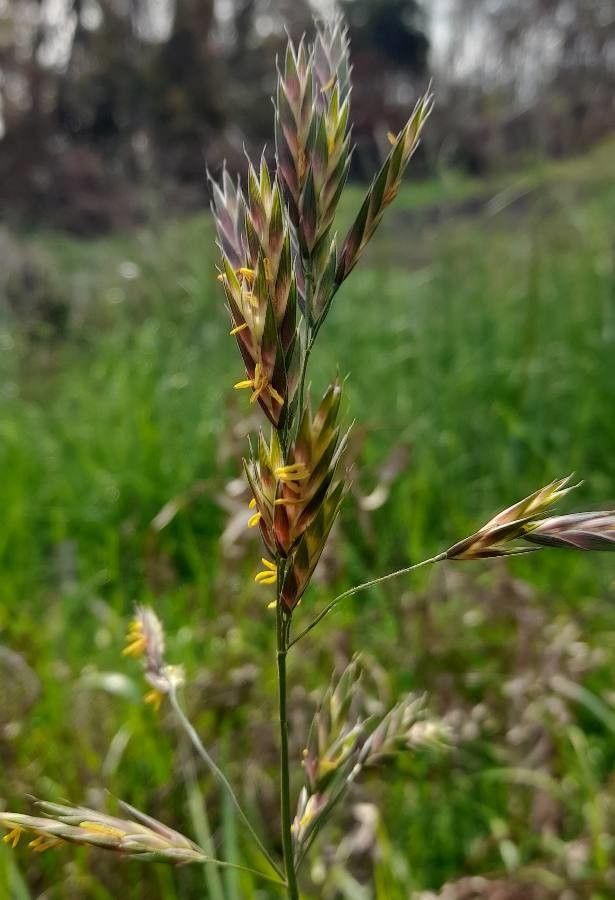
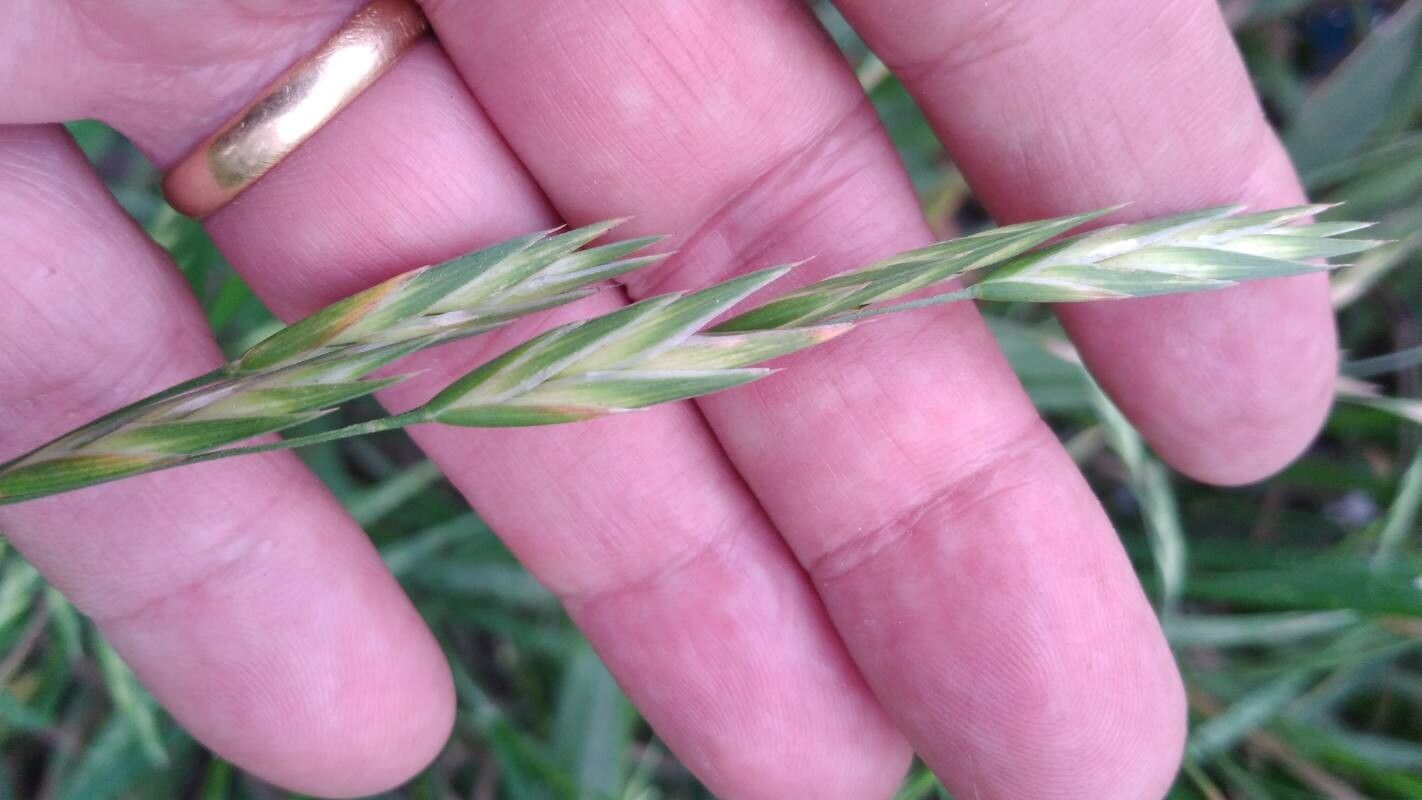
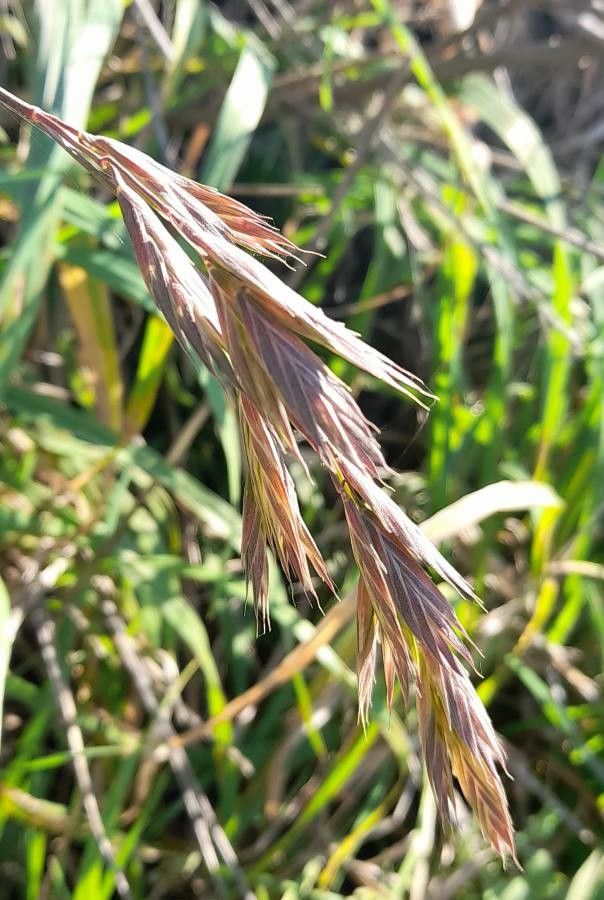
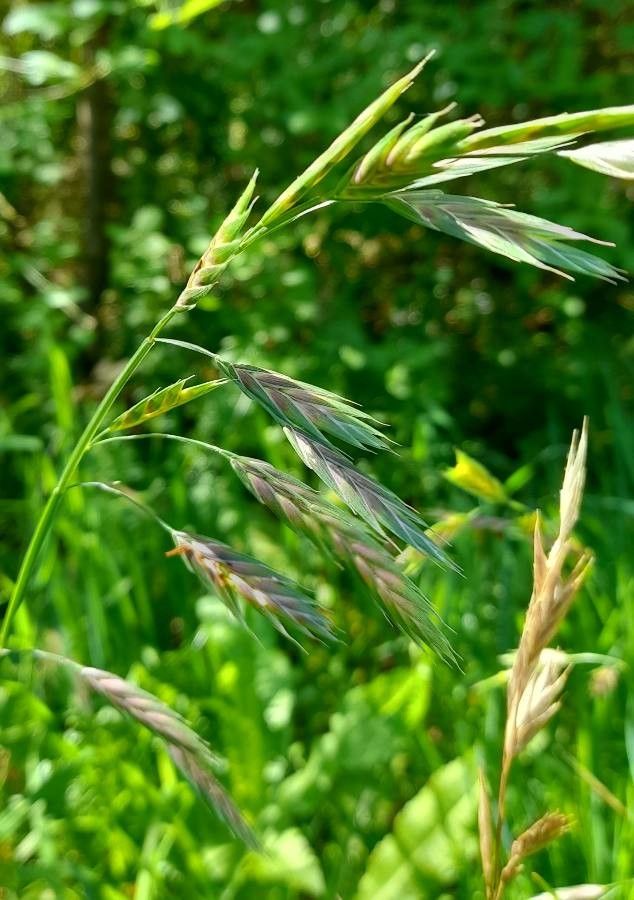
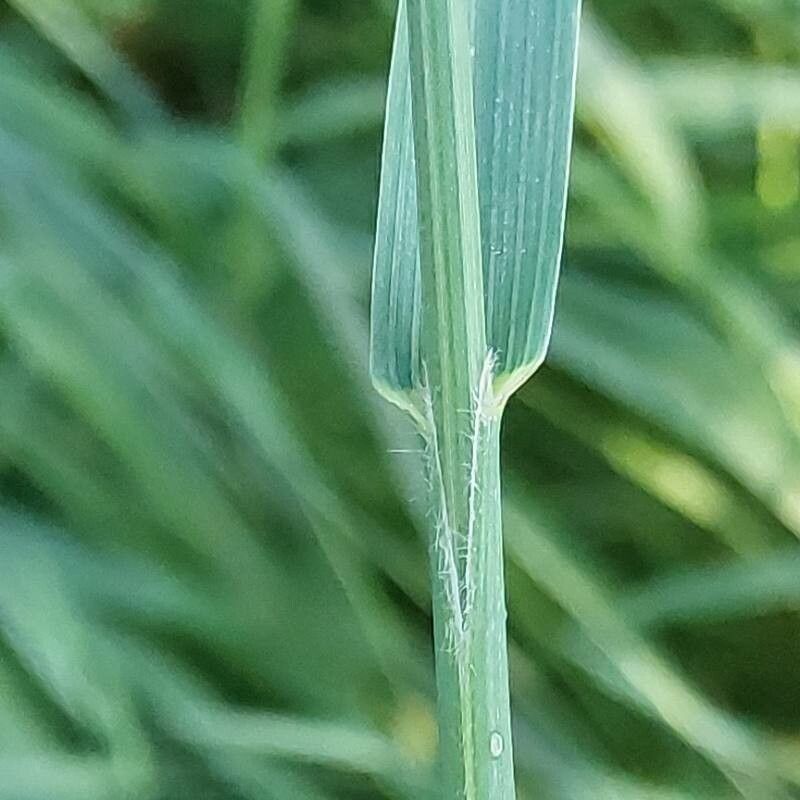
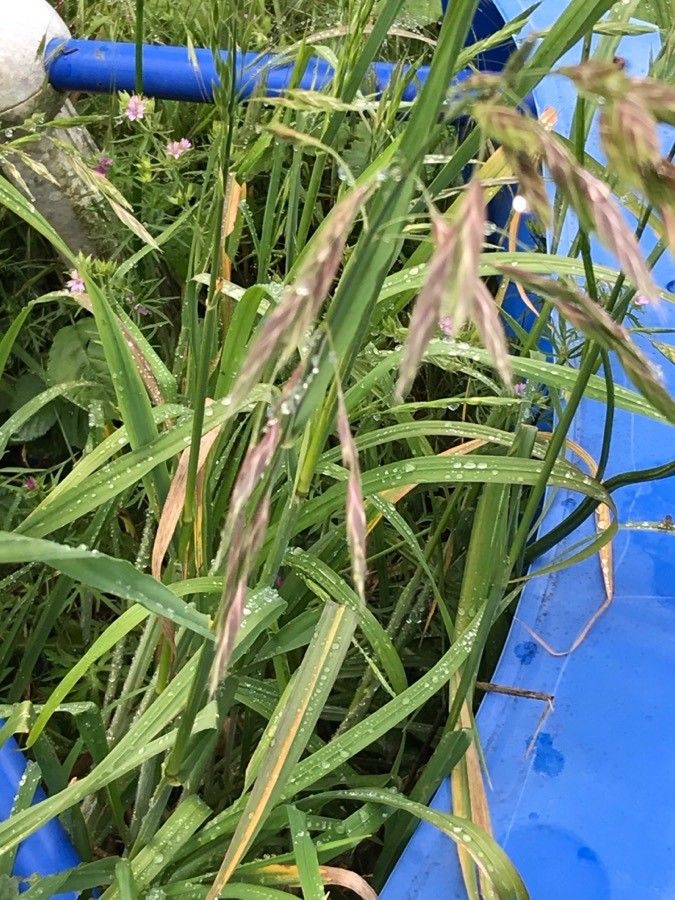
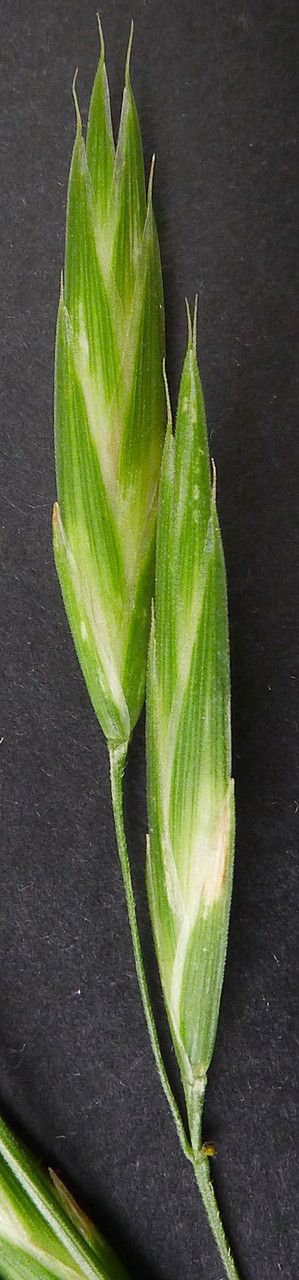
Rescuegrass displays strong resistance to disease and is typically not susceptible to illnesses. Regarding care, this plant is fairly low-maintenance. When grown outdoors it needs minimal watering, and larger specimens usually do not require pruning. Smaller plants, however, should be trimmed after they have finished blooming. Rescuegrasst is appropriate for anyone with an outdoor area, such as a garden or deck, and does not require extensive care experience.
How to keep Ceratochloa Unioloides.
Light
Rescuegrass thrives when exposed to full sunlight for most of the day, although it can tolerate reduced light levels as well. Its natural habitat is bright areas where the sun encourages strong growth. Too much or too little sunlight can negatively impact its development, causing stress or inhibiting growth.
Temperature
Rescuegrass is a species native to temperate regions, thriving in temperatures of 68 to 95 °F (20 to 35 ℃). Seasonal adjustments in managed environments may be required to replicate its preferred conditions.
Fertilizer
Rescuegrass needs extra nutrients to encourage healthy new growth. In spring, applying a layer of compost around the plant’s base can effectively supply the nutrition it requires. Fertilizing helps support robust growth and improves the plant’s ability to withstand diseases and pests.
Botanical profile.
- Plant Type
- Grass
- Life Cycle
- Perennial, Annual, Biennial
- Genus
- Ceratochloa
- Family
- Poaceae
- Hardiness Zone
- 6-10
- Mature Height
- 20 cm to 91 cm
- Mature Spread
- 61 cm
- Leaf Color
- Green
- Leaf Type
- Deciduous
- Flower Color
- Yellow, Green, Brown
- Flower Size
- 0.20 cm to 0.51 cm
- Bloom Time
- Late spring, Early summer, Mid summer
- Planting Time
- Spring
- Harvest Time
- Early summer, Mid summer
Other names.