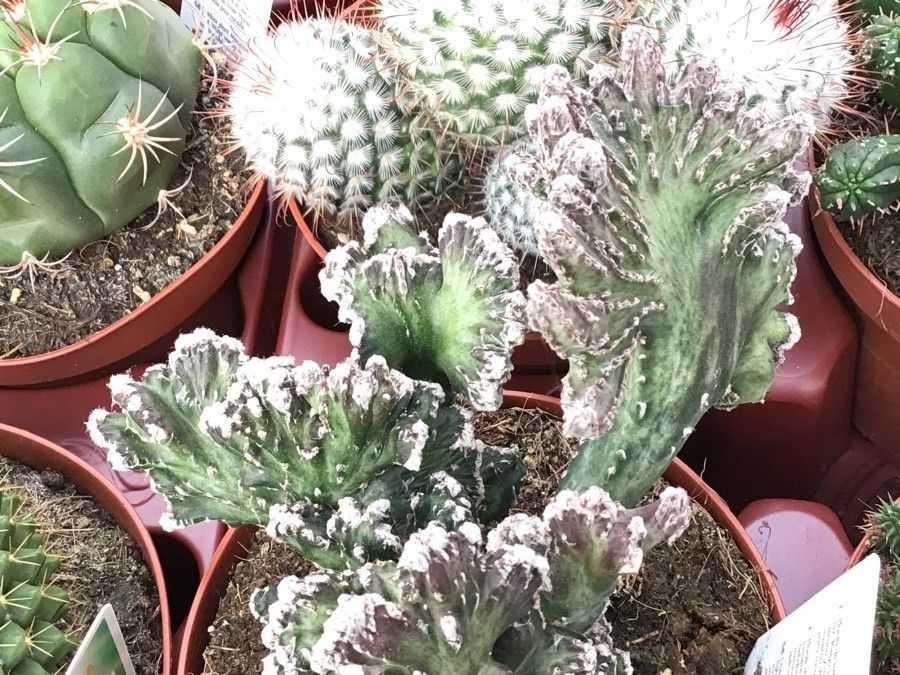
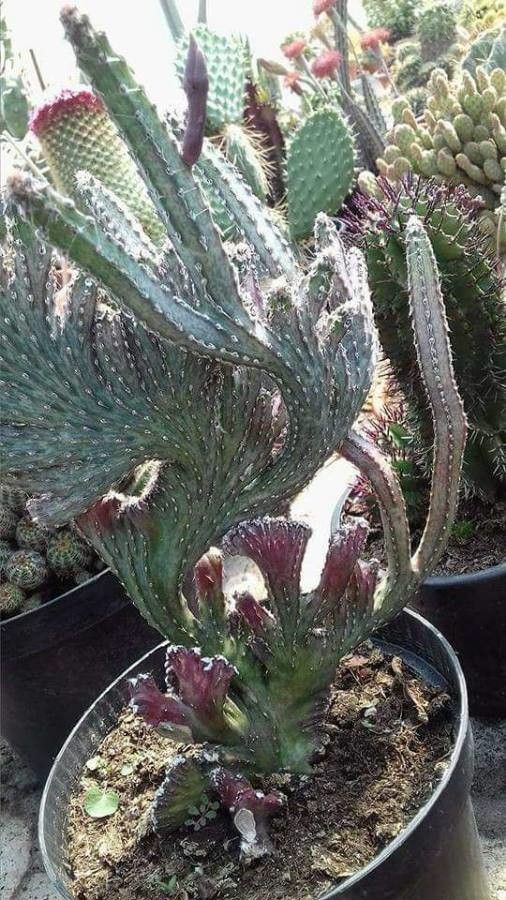
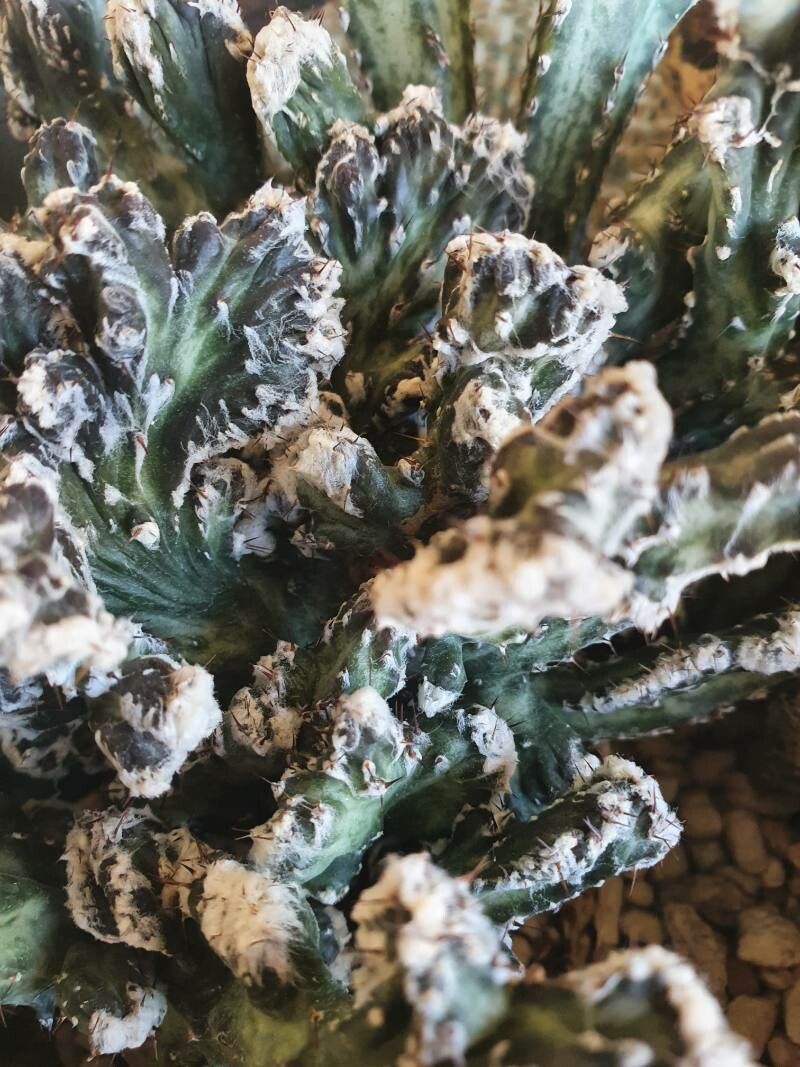
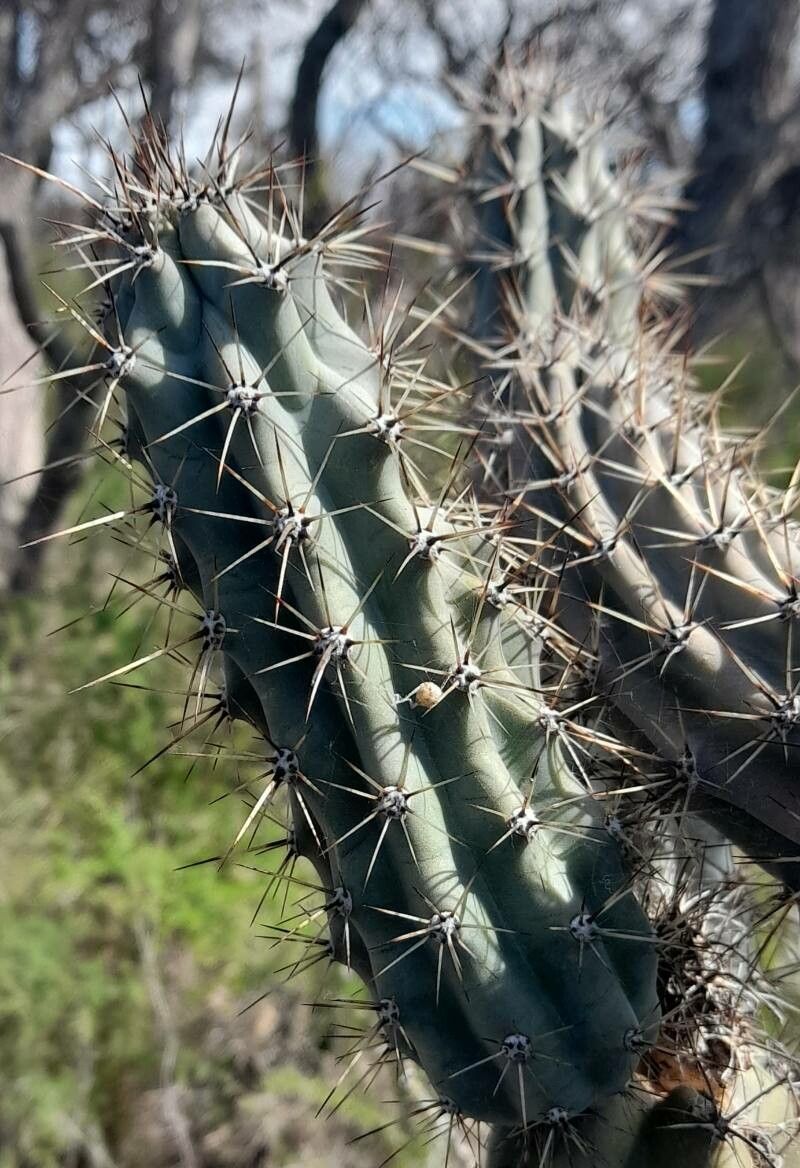
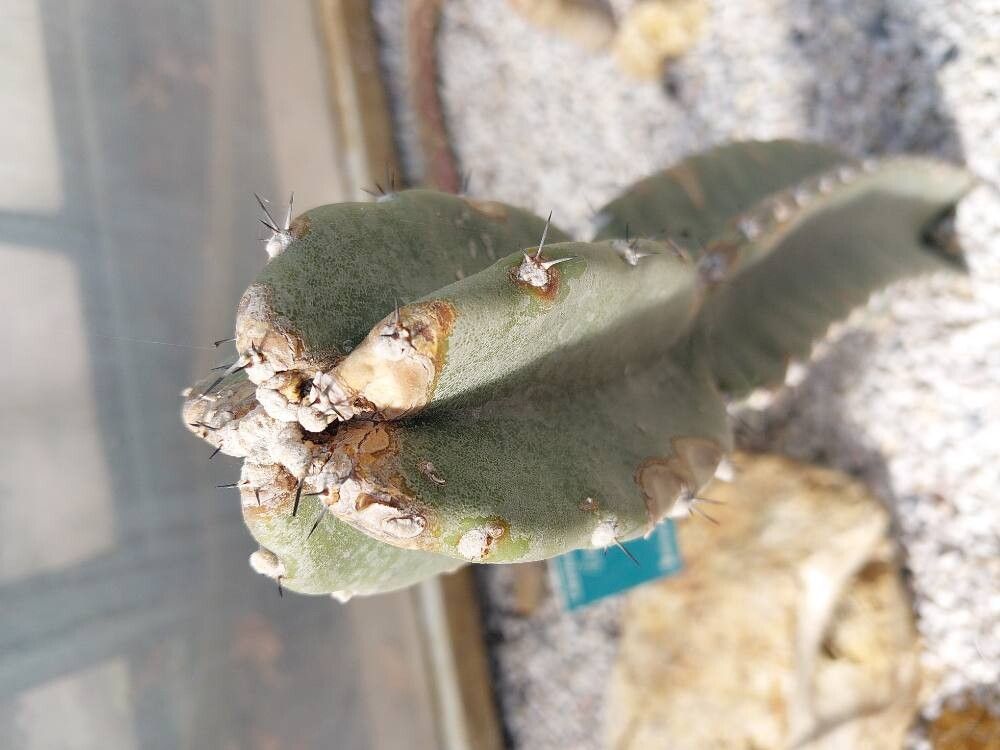
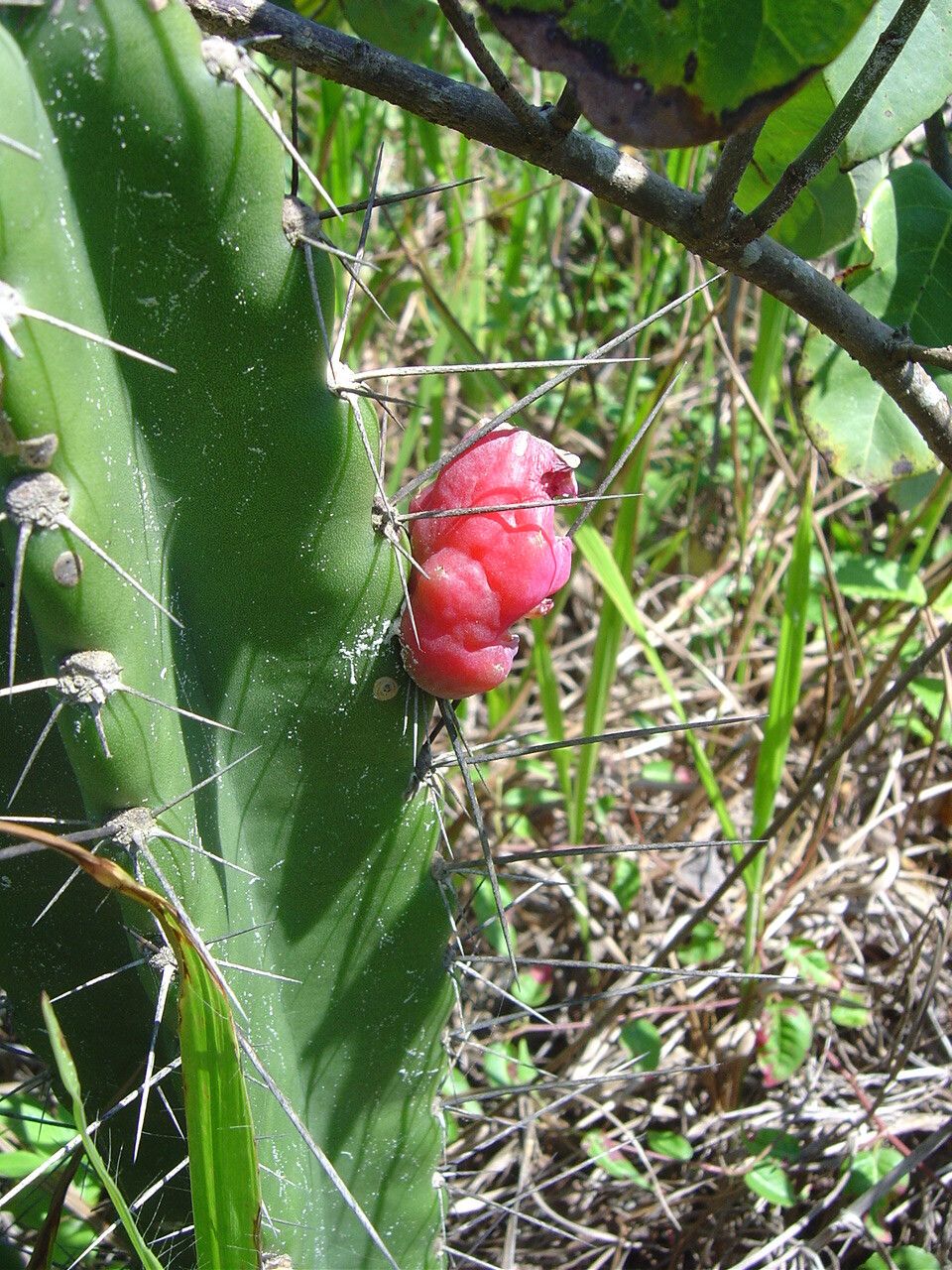
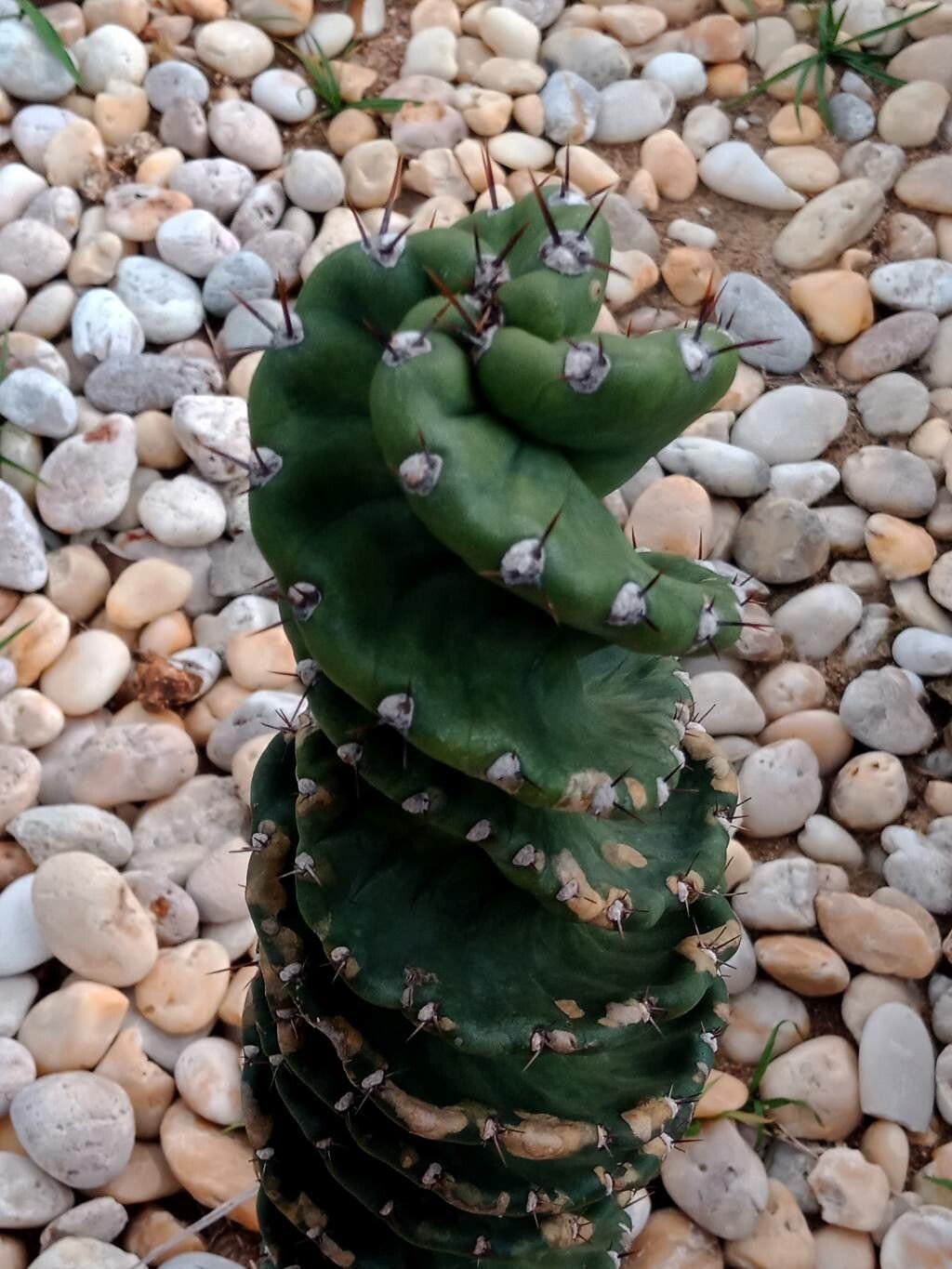
Cereus spegazzinii is a species of cactus native to Argentina. This tall, columnar cactus can grow up to 10 meters in height and 30 centimeters in diameter. It features numerous ribs and spines that provide protection against predators.
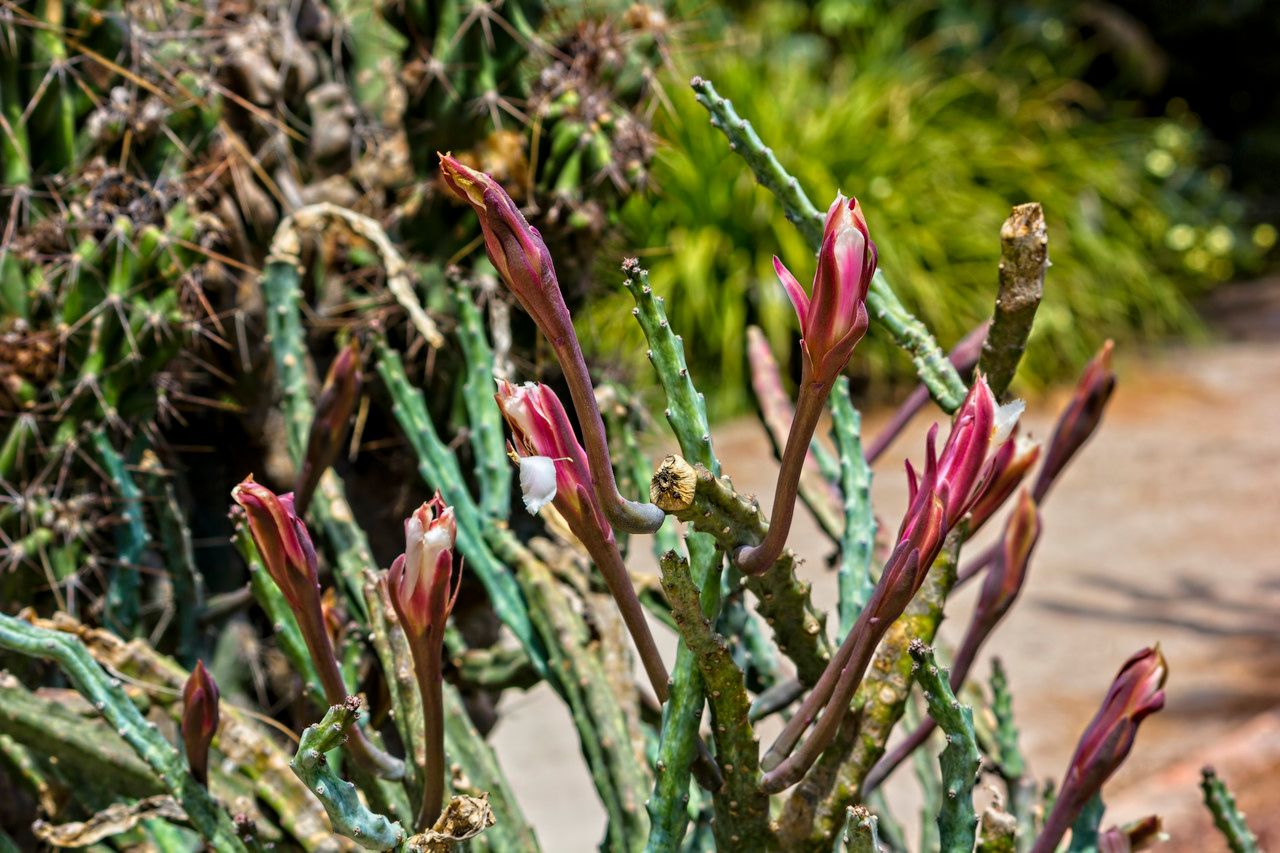
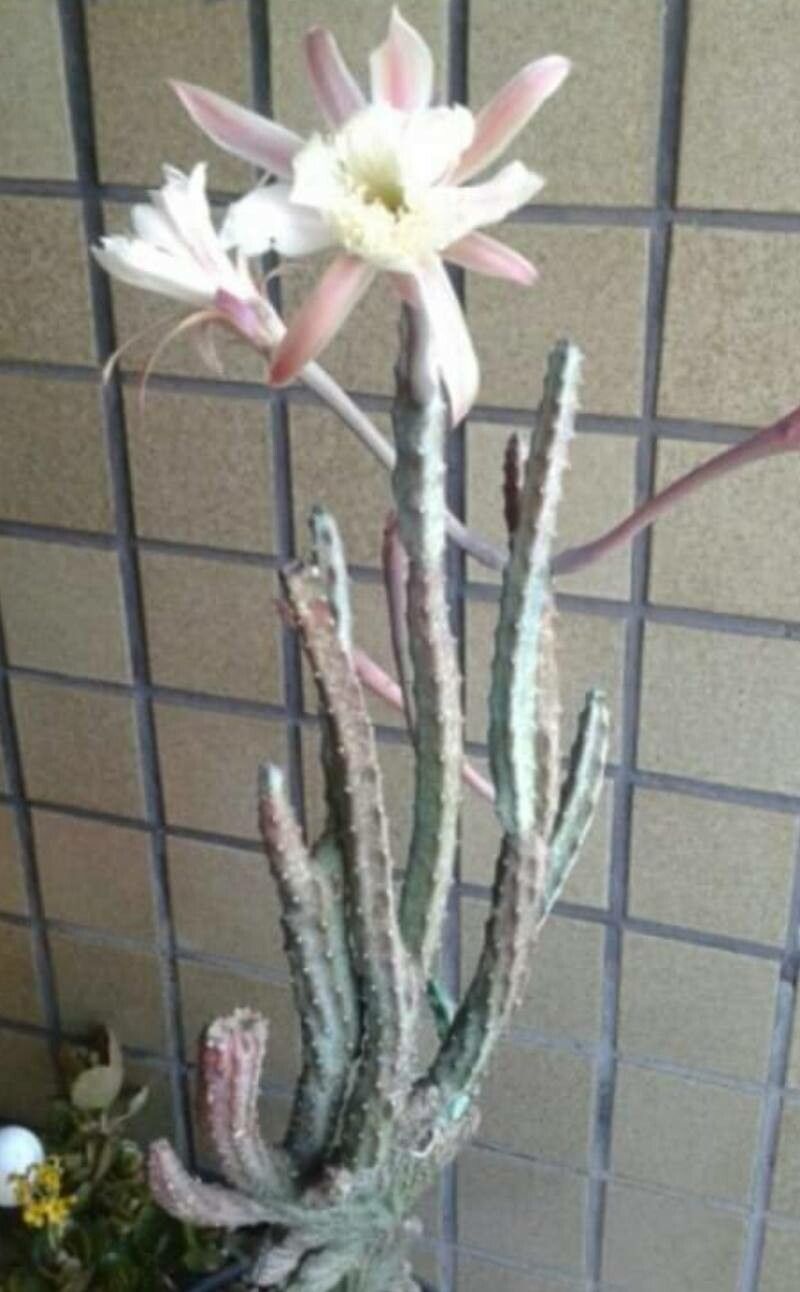
During the summer months, Cereus spegazzinii blooms, producing large white flowers that open at night and close during the day. These flowers are followed by edible fruits that are red or yellow.
The plant thrives in well-drained soil and full sun exposure. While it can tolerate drought conditions, it should be watered regularly during the growing season.
Cereus spegazzinii is often used as an ornamental plant due to its unique appearance and impressive size. Additionally, its fruits possess anti-inflammatory properties and have been used in traditional medicine.
Overall, Cereus spegazzinii is a fascinating cactus species with both aesthetic appeal and practical uses.
Moonlight cactus is fairly resistant to disease and can handle ordinary care without becoming sick easily. It can, however, be vulnerable to mealybugs; these pests may cause some harm but usually do not present a serious danger. Regarding care, Moonlight cactus is drought-tolerant and does not require frequent watering. It can endure long stretches without water and needs little fertilizer. That said, if light is poor and the plant is overwatered, it is very prone to root rot. In general, Moonlight cactus is a good choice for people who prefer low-maintenance plants, but it remains important to know and provide its basic needs. It is especially appropriate for those who are often away for long periods and might forget to water regularly.
How to keep Cereus Spegazzinii.
Light
Moonlight cactus does best with plentiful sunlight, doing well when the sun is present for most of the day. It can also survive in places where direct sun is somewhat limited. Too little light may inhibit growth, and too much exposure can produce a sunburn-like injury to the plant. Its native habitat shows a preference for sunny locations.
Water
The Moonlight cactus is well-suited to arid conditions because of its excellent drought tolerance, requiring watering only once every three weeks. It thrives outdoors, where it can benefit from natural rainfall. To prevent root rot during the growing season, ensuring optimal soil drainage is essential.
Temperature
Moonlight cactus prefers temperatures between 68 and 100 ℉ (20 and 38 ℃) and originates from warm to hot habitats. To accommodate seasonal temperature shifts, it is important to monitor and regulate the temperature, ensuring it does not fall below 50 ℉ (10 ℃) in winter and does not exceed 104 ℉ (40 ℃) in summer.
Fertilizer
For Moonlight cactus, small amounts of fertilizer once or twice a year during the growing season are enough. Do not fertilize in winter or in summer while the plant is dormant. Use less fertilizer for plants that have been repotted, and wait a couple of months after repotting before you start feeding. Fertilizing helps maintain healthy growth and promotes flowering.
Pruning
The moonlight cactus needs very little pruning. Simply focus on removing any withered flowers and branches to help the plant direct its nutrients towards healthy growth.
Pot & Repot
Repot the Moonlight cactus in spring or summer, choosing a pot slightly larger than the current container with good drainage. Use a sandy or gritty cactus mix that drains well. Handle the plant carefully to avoid its spines. Let the cactus dry out before repotting to reduce the chance of root rot. After repotting, wait about a week before watering so the roots can heal.
Botanical profile.
- Plant Type
- Succulent, Shrub
- Life Cycle
- Perennial
- Genus
- Cereus
- Family
- Cactaceae
- Hardiness Zone
- 9-12
- Mature Height
- 2.13 m
- Mature Spread
- 6 cm
- Leaf Color
- Dark Green, Green
- Leaf Type
- Evergreen
- Flower Color
- White
- Flower Size
- 6.35 cm to 8.89 cm
- Bloom Time
- Summer, Early fall
- Planting Time
- Spring, Summer
- Harvest Time
- Late summer, Fall
Other names.
Reader questions.
What should I do if I give too much or too little water to my Moonlight cactus?
Moonlight cactus and other succulents can typically go a long time without water, so it's unusual to find them suffering from underwatering. However, if you forget to water your Moonlight cactus for a month or more, you'll likely notice it looking thirsty or with leaf damage. Signs of an underwatered Moonlight cactus include shriveled, dry, and flat leaves that may have turned brown, crispy, or fallen off. The soil will also be completely dried out. To fix this issue, give your cactus plenty of water by submerging the pot in water for about 5-10 minutes until the soil feels moist. Remove any dried out leaves to make room for new growth. Overwatering is harmful to Moonlight cactus and can even be fatal if not addressed. Excessive moisture leads to root rot, preventing the roots from absorbing nutrients and water. Root rot occurs when wet conditions promote the growth of fungi and bacteria in the soil, which feed on the roots. Symptoms of overwatering include yellow, swollen, and translucent leaves that may burst open. If left untreated, leaves may turn brown or black and fall off easily. Check the soil to confirm overwatering as the cause. Saving an overwatered plant is challenging but possible if caught early. Start by removing the plant from its pot and checking the roots and soil. Gently remove wet soil around the roots and rinse them in room-temperature water to remove any lurking fungus and assess root health. If the roots are dark brown or black, soft, mushy, or slimy, root rot has likely developed. If most of the roots are affected, saving the plant may not be possible. In this case, remove healthy leaves and propagate a new Moonlight cactus. If only a portion of the roots are rotten, there is a chance to save the plant. Remove unhealthy roots using a sterilized cutting tool, dip the remaining roots in a fungicide, and repot in fresh, well-draining soil. While not always successful, this allows the plant to recover and produce new growth in the next growing season.
Why should I put fertilizer on my Moonlight cactus?
Fertilizing Moonlight cactus during the growing season improves healthy growth by adding nutrients to the growing medium. Although it can store water and nutrients, applying plant food helps support its growth. Additionally, fertilizing can stimulate mature specimens to produce blooms.
What are the sunlight requirements for a Moonlight Cactus?
The Moonlight Cactus (Cereus spegazzinii) needs ample sunlight to flourish, thriving best with more than 6 hours of sunlight, which is considered full sun exposure. It can also adapt to partial sun conditions, which means about 3-6 hours of sunlight daily. However, insufficient light may stunt its growth, and too much direct sunlight could lead to a sunburn-like effect on the plant. The natural habitat of the Moonlight Cactus suggests a preference for sunny exposures, illustrating the plant's need for a well-lit environment. It's important to watch how sunlight moves through your garden to find spots offering a perfect balance of light and shade, ensuring your Moonlight Cactus's happiness.
What is the preferred temperature range for Moonlight cactus?
Moonlight cactus, scientifically known as Cereus spegazzinii, thrives in temperatures between 68 to 100°F (20 to 38°C), favoring environments with warm to hot temperatures. To maintain healthy growth, it's crucial to monitor and regulate the temperature to ensure it does not fall below 50°F (10°C) in winter or exceed 104°F (40°C) during summer. This heat-loving plant enters a dormant state in cooler temperatures and should be moved indoors if the outdoor temperature drops below 0°C, ideally near a south-facing window to maximize sunlight exposure. Insufficient natural light can be compensated for with supplemental lighting. In colder temperatures under 20°C, its growth slows, and watering should be minimized to prevent root rot.
How frequently should I water my Moonlight cactus?
To determine how often to water Moonlight cactus, it's best to check the soil and only water when it's completely dry. You can do this by sticking your finger in the pot or using a moisture meter to check below the surface. If you're using a deep pot, you can use a stick or chopstick to do this. If the soil feels even slightly moist, wait a few days and check again. In general, most people will need to water Moonlight cactus every two weeks in summer and once a month in winter. However, there are some factors that can affect this frequency. The section below provides some considerations to help you determine how often to water.
When should I put fertilizer on my Moonlight cactus?
Moonlight cactus has specific fertilizer needs. It only requires a small amount during the growing season, about 1-2 times a year. The best times to fertilize are in the spring and autumn, while avoiding winter and summer when the cactus is dormant. When repotting, be cautious with the amount of fertilizer used and wait a couple of months before applying any.
How can artificial lighting be used for Moonlight Cactus indoors?
When natural sunlight is insufficient for a Moonlight Cactus, especially during winter or in less sunny indoor spaces, artificial lighting can be a vital solution. Indoor plants benefit greatly from adequate lighting, which promotes faster and healthier growth. LED lights are recommended because they can be tailored to provide specific wavelengths of light needed by plants. For full sun plants, 30-50W/sq ft of artificial light is required; partial sun plants need 20-30W/sq ft, and full shade plants require 10-20W/sq ft. The artificial light source should be placed 12-36 inches above the plant to mimic natural sunlight conditions, and plants usually need 8-12 hours of light per day to mimic natural daylight hours optimal for their species.
How should I care for my Moonlight cactus in low temperatures?
In low temperatures, Moonlight cactus requires special care to thrive as it prefers high temperatures and struggles with cold. When the temperature drops below 20°C, its growth rate decreases, and the plant should be kept above 0°C during winter to avoid damage. Exposure to temperatures below -5°C can weaken the plant, causing wilting and a high risk of root rot. After mild frost damage, symptoms may take a week to appear, showing gradual withering. To remedy frost damage, trim off the frostbitten areas and check for root rot. If found, remove the rotted roots and propagate the plant through cuttings if necessary. It's important to immediately move the plant indoors to a warmer location with ample sunlight, supplementing with artificial light if needed.
What things do I need to think about when watering my Moonlight cactus?
When watering your Moonlight cactus, there are several factors to consider. These include the size of the container, the type of soil, the temperature, and the humidity. The container and soil used will determine how often and how much water to give the cactus. It is important to choose a container with good drainage so that excess water can escape. A small container holds less soil and requires less water, while a larger pot retains moisture and needs to be watered less frequently. Avoid using an oversized pot, as this can lead to overwatering. When repotting, opt for a container just one size larger than the current one. A shallow container is better suited for Moonlight cacti, as they have shallow root systems. The watering frequency also varies with the seasons. During the winter, when growth slows down and the plant requires less water, you can water it less frequently. The cooler air in winter results in slower evaporation, so the soil retains moisture for longer. Additionally, the overall climate of your location plays a role. In a humid area with ample rainfall, you will need to water your cactus less often than in a dry, arid climate. Keep in mind that even in the same geographic location, conditions can vary with the seasons and indoor climate control systems. If you have planted your Moonlight cactus in the ground, once it has established a root system, it should typically receive enough water from precipitation and dew. However, during extended dry periods, you may want to provide occasional supplemental watering. In areas where the cactus can only be grown in a container, it can be moved outside during the spring and summer months when the temperature is suitable, and then brought back inside as temperatures begin to drop. When kept outside, a potted Moonlight cactus usually requires more water due to increased sun exposure, even on a shaded porch.
When is the best time to not fertilize my Moonlight cactus?
The Moonlight cactus, like other plants, has a dormancy period when you should avoid using fertilizer. This happens during the summer and winter when the plant stops growing. It is also a good practice to avoid fertilizing for the first few months after repotting in the spring.
What are the symptoms of insufficient light in Moonlight Cactus, and how can they be addressed?
Symptoms of insufficient light in Moonlight Cactus include leggy or sparse growth, slower or no new growth, chlorosis, sunscald, leaf curling, wilting, and leaf scorching. Addressing these symptoms involves gradually moving the plant to a sunnier location to ensure at least 6 hours of direct sunlight daily. For indoor plants, using a south-facing window and keeping curtains open during the day maximizes sunlight exposure. Alternatively, using artificial lighting, such as desk lamps or professional plant grow lights for at least 8 hours a day, can supplement light needs. It's crucial to avoid sudden changes in light intensity, as this may cause sunburn. Note that parts of the plant damaged by insufficient sunlight may not recover, but new growth will be healthy after adjusting light exposure.
What should I do if my Moonlight cactus experiences high temperatures?
During summer, maintaining a temperature below 38°C for your Moonlight cactus is crucial to prevent overheating and stress. Exposure to temperatures above 43°C halts growth and can cause water loss, wilting, and increased susceptibility to sunburn. If your cactus suffers from these symptoms, it is necessary to remove any sunburned or rotten parts of the plant. Protect the plant from intense afternoon sunlight until recovery and growth resume. In cases where root rot is present due to excessive heat, cease watering until new roots start to form, indicating the plant is healing and capable of sustaining new growth.