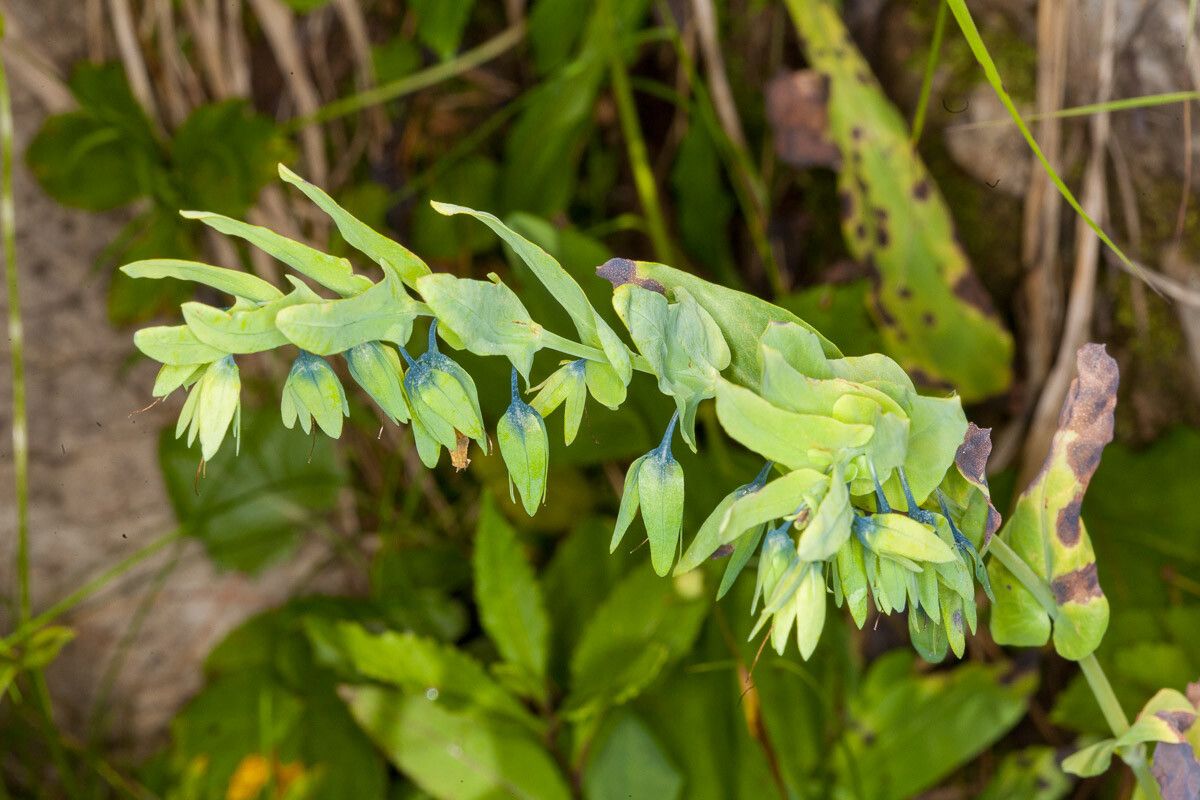
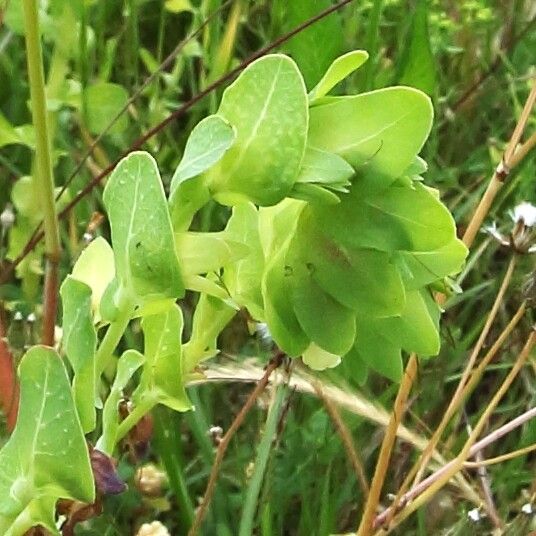
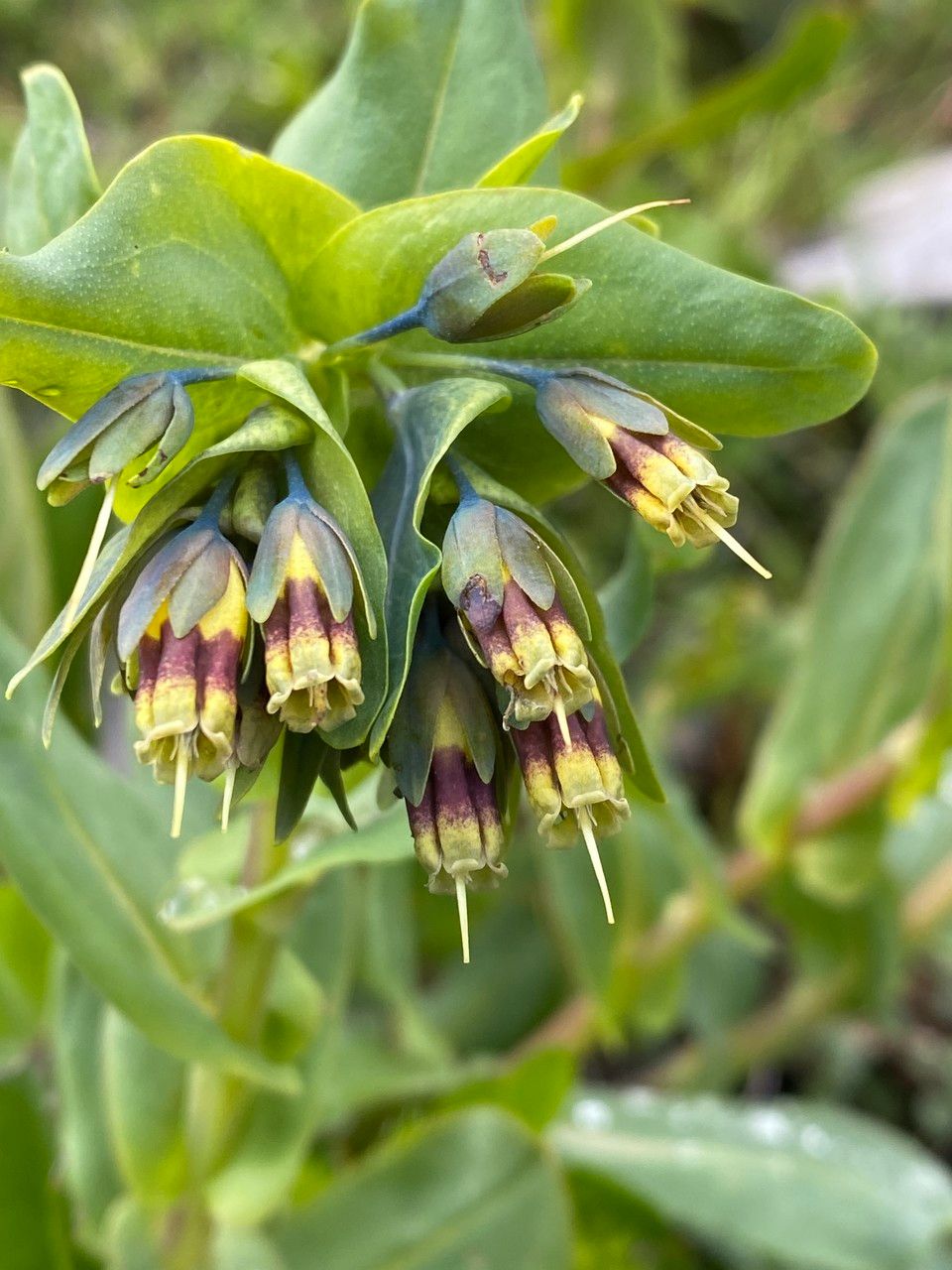
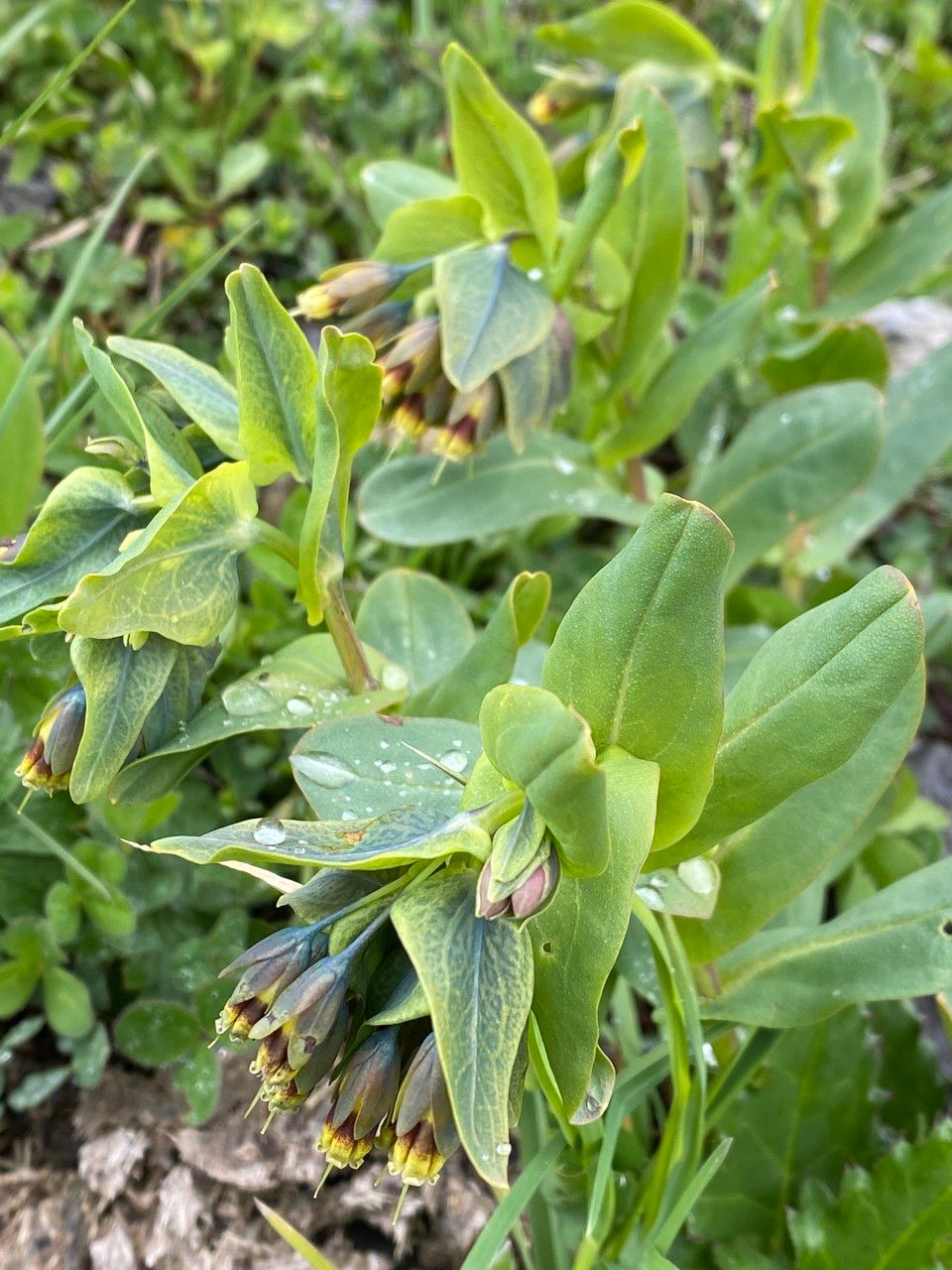
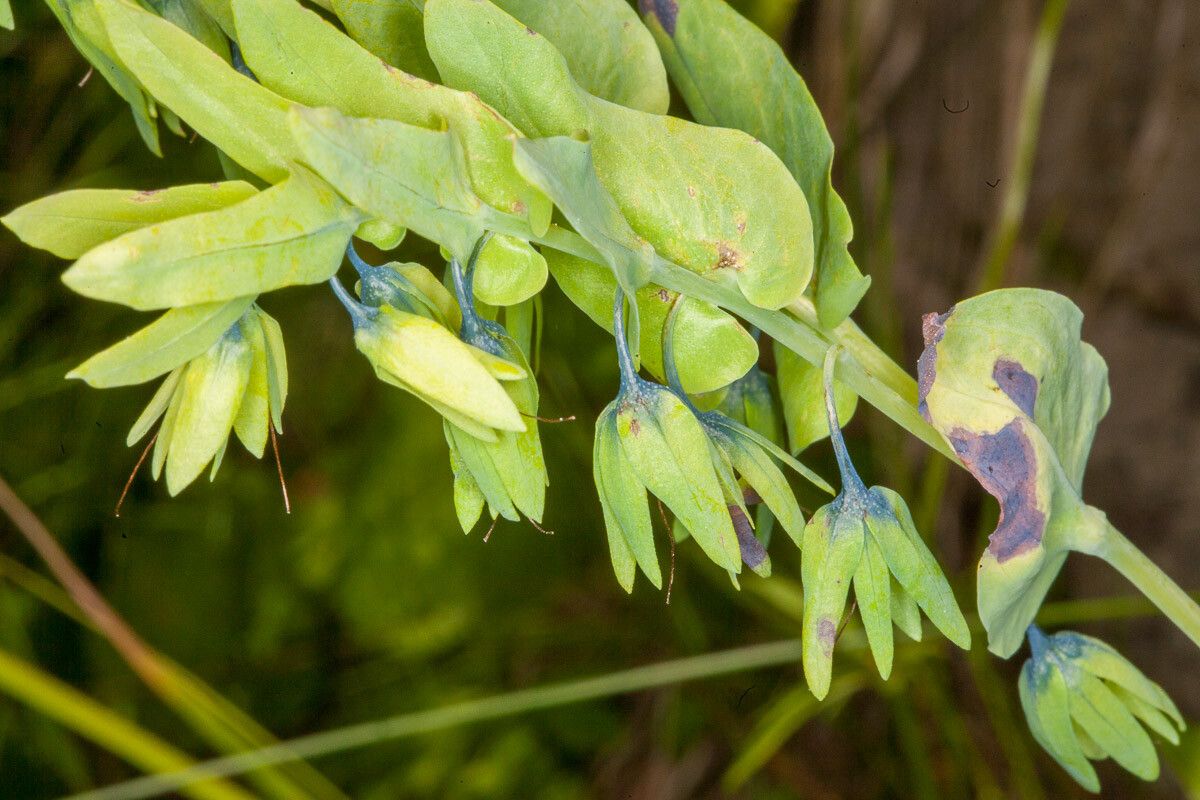
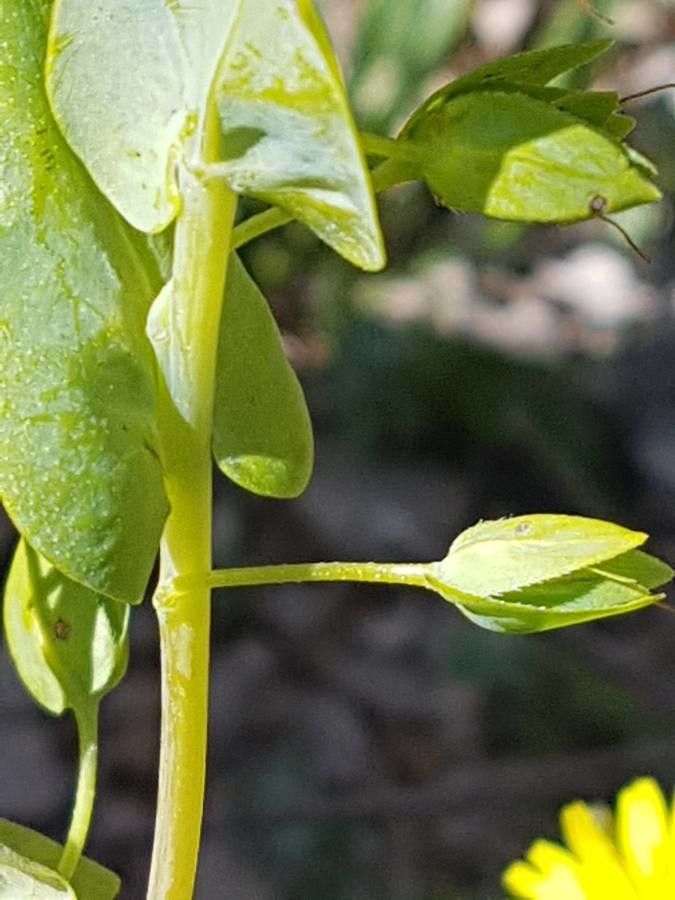
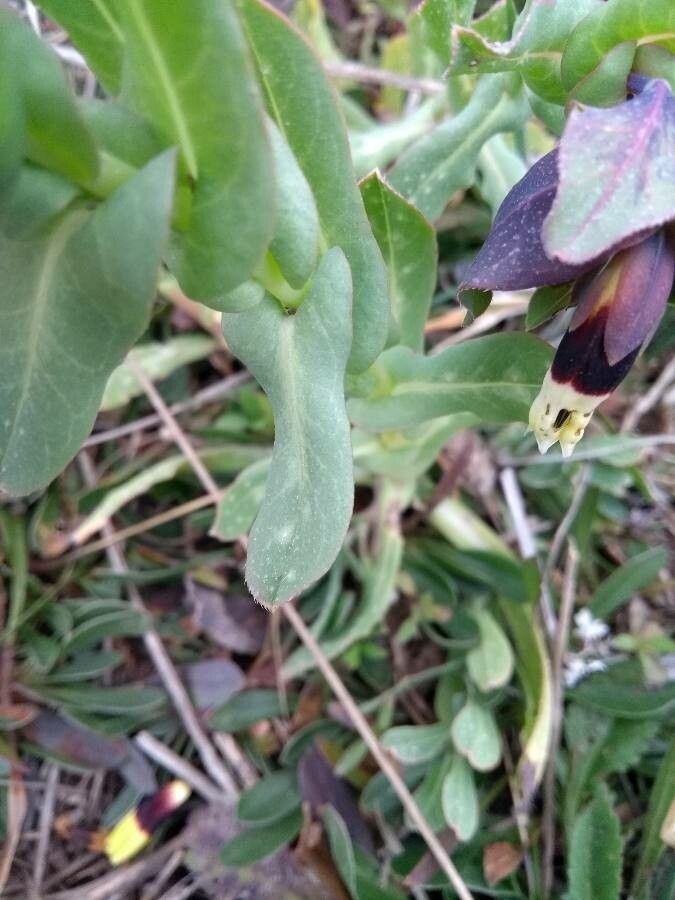
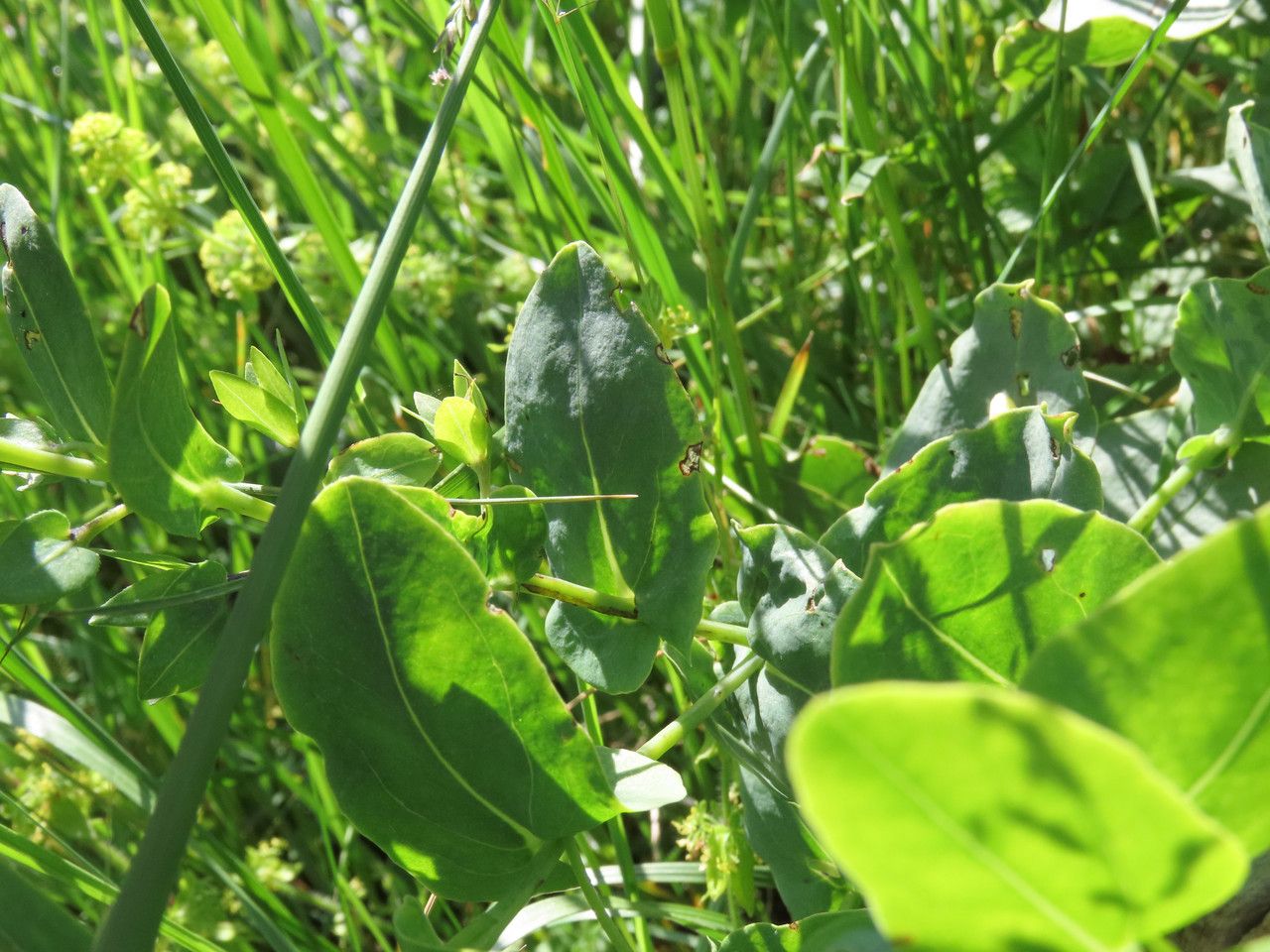
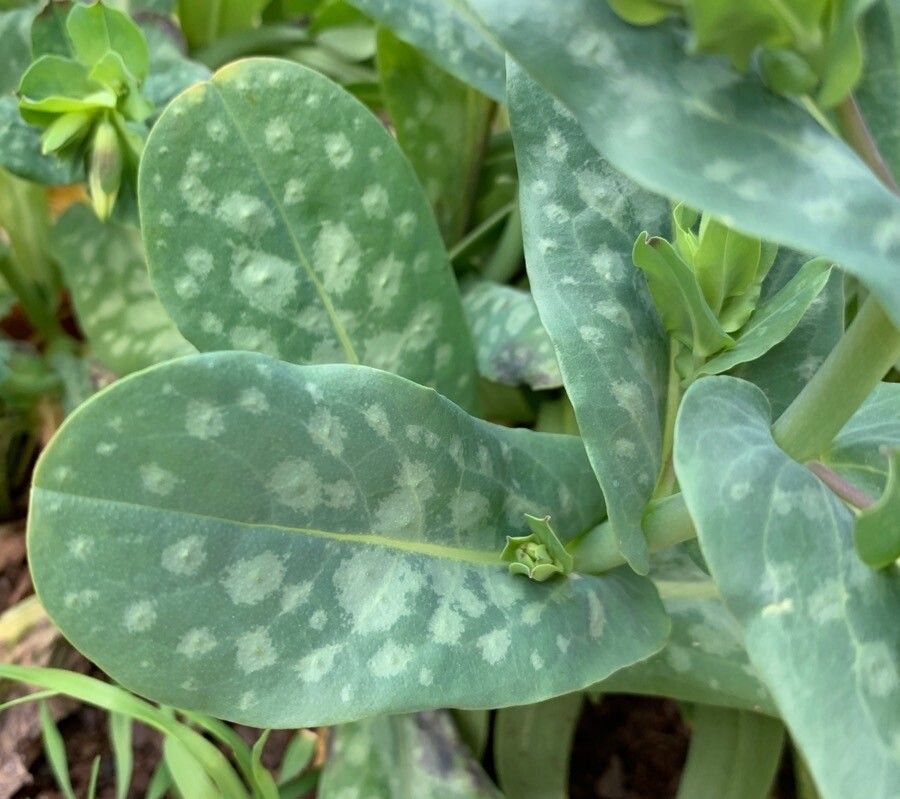
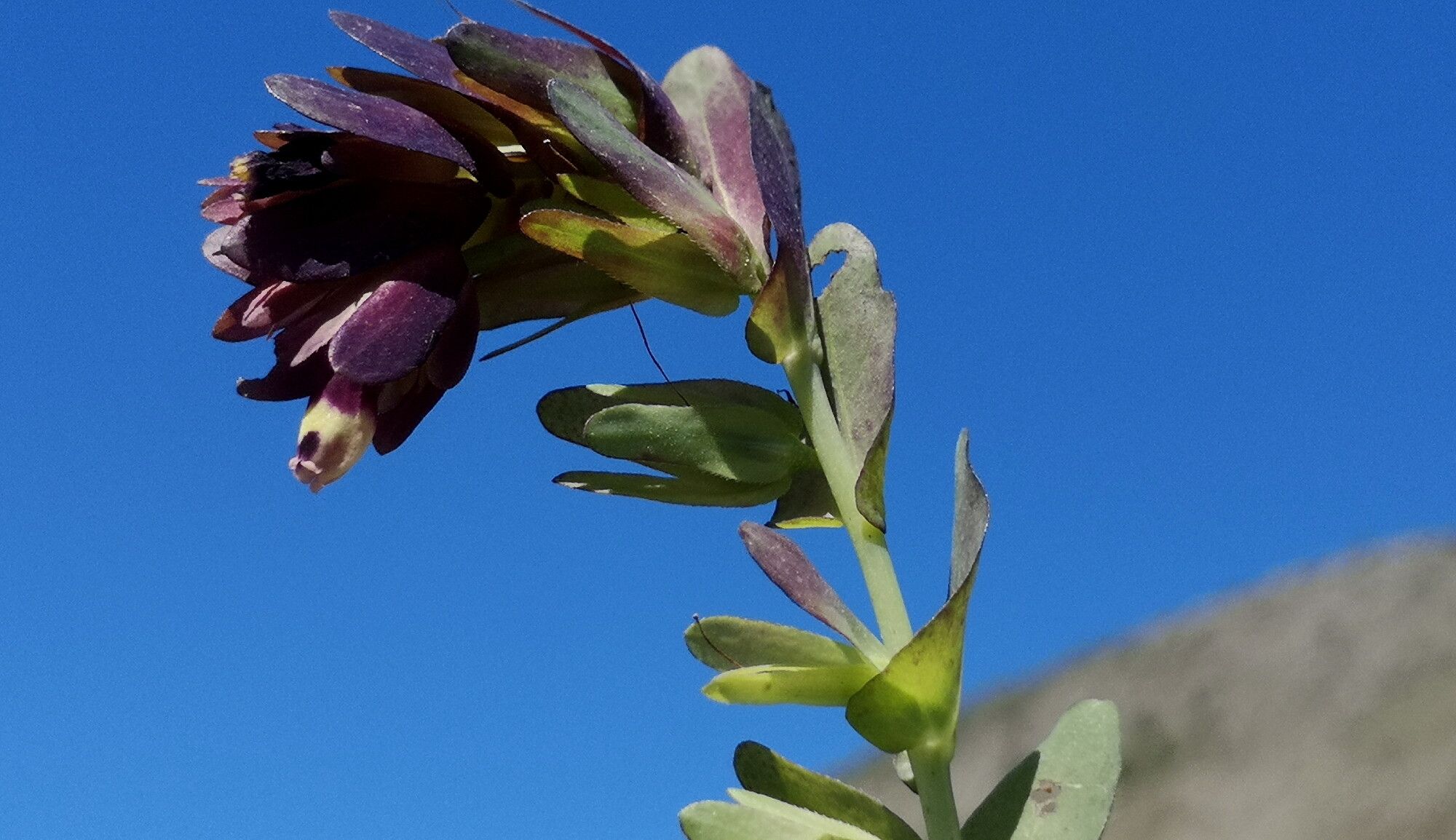
Cerinthe glabra, commonly known as honeywort or blue shrimp plant, is a unique and attractive annual that belongs to the Boraginaceae family. Native to the Mediterranean region, this plant can grow up to 60 centimeters in height. Its blue-green leaves are covered in fine hairs, giving them a velvety texture. The flowers are tubular-shaped and display shades of purple-blue with contrasting yellow stamens.
Cerinthe glabra is easy to grow and thrives in full sun or partial shade with well-draining soil. While it can tolerate drought conditions, it benefits from regular watering during hot weather. This hardy annual blooms from late spring to early summer and attracts bees, butterflies, and other pollinators.
The honeywort's unique appearance makes it an excellent addition to garden beds or container gardens, adding texture and color contrast among other plants. Its flowers are also suitable for cut floral arrangements due to their long-lasting nature.
Overall, Cerinthe glabra is a low-maintenance yet visually stunning annual that enriches any planting area while supporting pollinators. It is an excellent choice for gardeners seeking something different and easy to grow.
Smooth honeywort is fairly resistant to disease and typically not vulnerable to illnesses. Still, it can be affected by pests and diseases present in its environment, though such infections are generally mild. Regarding care, the plant needs a moderate level of maintenance. It should be pruned regularly to preserve its appearance and healthy growth, and fertilizing can help encourage flowering. Smooth honeywort is appropriate for anyone with outdoor space, like a garden or patio, and does not demand extensive care experience. It may need more attention if grown indoors.
How to keep Cerinthe Glabra.
Water
Water honeywort frequently during the growing season for the best blossom yield. Water whenever the soil feels dry 1 to 2 inches down, as a general rule. The plant will be drought tolerant once established, but flower output will diminish without enough water.
Temperature
Smooth honeywort can tolerate a wide range of temperatures, though its distribution may still be restricted by different mixes of moisture and heat. It performs best in warm summer climates with sufficient rainfall or watering. Long stretches of cloudy, rainy weather, as well as prolonged high temperatures, increase the chance of Smooth honeywort dying. In winter, providing adequate protection from cold helps the plant survive.
Fertilizer
Smooth honeywort does well with regular, light applications of fertilizer to encourage healthy leaf growth. Fertilize Smooth honeywort about once a month during the summer. Nitrogen is essential for foliage, and providing nitrogen-rich sources helps Smooth honeywort thrive.
Pruning
To maintain a healthy and visually appealing smooth honeywort, it's important to prune it strategically, ideally from early to late spring. By trimming away dead stems and removing spent flowers, you can encourage new shoots and extend the blooming period. These practices help the plant maintain a compact shape, enhance its health, and improve its visual appeal in gardens.
Botanical profile.
- Plant Type
- Herb
- Life Cycle
- Annual
- Genus
- Cerinthe
- Family
- Boraginaceae
- Hardiness Zone
- 7-10
- Leaf Type
- Semi-evergreen
- Bloom Time
- Summer
- Native Area
- Meditteranean
Other names.