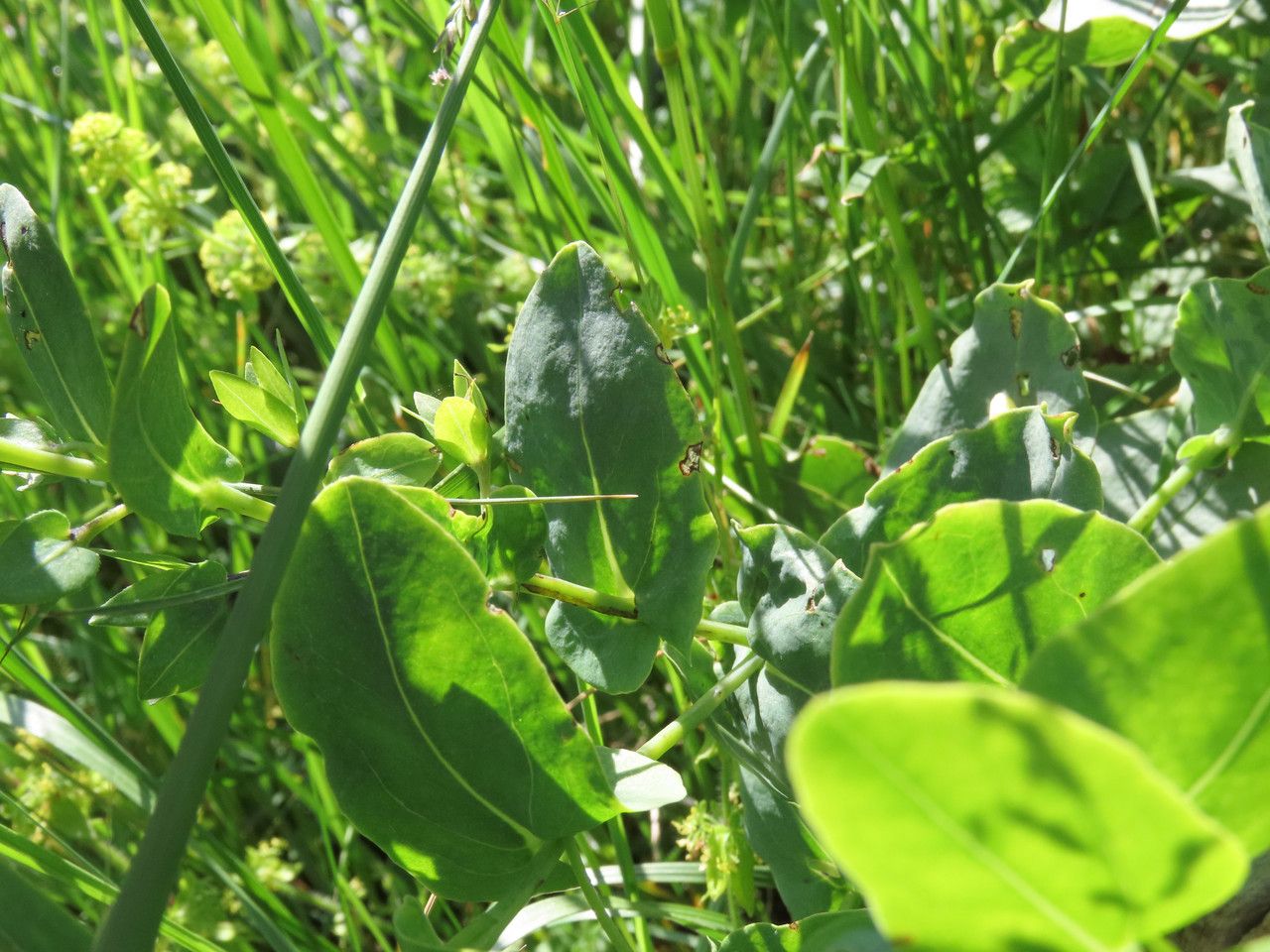
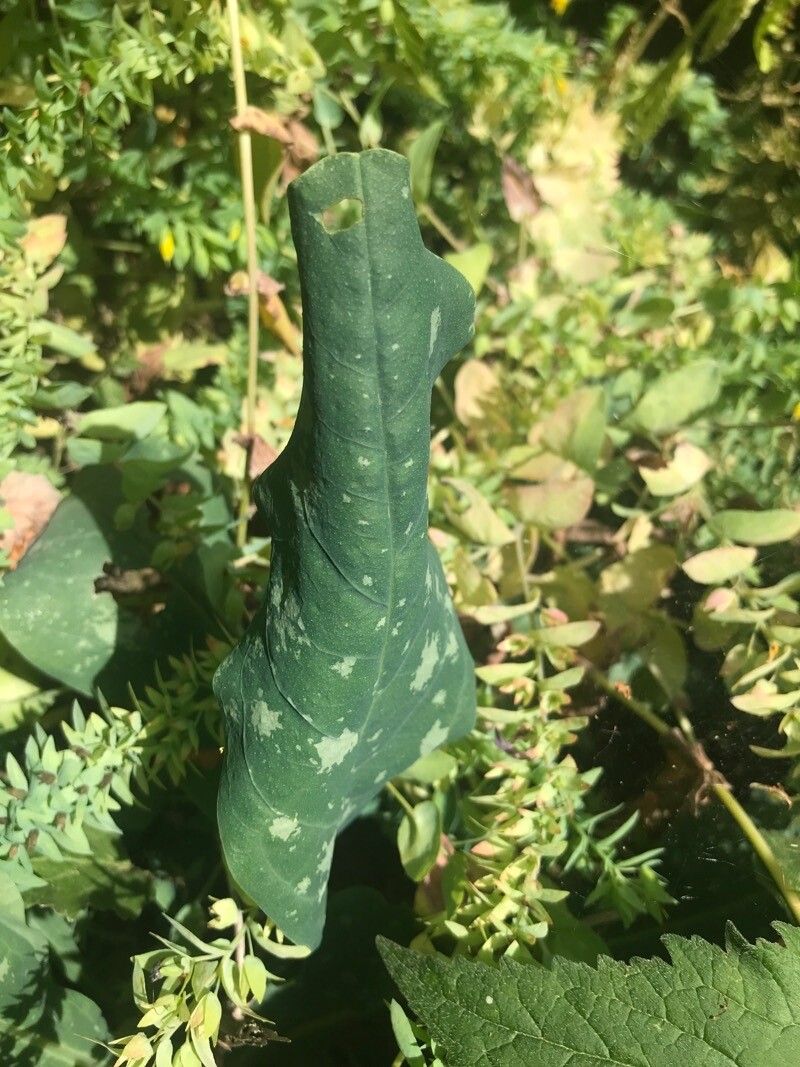
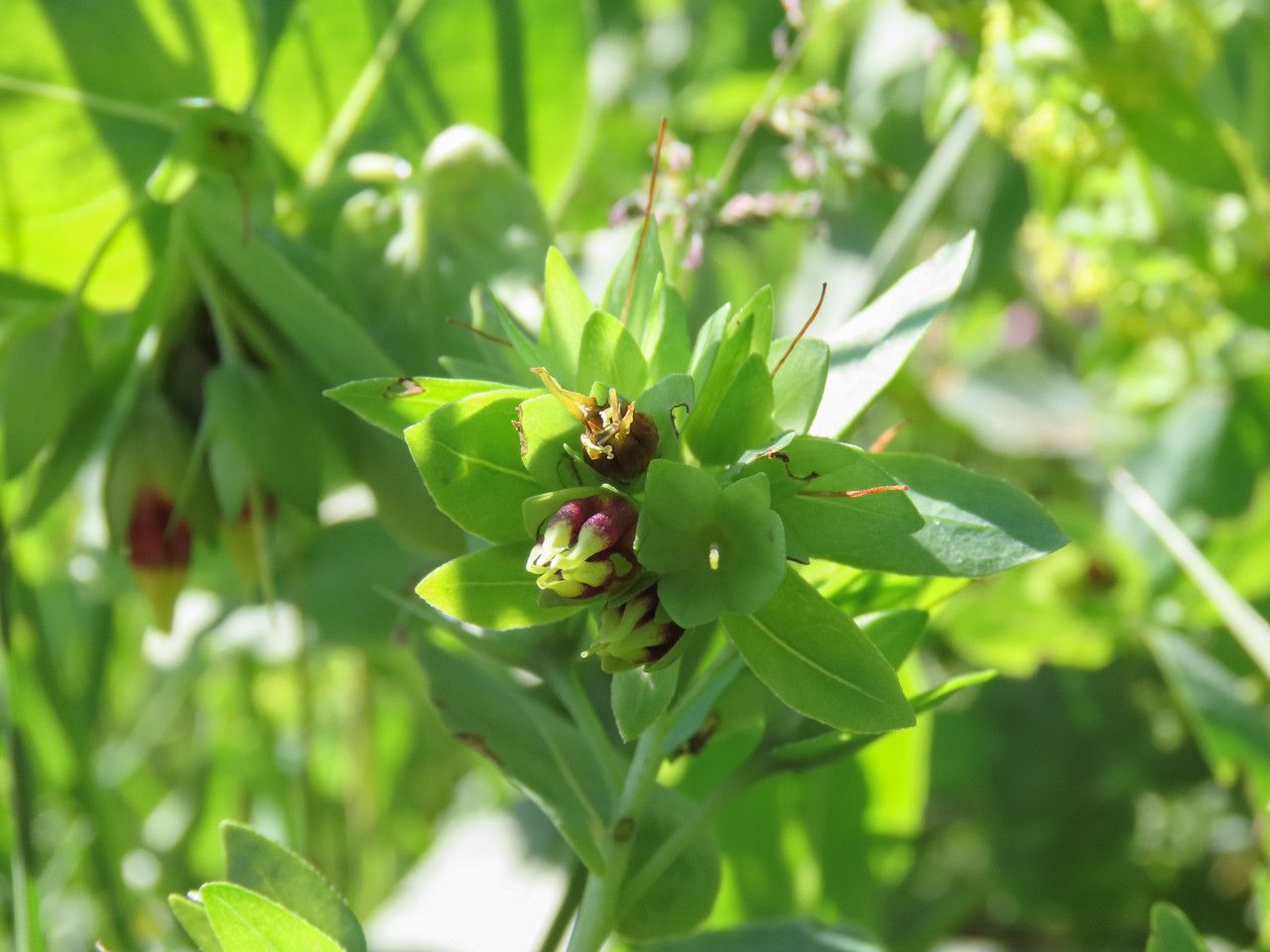
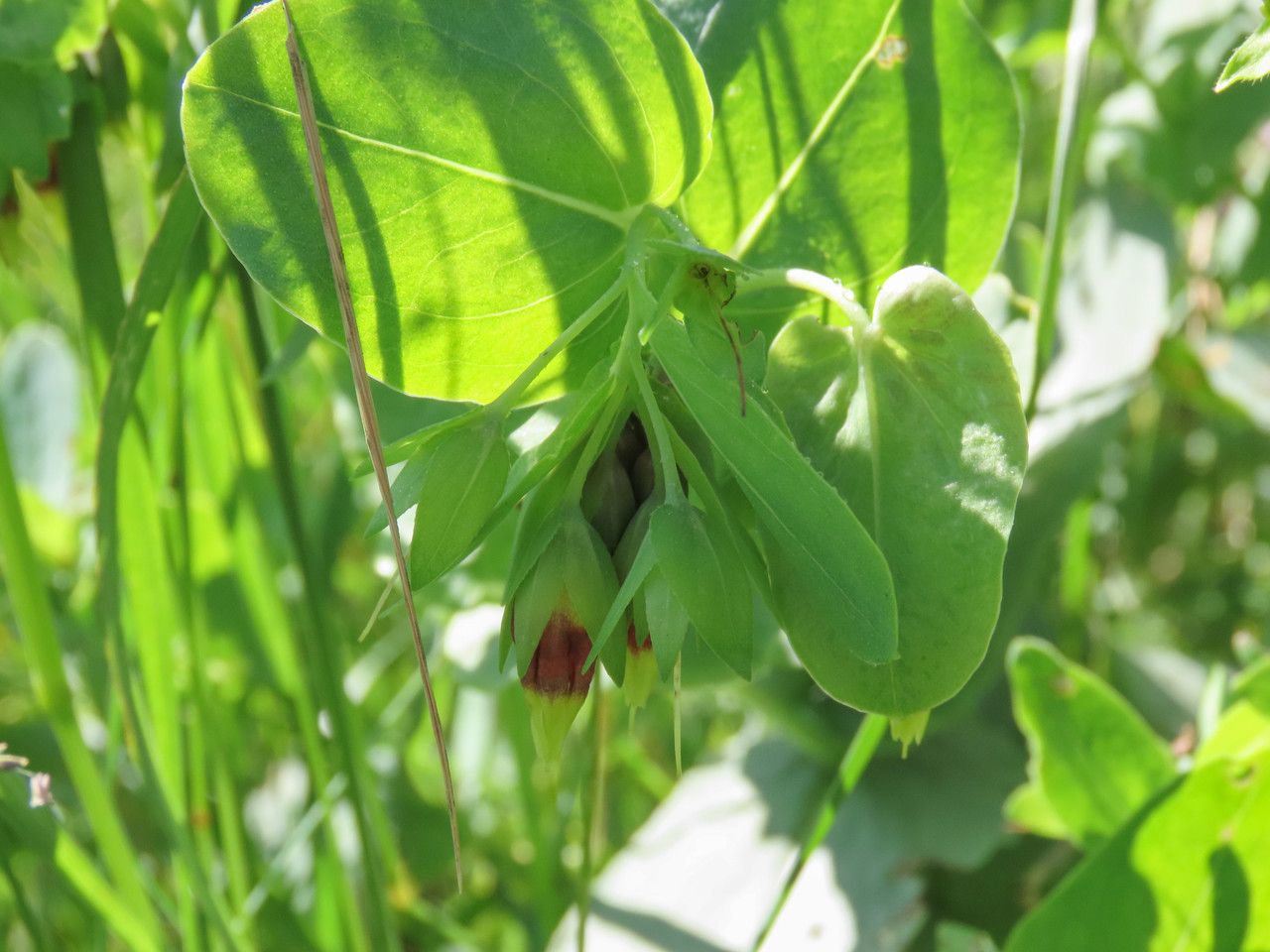
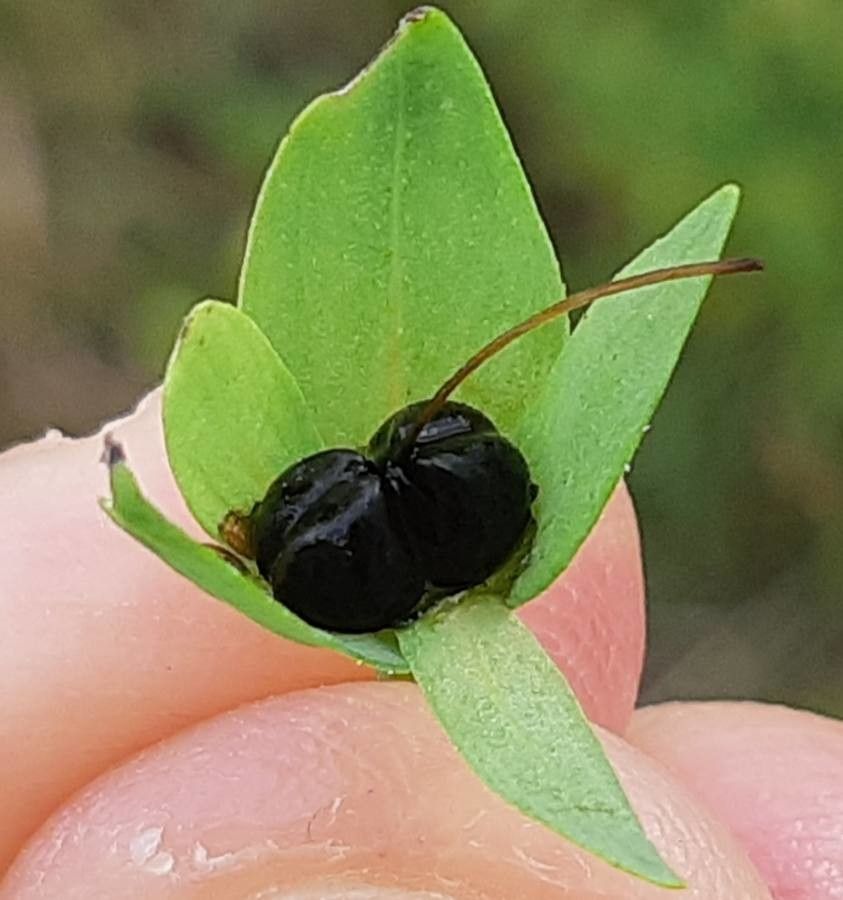
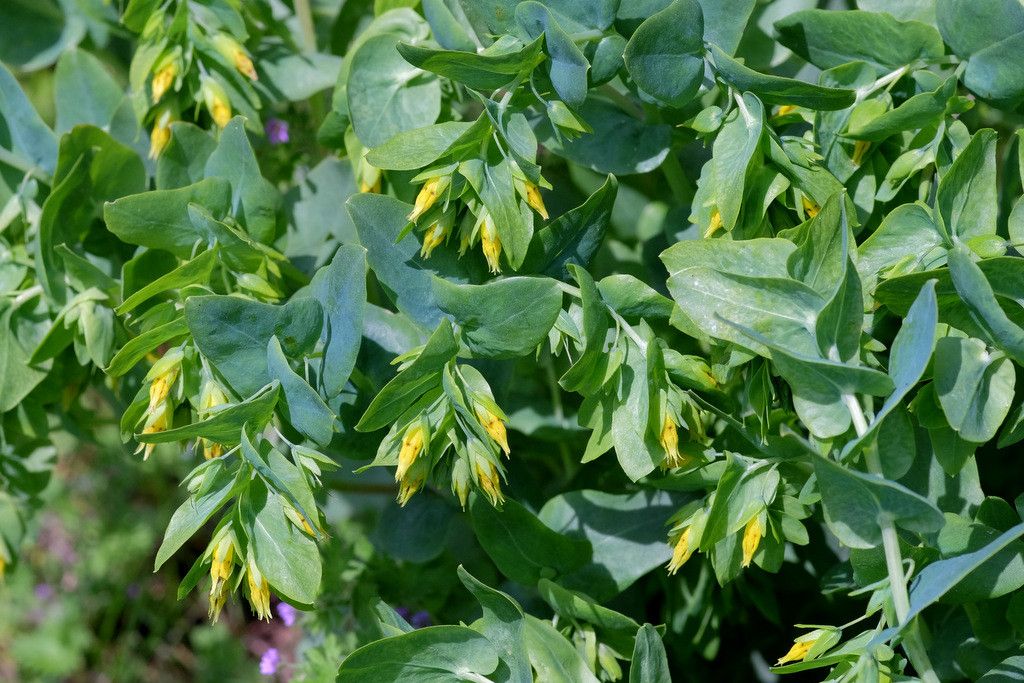
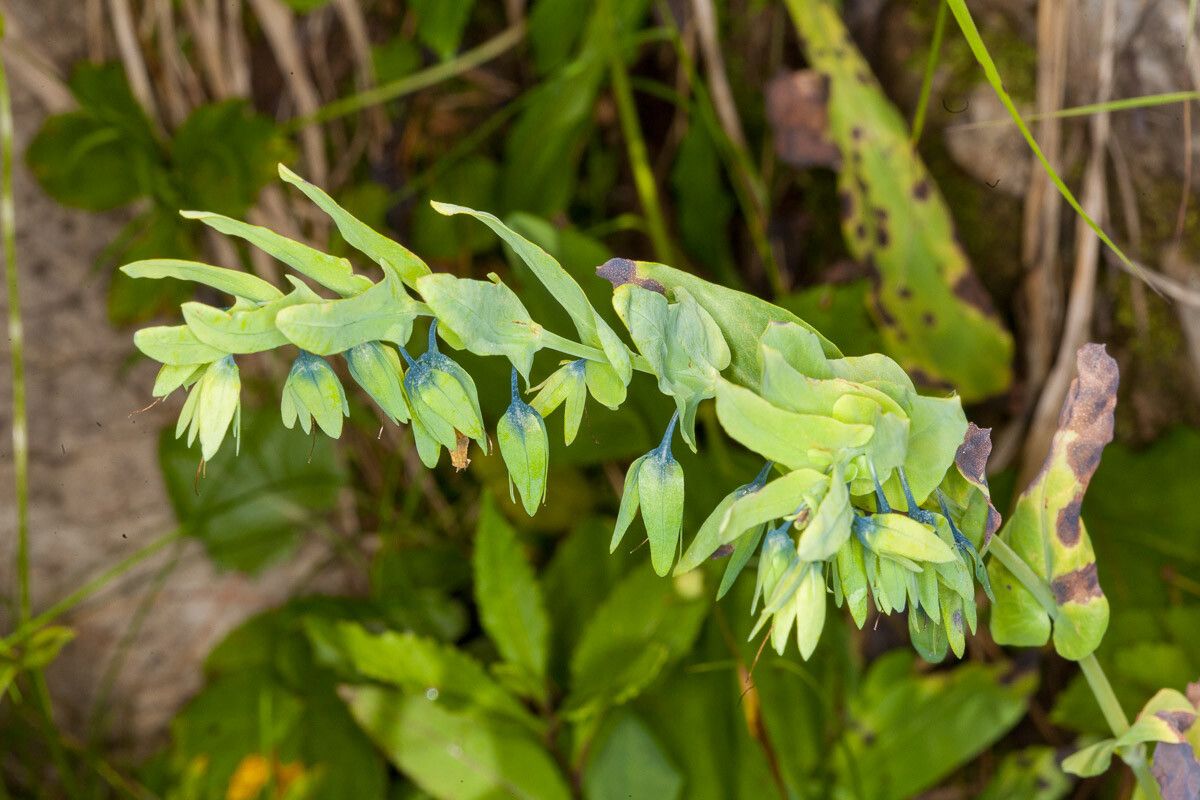
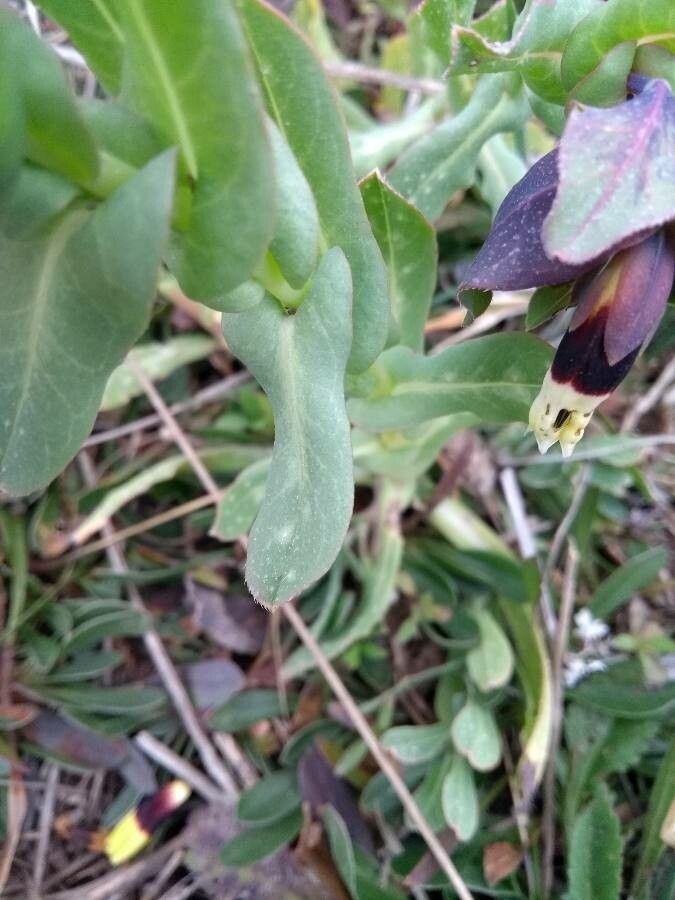
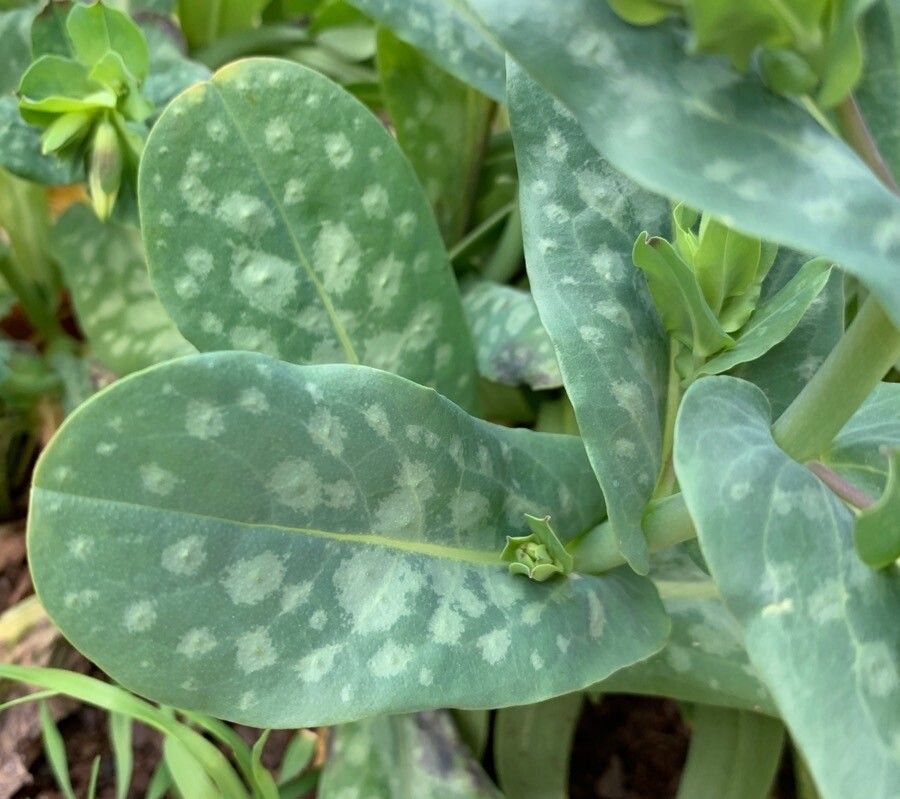
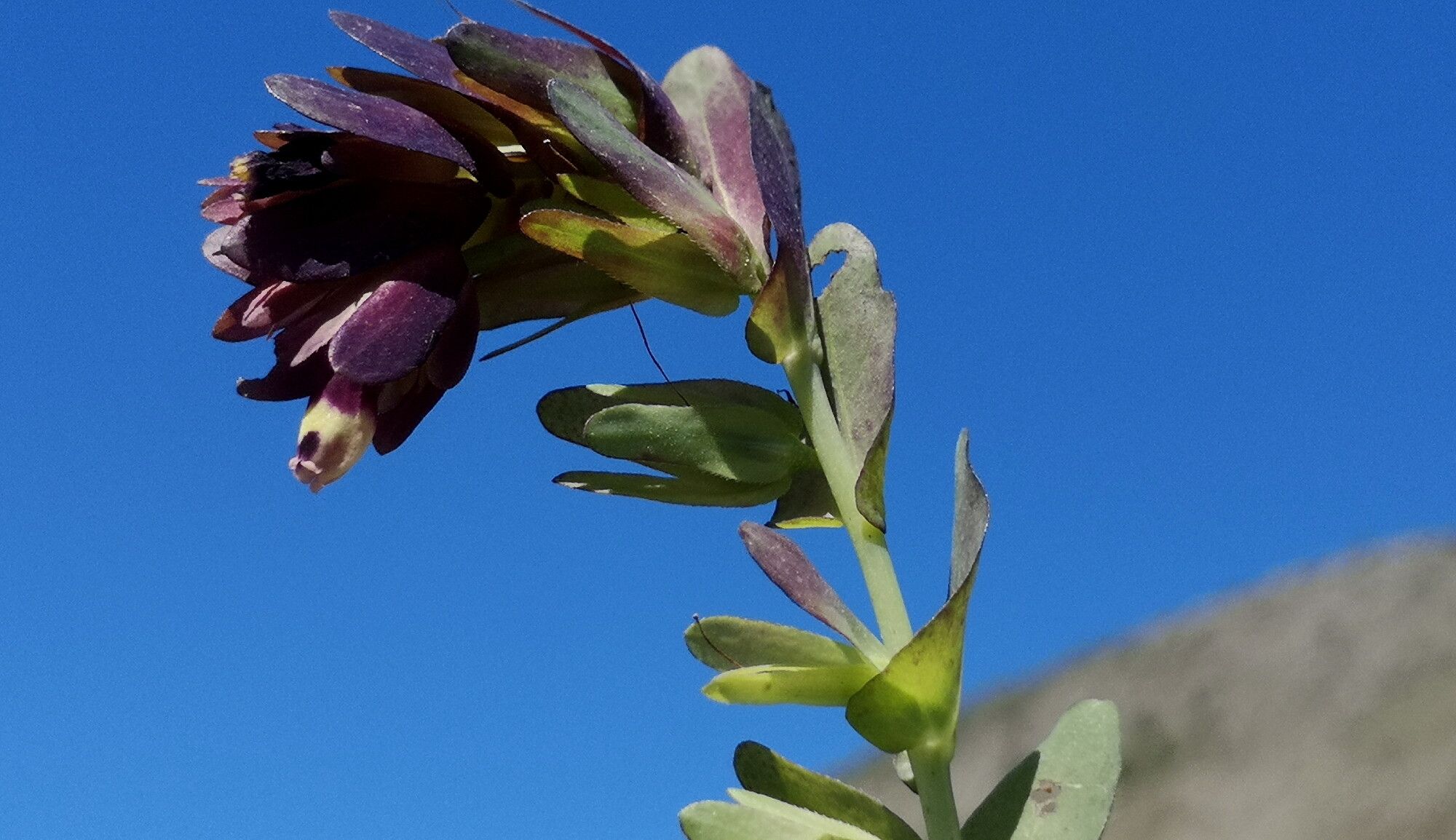
This delightful Mediterranean annual plant should not be overlooked. The exquisite, bell-shaped flowers of Honeywort (Cerinthe spp.) are encircled by colorful bracts and framed by rounded green-gray leaves. The enormous, tubular bracts are one of the honeywort's most distinctive features, even though the blooms are little and inconspicuous. They outlast the smaller flowers and keep their lovely color for several weeks. Honeywort comes in a range of hues depending on the species, but the blue and purple varieties are the most popular. Honeywort is a lovely cut flower that grows well in garden beds and containers.
Lesser honeywort is fairly disease-resistant and typically does not suffer from many illnesses. Nevertheless, it can be vulnerable to pests and diseases present in its surroundings. Such infections are usually not serious. Regarding care, this plant requires a moderate level of maintenance. It should be pruned regularly to preserve a good appearance and encourage healthy growth. Fertilizing can also help stimulate flowering. Lesser honeywort is suitable for anyone with an outdoor area, like a garden or patio, and does not demand extensive experience in plant care. It may need extra attention when grown indoors.
How to keep Cerinthe Minor.
Light
Lesser honeywort grows best with abundant light. It can also cope with reduced illumination, adjusting to moderate lighting. Native to sunny habitats, it can pass through multiple growth stages in those conditions; however, too little or too much light can hinder its development.
Water
Lesser honeywort, a plant native to Mediterranean climates, thrives in moderate humidity and can tolerate occasional droughts. To keep the soil well-drained yet moist, it's recommended to water the plant weekly, particularly during its active growing season. Seasonal rains can further boost its growth, which makes lesser honeywort a versatile option for outdoor cultivation.
Temperature
Lesser honeywort can tolerate a broad spectrum of temperatures, though its distribution may still be limited by particular combinations of moisture and heat. It performs best in warm summer climates with adequate rainfall or irrigation. Extended periods of cloudy, rainy weather, as well as prolonged high temperatures, can increase the chances of Lesser honeywort dying. In winter, protecting it from the cold can improve its survival rate.
Fertilizer
When most of the Lesser honeywort's blossoms have fully opened and reached full size, resume fertilizing. At the peak of bloom production, fertilize every three to four weeks, as weather permits. Then, once the Lesser honeywort begins to produce fewer new blooms, stop fertilizing; there’s no need to fertilize when the plant can no longer produce more blooms.
Pruning
Lesser honeywort, known for its unique blue-green leaves and tubular flowers, flourishes when lightly pruned from early to late spring. By removing dead stems, you can encourage healthier growth, improve airflow, and maintain a more compact shape. Regular maintenance not only promotes blooming but also helps reduce pests. Be sure to use clean, sharp tools to prevent the spread of disease.
Botanical profile.
- Plant Type
- Herb
- Life Cycle
- Annual, Perennial
- Genus
- Cerinthe
- Family
- Boraginaceae
- Hardiness Zone
- 5-10
- Mature Height
- 32 cm
- Mature Spread
- 30 cm
- Leaf Color
- Blue, Green
- Leaf Type
- Deciduous
- Flower Color
- Yellow
- Flower Size
- 1.02 cm to 2.03 cm
- Bloom Time
- Mid spring, Late spring, Early summer, Mid summer
- Planting Time
- Spring, Autumn
- Harvest Time
- Summer
- Native Area
- Meditteranean
Other names.
Reader questions.
How should I water my Lesser honeywort plant?
Watering Lesser honeywort is a fairly flexible process. You can use various tools such as a garden hose with a spray nozzle or a watering can. It doesn't matter too much how the water is delivered, as Lesser honeywort can survive on rainwater, tap water, or filtered water. However, it's generally best to avoid overhead watering as it can harm the leaves and flowers and may cause diseases. For optimal results, setting up a drip irrigation system is recommended. This kind of system evenly and directly waters the soil. If you're growing Lesser honeywort in a container, you can follow a similar watering approach but use a cup, watering can, or tap to water the soil directly.
What are the sunlight requirements for Lesser honeywort?
Lesser honeywort requires full sun to thrive, meaning it should receive above 6 hours of sunlight daily. It can also grow under partial sun, which equates to about 3-6 hours of sunlight a day. Pay attention to how sunlight moves through your garden, and choose spots that offer a good balance of light and shade, ensuring the well-being of your plants.
What should I do if I give my Lesser honeywort too much or too little water?
If you underwater Lesser honeywort, the solution is simple: water it more regularly when you notice it lacks moisture. However, overwatering can have more severe consequences, including diseases that can cause the plant's decline and death. To prevent this, choose a growing location that has plenty of sunlight and good drainage to avoid waterlogged soils. If your potted Lesser honeywort is overwatered, consider changing to a new pot with better drainage and using loose soils when repotting.
How important is lighting for the growth of Lesser honeywort?
Lighting is crucial for the optimal growth of Lesser honeywort. Originating from environments with abundant sunlight, this plant thrives best under plentiful light exposure but can adapt to moderate light conditions. However, both inadequate and excessive light can hinder its growth. In environments where natural sunlight is lacking, especially during winter or in less sunny spaces, artificial lighting can be a crucial solution. It promotes faster, healthier growth by compensating for the lack of natural sunlight. LED lights are recommended because they can provide specific wavelengths needed by the plants. The amount of artificial light required varies depending on if the plant needs full sun, partial sun, or full shade conditions.
How often should I give water to my Lesser honeywort plant?
To properly care for your Lesser honeywort, you need to water it regularly but be mindful of not overdoing it. In the growing season, start by watering it once a week in spring. As the weather gets warmer, you may need to increase the watering to two or three times a week, but be careful not to overwater as that can harm the plant. It is important to keep the soil consistently moist, but not soaked. If your Lesser honeywort is in a pot, you'll need to water it more frequently than if it is planted in the ground. Generally, watering a potted Lesser honeywort a few times a week should be sufficient, compared to just once a week for an in-ground plant.
What are the symptoms of inadequate lighting for Lesser honeywort?
When Lesser honeywort is grown indoors and receives inadequate light, several symptoms can occur. These include smaller new leaves compared to previously matured ones, leggy or sparse growth due to stretched-out stems and leaves, faster leaf drop as a survival tactic to conserve resources, slower or completely stopped new growth, and lighter-colored or pale new leaves indicating a lack of chlorophyll. Other symptoms related to both insufficient and excessive light include chlorosis, or the yellowing of leaves due to chlorophyll breakdown; sunscald, which damages plant tissue with intense light exposure; leaf curling as a defense against excess sunlight; wilting from increased water loss; and leaf scorching, where leaf edges become dry and crispy from too much light.
How much water does my Lesser honeywort plant require?
To determine how much water to give your Lesser honeywort, you have a few options. One method is to feel the soil for moisture and water until the top six inches are moist. Another option is to use a set measurement, like around two gallons per week, based on factors like temperature and soil dryness. However, be cautious about overwatering if your plant needs less. When growing in a container, make sure to moisten all layers of dry soil and test for moisture by sticking your finger in the soil or checking for excess water draining from the pot.
What are the solutions for promoting healthy growth in Lesser honeywort?
To promote healthy growth in Lesser honeywort, gradual adjustments to lighting conditions are recommended. For indoor plants, moving them to a sunnier location each week until they receive at least 6 hours of sunlight daily is advisable. Use a south-facing window and keep curtains open during the day. Artificial light can also be used, especially if the plant is large or not easily movable. Outdoor plants should be gradually moved to sunnier spots to avoid sunburn. Minimizing obstructions like trees by pruning can help outdoor plants get more sunlight. If necessary, smaller plants can be transplanted to locations with better sunlight and drainage. Note that parts of the plant damaged by insufficient light might not recover, but new growth should be healthy with improved light exposure.
How will I know if I'm giving enough water to my Lesser honeywort?
Avoiding overwatering your Lesser honeywort can be quite challenging. These plants have deep roots that need to be watered weekly, but they are prone to root rot. Overwatering can also cause browning in the plant. Underwatering is less of a concern since these plants can survive without extra watering for some time. However, if you neglect to water your Lesser honeywort for too long, it will wilt and develop dry leaves.
How should I give water to my Lesser honeywort plant throughout the year?
As the seasons progress, the water needs of your Lesser honeywort will also change. During spring, watering once per week is sufficient. However, as the summer heat sets in, you will need to increase watering to about three times per week, especially for potted plants which are more prone to drying out quickly. In autumn, when the temperature cools down and the sun loses intensity, your blooming Lesser honeywort will require slightly less water.
How do I water my Lesser honeywort as it grows?
Throughout the year, Lesser honeywort goes through different growth stages with varying water needs. When starting with the seed, it's important to give more water during germination to maintain consistent soil moisture. As the plant grows above the soil, it will require slightly less water. Once it reaches maturity, watering once a week is sufficient. During flower development, giving slightly more water can help with the process.
What's the difference between watering Lesser honeywort inside and outside?
Most Lesser honeywort grow outdoors instead of indoors for several reasons. Firstly, these plants tend to grow tall, which can be difficult to accommodate indoors. Additionally, Lesser honeywort requires more sunlight than most indoor growing locations can provide on a daily basis. If you do manage to create a suitable indoor growing environment, be prepared to water your Lesser honeywort more frequently compared to an outdoor setting. This is because indoor spaces are often drier due to HVAC units, and soil in containers can dry out relatively quickly.