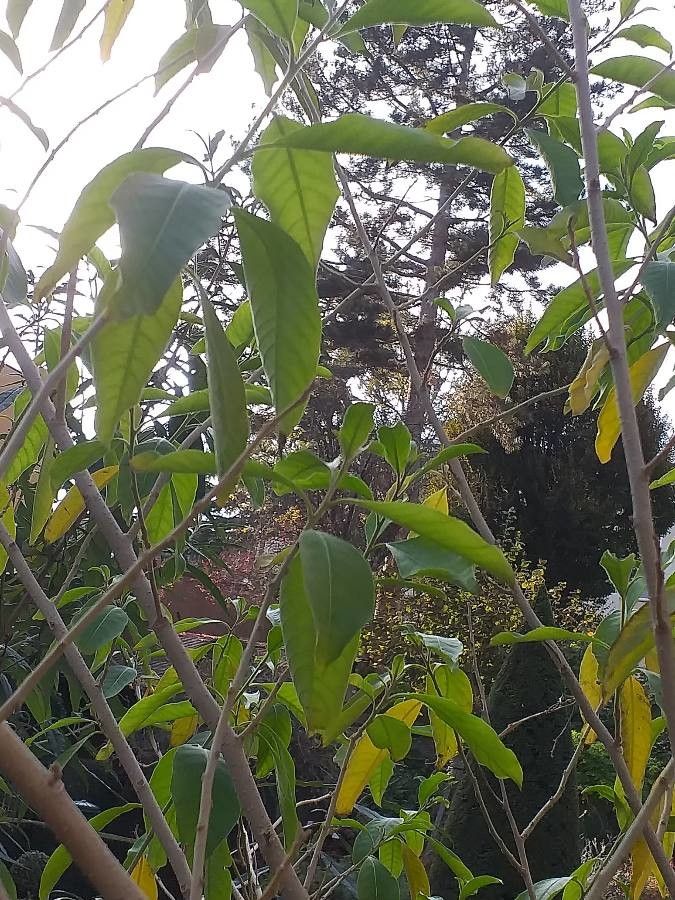
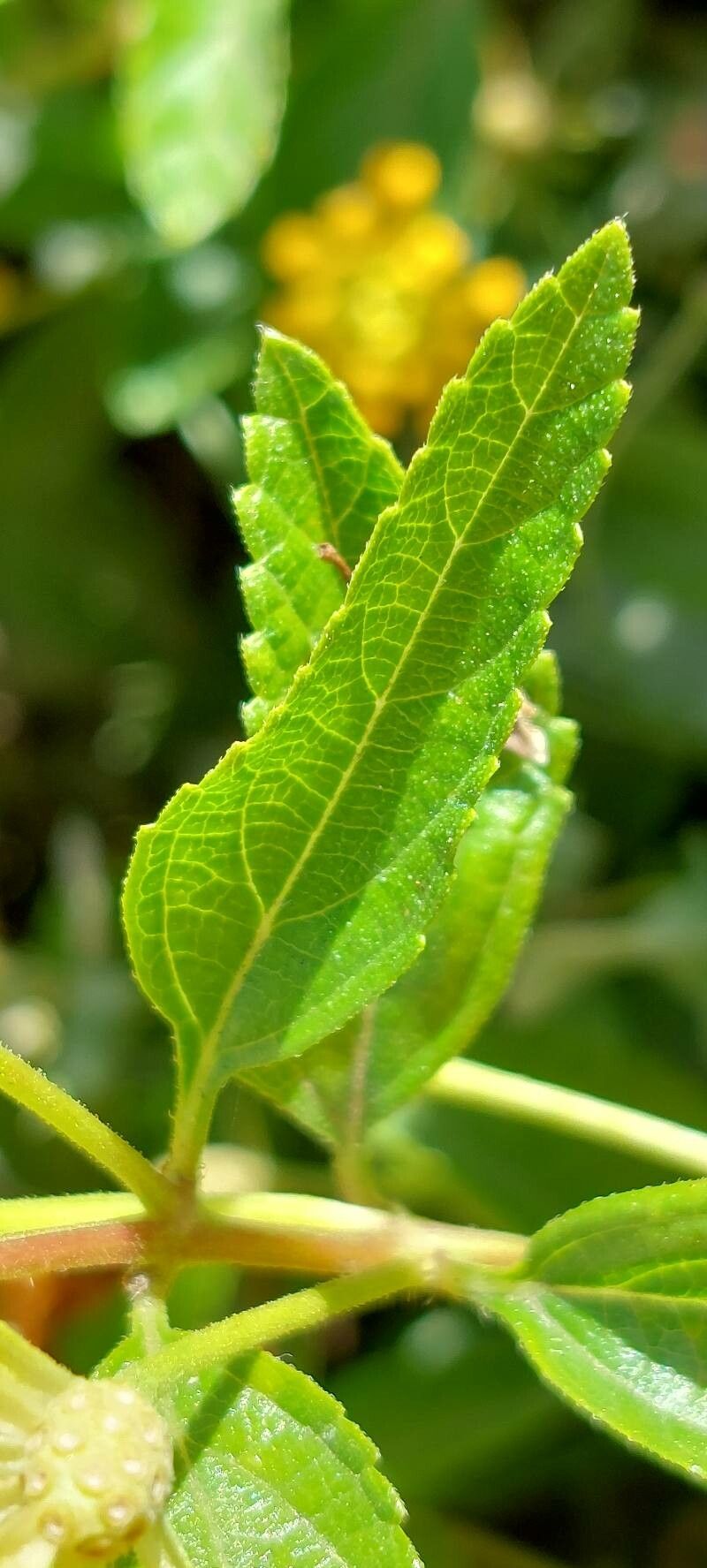
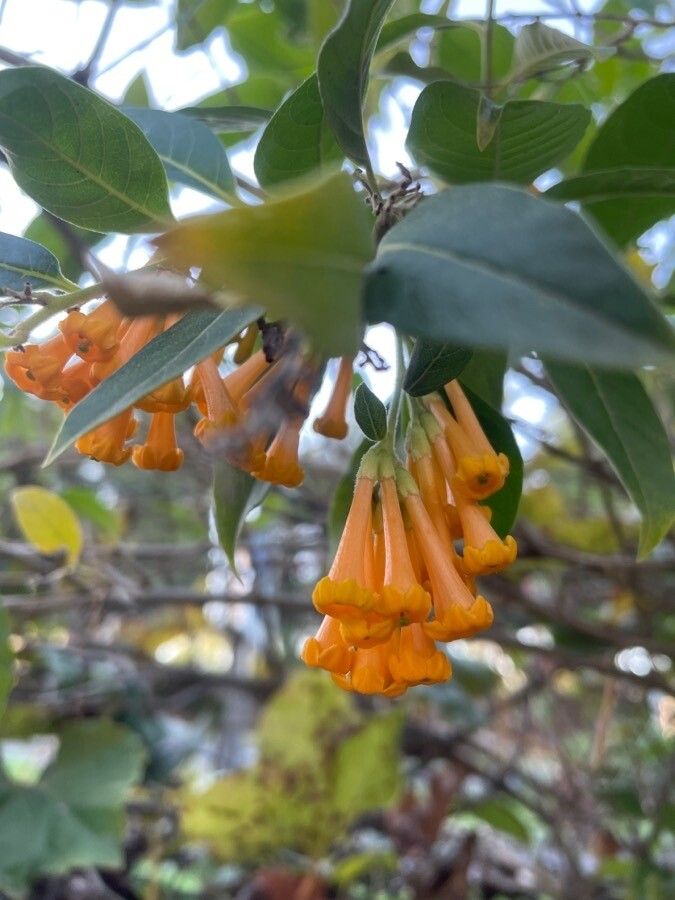
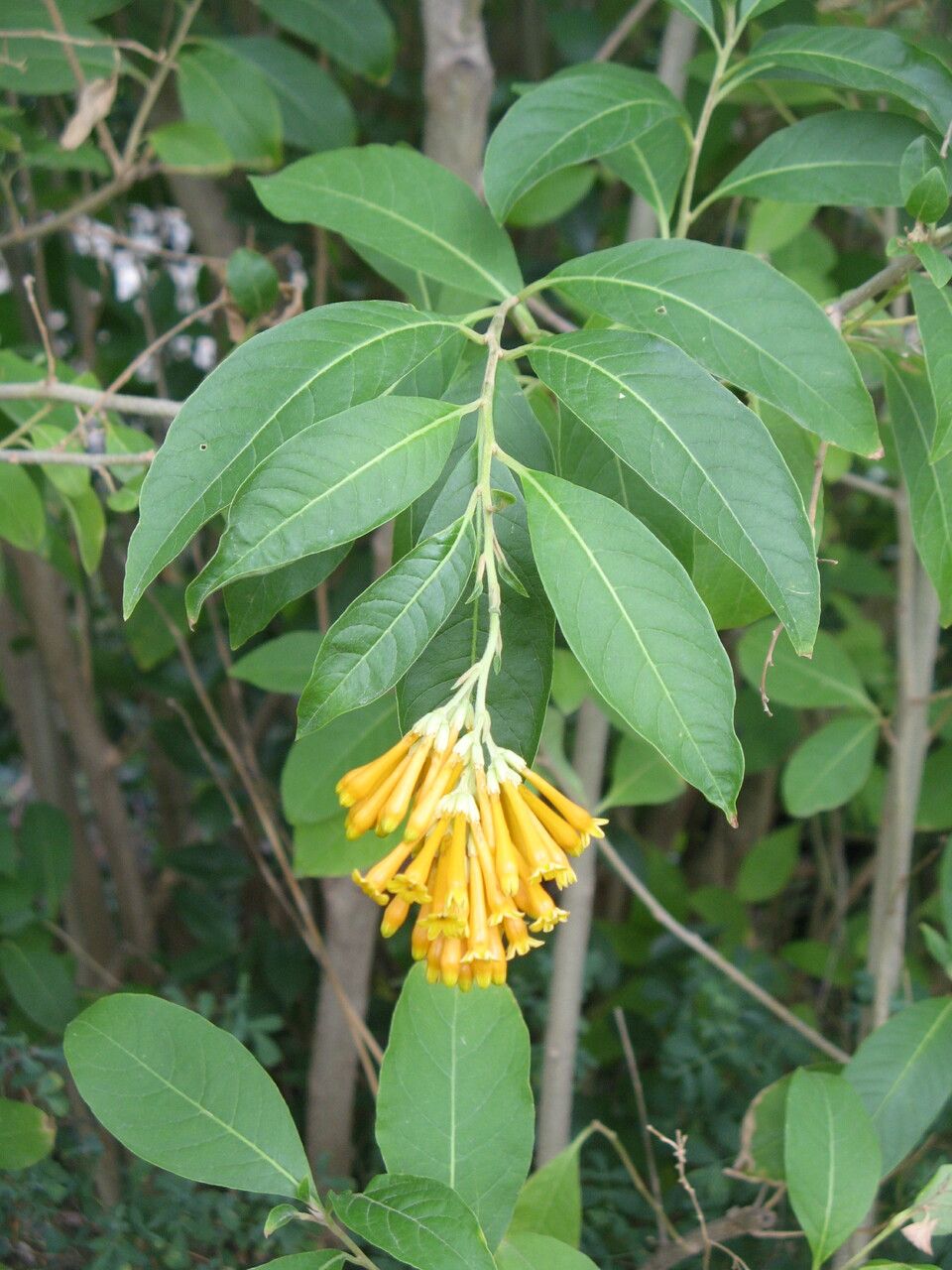
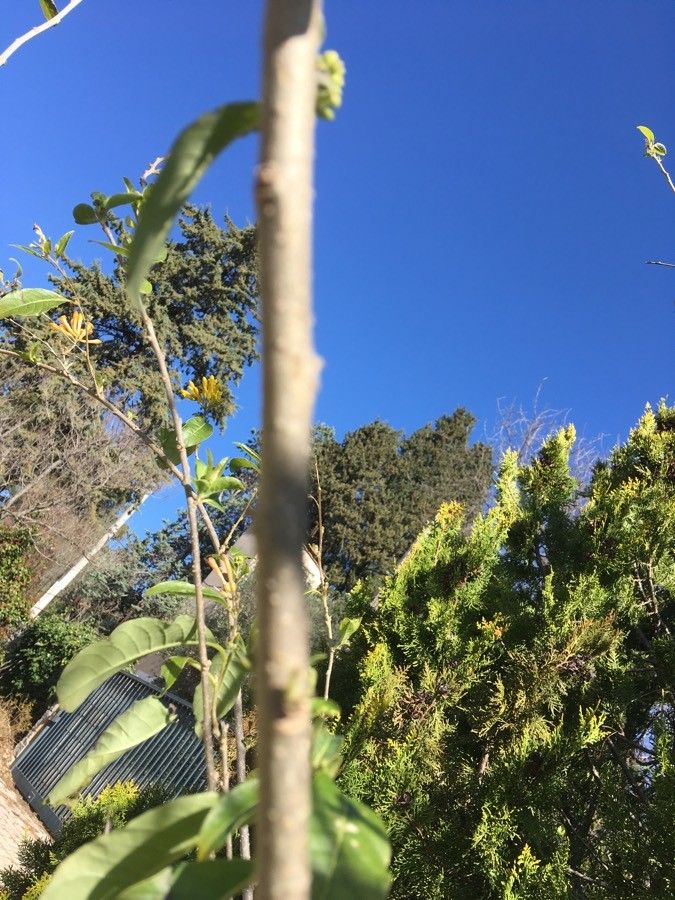
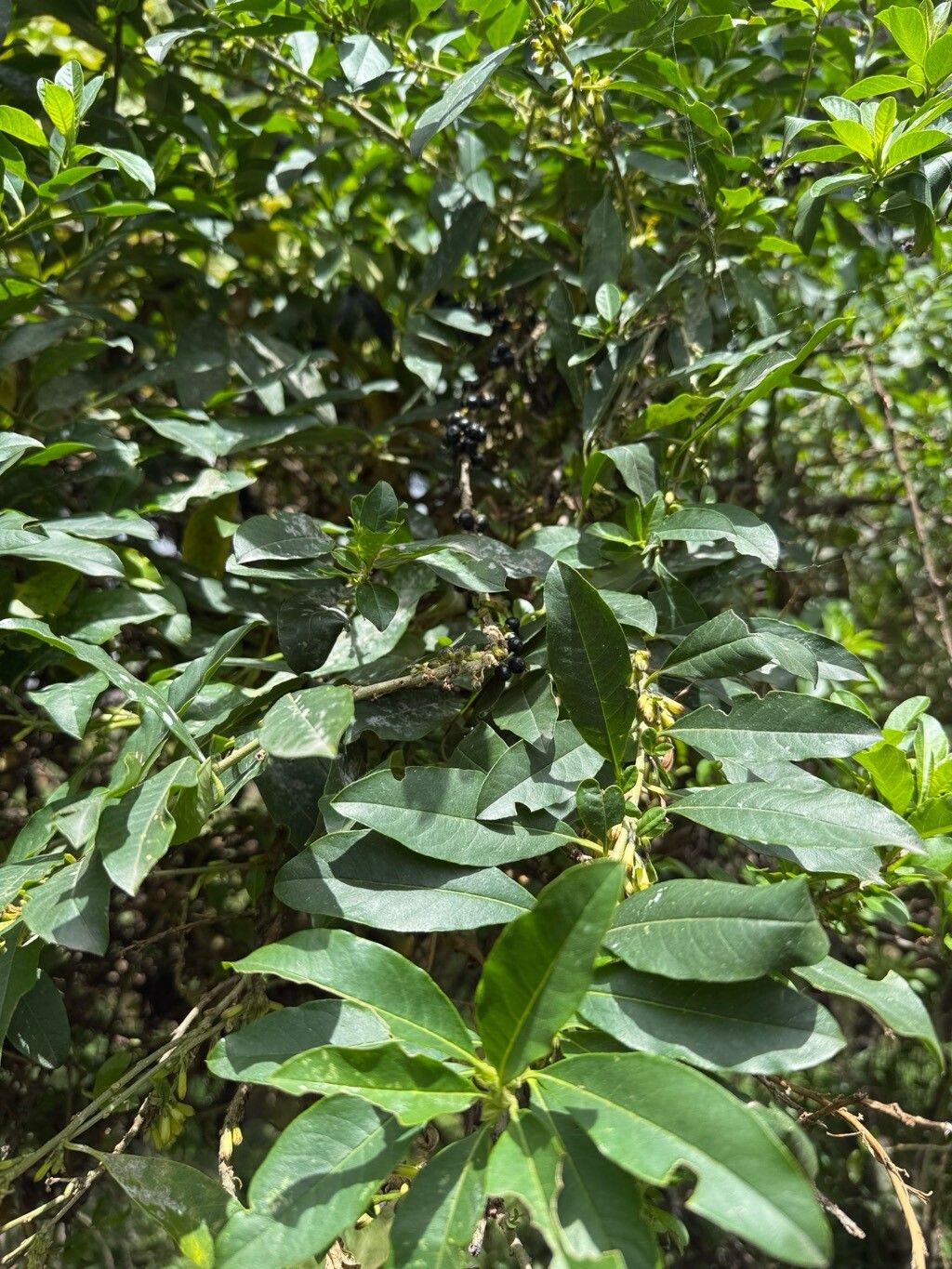
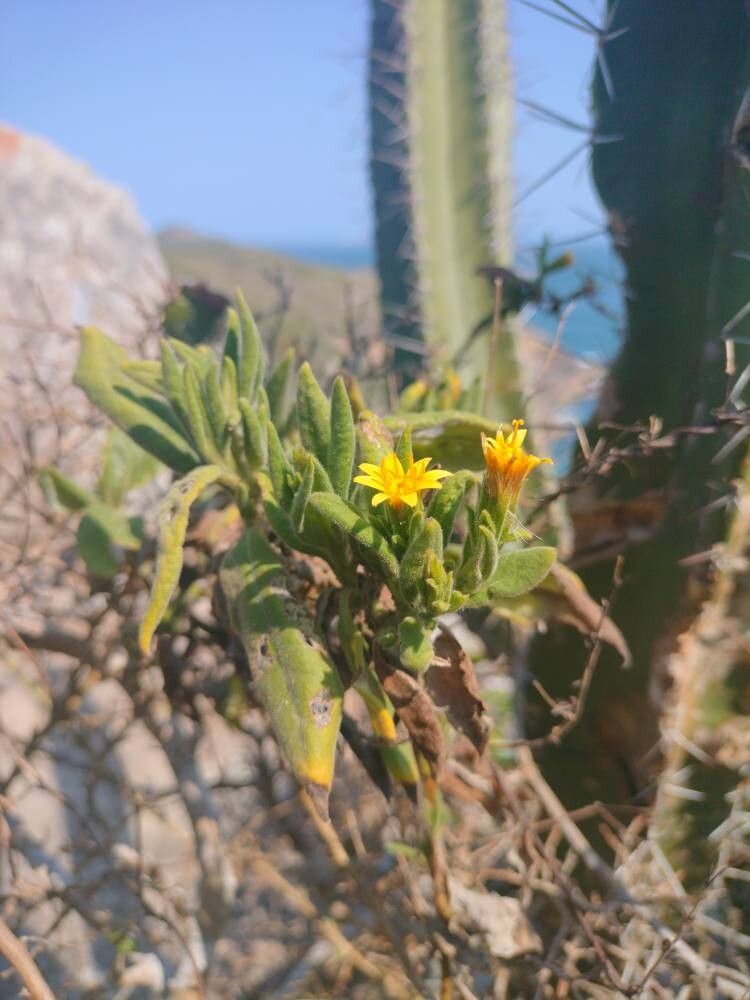
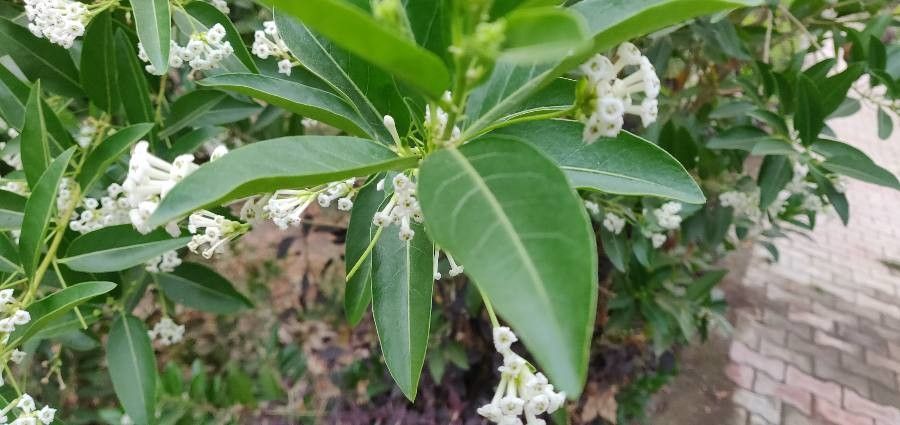
Cestrum aurantiacum, commonly known as Orange Cestrum or Orange Jessamine, is a flowering plant species in the Solanaceae family. Native to Central and South America, it is found in countries such as Mexico, Costa Rica, Colombia, Ecuador, and Peru.
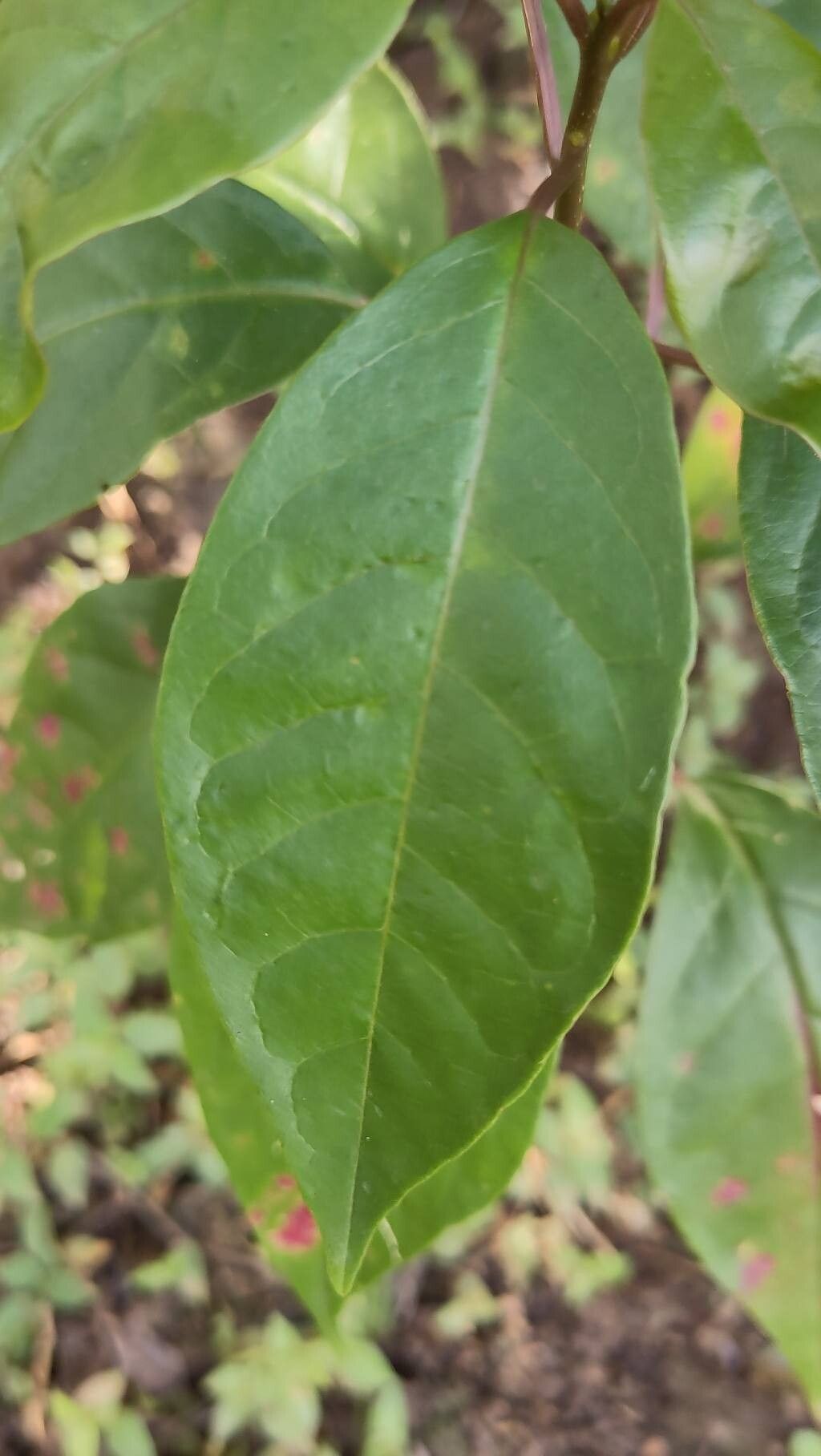
This plant can grow up to 3 meters tall and features glossy green leaves that are 10-15 cm long. Its trumpet-shaped flowers, which are bright orange, bloom in clusters from late spring through summer.
Cestrum aurantiacum is often cultivated as an ornamental plant because of its attractive flowers and foliage. It thrives in full sun or partial shade and prefers well-drained soil with regular watering.
Historically, indigenous people have used Cestrum aurantiacum for medicinal purposes to treat ailments such as fever, coughs, and colds. However, it's important to note that the leaves contain toxic alkaloids, which can be harmful if ingested by humans or animals.
Overall, Cestrum aurantiacum is a beautiful flowering shrub that adds vibrant color to any garden, but it should be handled with care due to its toxic properties.
Orange cestrum is highly disease resistant and generally not susceptible to illnesses. In terms of maintenance, this plant is fairly low-maintenance. When grown outdoors it needs only minimal watering, and larger specimens typically do not require pruning. Smaller plants, however, should be pruned after they finish blooming. Orange cestrum is suitable for anyone with an outdoor area, such as a garden or a deck, and does not demand extensive care experience.
How to keep Cestrum Aurantiacum.
Light
The orange cestrum does best in moderate sunlight, although it tolerates areas that receive more sun. In its native habitat it is accustomed to varying light levels throughout the day. Too much sun can cause its leaves to yellow, while too little light may limit its growth and flowering.
Water
Orange cestrum thrives in humid environments similar to its subtropical origins and has moderate drought tolerance. To ensure the plant stays well-hydrated, it should be watered weekly. Usually grown outdoors, orange cestrum flourishes in natural light and benefits from rainwater during the growing season, which enhances nutrient uptake and promotes growth.
Temperature
Orange cestrum shows strong temperature adaptability, tolerating higher heat and wide temperature fluctuations. In hot weather, care should be taken with watering and providing suitable shade to avoid sunburn. However, orange cestrum is less tolerant of cold; although it can endure some chill, excessively low temperatures can cause frost damage.
Fertilizer
The timing of fertilization is important for Orange cestrum. Apply fertilizer in early spring and continue once a month until early summer. Fertilizer encourages attractive blooms and supplies energy during both dormant and active growth stages.
Pruning
To enhance the health and appearance of your orange cestrum, it's best to prune it from early to late winter. Start by removing any dead branches and thinning out dense areas. This will improve air circulation and light penetration, which promotes abundant flowering, encourages strong growth, and helps prevent diseases and pests. Be sure to use clean, sharp tools to reduce stress and the risk of infection.
Pot & Repot
Repot your orange cestrum every 2 to 3 years in the spring, using a container that is one size larger than the current one. After repotting, keep the soil moist and place the plant in bright, indirect light to help it recover. With routine care, your orange cestrum will grow healthily and thrive.
Botanical profile.
- Plant Type
- Tree, Vine, Shrub
- Life Cycle
- Perennial
- Genus
- Cestrum
- Family
- Solanaceae
- Hardiness Zone
- 9-11
- Mature Height
- 1.83 m to 2.44 m
- Mature Spread
- 1.22 m to 1.52 m
- Leaf Color
- Green
- Leaf Type
- Evergreen
- Flower Color
- Orange
- Flower Size
- 2.54 cm
- Bloom Time
- Late spring, Summer, Fall
- Planting Time
- Summer, Autumn
- Harvest Time
- Fall, Early winter, Mid winter
- Native Area
- Honduras, Mexico, Guatemala, Venezuela, Nicaragua, Costa Rica, Panama
Other names.
Reader questions.
How should I water my Orange cestrum for the best results?
Watering your Orange cestrum is not too demanding, as you can use any common watering tool. Whether it's a watering can, hose, or even a cup, they will effectively moisten the plant's soil. Regardless of the tool you choose, it is important to water the soil directly and ensure all areas are evenly moistened to provide water to the entire root system. Using filtered water is helpful to avoid harmful particles from tap water. It is also advisable to use water at room temperature or slightly warmer, as very cold or hot water can be a bit shocking to the Orange cestrum. However, this plant generally responds well to any water you give it.
Why should I put fertilizer on my Orange cestrum?
Fertilizing your Orange cestrum is important for a few reasons. One obvious reason is that it will help the plant produce beautiful blooms. Fertilizing in early spring is particularly effective in ensuring excellent flowers during that season. Additionally, fertilizer provides the plant with energy that it can store in the ground during periods of dormancy. By giving your Orange cestrum extra nutrients during fall planting or late spring, it will have more energy to use when it resumes active growth.
What are the sunlight requirements for Orange Cestrum (Cestrum aurantiacum)?
Orange Cestrum (Cestrum aurantiacum) requires partial to full sun exposure to thrive. Partial sun refers to about 3-6 hours of sunlight per day, while full sun means the plant should receive more than 6 hours of sunlight daily. It's important to observe your garden to ensure the chosen spots offer a balance of light and shade, as this is essential for the health and happiness of your plants.
What is the botanical name of Orange cestrum?
The botanical name of Orange cestrum is Cestrum aurantiacum. This plant is known for its distinct characteristics, but specific details such as its symptoms, essential information, and additional notes were not provided.
What should I do if I give my Orange cestrum too much water or too little water?
Outdoor plants, especially newly planted ones or seedlings, are prone to lack of watering. It's important to water them consistently for the first few months, especially when they are small or recently planted. This is because once the roots are established, Orange cestrum plants can rely on rain for most of their water needs. If you have an Orange cestrum planted in a pot, overwatering is often a common issue. If you accidentally overwater your plant, take immediate action to minimize the negative effects. Stop watering the plant right away. Then, remove the Orange cestrum from its pot and check its roots. If there are no signs of root rot, you can return the plant to its container. However, if you find root rot, trim away the affected roots and consider applying a fungicide to prevent further damage. Finally, make sure to repot the Orange cestrum in well-draining soil. On the other hand, underwatering is an easier problem to solve. If you notice the plant's leaves drooping, drying out, or falling off, it means the plant is not getting enough water. Simply increase the frequency of watering, and the leaves should quickly return to their fullness. Correct the watering schedule as soon as you notice signs of underwatering.
When should I fertilize my Orange cestrum for the best results?
To effectively fertilize Orange cestrum, it is important to time your application correctly. Applying fertilizer while the plant is still dormant will be ineffective and may be wasteful due to rainwater washing it away. The first round of fertilizer should be applied in early spring, followed by monthly applications until early summer.
How does the Orange Cestrum react to different levels of sunlight?
The Orange Cestrum is adaptable to various levels of sunlight, flourishing under moderate sunshine but also capable of tolerating more sun. Originally from environments with varying light conditions throughout the day, it can experience leaf yellowing if exposed to too much sun, while inadequate light may impede its growth and flowering. To support growth in less sunny or winter conditions indoors, artificial lighting can be a valuable solution, with LED lights recommended for their customizability to plant needs.
How frequently should I water my Orange cestrum?
Most outdoor plants can grow normally with rainfall. However, if your area lacks rainfall, you should water your plants adequately every 2 weeks in spring and fall. In summer, you will need to water them more frequently. In winter, when growth is slower and plants require less water, water them sparingly. You may not need to water them at all throughout the winter. If your Orange cestrum is young or newly planted, it needs to be watered more often to help it establish and grow into a more adaptable and drought-tolerant plant. For potted plants, there are two main ways to determine how often to water your Orange cestrum. The first way is to follow a set watering schedule, such as once a week or once every other week. However, this may not always work as it doesn't consider the specific growing conditions of your Orange cestrum. The other approach is to gauge watering frequency based on the moisture in the soil. It's recommended to wait until the top two to four inches of soil, about ⅓ to ½ depth of the pots, have completely dried out before watering again.
When is not a good time to fertilize my Orange cestrum?
To optimize the flowering of Orange cestrum, it is advisable to avoid excessive nitrogen in its fertilizer. This can result in an abundance of leaves but fewer blooms. Instead, opt for a fertilizer that contains a lower level of nitrogen compared to other nutrients. Furthermore, it is not recommended to fertilize Orange cestrum after early autumn, as this can cause excessive growth just before winter. Similarly, during hot and dry periods, it is not advisable to apply fertilizer since dry soil does not effectively deliver the nutrients, and stimulating growth during this time may require more water that may not be available. It is best to apply fertilizer earlier in the season when temperatures are cooler. Lastly, it is important to be cautious as Orange cestrum can absorb fertilizer that has been applied to nearby plants or lawns. Therefore, be mindful to avoid inadvertently giving the tree or shrub a double-dose of fertilizer.
What are the symptoms of inappropriate light conditions for Orange Cestrum, and how can they be addressed?
Inappropriate light conditions can lead to several symptoms in Orange Cestrum, including small or pale new leaves, leggy growth, faster leaf drop, halted growth, chlorosis, sunscald, leaf curling, wilting and leaf scorching. To optimize growth, gradually increase sunlight exposure or use artificial light if the plant is large or hard to move. Outdoor plants should also be gradually acclimated to sunnier spots to prevent sunburn. If obstacles block sunlight, consider pruning or relocating smaller plants to sunnier areas. Note that parts of the plant damaged by insufficient light may not recover, but new healthy growth can be promoted through proper light management.
How much water does my Orange cestrum plant need?
To water your Orange cestrum effectively, keep in mind that it doesn't require a lot of water. If only a few inches of soil have dried since the last watering, give your plant about five to ten ounces of water. You can also gauge the volume based on the moisture in the soil. Check how many inches of soil have dried out between waterings. To ensure your Orange cestrum has enough moisture, water it enough to moisten all the dry soil layers. If more than half of the soil is dry, give more water until you see excess water draining from the pot's holes. If your Orange cestrum is planted outside in a location with sufficient rain, it may not need additional watering. For young or recently established plants, provide 1-2 inches of rainwater per week. As the plant grows and becomes established, it can survive solely on rainwater. Only if there is a prolonged period of hot weather without any rainfall for 2-3 weeks, consider giving your Orange cestrum a thorough watering to prevent stress.
What kind of fertilizer does my Orange cestrum plant need?
To help your Orange cestrum thrive, it's best to use a fertilizer with a balanced mix of plant nutrients, with slightly higher levels of phosphorus. Another option is to enrich the soil with organic materials like compost, worm castings, and manure. Experienced gardeners sometimes use water-soluble fertilizers with phosphorus when the flower buds emerge, resulting in better flower development, larger blooms, and longer blooming periods. There are various types of fertilizers available, but liquid or powdered forms are highly recommended for Orange cestrum. Remember to dilute the fertilizer and apply it while watering your plant.