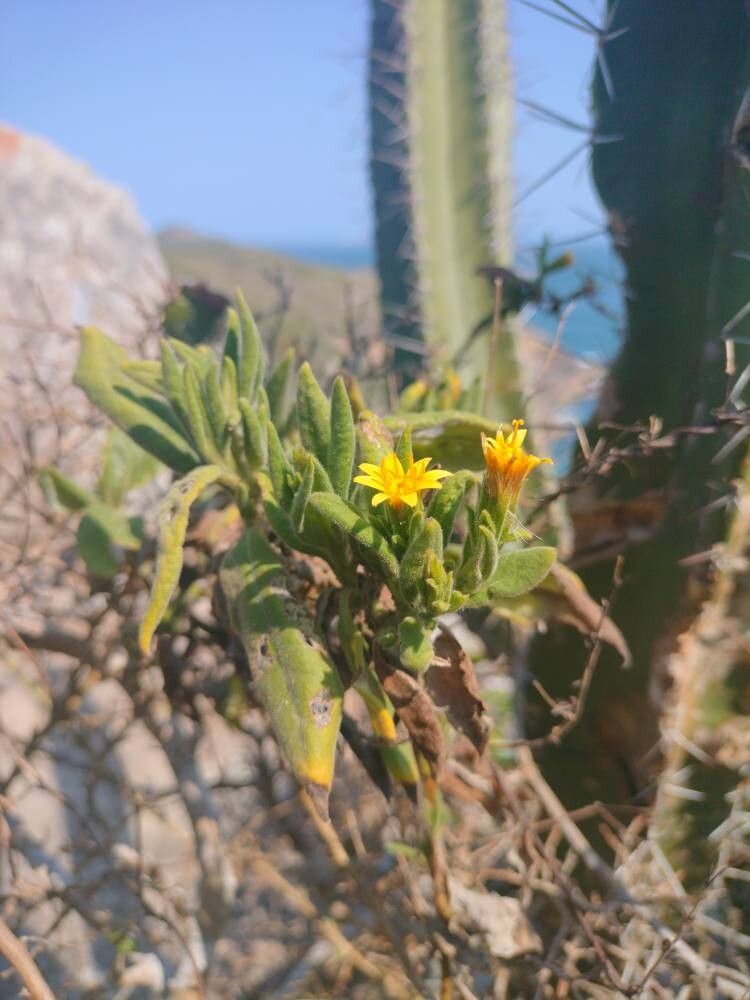
Cestrum diurnum, commonly known as Day-blooming Jasmine or Lady of the Night, is a flowering plant species in the Solanaceae family. Native to Central and South America, it has been introduced and naturalized in many tropical regions worldwide.
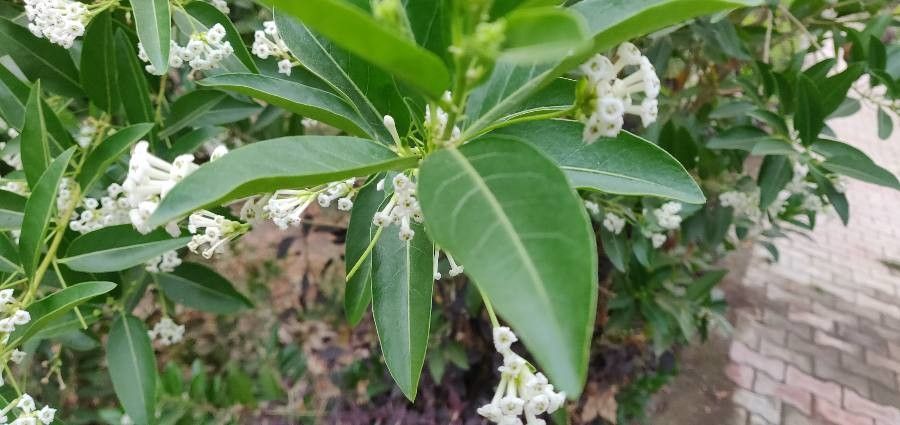
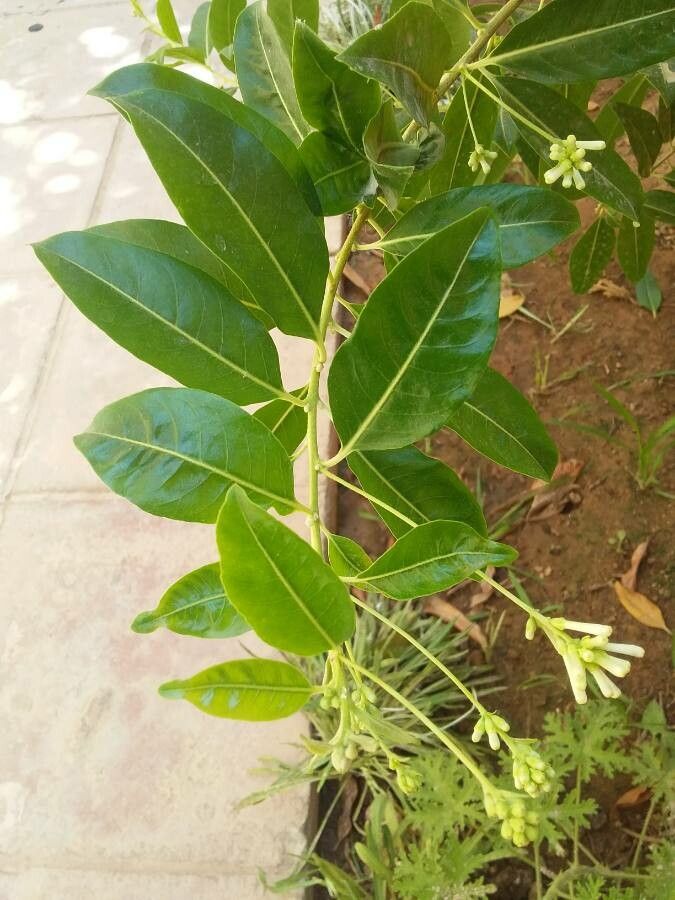
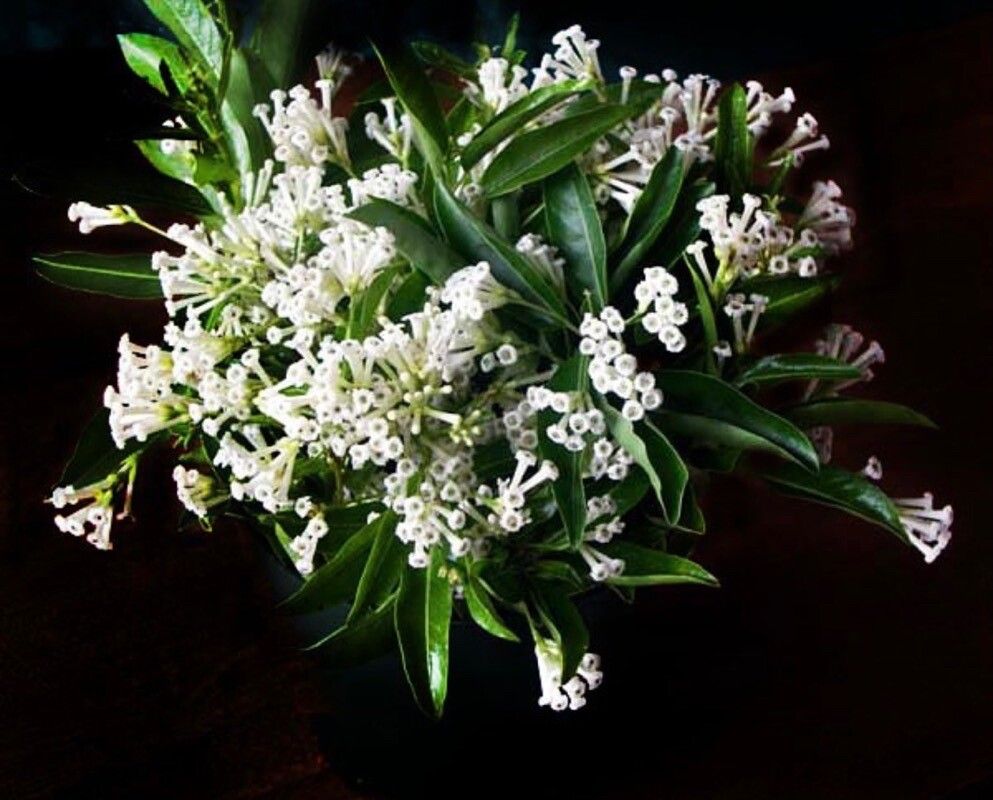
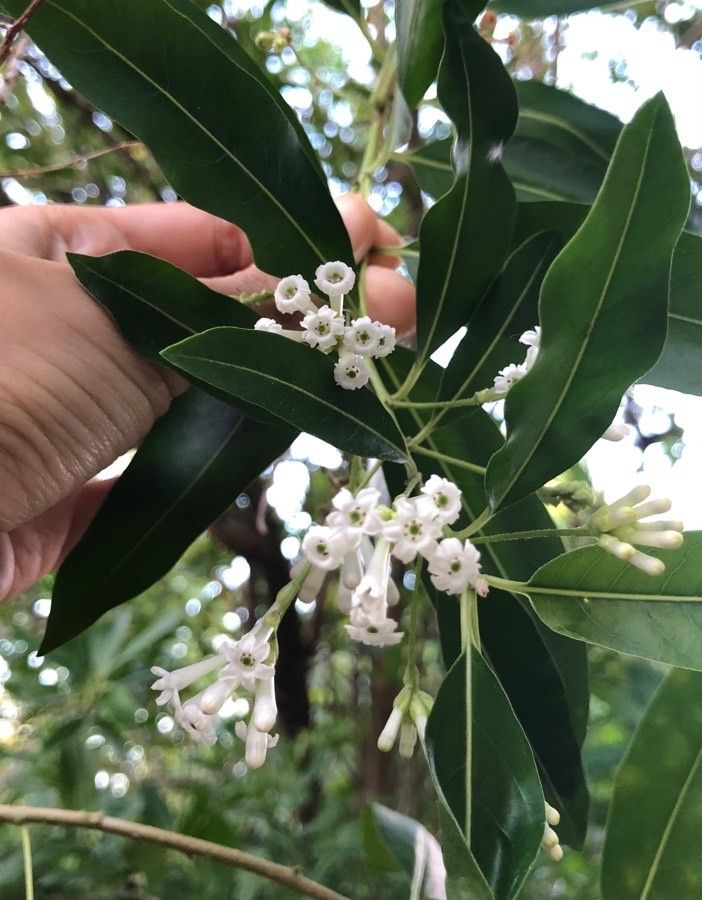
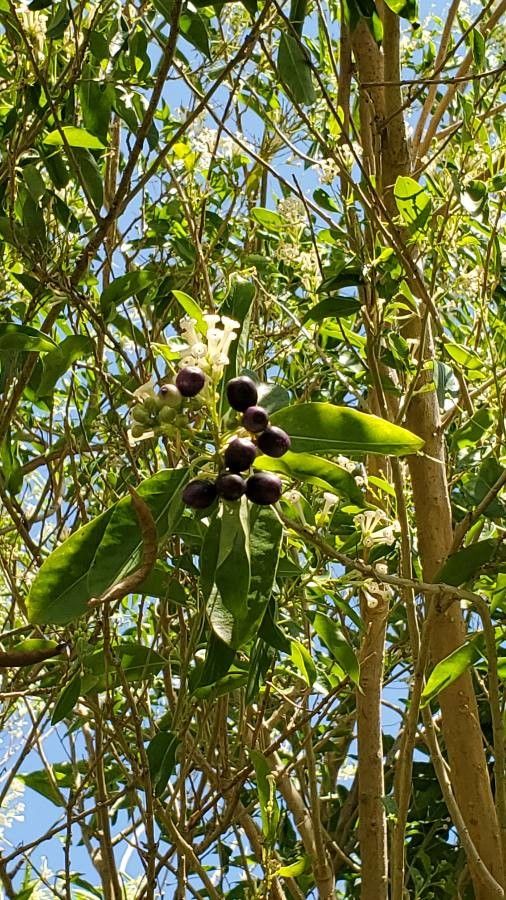
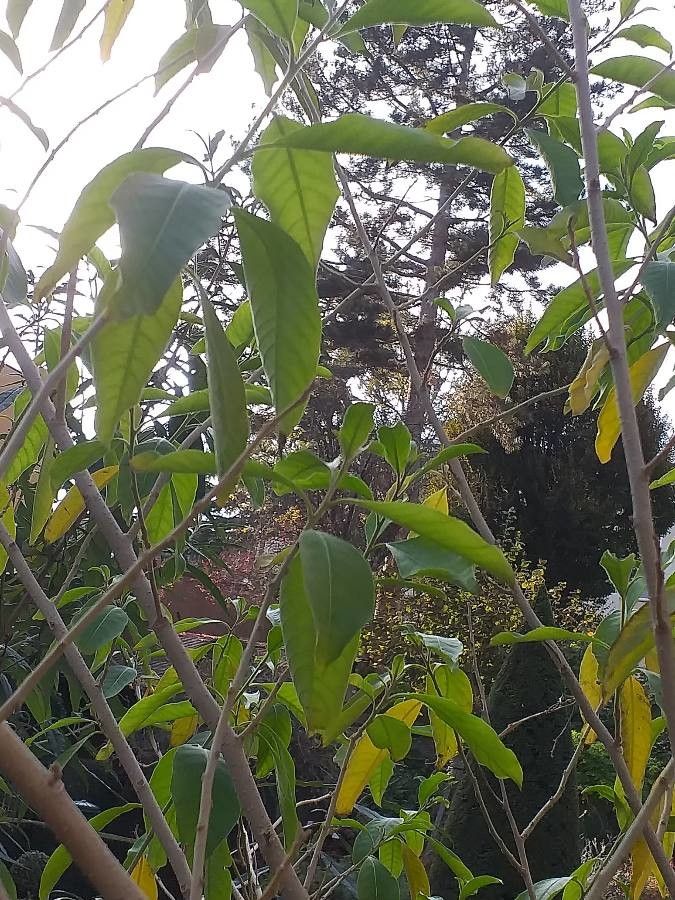
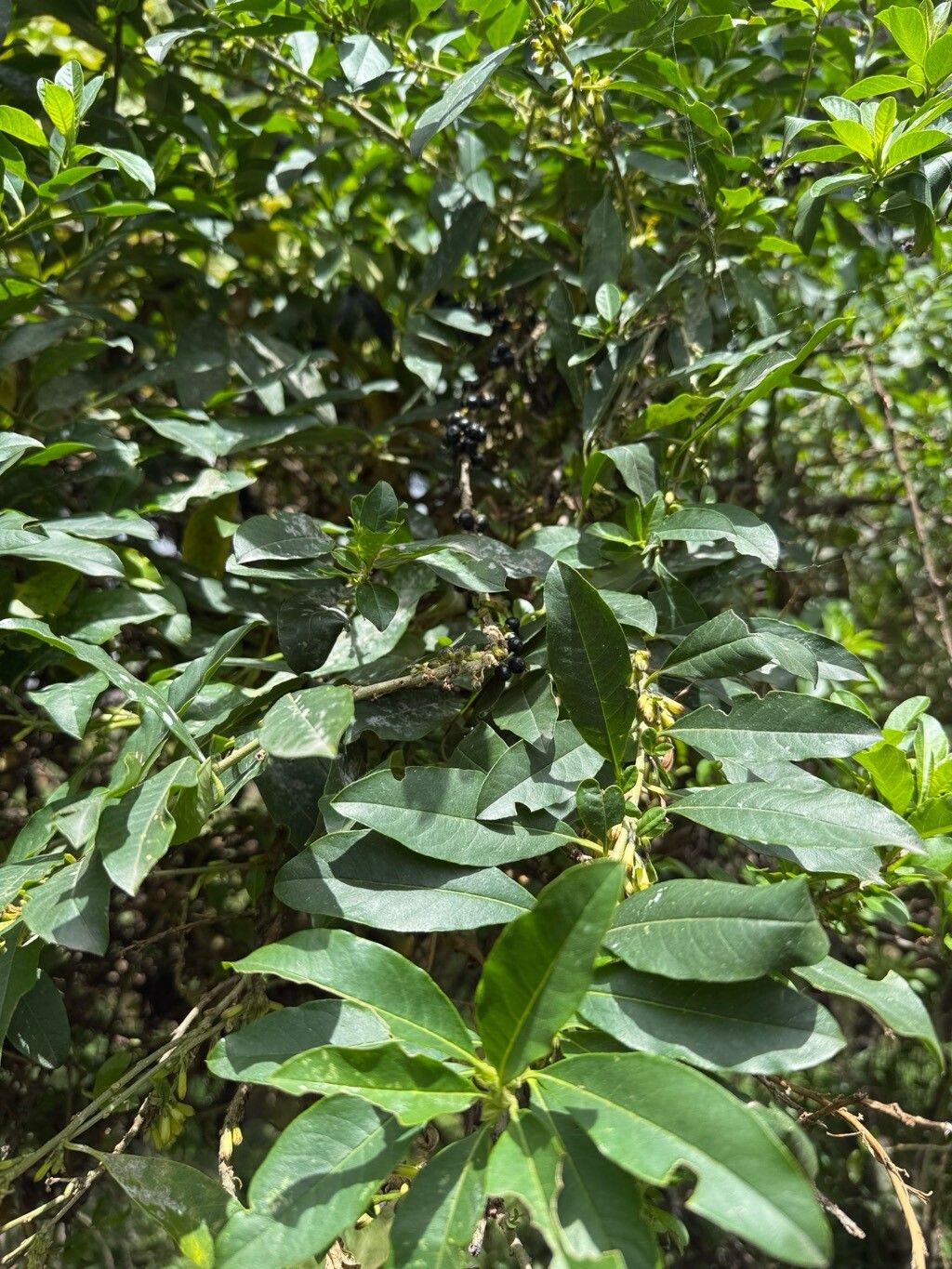
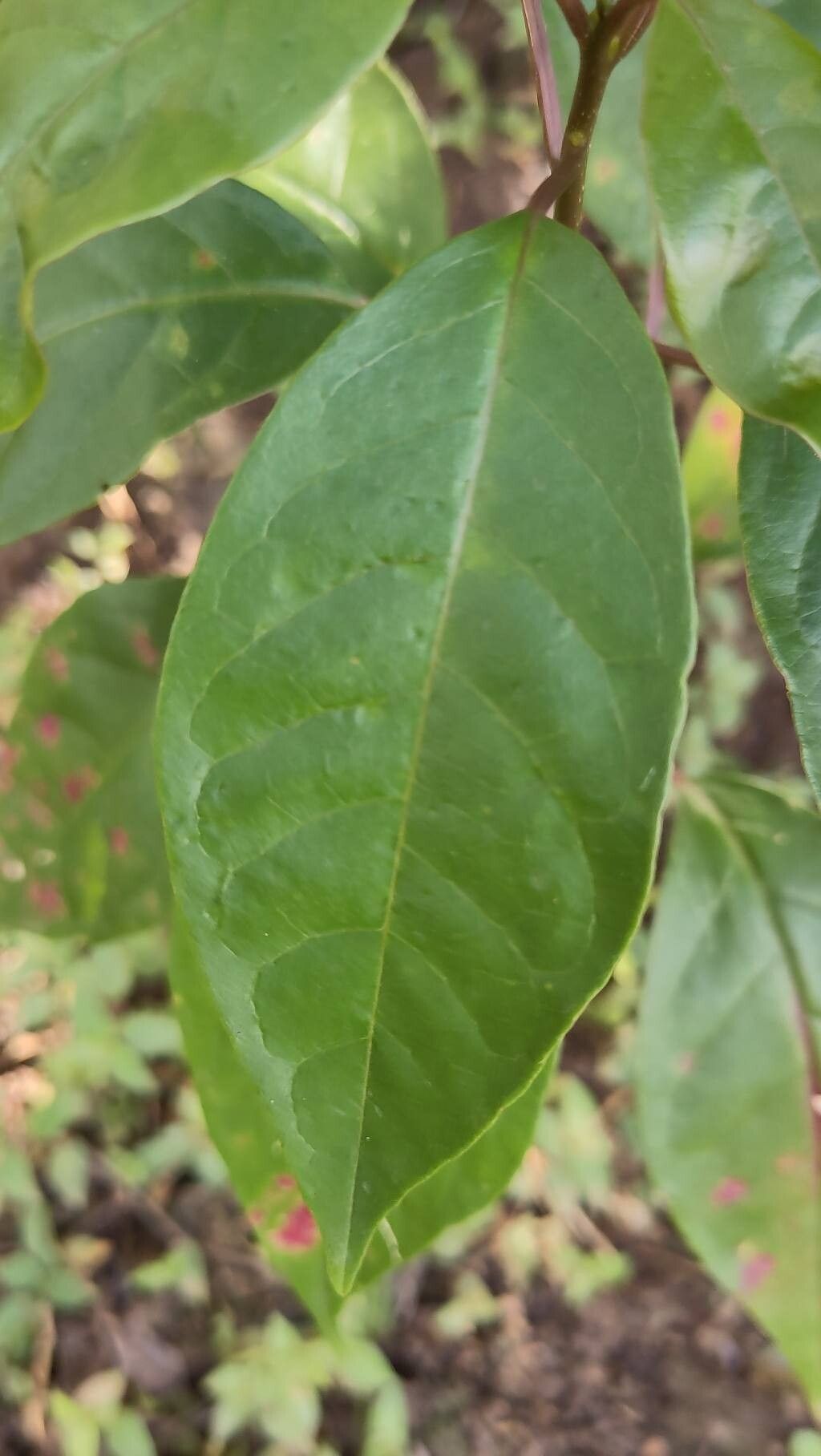
This plant grows as a shrub or small tree, reaching heights of up to 3 meters. It features glossy green, oval-shaped leaves with pointed tips. The flowers are small and tubular with five white petals that bloom during daylight hours, emitting a sweet fragrance.
Cestrum diurnum is often cultivated as an ornamental plant for its aromatic flowers, which attract bees, butterflies, and birds. It thrives best in full sun but can also tolerate partial shade, provided the soil is well-drained.
However, it is important to note that the leaves of Cestrum diurnum contain toxic alkaloids that can be harmful if ingested by humans or animals, so it should be handled with care.
In traditional medicine practices in countries such as India and Mexico, Cestrum diurnum has been used for its medicinal properties, including treating fever symptoms and respiratory issues. However, further research is needed to substantiate these claims.
Overall, Cestrum diurnum is an attractive ornamental shrub that enhances garden beauty while offering ecological benefits by attracting pollinators like bees and butterflies.
Day jessamine is disease-resistant and generally not susceptible to illnesses. In terms of maintenance, this plant is fairly low-maintenance. When grown outdoors it needs only light watering, and larger plants typically do not require pruning. Smaller plants, however, should be pruned after they finish blooming. Day jessaminet is appropriate for anyone with an outdoor area, such as a garden or deck, and does not demand extensive gardening experience.
How to keep Cestrum Diurnum.
Light
Day jessamine is native to open habitats, like sunny meadows and forest margins, which supply plenty of light. It flourishes in Full Sun but can also endure Partial Sun, adapting well to a range of sunlight conditions.
Water
Day jessamine flourishes in tropical environments that offer consistent moisture and high humidity. It typically requires watering every 1-2 weeks to maintain balanced soil moisture. Being an evergreen plant, day jessamine keeps its foliage throughout the year and effectively manages water loss through transpiration, even as temperatures fluctuate.
Temperature
Day jessamine comes from tropical areas, where the climate is generally warm and humid. Consequently, it is well adapted to high temperatures and moisture. It does not tolerate sudden temperature changes and prefers a stable thermal environment, so it is important to avoid temperature fluctuations indoors. It usually cannot withstand cold and requires higher temperatures to grow. If the surrounding temperature falls too low, the plant may stop growing or even die.
Fertilizer
Fertilize a Day jessamine in early spring when it breaks dormancy. This encourages overall growth and flower development. Feeding improves the foliage, stems, and branches, while encouraging flowers that are larger, more vivid, and longer-lasting. It helps transport nutrients from the roots to the blooms and boosts the plant’s health and resistance to disease.
Botanical profile.
- Plant Type
- Tree, Shrub
- Life Cycle
- Perennial
- Genus
- Cestrum
- Family
- Solanaceae
- Hardiness Zone
- 9-11
- Mature Height
- 2.13 m to 3.96 m
- Mature Spread
- 1.52 m to 2.44 m
- Leaf Color
- Dark Green
- Leaf Type
- Evergreen
- Flower Color
- White
- Flower Size
- 1.52 cm to 2.03 cm
- Bloom Time
- All year round
- Planting Time
- Spring, Autumn
- Harvest Time
- All year round
- Native Area
- Cuba, Honduras, Mexico, Venezuela, Jamaica
Other names.