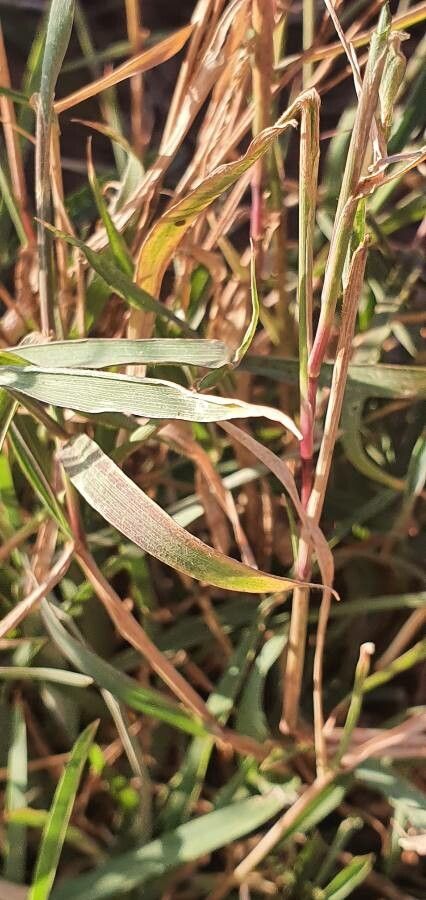
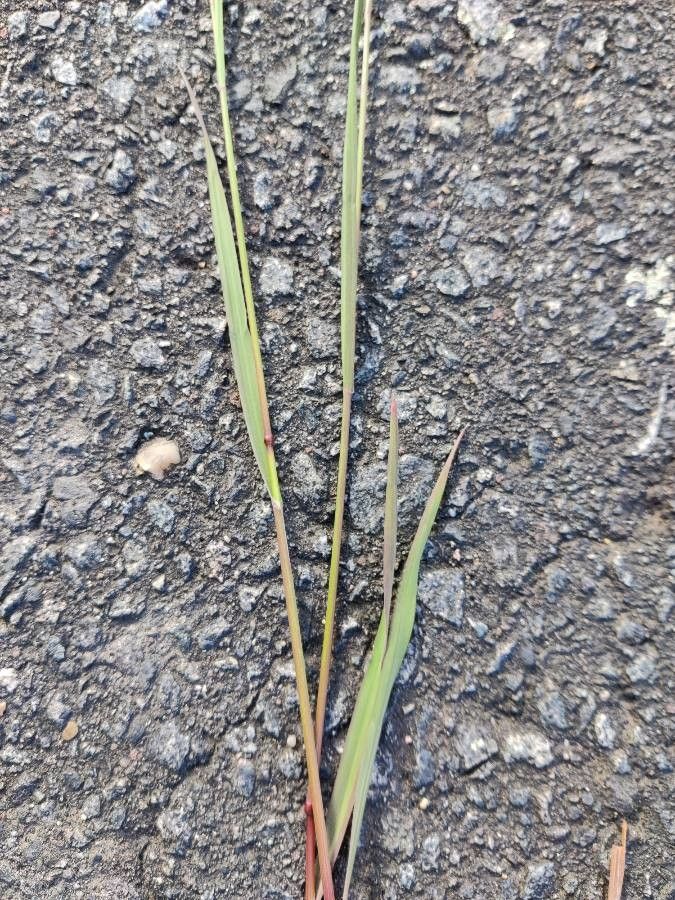
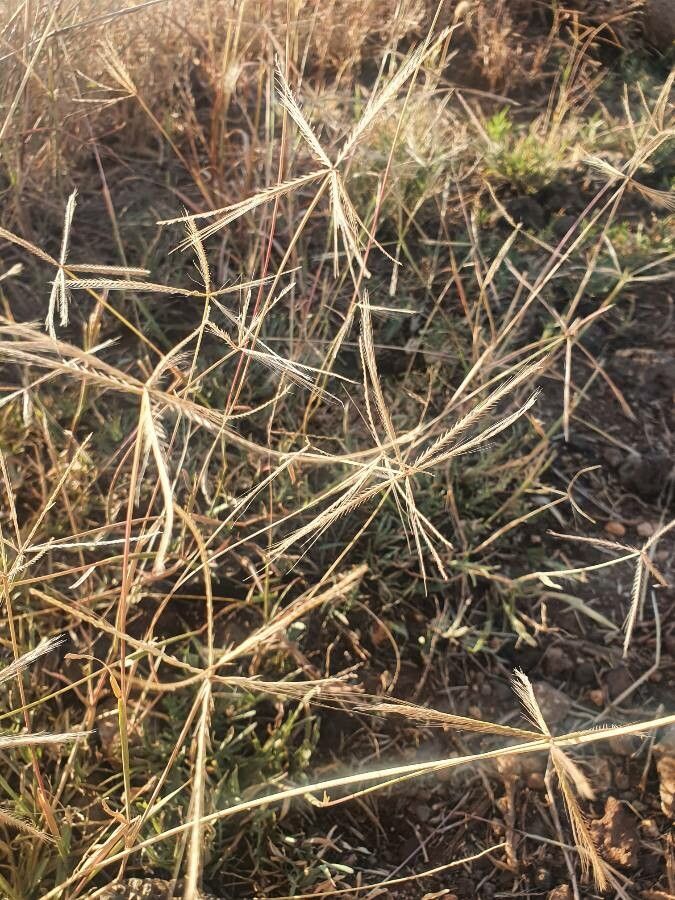
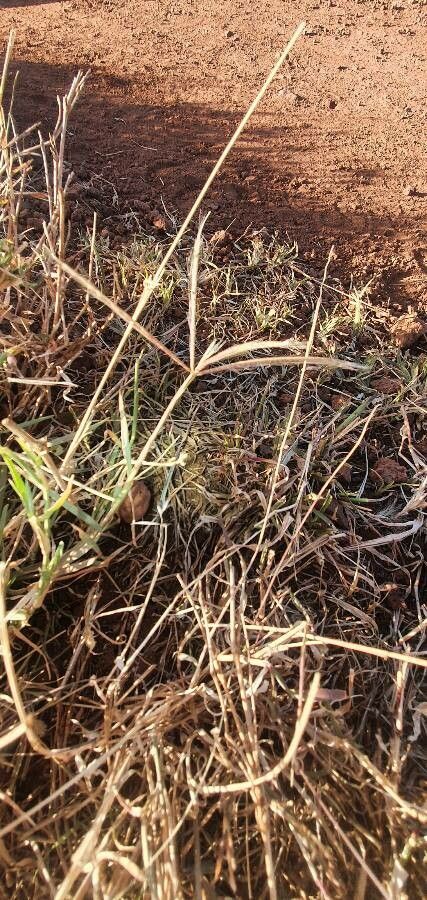
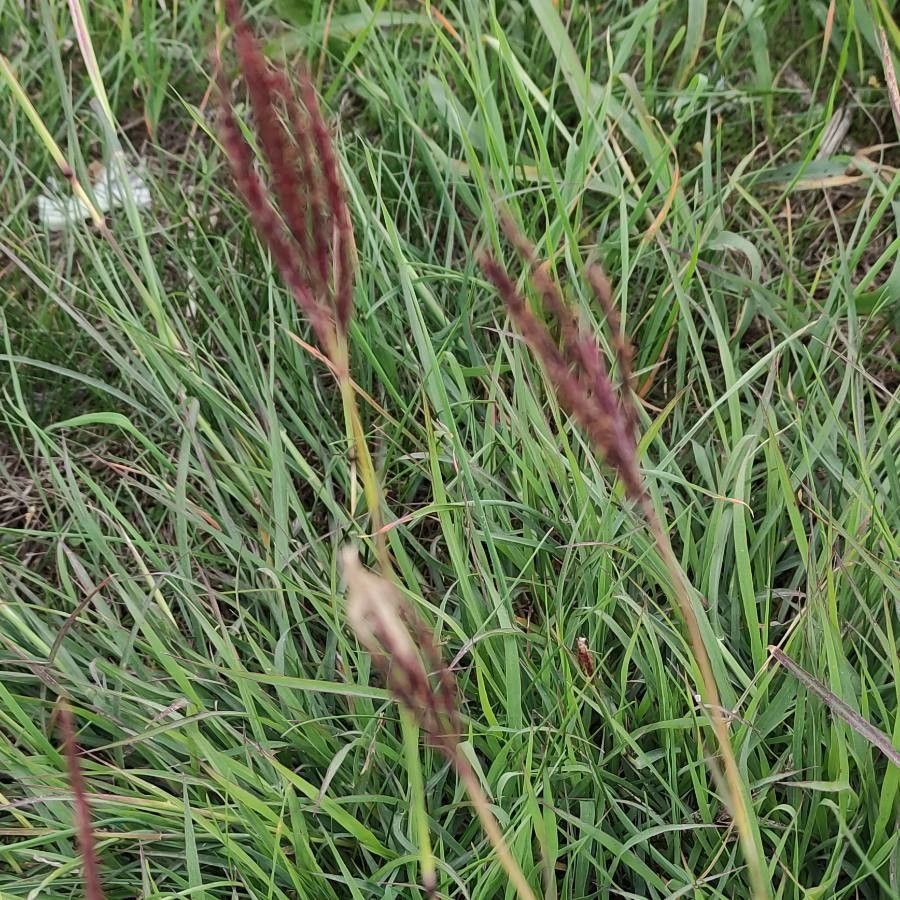
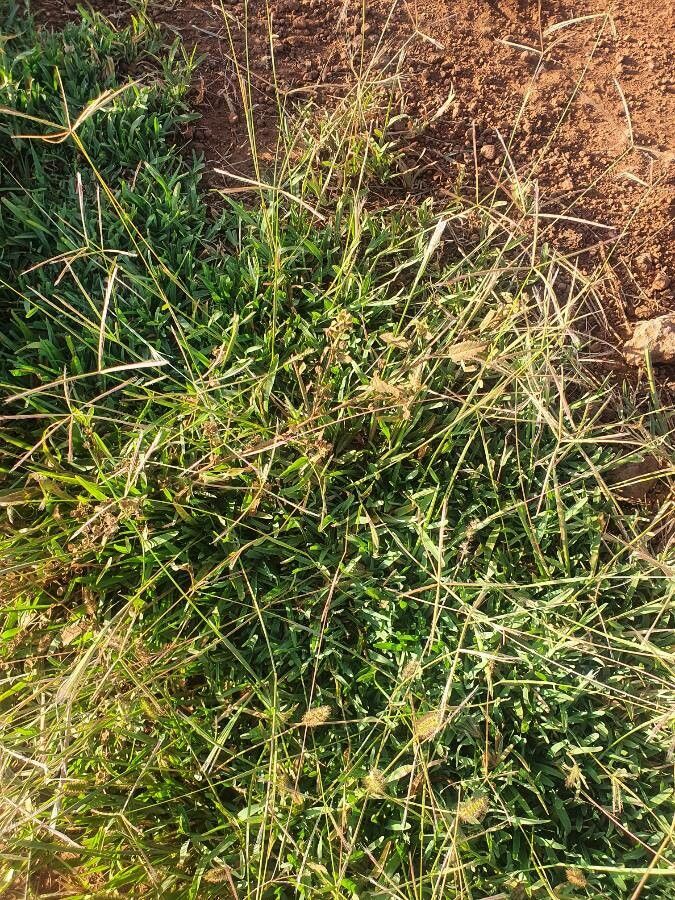
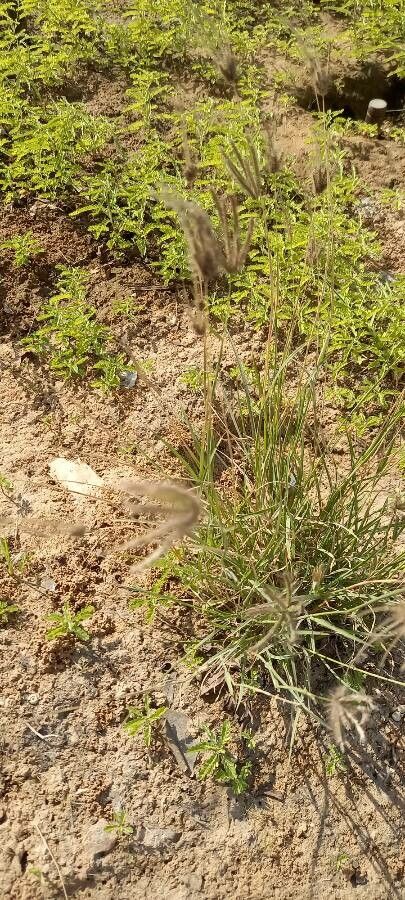
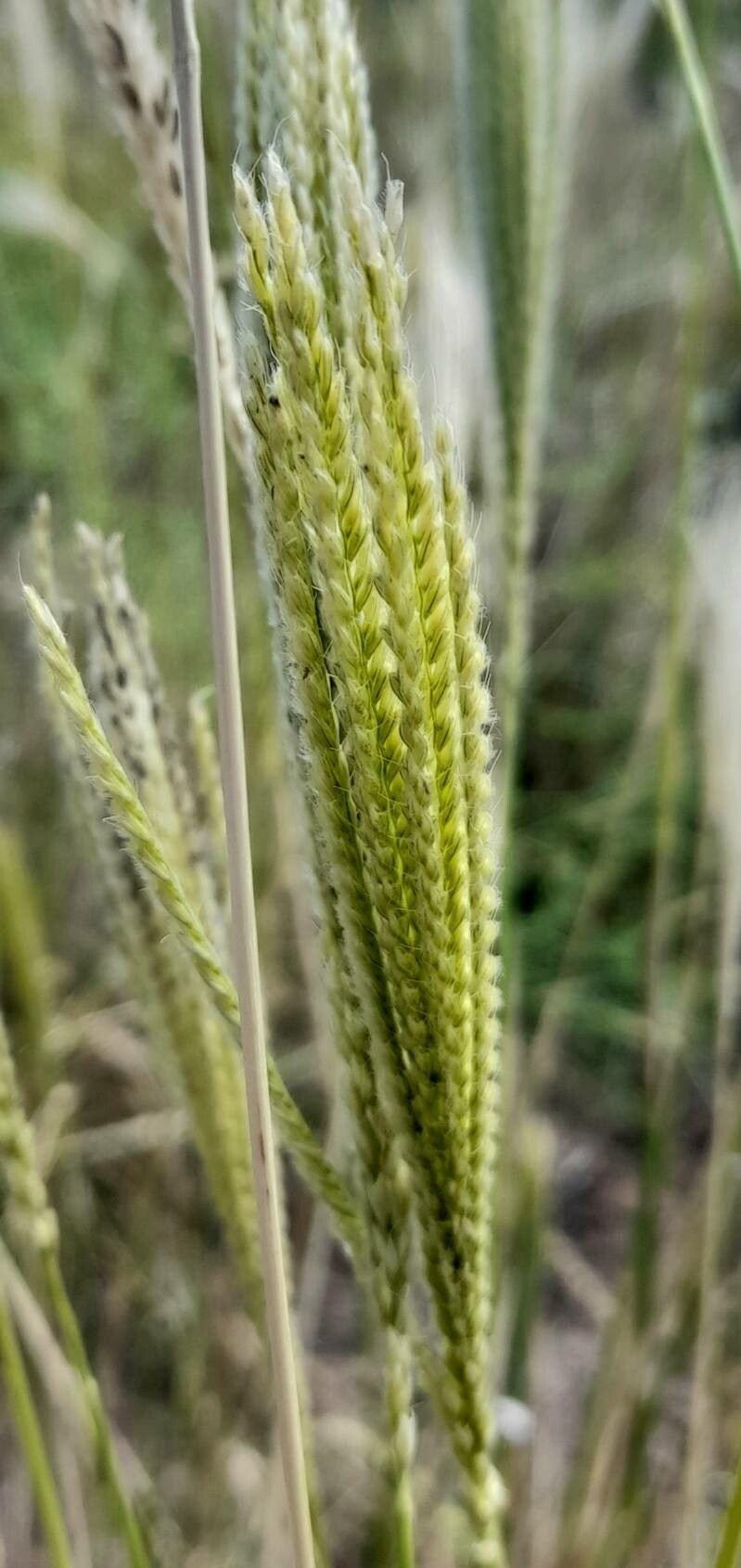
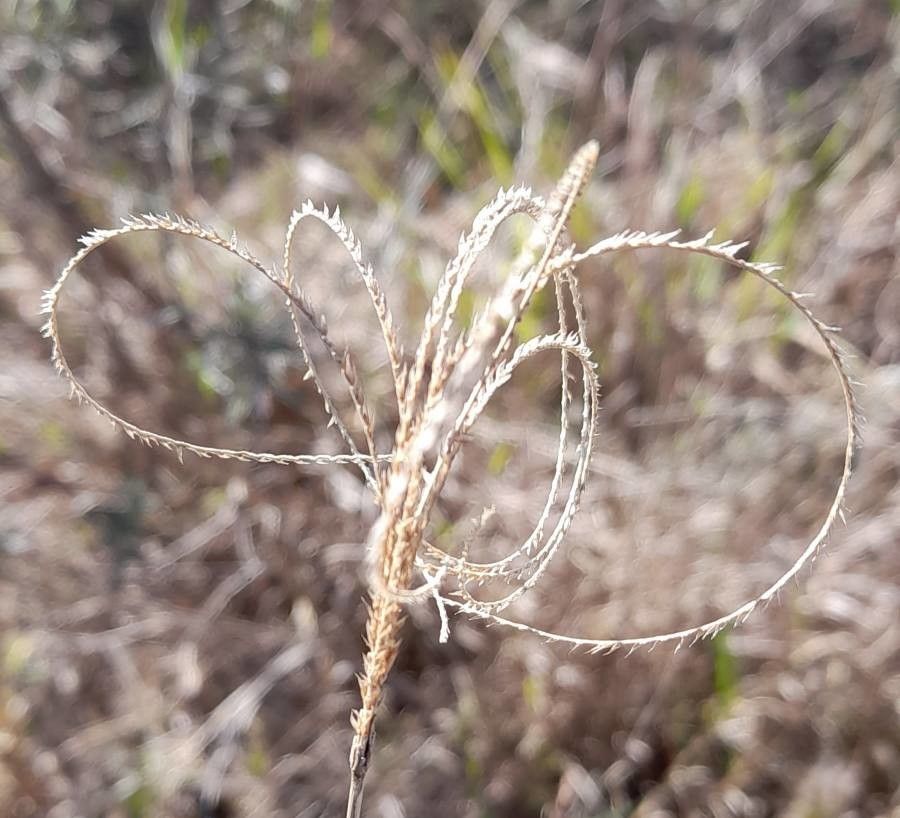
Chloris pycnothrix, commonly known as the hairy chloris or hairy windmill grass, is a species of grass in the Poaceae family. Native to Australia, it thrives in diverse habitats including open woodlands, grasslands, and disturbed areas.
This plant exhibits a tufted growth habit, with stems that can reach heights of up to 60 cm. Its narrow leaves have a rough texture and are covered with hairs on both sides. The inflorescences are comprised of spikelets arranged in clusters at the tips of the stems.
Well-adapted to dry conditions, Chloris pycnothrix is drought-tolerant, making it an excellent choice for landscaping projects in arid regions. Furthermore, it serves as a food source for grazing animals such as cattle, sheep, and kangaroos.
In traditional medicine, Chloris pycnothrix has been prized for its anti-inflammatory properties and has been used to treat conditions such as arthritis and rheumatism.
Overall, Chloris pycnothrix is a significant species due to its ecological value and potential medicinal benefits.
Spiderweb chloris shows strong disease resistance and is usually not susceptible to illnesses. In terms of care, this plant is fairly low-maintenance. When grown outdoors, it needs only minimal watering, and larger plants typically do not require pruning. Smaller plants, however, should be pruned after they have finished blooming. Spiderweb chlorist is suitable for anyone with an outdoor area, such as a garden or a deck, and does not demand extensive care experience.
How to keep Chloris Pycnothrix.
Light
Spiderweb chloris is a sun-loving perennial herbaceous plant native to open habitats and commonly found in meadows and grasslands. It prefers full sun but can also tolerate partial sun.
Water
Spiderweb chloris, native to semi-arid regions, is a drought-tolerant plant that thrives with weekly watering to maintain balanced moisture. It flourishes outdoors in open fields and is highly adaptable to fluctuating rainfall, making it an excellent choice for gardens with irregular rainfall patterns.
Temperature
Spiderweb chloris comes from tropical areas, where the weather is usually warm and humid. Consequently, it is suited to high heat and humidity. It dislikes abrupt temperature changes and prefers a consistent temperature, so it's important to prevent indoor temperature fluctuations. It generally cannot withstand cold conditions and needs higher temperatures to grow. If the ambient temperature becomes too low, the plant may stop growing or even die.
Fertilizer
Spiderweb chloris needs extra nutrients to encourage healthy new growth. In spring, putting some compost around the plant's base will effectively supply the nutrition it requires. Fertilizing supports vigorous growth and helps the plant withstand diseases and pests.
Pruning
To promote healthy growth in spiderweb chloris, prune the plant in early spring. Remove any dead or diseased stems and trim overgrown areas. This process enhances airflow, encourages new growth, and prevents legginess. Ultimately, it improves flowering and vigor, making pruning essential for maintaining optimal garden health.
Botanical profile.
- Plant Type
- Grass
- Life Cycle
- Perennial
- Genus
- Chloris
- Family
- Poaceae
- Hardiness Zone
- 8-11
- Mature Height
- 34 cm to 61 cm
- Mature Spread
- 20 cm to 40 cm
- Leaf Color
- Light Green
- Leaf Type
- Evergreen
- Flower Color
- White, Yellow
- Flower Size
- 0.03 cm to 0.08 cm
- Bloom Time
- Summer, Early fall, Mid fall
- Planting Time
- Spring, Summer
- Harvest Time
- Mid summer, Late summer, Fall
- Native Area
- Djibouti, Somalia, Lesotho, Egypt, Angola, Namibia, Madagascar, Rwanda, Eritrea, Nigeria, Yemen, Kenya, Uganda, Tanzania, Sierra Leone, Equatorial Guinea, Cameroon, Burundi, Venezuela, Brazil, Ghana, Ethiopia, Botswana, Congo, Central African Republic, Saudi Arabia, Peru, South Africa, Sudan, Guinea, Colombia, Bolivia, Nicaragua, Eswatini, Côte d'Ivoire, Ecuador, Congo (DRC), Gabon
Other names.
Reader questions.
What are the sunlight requirements for Spiderweb chloris?
Spiderweb chloris thrives in full sun, requiring more than 6 hours of sunlight daily, but it can also tolerate partial sun conditions, which provide about 3-6 hours of sunlight. It is essential to observe the movement of sunlight through your garden to find spots that offer a perfect balance of light and shade, ensuring the plant's happiness and optimal growth.
How can artificial lighting support Spiderweb chloris indoors?
For Spiderweb chloris kept indoors where natural sunlight might be insufficient, especially during winter or in less sunny spaces, artificial lighting becomes crucial. LED lights are recommended because they can be customized to provide specific light wavelengths needed by plants. The appropriate artificial light intensity depends on the plant's sunlight needs: full sun plants require 30-50W/sq ft, partial sun plants need 20-30W/sq ft, and full shade plants need 10-20W/sq ft. The light source should be placed 12-36 inches above the plant to mimic the natural sunlight, and the duration should replicate natural daylight hours, generally 8-12 hours per day, to promote faster, healthier growth.
What are symptoms of inadequate lighting in Spiderweb chloris, and how can they be remedied?
Symptoms of inadequate lighting for Spiderweb chloris include smaller new leaves, leggy or sparse growth, premature leaf drop, slower or halted growth, paler new leaves, chlorosis, sunscald, leaf curling, wilting, and leaf scorching. Solutions include gradually moving indoor plants to sunnier locations to ensure at least 6 hours of direct sunlight daily, using artificial light for additional support, and for outdoor plants, selecting the best spot for sunlight and minimizing obstructions like trees by pruning. Affected parts of the plant may not recover, but new growth should be healthy with increased light exposure.