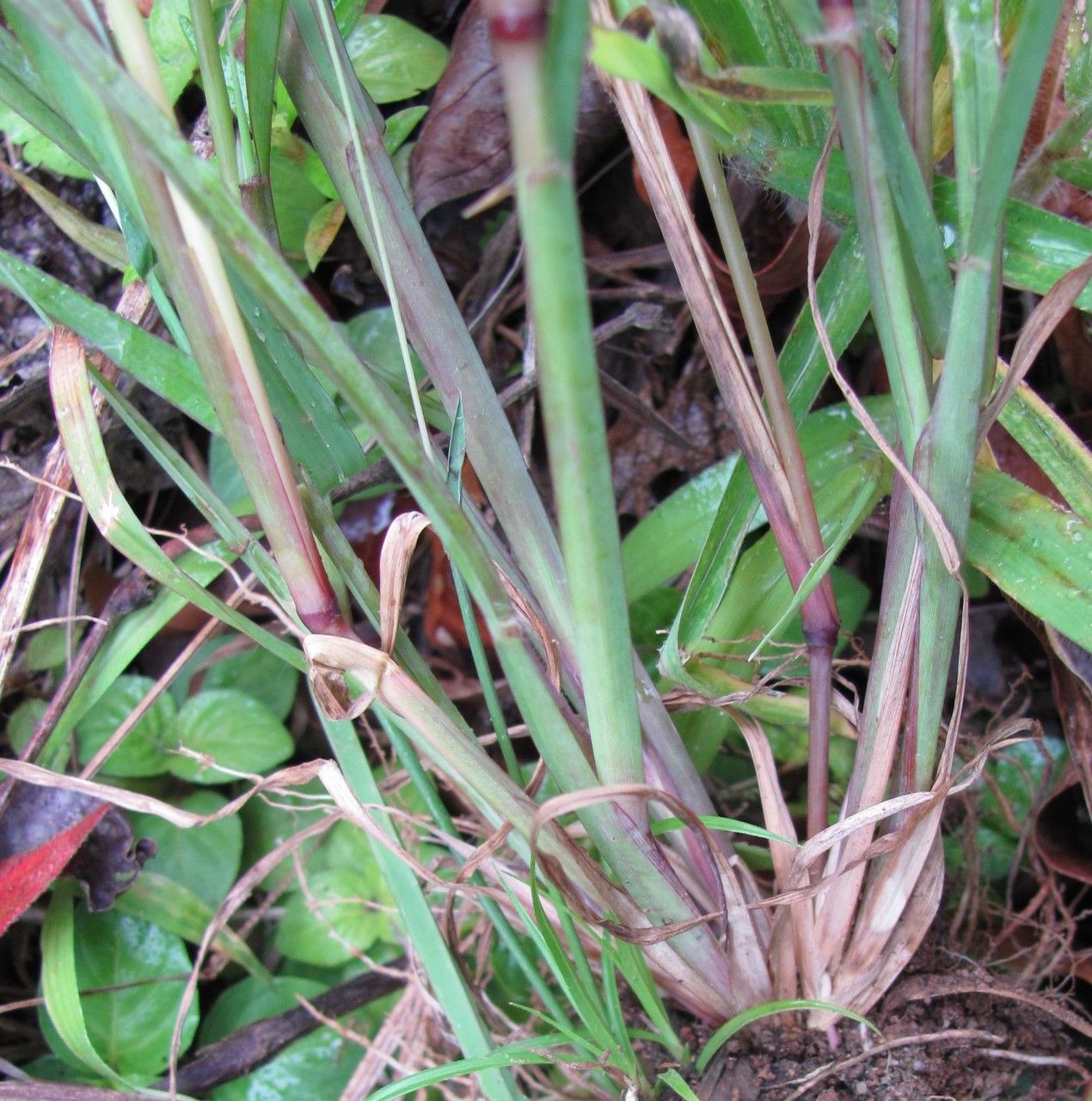
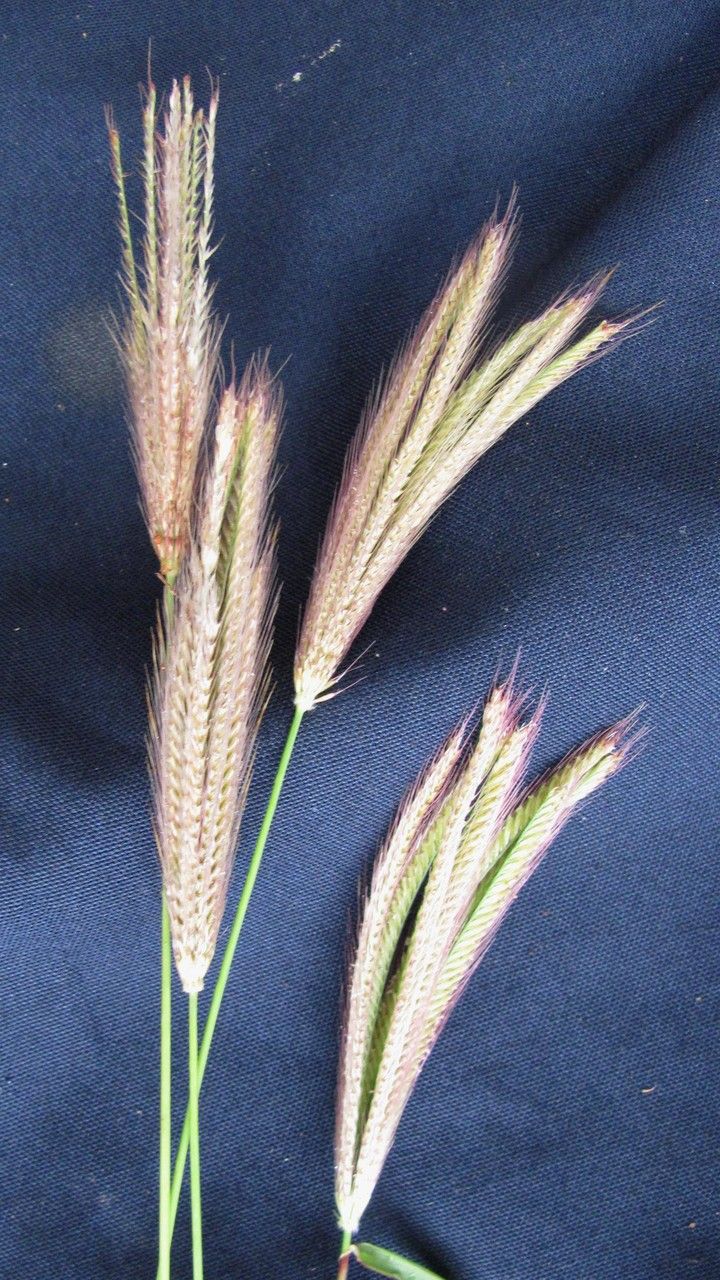
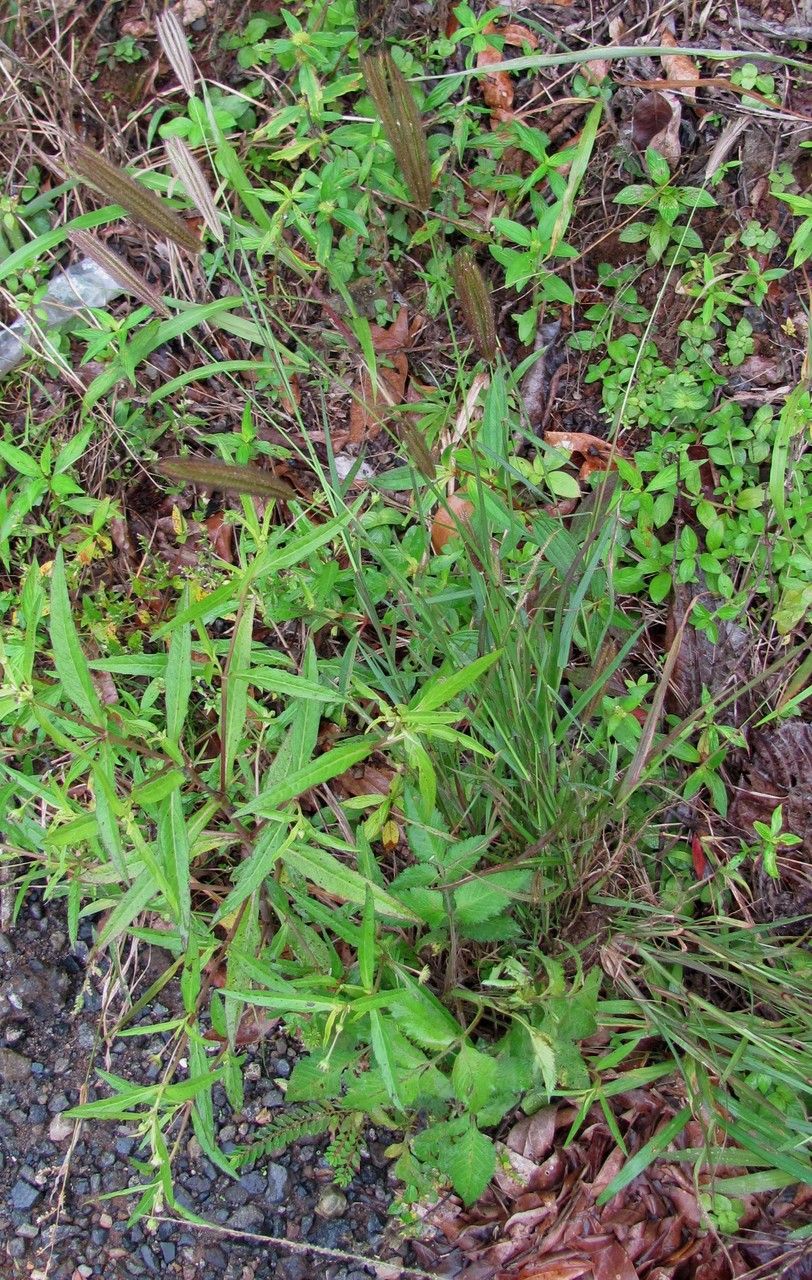
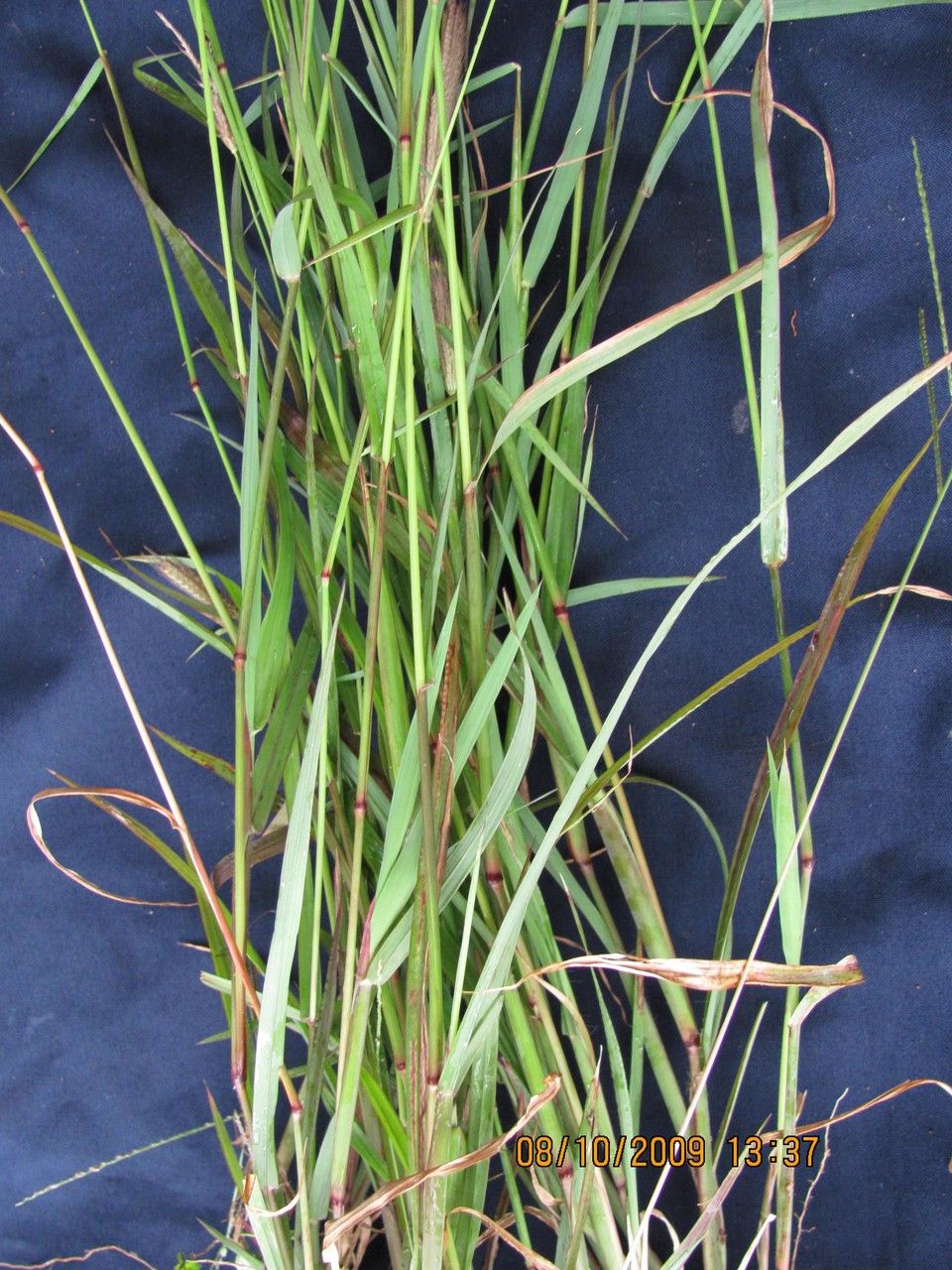
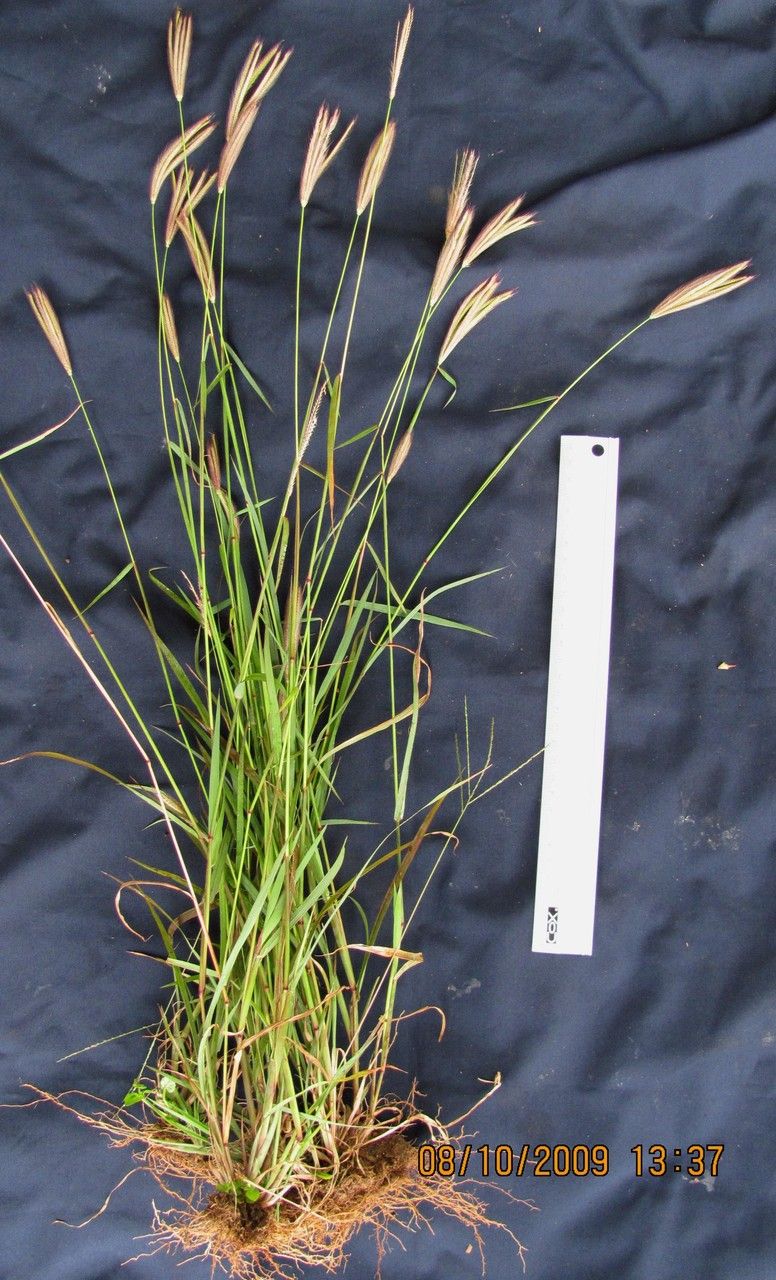
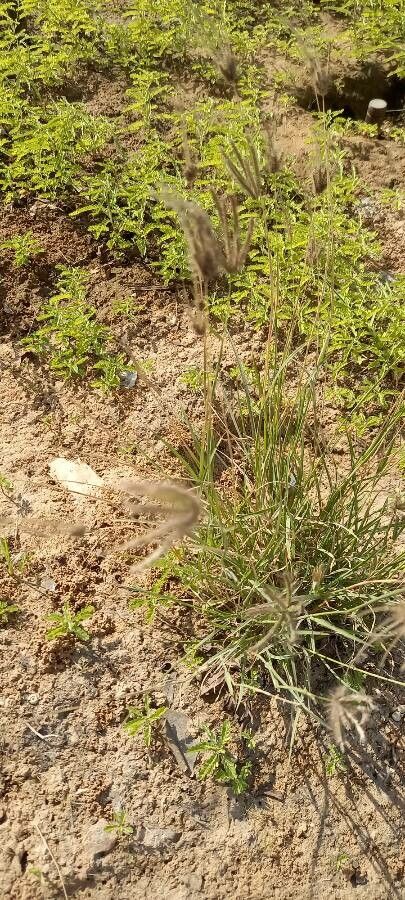
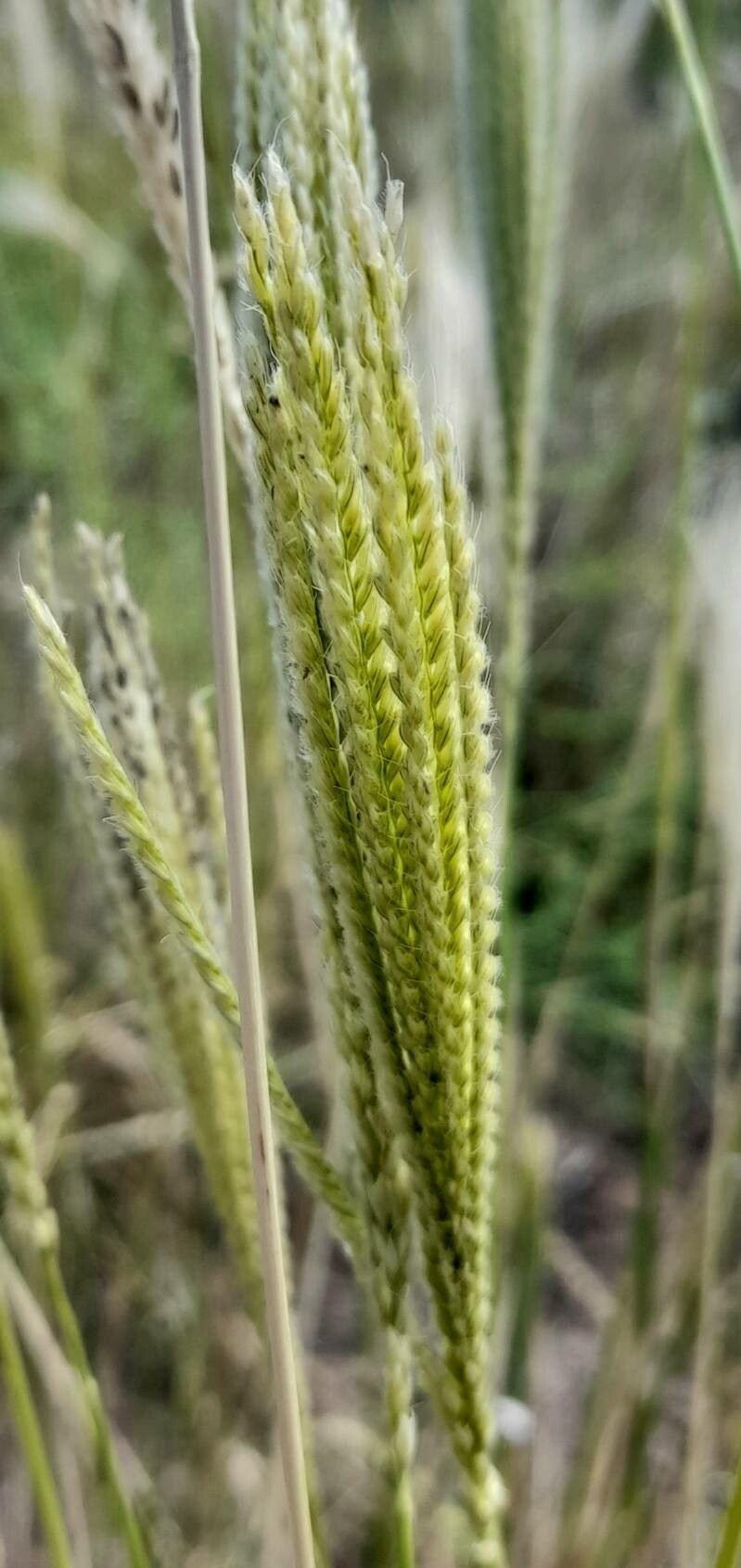
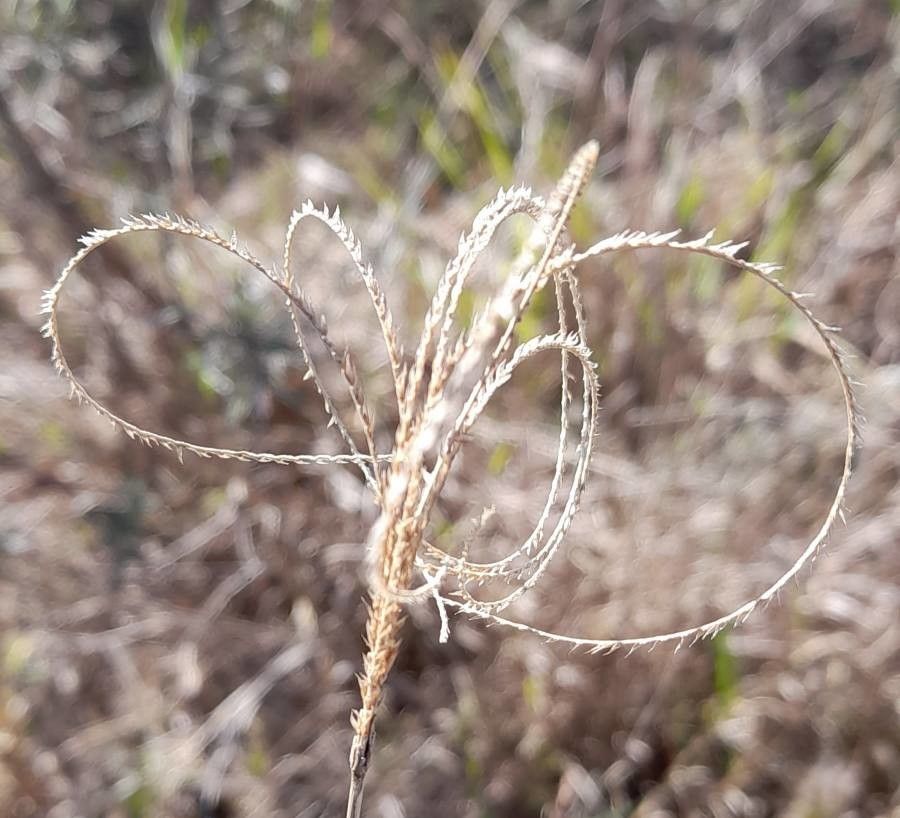
Swollen fingergrass shows strong resistance to disease and is typically not susceptible to illnesses. With respect to care, this plant is fairly low-maintenance. When grown outdoors it needs only light watering, and larger specimens usually do not require pruning; smaller plants, however, should be trimmed after they finish blooming. Swollen fingergrasst is a good choice for anyone who has an outdoor area, such as a garden or deck, and it does not demand much prior plant-care experience.
How to keep Chloris Rufescens.
Light
The growth of swollen fingergrass flourishes when it receives an abundant amount of light during the day without any filters. As it hails from habitats abundant in sunlight, these conditions are essential for its healthy growth. Restrained exposure to light or overexposure could detrimentally impact the plant's growth and progress.
Temperature
The plant, swollen fingergrass, is originally cultivated in environments with temperatures between 68 and 95 °F (20 to 35 ℃). It thrives in such moderate to warm weather. Alterations in seasonal temperature may be required based on the local climatic conditions.
Botanical profile.
- Plant Type
- Grass
- Life Cycle
- Annual
- Genus
- Chloris
- Family
- Poaceae
- Hardiness Zone
- 9
- Mature Height
- 20 cm to 76 cm
- Mature Spread
- 20 cm to 40 cm
- Leaf Color
- Green
- Leaf Type
- Semi-evergreen
- Flower Color
- Purple
- Flower Size
- 0.05 cm to 0.10 cm
- Bloom Time
- Summer, Early fall, Mid fall
- Planting Time
- Spring, Summer, Autumn
- Harvest Time
- Mid summer, Late summer, Fall
- Native Area
- Saudi Arabia, Belize, Honduras, Mexico, Peru, Jamaica, Colombia, Bahamas, Myanmar, Venezuela, Guyana, Brazil, Nicaragua, Ecuador, Costa Rica