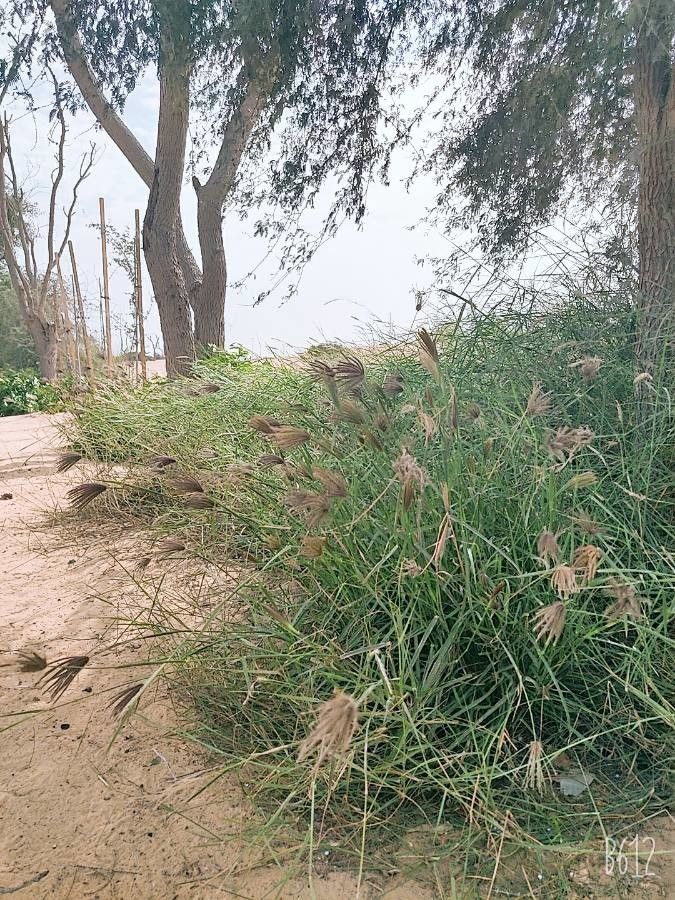
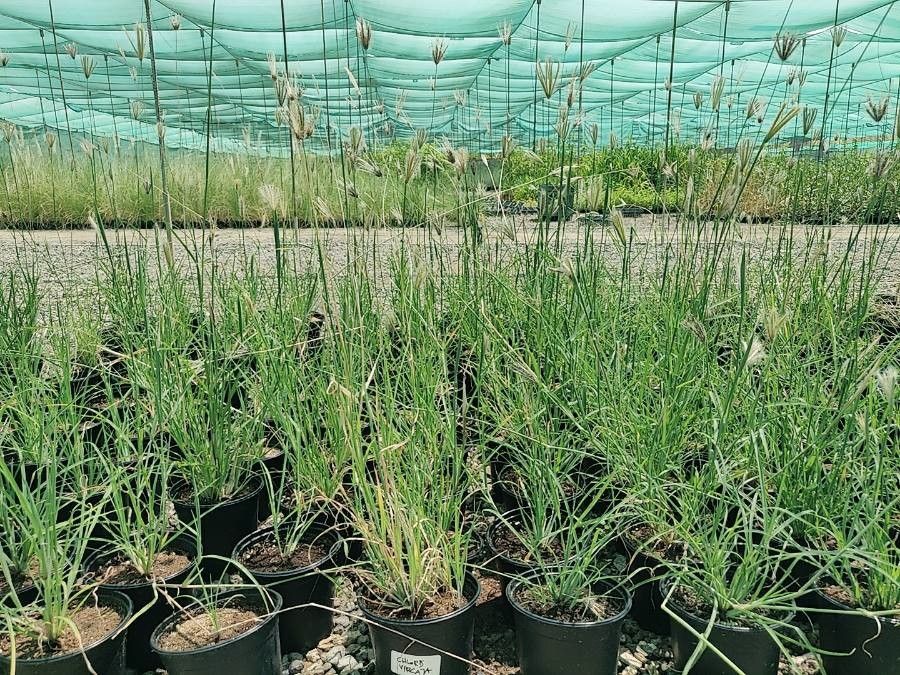
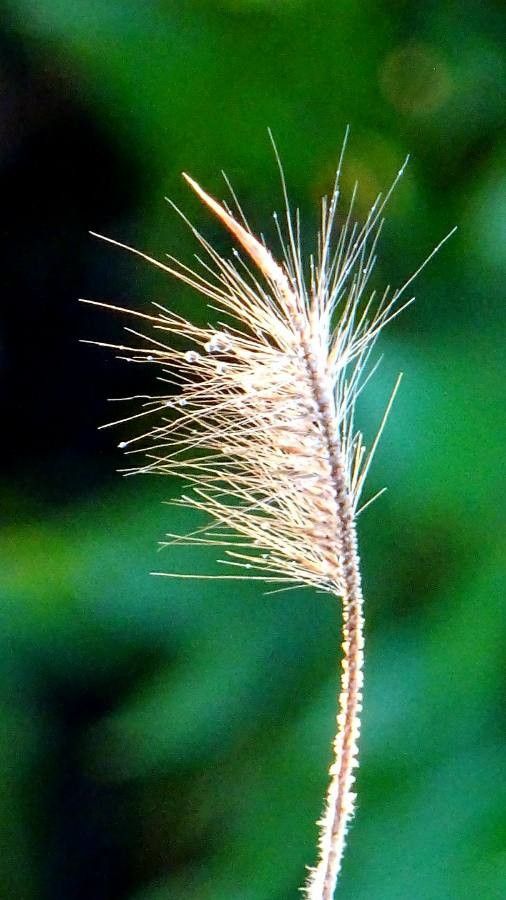
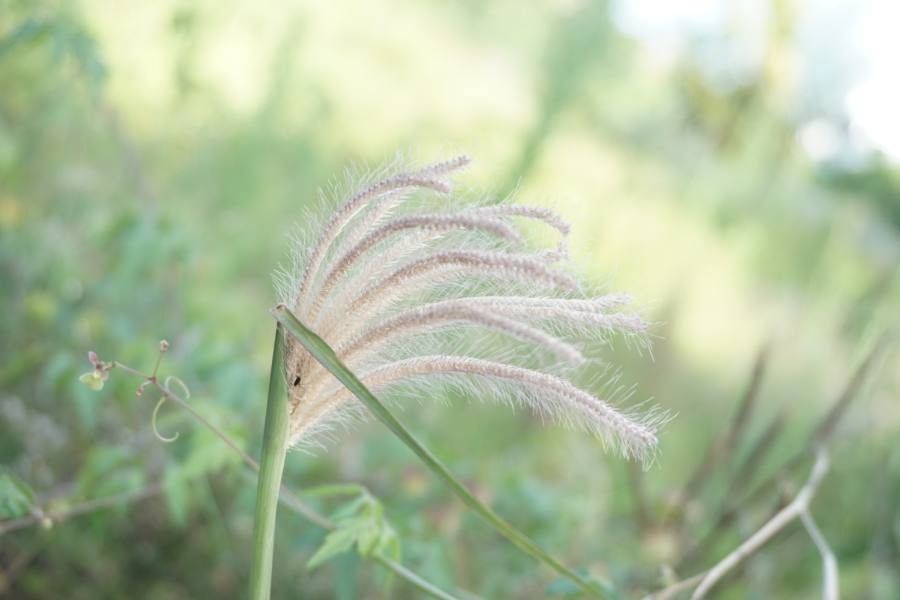
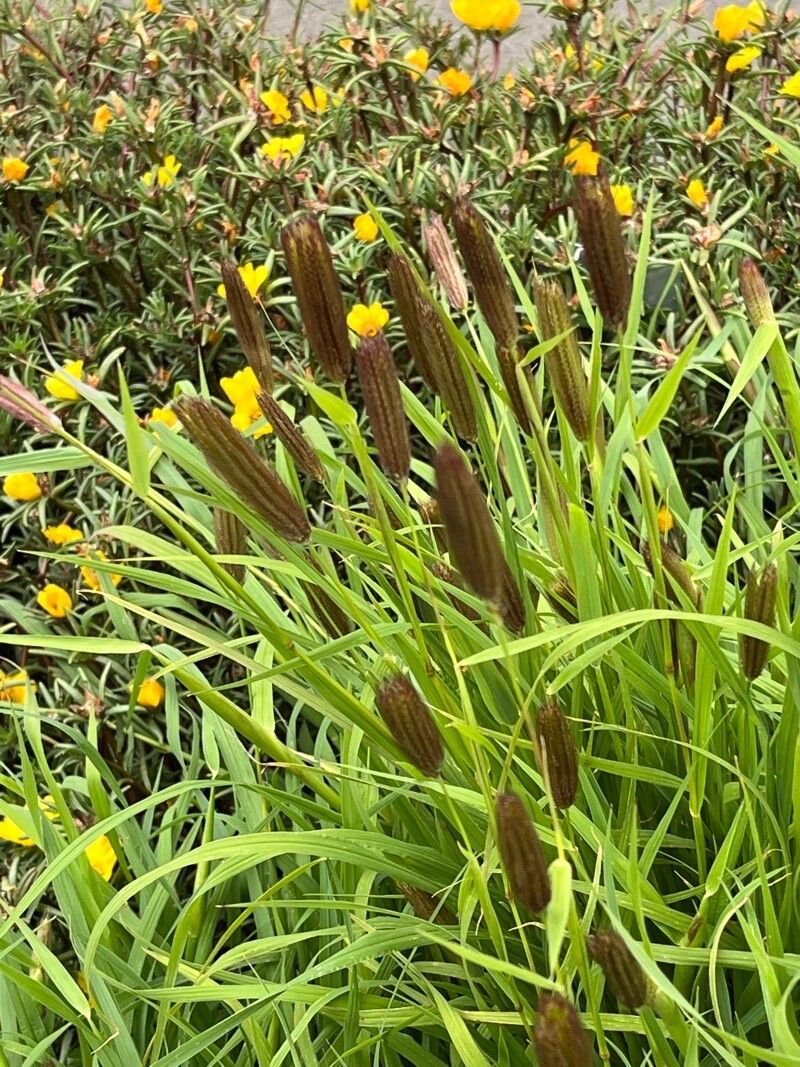
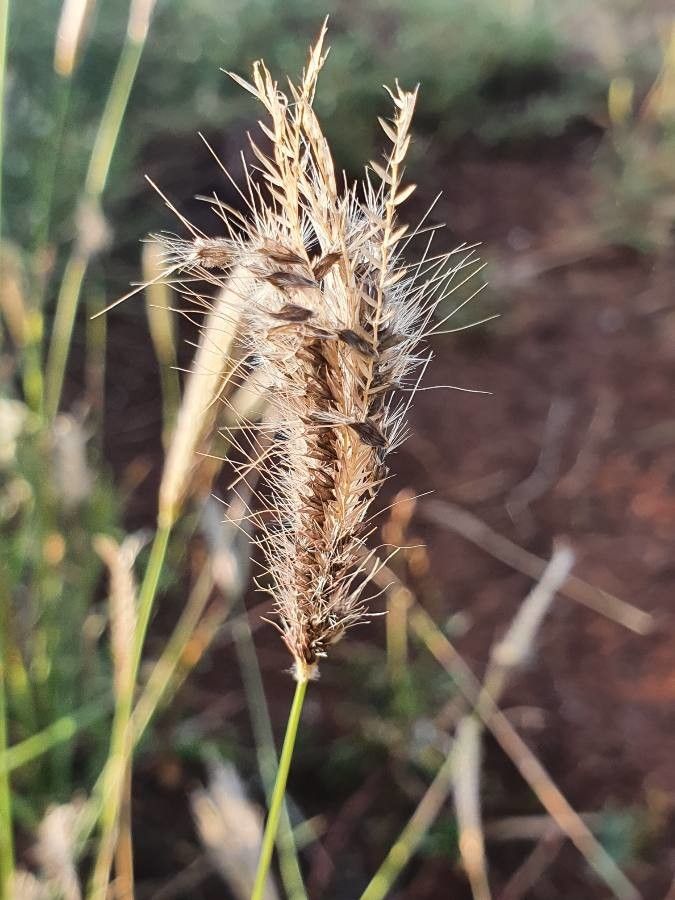
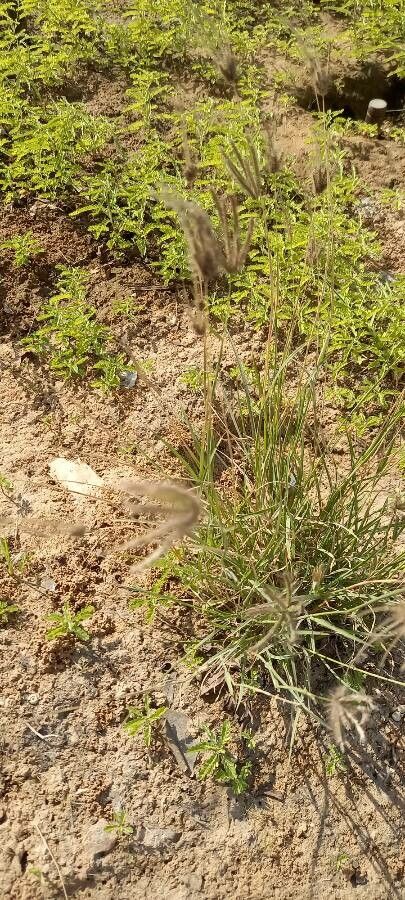
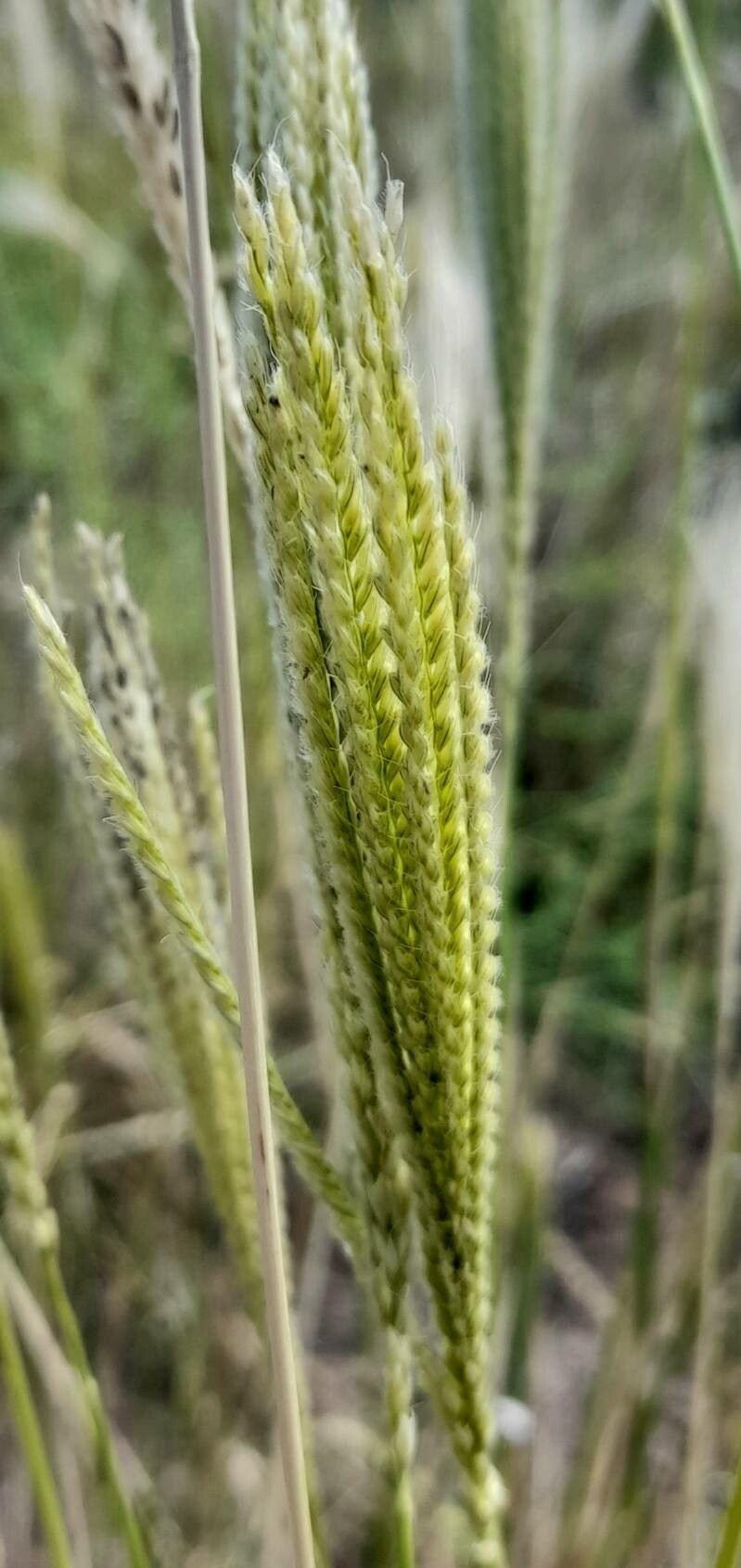
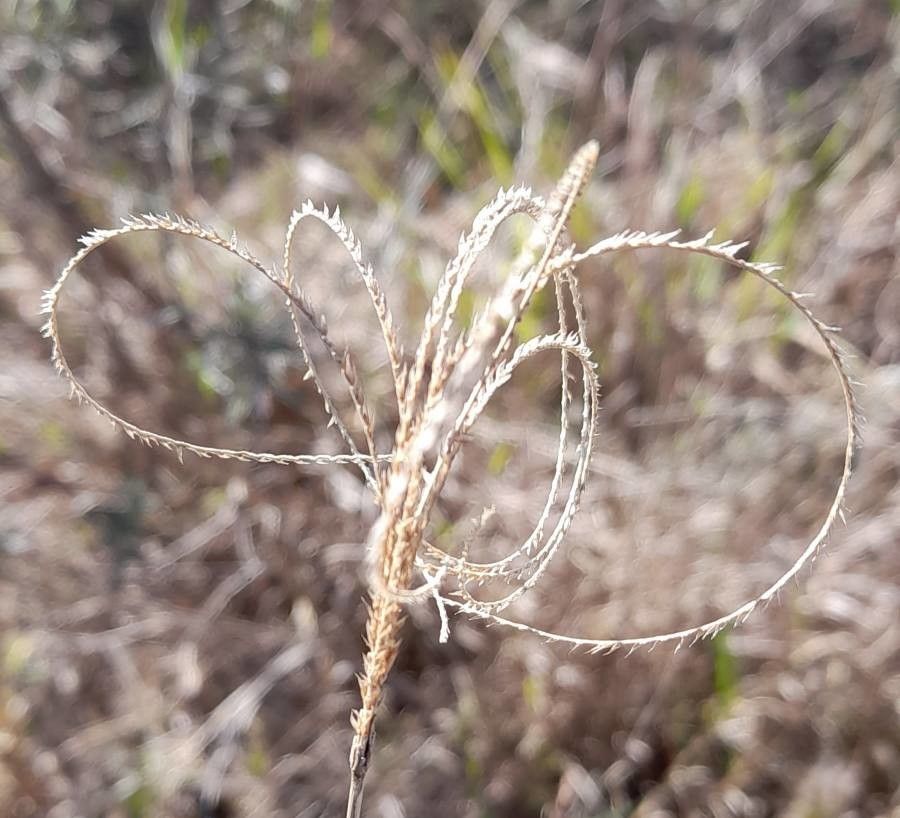
Chloris virgata, commonly known as feather fingergrass, is a perennial grass species belonging to the Poaceae family. Native to tropical and subtropical regions of Africa, Asia, and Australia, this plant exhibits a clumping growth habit. Its slender stems can reach up to 1 meter in height, and the leaves are narrow and linear with pointed tips.
In the summer, feather fingergrass produces small green flowers, which are followed by seed heads containing numerous seeds. The plant thrives in well-drained soils and can tolerate drought conditions once established.
This grass is often used for erosion control due to its deep root system, which helps stabilize soil on slopes or embankments. It also serves as forage for livestock in certain regions.
Overall, Chloris virgata is a hardy grass species with multiple uses, making it an important component of many ecosystems around the world.
Feathery rhodes grass shows strong disease resistance and is typically not susceptible to illnesses. As for care, this plant is relatively low maintenance. When cultivated outdoors it needs only minimal watering, and larger plants usually do not require pruning. Smaller plants, however, should be pruned after they have finished blooming. Feathery rhodes grass is appropriate for anyone with an outdoor area, such as a garden or a deck, and does not demand extensive gardening experience.
How to keep Chloris Virgata.
Light
Feathery rhodes grass comes from bright, open habitats and performs best in full sun. It can withstand some partial shade but prefers direct sunlight for the best growth. This plant, which may be annual or biennial, is noted for its fondness for sun.
Water
Feathery Rhodes grass, a plant native to arid regions, is highly tolerant of drought and thrives with minimal moisture. It should be watered once a week, taking care not to over-saturate the soil. For optimal growth, this grass should be planted outdoors in full sunlight. However, it's important to manage soil moisture carefully, as poorly drained soils can lead to root rot.
Temperature
Feathery rhodes grass comes from habitats with temperatures ranging from 68 to 95 °F (20 to 35 °C). The plant prefers warm conditions. Depending on local circumstances, seasonal temperature adjustments may be required.
Pruning
For optimal shape and health, the feathery Rhodes grass should be pruned strategically. The best time for pruning is from early to late spring. During this period, focus on removing dead stems and performing light trimming to promote growth and increase density. Regular pruning helps control the grass's spread and maintain its aesthetic appeal. For personalized care tips, consider consulting local resources.
Botanical profile.
- Plant Type
- Grass
- Life Cycle
- Annual
- Genus
- Chloris
- Family
- Poaceae
- Hardiness Zone
- 8
- Mature Height
- 49 cm
- Mature Spread
- 20 cm to 40 cm
- Leaf Color
- Light Green
- Leaf Type
- Semi-evergreen
- Flower Color
- Yellow, Green, Purple, Brown
- Flower Size
- 10.16 cm
- Bloom Time
- Summer, Early fall, Mid fall
- Planting Time
- Spring, Summer
- Harvest Time
- Mid summer, Late summer, Fall
- Native Area
- Burkina Faso, Libya, India, United Arab Emirates, Mexico, Guatemala, Madagascar, Pakistan, Nigeria, Morocco, Uganda, Tanzania, Paraguay, Indonesia, Cameroon, Koppen, Ethiopia, Saudi Arabia, Honduras, Peru, Panama, Chad, China, Colombia, Afghanistan, Kazakhstan, Japan, Mongolia, Togo, El Salvador, Eswatini, Azerbaijan, Somalia, Lesotho, Egypt, Angola, Namibia, Rwanda, Eritrea, Yemen, Kenya, Niger, Uzbekistan, Russia, Mali, Iraq, Argentina, Venezuela, Brazil, Oman, South Korea, Qatar, Botswana, Nepal, Chile, South Africa, Sudan, Mauritania, Bolivia, Myanmar, Bhutan, Nicaragua, Turkmenistan
Other names.
Reader questions.
What should I do if I give too much or too little water to my Feathery rhodes grass?
Proper watering is crucial for maintaining the performance of this beautiful ornamental grass. When planted in the ground, watering issues can be resolved, but in a container, excessive or inadequate water can quickly kill Feathery rhodes grass. If the grass lacks the proper amount of water, it may cease to grow. Overwatering can cause yellow leaves with brown tips, while underwatering can result in drooping leaves, weak seed head production, and browned leaves. To address watering issues, first determine whether the problem is caused by too much or too little water. If the grass is receiving too much water, stop watering it immediately and have patience as heavy soils may take weeks to dry out. Test the soil for moisture once new growth appears to determine if it requires more water. If the grass is receiving too little water, simply give it a deep drink and observe if it perks up. Keep in mind that long, deep watering is preferable to frequent shallow waterings as it encourages the grass to develop deep roots, making it more resistant to drought and less susceptible to watering-related problems.
What are the sun requirements for Feathery rhodes grass?
Feathery rhodes grass thrives in full sun, requiring above 6 hours of sunlight, but it can also tolerate partial sun, about 3-6 hours of sunlight. It is paramount to observe the sunlight movement in your garden to ensure you select locations that provide an optimal balance of light and shade, catering to the needs of your plants and ensuring their well-being.
What is the native climate for Feathery Rhodes Grass?
Feathery Rhodes Grass, botanically known as Chloris virgata, thrives in environments where the temperature ranges from 68 to 95 °F (20 to 35 °C). This plant prefers a warm climate, indicating the need for seasonal temperature adjustments based on local conditions to mimic its native habitat optimally.
How often do I need to water my Feathery rhodes grass?
The watering needs of Feathery rhodes grass depend on its location. Generally, it should be watered every week. In hot climates, watering once or twice a week during summer may be necessary. In moderate climates, watering once every seven days or more may be sufficient. Grass in containers typically requires more frequent watering than grass planted in the ground. Additionally, the location of the grass, whether in full sun or part shade, also affects watering frequency. Shaded grass requires less frequent watering compared to grass planted in the ground. It is important to water Feathery rhodes grass only when the soil is dry. There are several signs to determine if watering is needed, such as checking if the soil is dry by pressing your finger a few inches into it. Potted grass can be weighed or simply felt to determine if it is light from lack of water. Insufficient water can cause the grass blades to appear folded and thinner than usual. Despite its drought tolerance, regular and deep waterings will enhance its color. In its natural habitat, Feathery rhodes grass grows in open scrubland where it faces extreme heat, bright sun, and intermittent rain. Even though this grass is drought resistant, it still requires care and attention. Gardeners suggest that consistent watering allows Feathery rhodes grass to thrive. When initially planted, it requires more frequent watering until deep roots are established. Potted grass tends to dry out quickly, especially in direct sun, so regular soil testing is recommended. Feathery rhodes grass in the ground generally requires less watering, but this depends on the type of soil. Clay soil holds water for longer periods and may still have moisture below the surface even if it feels dry on top. Sandy soil, on the other hand, drains quickly and will require more frequent watering.
What are the essential growth conditions for Feathery rhodes grass?
Originating from bright, open environments, Feathery rhodes grass flourishes in full sun, although it can grow in partial sun too. This plant, which can be either an annual or a biennial, has a penchant for sunlit areas for its optimal growth. During occasions when natural sunlight is scant, especially in winter or less sunny interior spaces, artificial lighting can play a crucial role. Adequate artificial lighting ensures healthier, faster growth. When choosing artificial lights, LED lights are recommended due to their ability to simulate specific wavelengths needed by the plants. Full sun plants, for instance, require 30-50W/sq ft of artificial light, whereas partial sun plants need 20-30W/sq ft, and full shade plants need 10-20W/sq ft. It's also important to place these lights at a distance of 12-36 inches above the plant and to mimic natural daylight hours as much as possible, generally meaning 8-12 hours per day.
Does Feathery Rhodes Grass require special frost protection measures during winter?
Feathery Rhodes Grass has strong cold resistance and typically does not require special frost protection measures during winter. However, in cases where winter temperatures are expected to drop below -10°C, it becomes important to provide cold protection. This can involve covering the plant with protective materials such as soil or straw, and it is advisable to water the plant abundantly before the first freeze in autumn to ensure the soil remains moist and to prevent drought and water scarcity for the plant during the colder months.
What should I watch out for when I water my Feathery rhodes grass during different seasons, climates, or when it's growing?
One way to determine if you are watering your grass enough is by observing its rate of growth. Specifically, feathery rhodes grass tends to double in size within a year during the hottest months. Therefore, if the weather is hot but the grass is not growing vigorously, it may be necessary to adjust your watering schedule. In winter, you might be able to water your grass just once a month, but it is still important to check the soil for moisture. During the growth cycle in warm months, the grass will require more water than usual, whereas during winter and cooler months, the need for water will significantly decrease. Regardless of the season, it is crucial to allow the soil to completely dry out before adding water to the feathery rhodes grass.
What symptoms indicate inadequate light for Feathery rhodes grass when grown indoors?
Feathery rhodes grass demonstrates several symptoms when it suffers from insufficient light. New leaves may appear smaller than older ones, and you might observe leggy or sparse growth due to increased distances between leaves or stems, making the plant look weak and thin. Additionally, the plant may experience faster leaf drop, slower or halted growth, and the development of lighter-colored or irregularly patterned new leaves signifying a lack of chlorophyll and vital nutrients. Chlorosis, or the yellowing of leaves, sunscald, leaf curling, wilting, and leaf scorching are also common symptoms of inadequate sunlight or excessive sun exposure, all of which can significantly impact the plant's health.
What should be done if Feathery Rhodes Grass experiences temperatures below its ideal range?
If Feathery Rhodes Grass is exposed to temperatures below 20°C, particularly under 0°C, it remains cold-tolerant but may exhibit reduced sprouting or fail to sprout at all in spring following exposure to temperatures below -10°C. To aid recovery during spring, it is recommended to remove any parts of the plant that have failed to sprout, encouraging new growth and the plant's overall health.
What solutions exist for managing Feathery rhodes grass in various light conditions?
To optimize Feathery rhodes grass growth in indoor settings, gradually increase its exposure to sunlight by moving it to sunnier spots each week, aiming for at least 6 hours of direct sunlight daily. Utilize south-facing windows and keep curtains open during daylight hours. If the plant is large or not easily movable, supplementing with artificial light for a minimum of 8 hours daily can be helpful. For outdoor plants, ensure a gradual transition to sunnier spots to prevent sunburn. Note that parts of plants damaged by insufficient sunlight may not recover, though new growth should be healthy with improved lighting conditions. Additionally, reducing sunlight obstructions by pruning trees or relocating smaller plants to sunnier areas with better drainage can significantly benefit their growth.
How does high temperature affect Feathery Rhodes Grass and what are the solutions?
Feathery Rhodes Grass is best kept below 35°C during the summer months. Exposure to temperatures above 38°C can lead to symptoms such as leaves becoming lighter in color, prone to curling, susceptible to sunburn, and in severe cases, the entire plant may wilt and dry up. To mitigate these effects, sunburned and dried parts should be trimmed away. It's beneficial to move the plant to a shaded location or use a shade cloth to protect it from the midday and afternoon sun. Additionally, watering the plant in the morning and evening helps keep the soil moist and supports the plant's health in high temperatures.