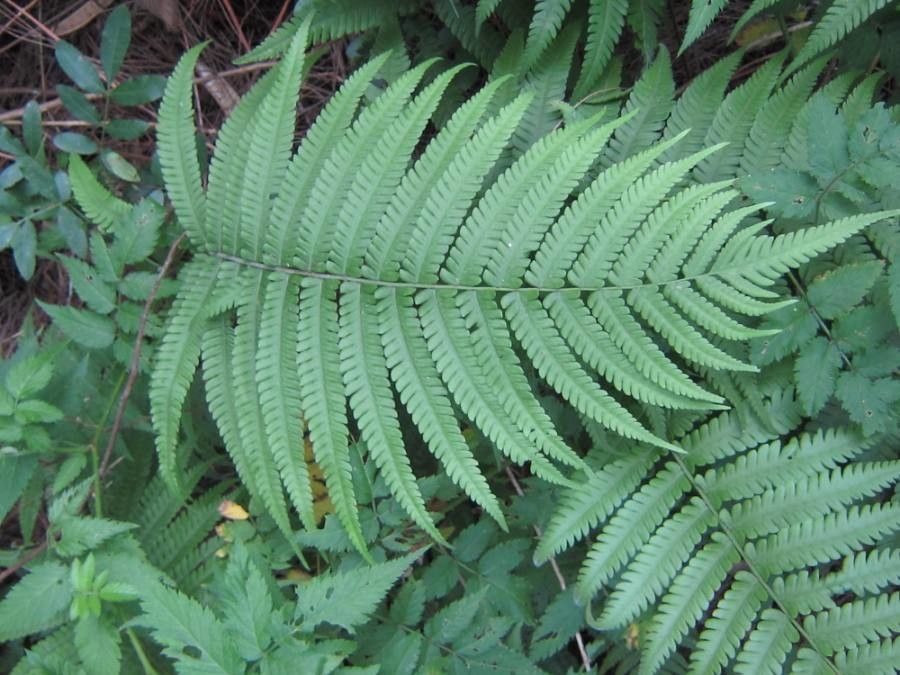
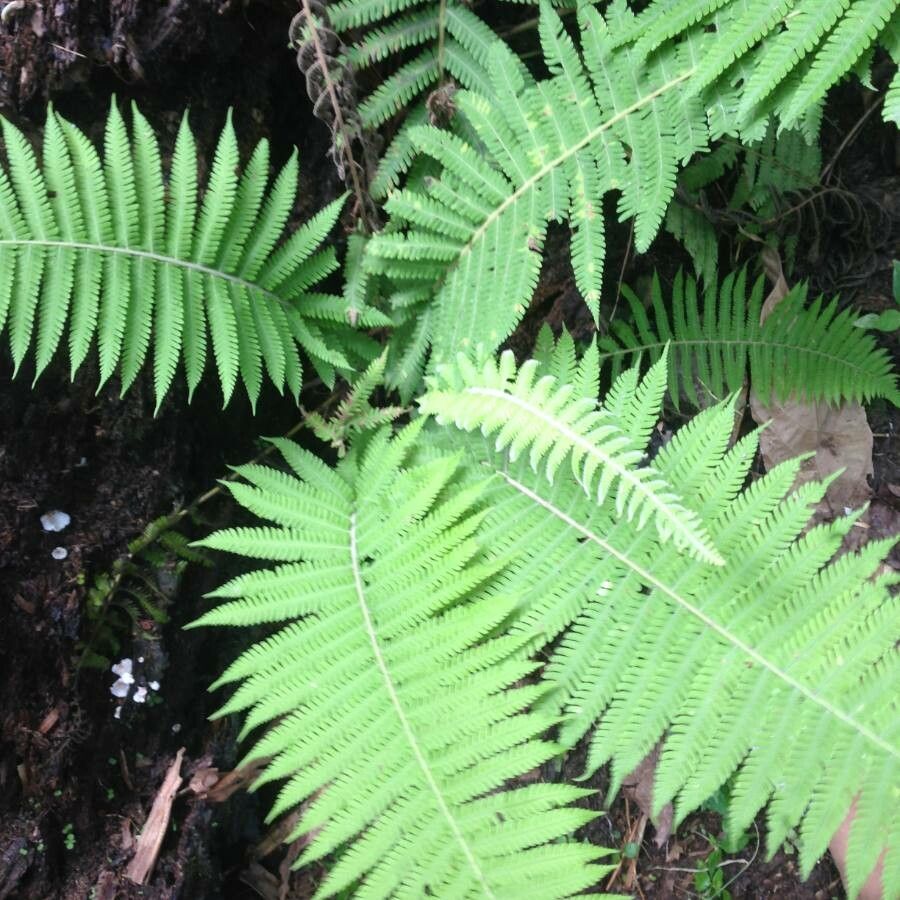
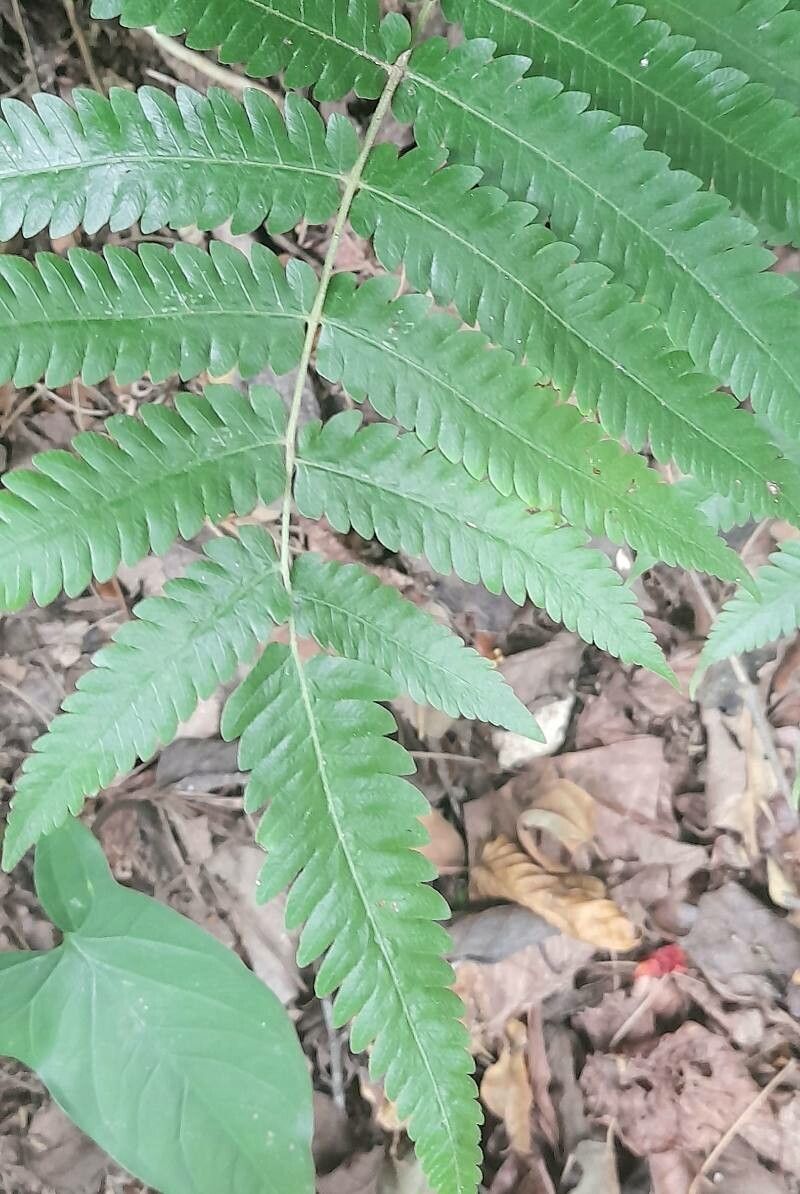
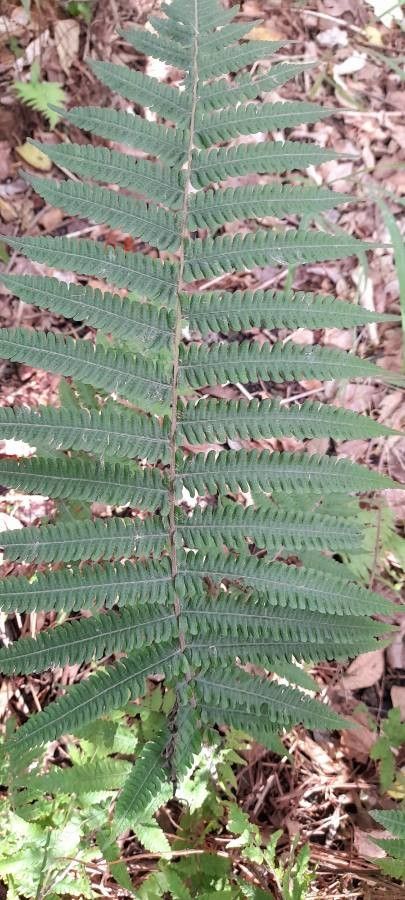
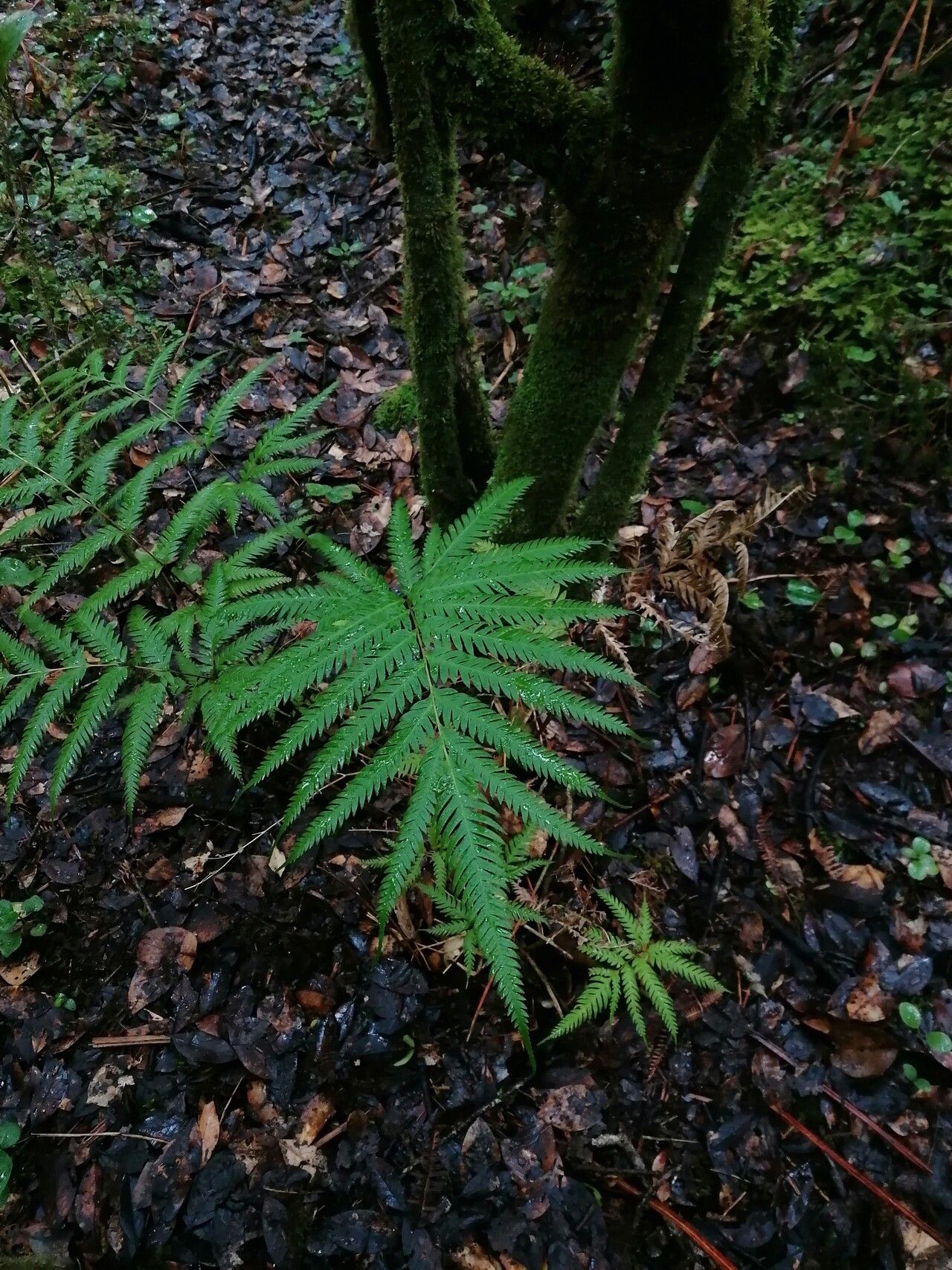
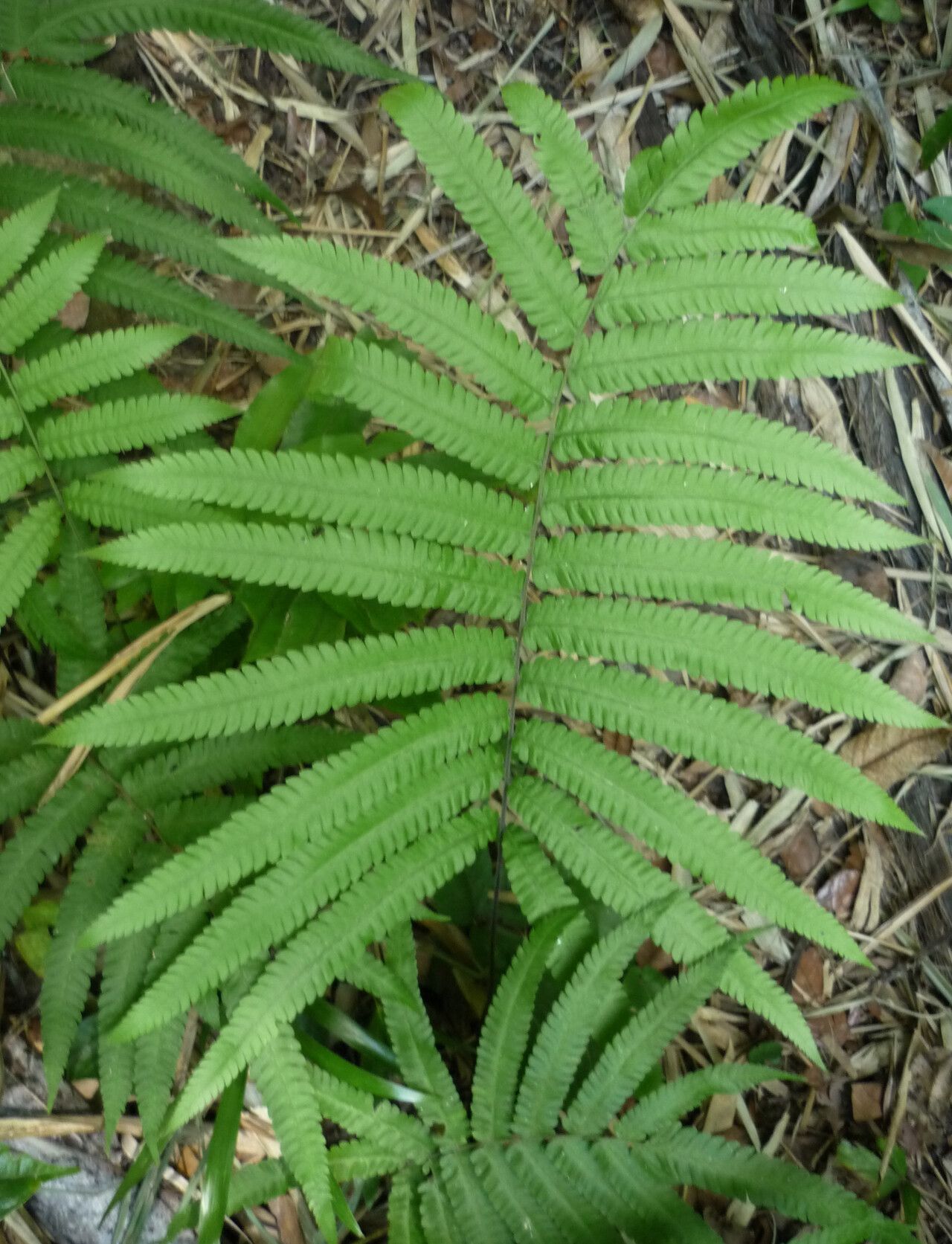
Christella parasitica is a species of fern in the Thelypteridaceae family. A widespread species found in many parts of the world. In Australia, this fern is recorded from Queensland, Norfolk Island and northern New South Wales.
Parasitic tri-vein fern typically shows strong disease resistance and faces relatively few insect pests. Its care is regarded as challenging because it needs a consistently moist environment and frequent watering. At the same time, its roots can rot if the plant is overwatered or placed in a poorly ventilated setting. This fern is best suited to people with some growing experience, since most growers can keep it alive for a while. Still, Parasitic tri-vein fern can struggle to prosper, and its leaves may dry out and lose vigor over time.
How to keep Christella Parasitica.
Light
Parasitic tri-vein fern comes from habitats such as forest understories or rocky areas that provide natural shade. It prefers Full Shade but can tolerate Partial Sun.
Water
The parasitic tri-vein fern flourishes in humid tropical environments, where it relies on consistently moist soil and high humidity. To mimic its natural habitat, water the plant twice a week. As an indoor plant, it particularly benefits from the humidity found in homes, which helps maintain its lush foliage, especially during the growing season.
Temperature
The parasitic tri-vein fern comes from tropical areas, where the climate is usually warm and humid. Consequently, it is adapted to high temperatures and moisture. It does not tolerate sudden temperature shifts and prefers a consistent thermal environment, so avoiding indoor temperature fluctuations is important. It generally cannot endure cold and needs warmer conditions to grow. If the surrounding temperature falls too low, the plant may stop growing or even die.
Pruning
The parasitic tri-vein fern has delicate fronds with three distinct veins and thrives in shaded, humid environments. To encourage new growth, prune the fern in early spring by trimming at the base of the fronds. Regular pruning helps control the plant's size, improves air circulation, and reduces the risk of disease, all of which promote robust growth and overall plant health.
Botanical profile.
- Plant Type
- Fern
- Life Cycle
- Perennial
- Genus
- Christella
- Family
- Thelypteridaceae
- Hardiness Zone
- 8-11
- Mature Height
- 61 cm
- Mature Spread
- 30 cm to 49 cm
- Leaf Color
- Green, Dark Green
- Leaf Type
- Evergreen
- Planting Time
- Spring, Summer, Autumn
- Native Area
- Sri Lanka, India, Malaysia, Vanuatu, Philippines, Bangladesh, Laos, Fiji, Uganda, China, Indonesia, Vietnam, Myanmar, Japan, South Korea, Congo (DRC), Thailand
Reader questions.
What are the sunlight requirements for the Parasitic tri-vein fern?
The Parasitic tri-vein fern thrives best in full shade and can also tolerate partial sun, meaning it requires less than 3 hours of sunlight each day. Ideal spots for these plants are those that provide a perfect balance of light and shade throughout the day, ensuring the plants' happiness and health.
How can artificial lighting benefit indoor Parasitic tri-vein ferns?
Artificial lighting is crucial for the growth of indoor Parasitic tri-vein ferns, especially when natural sunlight is insufficient. LED lights are recommended because they can be customized to provide specific wavelengths needed by the plants. Full sun plants need 30-50W/sq ft, partial sun plants need 20-30W/sq ft, and full shade plants need 10-20W/sq ft of artificial light. The light source should be placed 12-36 inches above the plant, and most plants require 8-12 hours of light per day to mimic natural daylight hours.
What are the symptoms indicating that a Parasitic tri-vein fern lacks adequate light?
If a Parasitic tri-vein fern lacks adequate light, it may exhibit several symptoms, including smaller new leaves, leggy or sparse growth, faster leaf drop, slower or no new growth, lighter-colored new leaves, chlorosis (leaves turning yellow), sunscald, leaf curling, wilting, and leaf scorching. These symptoms signal that the plant is not receiving optimal light conditions for its growth and health.
What solutions can address insufficient sunlight for Parasitic tri-vein ferns?
To address insufficient sunlight for Parasitic tri-vein ferns, move the plants to spots where they can receive ample filtered light, including brief direct morning sunlight. For indoor plants, consider using artificial light, like desk or ceiling lamps for at least 8 hours daily or professional grow lights. For outdoor plants, gradually move them to sunnier locations each week to avoid sunburn. If trees obstruct sunlight, prune the branches. For smaller plants, consider transplanting them during their dormant period to a locality with ample sunlight and good drainage.