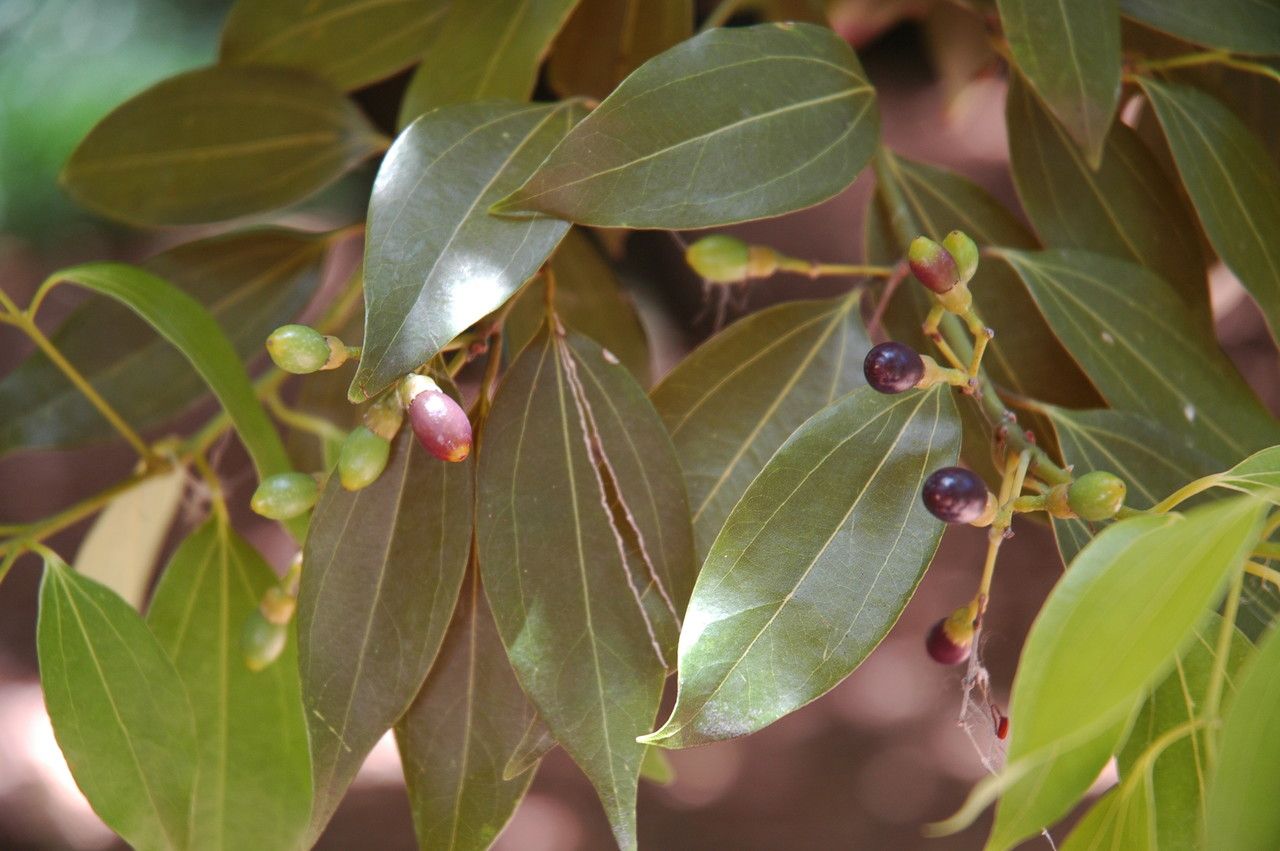
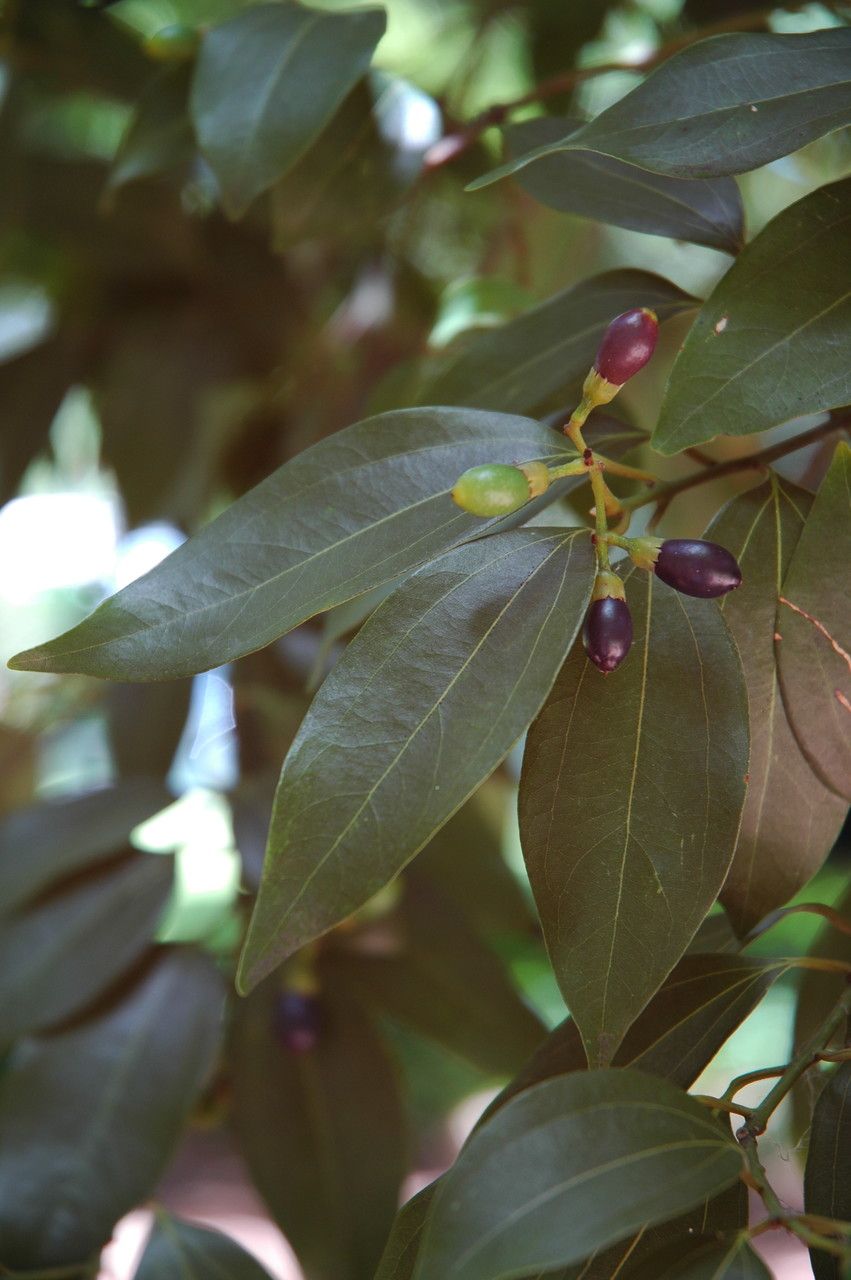
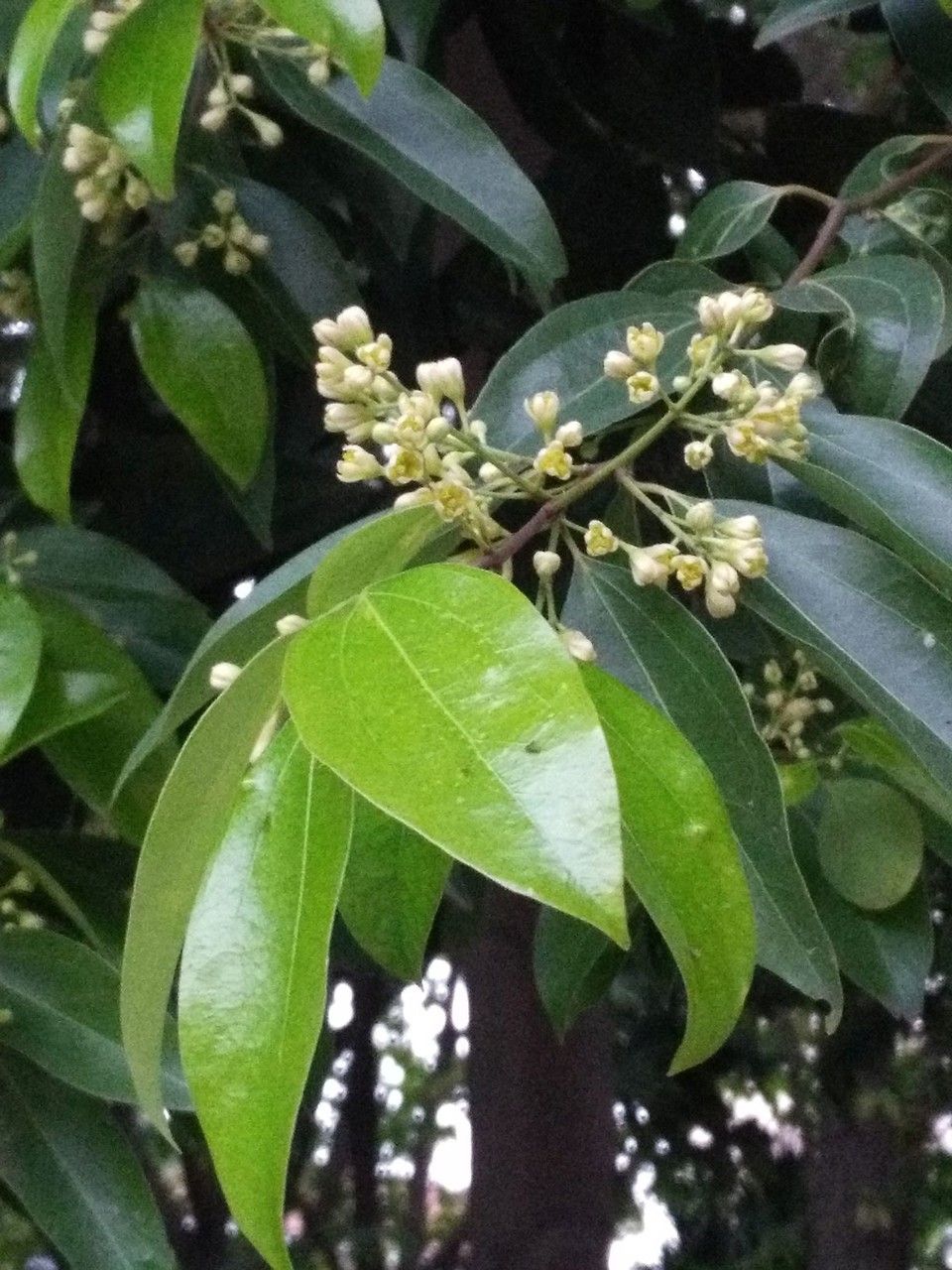
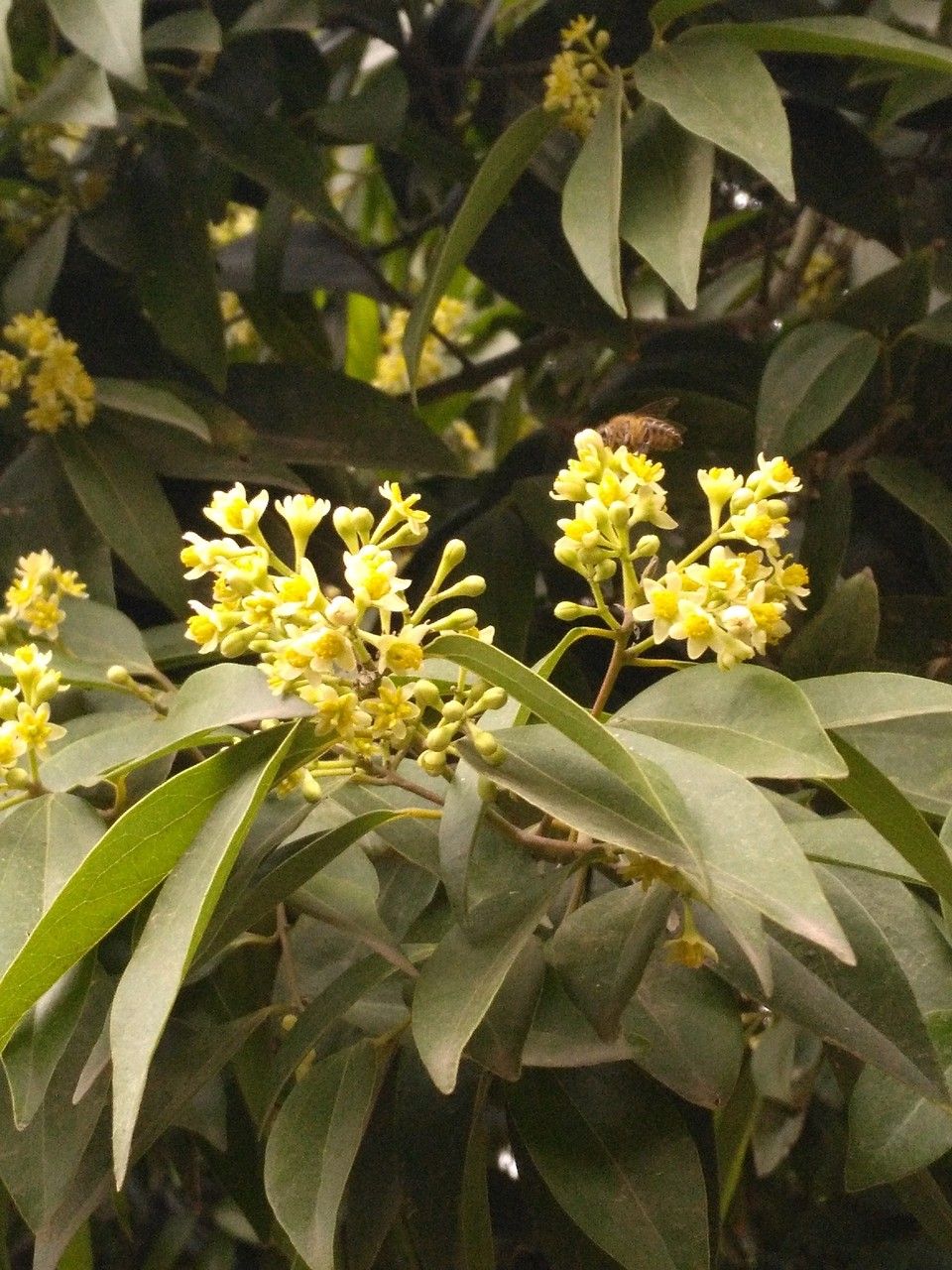
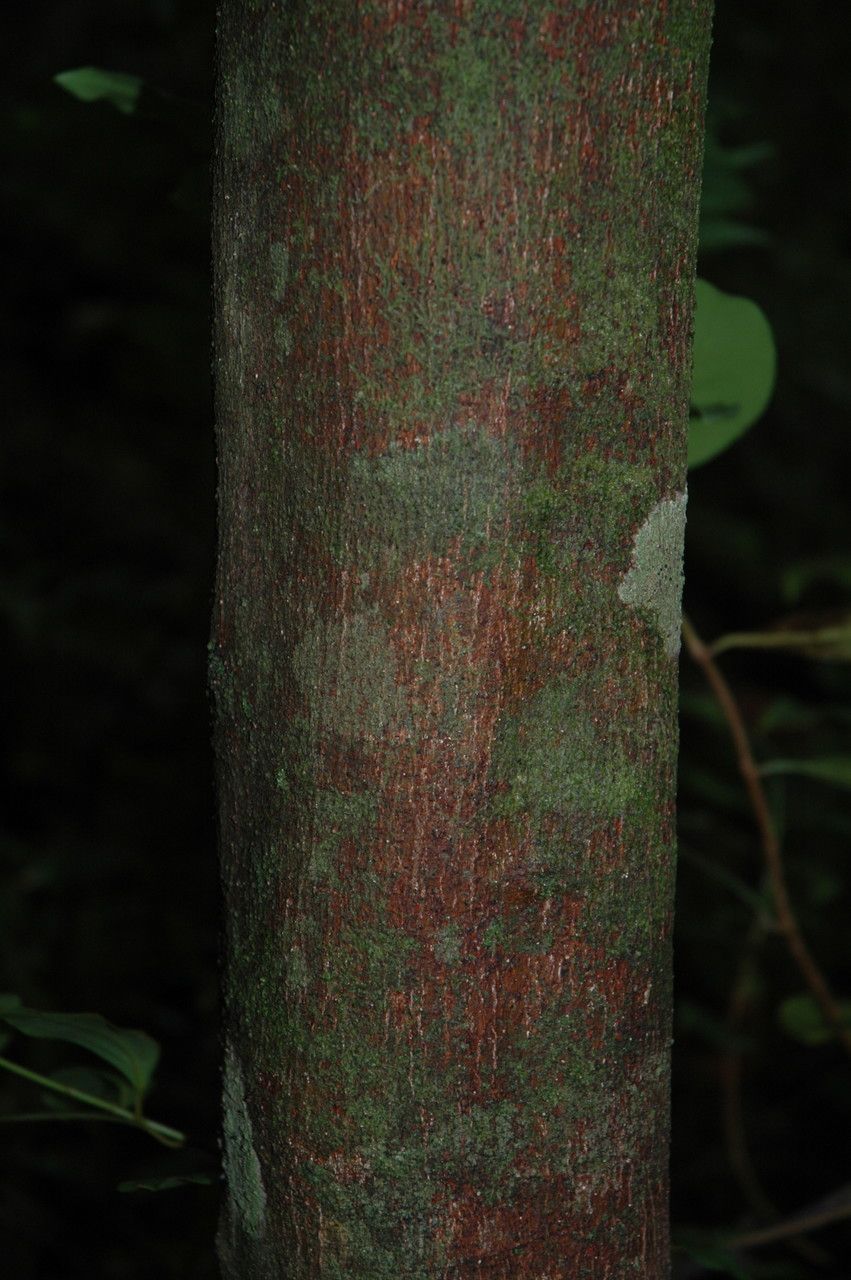
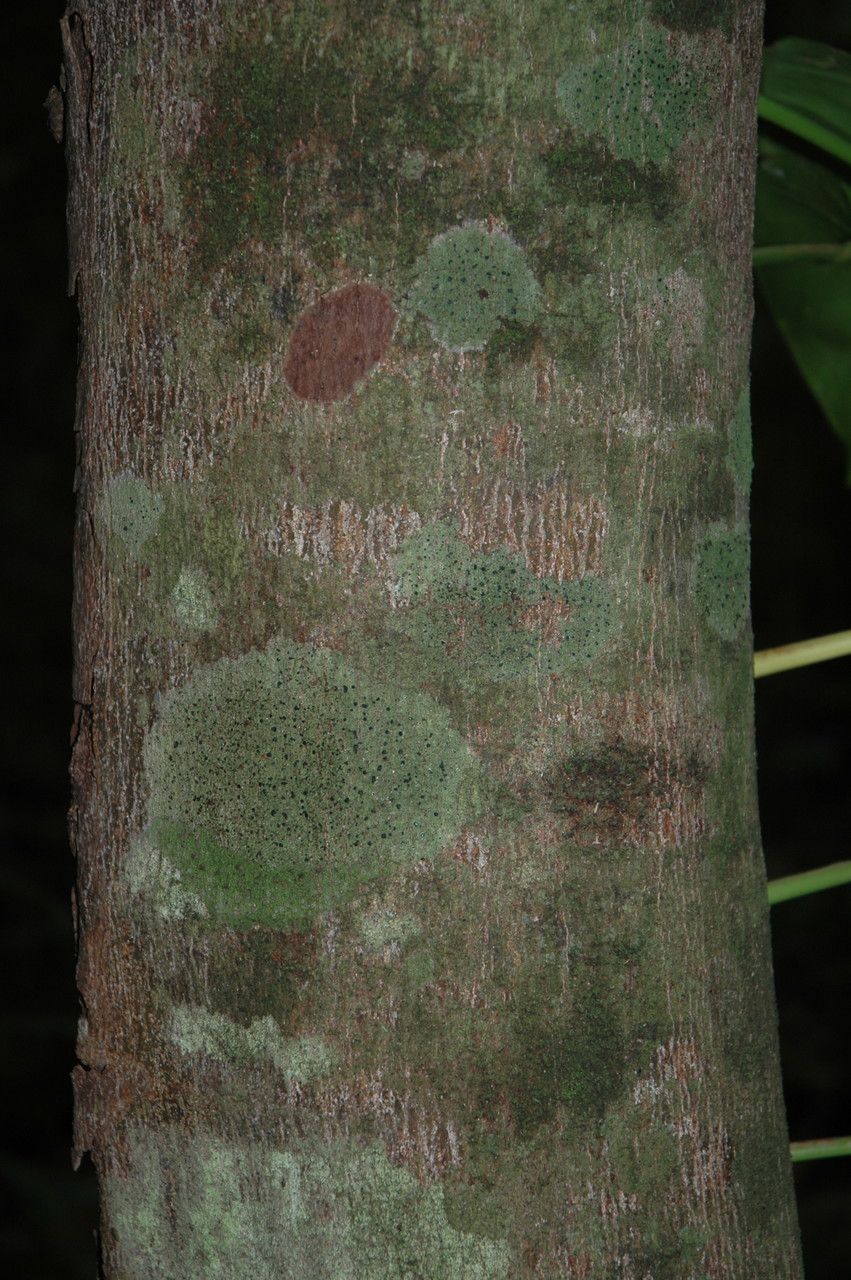
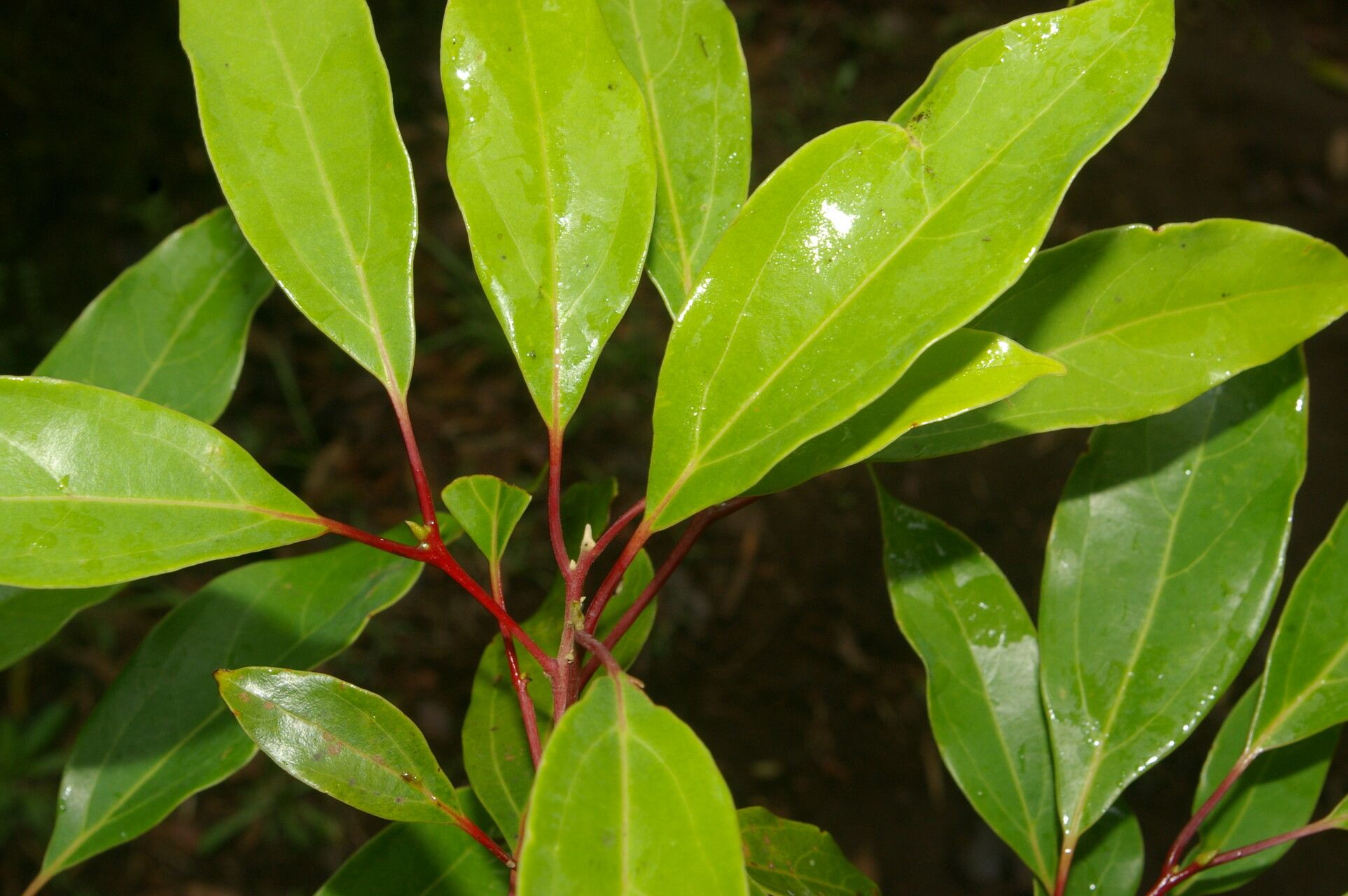
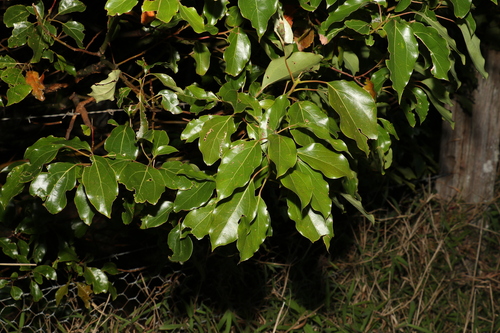
Cinnamomum burmanni, commonly known as Indonesian cinnamon or Padang cassia, is an evergreen tree species in the Lauraceae family. Native to Indonesia and other parts of Southeast Asia, this tree can reach heights of up to 20 meters and features smooth, grayish-brown bark.
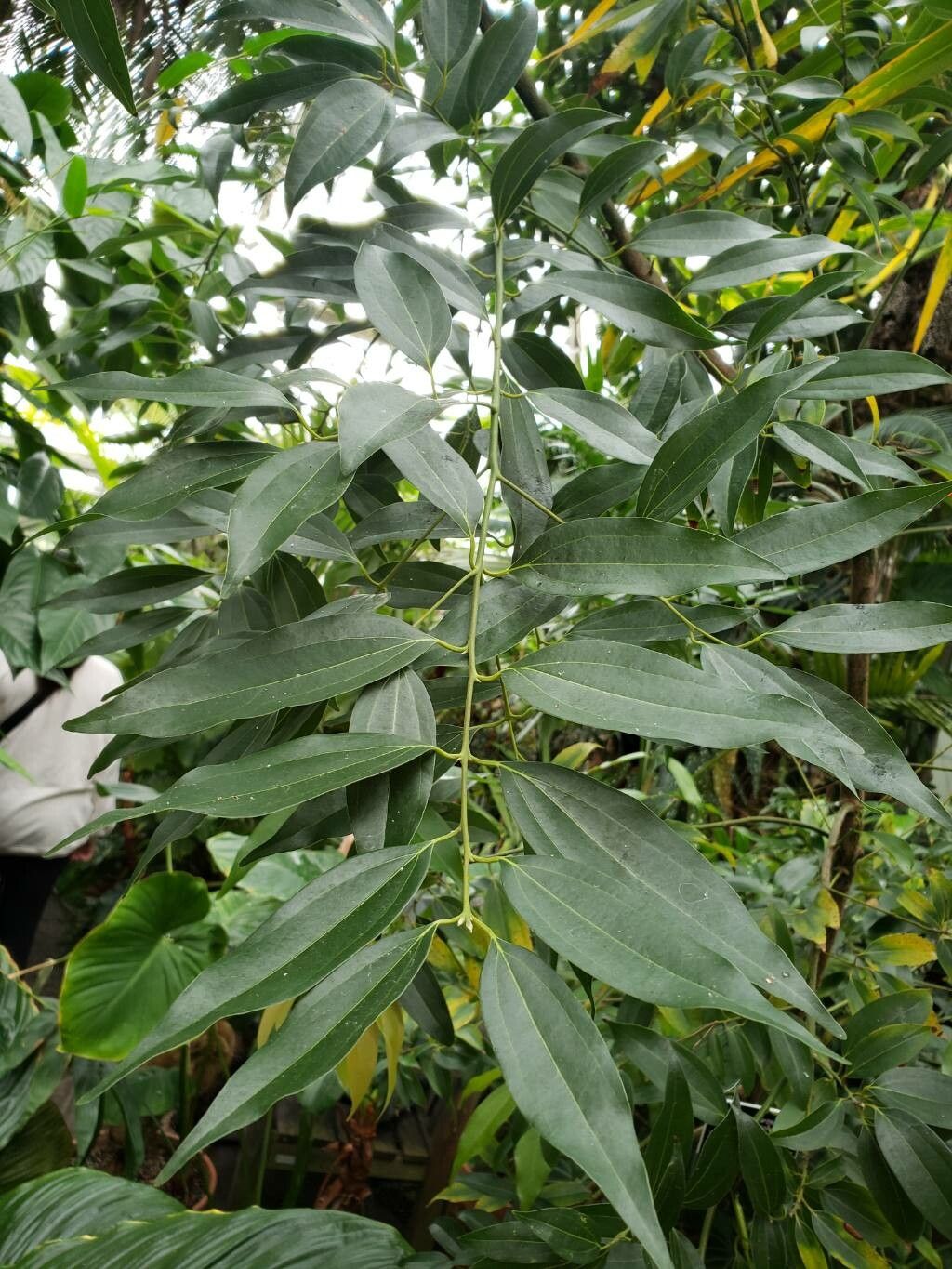
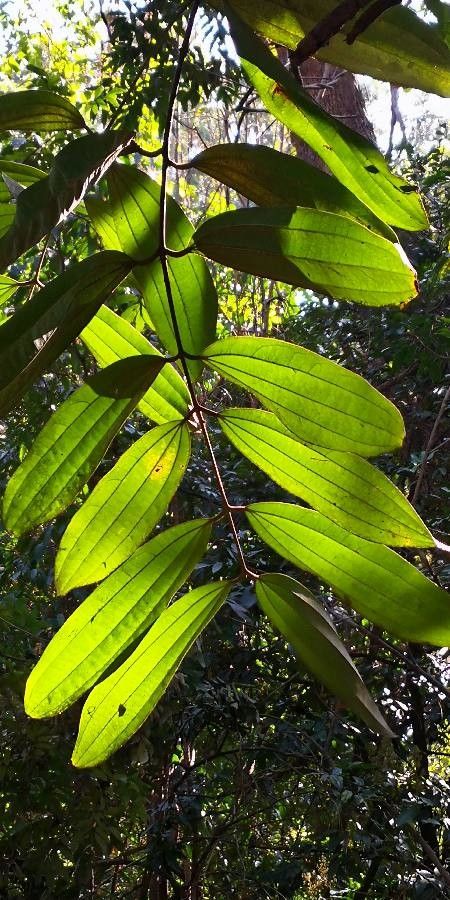
The leaves of Cinnamomum burmanni are leathery, dark green, and have a glossy surface. Its small flowers are yellowish-green, and its fruit is an oval-shaped berry that turns black when ripe.
For centuries, the bark of Cinnamomum burmanni has been used as a spice, prized for its sweet aroma and warm flavor. This characteristic taste comes from its essential oils, which include cinnamic aldehyde, eugenol, and coumarin.
Beyond its culinary applications, Cinnamomum burmanni is also valued for its medicinal properties. It has anti-inflammatory effects that can help alleviate pain caused by arthritis or other inflammatory conditions. Additionally, it contains antioxidants that protect against oxidative stress caused by free radicals.
Overall, the Cinnamomum burmanni plant holds significant cultural importance as a spice and medical value as an anti-inflammatory agent.
Botanical profile.
- Genus
- Cinnamomum
- Family
- Lauraceae
Other names.