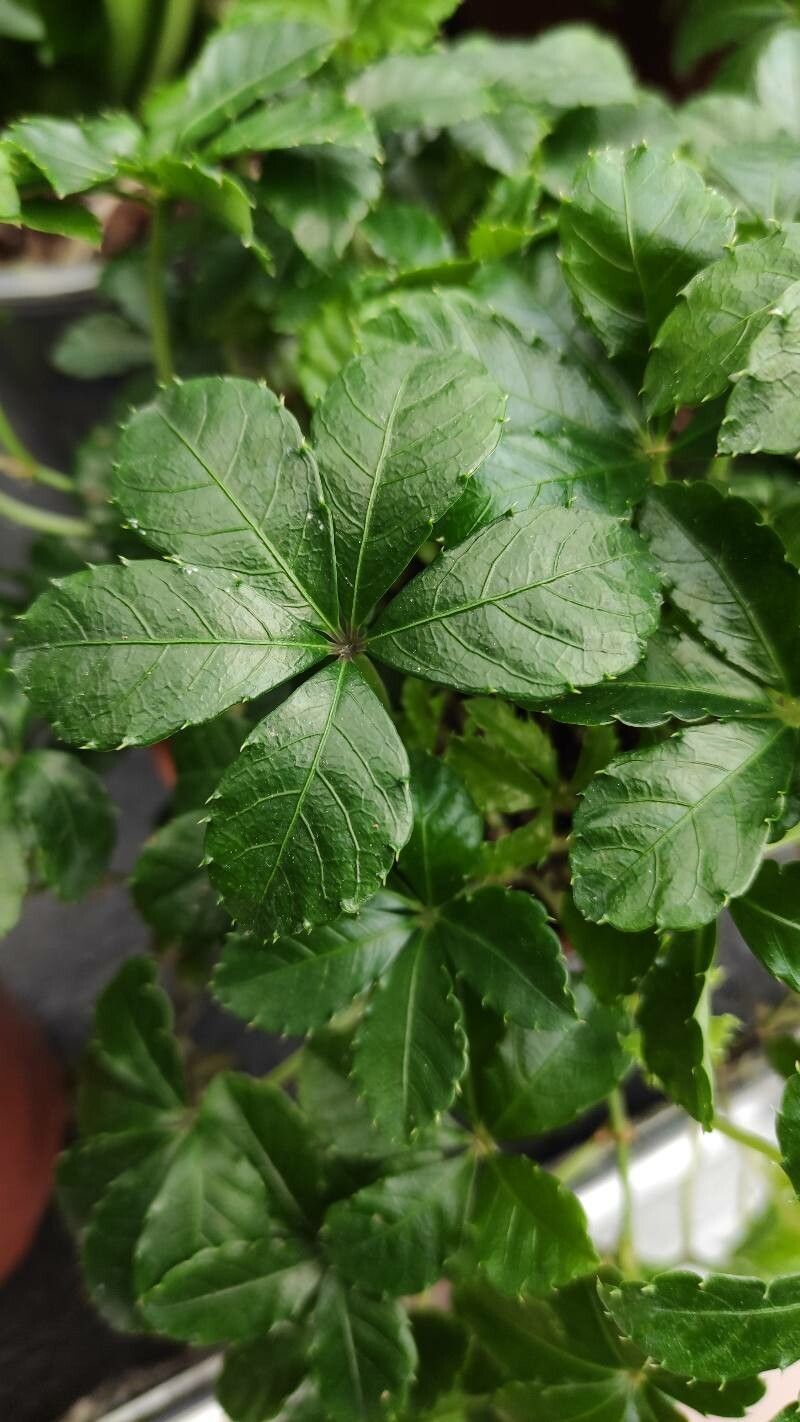
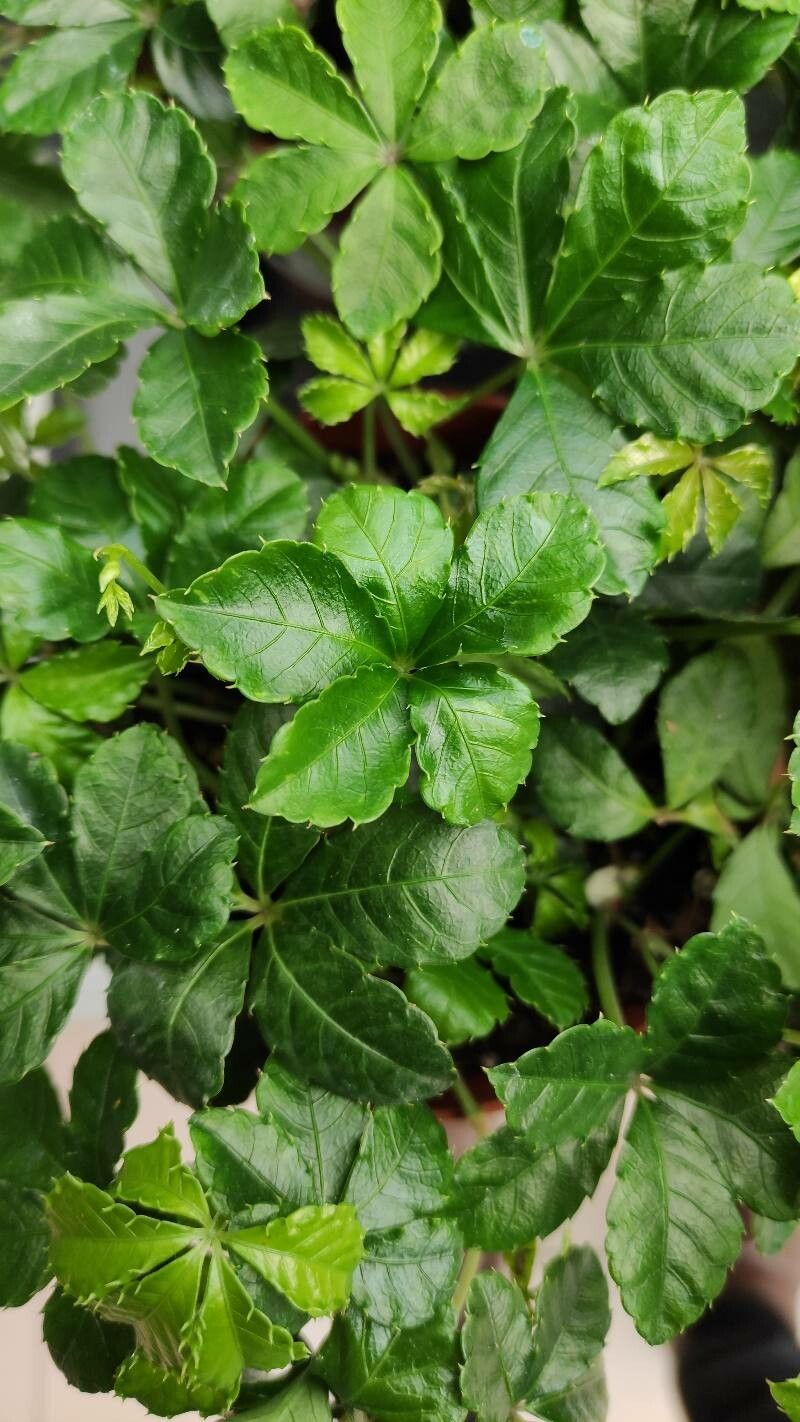
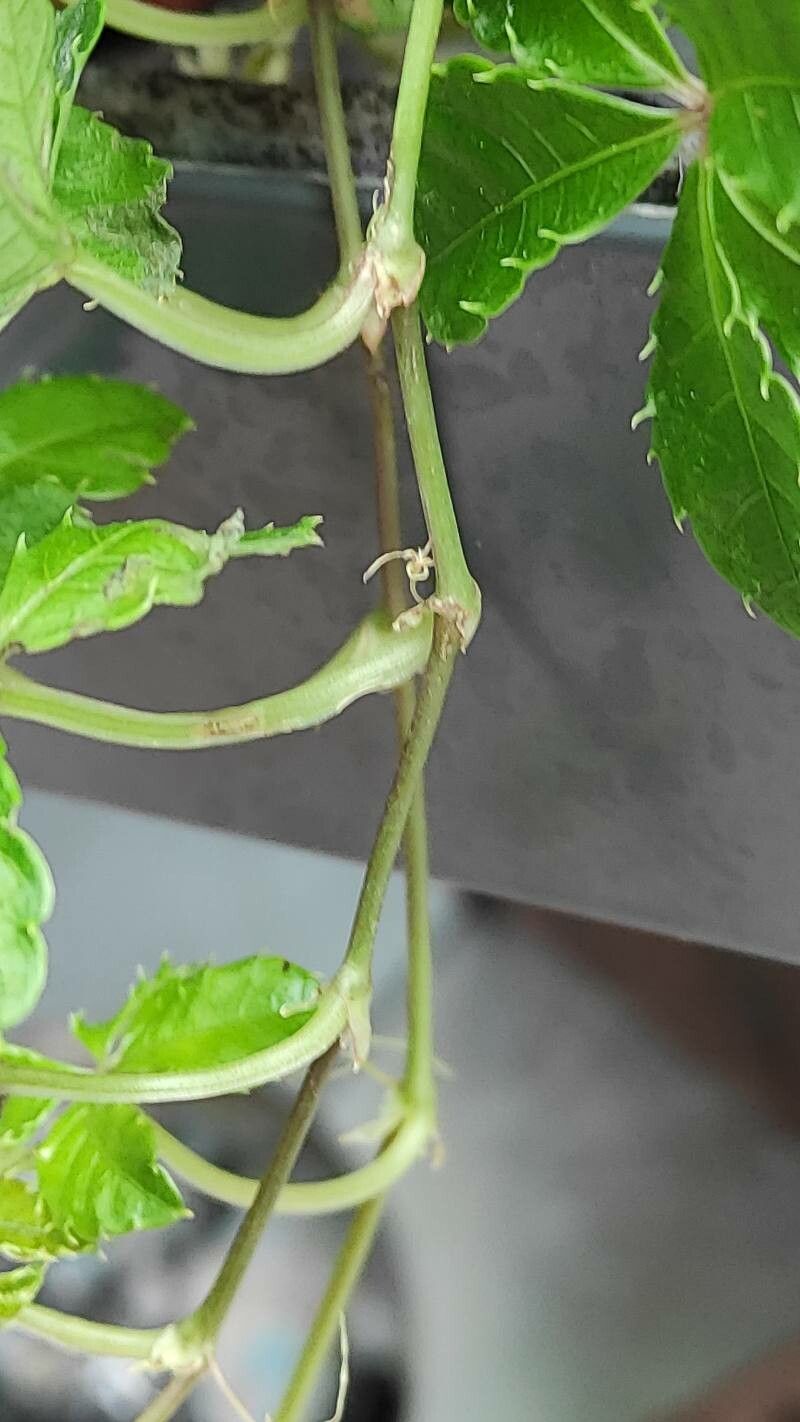
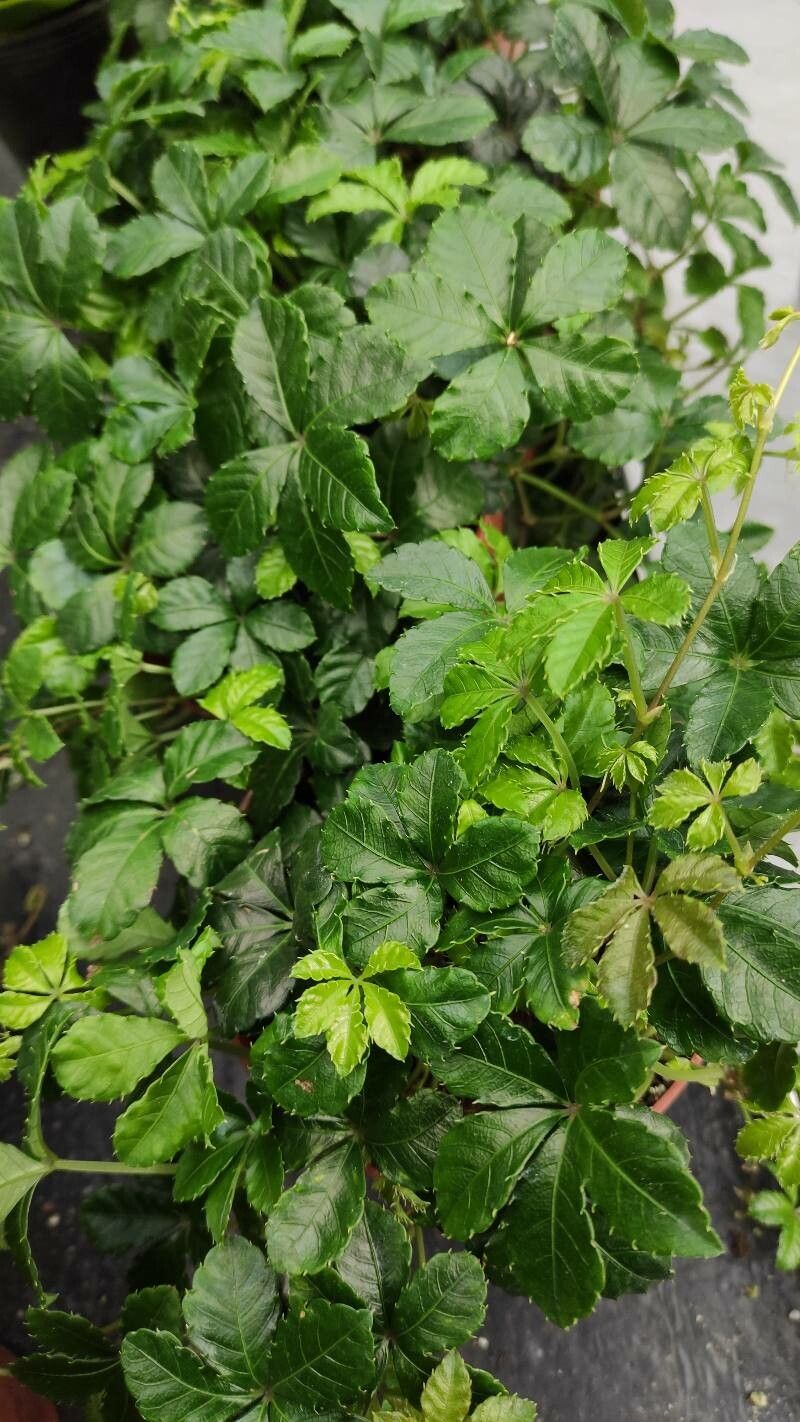
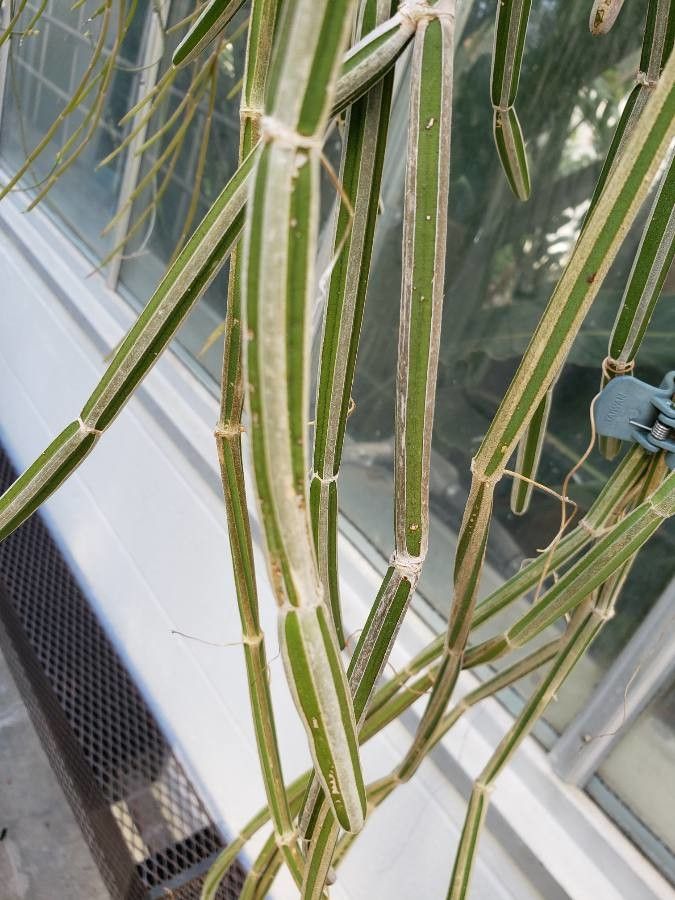
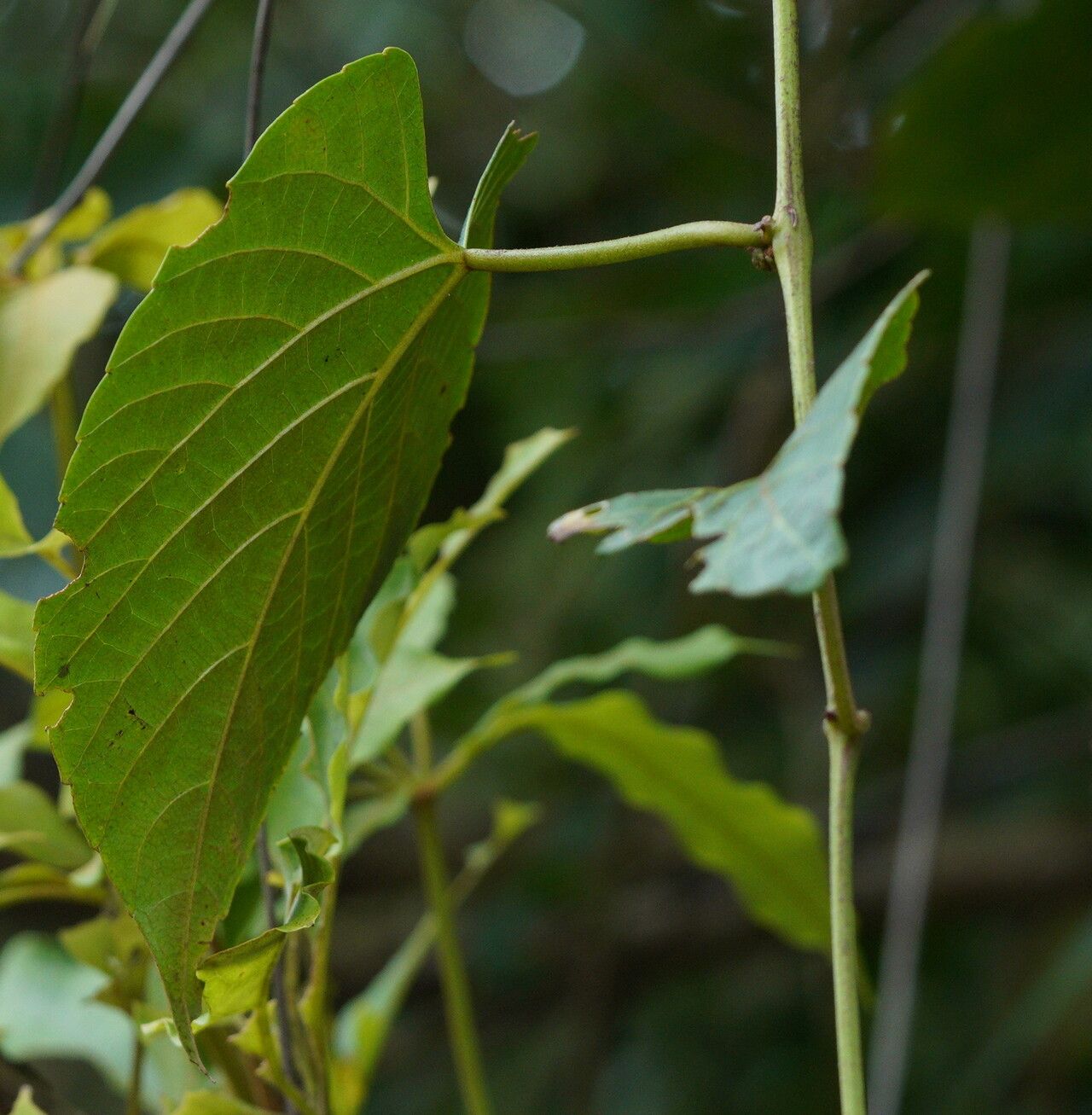
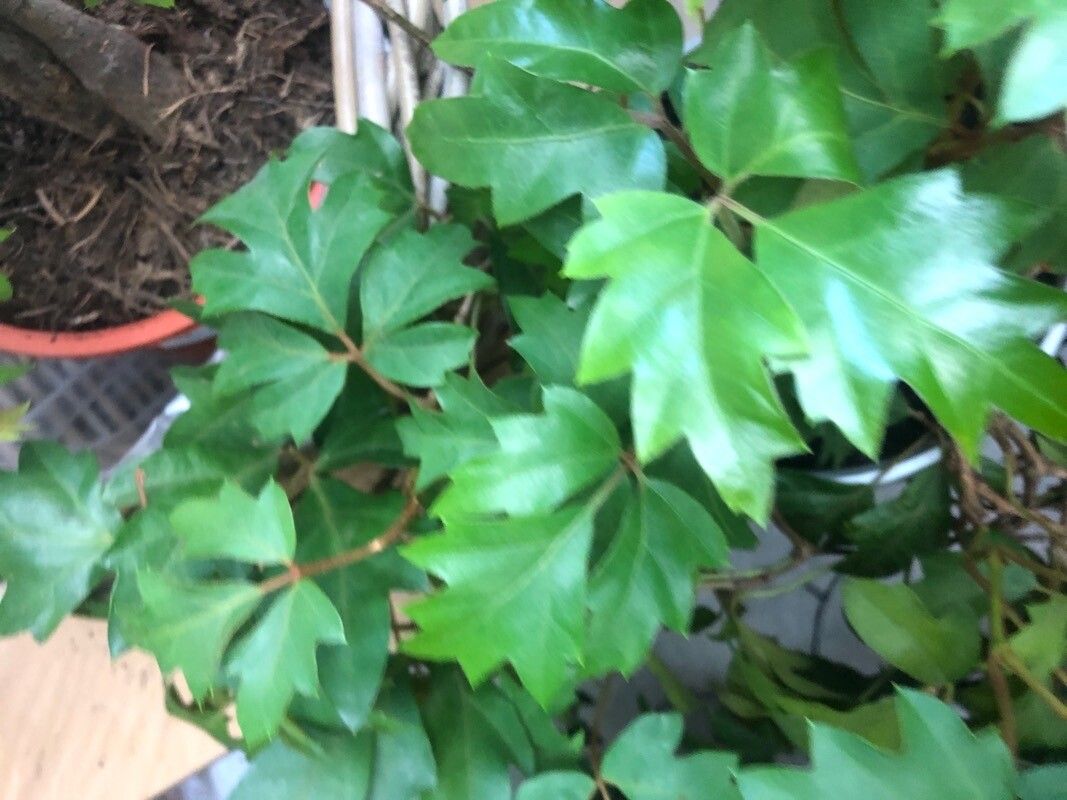
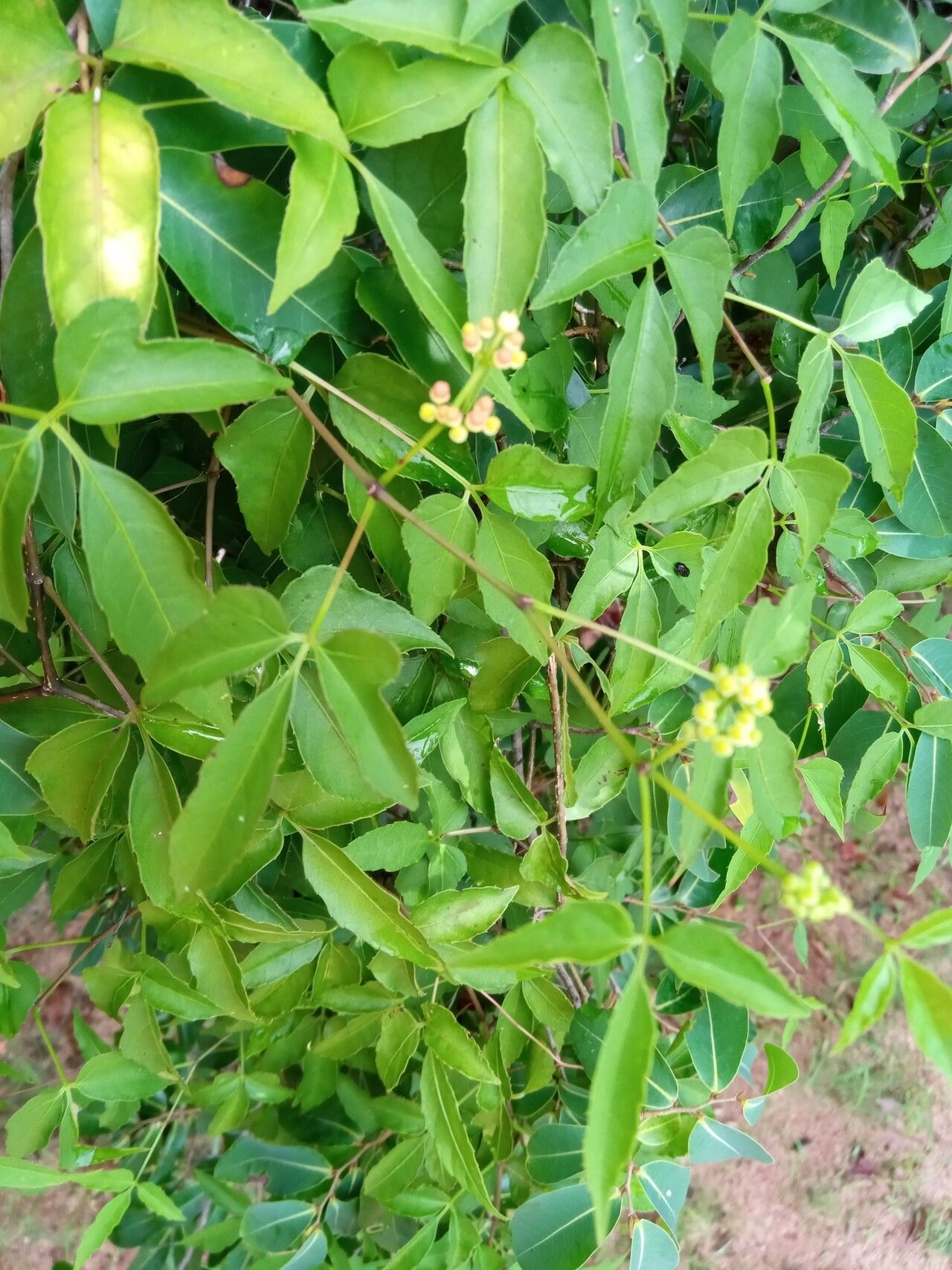
Cissus striata, commonly known as the ivy treebine or princess vine, is a species of flowering plant in the grape family, Vitaceae. Native to tropical regions of Central and South America, this plant features a woody stem that can grow up to 10 meters in length. Its small, oval-shaped green leaves have serrated edges, and it produces small, greenish-yellow flowers that cluster together.
Often grown as an ornamental plant, Cissus striata is appreciated for its attractive foliage and its ability to climb walls or trellises. It thrives in well-drained soil with moderate moisture levels but can withstand periods of drought once established. While the plant requires full sun exposure for optimal growth, it can also tolerate partial shade.
In traditional medicine, Cissus striata has been used for its anti-inflammatory properties and as a treatment for joint pain and arthritis. However, further research is needed to fully understand its potential medicinal benefits.
In summary, Cissus striata is an appealing climbing vine that enhances the visual interest of any garden or indoor space. Additionally, it may offer health benefits through traditional medicinal practices.
Miniature grape ivy is fairly disease-resistant and usually not susceptible to illness. Regarding care, this plant is relatively low-maintenance. When grown outdoors it needs only light watering, and larger specimens typically do not require pruning. Smaller plants, however, should be pruned after they finish blooming. Miniature grape ivy is suitable for anyone with an outdoor area, such as a garden or deck, and does not demand extensive care experience.
How to keep Cissus Striata.
Light
Miniature grape ivy originates in habitats like forest understories or rocky terrain, where it grows in natural shade. It prefers partial sun but can adapt to full sun or full shade, showing its versatile and hardy nature.
Water
Miniature grape ivy thrives in humid environments, similar to tropical regions, and is also drought-tolerant. Watering it every three weeks is ideal. This plant is well-suited for indoor and container cultivation, which makes managing its watering needs easier.
Temperature
In its native habitat, miniature grape ivy does well where the climate matches its preferred temperatures, which range from 59 to 100°F (15 to 38°C). Adjustments for extreme seasonal fluctuations are seldom required.
Fertilizer
Proper timing is vital for fertilizing Miniature grape ivy. Apply fertilizer in early spring and continue monthly through early summer. Fertilizer promotes attractive blooms and supplies energy during both dormant and active growth periods.
Pruning
To encourage a denser and healthier growth, miniature grape ivy benefits from pruning in early spring. This helps to shape the plant and remove any dead stems, while also thinning out crowded areas to improve air circulation. Be sure to disinfect your pruning tools beforehand to prevent the spread of disease, ultimately enhancing the plant's appearance and overall health.
Botanical profile.
- Plant Type
- Vine
- Life Cycle
- Perennial
- Genus
- Cissus
- Family
- Vitaceae
- Hardiness Zone
- 8-11
- Mature Height
- 6.1 m
- Mature Spread
- 0.91 m to 2.13 m
- Leaf Color
- Green
- Leaf Type
- Evergreen
- Flower Color
- Green
- Flower Size
- 0.25 cm to 0.51 cm
- Bloom Time
- Summer
- Planting Time
- Spring, Autumn
- Harvest Time
- Late summer, Early fall, Mid fall
Other names.