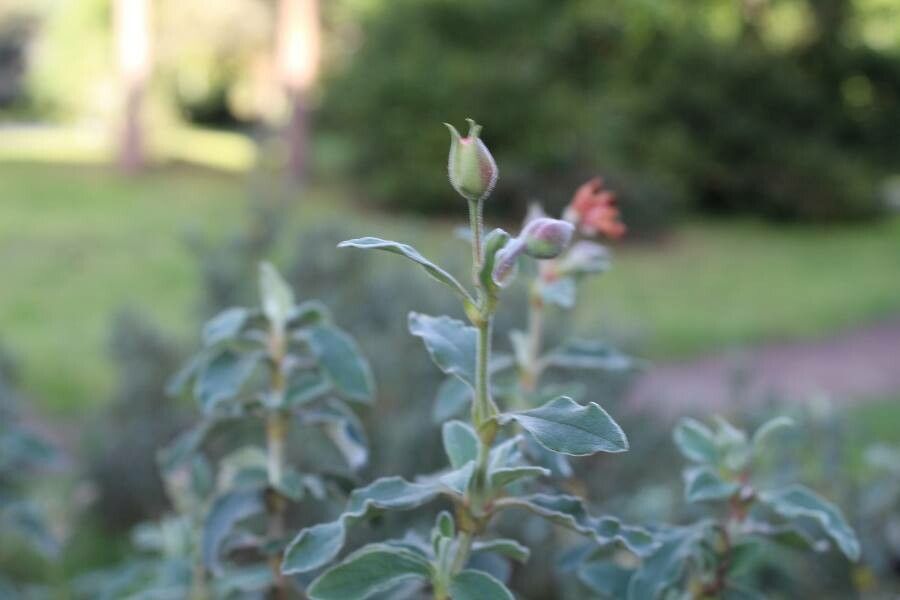
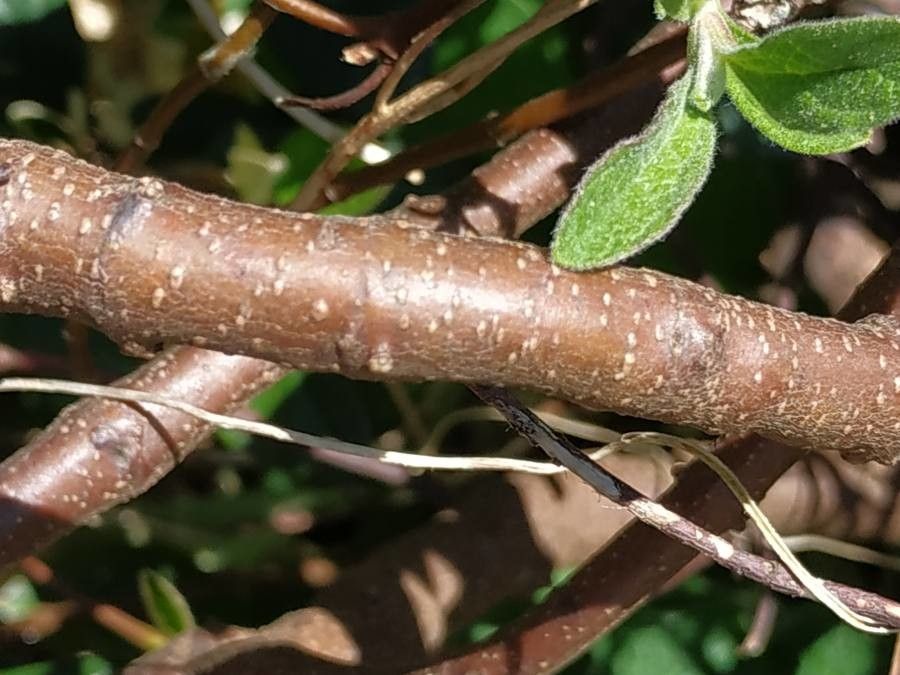
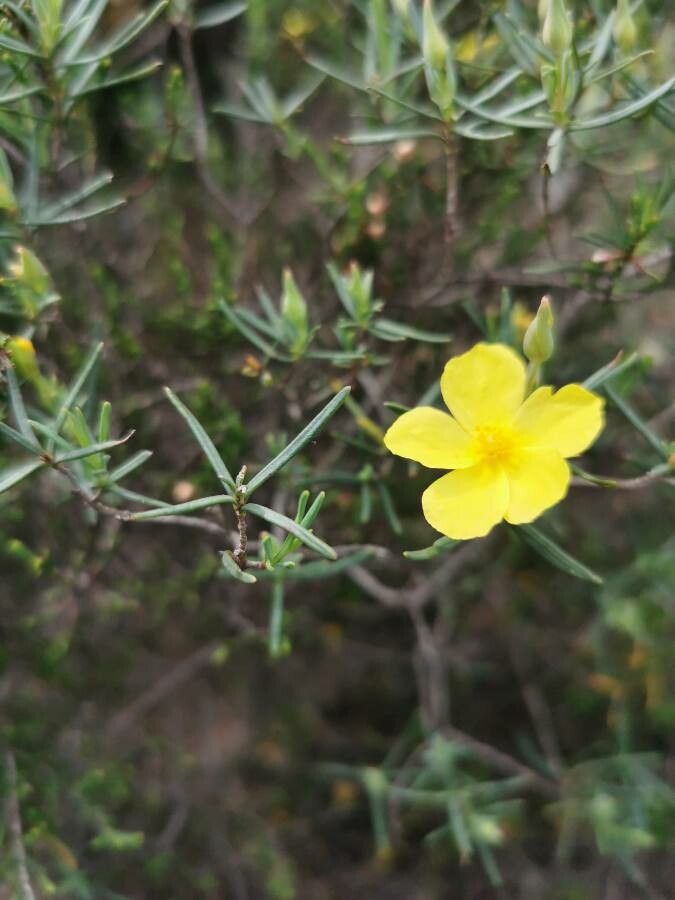
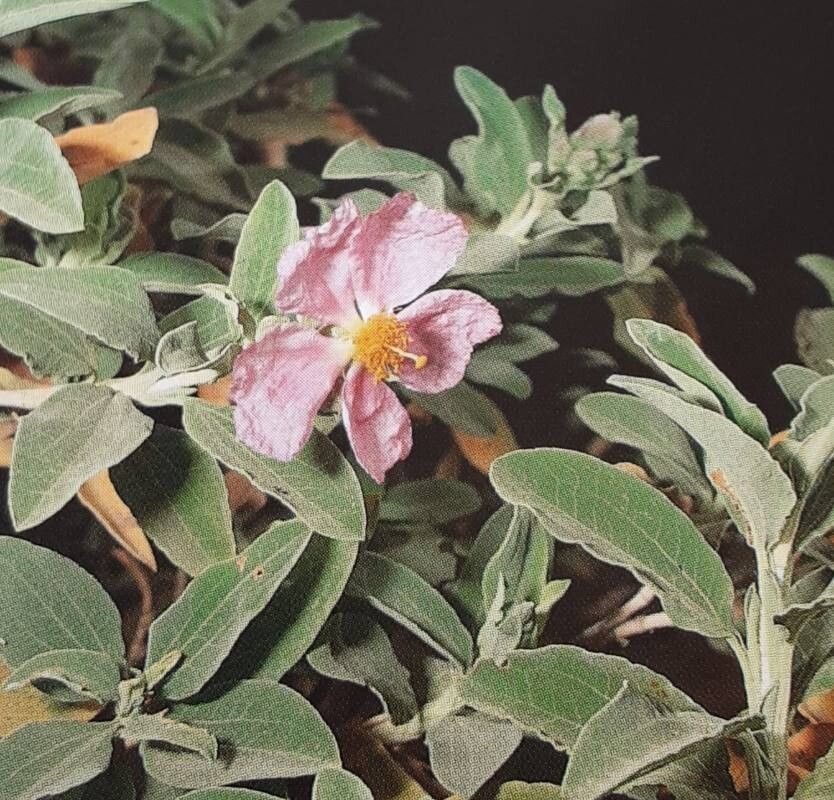
Cistus parviflorus, commonly known as small-flowered rockrose, is a small evergreen shrub that belongs to the Cistaceae family. Native to the Mediterranean region, it thrives in rocky, dry habitats such as hillsides, cliffs, and scrublands. The plant reaches up to 1 meter in height and has a spread of 1 to 2 meters.
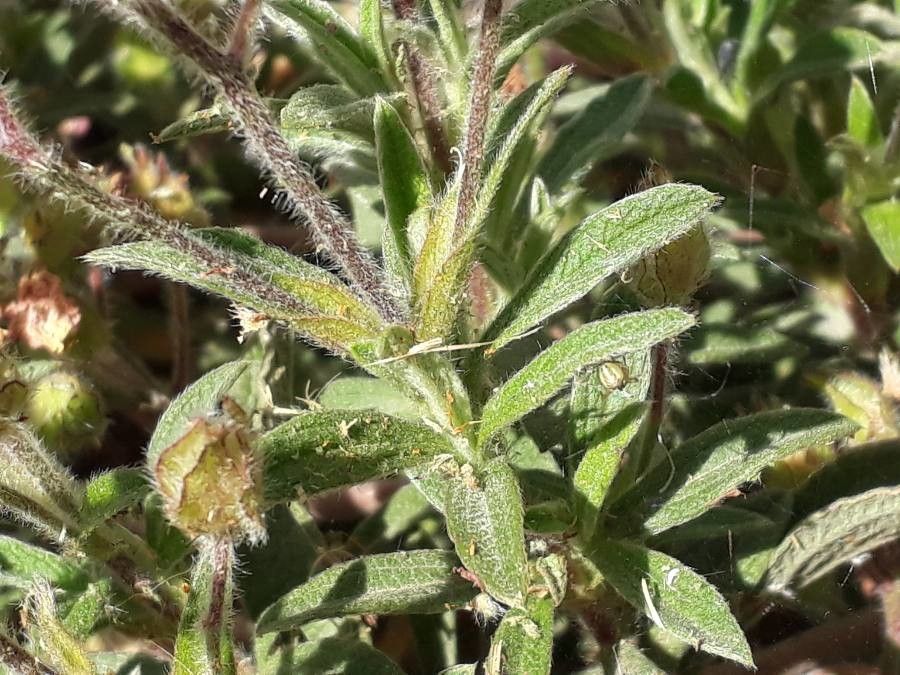
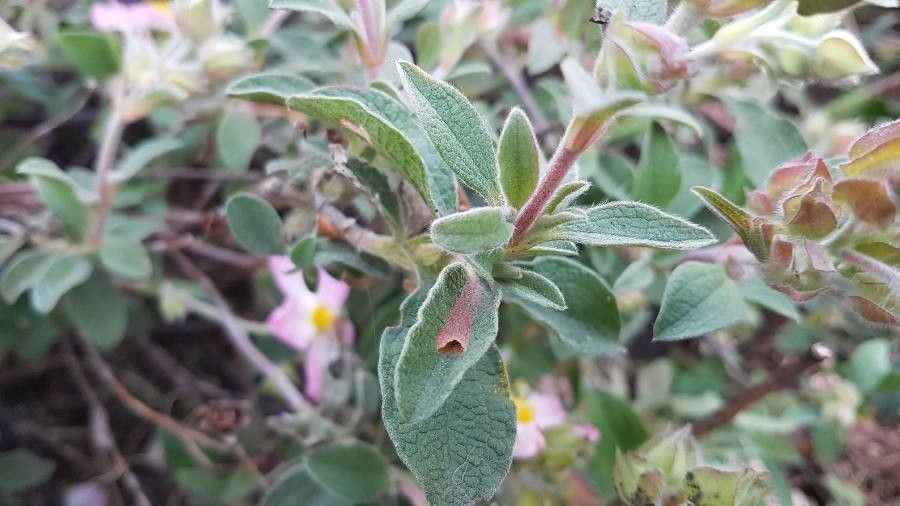
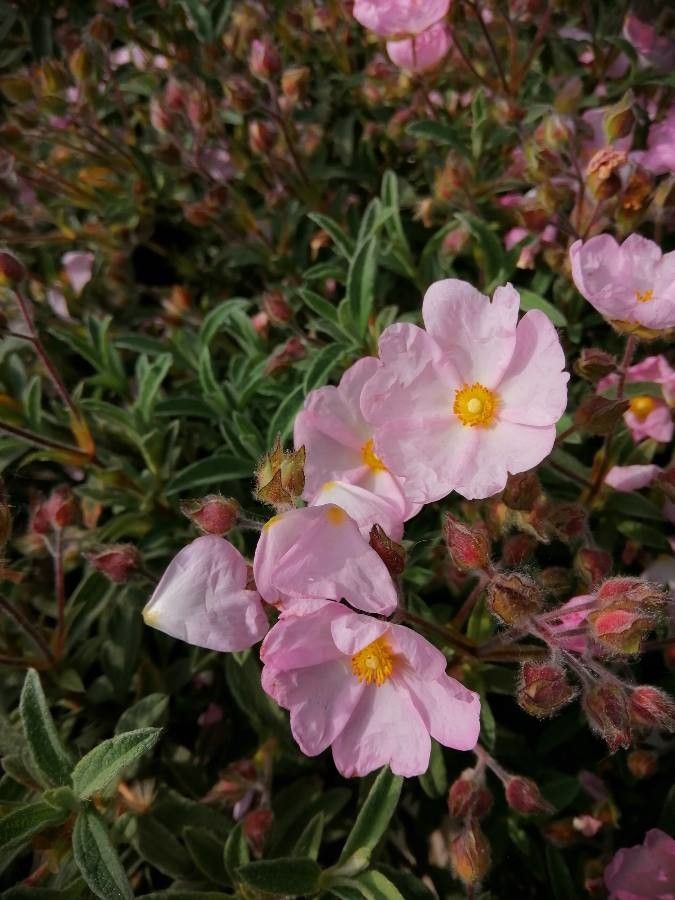
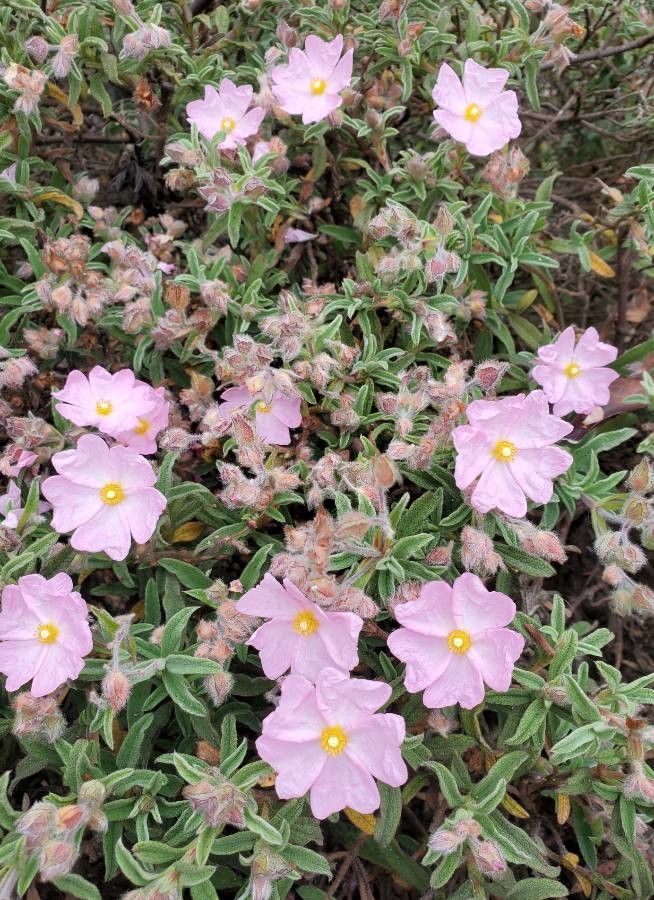
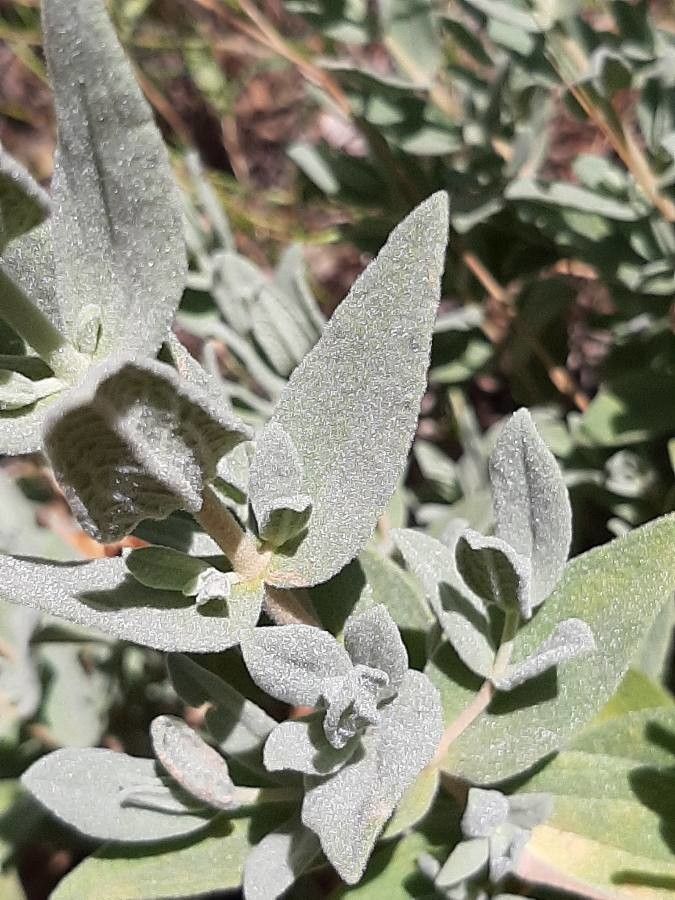
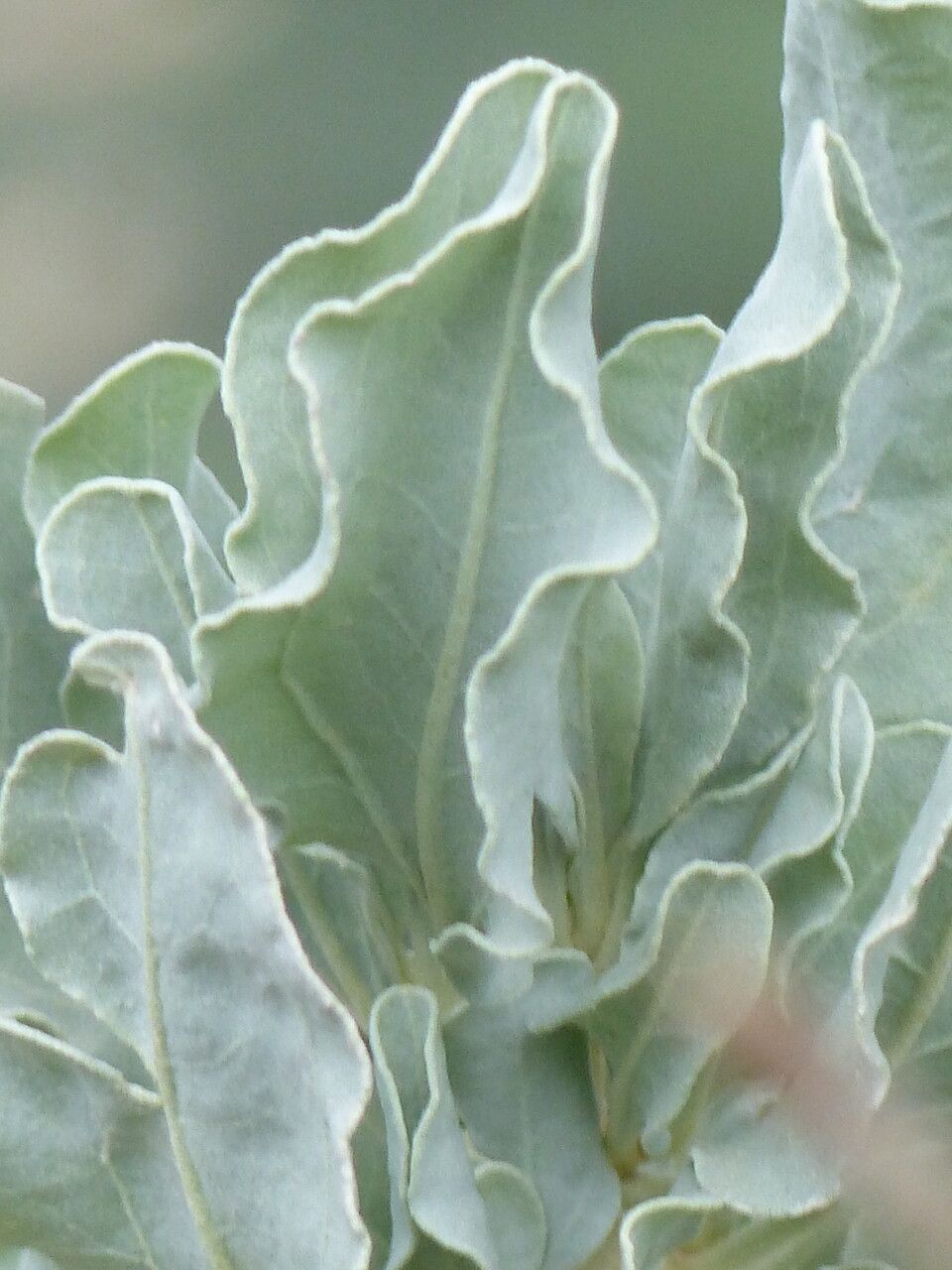
The leaves of Cistus parviflorus are dark green, leathery, and covered with fine hairs, giving them a grayish appearance. The flowers, which bloom from late spring to early summer, are pink or white with yellow centers.
Cistus parviflorus is easy to grow and requires well-drained soil in either full sun or partial shade. While it is drought-tolerant, occasional watering during prolonged dry spells can be beneficial. The plant requires minimal maintenance but can be pruned after flowering to maintain its shape.
The essential oil extracted from Cistus parviflorus is known for its medicinal properties, including anti-inflammatory effects on the skin, wound-healing properties, and antioxidant activity.
Overall, Cistus parviflorus is an attractive shrub that adds color to any garden while requiring minimal care.
The small-flowered rockrose is quite resistant to disease and is generally not susceptible to illnesses. Regarding care, this plant is fairly low-maintenance. When grown outdoors it needs only minimal watering, and larger specimens typically do not need pruning. Smaller plants, however, should be pruned after they finish blooming. The small-flowered rockrose is appropriate for anyone with an outdoor area, such as a garden or deck, and does not demand extensive plant-care experience.
How to keep Cistus Parviflorus.
Light
Small-flowered rockrose comes from open habitats, like sunny meadows and forest edges, where abundant light is available. It performs best in Full Sun but can also tolerate Partial Sun, adapting well to a range of sunlight conditions.
Temperature
Small-flowered rockrose shows considerable adaptability to a range of climate conditions, from scorching summers to cold winters. Nevertheless, it has an optimal temperature range for growth. If temperatures become too high, the plant is vulnerable to heat and humidity stress, which can lead to its death. In areas where temperatures approach the lower threshold of its cold tolerance, taking insulation measures to protect the plant is important.
Fertilizer
Apply fertilizer to your Small-flowered rockrose in early spring to encourage healthy growth. Consistent fertilization boosts overall health, producing vigorous growth, better tolerance of harsh conditions, and increased resistance to disease and pests. Keep a regular fertilization schedule for your Small-flowered rockrose to achieve vibrant, deeply colored foliage and a lush appearance.
Botanical profile.
- Plant Type
- Shrub
- Life Cycle
- Perennial
- Genus
- Cistus
- Family
- Cistaceae
- Hardiness Zone
- 8-10
- Mature Height
- 30 cm to 61 cm
- Mature Spread
- 49 cm to 91 cm
- Leaf Color
- Green, Dark Green
- Leaf Type
- Evergreen
- Flower Size
- 2.03 cm to 3.05 cm
- Bloom Time
- Mid spring, Late spring, Early summer
- Planting Time
- Spring, Summer, Autumn
- Harvest Time
- Mid summer, Late summer, Early fall
- Native Area
- Libya, Cyprus, Turkey, Greece
Other names.