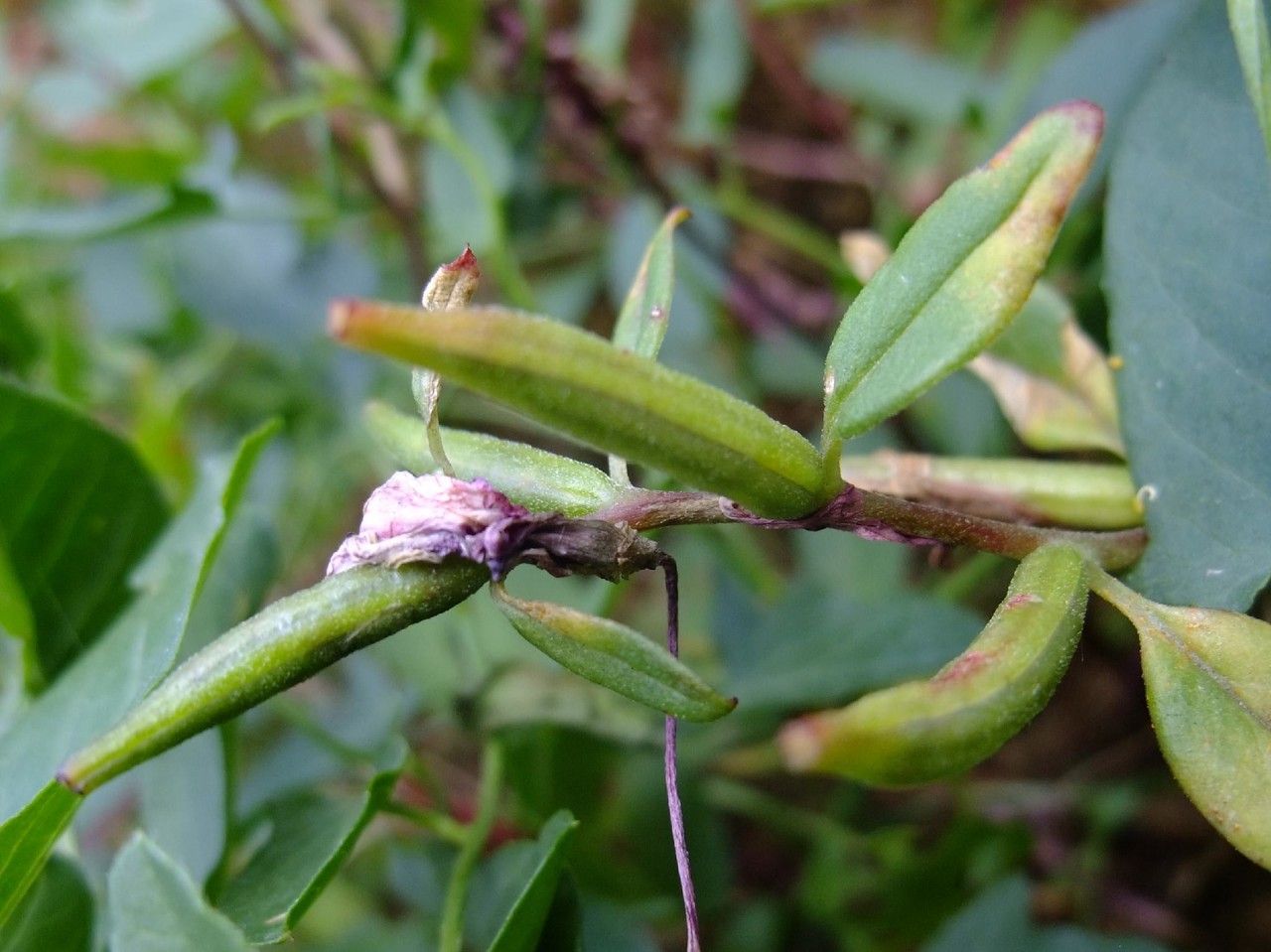
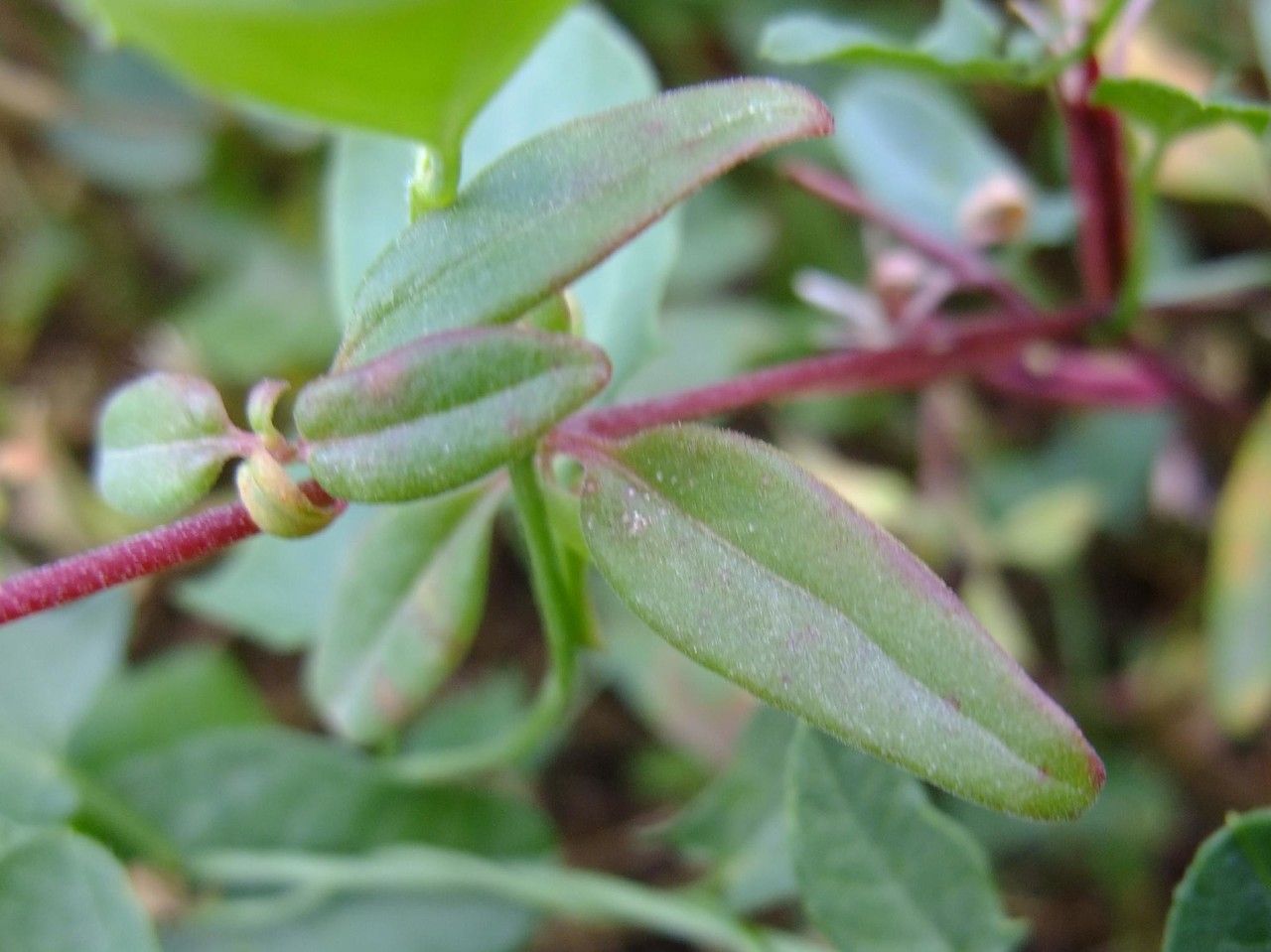
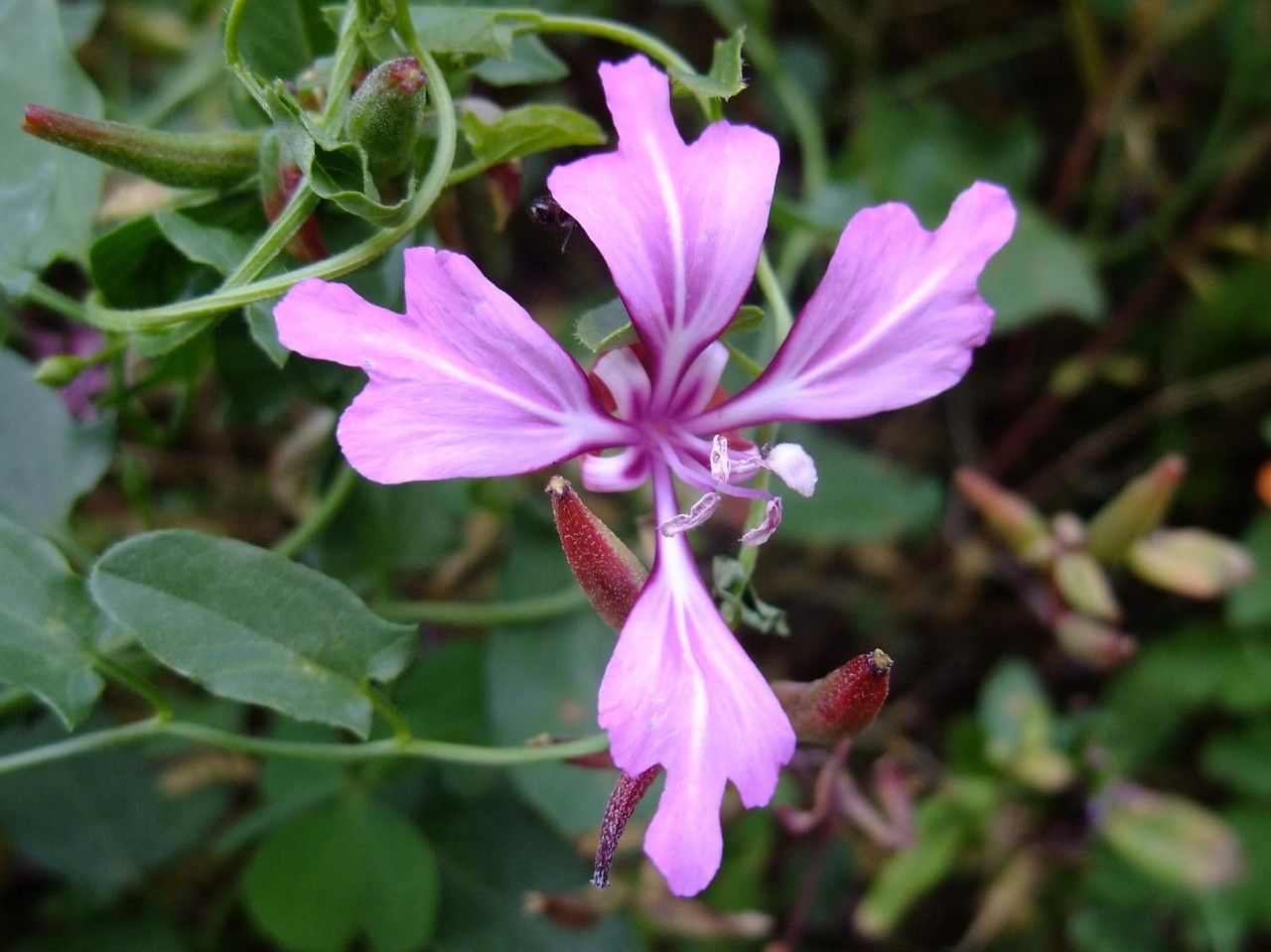
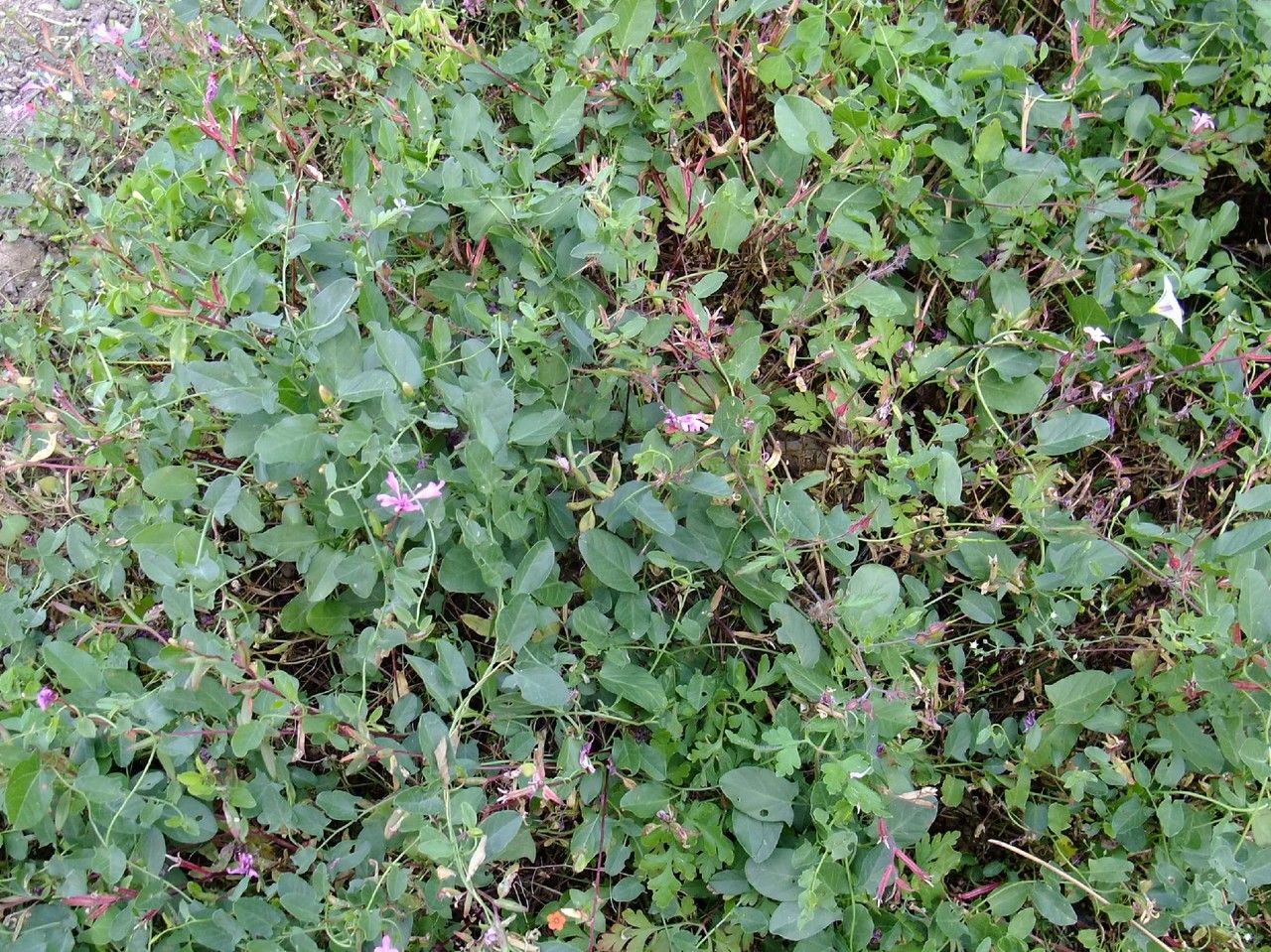
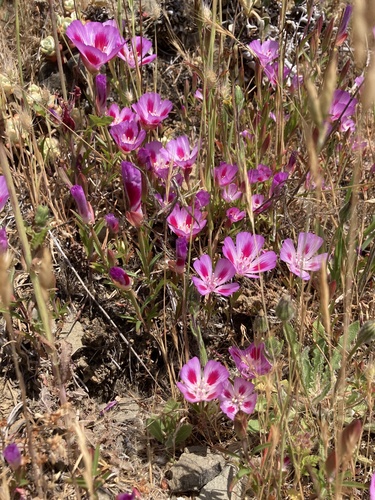
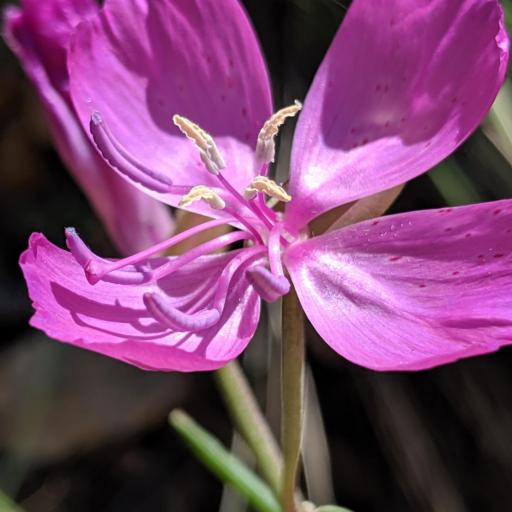
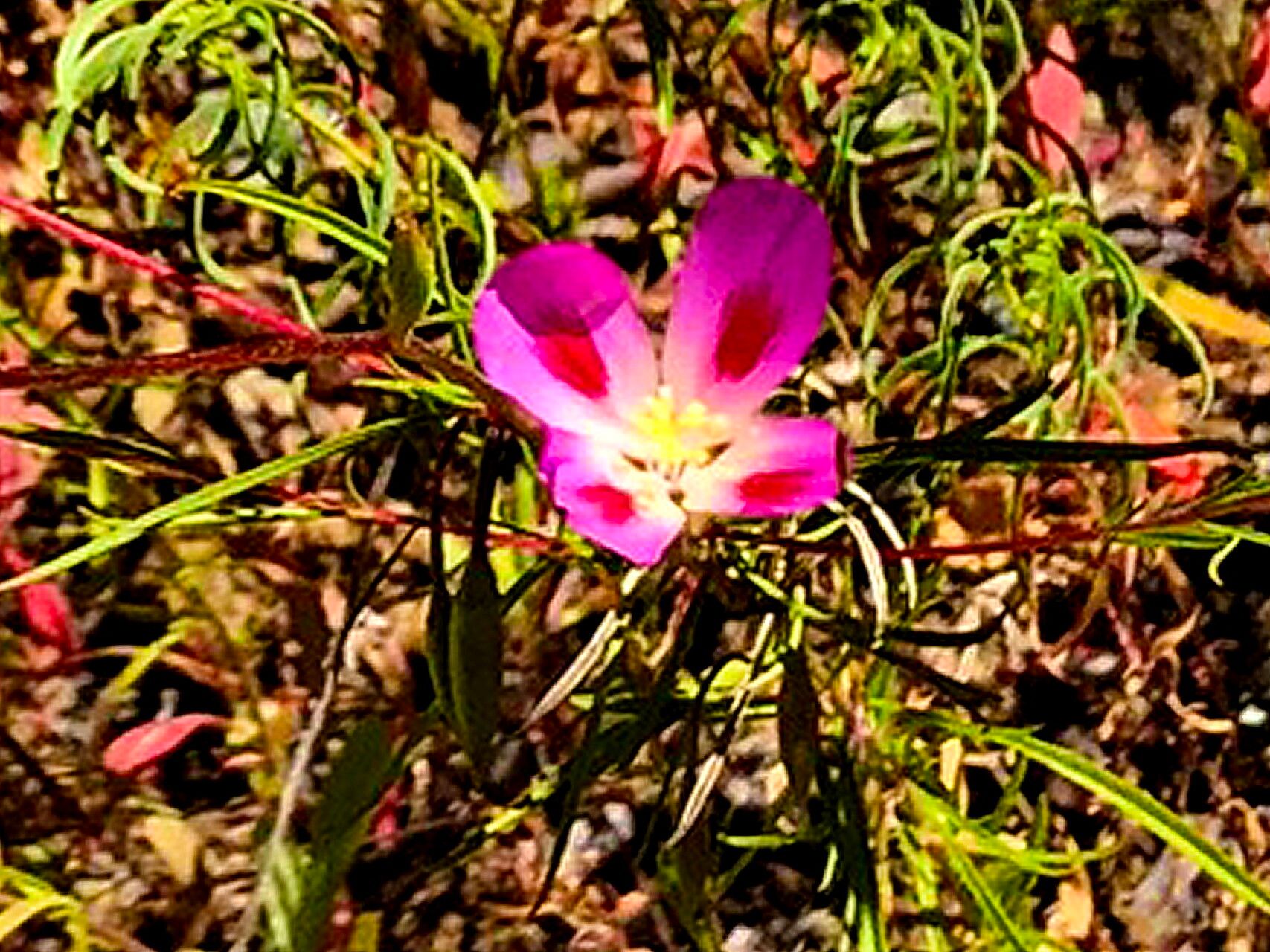
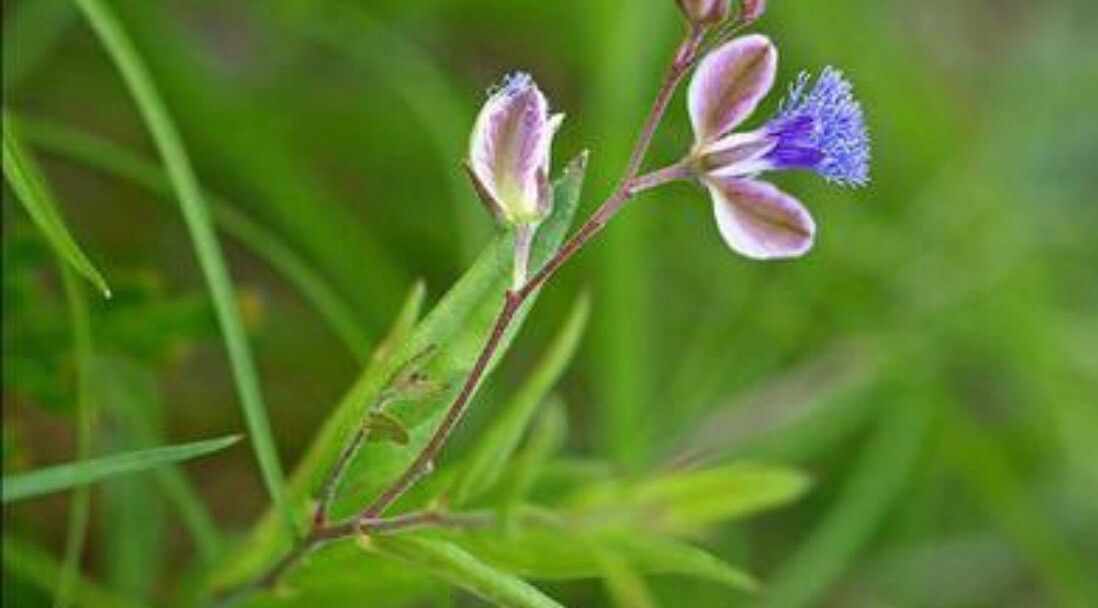
Clarkia concinna is a species of wildflower known as red ribbons. It is endemic to California, where it can be found in the low-elevation mountains of the northern part of the state. This is an annual plant with erect, herbaceous stems. The distinctive flowers have four looping sepals of red or dark pink which look like loops of silk ribbon. The longer, pink petals have three lobes which are usually streaked with white. Subspecies:
C. c. automixa - Santa Clara red ribbons C. c. concinna - red ribbons C. c. raichei - Raiche's red ribbons
Red ribbons has good disease resistance and is generally not prone to diseases. However, it can be vulnerable to pests and diseases present in its environment. Such infections are typically not severe. Regarding care, this plant requires moderate maintenance. It should be pruned regularly to preserve a neat appearance and encourage healthy growth. Fertilizing can also help stimulate flowering. Red ribbons is appropriate for anyone with an outdoor space, such as a garden or patio, and does not demand extensive care experience. It may need more attention when grown indoors.
How to keep Clarkia Concinna.
Light
Red ribbons do best with moderate natural light and should not be exposed for long periods to intense brightness. Such lighting, reflecting its original habitat, encourages the plant's growth. Too much or too little light can negatively affect the plant's health and development.
Water
Red ribbons thrive in humid environments with regular rainfall. They need consistent moisture, so it's best to water them weekly. During warmer weather and longer days, they require more frequent watering to support their growth throughout the outdoor growing season.
Temperature
Red ribbons is native to a temperate environment and prefers a temperature range of 68 to 100.4 °F (20 to 38 ℃). Adjusting the temperature within this favored range according to seasonal changes can optimize growth.
Fertilizer
When most of Red ribbons' blooms have opened fully, resume fertilizing. At about the time the blooms reach their peak, apply fertilizer every three to four weeks, weather permitting. Once Red ribbons begins producing fewer new blooms, stop fertilizing; there's no reason to feed the plant when it can no longer make additional blooms.
Pruning
Red ribbons benefit from pruning from early to late spring. Removing dead stems and spent flowers encourages bushiness and extends the blooming period. This practice also improves air circulation, which reduces the risk of disease. Be sure to use clean, sharp tools to maintain the plant's health and enhance its ornamental appeal.
Botanical profile.
- Plant Type
- Herb
- Life Cycle
- Annual
- Genus
- Clarkia
- Family
- Onagraceae
- Hardiness Zone
- 2-12
- Mature Height
- 46 cm
- Mature Spread
- 61 cm
- Leaf Color
- Green, Gray
- Leaf Type
- Deciduous
- Flower Color
- Pink
- Flower Size
- 2.03 cm to 3.05 cm
- Bloom Time
- Late spring, Early summer, Mid summer
- Planting Time
- Spring, Summer
- Harvest Time
- Mid summer, Late summer, Early fall
Other names.
Reader questions.
What are the sunlight requirements for Red Ribbons (Clarkia concinna)?
Red Ribbons (Clarkia concinna) thrives in conditions that mimic its natural habitat, requiring moderate levels of natural light without prolonged exposure to intense luminosity. It is recommended that these plants receive about 3-6 hours of sunlight per day. Observing how sunlight moves through your garden can help you choose spots that provide the perfect balance of light and shade, ensuring the plants’ well-being. Inadequate sunlight can hinder the plant's growth, leading to several health issues.
What is the optimal temperature range for Red ribbons?
Red ribbons thrives in a temperate environment, flourishing best within a temperature range from 68 to 100.4 °F (20 to 38 °C). Adjusting the temperature within this range as per the seasonal changes can significantly optimize the plant's growth.
How can artificial lighting benefit Red Ribbons indoors?
When natural sunlight is insufficient, especially during winter or in less sunny spaces, artificial lighting becomes essential for the growth of indoor Red Ribbons. LED lights are favored for indoor plant lighting due to their ability to be customized to specific light wavelengths needed by plants. The brightness required varies by plant type: full sun plants need 30-50W/sq ft, partial sun plants 20-30W/sq ft, and full shade plants 10-20W/sq ft. Proper placement involves situating the light source 12-36 inches above the plant, and duration should mimic natural daylight hours, typically 8-12 hours per day.
Do Red ribbons require special frost protection measures?
Red ribbons possess strong cold resistance, typically eliminating the need for special frost protection measures during winter. However, in exceptionally cold conditions where temperatures are expected to drop below -40°C, it is crucial to provide cold protection by covering the plant with materials like soil or straw. Additionally, watering the plant abundantly before the first freeze in autumn helps keep the soil moist and prevents drought and water scarcity during winter and early spring.
What are the signs of inadequate light exposure for Red Ribbons?
Red Ribbons shows several signs when suffering from inadequate light, including smaller new leaves, leggy or sparse growth, faster leaf drop, slower or no new growth, and lighter-colored or irregularly patterned new leaves. Overexposure can lead to chlorosis (leaves turning yellow), sunscald (pale or necrotic spots on the plant), leaf curling (as a defense mechanism against too much light), wilting (due to excessive water loss), and leaf scorching (brown, dry edges on leaves).
How does Red ribbons react to cold temperatures?
Red ribbons is cold-tolerant, performing best when the temperature stays above 20°C. It should always be kept above 0°C during winter. Exposure to temperatures falling below -40°C might not show immediate changes during winter, but can lead to a decrease in sprouting or even result in no sprouting during springtime. In such cases, it's advised to remove any parts of the plant that failed to sprout.
What solutions are available for Red Ribbons facing light-related issues?
For indoor Red Ribbons, gradually shifting them to sunnier spots each week until they receive 3-6 hours of direct sunlight daily or using artificial light for at least 8 hours a day can optimize growth. Outdoors, carefully move plants to more suitable sunlight locations to avoid sunburn. Removing obstructions or transplanting smaller plants during their dormant period can also help increase sunlight exposure. It's important to note that while affected parts may not recover, new growth should be healthy with adequate light.
What are the effects of high temperature on Red ribbons?
During high-temperature periods, particularly in summer, Red ribbons should be kept below 38°C. Temperatures exceeding 43°C can cause the leaves to lighten in color, become prone to curling, vulnerable to sunburn, and in severe cases, may cause the entire plant to wilt and dry up. To manage this, trim away sunburned and dried parts, move the plant to a shaded location during the midday and afternoon, or utilize a shade cloth. Additionally, watering the plant in the morning and evening to maintain soil moisture can help mitigate the effects of extreme heat.
What is the botanical name of Red ribbons?
The botanical name of Red ribbons is Clarkia concinna. This plant is noteworthy not only for its appealing visual characteristics but also for its adaptability to a range of temperature conditions, showcasing resilience in both cold and warm climates.