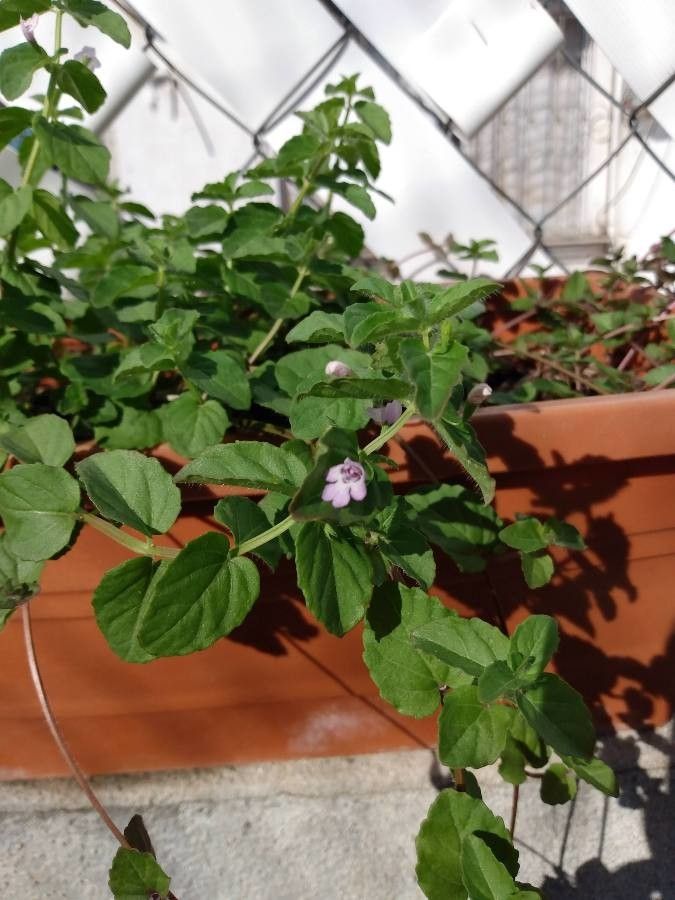
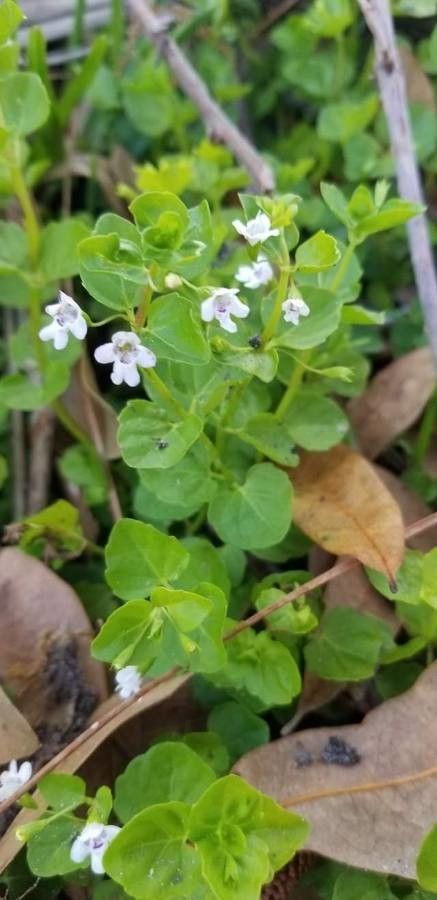
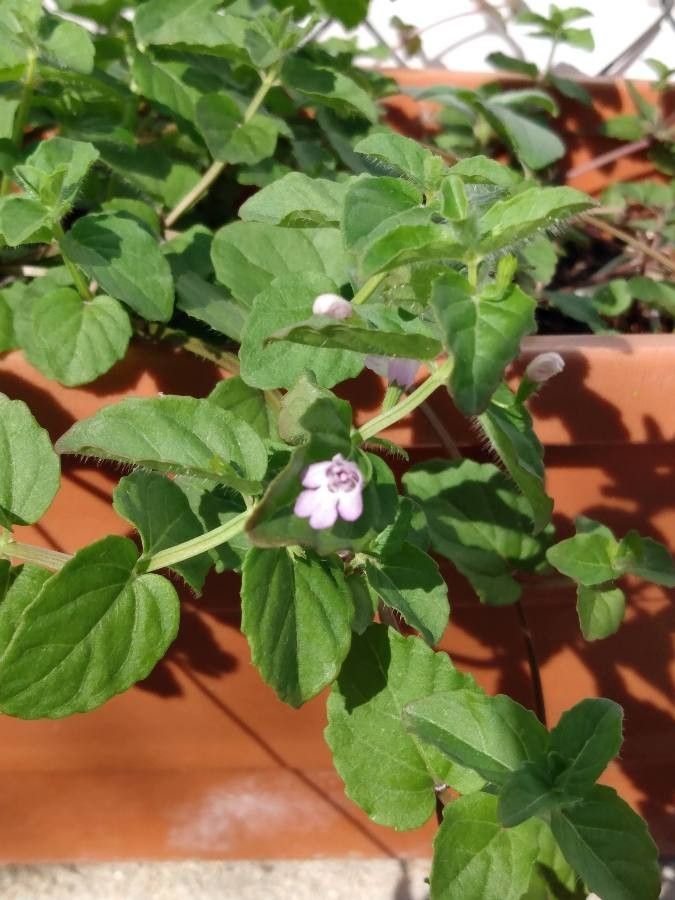
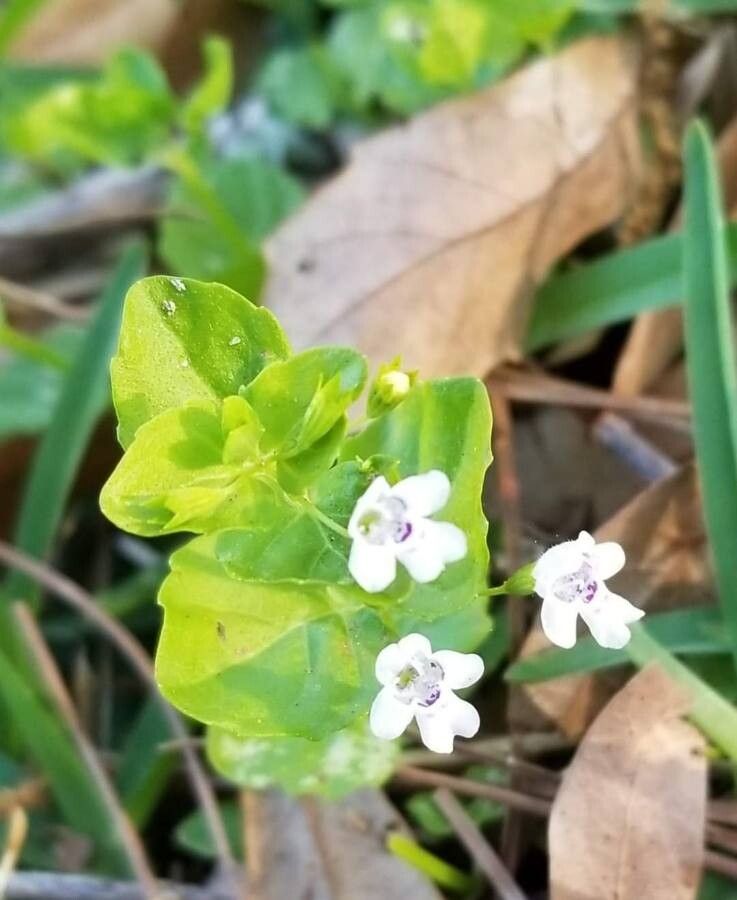
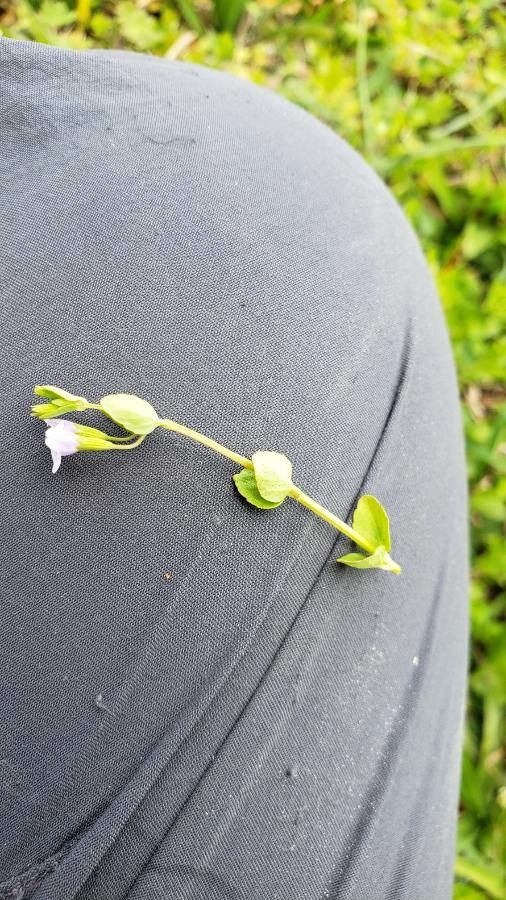
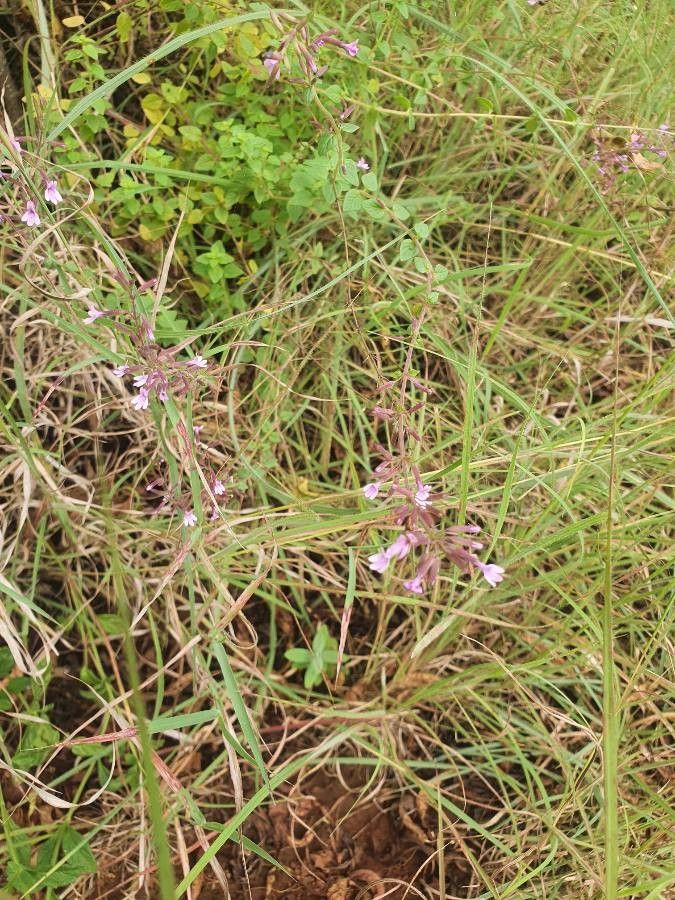
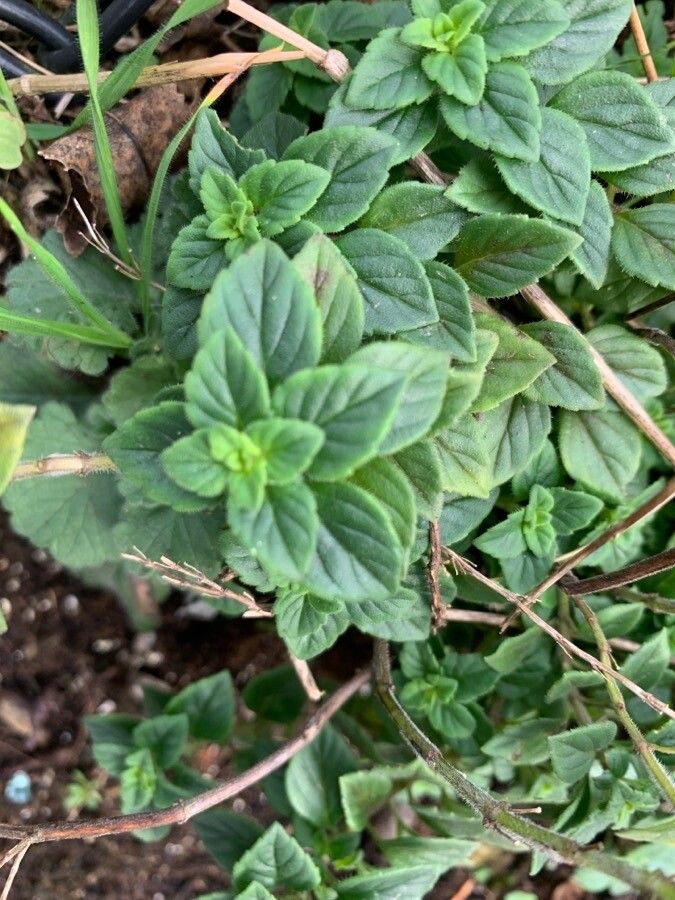
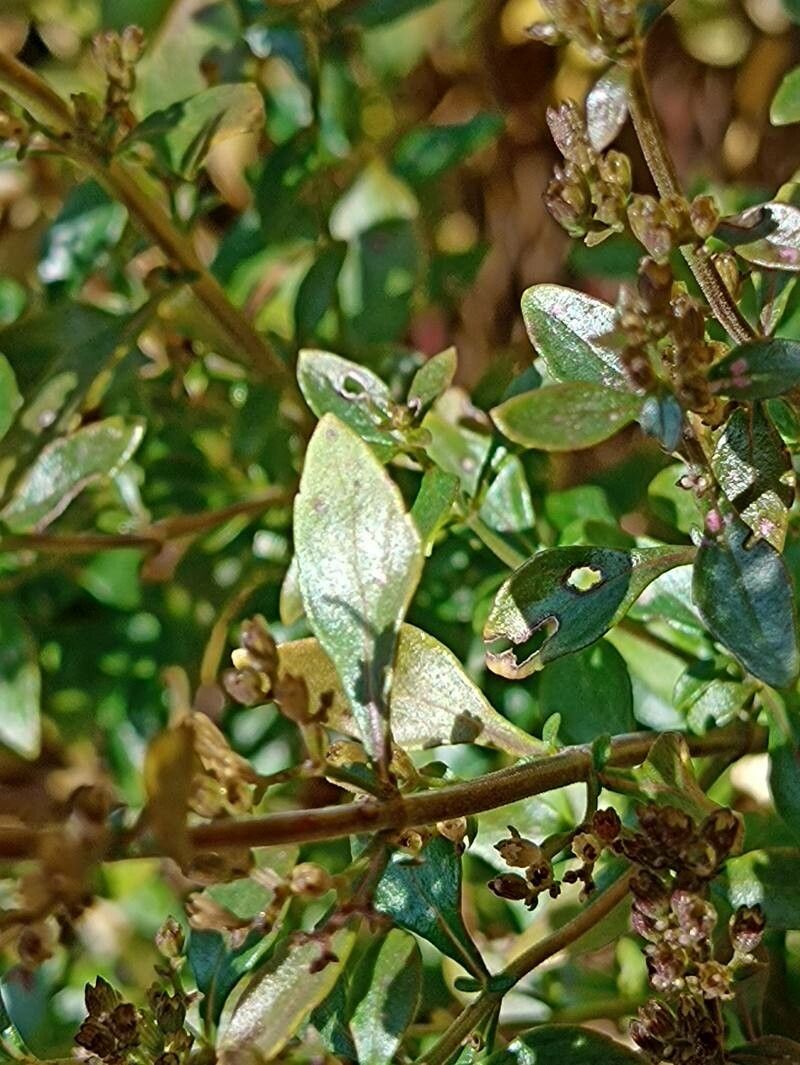
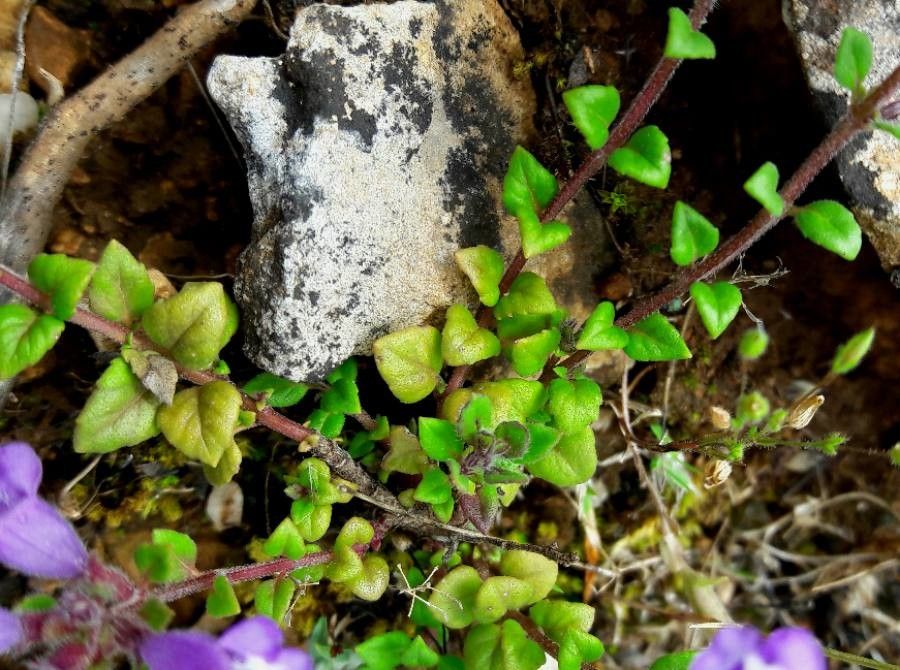
Clinopodium brownei, or Browne's savory, is a perennial with sprawling square stems and opposite leaves. This herb is heavily pubescent on the stem and inner and outer calyx. The corolla is bilabiate. The lips are thin and delicate and may contain hairs. The corolla color is pinkish-white to lavender and sometimes white. There are four stamens which are didynamous and epipetalis. The ovary is 4 lobed with a gynobasic style with acute apices. Under the ovary appears to be a nectiferous gland. This herb is found during late winter and early spring in marshy environments along the coastal plain of the southeastern United States, specifically from Texas through South Carolina, as well as in Mexico, Central America, South America and the West Indies.
Browne's savory exhibits good resistance to disease and is generally not prone to illnesses. However, it can be vulnerable to pests and diseases present in its environment. These issues are usually not serious. In terms of care, the plant requires moderate maintenance. It should be pruned regularly to maintain a tidy appearance and promote healthy growth. Fertilizing can also help encourage flowering. Browne's savory is appropriate for anyone with outdoor space, such as a garden or patio, and does not demand extensive gardening experience. It may need more attention when cultivated indoors.
How to keep Clinopodium Brownei.
Light
Browne's savory does best when grown in full sun. Sunlight is vital for its vigorous growth and overall health. In its native habitat it is used to steady exposure to the sun. It can, however, tolerate periods of reduced light. Both too much and too little light can stress the plant and hinder its growth.
Water
Browne's savory prefers moderately moist soil, avoiding both overwatering and drought conditions. It grows well with weekly watering. When planted outdoors, it thrives in natural light and good airflow, enjoying a robust growing season when moisture levels and temperatures are favorable.
Temperature
Browne's savory prefers a warm climate and does best at temperatures of 59 to 100.4 °F (15 to 38 ℃). Maintaining this temperature range is important for healthy growth. In colder seasons, consider using indoor heating or a greenhouse.
Fertilizer
The best time to fertilize Browne's savory is in early spring, as it breaks dormancy and starts active growth. Fertilization supplies essential nutrients for healthy development. Although Browne's savory needs relatively little fertilizer, an annual application can improve its survival and encourage better, longer-lasting flowers.
Pruning
To encourage fuller growth and vibrant blooms, it's important to regularly prune Browne's savory, especially from early to late spring. Key techniques include shaping the plant, removing dead stems, improving air circulation, preventing diseases, and promoting bushier growth to help maintain the desired shape.
Botanical profile.
- Plant Type
- Herb
- Life Cycle
- Perennial
- Genus
- Clinopodium
- Family
- Lamiaceae
- Hardiness Zone
- 8-11
- Mature Height
- 20 cm
- Mature Spread
- 30 cm to 61 cm
- Leaf Color
- Green, Dark Green
- Leaf Type
- Evergreen
- Flower Color
- Lavender
- Flower Size
- 1.02 cm to 1.52 cm
- Bloom Time
- All year round
- Planting Time
- Spring, Summer, Autumn
- Harvest Time
- All year round
- Native Area
- Colombia, Bahamas, Cuba, Honduras, Mexico, Guatemala, Venezuela, Ecuador, Costa Rica, Jamaica
Other names.
Reader questions.
What are the sunlight requirements for Browne's savory (Clinopodium brownei)?
Browne's savory requires full sun exposure to thrive, necessitating more than 6 hours of sunlight daily. It can also grow in partial sun, defined as about 3-6 hours of sunlight. Observing how sunlight moves through your garden to find spots that offer the right balance of light and shade is recommended to ensure the plants' optimal health and happiness.
What is the optimal temperature range for Browne's savory?
Browne's savory, with its botanic name Clinopodium brownei, thrives in a temperature range between 59 to 100.4°F (15 to 38°C). It's essential to maintain this range to ensure healthy growth. The plant is accustomed to warmer climates and requires measures to maintain these temperatures, particularly in colder seasons. This can include the use of indoor heat systems or moving the plants to a greenhouse.
How essential is sun exposure for Browne's savory's growth?
Sun exposure is crucial for the robust growth and overall health of Browne's savory. Originating in environments with consistent sunlight, it's adapted to full daylight but can tolerate less intense sunlight for periods. Insufficient or excessive sunlight may cause stress, inhibiting growth. When natural sunlight isn't enough, especially in winter or less sunny locations, artificial lighting such as LED lights can support plant health by providing the necessary wavelengths of light, mimicking natural sunlight conditions for indoor plants.
What should be done to protect Browne's savory in cold temperatures?
Browne's savory shows some tolerance to cold and typically doesn't need extra protection when temperatures are above -5°C. However, if temperatures are expected to drop below this point, temporary protective measures are necessary. Wrapping the plant with plastic film, fabric, or other suitable materials can help. It's important to remove these protections once temperatures rise again to avoid any potential damage to the plant.
What are the common symptoms of inadequate sunlight for Browne's savory?
When Browne's savory doesn't receive adequate sunlight, it may exhibit several symptoms, including smaller new leaves, leggy or sparse growth, faster leaf drop, slowed or halted growth, lighter-colored new leaves, chlorosis (yellowing leaves), sunscald, leaf curling, wilting, and leaf scorching. These signs indicate the plant's need for better light exposure to maintain health and vigor.
How does Browne's savory react to low temperatures?
Browne's savory has a moderate tolerance to low temperatures, best thriving when above 15°C. During the winter, it should be kept above -5°C to avoid damage. If the temperature falls below -10°C, the plant's leaves may begin to droop and, in severe cases, wilt and fall off. Recovery is possible from mild exposure by trimming off frost-damaged parts and wrapping the plant with materials such as non-woven fabric or cloth, in addition to constructing a wind barrier for further protection.
How can I address Browne's savory's light needs indoors?
To ensure Browne's savory gets enough light indoors, gradually move it to a spot with at least 6 hours of direct sunlight daily, preferably near a south-facing window. If the plant is too large or not easily movable, consider using artificial light sources like desk or ceiling lamps for a minimum of 8 hours daily or invest in professional grow lights to provide sufficient light.
How does Browne's savory react to high temperatures?
In high temperatures, particularly when exceeding 38°C, Browne's savory may show stress signs, such as lighter leaf color, dry and withered leaf tips, curled leaves, and increased susceptibility to sunburn. Temperatures above 43°C can exacerbate these symptoms. To mitigate damage, it's recommended to trim away sunburned and dried up parts. Moving the plant to a shaded area or employing shade cloth during peak sun exposure, alongside watering in the morning and evening, can help maintain the plant's health.
What should I do if my Browne's savory needs more light outdoors?
For outdoor Browne's savory plants needing more sunlight, gradually move them to sunnier spots each week to avoid shock and sunburn. This gradual adjustment helps the plant adapt to the new light levels. Remember that parts of the plant that have been shaded for a long time may not recover immediately, but new growth will be healthy once light exposure increases.
How can I improve sunlight exposure for Browne's savory planted in the ground?
To improve sunlight exposure for Browne's savory in the ground, observe which elements are blocking the light and consider actions like pruning trees or bushes that may be shading the plant too much. If the plant is small enough, you might also consider transplanting it during its dormant period to a location with better sunlight and drainage. Make sure to carefully move the plant to minimize stress.