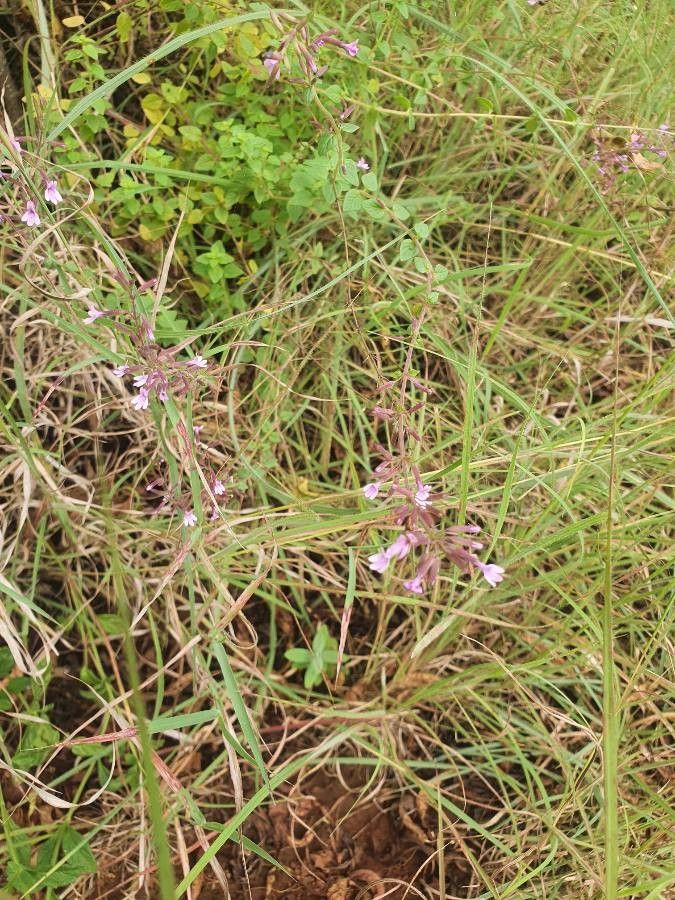
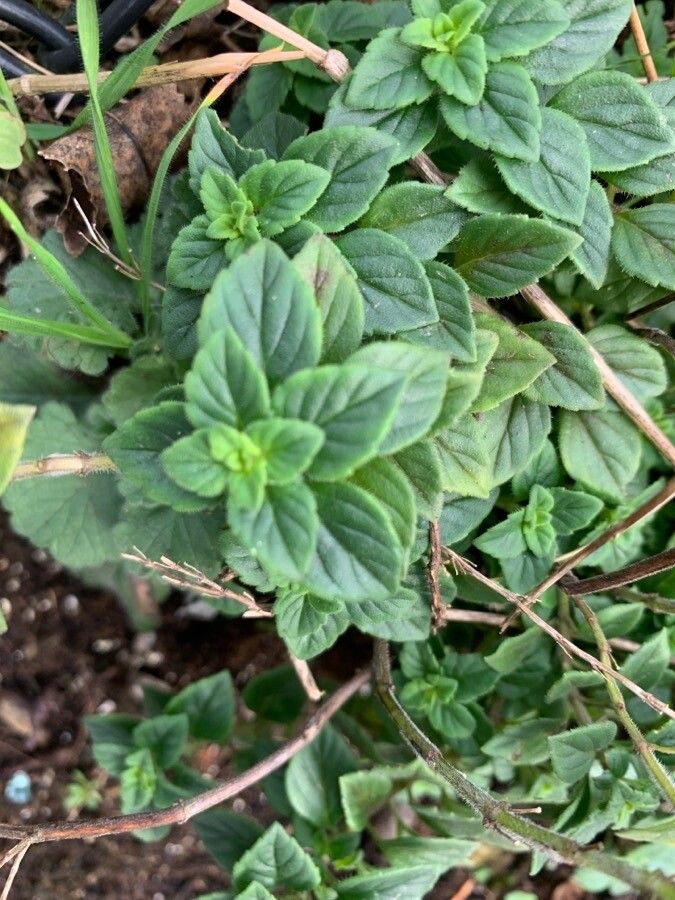
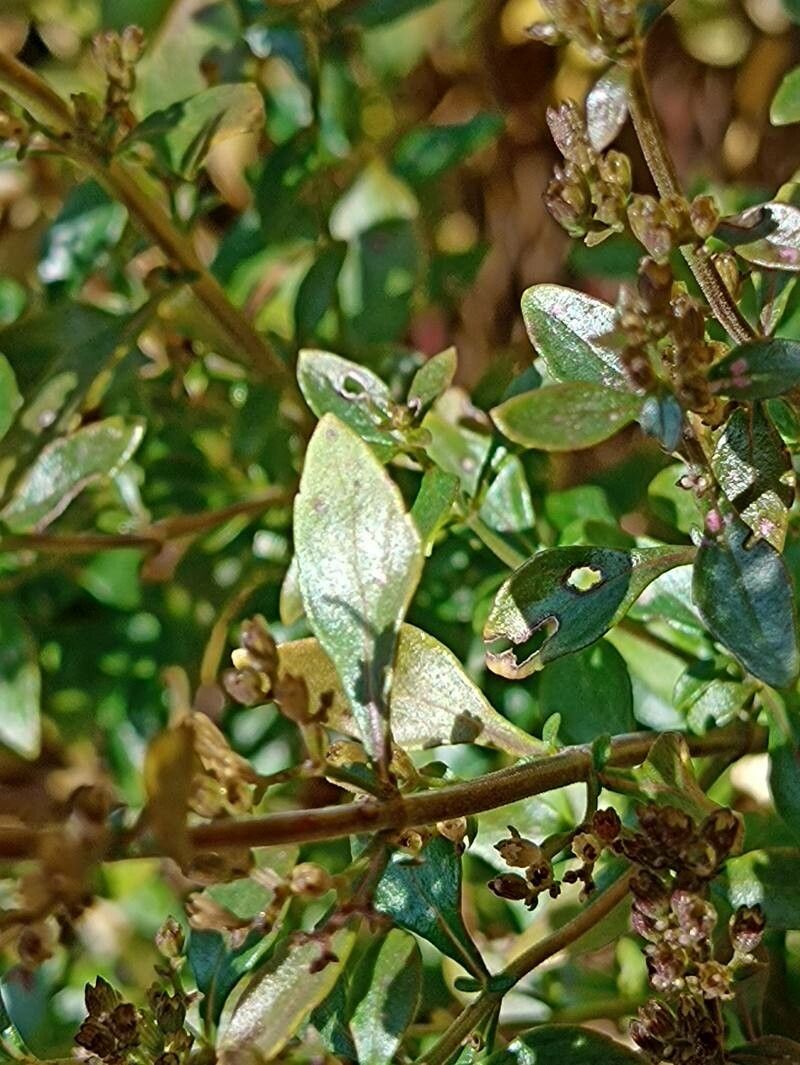
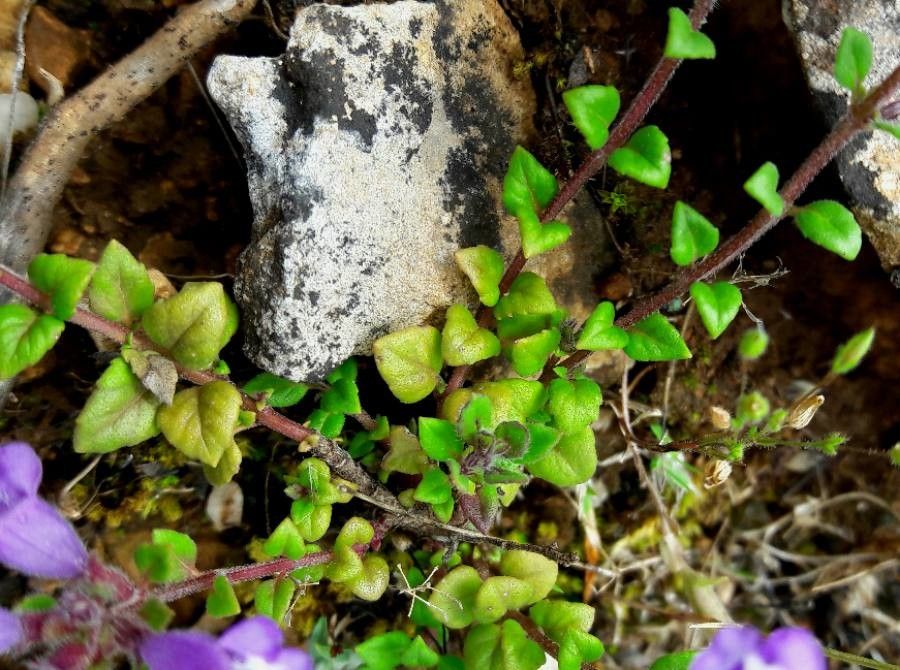
Chinese clinopodium exhibits moderate resistance to diseases but can be vulnerable to ailments like leaf spot. Its vulnerability to insect pests varies by variety, although most varieties have relatively low pest resistance. This plant requires regular watering and fertilization, and yellow leaves should be pruned frequently. It is important to address pests and diseases promptly when they appear, and to harvest the plant in a timely fashion. Chinese clinopodium is best suited for people who can dedicate some time and energy to routine care.
How to keep Clinopodium Chinense.
Light
Chinese clinopodium flourishes in regions that receive ample sunlight during the day, although it can withstand places with periods of shading as well. Its robust development is dependent on plenty of light exposure, with side effects like stunted growth and less vibrant leaves if it lacks adequate light. In its original environment, Chinese clinopodium is located in areas that are rich in daylight.
Water
Chinese clinopodium grows best in humid environments with consistent moisture. For optimal results, water it weekly, ensuring you avoid waterlogging. Rainwater is particularly beneficial for its growth, as it reduces the need for additional watering during the growing season and enhances the plant's vitality.
Temperature
The Chinese clinopodium originates from regions where the temperature fluctuates between 50 and 95 °F (10 to 35 ℃). It flourishes within this temperature parameter and when grown in different climates, it's suggested to imitate these circumstances, making suitable adjustments with seasonal changes.
Fertilizer
For enhancing the yield and taste of Chinese clinopodium, it's essential to provide enough nitrogen during its entire growth period, from before planting to harvesting. Plants that get sufficient water and nutrients give abundant and robust leaves and help limit bitterness. Before you start planting, it's recommended that you enrich the soil with organic substances such as compost or manure, preferably between 2 to 8 weeks earlier.
Pruning
To help Chinese clinopodium plants thrive, it's best to prune them from early to late spring. This involves removing dead stems, thinning out dense growth, and shaping the plant to improve airflow. These steps align with the plant's natural growth cycle and encourage vigorous growth, enhance blooming, prevent disease, and promote a bushier appearance.
Botanical profile.
- Plant Type
- Herb
- Life Cycle
- Perennial
- Genus
- Clinopodium
- Family
- Lamiaceae
- Hardiness Zone
- 6-9
- Mature Height
- 91 cm
- Mature Spread
- 20 cm to 40 cm
- Leaf Color
- Green, Dark Green
- Leaf Type
- Semi-evergreen
- Flower Color
- Purple, Lavender
- Flower Size
- 1.52 cm to 3.05 cm
- Bloom Time
- Summer
- Planting Time
- Spring, Summer, Autumn
- Harvest Time
- Late summer, Early fall, Mid fall
- Native Area
- Russia, Vietnam, Japan, Koppen, South Korea, China
Reader questions.
What are the sun requirements for Chinese clinopodium?
Chinese clinopodium requires full sun exposure for more than 6 hours daily to thrive but can also tolerate partial sun conditions, receiving about 3-6 hours of sunlight. The plant's growth and health are significantly influenced by sufficient light exposure, manifesting in weakened growth and paler foliage if deprived. Observing the movement of sunlight through the garden and choosing spots that offer a balance of light and shade will ensure the plants' wellbeing and happiness.
What is the native temperature range for growing Chinese clinopodium?
Chinese clinopodium thrives in a temperature range from 50 to 95 °F (10 to 35 °C). It is native to areas where these temperatures are prevalent. When cultivating Chinese clinopodium in different environments, it's crucial to mimic these conditions as closely as possible, adjusting for seasonal changes to ensure the plant thrives.
How does artificial lighting benefit Chinese clinopodium indoors?
When natural sunlight is insufficient, especially during winter or in less sunny spaces, artificial lighting becomes crucial for the optimal growth of indoor Chinese clinopodium plants. Adequate lighting promotes faster, healthier growth. LED lights are recommended due to their ability to be customized to the specific wavelengths needed by the plants. The intensity of the light (measured in watts per square foot) and the duration of exposure (8-12 hours per day) should mimic natural sunlight conditions, with the light source placed 12-36 inches above the plants to emulate the natural daylight hours most closely.
Does Chinese clinopodium require special frost protection during winter?
Chinese clinopodium has strong cold resistance, normally negating the need for special frost protection measures during winter. However, in regions where temperatures are expected to dip below -25°C, it's important to safeguard the plants against the cold. This can be done by covering the plants with insulating materials such as soil or straw. Additionally, watering the plants abundantly before the first freeze in autumn helps the soil stay moist and freeze, which provides the plants with moisture during winter and early spring, preventing drought and water scarcity.
What are the symptoms of inadequate lighting in Chinese clinopodium?
Inadequate lighting can lead to several symptoms in Chinese clinopodium, including smaller new leaves, leggy or sparse growth, faster leaf drop, slower or no new growth, and light-colored or yellowing leaves. These symptoms denote a survival mode due to insufficient light, affecting chlorophyll production and photosynthesis. Additionally, too much sunlight can cause symptoms like chlorosis, sunscald, leaf curling, wilting, and leaf scorching, indicating damage from excessive light exposure.
How does low temperature affect Chinese clinopodium, and what are the solutions?
Chinese clinopodium is cold-tolerant, ideally kept above 10°C and can generally withstand temperatures down to -15°C. Exposure to temperatures below -25°C won't cause immediate visible damage during winter, but may lead to decreased sprouting or a complete lack of sprouting come springtime. The solution for plants that have been exposed to such extreme cold and exhibit reduced sprouting in spring is to remove any parts of the plant that have failed to sprout.
How can you address lighting issues for Chinese clinopodium?
To optimize growth, gradually acclimate Chinese clinopodium to brighter conditions, aiming for at least 6 hours of direct sunlight daily. This can be done by using a south-facing window for indoor plants or moving outdoor plants to sunnier spots each week to avoid shock. If natural light is inadequate, artificial grow lights can provide sufficient light, with a recommended exposure of at least 8 hours daily. For plants affected by lighting issues, some parts may not recover, but new growth should be healthy following these adjustments. Removing obstructions and considering transplanting during the plant's dormant period can further alleviate lighting issues by ensuring ample sunlight and good drainage.
What should be done if Chinese clinopodium experiences high temperatures?
During the summer months, it is vital to ensure that the temperature around Chinese clinopodium does not exceed 35°C. Temperatures above 38°C can cause the leaves to lighten in color, curl, and become susceptible to sunburn. In severe cases, this may lead to the whole plant wilting and drying out. To mitigate this, sunburned and dried parts of the plant should be trimmed away. Relocating the plant to a shaded area or employing a shade cloth can protect it from the midday and afternoon sun. Additionally, watering the plant in the morning and evening helps maintain soil moisture, further protecting the plant from excessive heat.