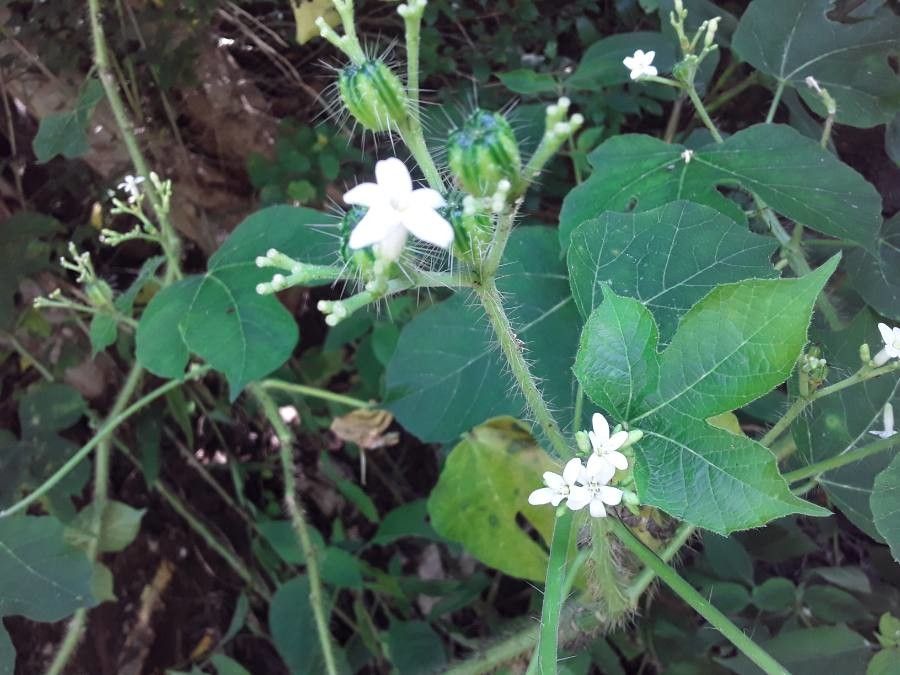
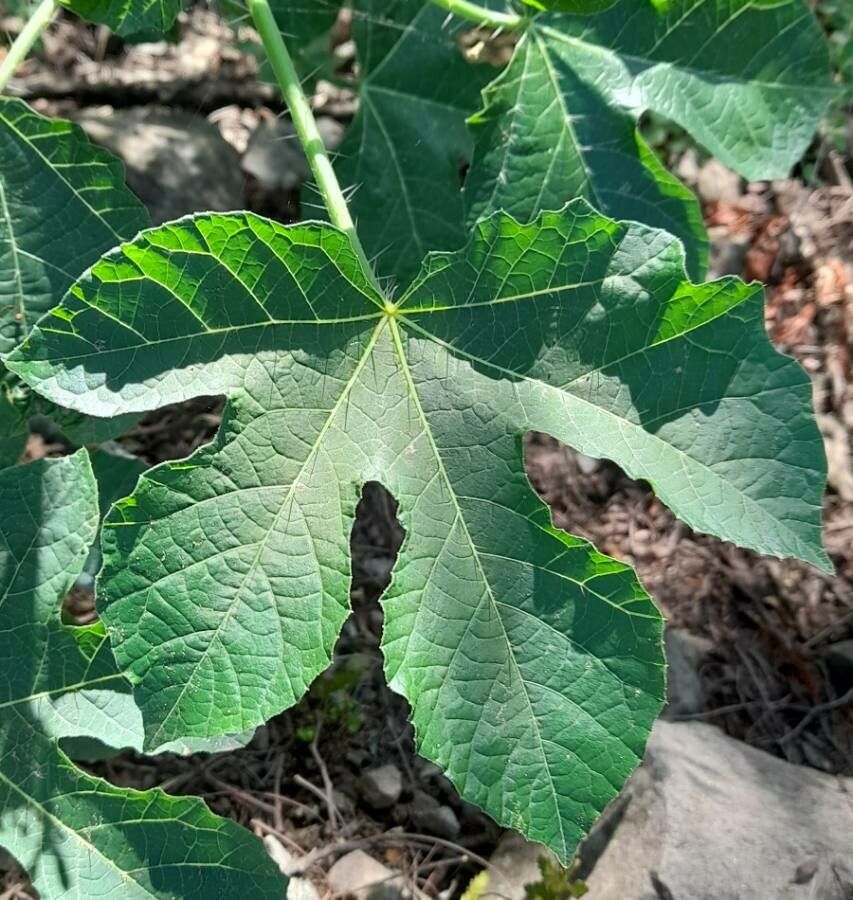
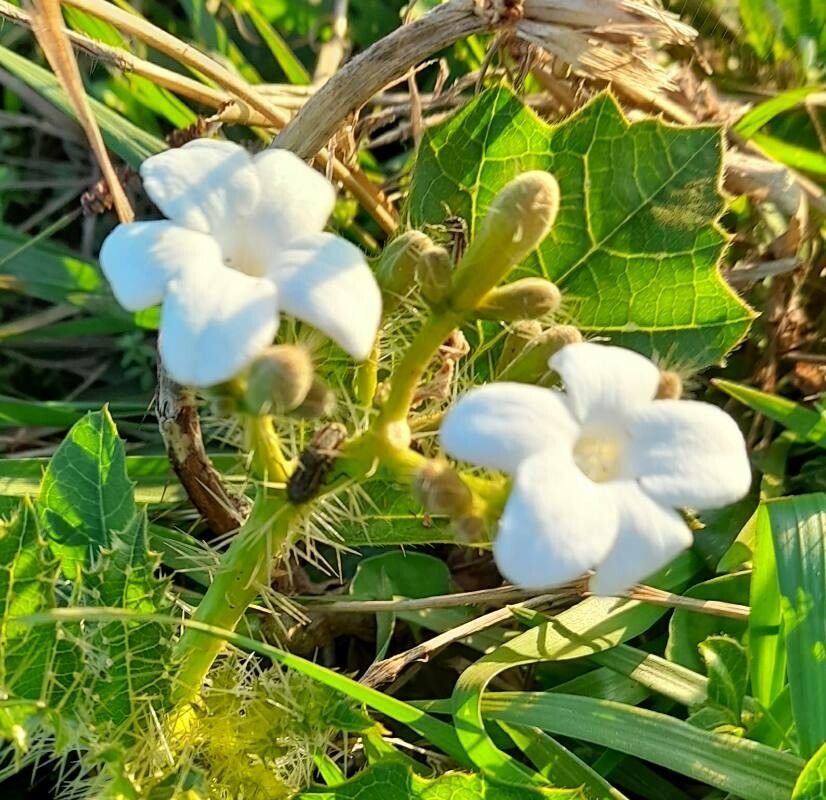
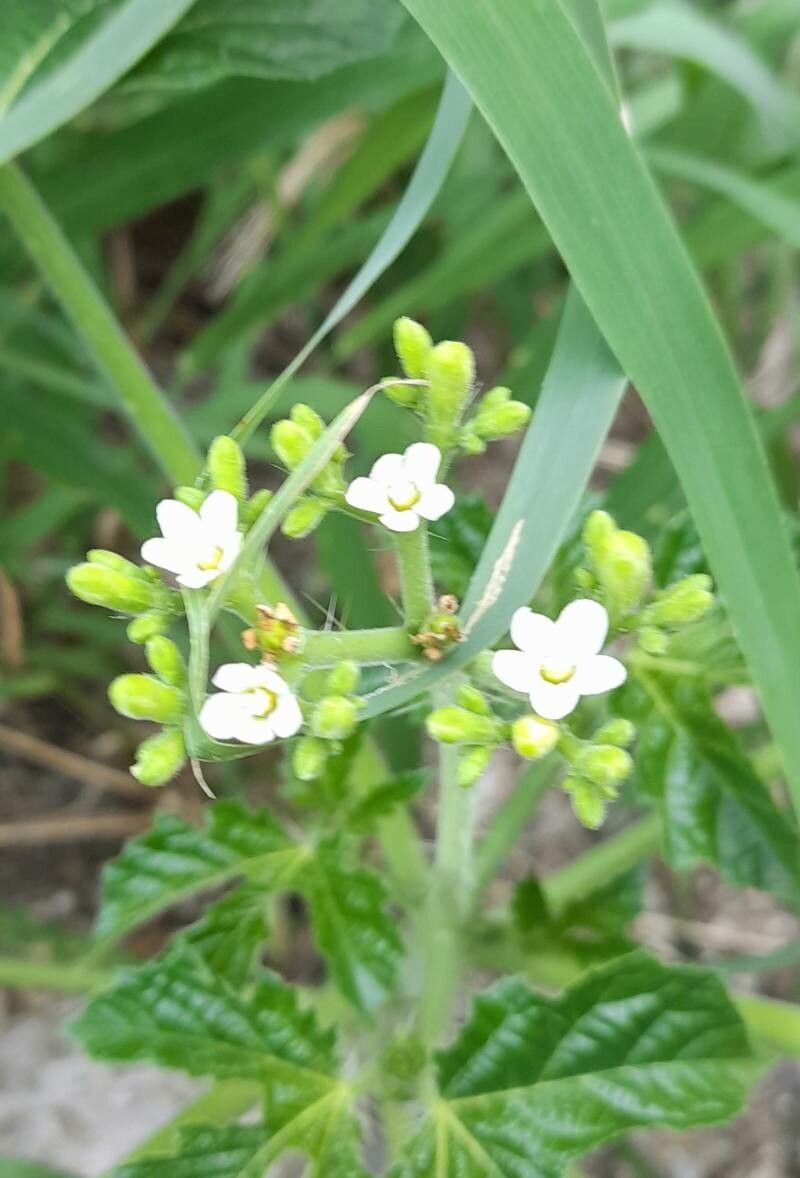
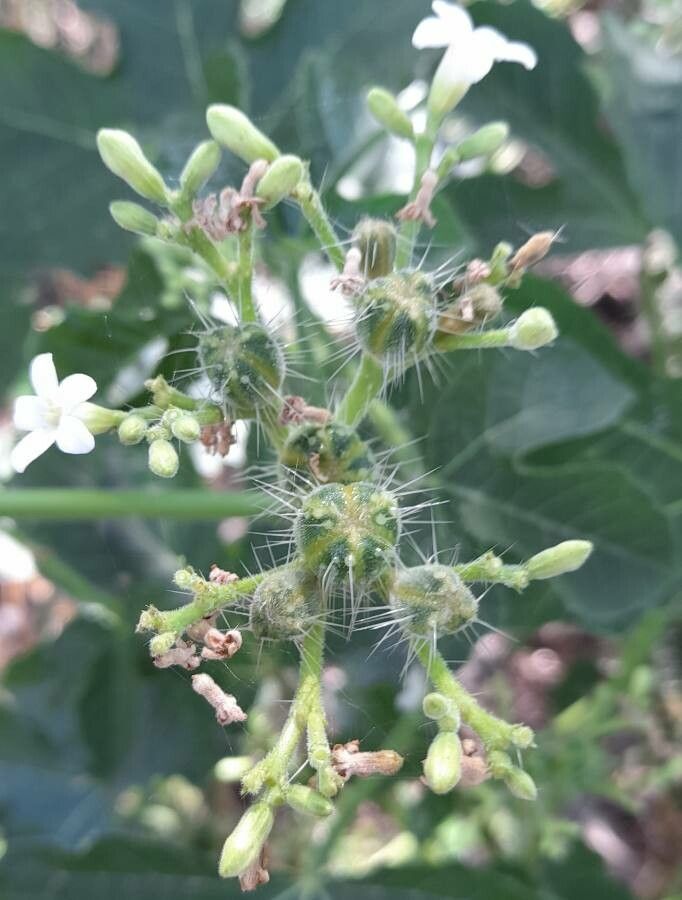
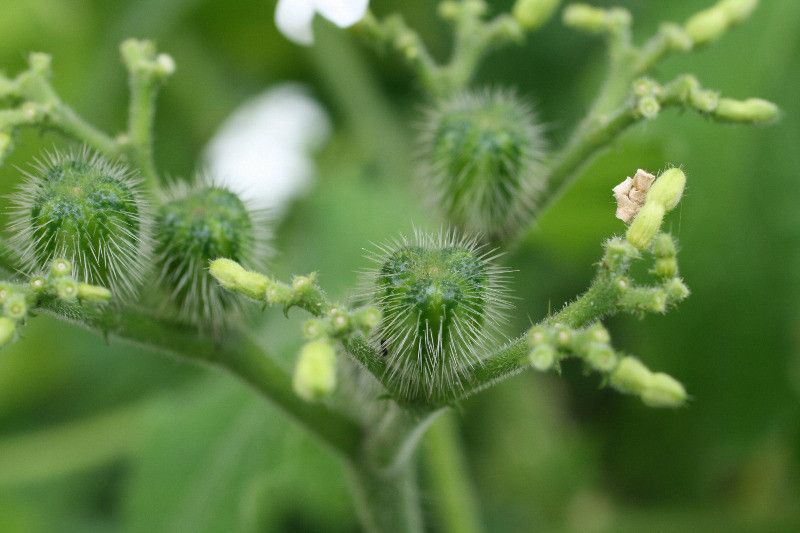
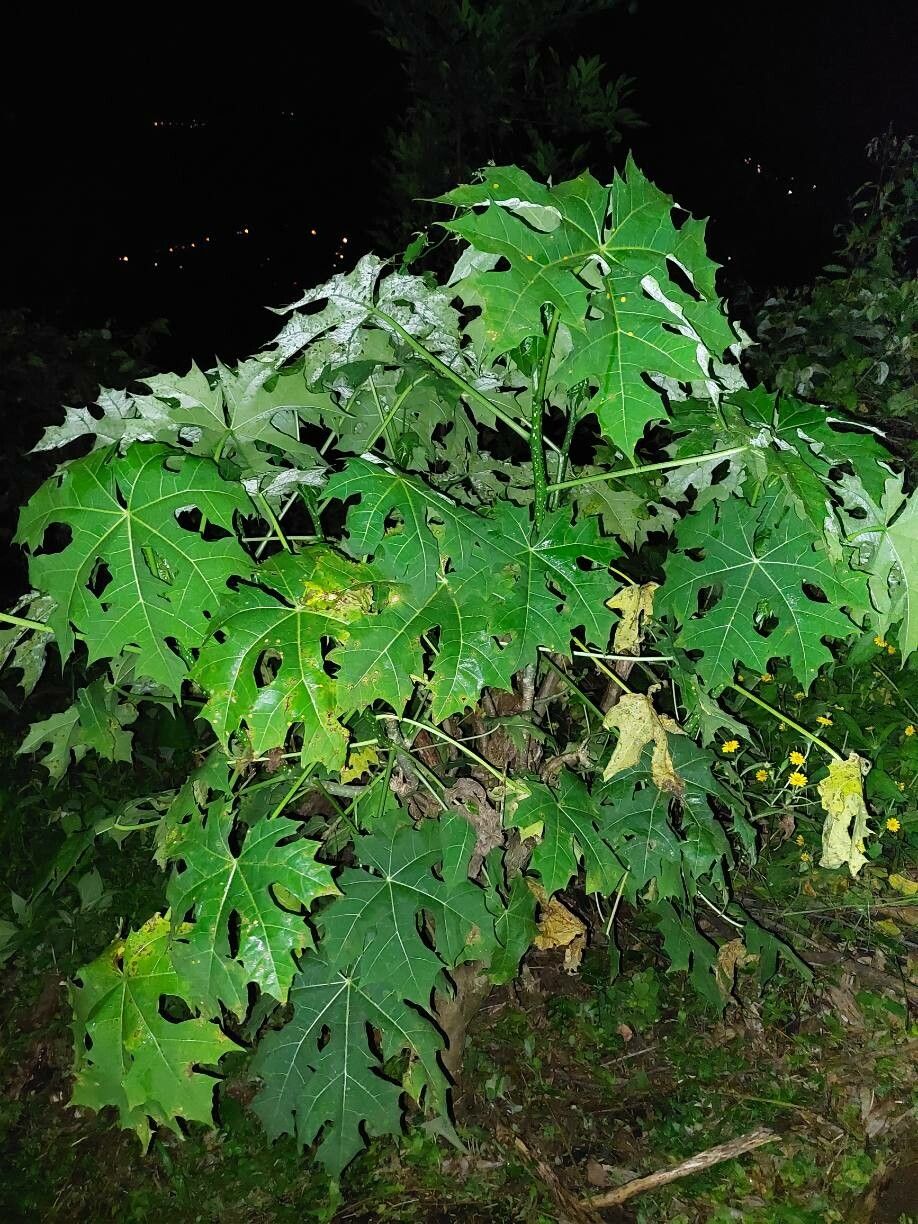
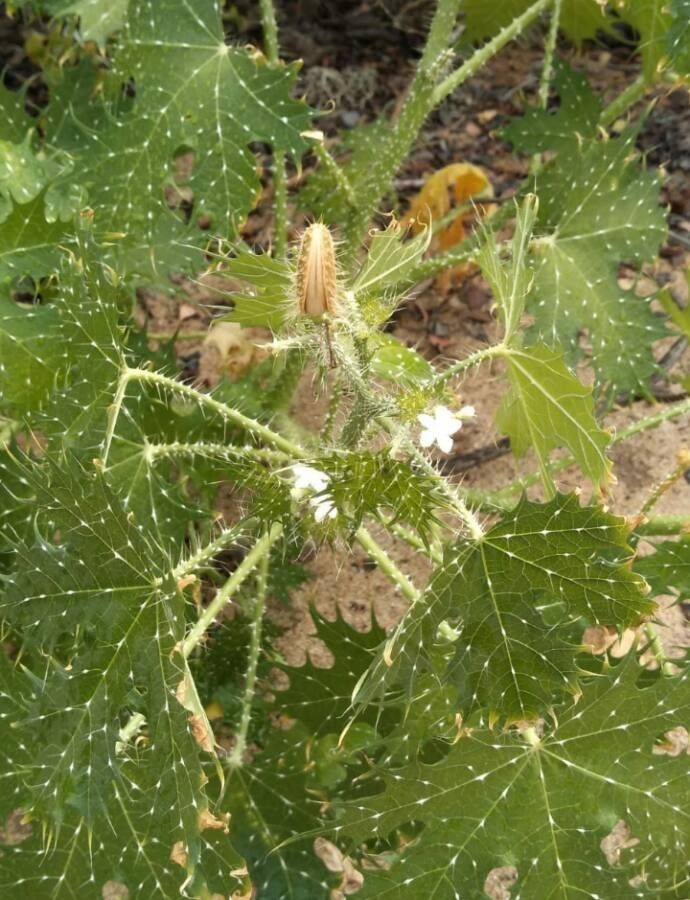
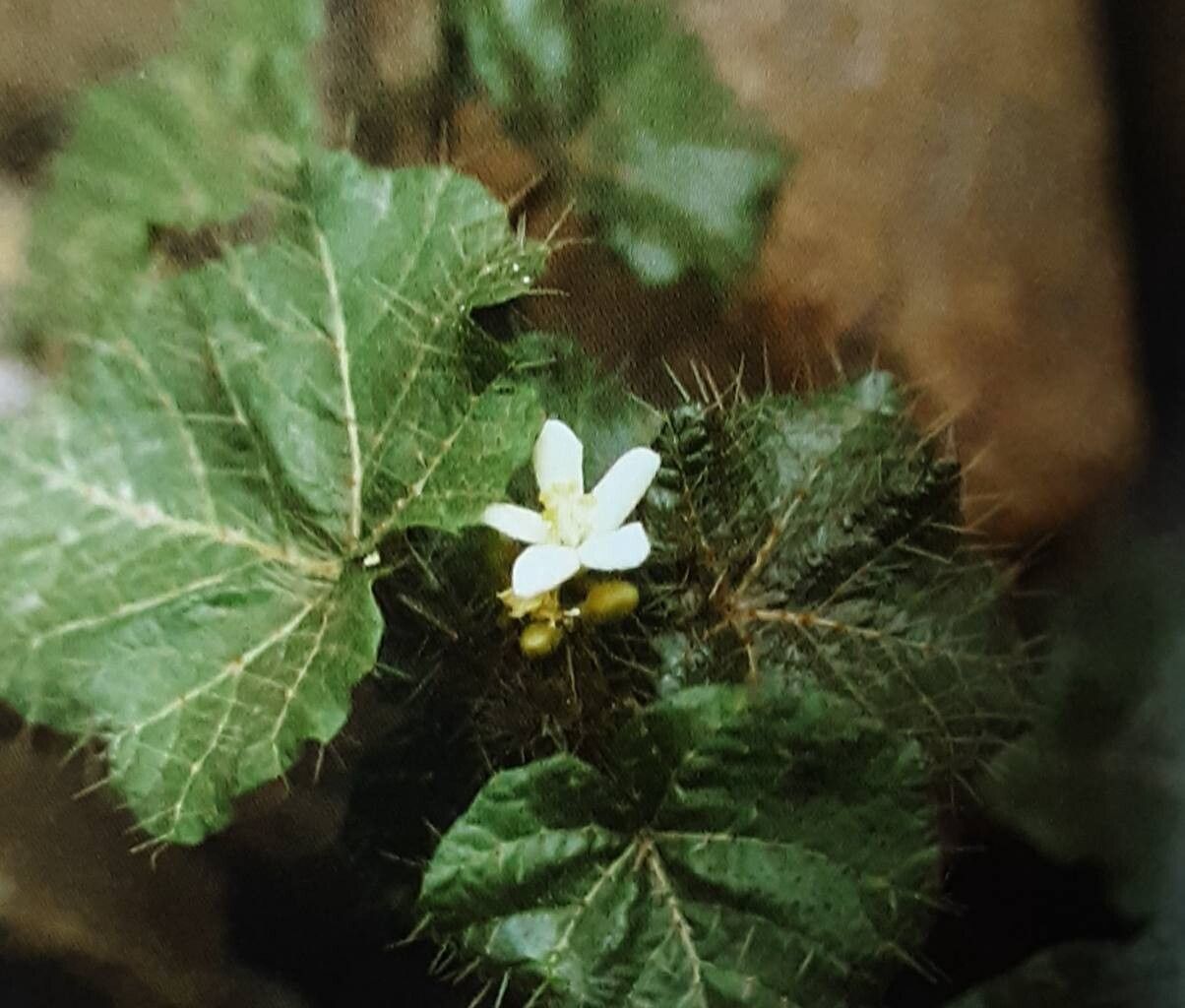
Cnidoscolus urens, commonly known as the stinging nettle or tread-softly plant, is a perennial shrub that belongs to the Euphorbiaceae family. Native to Central and South America, it can also be found in various other regions worldwide. The plant can grow up to 2 meters tall and features a woody stem with thorny branches.
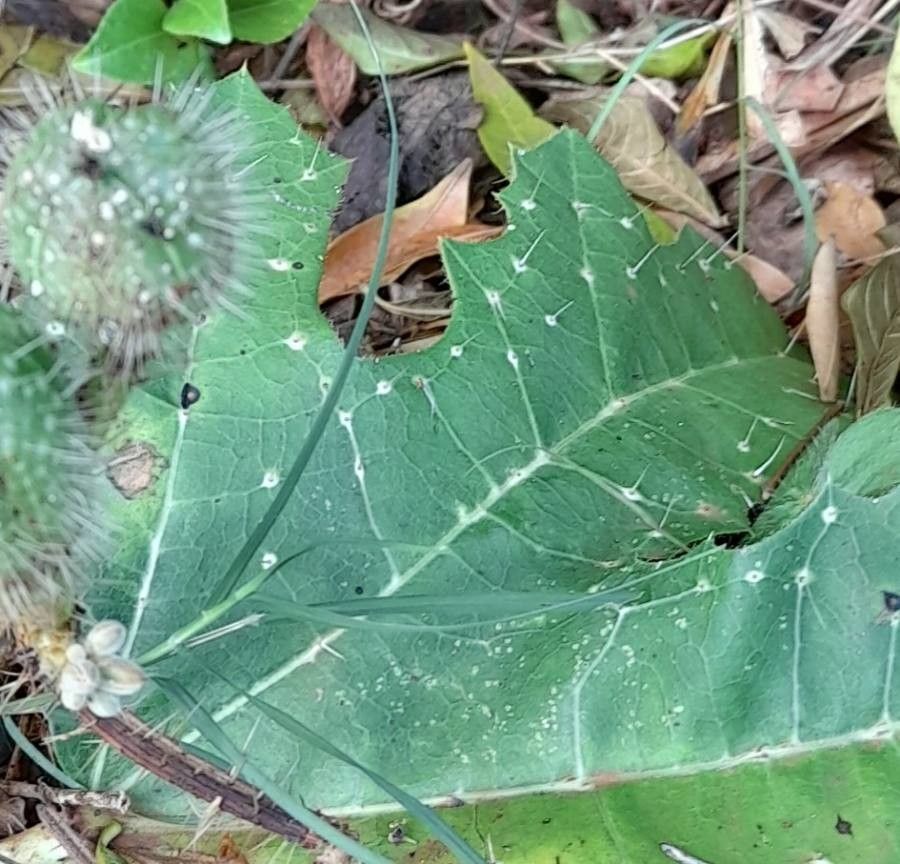
The leaves of Cnidoscolus urens are heart-shaped with serrated edges and are covered in tiny stinging hairs that can cause skin irritation upon contact. Its flowers are small, greenish-yellow, and form clusters at the ends of the branches.
Indigenous people have used this plant for medicinal purposes for centuries. It is believed to possess anti-inflammatory properties and has been utilized to treat arthritis pain, skin rashes, insect bites, and other ailments.
Cnidoscolus urens also has culinary applications. The leaves can be cooked like spinach or added raw to salads, but they must be boiled first to remove the stinging hairs.
Overall, Cnidoscolus urens is an intriguing plant with both medicinal and culinary uses. However, it should be handled with care due to its stinging hairs, which can cause irritation upon contact.
The tropical bull nettle is fairly disease-resistant and typically not prone to illnesses. However, it can be affected by pests and diseases present in its surroundings. These infections are usually mild. In terms of care, the plant requires moderate maintenance. Regular pruning is needed to preserve a neat appearance and support healthy growth. Fertilizing can also help encourage flowering. The tropical bull nettle is suitable for anyone with outdoor space, such as a garden or patio, and does not demand extensive gardening experience. It may need more attention when grown indoors.
How to keep Cnidoscolus Urens.
Light
Tropical bull nettle is a sun-loving, perennial herbaceous plant native to open habitats, frequently found in meadows and grasslands. It prefers full sun but can also tolerate partial sun.
Water
Tropical bull nettle flourishes in humid tropical environments and needs regular watering without becoming waterlogged. To maintain a proper moisture balance, it is best to water the plant weekly. As an outdoor plant in warm climates, it requires careful water management, especially during dry spells, to ensure lush growth.
Temperature
Tropical bull nettle comes from tropical areas, where the climate is generally warm and humid. Consequently, it is adapted to high temperatures and moisture. It is sensitive to sudden temperature shifts and prefers a stable thermal environment, so indoor temperature fluctuations should be avoided. It typically cannot tolerate cold and requires warmer conditions for growth. If the surrounding temperature falls too low, the plant may stop growing or even perish.
Fertilizer
Tropical bull nettle needs the most fertilizer during its active growth period, which takes place mainly in spring, summer, and early fall. Fertilization supplies essential nutrients the soil may lack, supporting healthy root and stem development and producing the attractive foliage that is a key characteristic of this plant.
Pruning
Prune tropical bull nettle in early to late spring to boost its vitality and control its growth. Start by removing any dead stems and thinning out dense areas to improve air circulation. Make sure not to cut more than one-third of the plant to avoid causing stress. Remember to wear gloves for protection, as the plant can be irritating to the skin.
Botanical profile.
- Plant Type
- Herb, Shrub
- Life Cycle
- Perennial
- Genus
- Cnidoscolus
- Family
- Euphorbiaceae
- Hardiness Zone
- 9-11
- Mature Height
- 0.49 m to 1.52 m
- Mature Spread
- 0.91 m to 2.13 m
- Leaf Color
- Green
- Leaf Type
- Deciduous
- Flower Color
- White
- Flower Size
- 1.02 cm to 1.52 cm
- Bloom Time
- All year round
- Planting Time
- Spring, Summer, Autumn
- Harvest Time
- All year round
Other names.
Reader questions.
How can I water my Tropical bull nettle in the best way?
To ensure the health of the Tropical bull nettle, it is recommended to use filtered water at room temperature for watering. Tap water may contain harmful particles, hence filtered water is preferable. The plant originates from a warm environment, so using cold water can be a shock. Moreover, it is best to avoid overhead watering as it can cause issues with the leaves. Instead, water the soil directly until it is completely soaked. This helps moisturize the roots and aids in the spread of nutrients through the soil.
What are the sunlight requirements for Tropical bull nettle?
Tropical bull nettle thrives in full sun, requiring above 6 hours of sunlight to flourish. However, it can also tolerate partial sun, which constitutes about 3-6 hours of sunlight. It's crucial to observe your garden's light conditions closely to select spots that offer a balanced environment for your plants. This ensures they receive the proper amount of light and shade, contributing to their growth and health.
What do I need to do if I give my Tropical bull nettle either too much or too little water?
Overwatering and underwatering can both harm your Tropical bull nettle, but overwatering is a common issue. If this species gets too much water, the stems and leaves may wilt and turn yellow. It can also lead to diseases like root rot, mold, and mildew, which can be fatal for the plant. Underwatering is less common because the Tropical bull nettle is drought tolerant, but it can still happen. In such cases, the leaves become brittle and brown. It's important to watch for signs of overwatering and act quickly. Some diseases caused by overwatering, like root rot, may be irreversible if not addressed promptly. If you see early signs of overwatering, reduce your watering schedule and check the soil drainage. If the soil doesn't drain well, replace it with a loose, well-draining potting mix. If your Tropical bull nettle appears to be receiving too little water, increase your watering frequency until the signs improve.
How can artificial lighting support the growth of Tropical bull nettle indoors?
When natural sunlight is insufficient, especially during winter or in less sunny areas, artificial lighting becomes a vital alternative for supporting the growth of indoor Tropical bull nettle plants. LED lights are recommended due to their capability to mimic specific wavelengths needed by plants. For optimal growth, full sun plants should receive 30-50W/sq ft of artificial light, partial sun plants 20-30W/sq ft, and full shade plants 10-20W/sq ft. The artificial light source should be positioned 12-36 inches above the plant and kept on for 8-12 hours per day to simulate natural daylight conditions.
How frequently should I water my Tropical bull nettle plant?
If your Tropical bull nettle plant is in a pot, the most precise way to determine if it needs water is by putting your finger in the soil. If the top two to three inches of soil feel dry, it's time to water it. Similarly, if you have your Tropical bull nettle plant growing outdoors in the ground, you can use the same method to test the soil. Once the top few inches of soil have dried out, it's time to water. Typically, during spring and early fall, you would need to water this plant about once a week using this method. However, in extremely hot weather, you may have to water it two or more times per week. It's worth noting that mature and well-established Tropical bull nettles have an impressive ability to withstand drought.
What are the symptoms of light deficiency in Tropical bull nettle?
Symptoms of light deficiency in Tropical bull nettle include smaller new leaves, leggy or sparse growth with longer spaces between leaves or stems, faster drop of older leaves, delayed or halted new growth, lighter-colored new leaves indicating a lack of chlorophyll, and conditions like chlorosis where leaves lose their green hue and turn yellow. Excessive sunlight exposure can also lead to sunscald, leaf curling, wilting, leaf scorching, and overall reduction in plant health. Observing these symptoms can guide in adjusting light exposure for optimal plant health.
How much water does my Tropical bull nettle plant require?
To properly water your Tropical bull nettle, don't hold back on the amount of water you give. Make sure the first two to three inches of soil are dry before watering. Give the plant a thorough watering that completely saturates the soil. You'll know you've added enough water when you see excess water flowing out of the drainage holes at the bottom of the pot. If you don't see this, then you've likely not given enough water. However, be careful not to let the water accumulate in the soil, as this can harm the plant. On the other hand, if you notice that water is not draining well through the pot, this could mean that the soil is poorly draining, which is not good for the plant's health. Lastly, if the plant is outdoors, one inch of rain per week should be enough.
How can I address light deficiency issues in Tropical bull nettle?
To address light deficiency in Tropical bull nettle, gradually acclimate your plant to more sunlight by moving it to a sunnier spot each week until it achieves a minimum of 6 hours of direct sunlight daily, particularly using a south-facing window for indoor plants. Use artificial light sources like desk or ceiling lamps for at least 8 hours daily or invest in professional plant grow lights if the plant is large. Outdoors, avoid sudden changes to prevent sunburn and consider pruning obstructions like tree branches for better sunlight exposure. For ground plants, transit them during their dormant period to a sunnier location with good drainage, prioritizing clear obstacle identification and careful transplanting to ensure healthy new growth.
How do I water my Tropical Bull Nettle at different times when it's growing?
The water needs of the Tropical bull nettle change depending on its growth stages. In the first few years or right after transplanting, it needs more water to support root development. As the plant matures, it requires less water. During the bloom period, it may need additional water due to the energy used for flower development.
How do I water my Tropical bull nettle in different seasons?
The Tropical bull nettle has different water needs depending on the season. In the hottest months of the year, it will require more water and may need to be watered more than once a week if the soil dries out quickly. On the other hand, during winter, the plant enters a dormant phase and needs much less water. In fact, you may not need to water it at all during the winter months. However, if you choose to water it, do so no more than once a month. Overwatering during this time increases the risk of the plant getting a disease.
How is watering my Tropical bull nettle different when it's inside compared to outside?
For gardeners who live outside of temperate and tropical regions, it is common to grow the Tropical bull nettle indoors. It's important to keep in mind that the soil in a container can dry out quicker than ground soil. Additionally, if you have drying elements like air conditioning units, your Tropical bull nettle may need water more frequently compared to if it were planted outside. In that case, you may not need to water it much at all if you receive regular rainfall. On the other hand, if you grow this plant indoors, you will need to water it more often since relying on rainwater to soak the soil is not an option.